Discover the visionary filmmakers behind cinema's greatest works.
Explore our selection of acclaimed directors and their remarkable films.
Showing 1693-1704 out of 4148

Jay Roach is an American film director known for his diverse range of film genres, including comedy, drama, and biography. He made a significant impact on cinema with his unique directorial style and ability to blend humor with compelling storytelling. Roach's notable films include the wildly successful "Austin Powers" series, "Meet the Parents," "The Campaign," "Bombshell," and "Trumbo." Roach's directorial style is characterized by a sharp wit, clever humor, and a keen eye for character-driven narratives. His ability to infuse comedy with poignant social commentary has made him a sought-after director in the industry. He has a knack for creating memorable and relatable characters, often placing them in absurd yet relatable situations that resonate with audiences. Throughout his career, Roach has explored recurring themes such as the dynamics of relationships, the absurdity of politics, and the resilience of individuals in the face of adversity. His films often tackle complex subjects with a lighthearted approach, effectively engaging audiences while delivering thought-provoking messages. "Meet the Parents" and its sequel "Meet the Fockers" showcased Roach's talent for capturing the comedic intricacies of familial relationships. His work on the "Austin Powers" series solidified his reputation as a director with a knack for crafting iconic and enduring comedy franchises. In "Bombshell," Roach demonstrated his ability to tackle real-life events with sensitivity and nuance, delving into the #MeToo movement with a blend of drama and dark humor. Jay Roach has left an indelible mark on cinema through his ability to seamlessly weave humor into compelling narratives. His films have entertained audiences while addressing pertinent social and political issues, showcasing his versatility as a director. Roach's unique vision and contributions to the film industry have solidified his status as a director with a lasting impact on the world of cinema. Keywords: Jay Roach, film director, directorial style, notable films, comedy, drama, biography, Austin Powers, Meet the Parents, The Campaign, Bombshell, Trumbo, directorial contributions, impact on cinema

Jay Russell is an American film director known for his emotionally resonant storytelling and ability to capture the essence of human relationships on screen. With a career spanning over two decades, Russell has left an indelible mark on cinema through his diverse filmography and directorial style. His notable films include "My Dog Skip" (2000), "Ladder 49" (2004), "The Water Horse" (2007), and "Tuck Everlasting" (2002), each showcasing his adeptness at helming a wide range of genres, from heartwarming family dramas to gripping action thrillers and enchanting fantasies. Russell's directorial style is characterized by his keen focus on character development and the exploration of profound emotional themes. His films often delve into the complexities of human nature, the bond between humans and animals, the courage and sacrifice of first responders, and the timeless allure of fantastical worlds. Through his storytelling, Russell adeptly weaves together narratives that resonate with audiences on a deeply emotional level, portraying the triumphs and tribulations of the human experience with authenticity and sincerity. One of Russell's most beloved works, "My Dog Skip," exemplifies his ability to craft poignant, coming-of-age stories that tug at the heartstrings. The film beautifully captures the innocence and companionship between a young boy and his faithful canine, evoking nostalgia and empathy in viewers of all ages. In "Ladder 49," Russell adeptly navigates the high-stakes world of firefighting, portraying the camaraderie and heroism of firefighters while delving into the personal sacrifices they make in the line of duty. "The Water Horse" showcases Russell's prowess in bringing magical tales to life on the silver screen, as he skillfully blends fantasy and adventure with a heartfelt narrative about friendship and the wonder of mythical creatures. Meanwhile, "Tuck Everlasting" demonstrates his affinity for enchanting fables and thought-provoking storytelling, as he brings to life a timeless tale of immortality and the pursuit of a meaningful existence. Throughout his career, Jay Russell has made a significant impact on cinema by infusing his films with emotional depth, relatable characters, and universal themes that resonate with audiences across generations. His unique vision and ability to craft compelling narratives have solidified his place as a director with a profound understanding of the human spirit, leaving an enduring legacy in the realm of storytelling through film.


Jay Sandrich was an acclaimed film and television director whose career spanned over five decades. He is best known for his work in the comedy genre, where he expertly combined humor with a touch of romance to create memorable and beloved films. One of his most notable directorial works is the 1980 film "Seems Like Old Times," which starred Chevy Chase and Goldie Hawn. The film was a quintessential example of Sandrich's directorial style, blending witty humor with endearing romantic elements. Throughout his career, Sandrich showcased a keen eye for capturing the intricacies of human relationships and emotions, which became a recurring theme in many of his films. His directorial approach emphasized authentic character dynamics and genuine storytelling, resonating with audiences and critics alike. Sandrich's ability to infuse humor with heartfelt moments set him apart as a director with a unique vision and an innate understanding of the human experience. In addition to his work in film, Jay Sandrich made significant contributions to the television industry, directing numerous episodes of iconic sitcoms such as "The Mary Tyler Moore Show" and "The Cosby Show." His impact on the entertainment landscape extended beyond the big screen, solidifying his reputation as a versatile and influential director. Jay Sandrich's directorial legacy continues to inspire filmmakers and entertain audiences, leaving an indelible mark on the comedy and romance genres. His ability to seamlessly blend humor and romance, coupled with his insightful exploration of human connections, cements his status as a visionary director whose work continues to entertain and resonate with audiences to this day.

J Blakeson is a British film director known for his unique vision and ability to blend genres seamlessly. With a small but impactful filmography, Blakeson has made a name for himself as a filmmaker who brings a fresh perspective to the screen. His notable films include "I Care a Lot" (2020), a dark comedy crime drama starring Rosamund Pike, "The 5th Wave" (2016), a thrilling sci-fi adventure, and "The Disappearance of Alice Creed" (2009), a gripping crime thriller. Blakeson's directorial style is characterized by his adeptness at creating tension and suspense within the narratives of his films. He has a keen eye for detail and an innate understanding of pacing, which allows him to craft compelling and immersive storytelling experiences. His films often feature morally complex characters and explore themes of deception, survival, and the consequences of one's actions. Blakeson's ability to infuse his work with a sense of unpredictability keeps audiences on the edge of their seats, making his films a captivating watch. In "I Care a Lot," Blakeson masterfully blends elements of comedy, crime, and drama to deliver a thought-provoking commentary on greed and power. The film received critical acclaim for its sharp writing, stylish direction, and standout performances, cementing Blakeson's reputation as a director with a distinct voice. "The 5th Wave" showcased his skill in crafting visually stunning and action-packed sequences while delving into the emotional turmoil of a post-apocalyptic world. "The Disappearance of Alice Creed" demonstrated his ability to create a taut and suspenseful atmosphere within a confined setting, proving his versatility as a director. Blakeson's impact on cinema lies in his ability to push boundaries and defy genre conventions, offering audiences a fresh take on familiar themes. His films have left a lasting impression, garnering a dedicated following and earning him a place among the most promising directors in the industry. As he continues to evolve as a filmmaker, Blakeson's future projects are highly anticipated, with audiences eagerly awaiting the next chapter in his compelling directorial journey. With his distinct directorial style and a knack for crafting engaging narratives, J Blakeson remains a filmmaker to watch in the ever-evolving landscape of cinema.

J.B. Rogers is a talented film director known for his work in the comedy genre. His directorial style is characterized by a sharp wit, fast-paced storytelling, and a knack for capturing the humorous and often awkward moments of human interaction. Rogers has made a significant impact on cinema through his ability to infuse his films with relatable characters and situations, creating a lasting impression on audiences. In 2001, Rogers directed the romantic comedy "Say It Isn't So," which showcased his ability to blend romance with offbeat humor. The film's quirky storyline and unconventional approach to love struck a chord with audiences, establishing Rogers as a director with a unique vision. The same year, he directed "American Pie 2," the highly anticipated sequel to the wildly successful teen comedy. Rogers brought his signature comedic flair to the film, delivering a hilarious and raucous depiction of the characters' post-high school adventures. Rogers' films often explore themes of love, friendship, and the absurdity of everyday life, resonating with audiences on a personal level. His ability to find humor in the mundane and capture the awkwardness of human relationships has set him apart as a director with an acute understanding of the human experience. His contributions to the comedy genre have left an indelible mark on cinema, inspiring a new generation of filmmakers to explore the comedic potential of everyday situations. Overall, J.B. Rogers' directorial career has been defined by his unique ability to infuse his films with humor, heart, and an unapologetic embrace of the absurd. His films continue to entertain and resonate with audiences, solidifying his status as a director with a distinct comedic vision. As a pioneer in the comedy genre, Rogers has left an enduring legacy, inspiring filmmakers to explore the comedic potential of the human experience in new and innovative ways.

J.C. Chandor is a visionary director known for his compelling storytelling and masterful command of the cinematic medium. With an impressive filmography that includes "A Most Violent Year" (2014), "All Is Lost" (2013), "Triple Frontier" (2019), and "Margin Call" (2011), Chandor has established himself as a formidable force in the world of cinema. His directorial style is characterized by a meticulous attention to detail, nuanced character development, and a keen understanding of the human condition, which he skillfully translates onto the screen. Chandor's films often explore themes of morality, ambition, and the complexities of human nature, delving into the darker aspects of society while offering profound insights into the human experience. "A Most Violent Year" is a prime example of Chandor's directorial prowess, weaving a gripping narrative set in 1981 New York that delves into the moral struggles of an ambitious business owner navigating the treacherous world of competitive industries. The film's richly layered storytelling and intense character dynamics showcase Chandor's ability to craft compelling, thought-provoking narratives. In "All Is Lost," Chandor takes a bold and unconventional approach, placing legendary actor Robert Redford in a nearly dialogue-free survival tale set against the vastness of the sea. The film stands as a testament to Chandor's ability to capture the raw essence of human resilience and the fragility of life, showcasing his versatility as a director. "Triple Frontier" further demonstrates Chandor's range, as he ventures into the realm of action and thriller, delivering a gripping tale of former Special Forces operatives embarking on a high-stakes heist in South America. Chandor's impact on cinema is undeniable, as he continues to push the boundaries of storytelling and craft narratives that resonate deeply with audiences. His unique vision and unwavering commitment to authenticity have earned him critical acclaim and a dedicated following. With each new project, J.C. Chandor reaffirms his position as a directorial powerhouse, consistently delivering films that leave a lasting impression on the cinematic landscape.

J.D. Dillard is a rising star in the film industry known for his distinctive directorial style, unique vision, and impactful storytelling. With a background in both writing and directing, Dillard has quickly made a name for himself with his thought-provoking narratives and visually stunning films. His most recent directorial endeavor, "Devotion" (2022), is a testament to his versatile talent, blending action, drama, and war themes into a gripping cinematic experience. Dillard's directorial style is characterized by its immersive storytelling, dynamic visuals, and compelling character development. He has a keen ability to infuse his films with a sense of urgency and emotional depth, drawing audiences into the heart of the narrative. "Devotion" showcases Dillard's skillful command of action sequences, as well as his nuanced approach to exploring the human experience within the context of war. His ability to balance intense, high-stakes action with intimate, character-driven drama sets him apart as a director with a keen understanding of the complexities of storytelling. Notable for his ability to infuse his films with relevant and thought-provoking themes, Dillard's work often explores the human condition, resilience, and the impact of external forces on personal identity. His films resonate with audiences by delving into the emotional and psychological landscapes of his characters, adding depth and complexity to his storytelling. Dillard's impact on cinema lies in his commitment to pushing boundaries and challenging conventions, offering audiences a fresh perspective on familiar genres and themes. With "Devotion," Dillard continues to cement his reputation as a director to watch, showcasing his ability to craft compelling narratives that transcend traditional genre boundaries. His unique vision and commitment to storytelling excellence position him as a formidable force in the film industry, and his future projects are eagerly anticipated by audiences and critics alike. J.D. Dillard's contributions to film exemplify a directorial talent that is as versatile as it is impactful, making him a standout figure in contemporary cinema.

Jean-Baptiste Andrea is a French film director known for his unique blend of adventure, horror, mystery, comedy, and crime in his films. His notable works include "Dead End" (2003) and "Big Nothing" (2006), both of which showcase his distinct directorial style and storytelling prowess. "Dead End" is a masterful exploration of horror and mystery, set in a claustrophobic and eerie atmosphere. Andrea's adept use of suspense and tension keeps viewers on the edge of their seats, while his skillful navigation of the genre's tropes and conventions sets "Dead End" apart as a standout horror film. The movie's success cemented Andrea's reputation as a director with a keen understanding of audience anticipation and fear, showcasing his ability to craft a gripping narrative with a haunting atmosphere. In "Big Nothing," Andrea delves into the realm of comedy and crime, demonstrating his versatility as a director. The film's dark humor and thrilling narrative underscore Andrea's ability to seamlessly blend genres, creating an enthralling cinematic experience. His directorial finesse is evident in the film's fast-paced storytelling and sharp wit, further solidifying his reputation as a visionary director with a knack for delivering captivating and multifaceted narratives. Andrea's directorial style is characterized by his ability to infuse tension, intrigue, and dark humor into his films, creating an immersive and engaging experience for audiences. His recurring themes of mystery, suspense, and unexpected twists showcase his distinctive storytelling approach, captivating viewers and leaving a lasting impression. Andrea's impact on cinema lies in his ability to push the boundaries of genre conventions, infusing his films with originality and depth, and leaving an indelible mark on the cinematic landscape. With his unique vision and storytelling prowess, Jean-Baptiste Andrea continues to be a celebrated director, recognized for his ability to craft compelling narratives that transcend traditional genre boundaries. His contributions to film have left an enduring impact, solidifying his status as a director with an unparalleled ability to captivate and surprise audiences.

Jean-Baptiste Léonetti is a talented French director known for his gripping storytelling and visually stunning films. With a background in cinematography, Léonetti brings a unique visual flair to his work, creating intense and atmospheric experiences for his audiences. His directorial debut came with the 2014 thriller "Beyond the Reach," a film that showcased his ability to build tension and suspense, establishing him as a director to watch in the industry. "Beyond the Reach" is a prime example of Léonetti's directorial style, characterized by his meticulous attention to detail and ability to create a palpable sense of unease. The film's desert setting serves as a metaphor for the isolation and desperation of its characters, reflecting Léonetti's recurring themes of human nature and moral dilemmas. His ability to craft high-stakes thrillers with a psychological edge has resonated with audiences and critics alike, firmly establishing him as a master of the genre. Léonetti's impact on cinema lies in his ability to push the boundaries of traditional storytelling, delivering thought-provoking narratives that leave a lasting impression. His work reflects a deep understanding of the human psyche and an unflinching exploration of moral ambiguity, elevating his films beyond mere entertainment to thought-provoking experiences that linger in the minds of viewers long after the credits roll. As Léonetti continues to expand his directorial repertoire, audiences can anticipate more captivating and emotionally charged films that challenge the conventions of storytelling and offer a fresh perspective on the human condition. With his keen eye for visual storytelling and a penchant for gripping narratives, Jean-Baptiste Léonetti is poised to leave an indelible mark on the world of cinema for years to come.

Jean-Claude Van Damme, the Belgian martial artist and actor, is best known for his iconic action roles in blockbuster hits like "Bloodsport" and "Kickboxer." However, not many are aware that Van Damme also tried his hand at directing with the 1996 film "The Quest." This action-packed adventure drama marked his directorial debut and showcased his multifaceted talent behind the camera. Van Damme's directorial style in "The Quest" reflects his deep understanding of action sequences and choreography, a skill honed through his extensive experience in martial arts and action cinema. The film features breathtaking fight scenes and intense physical performances, which are characteristic of Van Damme's directorial approach. His keen eye for capturing dynamic and adrenaline-pumping action on screen is evident throughout the film, showcasing his unique vision as a director. "The Quest" stands out as a notable addition to Van Damme's filmography, not only for his directorial debut but also for its impact on the action genre. The film's adventurous narrative, coupled with Van Damme's signature martial arts prowess, resonated with audiences, cementing his reputation as a multifaceted talent in the world of action cinema. Van Damme's directorial debut exemplifies his commitment to pushing the boundaries of action filmmaking, solidifying his influence as both a director and action star. Throughout his career, Van Damme has incorporated recurring themes of honor, perseverance, and redemption into his work, and "The Quest" is no exception. His directorial debut mirrors these themes, showcasing his ability to infuse depth and emotional resonance into action-driven narratives. Van Damme's impact on cinema as a director is characterized by his dedication to delivering high-octane entertainment while infusing his films with meaningful themes that resonate with audiences. In conclusion, Jean-Claude Van Damme's directorial debut with "The Quest" exemplifies his unique vision and contributions to the action genre. With his expertise in martial arts and action-packed storytelling, Van Damme's directorial style in "The Quest" showcases his ability to craft visually stunning and emotionally compelling narratives. His impact on cinema as a director is marked by his dedication to delivering exhilarating action while infusing his films with powerful themes, solidifying his status as a multifaceted talent in the world of filmmaking.

Jean Cocteau was a French director, poet, and artist whose influential career left an indelible mark on cinema. Renowned for his poetic and dreamlike directorial style, Cocteau's films often explored themes of love, death, and the supernatural. His most notable work, "Orpheus" (1950), is a mesmerizing blend of drama, fantasy, and romance that showcases his visionary approach to storytelling. As a director, Cocteau was known for his innovative use of visual effects and symbolism, creating a surreal and otherworldly atmosphere in his films. His unique vision and avant-garde techniques set him apart as a pioneer of cinematic artistry. "Orpheus" exemplifies Cocteau's ability to blend mythology with modernity, weaving a timeless tale of love and redemption set against a backdrop of fantastical imagery. Throughout his career, Cocteau's films often delved into the complexities of human emotion and the blurred boundaries between reality and imagination. His exploration of the subconscious mind and the metaphysical realm contributed to his enduring impact on cinema. By pushing the boundaries of traditional storytelling, Cocteau challenged audiences to embrace the poetic and symbolic nature of film, leaving a lasting legacy as a visionary director. Cocteau's influence extended beyond the screen, as he was also a prolific writer and artist, contributing to the surrealist movement and collaborating with other avant-garde artists of his time. His multidisciplinary approach to creativity further solidified his reputation as a groundbreaking and influential figure in the world of arts and culture. Through his films and artistic endeavors, Cocteau continues to inspire filmmakers and artists to explore the boundless possibilities of visual storytelling. In conclusion, Jean Cocteau's directorial career was defined by his poetic and visionary approach to filmmaking, exemplified in his iconic work "Orpheus". His exploration of the human experience through the lens of surrealism and symbolism has left an indelible mark on cinema, cementing his legacy as a pioneering director whose influence continues to resonate in the world of film and art.

Jean-François Richet is a French film director known for his gritty and intense storytelling, often delving into the criminal underworld and the complexities of human nature. His career took off with the release of "Assault on Precinct 13" in 2005, a remake of John Carpenter's classic, showcasing Richet's penchant for high-octane action and suspense. This film solidified his reputation as a director unafraid to tackle dark and thrilling subject matters. Richet's directorial style is characterized by his raw and unflinching portrayal of violence, combined with a deep exploration of his characters' motivations and struggles. Richet's most notable work includes the two-part biographical crime saga "Mesrine: Killer Instinct" and "Mesrine: Public Enemy No. 1," which garnered widespread acclaim for its compelling storytelling and Vincent Cassel's powerhouse performance as the infamous French gangster Jacques Mesrine. The films underscore Richet's ability to craft gripping narratives that blur the line between hero and anti-hero, drawing the audience into the morally ambiguous world of his characters. In "Blood Father," Richet ventured into the realm of action with a father-daughter dynamic at its core, showcasing his versatility as a director. "One Wild Moment" displayed a departure from his usual gritty fare, offering a light-hearted yet emotionally resonant take on the complexities of relationships. Richet's upcoming film "Plane" promises to further showcase his skill in crafting high-stakes action and suspense, solidifying his status as a master of the genre. Richet's recurring themes of crime, redemption, and the human psyche have left an indelible mark on cinema, earning him a dedicated following and critical acclaim. His unique vision and fearless approach to storytelling have cemented his status as a director unafraid to push boundaries and challenge audiences' perceptions. With a career marked by unrelenting intensity and a commitment to authentic storytelling, Jean-François Richet continues to leave an enduring impact on the world of cinema.
Every film by the greats, ranked by our TML Score.

Christopher Nolan
Every film, ranked

Quentin Tarantino
Every film, ranked

Stanley Kubrick
Every film, ranked

Martin Scorsese
Every film, ranked

Steven Spielberg
Every film, ranked

Alfred Hitchcock
Every film, ranked

David Fincher
Every film, ranked

Denis Villeneuve
Every film, ranked

Wes Anderson
Every film, ranked

Paul Thomas Anderson
Every film, ranked

Ridley Scott
Every film, ranked

Tim Burton
Every film, ranked

Guillermo del Toro
Every film, ranked

Hayao Miyazaki
Every film, ranked

Akira Kurosawa
Every film, ranked

Francis Ford Coppola
Every film, ranked

Clint Eastwood
Every film, ranked

Bong Joon Ho
Every film, ranked

Woody Allen
Every film, ranked

Steven Soderbergh
Every film, ranked

Ron Howard
Every film, ranked

Pedro Almodóvar
Every film, ranked

Richard Linklater
Every film, ranked

Roman Polanski
Every film, ranked

Brian De Palma
Every film, ranked

Ingmar Bergman
Every film, ranked

Oliver Stone
Every film, ranked

David Cronenberg
Every film, ranked

Robert Zemeckis
Every film, ranked

Barry Levinson
Every film, ranked

John Carpenter
Every film, ranked

Joel Schumacher
Every film, ranked

Billy Wilder
Every film, ranked

Rob Reiner
Every film, ranked

Neil Jordan
Every film, ranked

Spike Lee
Every film, ranked

Ivan Reitman
Every film, ranked

John Woo
Every film, ranked

Lasse Hallström
Every film, ranked

Stephen Frears
Every film, ranked

Luc Besson
Every film, ranked

Chris Columbus
Every film, ranked

Mike Nichols
Every film, ranked

Howard Hawks
Every film, ranked

Ang Lee
Every film, ranked

Walter Hill
Every film, ranked

Gus Van Sant
Every film, ranked

William Wyler
Every film, ranked

Renny Harlin
Every film, ranked

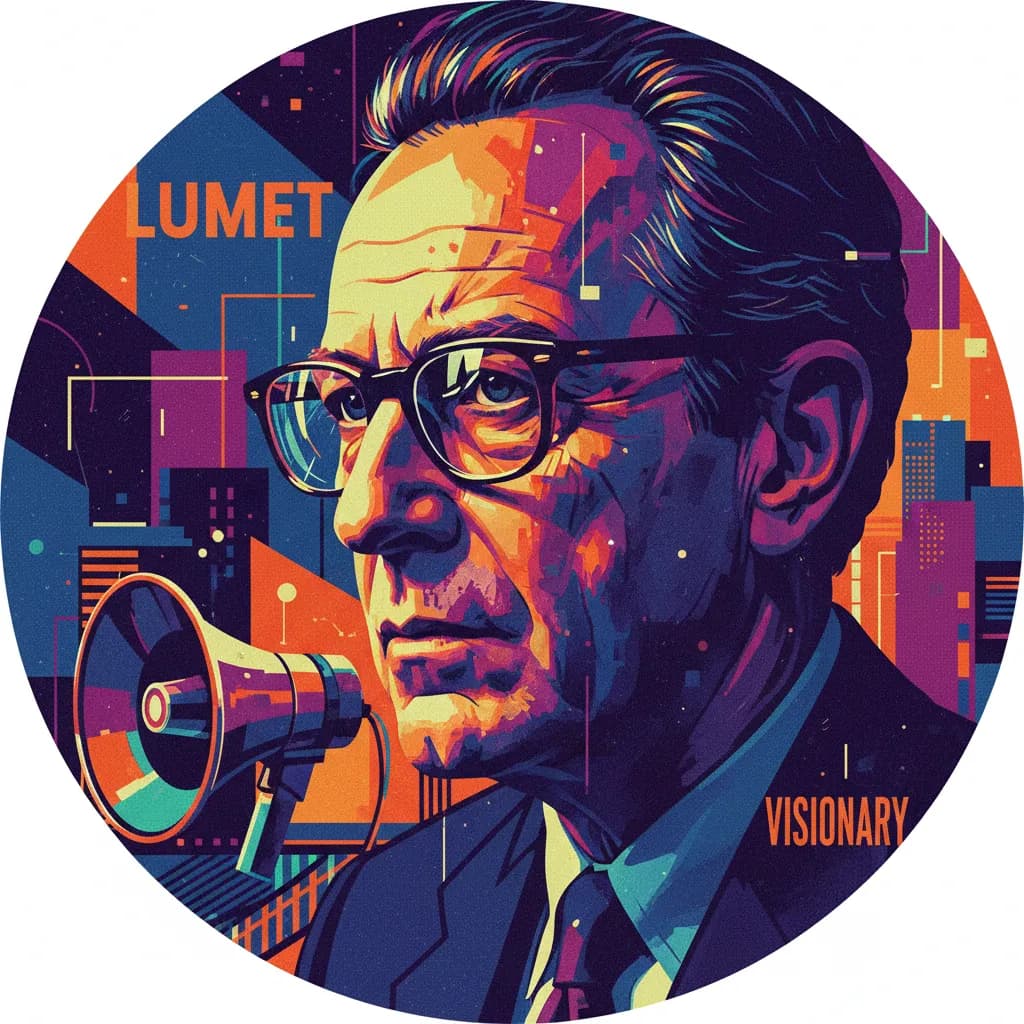
Sidney Lumet
Every film, ranked

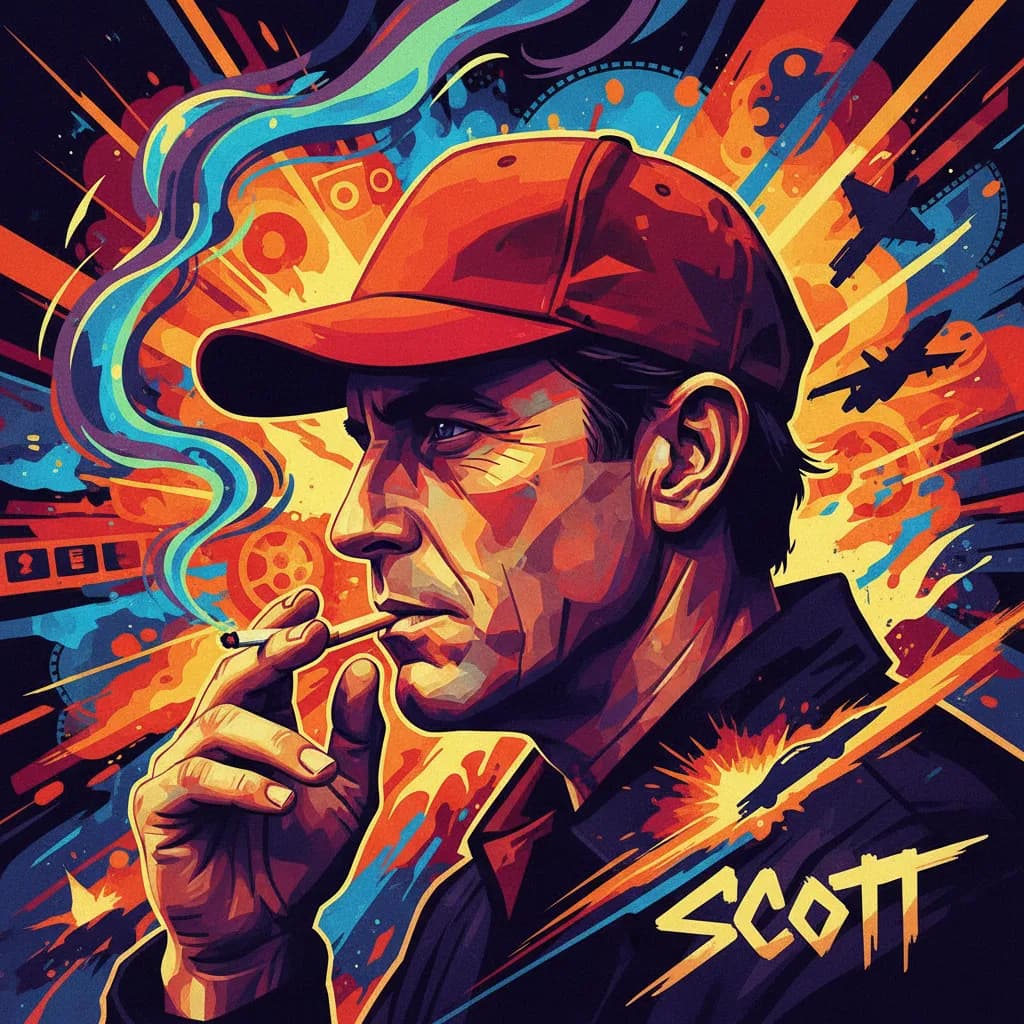
Tony Scott
Every film, ranked