Discover the visionary filmmakers behind cinema's greatest works.
Explore our selection of acclaimed directors and their remarkable films.
Showing 1621-1632 out of 4148

James Gray is a renowned American film director known for his compelling storytelling and visually stunning cinematic style. With a career spanning over two decades, Gray has left an indelible mark on the film industry with his thought-provoking narratives and immersive directorial approach. His filmography features a diverse range of genres, including drama, adventure, biography, romance, and crime, showcasing his versatility as a filmmaker. One of Gray's most notable works is "The Lost City of Z" (2016), a captivating adventure biopic that received widespread critical acclaim for its breathtaking visuals and gripping storytelling. The film exemplifies Gray's penchant for exploring the human spirit and the pursuit of discovery, as well as his ability to transport audiences to immersive and exotic settings. Additionally, "Ad Astra" (2019) stands as a testament to Gray's directorial prowess, offering a thought-provoking blend of adventure, drama, and mystery set in the vastness of space. Throughout his career, Gray has consistently delved into themes of love, family dynamics, and the complexities of human relationships, infusing his films with emotional depth and authenticity. His directorial style is characterized by meticulous attention to detail, nuanced character development, and a keen sense of visual storytelling, drawing viewers into the intricacies of his narratives. Furthermore, Gray's impact on cinema extends beyond his individual films, as he has contributed to the evolution of storytelling techniques and has inspired a new generation of filmmakers to push boundaries and explore the human experience through the art of filmmaking. With upcoming projects such as "Armageddon Time" (2022), James Gray continues to captivate audiences and cement his legacy as a visionary director. His commitment to pushing artistic boundaries and crafting compelling narratives ensures that his influence on the film industry will endure for years to come, solidifying his status as a masterful storyteller and a driving force in contemporary cinema. Keywords: James Gray, film director, The Lost City of Z, Ad Astra, directorial style, cinema, filmmaker, Armageddon Time, storytelling, human experience, visionary director

James Griffiths is a talented British film director known for his work in the comedy genre, with a particular inclination towards heartwarming romance and sports-themed narratives. His most notable film to date is "Cuban Fury" (2014), a delightful blend of comedy, romance, and sport. Griffiths' directorial style is characterized by his ability to infuse humor with genuine emotion, creating films that resonate with audiences on a personal level. In "Cuban Fury," Griffiths showcases his adeptness at blending physical comedy with genuine heartfelt moments, capturing the essence of the protagonist's journey to win the heart of his love interest through salsa dancing. The film's lighthearted tone, witty dialogue, and infectious energy reflect Griffiths' skill in crafting endearing narratives that appeal to a wide audience. One of Griffiths' recurring themes is the celebration of human resilience and the triumph of the underdog. His films often revolve around characters who overcome personal obstacles and societal expectations, resonating with viewers through their relatable struggles and eventual triumphs. Through his work, Griffiths has made a significant impact on the comedy genre by infusing it with genuine emotion and relatable characters, elevating the genre beyond mere laughs to resonate with deeper human experiences. Griffiths' unique vision as a director lies in his ability to seamlessly blend comedy with romance and sports, creating films that offer a multifaceted viewing experience. His contributions to cinema include bringing a fresh perspective to the comedy genre, infusing it with warmth, authenticity, and a genuine sense of joy. As he continues to expand his directorial repertoire, audiences can look forward to more heartwarming and entertaining stories that showcase Griffiths' distinctive directorial style and storytelling prowess.

James Gunn is a prolific director known for his unique blend of genre-bending films that seamlessly combine elements of comedy, action, and adventure. Gunn's career took off with the release of "Slither" in 2006, a horror-comedy that showcased his penchant for blending humor with visceral thrills. The film's success established Gunn as a director to watch, setting the stage for his future contributions to the industry. In 2010, Gunn's directorial prowess was further solidified with "Super," a darkly comedic take on the superhero genre. The film's offbeat humor and subversion of traditional superhero tropes demonstrated Gunn's ability to infuse familiar genres with his distinct directorial style. However, it was Gunn's foray into the Marvel Cinematic Universe with "Guardians of the Galaxy" in 2014 that truly catapulted him into the mainstream spotlight. The film's winning combination of action, adventure, and irreverent humor resonated with audiences and critics alike, cementing Gunn's reputation as a visionary director. Gunn continued to leave an indelible mark on the superhero genre with the release of "Guardians of the Galaxy Vol. 2" in 2017, further showcasing his knack for delivering visually stunning spectacles with heart and humor. His ability to seamlessly blend action-packed sequences with poignant character development has set him apart as a director capable of delivering blockbuster entertainment with depth and emotional resonance. In 2021, Gunn ventured into the DC Extended Universe with "The Suicide Squad," once again demonstrating his prowess for infusing ensemble action films with his signature blend of humor and heart. With the highly anticipated "Guardians of the Galaxy Vol. 3" slated for release in 2023, Gunn's impact on the cinematic landscape is undeniable, as he continues to push the boundaries of genre filmmaking with his distinctive directorial vision. Overall, James Gunn's directorial style is marked by his ability to inject humor and humanity into diverse genres, from horror to superhero blockbusters. His films consistently showcase a blend of irreverent humor, visually stunning action, and compelling character dynamics, making him a trailblazing director whose impact on cinema reverberates across genres and audiences. Keywords: James Gunn, director, filmography, Slither, Super, Guardians of the Galaxy, The Suicide Squad, directorial style, impact on cinema, superhero genre, visionary director

James Ivory, the renowned American film director, is celebrated for his exquisite storytelling and visually stunning adaptations of literary classics. With a career spanning several decades, Ivory has left an indelible mark on cinema through his distinctive directorial style and profound influence on the industry. His filmography is characterized by an unparalleled ability to capture the emotional depth of his characters and bring timeless narratives to life on the silver screen. Ivory's directorial style is marked by a meticulous attention to detail, evocative cinematography, and a focus on the complexities of human relationships. His films often explore themes of love, class dynamics, and societal norms, offering audiences a poignant and thought-provoking cinematic experience. Notable for his collaborations with producer Ismail Merchant and screenwriter Ruth Prawer Jhabvala, Ivory has consistently delivered visually stunning and emotionally resonant works of art. Among Ivory's most notable films is "The Remains of the Day" (1993), a poignant drama that delves into the complexities of loyalty and missed opportunities. "Howards End" (1992) stands as another masterpiece, a compelling exploration of social class and family dynamics set against the backdrop of Edwardian England. "A Room with a View" (1985) showcases Ivory's ability to bring literary classics to life, capturing the essence of E.M. Forster's novel with unparalleled grace and elegance. Throughout his career, Ivory has demonstrated an unparalleled ability to adapt literary works to the screen, breathing new life into timeless stories and captivating audiences with his unique directorial vision. His impact on cinema is undeniable, as he has consistently delivered films that resonate with both critics and audiences alike, earning numerous accolades and awards for his contributions to the art of filmmaking. In conclusion, James Ivory's directorial career is a testament to his unwavering commitment to storytelling and his ability to bring literary masterpieces to the screen with unparalleled artistry. His films continue to stand the test of time, captivating new generations of cinephiles and cementing his legacy as a visionary director with an enduring impact on cinema.

James Keach is a seasoned director known for his exceptional work in the film industry. With a career spanning several decades, Keach has left an indelible mark on cinema with his unique directorial style and the ability to bring compelling stories to life on the big screen. Keach's filmography boasts a diverse range of genres, from the poignant romantic drama "Waiting for Forever" (2010) to the charming romantic comedy "Blind Dating" (2006). One of Keach's notable directorial attributes is his ability to infuse his films with a sense of emotional depth and authenticity. His keen understanding of human relationships and dynamics is evident in his storytelling, as he deftly navigates the complexities of love, connection, and personal growth. This emotional resonance is a recurring theme in Keach's work, allowing audiences to deeply resonate with the characters and narratives he brings to life. In addition to his directorial prowess, Keach has made significant contributions to cinema by consistently delivering films that not only entertain but also provoke thought and introspection. His ability to seamlessly blend genres and evoke genuine, heartfelt performances from his actors has solidified his reputation as a director who can elicit powerful and memorable moments on screen. Keach's impact on cinema extends beyond his directorial achievements, as he continues to inspire aspiring filmmakers with his dedication to storytelling and his unwavering commitment to bringing compelling narratives to the forefront. His body of work serves as a testament to his enduring influence in the film industry, and his contributions continue to shape and enrich the cinematic landscape. In conclusion, James Keach's directorial career is characterized by his ability to craft emotionally resonant stories that captivate audiences and leave a lasting impression. His unique vision, coupled with his commitment to authentic storytelling, has cemented his status as a director of exceptional talent and influence in the world of cinema. Whether through heartwarming romances or thought-provoking dramas, Keach's films continue to leave an indelible mark on the art of storytelling in film.

James Kent is a British film director known for his compelling storytelling and visually arresting style. With a keen eye for detail and a deep understanding of human emotion, Kent has cemented his reputation as a director capable of bringing powerful stories to the screen. His notable films include "The Aftermath" (2019), a gripping drama set in post-World War II Germany, and "Testament of Youth" (2014), a poignant biographical drama set during the First World War. Kent's directorial style is characterized by its immersive and evocative quality, drawing audiences into the emotional landscapes of his characters. He has a remarkable ability to capture the complexities of human relationships, often exploring themes of love, loss, and resilience amidst historical backdrops. His attention to period detail and atmosphere adds a rich layer of authenticity to his films, transporting viewers to different eras with a remarkable sense of immersion. "The Aftermath" stands as a testament to Kent's skill in weaving together intricate narratives against the backdrop of historical turmoil. The film adeptly balances the personal drama of its characters with the larger canvas of post-war reconstruction, showcasing Kent's ability to intertwine intimate human stories with broader historical events. Similarly, "Testament of Youth" showcases Kent's adeptness at bringing to life the real-life experiences of individuals against the backdrop of war, emphasizing the enduring human spirit in the face of adversity. Kent's impact on cinema lies in his ability to infuse historical dramas with a contemporary relevance, drawing parallels between past and present while illuminating the timeless aspects of the human condition. His films resonate with audiences not only for their visual splendor but also for their emotional depth and universal themes. Kent's unique vision and directorial prowess continue to shape the landscape of historical and biographical cinema, earning him a place among the most esteemed directors of his generation.

James L. Brooks is a prolific film director whose career has spanned several decades, leaving an indelible mark on the world of cinema. With a directorial style characterized by a deft blend of comedy and drama, Brooks has crafted a filmography that showcases his keen insight into the human condition. His notable films include "Terms of Endearment" (1983), "Broadcast News" (1987), "As Good as It Gets" (1997), and "Spanglish" (2004), each of which delves into the complexities of interpersonal relationships with wit and emotional depth. Brooks' directorial approach is defined by his ability to infuse humor into poignant narratives, creating a unique cinematic experience that resonates with audiences. His films often explore themes of love, ambition, and the intricacies of human connection, offering a nuanced portrayal of the human experience. "Terms of Endearment," in particular, earned Brooks widespread acclaim, earning him an Academy Award for Best Director and Best Picture, solidifying his reputation as a master storyteller. With a career marked by both critical and commercial success, Brooks has left an enduring impact on cinema, influencing a generation of filmmakers with his distinct voice and storytelling prowess. His ability to capture authentic human emotions while infusing his narratives with humor has set him apart as a director of unparalleled talent. Brooks' films continue to stand the test of time, serving as a testament to his enduring legacy in the world of cinema. In conclusion, James L. Brooks' directorial career is a testament to his unparalleled storytelling abilities and his profound understanding of the human experience. With a filmography that spans decades and encompasses a diverse range of genres, Brooks has solidified his status as a visionary director whose impact on cinema is immeasurable. His ability to seamlessly blend comedy and drama while delving into the complexities of human relationships has established him as a true auteur in the world of filmmaking, leaving an indelible mark on the industry. As audiences continue to be captivated by his timeless films, Brooks' legacy as a master storyteller remains firmly entrenched in the annals of cinema history.

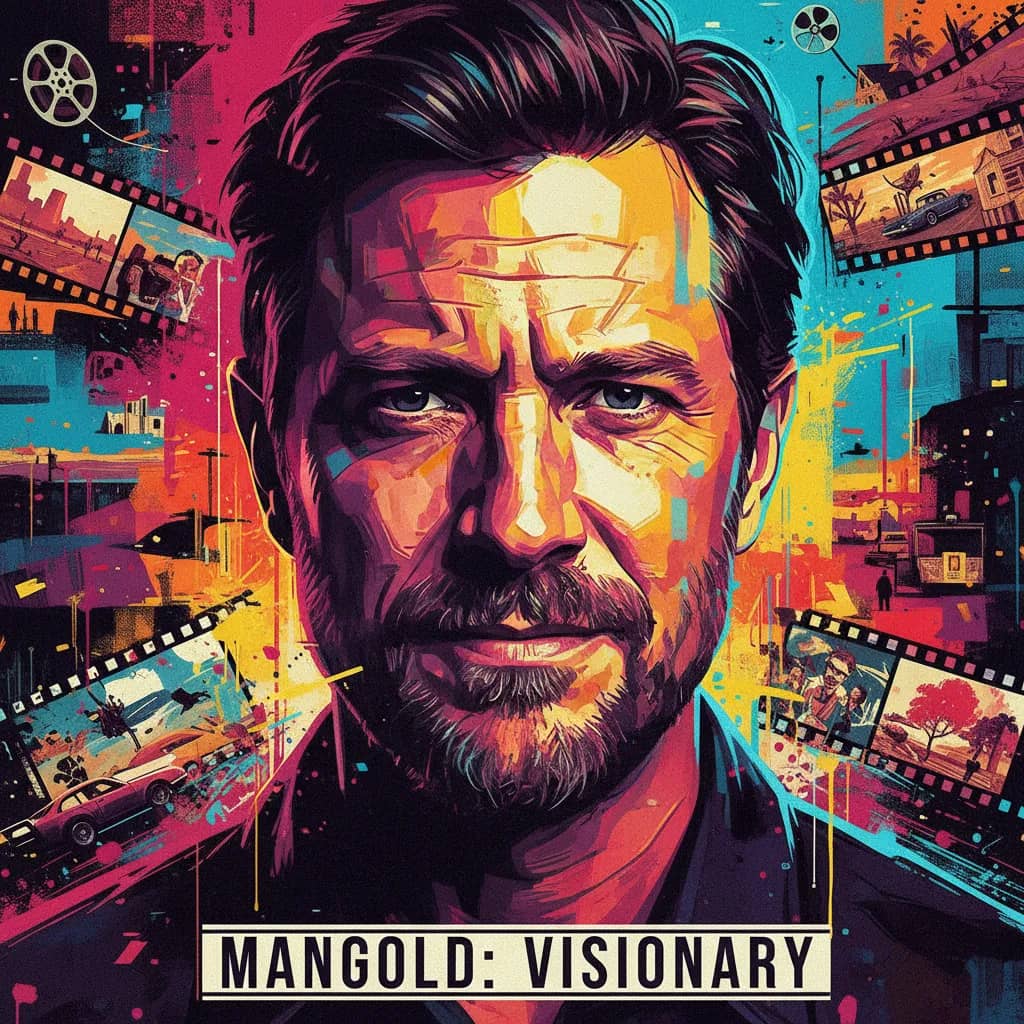
James Mangold is a versatile and visionary director known for his ability to seamlessly navigate between various genres while delivering compelling storytelling and captivating visuals. With a career spanning over two decades, Mangold has left an indelible mark on the film industry through his diverse filmography and distinct directorial style. His notable films include "Cop Land" (1997), "3:10 to Yuma" (2007), "Walk the Line" (2005), "Logan" (2017), and "Ford v Ferrari" (2019). Mangold's directorial style is characterized by a keen attention to character development and a knack for infusing his narratives with emotional depth. He has a penchant for crafting intense and gripping dramas, often delving into the complexities of human nature and moral dilemmas. Whether it's the gritty world of crime and corruption in "Cop Land" or the poignant portrayal of the iconic musician Johnny Cash in "Walk the Line," Mangold's films resonate with authenticity and sincerity. Throughout his career, Mangold has explored recurring themes such as redemption, identity, and the pursuit of excellence, all of which are interwoven into the fabric of his storytelling. His films often feature flawed yet compelling protagonists navigating through challenging circumstances, and he excels in capturing the human experience with nuance and empathy. Mangold's impact on cinema is undeniable, as he has demonstrated a remarkable ability to breathe new life into established genres while pushing the boundaries of storytelling. His work has received critical acclaim and resonated with audiences worldwide, cementing his status as a director with a distinct and influential voice in the industry. With a commitment to authenticity and a dedication to exploring the human condition, James Mangold continues to be a driving force in shaping the landscape of contemporary cinema.

James Marsh is a British film director known for his compelling storytelling and visually striking films. With a career spanning several decades, Marsh has made a significant impact on the world of cinema with his unique directorial style and thought-provoking narratives. His filmography includes a diverse range of genres, from gripping dramas to captivating biopics, showcasing his versatility and ability to bring stories to life on the big screen. One of Marsh's notable films is "Shadow Dancer" (2012), a gripping drama-thriller that delves into the world of espionage and political intrigue. The film showcases Marsh's ability to create tension and suspense, drawing audiences into the high-stakes world of espionage. His keen eye for detail and ability to build complex characters shines through in this intense and emotionally charged film. In 2014, Marsh directed "The Theory of Everything," a poignant biographical drama that chronicles the life of renowned physicist Stephen Hawking. The film received widespread critical acclaim and earned Marsh an Academy Award for Best Director. His sensitive and empathetic portrayal of Hawking's life and struggles resonated with audiences, solidifying Marsh's reputation as a masterful storyteller with a knack for bringing real-life figures to the screen. In "King of Thieves" (2018), Marsh tackled the crime drama genre, delivering a compelling and gritty portrayal of the infamous Hatton Garden heist. The film exemplifies Marsh's ability to craft gripping narratives and capture the essence of real-life events, further showcasing his versatility as a director. Throughout his career, Marsh has demonstrated a penchant for exploring complex human emotions, relationships, and the human condition. His recurring themes of resilience, ambition, and the pursuit of knowledge are woven throughout his films, offering audiences thought-provoking stories that leave a lasting impact. Marsh's directorial vision and profound storytelling have solidified his status as a celebrated filmmaker, and his contributions to cinema continue to inspire and captivate audiences worldwide.

James Mather is a talented film director known for his work in action, sci-fi, and thriller genres. His notable directorial credit includes the 2012 film "Lockout," which showcased his distinctive style and ability to create high-octane, pulse-pounding cinema. Mather's directorial approach is characterized by a keen eye for visually stunning action sequences and a knack for crafting immersive, tension-filled narratives. In "Lockout," he demonstrated his mastery in creating a gripping and adrenaline-fueled experience, combining elements of science fiction and thriller with seamless precision. His ability to blend intense action with thought-provoking storytelling has solidified his reputation as a director with a unique vision and a commitment to pushing the boundaries of genre filmmaking. "Lockout," Mather's standout directorial debut, garnered attention for its exhilarating action set pieces and compelling futuristic premise. The film's success served as a testament to Mather's directorial prowess and solidified his status as a promising talent in the industry. Mather's work often explores themes of survival, resilience, and the human condition amidst challenging and high-stakes scenarios. His ability to infuse his films with gripping tension and emotional depth has resonated with audiences, establishing him as a director capable of delivering impactful and engaging storytelling. In the realm of action and sci-fi cinema, James Mather's contribution has left a lasting impact, earning him recognition as a visionary director with a distinctive style. As he continues to make his mark on the industry, audiences can anticipate more exhilarating and thought-provoking works from this talented filmmaker. Overall, James Mather's directorial career is marked by his commitment to delivering immersive and captivating cinema, making him a director to watch in the world of action and sci-fi filmmaking. With a keen eye for dynamic visuals and a talent for crafting gripping narratives, Mather has cemented his position as a director with a unique vision and a penchant for pushing the boundaries of genre cinema.

James McTeigue is an Australian film director known for his distinct visual style and ability to seamlessly blend action, thriller, and fantasy elements into his work. He first gained widespread recognition with "V for Vendetta" (2005), a thought-provoking action-drama set in a dystopian future, which showcased his penchant for creating visually stunning and socially relevant films. McTeigue's directorial style often features intense, high-octane action sequences coupled with intricate storytelling and compelling character development. In "Ninja Assassin" (2009), McTeigue delved into the martial arts genre, delivering a visually striking and adrenaline-fueled action-thriller that further solidified his reputation as a director with a flair for kinetic and dynamic filmmaking. His ability to choreograph intricate fight scenes and create tension-filled narratives has made him a sought-after director for action-packed projects. McTeigue's filmography also includes "The Raven" (2012), a unique blend of comedy, fantasy, and horror that showcased his versatility as a director. His keen eye for atmospheric visuals and ability to seamlessly blend different genres have been recurring themes throughout his career. "Survivor" (2015) further demonstrated his skill in crafting gripping crime thrillers with a distinct visual flair. Throughout his career, McTeigue has made a significant impact on cinema by pushing the boundaries of genre filmmaking and infusing his projects with thought-provoking themes. His films often explore complex social and political issues, while delivering exhilarating and immersive cinematic experiences. McTeigue's unique vision and ability to captivate audiences with his visually stunning and thematically rich films have solidified his status as a director to watch in the industry. In summary, James McTeigue's career is defined by his ability to craft visually arresting films that seamlessly blend action, thriller, and fantasy elements while exploring thought-provoking themes. His impact on cinema is evident through his distinct directorial style and his ability to create immersive and engaging experiences for audiences. With a diverse filmography that showcases his versatility and vision, McTeigue continues to be a director whose work resonates with both critics and audiences alike.

James Merendino is an American film director known for his distinctive style and unique contributions to cinema. He first gained widespread recognition with his cult classic film "SLC Punk!" (1998), which garnered critical acclaim and solidified his reputation as a visionary director. Merendino's directorial style is characterized by a raw and unfiltered approach, often delving into the complexities of youth culture, rebellion, and the search for identity. "SLC Punk!" remains one of Merendino's most notable works, blending elements of comedy, drama, and music to capture the vibrant punk rock scene of Salt Lake City in the 1980s. The film's authentic portrayal of youthful angst and disillusionment struck a chord with audiences, earning it a dedicated following and cementing its status as a cult favorite. Merendino's keen eye for storytelling and his ability to infuse his films with a palpable sense of energy have set him apart as a director with a distinct and influential voice in the industry. Throughout his career, Merendino has consistently explored themes of rebellion, nonconformity, and the pursuit of individuality, often drawing from his own experiences and observations. His films reflect a deep understanding of the human experience, resonating with audiences on a profound level. Merendino's impact on cinema extends beyond his individual works, as he has inspired a new generation of filmmakers to embrace authenticity and fearlessness in their storytelling. In an industry often dominated by formulaic approaches, Merendino's commitment to pushing boundaries and challenging conventions has made him a trailblazer in independent filmmaking. His unapologetic pursuit of truth and his refusal to compromise his artistic vision have solidified his place as a director who continues to shape and influence the landscape of contemporary cinema. As audiences eagerly anticipate his future projects, James Merendino remains an iconic figure whose legacy continues to leave an indelible mark on the world of film.
Every film by the greats, ranked by our TML Score.

Christopher Nolan
Every film, ranked

Quentin Tarantino
Every film, ranked

Stanley Kubrick
Every film, ranked

Martin Scorsese
Every film, ranked

Steven Spielberg
Every film, ranked

Alfred Hitchcock
Every film, ranked

David Fincher
Every film, ranked

Denis Villeneuve
Every film, ranked

Wes Anderson
Every film, ranked

Paul Thomas Anderson
Every film, ranked

Ridley Scott
Every film, ranked

Tim Burton
Every film, ranked

Guillermo del Toro
Every film, ranked

Hayao Miyazaki
Every film, ranked

Akira Kurosawa
Every film, ranked

Francis Ford Coppola
Every film, ranked

Clint Eastwood
Every film, ranked

Bong Joon Ho
Every film, ranked

Woody Allen
Every film, ranked

Steven Soderbergh
Every film, ranked

Ron Howard
Every film, ranked

Pedro Almodóvar
Every film, ranked

Richard Linklater
Every film, ranked

Roman Polanski
Every film, ranked

Brian De Palma
Every film, ranked

Ingmar Bergman
Every film, ranked

Oliver Stone
Every film, ranked

David Cronenberg
Every film, ranked

Robert Zemeckis
Every film, ranked

Barry Levinson
Every film, ranked

John Carpenter
Every film, ranked

Joel Schumacher
Every film, ranked

Billy Wilder
Every film, ranked

Rob Reiner
Every film, ranked

Neil Jordan
Every film, ranked

Spike Lee
Every film, ranked

Ivan Reitman
Every film, ranked

John Woo
Every film, ranked

Lasse Hallström
Every film, ranked

Stephen Frears
Every film, ranked

Luc Besson
Every film, ranked

Chris Columbus
Every film, ranked

Mike Nichols
Every film, ranked

Howard Hawks
Every film, ranked

Ang Lee
Every film, ranked

Walter Hill
Every film, ranked

Gus Van Sant
Every film, ranked

William Wyler
Every film, ranked

Renny Harlin
Every film, ranked

Sidney Lumet
Every film, ranked

Tony Scott
Every film, ranked