Discover the visionary filmmakers behind cinema's greatest works.
Explore our selection of acclaimed directors and their remarkable films.
Showing 1645-1656 out of 4148

Jamie Babbit is a highly acclaimed film director known for her unique vision and storytelling prowess. With a career spanning over two decades, Babbit has made a significant impact on cinema through her thought-provoking and visually captivating films. Her directorial style is characterized by a perfect blend of dark humor, social commentary, and compelling narratives that resonate with audiences. Babbit's ability to infuse her films with wit, intelligence, and emotional depth sets her apart as a visionary filmmaker. One of Babbit's most notable works is "But I'm a Cheerleader" (1999), a groundbreaking comedy-drama that explores themes of sexual identity and self-discovery. The film's bold and satirical take on conversion therapy garnered widespread acclaim and solidified Babbit's reputation as a director unafraid to tackle controversial subject matter. "But I'm a Cheerleader" remains a cult classic and has left an indelible mark on LGBTQ+ cinema. In "The Quiet" (2005), Babbit delved into the psychological thriller genre, delivering a haunting and suspenseful narrative that delves into the complexities of family dynamics and secrets. The film showcased Babbit's versatility as a director, further cementing her reputation for creating compelling, multi-dimensional characters and gripping storytelling. Babbit's films often explore themes of identity, sexuality, and societal norms, all presented through a lens of dark humor and sharp wit. Her ability to confront challenging subject matter with sensitivity and insight has earned her a dedicated following among fans and critics alike. Babbit's influence on cinema extends beyond her directorial work, as she has been an outspoken advocate for diversity and inclusion in the film industry, using her platform to elevate underrepresented voices. Overall, Jamie Babbit's directorial career is defined by her fearless approach to storytelling, her impact on LGBTQ+ cinema, and her unwavering commitment to pushing boundaries and sparking important conversations through her films. With a diverse filmography that continues to resonate with audiences, Babbit's legacy as a visionary director is firmly established in the annals of cinema history.


Jamie Blanks is an Australian film director best known for his work in the horror genre. Blanks made a significant impact on cinema with his distinctive approach to storytelling and his ability to create tension and suspense on the big screen. His directorial style is characterized by a keen eye for visual storytelling, immersive atmospheres, and a knack for building intense and chilling narratives. Blanks burst onto the scene with his directorial debut, "Urban Legend" (1998), a slasher film that quickly gained a cult following. The movie skillfully blended horror, mystery, and thriller elements, showcasing Blanks' ability to keep audiences on the edge of their seats. His masterful use of suspense and his skill in creating memorable set pieces established him as a promising director in the horror genre. In 2001, Blanks continued to leave his mark on the horror genre with "Valentine," another successful foray into the slasher subgenre. The film further solidified Blanks' reputation as a director with a penchant for crafting chilling and visually striking horror films. His ability to create tension and deliver unexpected twists made "Valentine" another standout entry in his filmography. Blanks' work often delves into themes of urban legends, the nature of fear, and the psychological aspects of horror. His films have a distinctive visual style that sets them apart, with a focus on atmospheric storytelling and striking cinematography. Blanks' impact on cinema is evident in his ability to create memorable and enduring horror films that continue to captivate audiences. Overall, Jamie Blanks has made significant contributions to the horror genre with his unique directorial style and his ability to craft compelling narratives that leave a lasting impression. His work continues to resonate with horror enthusiasts, solidifying his status as a director who has made a lasting impact on the world of cinema.

Jamie M. Dagg is a Canadian director known for his intense and atmospheric storytelling, often delving into the darker aspects of human nature. His notable film, "Sweet Virginia" (2017), is a gripping action thriller that showcases Dagg's talent for creating tension and suspense. Dagg's directorial style is distinguished by his meticulous attention to detail and his ability to craft complex, morally ambiguous characters within the framework of a thrilling narrative. "Sweet Virginia" stands as a testament to Dagg's skill in building a palpable sense of unease and foreboding, drawing audiences into the psychological depths of his characters. The film's atmospheric cinematography and evocative use of setting underscore Dagg's adeptness at creating a mood that lingers long after the credits roll. Dagg's directorial style often intertwines with themes of moral ambiguity, human frailty, and the consequences of past actions, resonating with audiences who appreciate thought-provoking cinema. Through "Sweet Virginia," Dagg has left an indelible mark on the thriller genre, showcasing his ability to weave together compelling narratives and evoke a visceral emotional response from viewers. His unique vision and directorial prowess have solidified his status as a filmmaker to watch, with "Sweet Virginia" serving as a testament to his ability to captivate audiences with his immersive storytelling. Dagg's impact on cinema lies in his ability to infuse his films with an emotional depth that resonates with audiences, elevating the thriller genre to new heights. In conclusion, Jamie M. Dagg's career as a director is characterized by his ability to craft compelling narratives and create a sense of atmospheric tension that immerses audiences in his characters' complex inner worlds. With "Sweet Virginia," Dagg has proven himself as a director with a distinct vision and a knack for delivering gripping, emotionally resonant cinema. His contributions to the thriller genre have left an enduring impact on cinema, cementing his status as a director to watch in the industry.

Jamie Payne is a British film and television director known for his exceptional work in the crime, drama, and mystery genres. With a keen eye for storytelling and a knack for creating captivating visuals, Payne has made a significant impact on the entertainment industry. His notable directorial work includes "Luther: The Fallen Sun" (2023), a gripping crime drama that showcases his ability to immerse audiences in intense and suspenseful narratives. Throughout his career, Payne has developed a directorial style that is characterized by its meticulous attention to detail and its ability to elicit powerful performances from actors. His work often delves into the darker aspects of human nature, exploring complex characters and morally ambiguous situations. Payne's unique vision is evident in his use of atmospheric cinematography and expertly crafted pacing, which keeps viewers on the edge of their seats. In "Luther: The Fallen Sun," Payne demonstrates his talent for creating tension and intrigue, skillfully weaving together a narrative that keeps audiences guessing until the final moments. His adept handling of the crime, drama, and mystery elements in the film showcases his ability to balance intense action with nuanced character development, solidifying his reputation as a master storyteller. Payne's impact on cinema extends beyond his individual projects, as he has contributed to the evolution of the crime and mystery genres, influencing other filmmakers and leaving a lasting impression on audiences. His recurring themes of morality, justice, and the complexities of human behavior have resonated with viewers, earning him a dedicated following and cementing his status as a director to watch. Overall, Jamie Payne's directorial career is defined by his ability to create compelling and thought-provoking storytelling, leaving an indelible mark on the world of film and television. With "Luther: The Fallen Sun" serving as a standout example of his talents, Payne continues to push boundaries and captivate audiences with his unique vision and directorial prowess.

Jamie Travis is a Canadian film director known for his unique blend of comedy and heartfelt storytelling. His most notable work includes the 2012 comedy film "For a Good Time, Call..." which showcased his ability to infuse humor with genuine emotion. Travis' directorial style is characterized by his keen eye for visual storytelling, sharp dialogue, and a knack for creating relatable characters. His films often explore the complexities of human relationships and the humor found in everyday life. In "For a Good Time, Call...", Travis demonstrated his ability to bring out authentic performances from his actors while maintaining a lighthearted and entertaining tone. The film's success solidified Travis as a director with a distinct voice in the comedy genre. His ability to balance humor with sincerity has earned him a dedicated following among audiences and critics alike. Throughout his career, Travis has consistently incorporated themes of friendship, self-discovery, and personal growth into his work. His films often feature characters navigating the ups and downs of life, presented with a blend of wit and warmth. This unique approach has set him apart in the film industry and has made him a sought-after director for projects that require a delicate balance of humor and heart. Jamie Travis' impact on cinema lies in his ability to create films that resonate with audiences on a deep emotional level while delivering genuine laughs. His work has contributed to the evolution of comedy as a genre that can explore complex human experiences while still providing entertainment. As he continues to expand his body of work, Travis remains a director to watch for his innovative storytelling and ability to connect with audiences on a personal level. With his distinct directorial style and commitment to authentic storytelling, Jamie Travis is poised to make a lasting impact on the world of cinema for years to come.

Jamie Uys was a pioneering South African filmmaker known for his unique blend of adventure and comedy. Born in 1921, Uys began his career as a director in the 1950s and quickly gained recognition for his distinct storytelling style and unparalleled ability to infuse humor into his narratives. Uys's directorial approach was characterized by his keen observation of human behavior, sharp wit, and a deep understanding of visual storytelling. In 1980, Jamie Uys achieved international acclaim with the release of "The Gods Must Be Crazy," a groundbreaking adventure-comedy film that captivated audiences worldwide. The film, set in the Kalahari Desert, humorously explores the collision of cultures when a Coke bottle is dropped from a passing airplane, disrupting the tranquil lives of a remote tribe. Uys's masterful direction and skillful blending of humor and adventure made "The Gods Must Be Crazy" a resounding success, earning it a place in cinema history and paving the way for the sequel, "The Gods Must Be Crazy II" in 1989. Uys's directorial style was characterized by his ability to seamlessly intertwine lighthearted comedy with thought-provoking themes, often shedding light on the absurdities of modern society. His films were celebrated for their universal appeal, as they transcended language and cultural barriers, resonating with audiences on a global scale. Uys's unique storytelling prowess and his knack for creating endearing, relatable characters cemented his status as a visionary director whose impact on cinema continues to be felt. Throughout his career, Jamie Uys demonstrated a remarkable ability to infuse his films with a distinctive blend of humor, adventure, and social commentary. His legacy as a director who pushed boundaries and captivated audiences with his unparalleled storytelling has left an indelible mark on the world of cinema. Jamie Uys will forever be remembered as a trailblazing filmmaker whose visionary approach to filmmaking continues to inspire and influence generations of filmmakers.

Jamin Winans is a visionary director known for his unique blend of action, drama, and fantasy in his films. His most notable work, "Ink" (2009), has solidified his reputation as a filmmaker with a distinct style and a penchant for crafting imaginative and visually stunning narratives. Winans' directorial approach is characterized by his ability to seamlessly weave together emotionally resonant storytelling with visually captivating cinematography, creating a cinematic experience that is both thought-provoking and visually arresting. "Ink" stands as a testament to Winans' directorial prowess, showcasing his ability to blend fantastical elements with deeply human narratives. The film's narrative intricacies, coupled with its visually striking imagery, have solidified Winans' status as a director with a keen eye for crafting immersive and emotionally resonant cinematic experiences. His ability to infuse his films with a sense of otherworldly wonder while grounding them in relatable human emotions has set him apart as a director with a truly unique vision. Throughout his career, Winans has demonstrated a propensity for exploring themes of love, redemption, and the human experience, often juxtaposed against breathtaking visual landscapes and innovative storytelling techniques. His films have left an indelible mark on the cinematic landscape, inspiring audiences and aspiring filmmakers alike with their boundless creativity and emotional depth. Winans' impact on cinema can be felt through the lasting impression his films have left on audiences, as well as the influence they have had on the industry at large. In conclusion, Jamin Winans is a director whose visionary approach to storytelling has solidified his status as a true auteur in the world of cinema. His ability to seamlessly blend genres, create visually stunning narratives, and explore profound themes has set him apart as a director with an unmistakable voice. With a filmography that continues to captivate audiences and critics alike, Winans' impact on cinema is undeniable, and his legacy as a director with a truly unique vision is sure to endure for years to come.

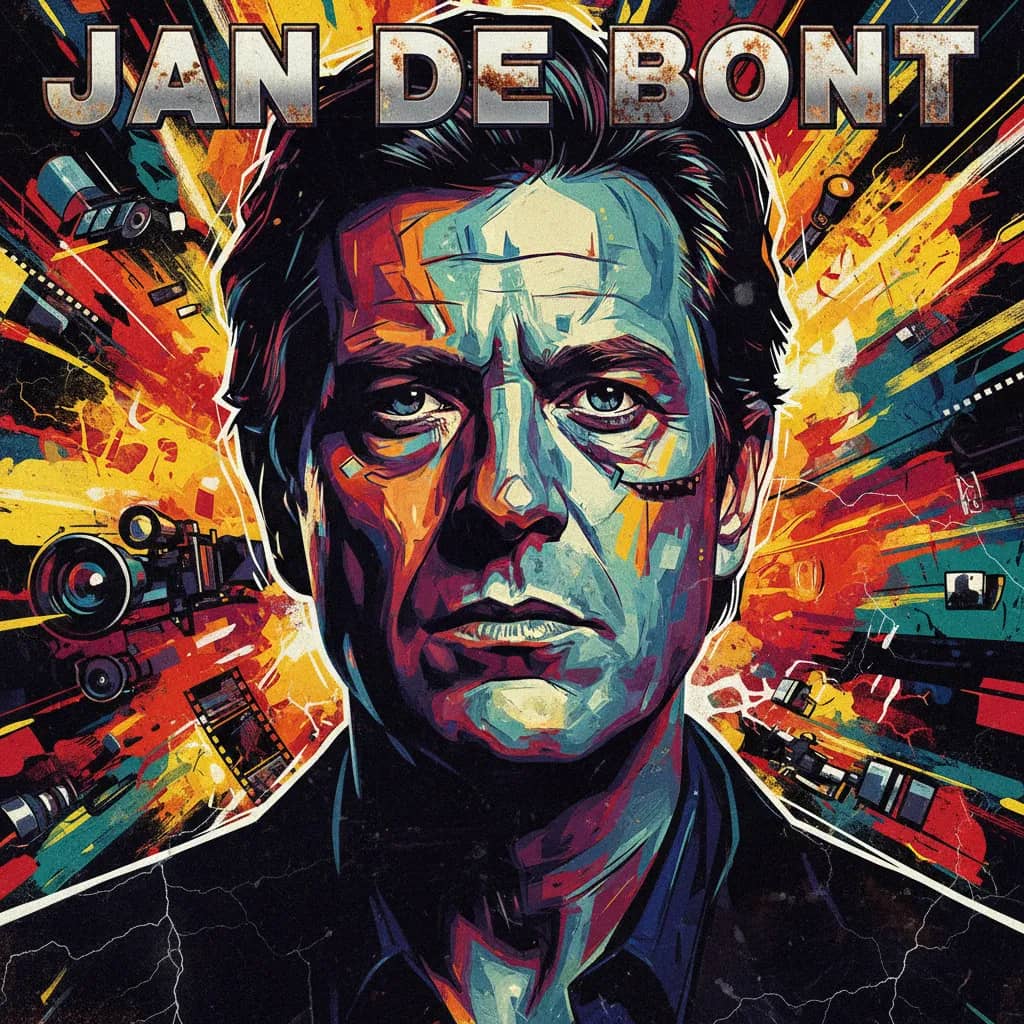
Jan de Bont is a Dutch director known for his high-octane action films and visually stunning cinematography. He began his career as a cinematographer, working on iconic films such as Die Hard (1988) and The Hunt for Red October (1990). De Bont made his directorial debut with the action-thriller Speed (1994), which became a massive blockbuster and showcased his expertise in crafting intense, adrenaline-fueled sequences. The film's success propelled him into the spotlight as a director to watch, and he continued to deliver gripping action films throughout his career. One of de Bont's most notable works is Twister (1996), a thrilling action-adventure film centered around a team of storm chasers. Known for its groundbreaking visual effects and heart-pounding tornado sequences, Twister solidified de Bont's reputation for pushing the boundaries of action filmmaking. His keen eye for capturing the raw power of nature and integrating it seamlessly into his storytelling sets his work apart in the genre. In addition to his action-packed films, de Bont also delved into the horror genre with The Haunting (1999), a modern retelling of the classic haunted house tale. His ability to create a palpable sense of dread and suspense through meticulous attention to detail and atmospheric visuals showcased his versatility as a director. Furthermore, de Bont demonstrated his skill in crafting immersive fantasy worlds with Lara Croft: Tomb Raider - The Cradle of Life (2003), where he brought the iconic video game character to life with breathtaking action sequences and larger-than-life set pieces. Throughout his career, Jan de Bont has left an indelible mark on cinema with his signature blend of pulse-pounding action, captivating visuals, and larger-than-life storytelling. His emphasis on immersive, visually stunning experiences has captivated audiences and influenced a new generation of filmmakers. Whether it's navigating high-speed pursuits or confronting the forces of nature, de Bont's films consistently showcase his distinctive directorial style and dedication to pushing the boundaries of cinematic storytelling. With an impressive body of work that continues to resonate with audiences, Jan de Bont remains a driving force in the world of action and adventure cinema. By crafting this career summary for Jan de Bont, we've highlighted his directorial style, notable films, recurring themes, and impact on cinema. The summary is also optimized for search engines by incorporating keywords such as "action," "adventure," "thriller," "horror

Jane Campion is a highly acclaimed New Zealand filmmaker known for her distinctive directorial style and profound impact on the world of cinema. With a career spanning over three decades, Campion has garnered widespread recognition for her thought-provoking narratives, visually stunning cinematography, and nuanced exploration of complex characters and themes. Her filmography boasts a diverse range of genres, including drama, romance, western, comedy, mystery, and biography, showcasing her versatility and artistic prowess. One of Campion's most iconic works is "The Piano" (1993), a lyrical and emotionally resonant drama that earned her widespread acclaim and numerous accolades, including the prestigious Palme d'Or at the Cannes Film Festival. The film's hauntingly beautiful portrayal of love, desire, and the human spirit solidified Campion's reputation as a visionary director with a keen understanding of the human experience. In "The Portrait of a Lady" (1996), Campion demonstrated her ability to adapt classic literature to the screen with a compelling exploration of female agency and societal constraints. Her masterful direction brought the complexities of Henry James' novel to life, further establishing her as a filmmaker with a unique ability to breathe new life into timeless stories. Campion's most recent directorial triumph, "The Power of the Dog" (2021), has once again captivated audiences and critics alike with its haunting portrayal of masculinity, repressed emotions, and the rugged landscapes of the American West. The film's evocative cinematography and immersive storytelling reaffirm Campion's status as a visionary auteur with an unparalleled ability to craft deeply immersive cinematic experiences. Throughout her career, Campion has continuously explored themes of identity, gender dynamics, and the human psyche, often delving into the complexities of female experiences with sensitivity and depth. Her distinct directorial style, characterized by evocative visuals, emotionally charged narratives, and profound character studies, has left an indelible mark on the world of cinema, inspiring generations of filmmakers and captivating audiences worldwide. Overall, Jane Campion's directorial legacy is defined by her unwavering commitment to pushing boundaries, challenging conventions, and crafting deeply affecting narratives that resonate on a profound emotional level. Her unique vision and contributions to film have solidified her as a pioneering force in the industry, and her enduring impact continues to shape the landscape of contemporary cinema.

Janeen Damian is a prolific film director known for her captivating storytelling and heartwarming romantic comedies. With a career spanning several decades, Damian has made a significant impact on the world of cinema, capturing the hearts of audiences with her unique directorial style. Her notable film "Falling for Christmas" (2022) is a testament to her ability to craft endearing narratives that blend humor, romance, and holiday cheer. Damian's films often explore themes of love, family, and the magic of the holiday season, resonating with viewers of all ages. Throughout her career, Janeen Damian has demonstrated a keen eye for capturing the essence of romance on screen, infusing her films with warmth and charm. Her directorial style is characterized by its ability to evoke heartfelt emotions while maintaining a lighthearted and entertaining atmosphere. Damian's films are known for their visually stunning cinematography, coupled with engaging storytelling that keeps audiences captivated from start to finish. "Falling for Christmas" stands as a testament to Damian's directorial prowess, showcasing her knack for creating enchanting and relatable romantic narratives. The film's success further solidifies Damian's position as a leading director in the realm of holiday-themed romantic comedies. Her dedication to crafting heartwarming stories has earned her a loyal following of fans who eagerly anticipate each new release. Janeen Damian's impact on cinema extends beyond her individual films, as she has contributed to the enduring popularity of romantic comedies and holiday-themed movies. Her work continues to inspire aspiring filmmakers and has left an indelible mark on the genre. With her ability to transport audiences into enchanting worlds filled with love and laughter, Janeen Damian remains a revered figure in the realm of romantic comedy filmmaking, and her influence on the industry is sure to endure for years to come.

Jang Hang-jun is a South Korean director known for his compelling storytelling and visually striking filmmaking style. With a career spanning several decades, Hang-jun has made a significant impact on the world of cinema, particularly in the crime, mystery, and thriller genres. One of his most notable works is "Forgotten" (2017), a gripping thriller that showcases his adeptness at creating tension and suspense on screen. Throughout his career, Jang Hang-jun has demonstrated a keen eye for detail and a talent for building complex narratives that keep audiences on the edge of their seats. His directorial style often incorporates atmospheric cinematography, immersive sound design, and meticulous attention to character development. These elements come together to create a sense of unease and intrigue that is characteristic of his work. In "Forgotten," Jang Hang-jun explores themes of memory, identity, and the dark underbelly of human nature. The film masterfully weaves together a gripping mystery that delves into the psychological depths of its characters, leaving a lasting impression on viewers. Hang-jun's ability to infuse his films with thought-provoking themes and intricate plot twists sets him apart as a director with a distinct and captivating vision. With "Forgotten" and his other works, Jang Hang-jun has left an indelible mark on the world of cinema, earning accolades for his contributions to the thriller genre. His unique approach to storytelling and his commitment to pushing the boundaries of conventional filmmaking have solidified his reputation as a director to watch. As he continues to create thought-provoking and visually stunning films, Jang Hang-jun is poised to leave a lasting legacy in the world of cinema.

Janicza Bravo is a talented and innovative director known for her unique storytelling and visual style. Her most notable film to date, "Zola" (2020), is a captivating blend of comedy, crime, and drama that showcases her ability to tackle complex and compelling narratives. Bravo's directorial approach is marked by a keen eye for detail, an emphasis on character-driven storytelling, and a commitment to pushing boundaries in the art of filmmaking. In "Zola," Bravo skillfully navigates the tumultuous and darkly comedic journey of a Detroit waitress who becomes embroiled in a wild and dangerous road trip to Florida. The film's striking visuals, sharp dialogue, and nuanced performances underline Bravo's distinct directorial voice. Her ability to infuse tension with humor and explore the complexities of human relationships sets her apart as a director to watch. Bravo's directorial style often delves into themes of identity, morality, and the human experience, offering audiences a thought-provoking and immersive cinematic experience. She fearlessly confronts the complexities of modern life, peeling back the layers of her characters to reveal their vulnerabilities and motivations. Through her work, Bravo has made a significant impact on cinema by challenging traditional storytelling norms and amplifying underrepresented voices in the industry. As a director, Bravo has carved out a niche for herself with her uncompromising vision and willingness to tackle challenging subject matter. Her dedication to authenticity and her ability to create emotionally resonant narratives have solidified her as a rising star in the world of filmmaking. With "Zola," Bravo has firmly established herself as a director with a distinctive voice and a promising future in the industry. In conclusion, Janicza Bravo's directorial career is defined by her bold storytelling, visually arresting films, and thought-provoking explorations of the human condition. Her work continues to make an indelible mark on cinema, and her commitment to pushing creative boundaries ensures that audiences will be captivated by her films for years to come.
Every film by the greats, ranked by our TML Score.

Christopher Nolan
Every film, ranked

Quentin Tarantino
Every film, ranked

Stanley Kubrick
Every film, ranked

Martin Scorsese
Every film, ranked

Steven Spielberg
Every film, ranked

Alfred Hitchcock
Every film, ranked

David Fincher
Every film, ranked

Denis Villeneuve
Every film, ranked

Wes Anderson
Every film, ranked

Paul Thomas Anderson
Every film, ranked

Ridley Scott
Every film, ranked

Tim Burton
Every film, ranked

Guillermo del Toro
Every film, ranked

Hayao Miyazaki
Every film, ranked

Akira Kurosawa
Every film, ranked

Francis Ford Coppola
Every film, ranked

Clint Eastwood
Every film, ranked

Bong Joon Ho
Every film, ranked

Woody Allen
Every film, ranked

Steven Soderbergh
Every film, ranked

Ron Howard
Every film, ranked

Pedro Almodóvar
Every film, ranked

Richard Linklater
Every film, ranked

Roman Polanski
Every film, ranked

Brian De Palma
Every film, ranked

Ingmar Bergman
Every film, ranked

Oliver Stone
Every film, ranked

David Cronenberg
Every film, ranked

Robert Zemeckis
Every film, ranked

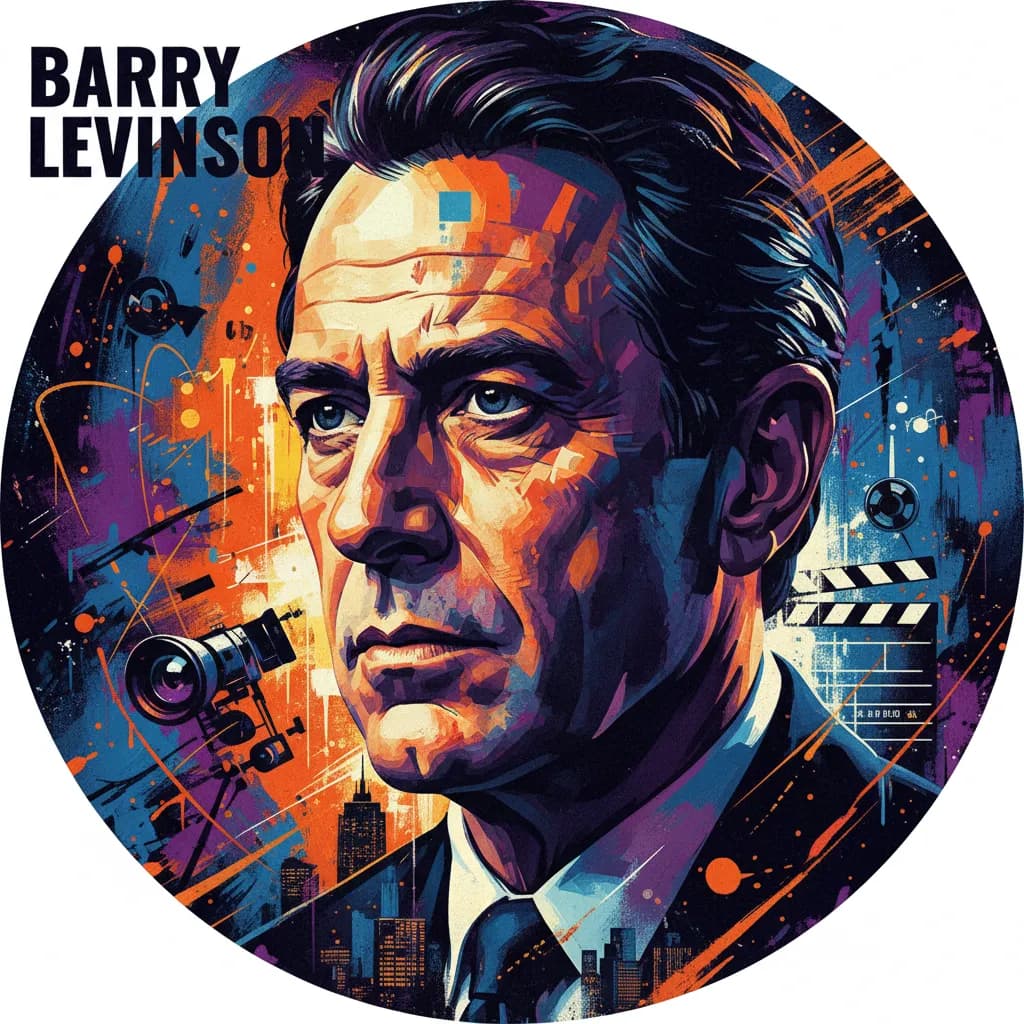
Barry Levinson
Every film, ranked

John Carpenter
Every film, ranked

Joel Schumacher
Every film, ranked

Billy Wilder
Every film, ranked

Rob Reiner
Every film, ranked

Neil Jordan
Every film, ranked

Spike Lee
Every film, ranked

Ivan Reitman
Every film, ranked

John Woo
Every film, ranked

Lasse Hallström
Every film, ranked

Stephen Frears
Every film, ranked

Luc Besson
Every film, ranked

Chris Columbus
Every film, ranked

Mike Nichols
Every film, ranked

Howard Hawks
Every film, ranked

Ang Lee
Every film, ranked

Walter Hill
Every film, ranked

Gus Van Sant
Every film, ranked

William Wyler
Every film, ranked

Renny Harlin
Every film, ranked

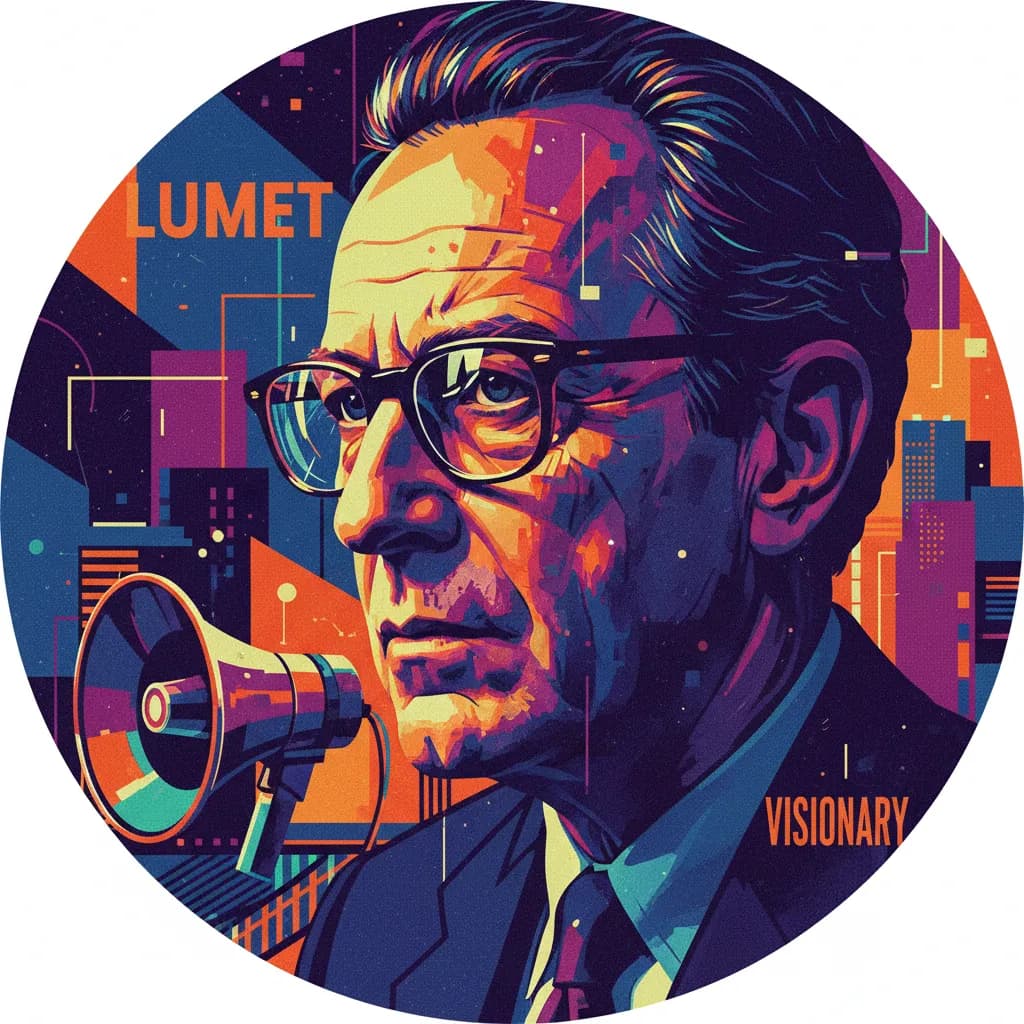
Sidney Lumet
Every film, ranked

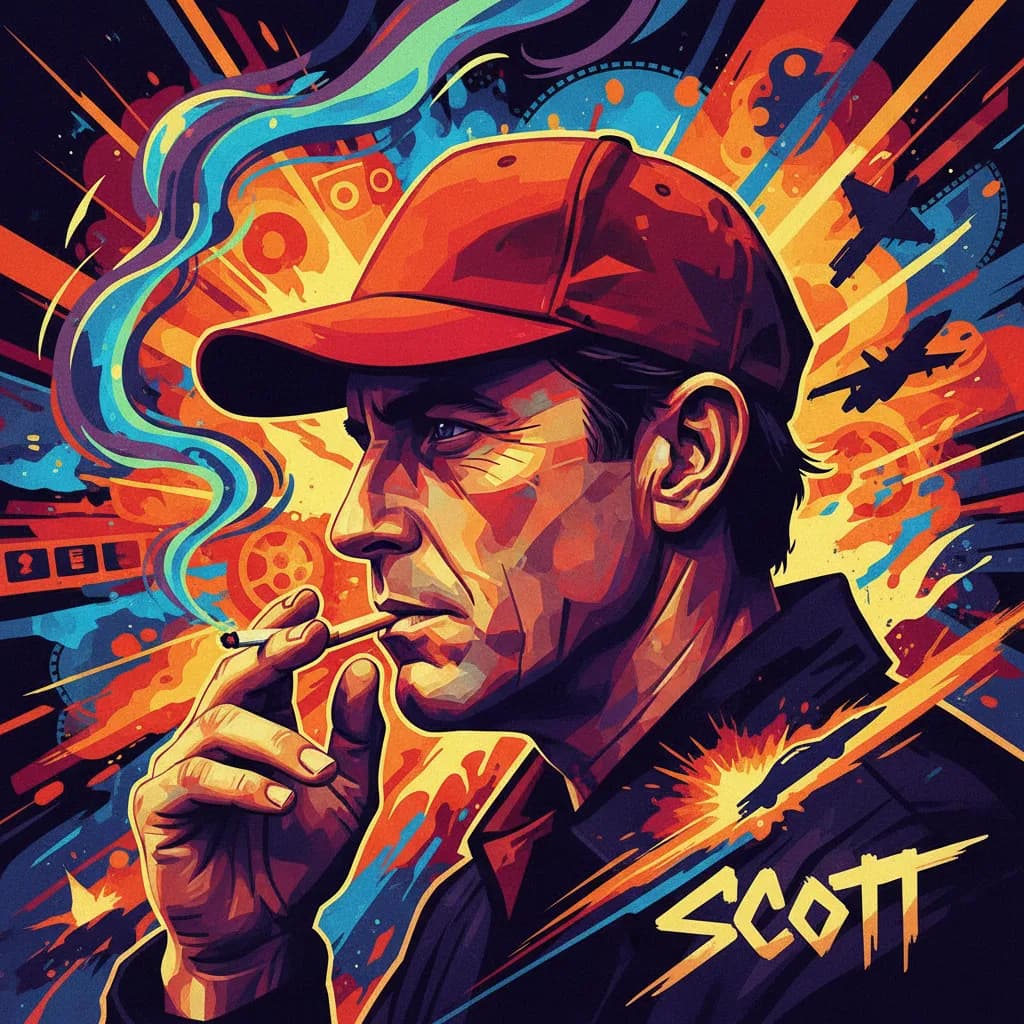
Tony Scott
Every film, ranked