Discover the visionary filmmakers behind cinema's greatest works.
Explore our selection of acclaimed directors and their remarkable films.
Showing 1453-1464 out of 4148

Hallie Meyers-Shyer is an American film director known for her work in the romantic comedy-drama genre. She made her directorial debut with the 2017 film "Home Again," which garnered attention for its heartfelt storytelling and relatable characters. As the daughter of acclaimed filmmakers Nancy Meyers and Charles Shyer, Hallie Meyers-Shyer has carved her own path in the industry, showcasing a distinct directorial style that blends humor, romance, and genuine human emotions. "Home Again" served as a testament to Meyers-Shyer's ability to create compelling narratives that resonate with audiences. The film revolves around a recently separated woman who opens her home to three aspiring filmmakers, leading to unexpected romantic entanglements and personal growth. Meyers-Shyer's directorial approach emphasizes authentic interpersonal dynamics and heartfelt moments, creating a warm and inviting atmosphere that characterizes her work. Meyers-Shyer's directorial style is marked by its attention to detail, nuanced character development, and a keen sense of humor. Her films often explore the complexities of relationships, family dynamics, and the pursuit of personal fulfillment, resonating with viewers through their relatable themes and endearing portrayals of human experiences. "Home Again" exemplifies her talent for infusing lighthearted moments with genuine emotional depth, offering a fresh take on the romantic comedy genre. While "Home Again" stands as Meyers-Shyer's notable directorial achievement, it serves as a promising indicator of her potential impact on the cinematic landscape. Her ability to craft engaging narratives and evoke authentic emotions positions her as a rising talent in the industry, with the potential to leave a lasting imprint on the romantic comedy genre. With her unique vision and storytelling prowess, Hallie Meyers-Shyer continues to captivate audiences and contribute to the rich tapestry of contemporary cinema. In conclusion, Hallie Meyers-Shyer's directorial career is defined by her distinct voice and ability to breathe new life into the romantic comedy-drama genre. Through "Home Again," she has demonstrated her talent for crafting heartfelt narratives and endearing characters, setting the stage for a promising future in filmmaking. As she continues to evolve as a director, audiences can anticipate more captivating stories that showcase her unique perspective and genuine storytelling sensibilities.



Hal Needham was a legendary director, renowned for his contributions to the action-comedy genre in the 1970s and 1980s. Needham's background as a stuntman uniquely informed his directorial style, as he infused his films with high-octane action sequences and a sense of daredevil excitement. Needham's most iconic works include "Smokey and the Bandit" (1977), "The Cannonball Run" (1981), "Smokey and the Bandit II" (1980), and "Cannonball Run II" (1984). These films not only showcased his directorial prowess but also solidified his reputation as a master of blending adrenaline-pumping action with comedic flair. One of Needham's most notable directorial trademarks was his ability to choreograph and execute breathtaking stunts, which became a defining feature of his films. His background as a stuntman allowed him to bring a level of authenticity and excitement to his action sequences, setting a new standard for the genre. Needham's films often featured car chases, daring stunts, and high-speed pursuits, all of which became hallmarks of his directorial style. In addition to his prowess in action filmmaking, Needham's films also showcased his keen sense of humor and ability to infuse lighthearted comedy into high-energy action plots. This unique blend of adrenaline-fueled action and comedic charm captivated audiences and contributed to the enduring popularity of his films. Needham's work had a lasting impact on the action-comedy genre, inspiring future filmmakers and leaving an indelible mark on cinema. Hal Needham's directorial legacy continues to resonate in the world of action cinema, with his films remaining beloved classics that have stood the test of time. His unique vision and pioneering approach to blending action and comedy have solidified his status as a trailblazing director whose influence continues to be felt in the industry. Needham's enduring impact on cinema ensures that his work will be celebrated for generations to come, making him an iconic figure in the history of filmmaking.

Hamilton Luske, a pioneering figure in the world of animation, left an indelible mark on cinema with his unique directorial style and visionary storytelling. Renowned for his work with Disney, Luske's career spanned several iconic animated classics, including "Peter Pan" (1953), "Lady and the Tramp" (1955), and "One Hundred and One Dalmatians" (1961). His directorial approach was characterized by a blend of whimsy, heart, and timeless charm, making him a beloved figure in the animation world. Luske's directorial style was marked by his ability to infuse his films with a sense of wonder and enchantment, captivating audiences of all ages. His films often featured endearing characters, engaging narratives, and masterful animation, showcasing his unparalleled talent in creating captivating and immersive cinematic experiences. Luske's work reflected a deep understanding of storytelling and a commitment to pushing the boundaries of animation, cementing his status as a visionary director. Notable for his recurring themes of friendship, adventure, and the triumph of the human spirit, Luske's films resonated with audiences on a profound level, transcending generational boundaries. His storytelling prowess and ability to evoke genuine emotion through animation set him apart as a director with a profound impact on the medium. Luske's contributions to cinema continue to inspire and influence contemporary animators and filmmakers, underscoring his enduring legacy in the world of animation. Hamilton Luske's directorial career remains a testament to his unparalleled creativity, innovative spirit, and unwavering dedication to the craft of animation. His films not only entertained audiences but also left an indelible mark on the art of storytelling through animation. Luske's visionary approach to directing continues to shape the landscape of animation, ensuring that his legacy will endure for generations to come.

Han-min Kim is a South Korean film director known for his impactful and visually stunning works, particularly his magnum opus, "The Admiral: Roaring Currents" (2014). Kim's directorial style is characterized by his ability to seamlessly blend action, drama, and historical narratives to create compelling and immersive cinematic experiences. His meticulous attention to detail and penchant for epic storytelling have solidified his reputation as a visionary director with a distinct flair for bringing historical events to life on the silver screen. "The Admiral: Roaring Currents" stands as a testament to Kim's directorial prowess and has been hailed as a monumental achievement in South Korean cinema. The film, which revolves around the legendary naval battle of Myeongnyang, showcases Kim's ability to infuse historical events with gripping action sequences and emotional depth, captivating audiences worldwide. With a keen eye for breathtaking visuals and a knack for crafting compelling narratives, Kim has established himself as a master storyteller with an unwavering commitment to authenticity and artistic integrity. One of the recurring themes in Kim's work is his exploration of heroism and resilience in the face of adversity, as evidenced in "The Admiral: Roaring Currents." His films often delve into the human spirit's triumph over seemingly insurmountable challenges, resonating with audiences on a profound emotional level. Kim's impact on cinema extends beyond his exceptional storytelling abilities, as he has also played a pivotal role in elevating the global profile of South Korean cinema, garnering acclaim and recognition on the international stage. As a director, Han-min Kim has left an indelible mark on the film industry, earning accolades and accolades for his contributions to cinematic storytelling. With a penchant for crafting visually arresting narratives and a commitment to bringing historical events to life with authenticity and emotional resonance, Kim continues to shape the landscape of contemporary cinema. His legacy as a visionary director is firmly cemented in his ability to transport audiences through time and space, immersing them in unforgettable cinematic experiences that transcend cultural boundaries.

Hanna Bergholm is a visionary Finnish director known for her unique blend of drama, fantasy, and horror in her films. With a notable filmography that includes her feature film "Hatching" (2022), Bergholm has made a significant impact on the cinema landscape with her distinct directorial style and captivating storytelling. Bergholm's directorial approach is characterized by a seamless fusion of genres, creating an immersive and otherworldly experience for her audience. Her film "Hatching" exemplifies her penchant for crafting narratives that blur the lines between reality and fantasy, while also delving into the depths of human emotions and the supernatural. Notable for her ability to explore dark and compelling themes, Bergholm's work often incorporates elements of horror and fantasy to convey deeper layers of human experiences. Her films are marked by a haunting atmosphere, striking visuals, and thought-provoking storytelling that leave a lasting impression on viewers. "Hatching" stands as a testament to Bergholm's directorial prowess, as she fearlessly delves into the realms of the unknown, pushing boundaries and challenging conventional storytelling. The film showcases her knack for creating a chilling and atmospheric world that draws audiences into a mesmerizing and unsettling journey. Hanna Bergholm's impact on cinema lies in her ability to create immersive and thought-provoking cinematic experiences that resonate with audiences on a profound level. With "Hatching," she has solidified her status as a director to watch, and her unique vision and contributions to film are sure to continue shaping the landscape of cinema for years to come.

Hannes Holm is a Swedish film director known for his compelling storytelling and heartfelt portrayals of human emotions. With a career spanning several decades, Holm has made a significant impact on the global film industry. His directorial style is characterized by a delicate balance of comedy, drama, and romance, creating films that resonate with audiences on a deep emotional level. One of Holm's most notable works is "A Man Called Ove" (2015), adapted from Fredrik Backman's novel. This film garnered widespread acclaim and earned an Academy Award nomination for Best Foreign Language Film. Holm's adept direction brought to life the poignant story of Ove, a grumpy yet endearing widower, and his unlikely bond with his new neighbors. The film's seamless blend of humor and pathos showcases Holm's ability to elicit genuine, heartfelt performances from his actors. In addition to "A Man Called Ove," Holm also directed the Swedish-language version of the film, titled "En man som heter Ove" (2015). Both versions proved to be critical and commercial successes, cementing Holm's reputation as a director with a keen understanding of human nature and the complexities of relationships. His films often explore themes of love, loss, and the resilience of the human spirit, drawing viewers into the rich emotional landscapes he creates on screen. Hannes Holm's impact on cinema extends beyond his individual films, as his unique vision and storytelling prowess have influenced a new generation of filmmakers. His ability to infuse humor and warmth into deeply emotional narratives has set a high standard for directors seeking to create impactful and memorable cinematic experiences. Holm's work continues to resonate with audiences worldwide, making him a revered figure in the realm of international cinema. In summary, Hannes Holm's directorial career is defined by a masterful command of storytelling, a deft blend of comedy and drama, and a profound exploration of human emotions. His films, particularly "A Man Called Ove," have left an indelible mark on cinema, earning him widespread acclaim and recognition. Holm's contributions to the art of filmmaking have solidified his place as a visionary director with a profound understanding of the human experience, and his work will undoubtedly continue to inspire and captivate audiences for years to come.

Hannes Stöhr is a German director known for his unique blend of comedy, drama, and music in his films. His most notable work, "Berlin Calling" (2008), is a captivating exploration of the electronic music scene in Berlin, showcasing Stöhr's ability to seamlessly integrate music into his narrative. Stöhr's directorial style is characterized by a raw and authentic portrayal of human emotions, often juxtaposed against the backdrop of urban landscapes. With a keen eye for visual storytelling, he captures the vibrant energy of his settings while delving into the complexities of his characters' inner lives. "Berlin Calling" stands as a testament to Stöhr's ability to infuse his films with an evocative soundtrack that not only complements the narrative but also becomes an integral part of the storytelling process. Stöhr's films often revolve around themes of personal struggles, redemption, and the pursuit of artistic expression. His characters grapple with their inner demons against the backdrop of a rapidly changing world, creating a sense of urgency and poignancy in his storytelling. Stöhr's impact on cinema lies in his ability to create immersive experiences that resonate with audiences on a profound level. His films offer a glimpse into the human condition, exploring the universal themes of love, loss, and the search for identity. Through his work, Stöhr has carved a niche for himself as a visionary director who skillfully captures the zeitgeist of contemporary urban life while celebrating the transformative power of music and art. In conclusion, Hannes Stöhr's directorial career is defined by his adeptness at weaving together music, drama, and comedy to create emotionally resonant narratives. His films serve as a testament to his unique vision and his ability to transport audiences into the heart of the urban landscape, while delving into the complex emotions that define the human experience. As a director, Stöhr continues to leave an indelible mark on cinema, captivating audiences with his compelling storytelling and evocative visual style.

Hansal Mehta is a prominent Indian film director known for his compelling storytelling and thought-provoking narratives. With a career spanning over two decades, Mehta has made a significant impact on Indian cinema, earning critical acclaim and a dedicated fan base. His directorial style is characterized by its raw and realistic portrayal of human emotions, often delving into the complexities of society and individual struggles. Mehta garnered widespread recognition for his film "Shahid" (2012), a biographical drama based on the life of lawyer and human rights activist Shahid Azmi. The film received accolades for its unflinching portrayal of Azmi's journey, and Mehta's adept direction illuminated the challenges and triumphs of the protagonist with sensitivity and depth. "Shahid" not only showcased Mehta's ability to craft compelling character-driven narratives but also established him as a director unafraid to tackle socially relevant subjects. In 2020, Mehta showcased his versatility with "Chhalaang," a heartwarming comedy-drama that revolves around a small-town PT teacher's journey to win the love of his life. Despite being a departure from his previous works, "Chhalaang" demonstrated Mehta's ability to infuse humor and warmth into his storytelling while still addressing pertinent societal themes. Through this film, Mehta showcased his directorial range, proving that he excels in diverse genres and storytelling approaches. Throughout his career, Mehta has explored recurring themes such as social justice, resilience, and the human spirit's indomitable nature. His films often shed light on the underprivileged and marginalized, offering a poignant commentary on the societal constructs that shape their lives. Mehta's unique vision lies in his ability to intertwine compelling narratives with a palpable sense of authenticity, drawing audiences into the worlds he creates on screen. Hansal Mehta's contributions to cinema have been instrumental in pushing the boundaries of Indian filmmaking, earning him a reputation as a director with a distinct voice and a commitment to telling stories that resonate deeply with audiences. His thought-provoking narratives and nuanced character portrayals have cemented his status as a director to watch, and his impact on Indian cinema continues to be felt, inspiring a new generation of filmmakers to embrace storytelling that challenges, enlightens, and entertains.

Hans Canosa is a visionary film director known for his distinctive directorial style and thought-provoking storytelling. His most notable work includes the critically acclaimed film "Conversations with Other Women" (2005), a captivating blend of comedy, drama, and romance that showcases his unique approach to filmmaking. Canosa's directorial style is characterized by his innovative use of split-screen techniques, which effectively immerse the audience in the complex emotions and dynamics of his characters. This technique, combined with his ability to capture intimate and raw performances, has set him apart as a director with a keen eye for human connection and emotion. "Conversations with Other Women" stands as a testament to Canosa's ability to explore the intricacies of human relationships, infusing each scene with layers of depth and authenticity. His directorial prowess shines through in the film's seamless transitions between past and present, allowing the audience to unravel the complexities of the characters' experiences and emotions. Throughout his career, Canosa has delved into themes of love, loss, and the intricacies of human connection, consistently challenging cinematic norms and pushing the boundaries of storytelling. His impact on cinema extends beyond his individual films, as he continues to inspire aspiring filmmakers to embrace unconventional techniques and storytelling methods. Hans Canosa's contributions to the film industry have solidified his status as a director with a unique vision and an unwavering dedication to crafting compelling narratives. His ability to capture the nuances of human relationships and emotions has left an indelible mark on cinema, cementing his legacy as a director who fearlessly explores the depths of the human experience.

Hans Horn is a German film director known for his work in the adventure, drama, and horror genres. His most notable film is "Open Water 2: Adrift" (2006), a gripping survival thriller that showcases his directorial prowess and ability to create intense, edge-of-your-seat experiences for audiences. Horn's directorial style is characterized by his skillful use of tension and suspense to immerse viewers in the harrowing situations faced by his characters. In "Open Water 2: Adrift," he expertly builds a sense of claustrophobia and desperation as the protagonists find themselves stranded in the open sea, facing a fight for survival against the elements and their own inner demons. Throughout his career, Horn has demonstrated a penchant for exploring the darker aspects of human nature and the human psyche. His films often delve into themes of isolation, fear, and the resilience of the human spirit in the face of overwhelming adversity. This thematic consistency has earned him a reputation as a director unafraid to confront the raw, primal emotions that drive his characters and captivate audiences. Hans Horn's impact on cinema lies in his ability to craft compelling narratives that resonate with viewers on a visceral level. His films invite audiences to confront their deepest fears and anxieties, all while delivering an unforgettable cinematic experience. As a filmmaker, Horn has proven himself to be a master of suspense, capable of creating tension that keeps audiences on the edge of their seats from start to finish. In "Open Water 2: Adrift," Hans Horn showcases his directorial talent and storytelling expertise, solidifying his status as a filmmaker with a distinctive vision and a knack for delivering gripping, immersive cinema. With his ability to tap into the primal instincts and emotions of his characters, Horn continues to leave a lasting impression on the world of film, cementing his legacy as a director who knows how to captivate and unsettle audiences in equal measure.

Hans Petter Moland is a Norwegian film director known for his distinct style, compelling storytelling, and exploration of dark humor in the crime and drama genres. With a career spanning over three decades, Moland has left an indelible mark on the international film scene with his thought-provoking narratives and visually striking direction. His notable films include "In Order of Disappearance" (2014), "Cold Pursuit" (2019), and "Department Q: A Conspiracy of Faith" (2016), each showcasing his adeptness at blending action, comedy, and crime with a touch of Nordic noir. Moland's directorial style is characterized by his keen eye for detail, immersive cinematography, and the ability to infuse tension with dark humor. His films often feature morally complex characters navigating through intricate plots, and he excels in creating an atmosphere that is both gritty and visually captivating. Moland's exploration of vengeance, justice, and the human condition is evident in his filmography, making him a master of weaving compelling narratives that resonate with audiences on a profound level. In "In Order of Disappearance," Moland presents a revenge-driven thriller with a twist of dark comedy, showcasing his ability to subvert genre expectations while delivering a gripping and visually stunning cinematic experience. "Cold Pursuit" further solidifies Moland's reputation as a director unafraid to push boundaries, offering a unique take on the revenge genre with a signature blend of action, dark humor, and compelling storytelling. Moland's impact on cinema extends beyond his individual films, as he has contributed to the resurgence of Norwegian cinema on the global stage. His ability to infuse Nordic sensibilities with universal themes has garnered critical acclaim and a dedicated international following. As a director, Moland continues to push boundaries, challenge conventions, and leave an enduring impact on the cinematic landscape with his unique vision and storytelling prowess. With his distinct directorial style and compelling narratives, Hans Petter Moland stands as a prominent figure in contemporary cinema, leaving an indelible mark on the industry and inspiring a new generation of filmmakers.

Hans Weingartner is a German film director known for his thought-provoking and socially conscious works. His directorial style is characterized by a keen eye for social issues, compelling storytelling, and an ability to create emotionally resonant narratives. Weingartner's films often explore themes of rebellion, idealism, and the struggles of young people in contemporary society. One of Weingartner's most notable films is "The Edukators" (2004), a powerful drama that delves into the lives of three young activists who engage in political activism by breaking into wealthy homes and leaving messages challenging the owners' materialistic values. The film not only showcases Weingartner's skill in capturing the complexities of human relationships but also highlights his ability to address crucial sociopolitical themes with nuance and sensitivity. Throughout his career, Weingartner has consistently challenged societal norms and shed light on the struggles of marginalized individuals. His films often feature strong-willed protagonists who question the status quo and seek to effect change, resonating with audiences who are drawn to stories of resilience and rebellion. Weingartner's unique vision has made a significant impact on cinema, earning him critical acclaim and a dedicated following. In conclusion, Hans Weingartner's directorial career is marked by a commitment to telling compelling stories that address pressing social issues. His ability to infuse his films with emotional depth, thought-provoking themes, and memorable characters has solidified his place as a distinctive voice in contemporary cinema. As he continues to push boundaries and challenge audiences, Hans Weingartner remains a director to watch, with a filmography that stands as a testament to his unwavering dedication to creating impactful and socially relevant cinema.
Every film by the greats, ranked by our TML Score.

Christopher Nolan
Every film, ranked

Quentin Tarantino
Every film, ranked

Stanley Kubrick
Every film, ranked

Martin Scorsese
Every film, ranked

Steven Spielberg
Every film, ranked

Alfred Hitchcock
Every film, ranked

David Fincher
Every film, ranked

Denis Villeneuve
Every film, ranked

Wes Anderson
Every film, ranked

Paul Thomas Anderson
Every film, ranked

Ridley Scott
Every film, ranked

Tim Burton
Every film, ranked

Guillermo del Toro
Every film, ranked

Hayao Miyazaki
Every film, ranked

Akira Kurosawa
Every film, ranked

Francis Ford Coppola
Every film, ranked

Clint Eastwood
Every film, ranked

Bong Joon Ho
Every film, ranked

Woody Allen
Every film, ranked

Steven Soderbergh
Every film, ranked

Ron Howard
Every film, ranked

Pedro Almodóvar
Every film, ranked

Richard Linklater
Every film, ranked

Roman Polanski
Every film, ranked

Brian De Palma
Every film, ranked

Ingmar Bergman
Every film, ranked

Oliver Stone
Every film, ranked

David Cronenberg
Every film, ranked

Robert Zemeckis
Every film, ranked

Barry Levinson
Every film, ranked

John Carpenter
Every film, ranked

Joel Schumacher
Every film, ranked

Billy Wilder
Every film, ranked

Rob Reiner
Every film, ranked

Neil Jordan
Every film, ranked

Spike Lee
Every film, ranked

Ivan Reitman
Every film, ranked

John Woo
Every film, ranked

Lasse Hallström
Every film, ranked

Stephen Frears
Every film, ranked

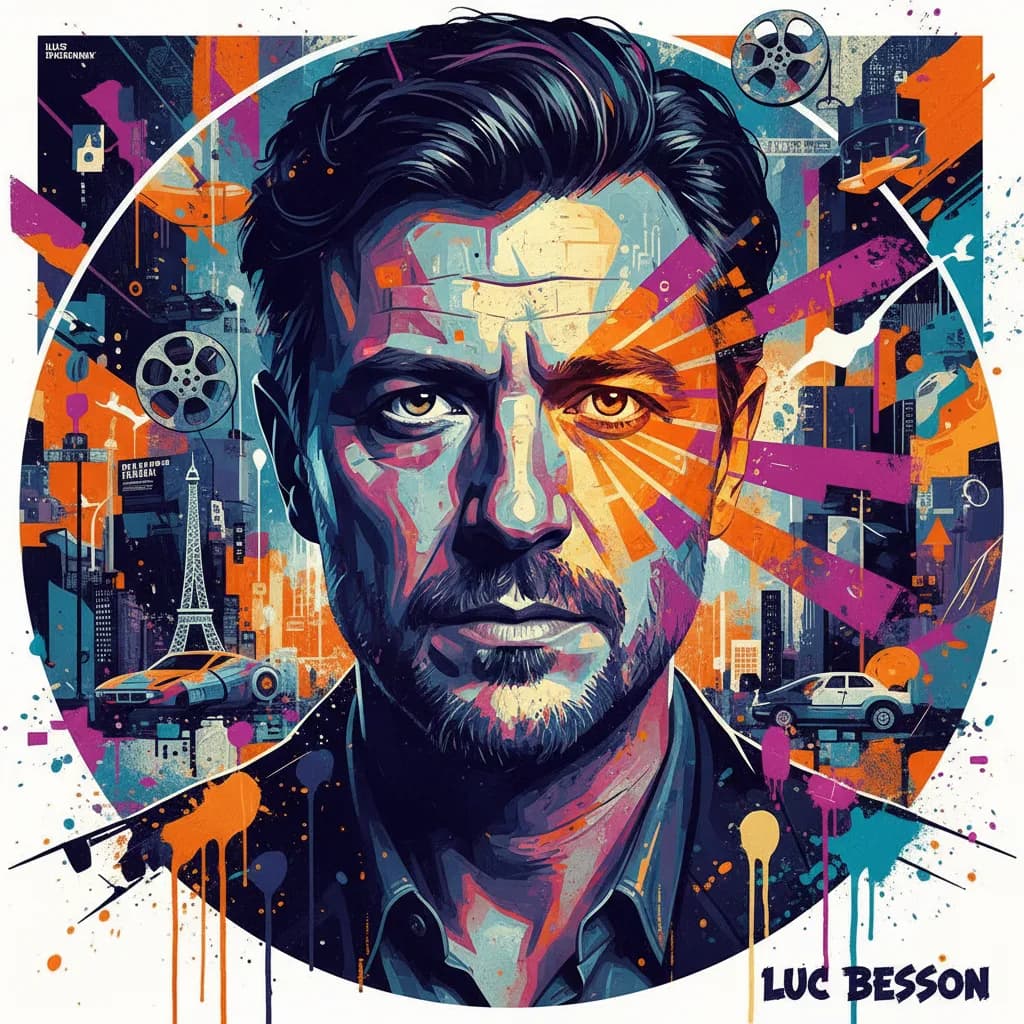
Luc Besson
Every film, ranked

Chris Columbus
Every film, ranked

Mike Nichols
Every film, ranked

Howard Hawks
Every film, ranked

Ang Lee
Every film, ranked

Walter Hill
Every film, ranked

Gus Van Sant
Every film, ranked

William Wyler
Every film, ranked

Renny Harlin
Every film, ranked

Sidney Lumet
Every film, ranked

Tony Scott
Every film, ranked