Discover the visionary filmmakers behind cinema's greatest works.
Explore our selection of acclaimed directors and their remarkable films.
Showing 1441-1452 out of 4148

Guy Moshe is an Israeli film director known for his visually stunning and genre-bending works. Moshe burst onto the scene with his feature film debut, "Bunraku" (2010), a striking blend of action, drama, and thriller that showcased his distinct directorial style. With a keen eye for striking visuals and a penchant for blending various genres, Moshe's work has left an indelible mark on the film industry. "Bunraku" quickly garnered attention for its unique visual aesthetic and stylized action sequences, solidifying Moshe's reputation as a director with a keen eye for captivating storytelling and innovative filmmaking techniques. The film's fusion of Eastern and Western influences, coupled with its intricate storytelling and dynamic characters, cemented Moshe as a visionary director unafraid to push the boundaries of traditional filmmaking. Moshe's directorial style is characterized by meticulous attention to detail, bold visual storytelling, and a penchant for weaving together diverse thematic elements. His films often explore themes of honor, redemption, and the human condition, with a focus on intricate character dynamics and visually arresting cinematography. Moshe's ability to seamlessly blend different genres while maintaining a cohesive narrative has earned him a devoted following and critical acclaim within the industry. In the realm of cinema, Guy Moshe's impact is felt through his ability to challenge conventions and reimagine storytelling through a visually dynamic lens. His visionary approach and willingness to experiment with genre, narrative, and visual aesthetics have contributed to the evolution of contemporary filmmaking. As Moshe continues to push the boundaries of traditional storytelling, his influence on cinema remains profound, setting the stage for a new wave of innovative and boundary-pushing directors.

Guy Nattiv is an Israeli filmmaker renowned for his thought-provoking and socially relevant directorial style. His notable work includes the impactful film "Skin" (2018), which delves into the world of white supremacy and its impact on individuals and communities. Nattiv's directorial approach is marked by a deep exploration of complex characters and the human condition, which he infuses with raw emotion and a sense of urgency, creating a lasting impact on audiences. "Skin" brought Nattiv widespread acclaim and accolades, including the Academy Award for Best Live Action Short Film, providing a platform for him to showcase his distinct directorial voice. His films often revolve around themes of identity, prejudice, and the search for belonging, shining a light on the dark corners of society while offering a glimpse of hope and redemption. Nattiv's ability to elicit powerful performances from his actors, combined with his astute storytelling, has cemented his status as a director with a keen eye for compelling narratives that resonate deeply with viewers. Nattiv's contribution to cinema extends beyond his directorial prowess, as he fearlessly tackles subjects that challenge societal norms and provoke meaningful conversations. His work serves as a mirror to the world, urging audiences to confront uncomfortable truths and consider the human experiences that often remain unseen. As a filmmaker, Nattiv continuously pushes the boundaries of storytelling, utilizing his craft to shed light on the complexities of the human psyche and the struggles faced by those on the margins of society. In the landscape of contemporary cinema, Guy Nattiv has emerged as a director whose work transcends mere entertainment, serving as a catalyst for introspection and dialogue. His unwavering commitment to authenticity and his ability to capture the essence of human experiences have firmly established him as a visionary filmmaker whose impact on the industry will undoubtedly endure. Nattiv's dedication to storytelling that challenges, enlightens, and inspires ensures that his cinematic legacy will continue to resonate with audiences for years to come.

Guy Ritchie is a British director, known for his distinct style and genre-bending films that seamlessly blend action, comedy, and crime elements. His breakout film, "Lock, Stock and Two Smoking Barrels" (1998), catapulted him into the spotlight, showcasing his flair for fast-paced storytelling, sharp wit, and an uncanny ability to infuse gritty crime narratives with humor. This was followed by the cult classic "Snatch" (2000), which solidified his reputation as a visionary director with a knack for creating stylish, kinetic, and irreverent films. Ritchie's filmography boasts an impressive array of hits, including "Sherlock Holmes" (2009) and its sequel "Sherlock Holmes: A Game of Shadows" (2011), where he reimagined the iconic detective as a dynamic action hero, complete with his signature visual flair and intricate storytelling. His recent works, such as "The Gentlemen" (2019) and "Wrath of Man" (2021), continue to showcase his mastery of the crime genre, offering audiences a potent mix of adrenaline-pumping action and razor-sharp dialogue. Ritchie's directorial style is characterized by his penchant for intricately woven narratives, kinetic editing, and a keen eye for casting. His films often feature ensemble casts, each member bringing a unique energy to the screen, while his use of rapid-fire dialogue and clever plot twists keeps audiences captivated. One of his recurring themes is the exploration of the criminal underworld, presented with a blend of dark humor and stylish visuals that have become synonymous with his work. Known for his innovative storytelling and dynamic visuals, Ritchie has left an indelible mark on cinema, influencing a new generation of filmmakers and reshaping the crime and action genres. His ability to infuse conventional narratives with his signature kinetic energy and wit has made him a standout figure in contemporary filmmaking, cementing his status as a director with a truly unique vision and an enduring impact on the industry. With upcoming projects like "Operation Fortune: Ruse de Guerre" (2023), audiences can expect Ritchie to continue pushing the boundaries of genre and storytelling, solidifying his legacy as a visionary director.

I believe there may be a misunderstanding. Gwyneth Paltrow is primarily known as an actress, not a film director. However, if you would like a career summary of Gwyneth Paltrow as an actress, I'd be happy to provide that information. Let me know if you'd like me to proceed with that instead.

György Pálfi is a Hungarian film director celebrated for his unique and boundary-pushing storytelling. His most notable work includes the darkly comedic and visually striking film "Taxidermia" (2006), which garnered critical acclaim and solidified Pálfi as a directorial force to be reckoned with. The film, a blend of comedy, drama, and horror, showcases Pálfi's penchant for exploring the grotesque and surreal, while simultaneously delving into the complexities of human nature. Pálfi's directorial style is characterized by his bold and unflinching approach to storytelling, often challenging traditional narrative structures and pushing the boundaries of visual storytelling. His films are known for their visually arresting cinematography and attention to detail, creating immersive and captivating cinematic experiences for audiences. Pálfi's work often delves into the darker aspects of human existence, exploring themes of grotesque body horror, societal decay, and existential crises, all while infusing his narratives with a darkly comedic edge. "Taxidermia" stands as a testament to Pálfi's ability to craft visually stunning and thematically rich cinema that leaves a lasting impact on viewers. The film's exploration of the human condition through the lens of grotesque and surreal imagery showcases Pálfi's unique vision and his willingness to delve into the uncharted territories of storytelling. Pálfi's contributions to cinema have not only earned him critical acclaim but have also solidified his place as a visionary director unafraid to challenge conventions and push the boundaries of what is possible within the medium. György Pálfi's directorial career is a testament to his unwavering commitment to crafting thought-provoking and visually captivating cinema. His ability to blend genres and explore the darker aspects of human existence has left an indelible mark on the world of film, cementing his legacy as a directorial maverick. As Pálfi continues to push the boundaries of storytelling and visual artistry, audiences can eagerly anticipate his future works, knowing they will be in for a cinematic experience unlike any other.

Hadi Hajaig is a British film director known for his gripping storytelling and unique approach to action, crime, and drama genres. His notable work includes the 2012 film "Cleanskin," which exemplifies his directorial style and storytelling prowess. Hajaig's films often delve into the darker aspects of human nature, exploring themes of terrorism, espionage, and the complexities of morality. His directorial vision is characterized by intense, high-stakes narratives that captivate audiences and leave a lasting impact. "Cleanskin" stands as a testament to Hajaig's ability to create tension-filled, adrenaline-pumping cinema. The film follows the story of a British secret service agent tasked with stopping a suicide bomber, played by Sean Bean, in a pulse-pounding game of cat and mouse. Hajaig's direction in "Cleanskin" showcases his adeptness at crafting compelling characters and intricate plotlines, all set against a backdrop of political intrigue and visceral action sequences. Hajaig's impact on cinema lies in his ability to infuse the action genre with thought-provoking themes and complex narratives. His films offer a fresh perspective on the genre, challenging conventional storytelling tropes and delivering a cinematic experience that resonates with audiences on a deeper level. With "Cleanskin," Hajaig demonstrates his commitment to pushing the boundaries of storytelling, creating a film that is as intellectually stimulating as it is visually captivating. As a director, Hadi Hajaig continues to leave his mark on the film industry with his distinct directorial style and unwavering dedication to crafting compelling narratives. His contributions to the action, crime, and drama genres have solidified his position as a visionary filmmaker, and his work continues to inspire and captivate audiences around the world. Hajaig's directorial career is a testament to his ability to create thought-provoking, thrilling cinema that leaves a lasting impression.

Haifaa Al-Mansour, the groundbreaking Saudi Arabian filmmaker, has made a significant impact on the global film industry with her exceptional storytelling and unique directorial style. Al-Mansour's career took off with her debut feature film, "Wadjda" (2012), which made history as the first feature film shot entirely in Saudi Arabia. This heartwarming and thought-provoking comedy-drama tells the story of a young girl's quest to own a bicycle in a society where such a desire is considered taboo for girls. Al-Mansour's sensitive portrayal of the struggles and aspirations of women in a conservative society established her as a directorial force to be reckoned with. In 2017, Al-Mansour directed "Mary Shelley," a biographical drama that delves into the life of the iconic author behind "Frankenstein." With this film, Al-Mansour demonstrated her versatility as a director, seamlessly transitioning from the intimate and culturally resonant narrative of "Wadjda" to the historical and literary context of "Mary Shelley." Her ability to tackle diverse genres and subject matters showcases her adaptability and storytelling prowess. Al-Mansour's directorial style is characterized by a keen focus on female protagonists and their struggles against societal norms and expectations. Her films often explore themes of empowerment, resilience, and the human spirit, resonating with audiences around the world. Through her work, Al-Mansour has become a champion for female representation in cinema, using her storytelling to shed light on the complexities of women's experiences in patriarchal societies. With her groundbreaking achievements, Al-Mansour has paved the way for aspiring female filmmakers in the Arab world and beyond, inspiring a new generation of storytellers to challenge conventions and tell authentic, diverse narratives. Her impact on cinema extends beyond her films, as she continues to advocate for gender equality and diversity in the film industry, amplifying underrepresented voices and driving meaningful change. In summary, Haifaa Al-Mansour's directorial career is defined by her unwavering commitment to amplifying the voices of women and marginalized communities through powerful storytelling. Her ability to craft compelling narratives that resonate with audiences while challenging societal norms has cemented her as a trailblazing director with a lasting influence on the global cinematic landscape.

Hai Yu is a visionary film director known for his unique blend of action and drama in the world of cinema. His notable work includes the 2013 film "Man of Tai Chi," which showcases his distinct directorial style and innovative storytelling techniques. Hai Yu's directorial prowess is evident in his ability to seamlessly merge thrilling action sequences with compelling emotional narratives, making him a standout figure in the industry. In "Man of Tai Chi," Hai Yu expertly captures the essence of martial arts and its deep-rooted philosophical elements, while also delivering intense and meticulously choreographed action sequences. His meticulous attention to detail and dedication to authenticity elevate the film to a level of artistry that has resonated with audiences and critics alike. Additionally, Hai Yu's ability to infuse thought-provoking themes of honor, redemption, and self-discovery into his work sets him apart as a director with a profound understanding of human complexity. Throughout his career, Hai Yu has demonstrated a penchant for exploring the human condition through the lens of action and drama, consistently delivering films that delve into the depths of character psychology and societal dynamics. His unique directorial approach has left a lasting impact on the cinema landscape, inspiring a new wave of filmmakers to explore the intersection of action and drama in their own work. Hai Yu's contributions to the film industry extend beyond his directorial work, as he has also played a pivotal role in redefining the action genre, infusing it with emotional depth and intellectual resonance. His ability to transcend traditional genre boundaries and deliver films that resonate on a profound level has solidified his status as a trailblazer in the world of cinema. With a keen eye for storytelling and an unwavering commitment to pushing artistic boundaries, Hai Yu continues to leave an indelible mark on the film industry, cementing his legacy as a visionary director.

Hakan Algül is a Turkish film director known for his work in the comedy genre. His notable directorial credits include "Eyyvah Eyvah" (2010) and its sequel "Eyyvah Eyvah 2" (2011). Algül's directorial style is characterized by his ability to infuse humor with heartwarming storytelling, making his films resonate with audiences on both an emotional and comedic level. His keen sense of timing and knack for capturing the nuances of human relationships have established him as a prominent figure in Turkish cinema. "Eyyvah Eyvah" and its sequel are prime examples of Algül's directorial prowess. Set against the backdrop of a small Turkish town, these films follow the misadventures of a musician named Hüseyin, played by the beloved comedian Ata Demirer. Algül's films showcase a deep understanding of Turkish culture and tradition, while also addressing universal themes of love, family, and self-discovery. One of the recurring themes in Algül's work is the celebration of everyday life and the importance of embracing one's roots. Through his storytelling, he brings to light the idiosyncrasies of Turkish society, often with a lighthearted touch that endears him to audiences of all ages. Hakan Algül's impact on Turkish cinema is undeniable, as he has carved a niche for himself as a director who can seamlessly blend humor with genuine emotion. His films have not only entertained audiences but also provided a reflection of Turkish society, earning him a dedicated fan base and critical acclaim. Algül's unique vision and contributions to the comedy genre have solidified his status as a director to watch in the ever-evolving landscape of Turkish cinema.

Hal Ashby was a maverick director who left an indelible mark on American cinema during the 1970s. With a career spanning just over a decade, Ashby's directorial style was characterized by his ability to infuse his films with a rare blend of poignant humanism, biting satire, and a deep understanding of complex characters. Ashby's filmography is a testament to his versatility and his knack for seamlessly blending genres, as seen in his memorable works such as "Shampoo" (1975), "Harold and Maude" (1971), "The Last Detail" (1973), "Coming Home" (1978), and "Being There" (1979). "Harold and Maude" is perhaps Ashby's most iconic film, a darkly comedic and deeply touching romance that has achieved cult status over the years. The film's exploration of life, death, and the human connection was a precursor to the director's recurring themes of existentialism and the search for meaning in a world filled with absurdity. Ashby's ability to tackle heavy subject matter with a delicate touch was further exemplified in "Coming Home," a powerful anti-war film that delved into the emotional and psychological toll of the Vietnam War on soldiers and their loved ones. Ashby's impact on cinema extends beyond his individual films, as his directorial approach and storytelling sensibilities have influenced generations of filmmakers. His use of unconventional characters and his willingness to explore taboo subjects set him apart as a visionary director who was unafraid to push boundaries and challenge societal norms. Ashby's legacy as a director remains as a testament to his commitment to authentic storytelling and his ability to capture the complexities of the human experience on screen. Hal Ashby's directorial career was tragically cut short, but his body of work continues to resonate with audiences and critics alike, solidifying his status as a true auteur. His films remain timeless, with their themes of love, loss, and the human condition continuing to captivate new generations of film enthusiasts. As the cinematic landscape continues to evolve, Hal Ashby's impact on the medium endures, serving as a timeless reminder of the power of storytelling and the enduring legacy of a master filmmaker.

Halina Reijn is a renowned Dutch director known for her distinctive vision and compelling storytelling. With a background in acting, Reijn brings a unique perspective to her directorial ventures, infusing her films with depth, emotion, and a keen understanding of human psychology. Her directorial debut, "Bodies Bodies Bodies" (2022), showcases her versatility, blending elements of comedy, horror, and thriller to create a gripping cinematic experience. Reijn's directorial style is characterized by a fearless exploration of the human condition, often delving into the darker aspects of human nature while infusing her narratives with dark humor and psychological tension. Her meticulous attention to detail and ability to elicit raw, authentic performances from her actors have earned her acclaim within the industry and captivated audiences worldwide. Through her films, Reijn consistently explores themes of identity, sexuality, and the complexities of interpersonal relationships, offering thought-provoking insights into the human experience. Her work reflects a deep understanding of the human psyche, challenging viewers to confront uncomfortable truths and navigate the complexities of the human mind. "Bodies Bodies Bodies" stands as a testament to Reijn's directorial prowess, showcasing her ability to seamlessly navigate across genres while maintaining a distinct and compelling directorial voice. With this film, Reijn has solidified her status as a visionary director, pushing the boundaries of storytelling and captivating audiences with her unparalleled cinematic vision. Halina Reijn's impact on cinema is undeniable, as she continues to push the envelope and challenge traditional storytelling conventions. Her unique perspective, coupled with her unwavering commitment to authenticity and emotional depth, sets her apart as a director to watch in the global film landscape. As she continues to expand her body of work, Reijn's contributions to cinema are sure to resonate for years to come, leaving an indelible mark on the art of storytelling through film.

Halle Berry made her directorial debut with the 2020 film "Bruised," a powerful drama centered around the world of mixed martial arts. Berry's directorial style in "Bruised" showcases her ability to capture raw emotion and intense physicality, elevating the film's sport-oriented narrative with a deeply human touch. Her keen eye for visually striking storytelling and her commitment to authenticity behind the camera have solidified her as a multifaceted talent in the entertainment industry. In "Bruised," Berry explores themes of resilience, redemption, and personal empowerment, drawing on her own experiences as a trailblazing actress and cultural icon. The film offers a fresh perspective on the sports drama genre, infusing it with Berry's unique vision and commitment to portraying complex, multidimensional characters. Through her directorial work, Berry has demonstrated an unwavering dedication to representing stories that resonate with authenticity and emotional depth. As a director, Berry's impact on cinema extends beyond her on-screen accomplishments, as she has become a trailblazer for women of color in the director's chair. Her directorial debut has paved the way for increased diversity and representation behind the camera, inspiring a new generation of filmmakers to pursue their creative aspirations. Berry's directorial debut in "Bruised" marks a significant milestone in her career, showcasing her ability to seamlessly transition from in front of the camera to behind it, solidifying her status as a formidable creative force in the industry. In "Bruised," Berry's directorial prowess shines through as she delivers a visceral and emotionally charged narrative, firmly establishing herself as a director to watch in the coming years. Her keen storytelling instincts and ability to capture the human experience with depth and nuance make her a standout talent in the world of filmmaking. As she continues to expand her directorial portfolio, audiences can anticipate further groundbreaking work from Berry, cementing her legacy as a director with a distinct and impactful voice in contemporary cinema.
Every film by the greats, ranked by our TML Score.

Christopher Nolan
Every film, ranked

Quentin Tarantino
Every film, ranked

Stanley Kubrick
Every film, ranked

Martin Scorsese
Every film, ranked

Steven Spielberg
Every film, ranked

Alfred Hitchcock
Every film, ranked

David Fincher
Every film, ranked

Denis Villeneuve
Every film, ranked

Wes Anderson
Every film, ranked

Paul Thomas Anderson
Every film, ranked

Ridley Scott
Every film, ranked

Tim Burton
Every film, ranked

Guillermo del Toro
Every film, ranked

Hayao Miyazaki
Every film, ranked

Akira Kurosawa
Every film, ranked

Francis Ford Coppola
Every film, ranked

Clint Eastwood
Every film, ranked

Bong Joon Ho
Every film, ranked

Woody Allen
Every film, ranked

Steven Soderbergh
Every film, ranked

Ron Howard
Every film, ranked

Pedro Almodóvar
Every film, ranked

Richard Linklater
Every film, ranked

Roman Polanski
Every film, ranked

Brian De Palma
Every film, ranked

Ingmar Bergman
Every film, ranked

Oliver Stone
Every film, ranked

David Cronenberg
Every film, ranked

Robert Zemeckis
Every film, ranked

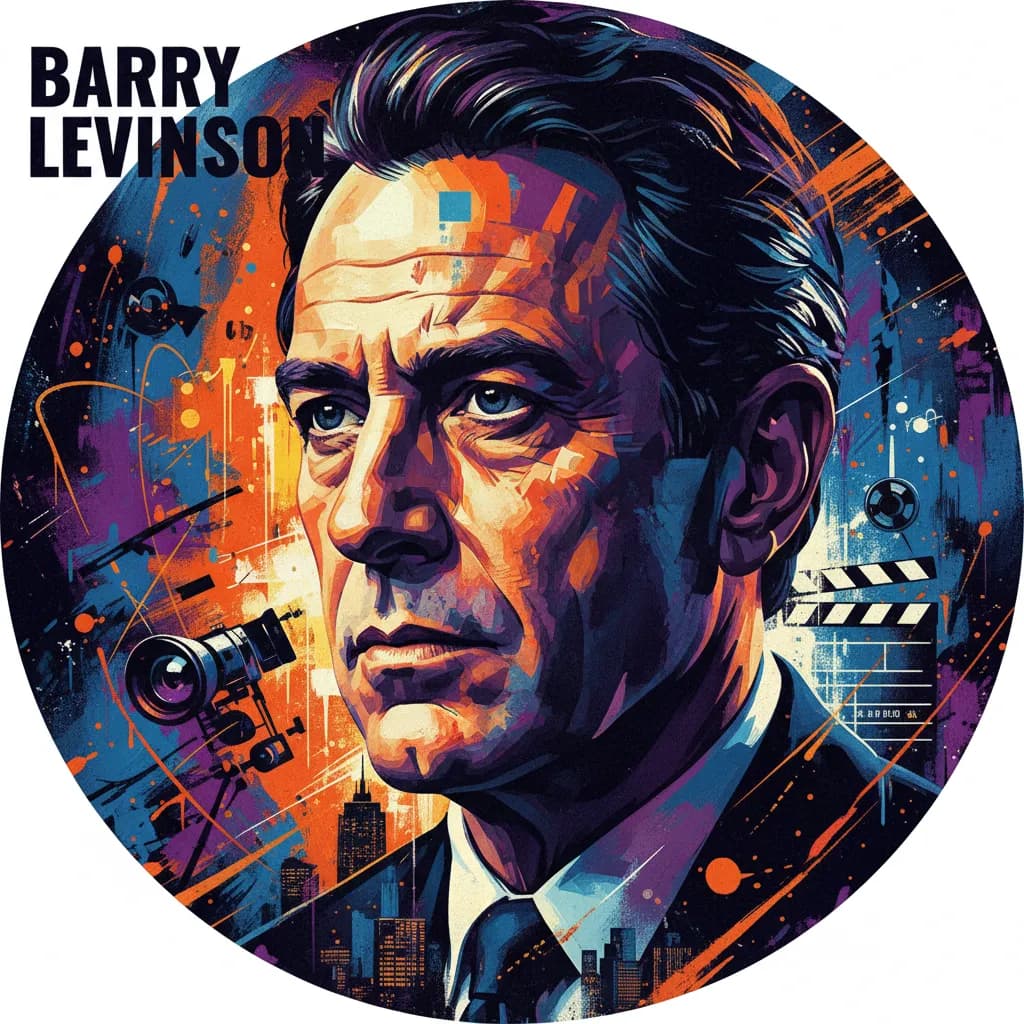
Barry Levinson
Every film, ranked

John Carpenter
Every film, ranked

Joel Schumacher
Every film, ranked

Billy Wilder
Every film, ranked

Rob Reiner
Every film, ranked

Neil Jordan
Every film, ranked

Spike Lee
Every film, ranked

Ivan Reitman
Every film, ranked

John Woo
Every film, ranked

Lasse Hallström
Every film, ranked

Stephen Frears
Every film, ranked

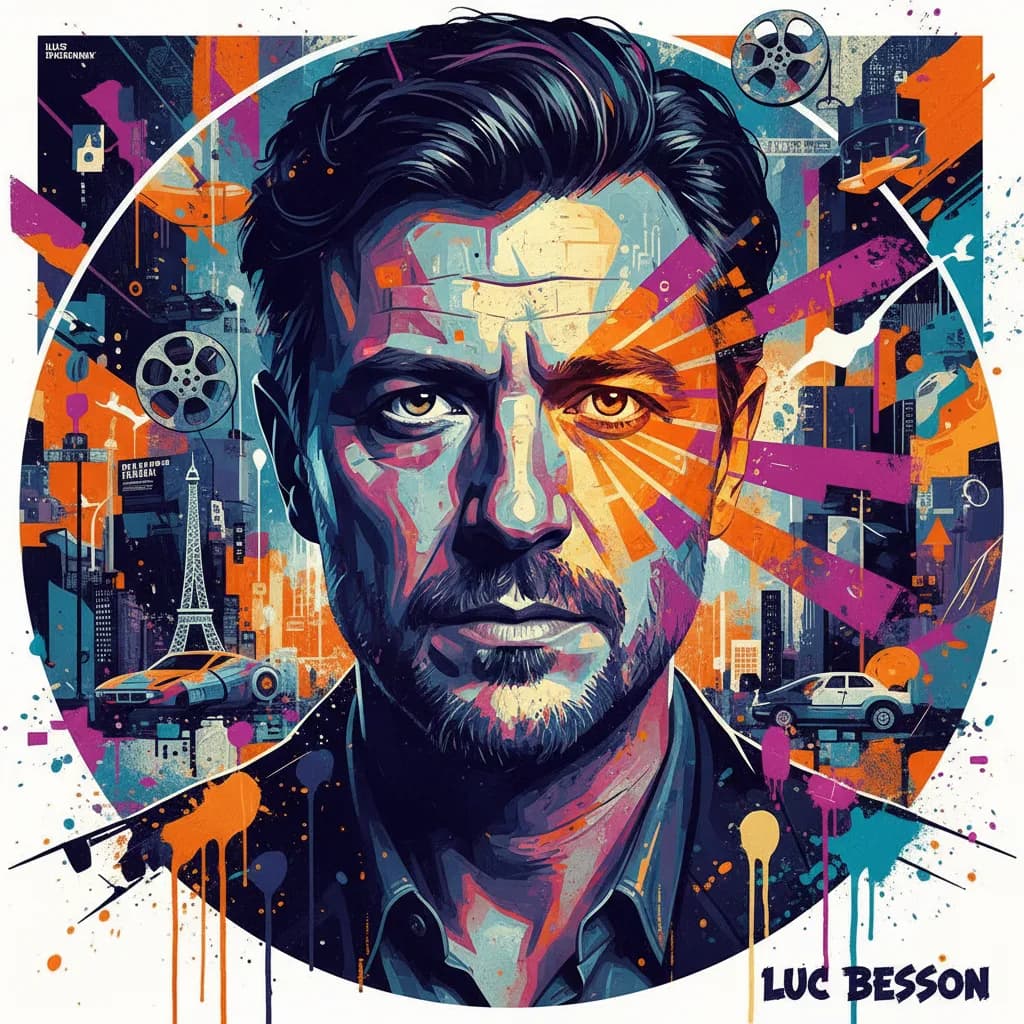
Luc Besson
Every film, ranked

Chris Columbus
Every film, ranked

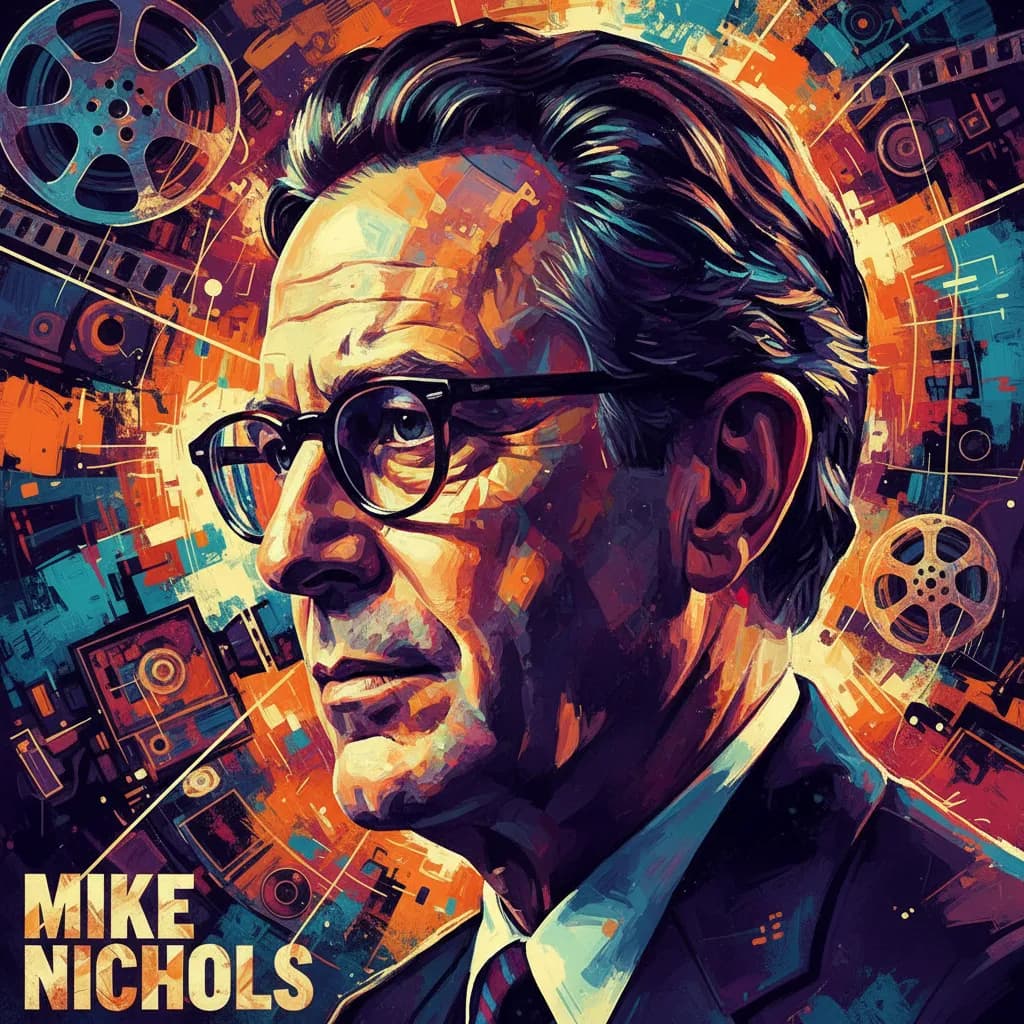
Mike Nichols
Every film, ranked

Howard Hawks
Every film, ranked

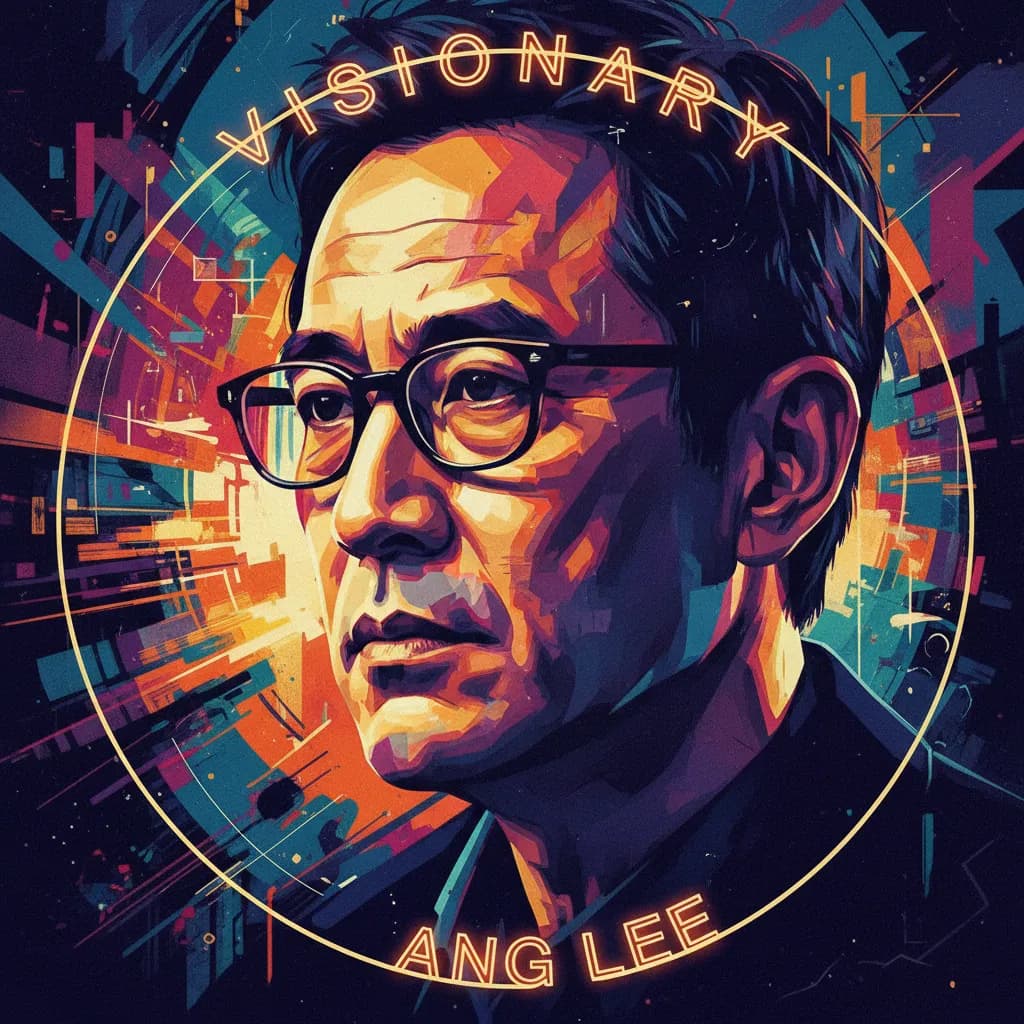
Ang Lee
Every film, ranked

Walter Hill
Every film, ranked

Gus Van Sant
Every film, ranked

William Wyler
Every film, ranked

Renny Harlin
Every film, ranked

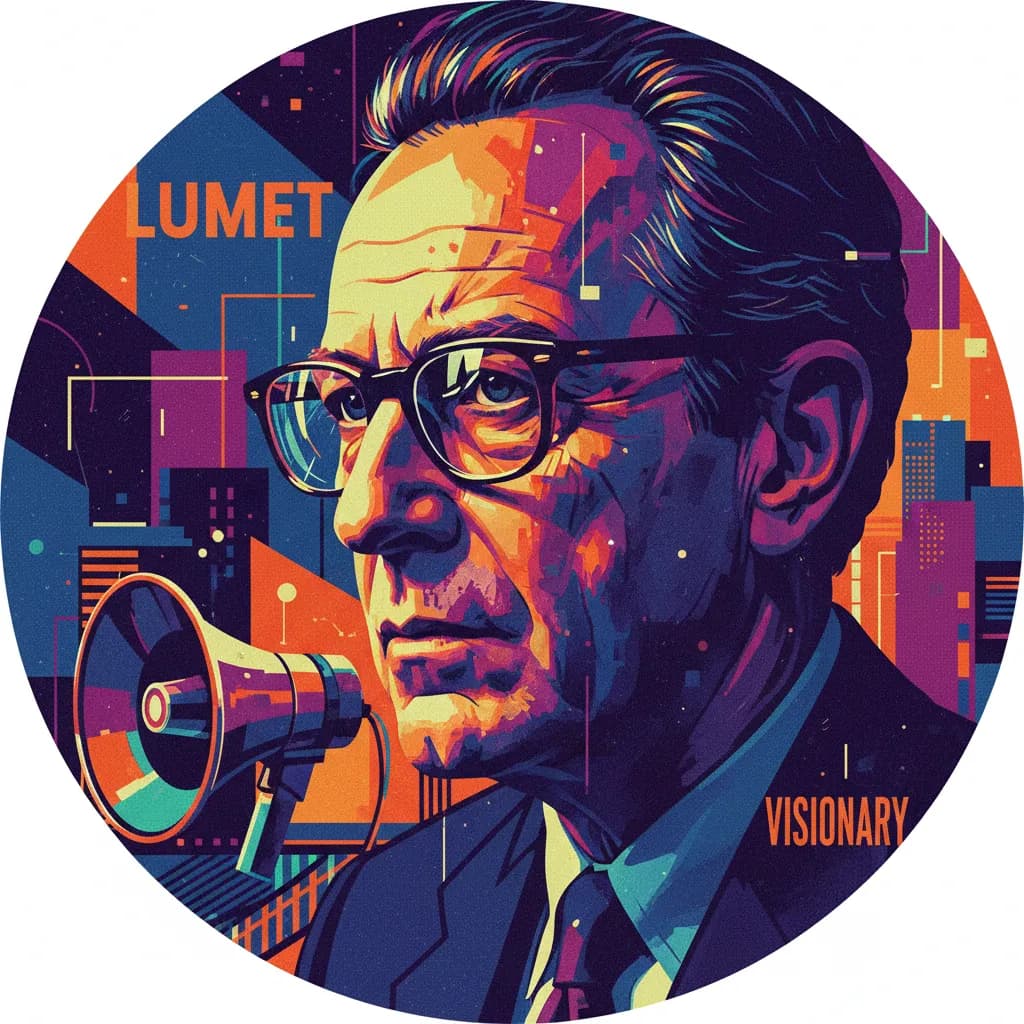
Sidney Lumet
Every film, ranked

Tony Scott
Every film, ranked