Discover the visionary filmmakers behind cinema's greatest works.
Explore our selection of acclaimed directors and their remarkable films.
Showing 1417-1428 out of 4148

Gregory Widen is a visionary film director known for his unique blend of action, crime, and drama in the 1995 cult classic "The Prophecy". Widen's directorial style is characterized by his ability to seamlessly incorporate elements of the supernatural and the human condition, creating a compelling and thought-provoking cinematic experience. His films often explore the darker aspects of humanity, while also delving into themes of morality, redemption, and the battle between good and evil. "The Prophecy" stands as Widen's most notable film, showcasing his talent for crafting intense and atmospheric storytelling. The movie follows the war between angels and humans, with a focus on the character dynamics and moral dilemmas that arise from this conflict. Widen's directorial prowess is evident in his ability to infuse the film with a palpable sense of tension and emotional depth, making it a standout entry in the action-drama genre. Throughout his career, Widen has consistently explored themes of spirituality, existentialism, and the concept of destiny, resonating with audiences who appreciate thought-provoking narratives. His impact on cinema is marked by his ability to infuse genre films with philosophical and existential undertones, elevating them beyond typical action fare. Widen's directorial contributions have left an indelible mark on the industry, inspiring filmmakers to explore the deeper dimensions of storytelling while captivating audiences with his unique vision. Gregory Widen's directorial career exemplifies a dedication to crafting compelling narratives that transcend traditional genre boundaries. His films continue to resonate with audiences, captivating them with his ability to blend action, crime, and drama with thought-provoking themes. As a director, Widen's impact on cinema is undeniable, and his legacy as a visionary filmmaker is sure to endure for years to come.


Gregor Zoric is a visionary filmmaker known for his compelling storytelling and visually stunning directorial style. With a career spanning over two decades, Zoric has made a significant impact on the world of cinema, captivating audiences with his thought-provoking narratives and immersive cinematic experiences. His filmography boasts a diverse range of projects, but it is his 2022 crime thriller "The Snitch" that has solidified his reputation as a master of the genre. "The Snitch" stands as a testament to Zoric's directorial prowess, showcasing his ability to seamlessly blend tension, suspense, and intricate character development. The film's gripping narrative and meticulous attention to detail have garnered widespread acclaim, firmly establishing Zoric as a force to be reckoned with in the realm of crime thrillers. His directorial approach is characterized by a keen eye for capturing raw human emotion and a penchant for exploring the complexities of morality and justice. Throughout his career, Zoric has exhibited a commitment to pushing the boundaries of traditional storytelling, often delving into dark and morally ambiguous themes. His films frequently navigate the intricacies of the human psyche, shedding light on the blurred lines between right and wrong. Zoric's unique directorial vision has earned him a dedicated following of cinephiles who eagerly anticipate each new project, knowing they are in for a cinematic experience that transcends the conventional. Zoric's impact on cinema extends beyond his individual projects, as his body of work has contributed to the evolution of the crime thriller genre. His ability to craft compelling narratives and elicit powerful performances from his cast has cemented his status as a director with a distinct artistic flair. As he continues to push the envelope and challenge cinematic norms, Gregor Zoric remains a trailblazer in the world of filmmaking, leaving an indelible mark on the industry with each new directorial endeavor.

Greg Strause, along with his brother Colin, is a renowned film director and visual effects artist known for his work in the action, adventure, and horror genres. Greg Strause's directorial debut came with the highly anticipated "Aliens vs. Predator: Requiem" in 2007. The film, a sequel to the successful "Alien vs. Predator," showcased Strause's flair for intense action sequences, gripping storytelling, and visually stunning special effects. His directorial style is characterized by a keen eye for detail and a penchant for creating immersive cinematic experiences. "Aliens vs. Predator: Requiem" stands as a testament to Strause's ability to seamlessly blend action, adventure, and horror, captivating audiences with its heart-pounding thrills and relentless suspense. His directorial approach often encompasses a fusion of practical and digital effects, resulting in a seamless integration of fantastical elements into the narrative. Strause's films are marked by their high-octane energy, immersive visuals, and a commitment to pushing the boundaries of visual storytelling. In terms of recurring themes, Greg Strause's work often delves into the exploration of the unknown, the clash of formidable forces, and the indomitable human spirit in the face of adversity. His films often feature otherworldly creatures and formidable adversaries, creating an atmosphere of palpable tension and thrilling encounters. Strause's impact on cinema lies in his ability to transport audiences into captivating, larger-than-life worlds, where the line between reality and fantasy becomes blurred. Greg Strause's unique vision and technical expertise have solidified his status as a pioneering director in the realm of action, adventure, and horror filmmaking. With a commitment to pushing the boundaries of visual effects and storytelling, Strause continues to leave an indelible mark on the cinematic landscape, captivating audiences with his immersive and exhilarating directorial style. As he continues to evolve as a filmmaker, audiences can anticipate further groundbreaking contributions from Greg Strause in the realm of high-octane, visually stunning cinema.

Greg Tiernan is a visionary director renowned for his distinctive approach to animation and storytelling. With a career spanning various renowned projects, Tiernan has solidified his reputation as a creative force in the industry. He is widely recognized for his work on animated films such as "The Addams Family 2" (2021) and "Sausage Party" (2016), each showcasing his unique directorial style and storytelling prowess. Tiernan's directorial style is characterized by a seamless blend of humor, adventure, and striking animation. His keen eye for detail and ability to infuse depth into animated characters have set his work apart. "The Addams Family 2" exemplifies his talent for crafting engaging narratives that appeal to both children and adults. With its witty humor and visually captivating animation, Tiernan's directorial touch brings a fresh and modern perspective to the beloved Addams Family franchise. Notably, "Sausage Party" marked a significant milestone in Tiernan's career, offering a comedic and thought-provoking take on the animated genre. The film's bold and boundary-pushing narrative, coupled with its innovative animation, garnered widespread acclaim and cemented Tiernan's status as a director unafraid to push the boundaries of traditional animated storytelling. Tiernan's recurring themes often explore the nuances of human nature, societal conventions, and the complexities of relationships, all presented through the lens of animated characters. His ability to infuse depth and relatability into his films has resonated with audiences worldwide, making his work both impactful and enduring. In the realm of animation, Greg Tiernan continues to leave an indelible mark on cinema, with his unique vision and directorial contributions shaping the landscape of animated storytelling. As he continues to captivate audiences with his innovative approach to filmmaking, Tiernan's influence on the industry is poised to endure for years to come.

Gren Wells is an accomplished film director known for her unique blend of adventure, comedy, and drama in her work. Her notable film, "The Road Within" (2014), showcases her exceptional talent in weaving together diverse genres to create a compelling and emotionally resonant narrative. As a director, Wells is celebrated for her ability to infuse her films with heartfelt storytelling, genuine emotion, and thought-provoking themes that resonate with audiences. Wells' directorial style is characterized by her adeptness at navigating the complexities of human emotions and relationships, often delving into the inner struggles and triumphs of her characters. Her films are known for their authentic portrayal of personal growth, self-discovery, and the universal journey of finding one's place in the world. Through her directorial lens, Wells adeptly captures the human experience, infusing her stories with a poignant blend of humor, sincerity, and raw vulnerability. "The Road Within" stands as a testament to Wells' ability to seamlessly blend adventure, comedy, and drama, creating a film that resonates on multiple emotional levels. Her directorial prowess shines through in her ability to craft a narrative that seamlessly transitions between lighthearted moments and poignant, introspective scenes, offering audiences a rich and multifaceted viewing experience. Wells' impact on cinema lies in her dedication to crafting films that are both entertaining and thought-provoking, offering audiences a unique perspective on the human experience. Her storytelling prowess and ability to craft emotionally resonant narratives have solidified her status as a director to watch in the industry. As she continues to contribute to the world of cinema, Gren Wells' distinct directorial style and commitment to authentic storytelling are sure to leave an indelible mark on the film landscape.

Greta Gerwig has carved out an indelible niche for herself in the global film industry, rising from her mumblecore beginnings to become one of the most influential female directors of her generation. Her career arc reflects a distinctive trajectory from acting and co-writing in the indie film scene to directing critically acclaimed features. Her directorial debut, "Lady Bird" (2017), immediately established her as a formidable talent in Hollywood, showcasing her adeptness at crafting deeply personal and witty narratives. This success was followed by the adaptation of Louise May Alcott's classic, "Little Women" (2019), which further cemented her reputation and showcased her range. Gerwig's directorial style is distinguished by its warm, nuanced exploration of human relationships, particularly the complex dynamics between women. Her films are characterized by their rich, emotionally resonant storytelling and sharp, intelligent humor. Thematically, she often explores coming-of-age narratives, with a focus on female identity, autonomy, and the intricate textures of familial and romantic relationships. Gerwig's artistic vision is both refreshingly contemporary and deeply nostalgic, presenting a unique blend that appeals to a wide audience. "Lady Bird" and "Little Women" stand as pillars of her filmography, both receiving critical acclaim and numerous accolades. "Lady Bird" earned Gerwig Oscar nominations for Best Director and Best Original Screenplay, making her the fifth woman ever nominated for the former. "Little Women" also garnered significant awards attention, emphasizing Gerwig's skill in adaptation and direction. Gerwig's influence extends beyond her narrative choices, as she champions the representation of women both in front of and behind the camera. Her success has opened doors for more female-driven stories and women in directorial roles, challenging the industry's status quo. Major awards and recognition include Academy Award nominations, Golden Globe wins, and significant contributions to the revitalization of the coming-of-age genre. Gerwig's work not only entertains but enlightens, making her one of the most compelling voices in contemporary cinema.

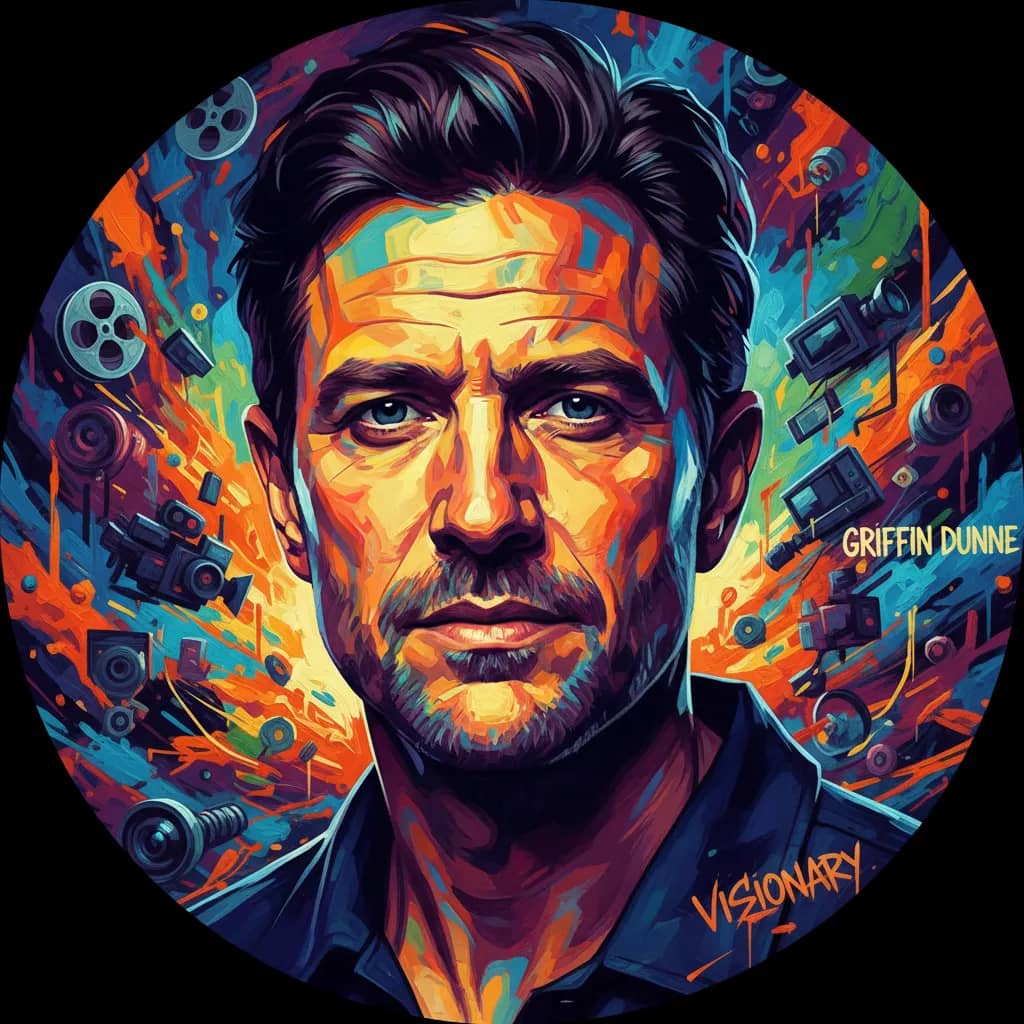
Griffin Dunne is an accomplished actor, director, and producer known for his unique vision and storytelling prowess in the film industry. His directorial style is marked by a deft balance of comedy and drama, often infused with elements of fantasy and romance. With a career spanning several decades, Dunne has made a significant impact on cinema through his notable films and recurring themes that explore the complexities of human relationships and the magic of everyday life. One of Dunne's most celebrated directorial works is "Practical Magic" (1998), a whimsical comedy-drama that explores the lives of two witch sisters in a small town. The film's seamless blend of magical realism and heartfelt storytelling showcases Dunne's ability to infuse fantastical elements into relatable human experiences. "Practical Magic" remains a beloved cult classic, demonstrating Dunne's talent for creating endearing and enchanting cinematic worlds. In "The Accidental Husband" (2008), Dunne delves into the romantic comedy genre, delivering a charming and lighthearted film that revolves around a love triangle. With a focus on the intricacies of love and relationships, Dunne infuses the narrative with his signature blend of humor and warmth, showcasing his adeptness at capturing the complexities of human emotions in a delightful and engaging manner. "Addicted to Love" (1997) further exemplifies Dunne's directorial finesse, offering audiences a comedic romance that explores the lengths to which people will go for love. Through his keen storytelling and compelling character dynamics, Dunne creates a captivating and entertaining film that highlights his ability to craft narratives that resonate with audiences on a profound level. Dunne's directorial contributions have left an indelible mark on cinema, as he continues to infuse his films with a touch of magic, an exploration of human connections, and a nuanced understanding of the human experience. His unique vision and storytelling prowess have solidified his status as a directorial force to be reckoned with, earning him a place of distinction in the world of filmmaking.

Grigoriy Chukhray was a pioneering Soviet film director whose visionary storytelling and emotive direction left an indelible mark on the world of cinema. Born in 1921, Chukhray's career was defined by his ability to capture the human experience with raw emotion, often set against the backdrop of war and social upheaval. His most celebrated work, "Ballad of a Soldier" (1959), stands as a testament to his directorial prowess and continues to be revered as a classic in the realms of drama, romance, and war films. Chukhray's directorial style was characterized by his keen eye for detail, nuanced character development, and a poignant portrayal of the human spirit amidst adversity. "Ballad of a Soldier," in particular, showcases his ability to infuse a war narrative with tender romance and profound emotional depth, setting it apart as a timeless exploration of love, sacrifice, and the universal desire for peace. This film, which garnered widespread acclaim and international recognition, solidified Chukhray's status as a masterful storyteller with an unparalleled ability to touch the hearts of audiences worldwide. Throughout his career, Chukhray's films often delved into themes of resilience, compassion, and the impact of war on personal relationships. His directorial vision transcended cultural and linguistic barriers, earning him a place among the most influential filmmakers of his time. Chukhray's contributions to cinema continue to inspire filmmakers and cinephiles, with "Ballad of a Soldier" serving as a timeless testament to his directorial legacy. As a trailblazing director, Grigoriy Chukhray's impact on the cinematic landscape remains immeasurable. His ability to craft narratives that resonate on a deeply human level has solidified his place in film history, and his directorial style continues to be studied and celebrated by filmmakers and enthusiasts alike. With "Ballad of a Soldier," Chukhray's directorial brilliance shines brightly, leaving an enduring imprint on the fabric of cinema and ensuring his legacy as a visionary storyteller for generations to come.

Grímur Hákonarson is an Icelandic film director known for his unique storytelling and directorial style. His notable film "Rams" (2015) garnered international acclaim and solidified his reputation as a director with a distinct vision. Hákonarson's directorial approach is characterized by a focus on intimate human stories set against the backdrop of rural Icelandic landscapes, showcasing his ability to capture the beauty and harshness of the environment in which his characters exist. "Rams" follows the story of two estranged sheep-farming brothers who must come together to save their flocks when a deadly disease threatens their livelihood. The film's exploration of family dynamics, isolation, and the resilience of rural communities resonated with audiences and critics alike. Hákonarson's ability to infuse the narrative with both humor and poignancy showcases his skill in crafting emotionally resonant stories that transcend cultural boundaries. Hákonarson's recurring themes often revolve around the human connection to nature, the resilience of the human spirit in the face of adversity, and the complexities of familial relationships. His directorial style emphasizes authenticity and a deep understanding of his characters, allowing audiences to empathize with the struggles and triumphs of the individuals he portrays on screen. Hákonarson's impact on cinema extends beyond his individual films, as he has contributed to the global recognition of Icelandic cinema and brought attention to the unique storytelling traditions of the region. His success with "Rams" has positioned him as a leading voice in contemporary Icelandic filmmaking, and his work continues to inspire and influence emerging filmmakers around the world. In conclusion, Grímur Hákonarson's directorial career is defined by his ability to craft compelling narratives that delve into the human experience within the context of rural Iceland. His distinct directorial style, emphasis on authentic storytelling, and exploration of universal themes have cemented his status as a filmmaker with a lasting impact on the world of cinema.

Guel Arraes is a highly acclaimed Brazilian film director known for his distinctive blend of comedy, drama, and fantasy. His most renowned work, "A Dog's Will" (2000), exemplifies his remarkable directorial style and storytelling prowess. Arraes has made a significant impact on the global film industry with his ability to infuse Brazilian culture and folklore into his narratives, captivating audiences worldwide. Arraes' films often explore the complexities of human nature through a lens of humor and fantasy, creating a unique and engaging cinematic experience. "A Dog's Will" stands as a testament to his skill in seamlessly weaving together comedic elements with profound themes, showcasing his ability to craft visually stunning and emotionally resonant stories. One of Arraes' recurring themes is the celebration of the Brazilian spirit, as evidenced in his filmography. His works often pay homage to the rich tapestry of Brazilian folklore and traditions, reflecting a deep appreciation for the country's cultural heritage. Through his films, Arraes has successfully brought Brazilian storytelling to the global stage, earning critical acclaim and a dedicated fan base. Throughout his career, Guel Arraes has left an indelible mark on cinema, earning recognition for his innovative storytelling and directorial vision. His ability to infuse humor, drama, and fantasy into his films has set him apart as a director with a truly unique voice. As a visionary filmmaker, Arraes continues to inspire and influence aspiring directors, leaving an enduring legacy in the world of cinema.

Guillaume Canet is a French director known for his unique blend of gripping storytelling and intense character-driven narratives. Born on April 10, 1973, in Boulogne-Billancourt, France, Canet began his career as an actor before transitioning into directing. His directorial style is characterized by a keen focus on human emotions, intricate plotlines, and a deep exploration of complex relationships. Canet's notable films include "Blood Ties" (2013), an action-packed crime drama set in 1970s New York, featuring a stellar cast including Clive Owen, Billy Crudup, and Marion Cotillard. The film showcases Canet's ability to create a compelling and gritty atmosphere while delving into the dynamics of family bonds and loyalty. "Tell No One" (2006), another standout in Canet's filmography, is a gripping crime drama that intertwines mystery and suspense, earning critical acclaim for its taut direction and engaging narrative. In "Little White Lies" (2010), Canet delves into the complexities of friendship and the human experience, offering a poignant and humorous exploration of the dynamics within a close-knit group of friends. The film balances comedic moments with profound emotional depth, showcasing Canet's versatility as a director. Throughout his career, Canet has exhibited a recurring theme of delving into the intricacies of human relationships, often portraying the raw and unfiltered emotions that drive his characters. His films are characterized by a meticulous attention to detail, immersive storytelling, and a knack for drawing authentic performances from his actors. Guillaume Canet's impact on cinema lies in his ability to create compelling narratives that resonate with audiences on a profound level. His directorial vision and dedication to crafting emotionally resonant stories have solidified his status as a prominent figure in the French film industry. Canet's work continues to captivate audiences and inspire aspiring filmmakers, cementing his legacy as a director with a distinct and compelling creative voice. In summary, Guillaume Canet has established himself as a director with a unique ability to craft immersive and emotionally resonant narratives. His films, including "Blood Ties," "Tell No One," and "Little White Lies," showcase his talent for delving into the complexities of human relationships and creating gripping stories that leave a lasting impact. With a keen eye for detail and a commitment to authentic storytelling, Canet has made a significant mark on cinema, earning acclaim for his compelling directorial style and profound

Guillaume Ivernel is a visionary French director known for his exceptional work in the animation genre. His most notable film, "Dragon Hunters" (2008), showcases his distinctive directorial style and his ability to create immersive worlds that captivate audiences. Ivernel's career has been defined by his commitment to pushing the boundaries of animation and storytelling, cementing his status as a trailblazer in the industry. "Dragon Hunters" is a testament to Ivernel's unique vision, as he expertly blends action, adventure, and fantasy elements to deliver a visually stunning and emotionally resonant film. His directorial style is characterized by meticulous attention to detail, a keen eye for cinematic composition, and a knack for weaving compelling narratives. Ivernel's ability to infuse his films with a sense of wonder and imagination has set him apart as a director with a truly distinctive voice. Throughout his career, Ivernel has consistently explored themes of friendship, bravery, and the power of imagination, creating films that resonate with audiences of all ages. His impact on cinema extends beyond his individual films, as he has contributed to the evolution of animation as a respected and influential art form. Ivernel's dedication to pushing the boundaries of animation has helped elevate the genre to new heights, inspiring a new generation of filmmakers and animators. In summary, Guillaume Ivernel's career is a testament to his unparalleled creativity and innovation in the animation genre. With "Dragon Hunters" as his crowning achievement, Ivernel has left an indelible mark on cinema, and his influence will continue to be felt for years to come. His unique vision and contributions to film have solidified his place as a director whose work will stand the test of time.
Every film by the greats, ranked by our TML Score.

Christopher Nolan
Every film, ranked

Quentin Tarantino
Every film, ranked

Stanley Kubrick
Every film, ranked

Martin Scorsese
Every film, ranked

Steven Spielberg
Every film, ranked

Alfred Hitchcock
Every film, ranked

David Fincher
Every film, ranked

Denis Villeneuve
Every film, ranked

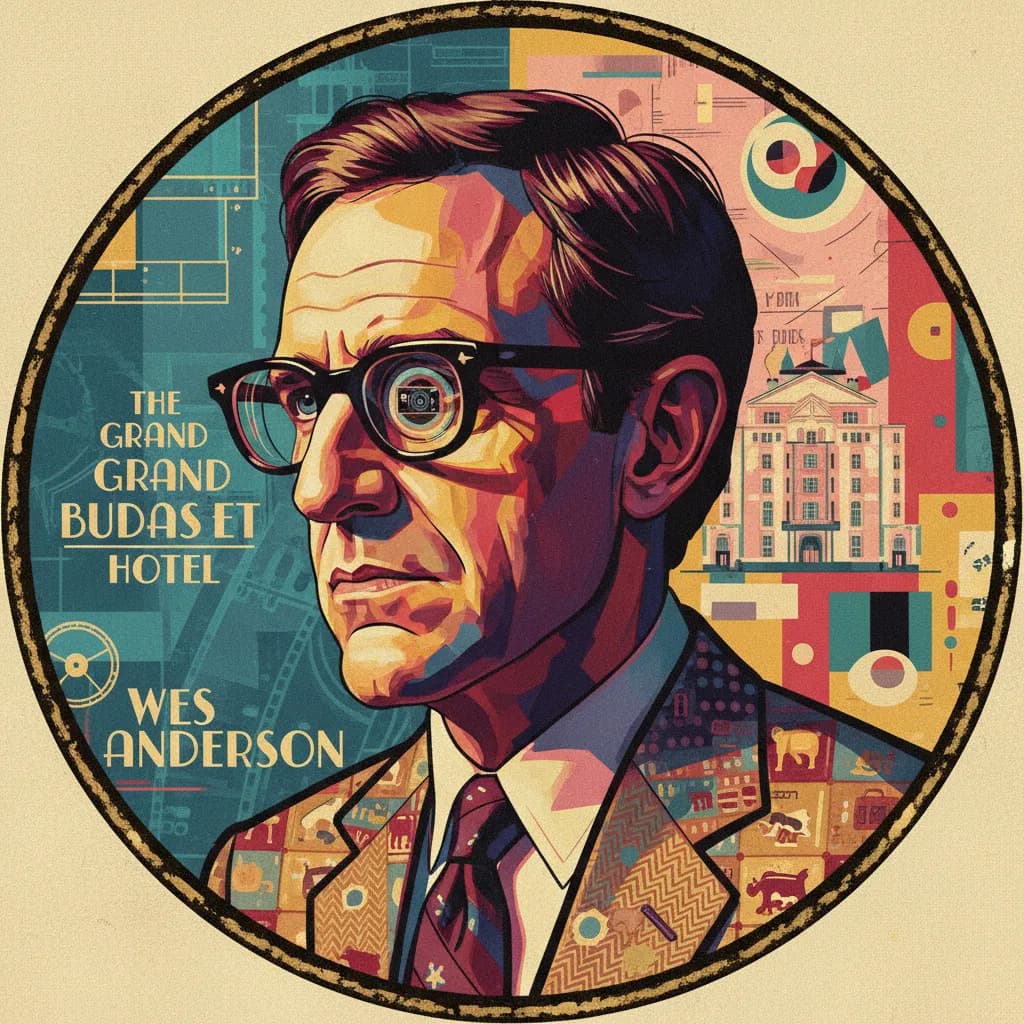
Wes Anderson
Every film, ranked

Paul Thomas Anderson
Every film, ranked

Ridley Scott
Every film, ranked

Tim Burton
Every film, ranked

Guillermo del Toro
Every film, ranked

Hayao Miyazaki
Every film, ranked

Akira Kurosawa
Every film, ranked

Francis Ford Coppola
Every film, ranked

Clint Eastwood
Every film, ranked

Bong Joon Ho
Every film, ranked

Woody Allen
Every film, ranked

Steven Soderbergh
Every film, ranked

Ron Howard
Every film, ranked

Pedro Almodóvar
Every film, ranked

Richard Linklater
Every film, ranked

Roman Polanski
Every film, ranked

Brian De Palma
Every film, ranked

Ingmar Bergman
Every film, ranked

Oliver Stone
Every film, ranked

David Cronenberg
Every film, ranked

Robert Zemeckis
Every film, ranked

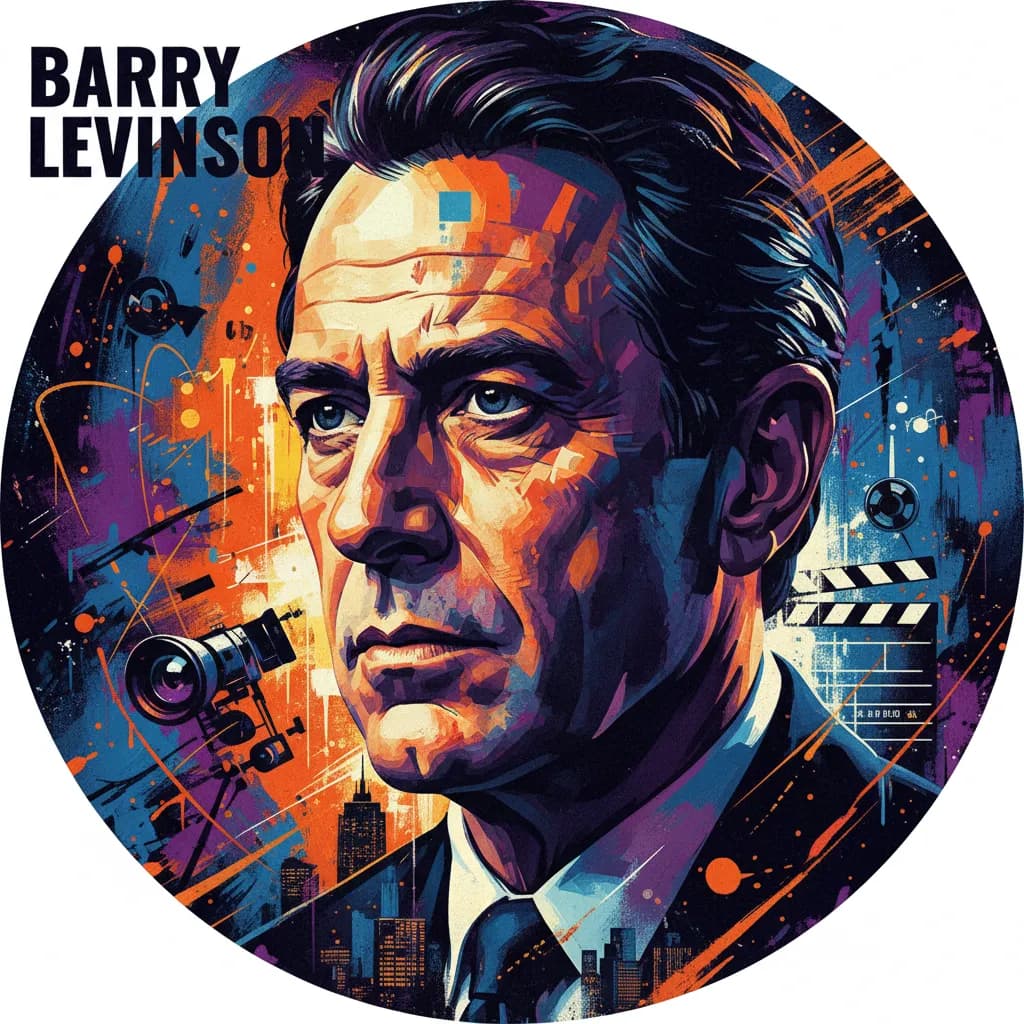
Barry Levinson
Every film, ranked

John Carpenter
Every film, ranked

Joel Schumacher
Every film, ranked

Billy Wilder
Every film, ranked

Rob Reiner
Every film, ranked

Neil Jordan
Every film, ranked

Spike Lee
Every film, ranked

Ivan Reitman
Every film, ranked

John Woo
Every film, ranked

Lasse Hallström
Every film, ranked

Stephen Frears
Every film, ranked

Luc Besson
Every film, ranked

Chris Columbus
Every film, ranked

Mike Nichols
Every film, ranked

Howard Hawks
Every film, ranked

Ang Lee
Every film, ranked

Walter Hill
Every film, ranked

Gus Van Sant
Every film, ranked

William Wyler
Every film, ranked

Renny Harlin
Every film, ranked

Sidney Lumet
Every film, ranked

Tony Scott
Every film, ranked