Discover the visionary filmmakers behind cinema's greatest works.
Explore our selection of acclaimed directors and their remarkable films.
Showing 121-132 out of 4148

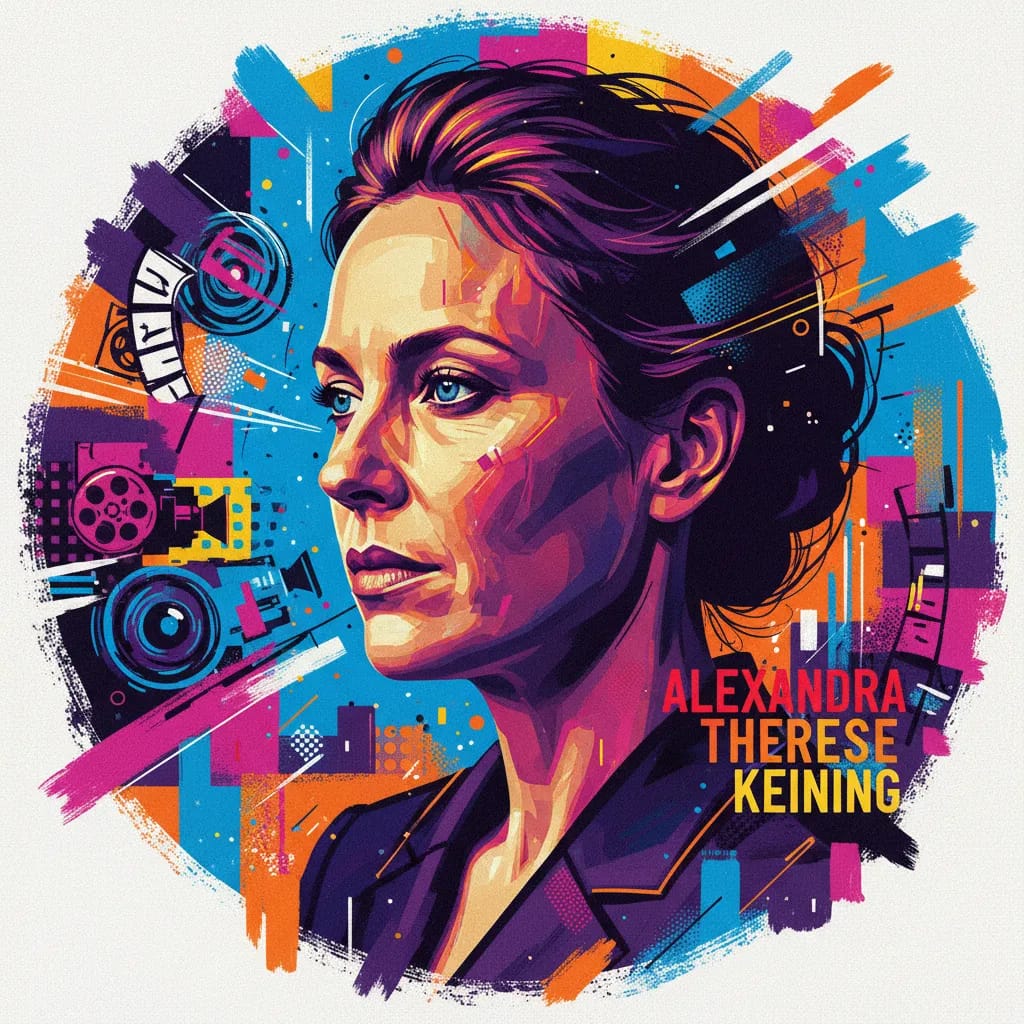
Alexandra-Therese Keining is a talented Swedish film director known for her distinct directorial style and compelling storytelling. Her notable film, "Kiss Me" (2011), garnered critical acclaim and showcased her ability to create emotionally resonant and visually striking cinema. Keining's directorial approach is characterized by a deep exploration of complex human emotions and relationships, often delving into themes of love, identity, and self-discovery. "Kiss Me" stands as a testament to Keining's directorial prowess, as she skillfully navigates the intricacies of a forbidden romance between two women. The film's intimate portrayal of love and desire, combined with its evocative visuals, solidified Keining's reputation as a director with a keen eye for capturing raw, authentic emotions on screen. Her ability to create a deeply immersive and emotionally charged narrative has left a significant impact on the world of cinema, particularly within the LGBTQ+ film community. Keining's directorial style is marked by a delicate balance of sensitivity and boldness, allowing her to tackle complex and often taboo subjects with grace and nuance. Her work has resonated with audiences and critics alike, earning her a place among the most influential contemporary directors. Keining's commitment to portraying authentic and diverse narratives has contributed to the ongoing evolution of cinema, inspiring a new generation of filmmakers to explore the depths of human experience with honesty and empathy. As a visionary director, Alexandra-Therese Keining continues to push boundaries and challenge conventional storytelling, cementing her status as a trailblazer in the world of cinema. Her distinct directorial voice and unwavering dedication to capturing the human spirit have solidified her as a director to watch, with each new project promising to captivate and inspire audiences around the world. With a remarkable filmography and a commitment to pushing the boundaries of storytelling, Keining's impact on cinema is sure to endure for years to come.

Alexandre Aja is a French director known for his unique approach to horror and thriller genres. His directorial debut came in 2003 with "High Tension," a gripping and intense horror film that showcased his ability to create tension and deliver visceral scares. Aja's directorial style often features a blend of relentless suspense, graphic violence, and a keen eye for building atmospheric dread. This approach has solidified his reputation as a master of modern horror cinema. One of Aja's most notable works is "The Hills Have Eyes" (2006), a remake of Wes Craven's classic horror film. Aja's reinterpretation brought a new level of brutality and intensity to the story, earning praise for its unflinching portrayal of terror in the American desert. His directorial prowess was further demonstrated in "Mirrors" (2008), a psychological horror film that delved into the supernatural and the macabre, showcasing Aja's ability to create eerie and visually stunning imagery. Aja's impact on cinema extends beyond horror, as seen in films like "Crawl" (2019), a pulse-pounding action-adventure horror that revolves around a father and daughter fighting for survival against a horde of alligators during a Category 5 hurricane. This film exemplifies Aja's skill in blending genres and his ability to deliver heart-pounding thrills while maintaining a strong emotional core. Aja's filmography also includes "Piranha 3D" (2010), a comedic horror film that pays homage to the exploitation films of the 1970s while infusing it with his distinct visual style. Throughout his career, Aja has explored recurring themes such as survival, primal instincts, and the fragility of the human psyche in the face of extreme circumstances. His films often delve into the darker aspects of human nature, presenting audiences with thought-provoking narratives and visceral experiences. Aja's unique vision and contributions to the horror genre have solidified his status as a director who pushes the boundaries of storytelling and visual storytelling, leaving an indelible mark on modern cinema.


Alexandre Astier is a multifaceted French filmmaker, best known for his work as a director, writer, and actor. With a distinctive blend of sharp wit, visual flair, and a deep understanding of storytelling, Astier has made a significant mark on the world of cinema. His directorial style is characterized by a keen sense of humor, astute observations of human nature, and a knack for infusing his projects with a touch of irreverence. Astier's notable directorial endeavors include the animated adventure comedies "Asterix: The Secret of the Magic Potion" (2018) and "Asterix and Obelix: Mansion of the Gods" (2014). These films showcase his ability to breathe new life into beloved literary characters while staying true to the essence of the source material. His directorial approach often involves blending cutting-edge animation techniques with timeless storytelling, resulting in visually captivating and intellectually stimulating cinematic experiences. Throughout his career, Astier has demonstrated a penchant for exploring themes of camaraderie, resilience, and the absurdities of human behavior. His films often feature a delightful mix of slapstick humor, clever wordplay, and thought-provoking social commentary, making them accessible to audiences of all ages while offering layers of depth for more discerning viewers. Astier's impact on cinema lies in his ability to seamlessly blend tradition with innovation, breathing new life into classic tales while infusing them with contemporary relevance. His unique vision and contributions to film have garnered him a dedicated following and solidified his status as a visionary director with an enduring legacy. In conclusion, Alexandre Astier's directorial career continues to be a testament to his boundless creativity, keen insight, and unwavering dedication to crafting engaging, thought-provoking cinematic experiences. With a diverse array of projects under his belt and a reputation for pushing artistic boundaries, Astier's influence on the film industry is sure to endure for generations to come.

Alexandre Bustillo is a French filmmaker known for his distinctive contributions to the horror genre. His directorial style is characterized by a visceral and unflinching approach to storytelling, coupled with a keen eye for atmospheric tension and immersive visuals. Bustillo's notable films include "The Deep House" (2021), "Leatherface" (2017), and "Inside" (2007), each of which showcases his penchant for crafting deeply unsettling narratives that linger in the minds of audiences long after the credits roll. In "The Deep House," Bustillo delves into the realms of supernatural horror, weaving a chilling tale set within the confines of an underwater haunted house. The film showcases his ability to create an eerie and claustrophobic atmosphere, as well as his mastery of suspense and dread. "Leatherface," a prequel to the iconic "Texas Chainsaw Massacre" series, demonstrates Bustillo's adeptness at infusing the horror genre with a gritty and raw intensity, reimagining the origins of one of cinema's most infamous villains. "Inside," considered a modern classic in the horror genre, exemplifies Bustillo's visceral and unrelenting directorial approach, as he crafts a harrowing tale of survival and terror within the confines of a home invasion. Bustillo's films often explore themes of primal fear, bodily horror, and the fragility of human existence, resonating with audiences on a deeply visceral level. His impact on cinema lies in his ability to push the boundaries of horror, challenging traditional tropes and conventions while eliciting genuine terror and unease from viewers. With a penchant for crafting visually arresting and emotionally charged narratives, Bustillo continues to leave an indelible mark on the horror genre, solidifying his status as a visionary director with an unparalleled ability to provoke, disturb, and captivate audiences. In conclusion, Alexandre Bustillo's directorial career is a testament to his unwavering commitment to pushing the boundaries of horror cinema. His unique vision and uncompromising directorial style have cemented his status as a prominent figure in the genre, with each of his films standing as a testament to his ability to elicit fear and unease in audiences. As he continues to leave an indelible mark on the world of horror cinema, Bustillo's contributions will undoubtedly continue to shape the landscape of the genre for years to come.

Alexandre de La Patellière is a highly acclaimed French director known for his unique blend of comedy and drama that delves into the complexities of human relationships. He made his directorial debut with the critically acclaimed film "What's in a Name?" in 2012, which garnered widespread praise for its sharp wit, compelling characters, and insightful exploration of interpersonal dynamics. La Patellière's directorial style is characterized by his ability to seamlessly infuse humor with profound emotional depth, creating films that resonate with audiences on a deeply human level. "What's in a Name?" stands as a testament to La Patellière's keen storytelling prowess, as the film masterfully navigates the intricacies of friendship, family, and social conventions. His ability to capture the nuances of human behavior and interpersonal conflicts has earned him a reputation as a director with a keen eye for human emotion and a deft touch for blending humor and poignancy. Throughout his career, La Patellière has consistently delivered films that delve into the complexities of human relationships, often exploring themes of identity, communication, and the impact of societal expectations on personal lives. His work has left an indelible mark on the world of cinema, showcasing his ability to create compelling narratives that resonate with audiences across cultural boundaries. With his unique vision and storytelling prowess, Alexandre de La Patellière has made a significant impact on the film industry, earning a reputation as a director with a distinct voice and a deep understanding of the human experience. His ability to craft narratives that seamlessly blend humor and drama has cemented his status as a leading figure in the world of cinema, and his contributions continue to inspire and captivate audiences worldwide.

Alexandre Rockwell is an American film director known for his distinct visual style and offbeat storytelling. With a career spanning over three decades, Rockwell has left an indelible mark on the industry with his unique approach to filmmaking. He first gained widespread recognition for his work on "In the Soup" (1992), a critically acclaimed independent film that won the Grand Jury Prize at the Sundance Film Festival. Rockwell's directorial style is characterized by a blend of dark humor, quirky characters, and a keen eye for capturing the idiosyncrasies of human nature. One of Rockwell's most notable directorial efforts is "Four Rooms" (1995), a comedy anthology film that features segments helmed by four different directors, including Quentin Tarantino and Robert Rodriguez. Rockwell's segment, "The Wrong Man," showcases his knack for creating absurd yet compelling narratives and his adeptness at working with ensemble casts. His ability to infuse humor into unconventional and often chaotic situations has become a hallmark of his directorial style. Throughout his career, Rockwell has explored recurring themes such as the complexities of human relationships, the absurdity of everyday life, and the resilience of the human spirit. His films often feature flawed yet endearing characters who navigate through quirky and unpredictable scenarios, offering audiences a fresh and unfiltered perspective on the human experience. Rockwell's influence on cinema extends beyond his storytelling prowess, as he has also been a champion of independent filmmaking, inspiring a new generation of directors to embrace their creativity and take artistic risks. Alexandre Rockwell's impact on the film industry lies in his ability to carve out a niche for himself as a director unafraid to push boundaries and challenge traditional storytelling conventions. His body of work stands as a testament to the power of originality and imagination in cinema, and his contributions have left an indelible imprint on the world of independent filmmaking. As a visionary director, Rockwell continues to captivate audiences with his distinctive brand of storytelling, solidifying his status as a true auteur in the realm of contemporary cinema.

Alexandros Avranas is a Greek film director known for his thought-provoking and visually stunning works. Avranas gained international recognition with his 2013 film "Miss Violence," which won the Silver Lion for Best Director at the Venice Film Festival. His directorial style is characterized by a meticulous attention to detail, a penchant for exploring dark and complex subject matter, and a knack for creating an unsettling atmosphere that lingers long after the credits roll. In 2016, Avranas brought his distinctive vision to the crime drama genre with "Dark Crimes." Starring Jim Carrey and Charlotte Gainsbourg, the film delves into the disturbing world of a troubled detective investigating a murder that parallels a crime described in a novelist's book. Avranas skillfully weaves a narrative that blurs the lines between reality and fiction, creating a gripping and atmospheric mystery that keeps viewers on the edge of their seats. One of Avranas's recurring themes is the exploration of psychological trauma and the dark underbelly of human nature. His films often delve into the complexities of human relationships, societal issues, and the impact of trauma on individuals and families. Through his distinct visual style and intense storytelling, Avranas has made a significant impact on the world of cinema, earning a reputation as a director unafraid to tackle challenging and controversial subjects with depth and nuance. With "Dark Crimes," Alexandros Avranas solidified his status as a director with a unique and uncompromising vision. The film showcases his ability to captivate audiences with its brooding atmosphere, compelling performances, and a narrative that deftly navigates the murky waters of morality and obsession. Avranas's work continues to push boundaries and challenge audiences, cementing his place as a filmmaker who fearlessly confronts the darker aspects of the human experience, leaving a lasting impression on the world of cinema.

Alex Brewer, also known as The Brewer Brothers, made a significant impact on the film industry with his directorial debut in the action-packed thriller "The Trust" (2016). Known for his distinct visual style and narrative approach, Brewer has brought a fresh perspective to the action, crime, and mystery genres. His directorial endeavors are characterized by an emphasis on gritty realism, intense storytelling, and compelling characters. "The Trust" showcases Brewer's ability to craft tension-filled scenes and build a palpable sense of suspense, establishing him as a director with a keen eye for detail and a knack for creating immersive cinematic experiences. Brewer's use of dynamic camera work, atmospheric lighting, and evocative settings sets his films apart, drawing audiences into the heart of the action and enhancing the overall viewing experience. Brewer's directorial style often explores morally complex and morally ambiguous characters, delving into the psychological motivations behind their actions. His films frequently delve into themes of trust, betrayal, and the blurred lines between right and wrong, adding depth and nuance to the narratives. This thematic depth, combined with Brewer's visual flair, has earned him a dedicated following and critical acclaim within the industry. "The Trust" served as a launching pad for Brewer's career, establishing him as a director to watch in the action and crime genres. His ability to infuse his films with a sense of raw authenticity and emotional resonance has resonated with audiences and critics alike, solidifying his status as a visionary director with a distinctive voice in contemporary cinema. Brewer's contribution to the film industry has left an indelible mark, reinvigorating the action, crime, and mystery genres with his unique directorial vision. As he continues to expand his body of work, audiences can anticipate further captivating storytelling, immersive visuals, and thought-provoking themes from this talented filmmaker. Brewer's dedication to pushing the boundaries of cinematic storytelling ensures that his future projects will continue to captivate and inspire audiences around the world.

Alex Cox is a maverick British director known for his offbeat, irreverent style and his penchant for delving into the fringes of society. With a career spanning over four decades, Cox has left an indelible mark on the world of cinema. His directorial debut, "Repo Man" (1984), became an instant cult classic and showcased his ability to infuse action, comedy, and crime with a distinct punk-rock sensibility. The film's off-kilter humor, subversive social commentary, and memorable characters solidified Cox's reputation as a trailblazing filmmaker. Cox continued to push boundaries with "Sid and Nancy" (1986), a biographical drama chronicling the tumultuous relationship between Sex Pistols bassist Sid Vicious and his girlfriend Nancy Spungen. The film not only captured the raw energy of the punk rock movement but also delved deep into the destructive allure of fame and addiction. Cox's unflinching portrayal of the couple's self-destructive spiral and his ability to humanize their story set "Sid and Nancy" apart as a poignant and unforgettable exploration of tragic celebrity. Throughout his career, Cox has maintained a distinctive directorial style characterized by an unapologetic embrace of counterculture, a keen eye for the absurd, and a willingness to tackle unconventional subject matter. His films often explore themes of rebellion, societal outcasts, and the clash between individualism and authority. Cox's unorthodox approach to storytelling and his ability to infuse his work with biting satire and dark humor have earned him a dedicated following among cinephiles and aspiring filmmakers alike. Cox's impact on cinema extends beyond his individual films; his fearlessness in challenging industry norms and his dedication to championing independent voices have inspired a new generation of filmmakers to carve their own paths in the industry. His influence can be seen in the work of directors who have embraced similar themes of anti-establishment, rebellion, and the celebration of the outsider. As the cinematic landscape continues to evolve, Alex Cox's legacy as a visionary director and staunch advocate for artistic freedom remains an enduring testament to the power of uncompromising creativity in film.

Álex de la Iglesia is a Spanish film director known for his eclectic and boundary-pushing style that effortlessly blends genres to create visually striking and thematically rich narratives. With a career spanning over three decades, de la Iglesia has established himself as a maverick auteur, consistently delivering thought-provoking and visually stunning works that challenge traditional cinematic norms. One of de la Iglesia's most notable films is "The Last Circus" (2010), a darkly comedic and visually arresting exploration of the human psyche set against the backdrop of Spain's tumultuous history. This film showcases the director's penchant for blending genres, seamlessly weaving together elements of adventure, comedy, and drama to create a unique and unforgettable cinematic experience. Another standout in de la Iglesia's filmography is "The Day of the Beast" (1995), a wickedly irreverent and wildly entertaining film that deftly combines action, comedy, and crime. This film exemplifies the director's ability to infuse his work with a darkly comedic sensibility while delving into themes of morality and religious fanaticism. Throughout his career, de la Iglesia has demonstrated a keen eye for exploring the darker aspects of human nature, often infusing his films with elements of horror and thriller. "The Bar" (2017) and "Witching and Bitching" (2013) are prime examples of his ability to craft tension-filled narratives that keep audiences on the edge of their seats while delving into the complexities of human behavior. De la Iglesia's impact on cinema is undeniable, as he continues to push the boundaries of storytelling and visual aesthetics, inspiring a new generation of filmmakers to embrace experimentation and fearlessly explore the depths of human emotion. His unique vision and fearless approach to storytelling have solidified his status as a master of genre-bending cinema, leaving an indelible mark on the world of film. Overall, Álex de la Iglesia's career is a testament to his unparalleled ability to craft visually stunning and thematically rich narratives that defy categorization, leaving a lasting impact on audiences and inspiring filmmakers to embrace bold, boundary-pushing storytelling.

Alex Garland is a visionary director known for his thought-provoking and visually stunning films that blend elements of science fiction, horror, and drama. With a career that began as a screenwriter for acclaimed films such as "28 Days Later" and "Sunshine," Garland made his directorial debut with the mesmerizing "Ex Machina" in 2014. This film, which delves into the ethical implications of artificial intelligence, established Garland as a director with a keen eye for exploring the intersection of technology and humanity. "Ex Machina" garnered widespread critical acclaim for its hauntingly beautiful cinematography, compelling storytelling, and thought-provoking themes. Garland's directorial style is characterized by meticulous attention to detail, immersive world-building, and a penchant for exploring the darker aspects of human nature. His films often feature morally ambiguous characters and existential crises, inviting audiences to ponder the ethical dilemmas posed by advancing technology and the unknown. Garland continued to captivate audiences with his sophomore directorial effort, "Annihilation" in 2018. This visually stunning and enigmatic film, based on Jeff VanderMeer's novel, further solidified Garland's reputation as a master of cerebral sci-fi. "Annihilation" showcased his ability to create atmospheres of dread and wonder, seamlessly blending horror and existential drama. The film's haunting visuals and complex narrative underscored Garland's unique directorial voice and his ability to push the boundaries of genre filmmaking. In 2022, Garland returned with "Men," a film that once again showcased his talent for crafting immersive and thought-provoking narratives. "Men" further exemplifies Garland's directorial prowess, as he continues to challenge audiences with his distinct blend of fantasy, horror, and philosophical inquiry. Through his body of work, Garland has left an indelible mark on cinema, influencing a new wave of filmmakers and captivating audiences with his singular vision. His ability to blend genre elements with deep philosophical inquiry has cemented his status as a director to watch, and his impact on the film industry is sure to endure for years to come.

Alex Gregory is a versatile film director known for his work in the comedy and romance genres, with his most notable film being "A Good Old Fashioned Orgy" released in 2011. Gregory has a keen eye for capturing the essence of human relationships and social dynamics, often infusing his work with humor and emotional depth. His directorial style is characterized by a balance of wit, sharp dialogue, and genuine moments of vulnerability, creating a unique and entertaining viewing experience for audiences. In "A Good Old Fashioned Orgy," Gregory showcases his ability to navigate complex interpersonal relationships with a mix of humor and heart. The film delves into the lives of a group of friends who decide to throw a risqué party as a farewell to their beloved summer home. Through his direction, Gregory skillfully explores the themes of friendship, love, and the fear of change, while infusing the narrative with a lighthearted and relatable tone. One of the recurring themes in Gregory's work is the exploration of the human experience through the lens of humor. He has a talent for crafting authentic and endearing characters that resonate with audiences, while also delivering laugh-out-loud moments that leave a lasting impression. His films often offer a fresh perspective on modern relationships, navigating the complexities of love, friendship, and personal growth with a comedic flair. Gregory's impact on cinema lies in his ability to blend comedy with genuine emotional storytelling, creating a space where audiences can both laugh and connect with the characters on screen. His work stands as a testament to the power of laughter in navigating the ups and downs of life, and his unique vision has left a mark on the comedy and romance genres. As a director, Alex Gregory continues to shape the landscape of modern cinema with his distinctive approach to storytelling and his unwavering commitment to capturing the human experience in all its comedic and heartfelt glory.
Every film by the greats, ranked by our TML Score.

Christopher Nolan
Every film, ranked

Quentin Tarantino
Every film, ranked

Stanley Kubrick
Every film, ranked

Martin Scorsese
Every film, ranked

Steven Spielberg
Every film, ranked

Alfred Hitchcock
Every film, ranked

David Fincher
Every film, ranked

Denis Villeneuve
Every film, ranked

Wes Anderson
Every film, ranked

Paul Thomas Anderson
Every film, ranked

Ridley Scott
Every film, ranked

Tim Burton
Every film, ranked

Guillermo del Toro
Every film, ranked

Hayao Miyazaki
Every film, ranked

Akira Kurosawa
Every film, ranked

Francis Ford Coppola
Every film, ranked

Clint Eastwood
Every film, ranked

Bong Joon Ho
Every film, ranked

Woody Allen
Every film, ranked

Steven Soderbergh
Every film, ranked

Ron Howard
Every film, ranked

Pedro Almodóvar
Every film, ranked

Richard Linklater
Every film, ranked

Roman Polanski
Every film, ranked

Brian De Palma
Every film, ranked

Ingmar Bergman
Every film, ranked

Oliver Stone
Every film, ranked

David Cronenberg
Every film, ranked

Robert Zemeckis
Every film, ranked

Barry Levinson
Every film, ranked

John Carpenter
Every film, ranked

Joel Schumacher
Every film, ranked

Billy Wilder
Every film, ranked

Rob Reiner
Every film, ranked

Neil Jordan
Every film, ranked

Spike Lee
Every film, ranked

Ivan Reitman
Every film, ranked

John Woo
Every film, ranked

Lasse Hallström
Every film, ranked

Stephen Frears
Every film, ranked

Luc Besson
Every film, ranked

Chris Columbus
Every film, ranked

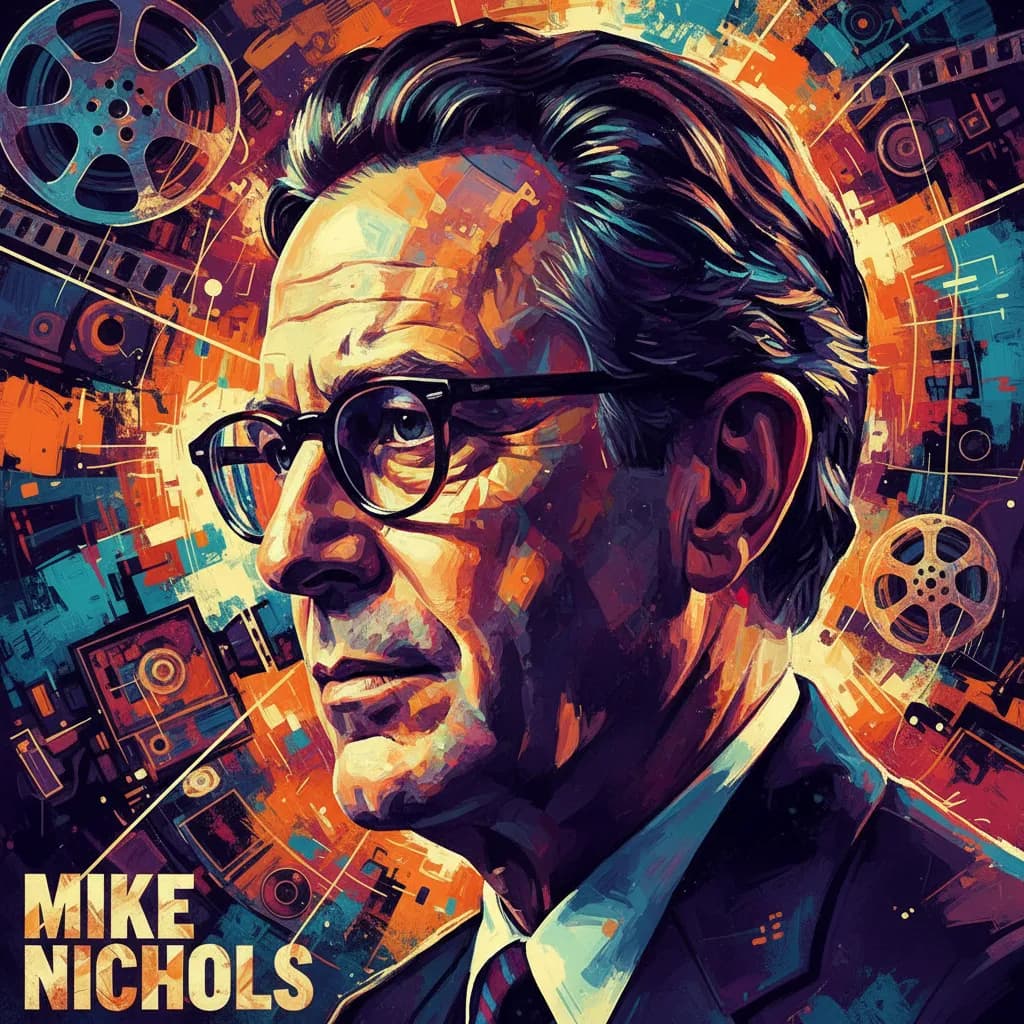
Mike Nichols
Every film, ranked

Howard Hawks
Every film, ranked

Ang Lee
Every film, ranked

Walter Hill
Every film, ranked

Gus Van Sant
Every film, ranked

William Wyler
Every film, ranked

Renny Harlin
Every film, ranked

Sidney Lumet
Every film, ranked

Tony Scott
Every film, ranked