Discover the visionary filmmakers behind cinema's greatest works.
Explore our selection of acclaimed directors and their remarkable films.
Showing 145-156 out of 4148

Alfonso Cuarón is a Mexican film director known for his visually stunning and emotionally compelling works that have left an indelible mark on contemporary cinema. His career has been characterized by a diverse filmography that showcases his versatility and artistic vision. Cuarón's directorial style is marked by his adeptness at blending intricate storytelling with breathtaking visuals, creating immersive cinematic experiences that resonate with audiences across the globe. Cuarón first gained international recognition with the critically acclaimed coming-of-age drama "A Little Princess" (1995) and the atmospheric adaptation of Charles Dickens' classic novel "Great Expectations" (1998). However, it was his foray into the realm of fantasy with "Harry Potter and the Prisoner of Azkaban" (2004) that demonstrated his ability to breathe new life into established franchises while infusing them with his distinct directorial voice. The director's penchant for exploring human relationships and societal dynamics is evident in his compelling drama "Y tu mamá también" (2001) and the visually arresting dystopian thriller "Children of Men" (2006). Cuarón's masterful storytelling and innovative use of long takes in "Gravity" (2013) further solidified his reputation as a visionary director, earning him numerous accolades, including an Academy Award for Best Director. In 2018, Cuarón's deeply personal and visually striking film "Roma" garnered widespread acclaim, showcasing his ability to capture the intricacies of human emotions and societal upheaval against the backdrop of 1970s Mexico City. His films often explore themes of resilience, human connection, and the impact of larger social and political forces on individuals, making them both visually captivating and thematically rich. Alfonso Cuarón's contributions to cinema have been nothing short of transformative, as he continues to push the boundaries of storytelling and visual innovation. His unique directorial vision, combined with his ability to craft narratives that resonate on both an emotional and intellectual level, has solidified his status as one of the most influential and visionary directors of his generation.

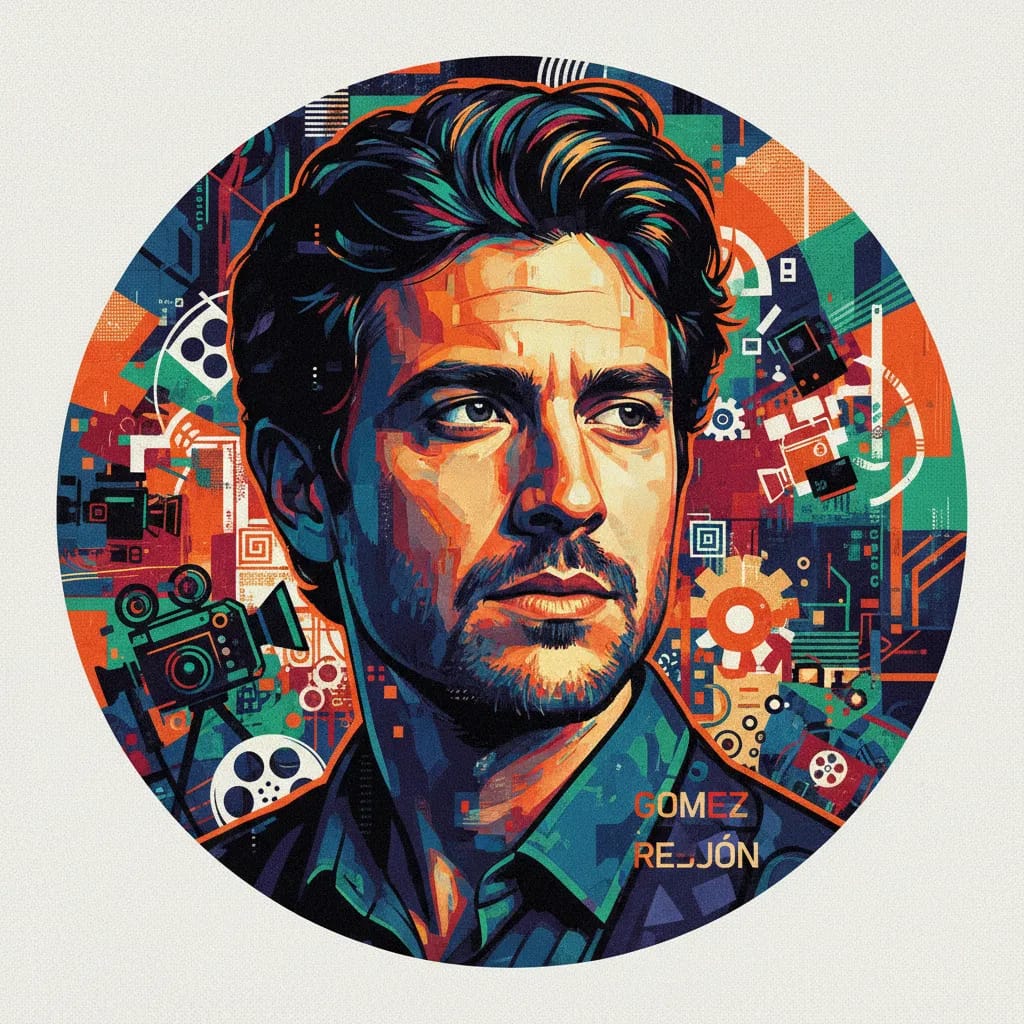
Alfonso Gomez-Rejon is a visionary film director known for his distinctive storytelling and visually striking style. With an impressive filmography that spans across various genres, Gomez-Rejon has made a significant impact on the cinematic landscape. Notable for his ability to infuse emotion and depth into his narratives, his work often delves into the human experience, offering profound insight into the complexities of life. From his directorial debut to his most recent projects, Gomez-Rejon's films showcase his unparalleled talent and innovative approach to storytelling. One of Gomez-Rejon's most acclaimed works is "Me and Earl and the Dying Girl" (2015), a poignant coming-of-age drama that captivated audiences and critics alike. Through this film, Gomez-Rejon exhibited his ability to blend humor with heartfelt emotion, creating a genuinely moving cinematic experience. His directorial prowess was further evident in "The Town That Dreaded Sundown" (2014), a chilling horror-mystery that showcased his versatility as a director, adeptly navigating the complexities of the genre while delivering a gripping narrative. In 2019, Gomez-Rejon unveiled "The Current War: Director's Cut," a compelling biographical drama that offered a fresh perspective on the rivalry between Thomas Edison and George Westinghouse. Through his meticulous attention to detail and visually stunning direction, Gomez-Rejon breathed new life into this historical narrative, leaving an indelible mark on the biopic genre. His director's cut of the film allowed him to fully realize his creative vision, showcasing his commitment to delivering powerful and thought-provoking storytelling. Gomez-Rejon's directorial style is characterized by his keen eye for visual composition, immersive storytelling, and the ability to evoke genuine, raw emotion from his audience. His films often explore themes of friendship, personal growth, and the human condition, resonating with audiences on a profound level. With a dedication to pushing the boundaries of cinematic storytelling and a commitment to crafting visually arresting narratives, Gomez-Rejon continues to shape the landscape of contemporary cinema, cementing his status as a directorial force to be reckoned with. As he continues to captivate audiences with his compelling storytelling and innovative approach to filmmaking, Gomez-Rejon's impact on cinema is sure to endure for years to come.

Alfred Hitchcock, often dubbed "The Master of Suspense," left an indelible mark on the film industry with a directorial career that spanned over five decades. His journey began in the silent film era with "The Lodger: A Story of the London Fog" (1927), establishing a penchant for suspense and psychological drama that would define his oeuvre. Hitchcock's transition to Hollywood solidified his legacy, producing a plethora of iconic films that pushed the boundaries of the thriller and suspense genres. Hitchcock's directorial style is characterized by innovative camera techniques, the use of suspense over surprise, and thematic explorations of guilt, fear, and obsession. He was adept at creating tension through visual storytelling, utilizing meticulous shot construction and editing to manipulate audience emotions. Hitchcock’s films often featured ordinary people embroiled in extraordinary situations, exploring complex psychological themes under the guise of entertainment. Among his most acclaimed works are "Psycho" (1960), "Rear Window" (1954), "Vertigo" (1958), and "North by Northwest" (1959). These films, alongside others like "The Birds" (1963) and "Dial M for Murder" (1954), showcase Hitchcock’s mastery over the thriller genre, blending suspense, romance, and humor in unique narratives. Hitchcock's influence on cinema extends beyond his filmography. He was a pioneer in the art of film marketing, especially noted for the promotional campaigns of "Psycho". His techniques in suspense and storytelling have been studied and imitated by filmmakers around the world, cementing his legacy as a forefather of suspense and psychological thrillers. Throughout his career, Hitchcock received numerous accolades, including the AFI Life Achievement Award in 1979 and the Irving G. Thalberg Memorial Award in 1967. However, despite multiple nominations, he never won an Academy Award for Best Director. His films, however, have garnered widespread critical acclaim, contributing significantly to the horror and suspense genres and influencing countless artists and filmmakers in the process. Hitchcock's indelible footprint on the landscape of cinema remains unparalleled, making him one of the most revered and studied directors in film history.

Alfred Sole is a visionary director known for his influential work in the horror genre. His most notable film, "Alice, Sweet Alice" (1976), is a chilling and suspenseful crime drama that has solidified his reputation as a master of horror filmmaking. Sole's directorial style is characterized by his ability to create an atmosphere of tension and unease, drawing audiences into the psychological depths of his characters. In "Alice, Sweet Alice," Sole skillfully weaves a narrative that explores the dark and twisted nature of human psychology, all while delivering spine-tingling scares and unforgettable imagery. The film's impact on the horror genre is undeniable, as it has inspired countless filmmakers and remains a cult classic to this day. Sole's directorial approach often delves into the complexities of human behavior, often showcasing the duality of innocence and malevolence. His films frequently explore themes of familial dysfunction, religious symbolism, and the blurred lines between good and evil, inviting audiences to confront their deepest fears and anxieties. With "Alice, Sweet Alice," Alfred Sole established himself as a groundbreaking director who pushed the boundaries of horror filmmaking, leaving an indelible mark on cinema. His ability to craft compelling narratives and evoke visceral emotions has solidified his place in the pantheon of influential directors, earning him a devoted following among horror enthusiasts and film aficionados alike. Alfred Sole's contributions to the horror genre have left an enduring legacy, proving him to be a director whose unique vision and storytelling prowess continue to captivate audiences and inspire future generations of filmmakers. Whether it's his exploration of the human psyche or his mastery of atmospheric tension, Sole's impact on cinema is undeniable, and his work will undoubtedly continue to resonate with audiences for years to come.

Ali Abbasi is a visionary director known for his unique storytelling and distinct directorial style. With a relatively small but impactful filmography, Abbasi has made a significant mark on the world of cinema. His most notable works include the critically acclaimed "Border" (2018) and the highly anticipated "Holy Spider" (2022). "Border" garnered widespread acclaim and solidified Abbasi's position as a director with a penchant for thought-provoking storytelling. The film, which seamlessly blends elements of action, drama, and history, showcases Abbasi's ability to create immersive and emotionally resonant narratives. His directorial style often involves exploring complex characters and delving into unconventional themes, making his films stand out in the crowded landscape of contemporary cinema. Abbasi's films often delve into themes of identity, otherness, and the human experience, weaving together captivating narratives that challenge traditional storytelling conventions. Additionally, his work often incorporates elements of magical realism and folklore, adding a layer of mystique and intrigue to his films. In "Holy Spider" (2022), Abbasi once again demonstrates his ability to craft gripping narratives, this time delving into the realms of crime, drama, and thriller. The film is highly anticipated and is expected to further cement Abbasi's reputation as a director with a unique and compelling vision. Ali Abbasi's impact on cinema is undeniable, as he continues to push boundaries and defy expectations with each new project. His ability to create immersive and thought-provoking films has earned him a dedicated following and critical acclaim, solidifying his status as a director to watch in the ever-evolving landscape of contemporary cinema. Abbasi's contributions to film have left an indelible mark, and his future projects are eagerly awaited by audiences and critics alike.

Ali Abbas Zafar is a renowned Indian film director known for his distinct blend of action, drama, and romance in his movies. With a career spanning over a decade, Zafar has made a significant impact on Indian cinema with his unique directorial style and compelling storytelling. His notable films, such as "Sultan" (2016) and "Bharat" (2019), have garnered widespread acclaim for their captivating narratives and impressive visual aesthetics. Zafar's directorial style is characterized by his ability to seamlessly integrate high-octane action sequences with heartfelt emotional drama, often intertwined with elements of romance and comedy. His films often feature larger-than-life characters grappling with personal and professional challenges, set against the backdrop of visually stunning locations. Zafar's keen eye for detail and his knack for capturing the essence of human emotions have made his films resonate with audiences across the globe. In "Sultan" (2016), Zafar showcased his prowess in crafting compelling sports dramas, as the film follows the journey of a wrestler's rise to fame, delving into themes of determination, redemption, and love. "Bharat" (2019) further solidified Zafar's reputation as a master storyteller, as the film weaves together a narrative that spans several decades, exploring the protagonist's journey through various stages of life, love, and patriotism. Zafar's upcoming project, "Bloody Daddy" (2023), is highly anticipated, promising to deliver another gripping tale of action, drama, and thriller elements. With each film, Zafar continues to push the boundaries of storytelling, leaving an indelible mark on the Indian film industry. His ability to infuse his narratives with a unique blend of emotions, action, and captivating storytelling has cemented his status as one of the most influential directors in contemporary Indian cinema. In conclusion, Ali Abbas Zafar's directorial prowess lies in his ability to craft visually striking narratives that resonate with audiences on an emotional level. His films stand as a testament to his unique vision and storytelling capabilities, setting him apart as a director whose work continues to shape the landscape of Indian cinema. With each project, Zafar's contribution to the world of filmmaking remains unparalleled, solidifying his status as a visionary director with an enduring impact on the industry.

Ali Atay is a Turkish film director known for his unique blend of comedy, crime, and mystery elements. His directorial style is characterized by a keen eye for balancing humor and suspense, creating engaging narratives that keep audiences on the edge of their seats while eliciting laughter. Atay's notable films include "Cinayet Süsü" (2019) and "Mortal World" (2018), both of which showcase his ability to infuse action, comedy, and crime genres with a distinct directorial flair. In "Cinayet Süsü," Atay masterfully weaves together a comedic narrative with a thrilling crime mystery, showcasing his ability to seamlessly blend genres. The film's success lies in Atay's skillful direction, as he navigates the complexities of the storyline while maintaining a lighthearted and entertaining tone. Similarly, "Mortal World" demonstrates Atay's penchant for crafting action-packed scenes infused with humor and wit, offering audiences a refreshing take on the crime genre. Atay's films often explore recurring themes of human nature, morality, and the intricacies of interpersonal relationships. His storytelling is layered with nuanced character development and thought-provoking dilemmas, resonating with audiences on a deeper level beyond the surface entertainment. Through his directorial vision, Atay has made a significant impact on Turkish cinema, garnering acclaim for his ability to infuse traditional genres with a fresh and innovative approach. As a director, Ali Atay has carved out a niche for himself in the film industry, earning recognition for his ability to deliver compelling narratives that transcend genre conventions. His unique directorial style and contributions to the world of cinema have solidified his position as a visionary filmmaker with a distinctive voice. With a keen understanding of storytelling and a penchant for blending genres, Atay continues to captivate audiences with his refreshing take on comedy, crime, and mystery.

Ali Bilgin is a highly acclaimed Turkish film director known for his unique directorial style and compelling storytelling. With a career spanning several successful films, Bilgin has made a significant impact on the Turkish cinema landscape. His notable film "Delibal" (2015) is a poignant drama that beautifully captures the complexities of romance amidst personal struggles. Bilgin's directorial style is characterized by his ability to delve deep into the emotional nuances of his characters, creating a sense of authenticity and relatability for audiences. Through his keen visual storytelling and attention to detail, he crafts immersive cinematic experiences that resonate with viewers on a profound level. His films often explore themes of love, resilience, and human connection, showcasing his talent for capturing the intricacies of human relationships on screen. "Delibal" stands as a testament to Bilgin's directorial prowess, as he skillfully navigates the delicate balance between romance and personal turmoil. The film's compelling narrative and evocative visuals have solidified Bilgin's reputation as a director with a distinct voice in the industry. His ability to infuse his films with raw emotion and thought-provoking storytelling has garnered him a dedicated following of fans and critical acclaim from industry peers. Bilgin's contributions to Turkish cinema have been instrumental in shaping the landscape of contemporary filmmaking. His commitment to authenticity and his ability to create compelling narratives have set him apart as a visionary director with a lasting impact on the industry. As he continues to push artistic boundaries and captivate audiences with his storytelling, Ali Bilgin remains a prominent figure in the world of cinema, leaving an indelible mark with each new project.

Alice Rohrwacher is an Italian film director known for her unique storytelling and visually captivating films. Her most notable work, "Happy as Lazzaro" (2018), is a thought-provoking blend of drama, fantasy, and mystery that garnered widespread acclaim. Rohrwacher's directorial style is characterized by her ability to infuse magical realism into her narratives, creating immersive worlds that challenge viewers' perceptions of reality. Rohrwacher made her directorial debut with "Corpo Celeste" in 2011, which established her as a rising talent in the world of cinema. Her films often explore themes of social inequality, identity, and the human experience, as seen in "Happy as Lazzaro," which delves into the juxtaposition of rural poverty and urban exploitation. Rohrwacher's storytelling is deeply rooted in her Italian heritage, and she often incorporates elements of Italian folklore and tradition into her films, adding a layer of cultural richness to her narratives. With "Happy as Lazzaro," Rohrwacher received widespread acclaim for her masterful direction and the film's profound impact on audiences. The movie's dreamlike quality and poignant commentary on societal structures showcased Rohrwacher's ability to create visually stunning and emotionally resonant cinema. Her work has left an indelible mark on contemporary Italian filmmaking, earning her a reputation as a visionary director with a distinct voice in the industry. Rohrwacher's contributions to cinema extend beyond her directorial prowess, as she continues to push boundaries and challenge the status quo through her storytelling. Her films have garnered attention at prestigious international film festivals, solidifying her status as a groundbreaking force in the world of cinema. As she continues to evolve as a director, Rohrwacher remains a trailblazer, inspiring a new generation of filmmakers with her innovative approach to storytelling and her unwavering commitment to cinematic excellence.

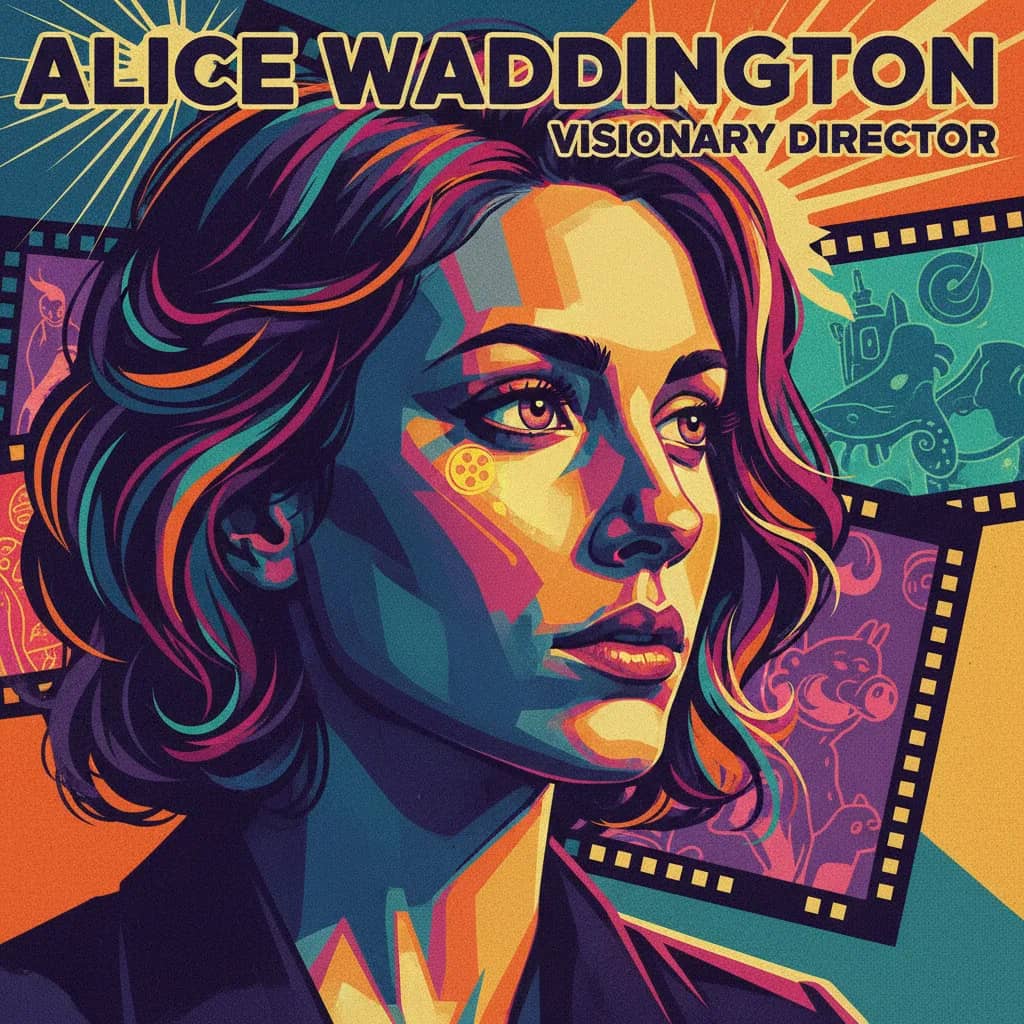
Alice Waddington is a visionary director known for her distinct style and unique storytelling. Her notable directorial debut came with the visually stunning and thought-provoking film "Paradise Hills" (2019). The movie is a captivating blend of fantasy, mystery, and sci-fi, showcasing Waddington's ability to create immersive and visually striking worlds. With this film, Waddington established herself as a director with a strong visual aesthetic and a penchant for exploring complex themes through her storytelling. Waddington's directorial style is characterized by its dreamlike quality, meticulous attention to detail, and a flair for creating otherworldly atmospheres. Her films often delve into the realms of fantasy and science fiction, offering audiences a unique and immersive experience. "Paradise Hills" exemplifies Waddington's ability to merge fantastical elements with compelling narratives, creating a cinematic journey that leaves a lasting impact on viewers. One of the recurring themes in Waddington's work is the exploration of identity, empowerment, and resilience. She often weaves these themes into her narratives, creating multidimensional characters who navigate extraordinary circumstances while undergoing personal growth and self-discovery. Waddington's storytelling reflects her commitment to showcasing diverse perspectives and empowering narratives that resonate with audiences on a profound level. Waddington's impact on cinema lies in her ability to push creative boundaries and challenge traditional storytelling norms. Her work demonstrates a fearless approach to tackling complex themes while delivering visually captivating narratives. As an emerging director, Waddington has already made a significant impression on the industry, and her future projects are highly anticipated. With her unique vision and innovative storytelling, Waddington continues to carve out a distinct place for herself in the world of cinema, leaving audiences eager to witness her next cinematic masterpiece.


Alice Wu is an accomplished filmmaker known for her unique directorial style and thought-provoking storytelling. With a relatively small filmography, Wu has made a significant impact on cinema with her distinct voice and engaging narratives. Her notable films include "The Half of It" (2020) and "Saving Face" (2004), both of which have garnered critical acclaim for their fresh take on comedy, drama, and romance. Wu's directorial style is characterized by her ability to blend humor and emotion seamlessly, creating films that resonate deeply with audiences. Her attention to character development and relationships adds layers of complexity to her storytelling, making her work both engaging and thought-provoking. "The Half of It" stands out as a coming-of-age comedy-drama that explores themes of identity, friendship, and love, while "Saving Face" delves into the complexities of family dynamics and cultural expectations within the context of a romantic comedy. Throughout her career, Wu has demonstrated a knack for delving into themes of identity, self-discovery, and the complexities of human relationships, often through the lens of underrepresented narratives. Her films have been celebrated for their authentic portrayal of characters and their ability to tackle universal themes with nuance and sensitivity. Wu's impact on cinema is evident in her ability to create compelling stories that resonate with diverse audiences, while also paving the way for more inclusive storytelling in the industry. As a filmmaker, Alice Wu has been a trailblazer in bringing underrepresented voices to the forefront of cinema. Her films have not only entertained audiences but also sparked important conversations about diversity and representation in the industry. With her distinct directorial style and unwavering commitment to authentic storytelling, Wu continues to make a significant impact on the landscape of contemporary cinema, solidifying her status as a visionary director with a powerful voice.

ALi Khan AK is a visionary director who has made a significant impact on Indian cinema with his distinctive directorial style and thought-provoking storytelling. His notable film, "Gunjan Saxena: The Kargil Girl" (2020), exemplifies his ability to blend action, biography, and drama seamlessly, captivating audiences with his compelling narratives and visually stunning cinematography. With "Gunjan Saxena: The Kargil Girl," ALi Khan AK demonstrated his prowess in crafting emotionally resonant biographical dramas that shed light on the extraordinary achievements of real-life individuals. His directorial style is characterized by an immersive approach to storytelling, where he delves into the complexities of human experiences, portraying the triumphs and struggles of his characters with authenticity and sensitivity. Throughout his career, ALi Khan AK has consistently explored themes of courage, resilience, and the human spirit, infusing his films with profound messages that resonate deeply with audiences. His meticulous attention to detail and ability to evoke powerful performances from his cast have solidified his reputation as a director known for delivering impactful and thought-provoking cinema. ALi Khan AK's contribution to cinema extends beyond his directorial achievements, as he continues to inspire aspiring filmmakers and audiences alike with his compelling storytelling and dedication to bringing untold stories to the forefront of the silver screen. In conclusion, ALi Khan AK's directorial career is marked by a commitment to creating films that leave a lasting impression, offering audiences a glimpse into the extraordinary lives of individuals while showcasing his unique directorial vision. His work stands as a testament to the power of storytelling and the enduring impact of cinema on the human experience.
Every film by the greats, ranked by our TML Score.

Christopher Nolan
Every film, ranked

Quentin Tarantino
Every film, ranked

Stanley Kubrick
Every film, ranked

Martin Scorsese
Every film, ranked

Steven Spielberg
Every film, ranked

Alfred Hitchcock
Every film, ranked

David Fincher
Every film, ranked

Denis Villeneuve
Every film, ranked

Wes Anderson
Every film, ranked

Paul Thomas Anderson
Every film, ranked

Ridley Scott
Every film, ranked

Tim Burton
Every film, ranked

Guillermo del Toro
Every film, ranked

Hayao Miyazaki
Every film, ranked

Akira Kurosawa
Every film, ranked

Francis Ford Coppola
Every film, ranked

Clint Eastwood
Every film, ranked

Bong Joon Ho
Every film, ranked

Woody Allen
Every film, ranked

Steven Soderbergh
Every film, ranked

Ron Howard
Every film, ranked

Pedro Almodóvar
Every film, ranked

Richard Linklater
Every film, ranked

Roman Polanski
Every film, ranked

Brian De Palma
Every film, ranked

Ingmar Bergman
Every film, ranked

Oliver Stone
Every film, ranked

David Cronenberg
Every film, ranked

Robert Zemeckis
Every film, ranked

Barry Levinson
Every film, ranked

John Carpenter
Every film, ranked

Joel Schumacher
Every film, ranked

Billy Wilder
Every film, ranked

Rob Reiner
Every film, ranked

Neil Jordan
Every film, ranked

Spike Lee
Every film, ranked

Ivan Reitman
Every film, ranked

John Woo
Every film, ranked

Lasse Hallström
Every film, ranked

Stephen Frears
Every film, ranked

Luc Besson
Every film, ranked

Chris Columbus
Every film, ranked

Mike Nichols
Every film, ranked

Howard Hawks
Every film, ranked

Ang Lee
Every film, ranked

Walter Hill
Every film, ranked

Gus Van Sant
Every film, ranked

William Wyler
Every film, ranked

Renny Harlin
Every film, ranked

Sidney Lumet
Every film, ranked

Tony Scott
Every film, ranked