Discover the visionary filmmakers behind cinema's greatest works.
Explore our selection of acclaimed directors and their remarkable films.
Showing 1261-1272 out of 4148

Gabor Csupo is a Hungarian-born film director known for his unique vision and ability to bring captivating stories to life on the big screen. With a career spanning over four decades, Csupo has made a lasting impact on cinema with his distinct directorial style and memorable contributions to the film industry. Csupo's directorial career gained widespread recognition with the release of "Bridge to Terabithia" in 2007. This heartfelt drama, based on the beloved novel by Katherine Paterson, showcased Csupo's talent for crafting compelling narratives that resonate with audiences of all ages. The film's seamless blend of drama, family dynamics, and fantasy elements highlighted Csupo's versatility as a director, earning critical acclaim and leaving a lasting impression on viewers. In 2008, Csupo continued to enchant audiences with "The Secret of Moonacre," an enchanting adventure filled with family-friendly fantasy. This visually stunning film further solidified Csupo's reputation for creating immersive cinematic experiences, as he skillfully brought magical worlds to life on the screen. His ability to infuse fantasy elements with relatable human emotions has set him apart as a director with a keen understanding of storytelling that transcends genres. Csupo's directorial style is characterized by his ability to infuse his films with poignant themes, rich character development, and visually captivating storytelling. His works often explore the power of imagination, the complexities of human relationships, and the universal journey of self-discovery, making his films resonate with audiences on a deep and emotional level. With a filmography that includes timeless classics and beloved family favorites, Gabor Csupo has left an indelible mark on cinema with his unique directorial vision. His ability to transport audiences to fantastical realms while grounding his narratives in genuine human experiences has cemented his legacy as a director who continues to captivate and inspire moviegoers around the world. Gabor Csupo's enduring contributions to the film industry have solidified his status as a visionary director whose work will continue to be celebrated for generations to come.

Gabriela Cowperthwaite is a visionary director known for her compelling storytelling and emotional depth. With a career spanning over a decade, Cowperthwaite has made a significant impact on cinema through her thought-provoking films. Her directorial style is characterized by a keen attention to detail, nuanced character development, and a knack for bringing real-life stories to the screen with authenticity and empathy. One of Cowperthwaite's notable films is "Megan Leavey" (2017), a gripping biographical drama that follows the inspiring true story of a young Marine corporal and her bond with a combat dog during their deployment in Iraq. Through her deft direction, Cowperthwaite brings to life the complexities of human-animal relationships and the emotional toll of war, delivering a poignant and powerful narrative that resonates with audiences. In "Our Friend" (2019), Cowperthwaite delves into the poignant themes of love, friendship, and loss. The film masterfully weaves together a heartrending story of a couple grappling with a terminal illness, showcasing Cowperthwaite's ability to capture the raw emotions of the human experience. Her adept handling of intimate, character-driven narratives sets her apart as a director with a profound understanding of the human condition. Cowperthwaite's films often explore themes of resilience, empathy, and the bond between humans and animals, reflecting her commitment to shedding light on the complexities of the human experience. Her directorial contributions have been instrumental in elevating the representation of real-life stories on screen, garnering critical acclaim and leaving a lasting impression on audiences worldwide. In conclusion, Gabriela Cowperthwaite's directorial vision and storytelling prowess have solidified her as a prominent figure in contemporary cinema. Her ability to infuse her films with authenticity, emotional depth, and compelling narratives has earned her a well-deserved place among the most influential directors of her generation. As she continues to captivate audiences with her poignant storytelling, Cowperthwaite's impact on cinema is sure to endure for years to come.

Gabriel Axel was a Danish director whose distinguished career left an indelible mark on the world of cinema. Axel's most renowned work is the timeless classic "Babette's Feast" (1987), a captivating drama that garnered widespread critical acclaim and earned the prestigious Academy Award for Best Foreign Language Film. Axel's directorial style is characterized by his meticulous attention to detail, deep emotional resonance, and ability to craft visually stunning narratives that resonate with audiences on a profound level. "Babette's Feast" stands as a testament to Axel's directorial prowess, as he expertly brought to life the poignant story of sacrifice, redemption, and the transcendent power of art and food. The film's exquisite cinematography, nuanced performances, and masterful storytelling cemented Axel's reputation as a visionary director with a keen understanding of human emotions and the complexities of the human spirit. Throughout his career, Axel's films often explored themes of love, sacrifice, and the human condition, with an emphasis on the transformative power of art and culture. His storytelling was characterized by its ability to transcend cultural boundaries and speak to universal truths, making his work deeply resonant with audiences across the globe. Gabriel Axel's impact on cinema is profound, as his meticulous craftsmanship, emotional depth, and ability to evoke profound human experiences continue to inspire filmmakers and enchant audiences worldwide. His legacy as a master storyteller and visionary director endures, solidifying his place as a revered figure in the pantheon of world cinema.

Gabriele Mainetti is an Italian film director known for his unique and impactful contributions to cinema. His notable film "They Call Me Jeeg", released in 2015, is a compelling blend of action, comedy, and drama that has garnered widespread acclaim for its fresh take on the superhero genre. Mainetti's directorial style is characterized by a bold and innovative approach to storytelling, often infusing his work with elements of social commentary and dark humor. His films have a distinct visual flair, with dynamic cinematography and striking imagery that captivate audiences. "They Call Me Jeeg" stands as a testament to Mainetti's directorial prowess, earning praise for its engaging narrative and compelling characters. The film's exploration of complex emotions and moral ambiguity has resonated with audiences and critics alike, cementing Mainetti's reputation as a director with a keen understanding of human nature and societal dynamics. His ability to seamlessly blend different genres and deliver thought-provoking narratives sets him apart as a visionary filmmaker. Throughout his career, Mainetti has demonstrated a penchant for exploring recurring themes such as the struggle for identity, the dichotomy of good and evil, and the complexities of human relationships. His films often delve into the gritty underbelly of society, shedding light on the marginalized and disenfranchised while challenging conventional norms. Mainetti's work has left an indelible mark on Italian cinema, inspiring a new wave of filmmakers to push boundaries and defy genre conventions. Gabriele Mainetti's impact on cinema extends beyond his directorial achievements, as he continues to influence and inspire aspiring filmmakers with his distinct vision and uncompromising storytelling. His dedication to crafting compelling narratives that resonate on a profound level has solidified his status as a director to watch, with each new project eagerly anticipated by cinephiles worldwide. As a trailblazer in the industry, Mainetti's legacy is poised to endure, leaving an indelible imprint on the landscape of contemporary cinema.

Gabriele Muccino is an Italian film director known for his emotionally charged storytelling and poignant character-driven narratives. With a diverse filmography that spans across multiple genres, Muccino has made a significant impact on cinema with his unique directorial style and ability to evoke genuine human emotions on screen. His notable films include "Fathers & Daughters" (2015), "Playing for Keeps" (2012), "Seven Pounds" (2008), and "The Pursuit of Happyness" (2006). Muccino's directorial style is characterized by his emphasis on interpersonal relationships, personal struggles, and the complexities of human emotions. His films often delve into themes of family dynamics, the pursuit of happiness, and the resilience of the human spirit. Muccino has a distinctive ability to capture raw, authentic performances from his actors, which lends an air of authenticity to his storytelling. "The Pursuit of Happyness," starring Will Smith, garnered critical acclaim and solidified Muccino's reputation as a director who can elicit powerful performances from his cast while crafting compelling narratives. The film's success further showcased Muccino's knack for portraying the human experience with sincerity and depth. Similarly, "Seven Pounds" and "Fathers & Daughters" further exemplify Muccino's skill in creating emotionally resonant stories that resonate with audiences on a profound level. Muccino's impact on cinema lies in his ability to create films that resonate with audiences on an emotional level, transcending cultural and geographical boundaries. His thought-provoking narratives and visually arresting storytelling have solidified his status as a director who has made a lasting impression on the industry. Muccino's body of work continues to inspire and captivate audiences, cementing his legacy as a visionary director with a profound understanding of the human condition.

Gabriele Salvatores, an emblematic figure in contemporary cinema, has carved out a distinct niche for himself since he embarked on his directorial voyage in the early 1980s. His remarkable journey from the avant-garde and theatre backgrounds to the upper echelons of international filmmaking showcases a career marked by bold narrative choices and stylistic flair. Salvatores's films are celebrated for their profound humanism, exploration of complex emotional landscapes, and often, a captivating blend of realism and whimsy. Salvatore’s directorial style is characterized by its vivid storytelling, where visual aesthetics serve as a conduit for exploring themes of escapism, the innocence of youth, and the nuanced complexities of human relationships. He has a penchant for drawing audiences into immersive worlds, whether capturing the rugged beauty of Mediterranean landscapes or delving into the intricate depths of the human psyche. This narrative dexterity is perhaps most evident in his critically acclaimed films, "Mediterraneo" and "I’m Not Scared." "Mediterraneo," a poignant comedy-drama about the absurdity of war and the resilience of the human spirit, won the Academy Award for Best Foreign Language Film in 1992, cementing Salvatores’s reputation on the international stage. Meanwhile, "I’m Not Scared," with its masterful suspense and exploration of innocence amidst moral decay, showcases his ability to navigate diverse genres with ease. Salvatores's influence extends beyond his filmography; he has shaped modern cinema through his innovative approach to storytelling and his ability to infuse genre films with depth and intellectual rigor. His works have garnered numerous awards and nominations, underscoring his contribution to enriching the cinematic landscape. Through his insightful exploration of humanity and his unique artistic vision, Gabriele Salvatores continues to inspire a generation of filmmakers, proving that cinema is not just entertainment but a powerful medium for reflection and understanding.

Gaby Hoffmann is a versatile director known for her impactful contributions to cinema. Hoffmann's directorial style is marked by a keen ability to blend action, drama, and science fiction, captivating audiences with compelling storytelling and visually stunning sequences. Her notable film "Volcano" (1997) stands as a testament to her skill in creating a riveting cinematic experience that resonates with viewers across genres. Throughout her career, Hoffmann has consistently explored themes of human resilience in the face of adversity, showcasing the triumph of the human spirit amidst tumultuous circumstances. Her films often delve into the complexities of human nature and the indomitable strength of the human will, drawing audiences into immersive narratives that leave a lasting impact. Hoffmann's influence on cinema is profound, as she continues to push the boundaries of storytelling and visual innovation. Her unique vision has left an indelible mark on the film industry, inspiring aspiring filmmakers and captivating audiences worldwide. With a penchant for crafting gripping narratives and pushing the boundaries of visual storytelling, Hoffmann's directorial prowess has solidified her status as a trailblazer in the world of filmmaking. In "Volcano" (1997), Hoffmann's directorial finesse shines through as she masterfully intertwines pulse-pounding action sequences with poignant dramatic moments, all set against the backdrop of a compelling science fiction premise. The film stands as a testament to her ability to seamlessly blend genres while delivering an enthralling cinematic experience that lingers in the minds of audiences long after the credits roll. Gaby Hoffmann's directorial career is a testament to her unwavering commitment to pushing the boundaries of storytelling, crafting visually captivating narratives, and leaving an indelible mark on the world of cinema. Her ability to seamlessly blend action, drama, and science fiction sets her apart as a visionary director whose impact on the film industry continues to resonate with audiences and fellow filmmakers alike.

Gadi Harel is a visionary director known for his unique approach to storytelling and his ability to push boundaries in the horror genre. His notable film, "Deadgirl" (2008), quickly gained attention for its provocative and chilling narrative. Harel's directorial style is characterized by his fearless exploration of dark and unsettling themes, combined with a keen eye for visual storytelling. His films often delve into the depths of human nature, confronting audiences with uncomfortable truths and moral ambiguities. "Deadgirl" stands as a testament to Harel's ability to craft a haunting and thought-provoking cinematic experience. The film's raw and unflinching portrayal of the human psyche solidified Harel as a director unafraid to challenge societal norms. His work is marked by a palpable sense of unease, as he skillfully weaves together elements of horror, suspense, and psychological drama to create a truly immersive viewing experience. Harel's impact on cinema is evident in his ability to subvert traditional genre conventions and deliver films that resonate with audiences on a deeply emotional level. His exploration of the darker aspects of human nature has earned him a dedicated following among horror enthusiasts and cinephiles alike. Harel's films invite audiences to confront their deepest fears and confront the complexities of the human condition, leaving a lasting impression long after the credits roll. In conclusion, Gadi Harel's directorial career has been defined by his unwavering commitment to pushing the boundaries of storytelling in the horror genre. His ability to craft thought-provoking narratives and create truly immersive cinematic experiences has solidified his status as a director with a unique vision and a lasting impact on the world of film. With a keen understanding of the human psyche and a fearless approach to storytelling, Harel continues to captivate audiences with his compelling and unsettling films.

Gaëtan Brizzi, a renowned French animator and director, has left an indelible mark on the world of animation with his distinctive visual style and innovative storytelling. With a career spanning several decades, Brizzi has brought to life a myriad of beloved characters and enchanted audiences with his captivating films. His directorial credits include the enchanting and visually stunning "Fantasia 2000" (1999), a landmark animated feature that showcased Brizzi's flair for blending classical music with breathtaking visuals. This film, a sequel to the iconic original "Fantasia," demonstrated Brizzi's ability to push the boundaries of animation and captivate audiences with his unique directorial vision. In addition to "Fantasia 2000," Brizzi's directorial prowess shines through in "Asterix Versus Caesar" (1985), a delightful animated adventure that exemplifies his ability to infuse humor and charm into his work. With a keen eye for detail and a penchant for creating vibrant, immersive worlds, Brizzi has established himself as a master storyteller in the realm of animation. His films often feature rich, colorful visuals, and a whimsical, fantastical quality that transports viewers to enchanting realms. Brizzi's directorial style is characterized by his ability to seamlessly blend traditional animation techniques with cutting-edge technology, resulting in visually arresting and emotionally resonant films. His work often explores themes of adventure, magic, and the triumph of the human spirit, captivating audiences of all ages. Brizzi's impact on cinema is evident in his ability to create timeless, universally beloved films that continue to endure and inspire new generations of filmmakers and animators. Gaëtan Brizzi's contributions to the world of animation have solidified his status as a visionary director, whose distinct artistic flair and unparalleled storytelling have left an indelible imprint on the medium. His films continue to enchant and inspire, cementing his legacy as a master of animation and a trailblazer in the realm of visual storytelling. With a career defined by innovation and imagination, Gaëtan Brizzi remains a revered figure in the world of animation, leaving an enduring legacy that will continue to captivate audiences for years to come.

Galder Gaztelu-Urrutia is a talented Spanish director whose visionary work has left an indelible mark on the world of cinema. His most notable film to date is the critically acclaimed "The Platform" (2019), a riveting horror, sci-fi, and thriller hybrid that has garnered widespread acclaim for its thought-provoking storytelling and intense visuals. Gaztelu-Urrutia's directorial style is characterized by a bold and uncompromising approach, as he fearlessly delves into the darker aspects of the human psyche, often using allegorical storytelling to shed light on societal issues. "The Platform" stands as a testament to the director's ability to craft a compelling narrative while challenging audiences to confront uncomfortable truths. Gaztelu-Urrutia's recurring themes often revolve around the exploration of power dynamics, social inequality, and the human capacity for both compassion and cruelty. His masterful use of tension and atmosphere creates an immersive viewing experience that lingers long after the credits roll. Gaztelu-Urrutia's impact on cinema is undeniable, as "The Platform" has solidified his reputation as a director who fearlessly pushes boundaries and defies genre conventions. His unique vision and uncompromising storytelling have garnered him a dedicated following among cinephiles and industry insiders alike. As he continues to make his mark on the film world, Gaztelu-Urrutia's future projects are highly anticipated, with audiences eagerly awaiting the next chapter in his captivating directorial journey. With "The Platform," Gaztelu-Urrutia has firmly established himself as a visionary director whose work will undoubtedly continue to leave a lasting impression on the world of cinema.

Galen T. Chu is a talented director known for his work in the animation genre. He made his directorial debut with the highly anticipated "Ice Age: Collision Course" in 2016. This animated feature, part of the popular "Ice Age" franchise, showcases Chu's skill in creating visually stunning and entertaining films that appeal to audiences of all ages. Chu's directorial style is characterized by his ability to infuse humor, heart, and adventure into his storytelling. His films often feature dynamic and endearing characters, breathtaking visuals, and compelling narratives that captivate viewers. "Ice Age: Collision Course" is a perfect example of Chu's adeptness in creating a delightful cinematic experience that resonates with both children and adults. His keen understanding of animation techniques and storytelling has contributed to the success of the film and solidified his reputation as a director with a unique vision. Notable for his contribution to the "Ice Age" franchise, Chu has left an indelible mark on the animation genre. His films are distinguished by their emphasis on themes of friendship, perseverance, and the importance of family, making them relatable and impactful. Chu's ability to create engaging and visually striking animated worlds has garnered him a dedicated following and established him as a director with an enduring legacy in cinema. Galen T. Chu's directorial career has made a significant impact on the animation industry, as he continues to push the boundaries of storytelling and visual innovation. With his impressive directorial debut and his commitment to creating memorable cinematic experiences, Chu is poised to continue shaping the future of animated filmmaking. As audiences eagerly anticipate his upcoming projects, it is evident that Galen T. Chu's contributions to cinema will continue to be celebrated for years to come.

Galt Niederhoffer is a versatile director known for her work in the comedy, drama, and romance genres. Her most notable film to date is "The Romantics" (2010), which showcases her ability to craft compelling narratives within the complexities of human relationships. Niederhoffer's directorial style is characterized by a keen focus on character dynamics and emotional depth, often exploring the intricacies of love, friendship, and personal growth. "The Romantics" stands as a testament to Niederhoffer's talent for portraying the complexities of interpersonal relationships with authenticity and nuance. Her storytelling is marked by a keen understanding of human emotions and the intricacies of romantic entanglements, making her work relatable and resonant for audiences. Niederhoffer's directorial approach is characterized by its emotional depth and nuanced exploration of human connections, which sets her apart as a director with a unique vision and storytelling prowess. Niederhoffer's impact on cinema lies in her ability to capture the essence of human relationships with sensitivity and depth, offering audiences a window into the complexities of love, friendship, and personal growth. Her work resonates with viewers for its authenticity and emotional resonance, establishing her as a director with a distinct voice and a keen understanding of the human experience. Niederhoffer's contributions to the film industry are marked by her ability to craft compelling narratives that delve into the intricacies of human emotions, leaving a lasting impression on audiences and critics alike. Overall, Galt Niederhoffer's directorial career is defined by her ability to infuse her films with emotional depth and authenticity, offering audiences compelling narratives that resonate on a deeply human level. Her unique vision and storytelling prowess have solidified her as a director to watch, with "The Romantics" standing as a testament to her talent for capturing the complexities of human relationships with nuance and sensitivity. Niederhoffer's impact on cinema lies in her ability to craft narratives that resonate with audiences, making her a director whose work is both captivating and emotionally resonant.
Every film by the greats, ranked by our TML Score.

Christopher Nolan
Every film, ranked

Quentin Tarantino
Every film, ranked

Stanley Kubrick
Every film, ranked

Martin Scorsese
Every film, ranked

Steven Spielberg
Every film, ranked

Alfred Hitchcock
Every film, ranked

David Fincher
Every film, ranked

Denis Villeneuve
Every film, ranked

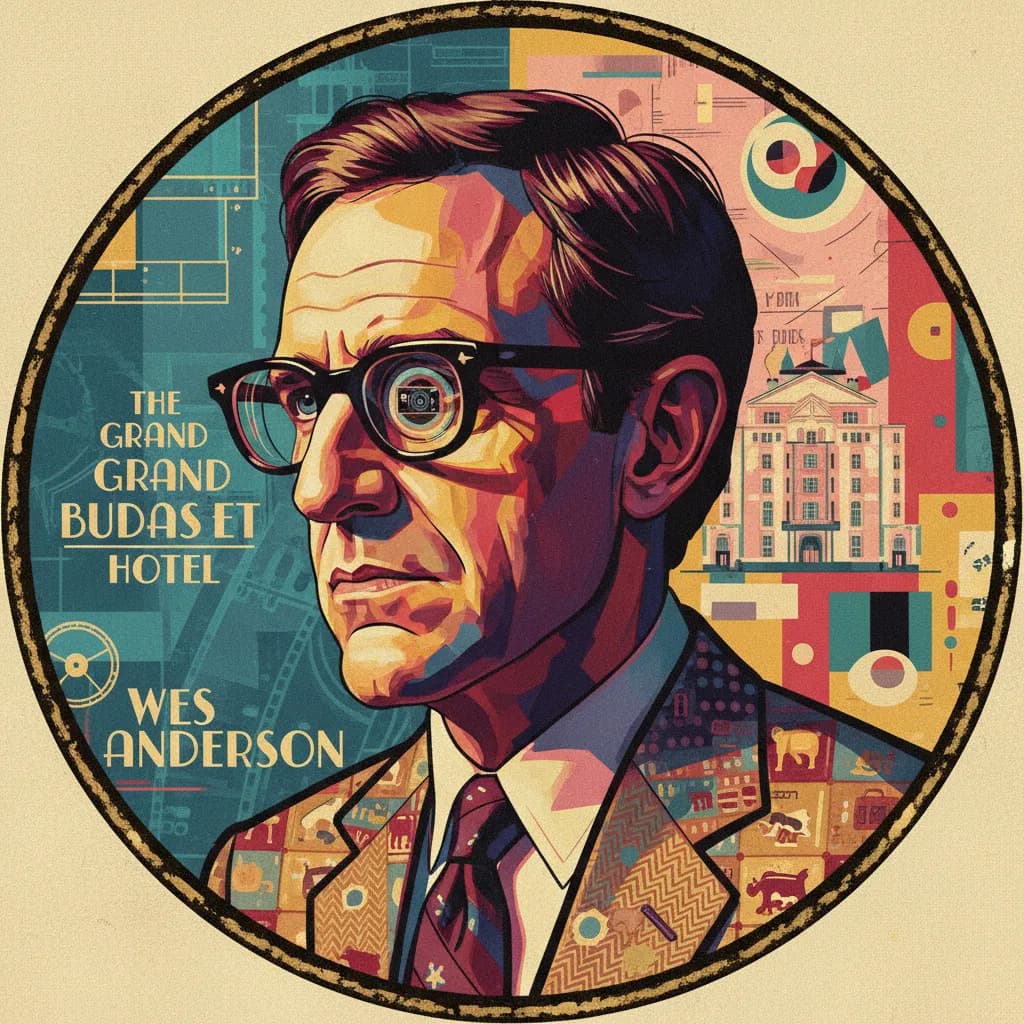
Wes Anderson
Every film, ranked

Paul Thomas Anderson
Every film, ranked

Ridley Scott
Every film, ranked

Tim Burton
Every film, ranked

Guillermo del Toro
Every film, ranked

Hayao Miyazaki
Every film, ranked

Akira Kurosawa
Every film, ranked

Francis Ford Coppola
Every film, ranked

Clint Eastwood
Every film, ranked

Bong Joon Ho
Every film, ranked

Woody Allen
Every film, ranked

Steven Soderbergh
Every film, ranked

Ron Howard
Every film, ranked

Pedro Almodóvar
Every film, ranked

Richard Linklater
Every film, ranked

Roman Polanski
Every film, ranked

Brian De Palma
Every film, ranked

Ingmar Bergman
Every film, ranked

Oliver Stone
Every film, ranked

David Cronenberg
Every film, ranked

Robert Zemeckis
Every film, ranked

Barry Levinson
Every film, ranked

John Carpenter
Every film, ranked

Joel Schumacher
Every film, ranked

Billy Wilder
Every film, ranked

Rob Reiner
Every film, ranked

Neil Jordan
Every film, ranked

Spike Lee
Every film, ranked

Ivan Reitman
Every film, ranked

John Woo
Every film, ranked

Lasse Hallström
Every film, ranked

Stephen Frears
Every film, ranked

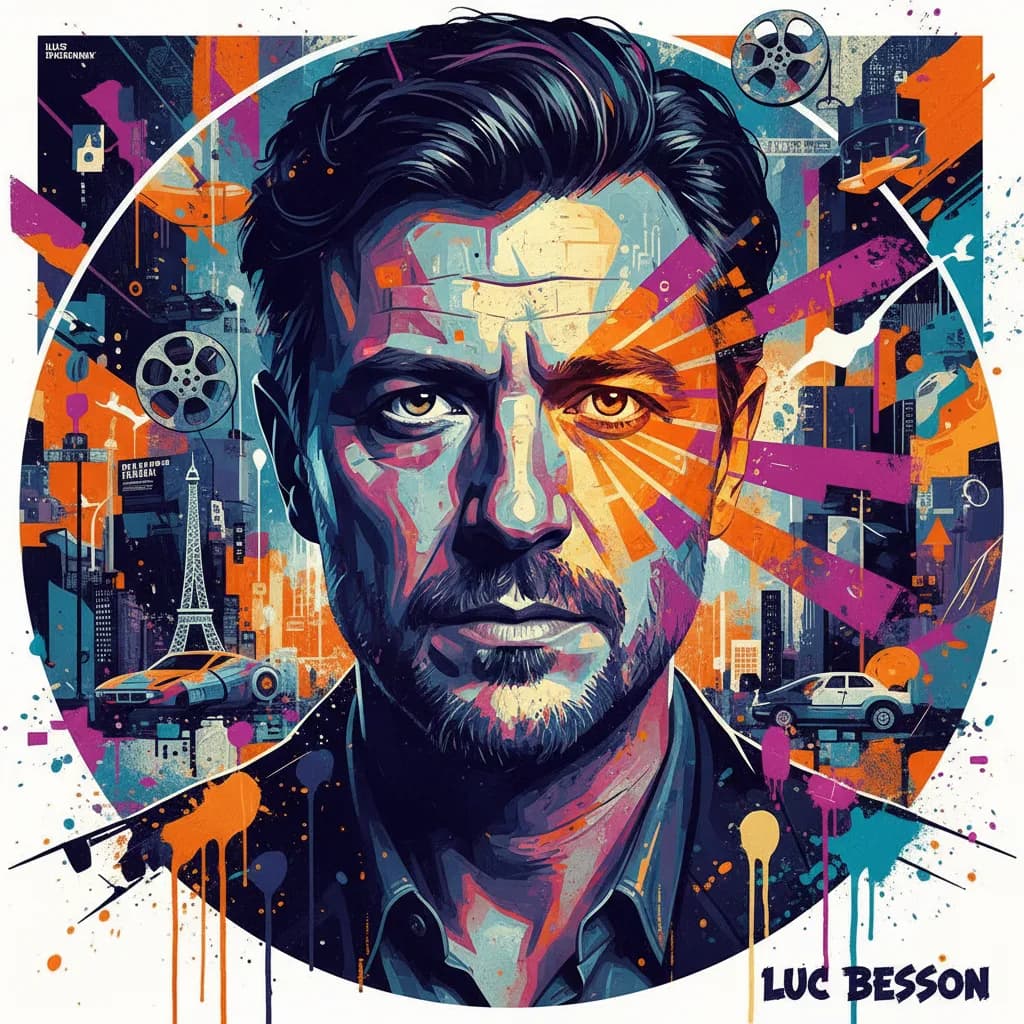
Luc Besson
Every film, ranked

Chris Columbus
Every film, ranked

Mike Nichols
Every film, ranked

Howard Hawks
Every film, ranked

Ang Lee
Every film, ranked

Walter Hill
Every film, ranked

Gus Van Sant
Every film, ranked

William Wyler
Every film, ranked

Renny Harlin
Every film, ranked

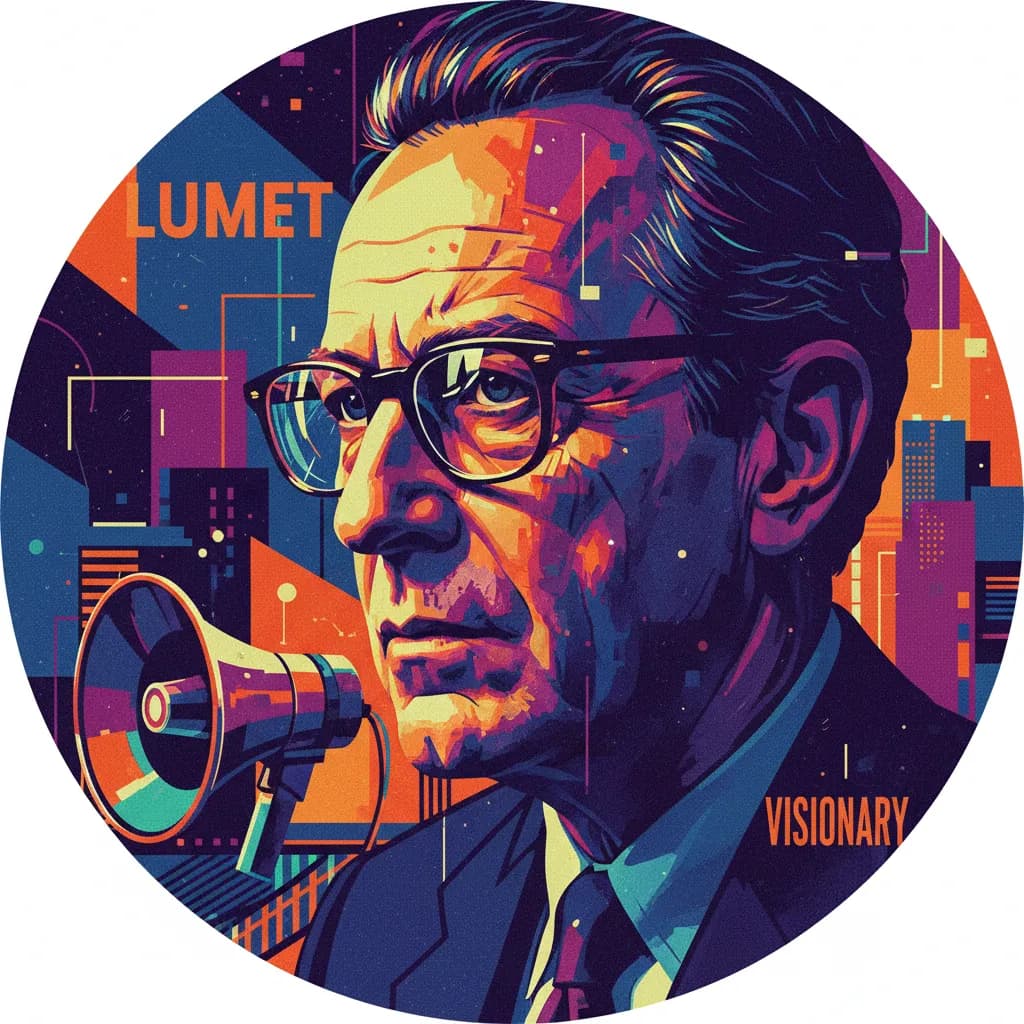
Sidney Lumet
Every film, ranked

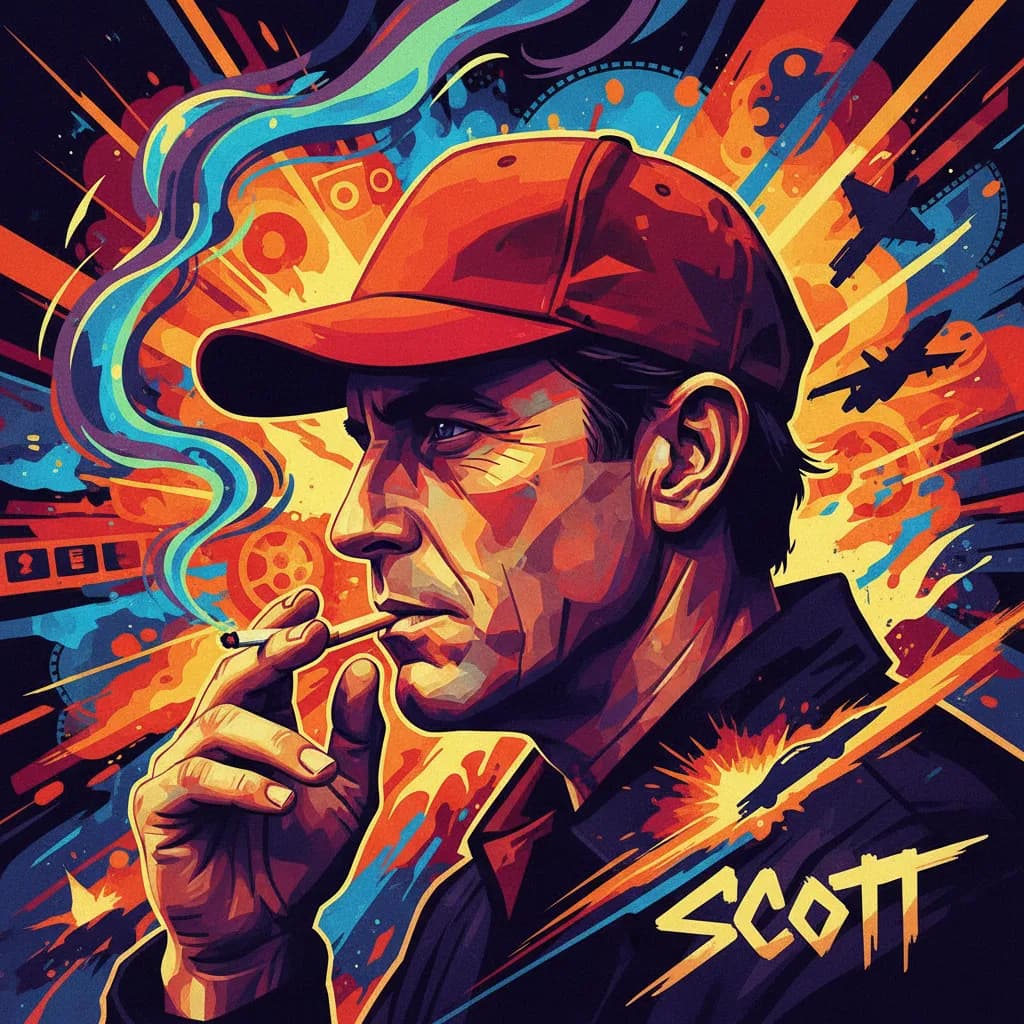
Tony Scott
Every film, ranked