Discover the visionary filmmakers behind cinema's greatest works.
Explore our selection of acclaimed directors and their remarkable films.
Showing 1285-1296 out of 4148

Gary Fleder is an American film director known for his compelling storytelling and strong directorial vision. With a diverse filmography spanning various genres, Fleder has made a significant impact on cinema with his distinct style and ability to bring gripping narratives to life on the big screen. Fleder's directorial debut came with the crime drama "Things to Do in Denver When You're Dead" in 1995. The film showcased his talent for crafting intense, character-driven stories set within the criminal underworld. Fleder continued to explore themes of crime and suspense in "Kiss the Girls" (1997) and "Runaway Jury" (2003), demonstrating his skill in building tension and creating riveting thrillers. In addition to his work in the thriller genre, Fleder has also ventured into other realms, such as science fiction with "Impostor" (2001) and action-packed storytelling with "Homefront" (2013). His versatility as a director is evident in his ability to tackle a wide range of genres while maintaining a signature style that captivates audiences. One of Fleder's most notable accomplishments is his directorial work on "The Express" (2008), a poignant biographical sports drama that delves into the inspiring story of football player Ernie Davis. The film showcased Fleder's ability to handle emotionally resonant narratives and capture the human experience with depth and authenticity. Fleder's impact on cinema lies in his adeptness at crafting compelling stories that resonate with audiences across genres. His ability to infuse his films with tension, emotion, and authenticity has solidified his reputation as a director capable of delivering captivating and thought-provoking narratives. Fleder's contributions to the world of film have left an indelible mark, earning him a well-deserved place among the ranks of accomplished directors in the industry.


Gary Goddard is an American director known for his work in the action, adventure, and fantasy genres. His most notable film to date is "Masters of the Universe" (1987), which brought the beloved Mattel toy line and animated series to the big screen. Goddard's directorial style is characterized by his ability to infuse grand spectacles with a sense of adventure and excitement, creating immersive experiences for audiences. He has a keen eye for visual storytelling and a knack for bringing larger-than-life characters and worlds to life on screen. "Masters of the Universe" stands as a testament to Goddard's imaginative vision and his ability to translate iconic properties into cinematic experiences. The film showcased his prowess in blending practical effects with fantastical elements, creating a visually stunning world that captivated audiences. Goddard's film resonated with fans of the franchise and introduced new audiences to the epic battles between He-Man and Skeletor, cementing his impact on the fantasy genre. One of Goddard's recurring themes is the exploration of heroism and the battle between good and evil. His films often feature larger-than-life protagonists facing off against formidable adversaries, with a backdrop of mythical landscapes and awe-inspiring visuals. His storytelling prowess lies in his ability to transport audiences to fantastical realms while grounding the narrative in universal themes of courage, sacrifice, and triumph. While Goddard's directorial career may not be extensive, his impact on cinema is undeniable. His visionary approach to storytelling and his ability to bring beloved properties to life have left a lasting impression on audiences and have contributed to the enduring appeal of the action, adventure, and fantasy genres. With his unique blend of visual spectacle and timeless themes, Gary Goddard has solidified his place in the pantheon of directors who have shaped the cinematic landscape.

Gary Goldman is a renowned director who has left an indelible mark on the world of animation. With a career spanning over three decades, Goldman has demonstrated a remarkable ability to bring timeless stories to life through his distinctive directorial style. He is best known for his work on iconic films such as "Rock-A-Doodle" (1991), "Thumbelina" (1994), "All Dogs Go to Heaven" (1989), "Anastasia" (1997), and "Titan A.E." (2000). Goldman's filmography is a testament to his versatility, as he has seamlessly navigated through various genres including animation, adventure, comedy, and drama. Goldman's directorial style is characterized by his unwavering commitment to storytelling and his meticulous attention to detail. His films often feature richly developed characters and visually stunning animation, captivating audiences of all ages. One of his notable strengths lies in his ability to infuse depth and emotion into his animated creations, elevating them beyond mere entertainment to resonate with viewers on a profound level. Throughout his career, Goldman has explored recurring themes such as the power of love, the triumph of the human spirit, and the enduring quest for identity and belonging. His films often delve into the complexities of human emotions, offering poignant insights into the human experience. Goldman's ability to seamlessly weave these themes into his narratives has solidified his reputation as a master storyteller in the realm of animation. Gary Goldman's impact on cinema is undeniable, as his contributions have helped shape the landscape of animated filmmaking. His films have not only garnered critical acclaim but have also left an indelible imprint on popular culture, earning a dedicated fan base that spans generations. Goldman's visionary approach to animation has set a benchmark for excellence in the industry, inspiring future generations of filmmakers to push the boundaries of creativity and innovation. In conclusion, Gary Goldman's illustrious career as a director has cemented his status as a trailblazer in the world of animation. Through his unparalleled directorial style, notable films, and exploration of timeless themes, he has left an enduring legacy that continues to captivate and inspire audiences worldwide. As an auteur with a unique vision, Goldman's influence on cinema is bound to be celebrated for years to come.

Gary McKendry is a film director known for his work in the action, crime, and thriller genres. His most notable film to date is "Killer Elite" (2011), which showcased his ability to deliver high-octane thrills and intense, pulse-pounding action sequences. McKendry's directorial style is marked by his skillful handling of tension and his ability to craft compelling narratives that keep audiences on the edge of their seats. In "Killer Elite," McKendry demonstrated a keen eye for orchestrating intricate action set pieces while maintaining a strong focus on character development. The film's gripping storyline, coupled with McKendry's dynamic direction, solidified his reputation as a director capable of delivering adrenaline-fueled entertainment with a sophisticated edge. McKendry's directorial approach often explores themes of loyalty, betrayal, and the morally complex nature of the criminal underworld. His films are characterized by their gritty realism and meticulous attention to detail, drawing audiences into immersive and visceral cinematic experiences. McKendry's impact on cinema lies in his ability to infuse the action genre with depth and substance, elevating his work beyond mere spectacle to deliver thought-provoking narratives and multi-dimensional characters. As a director, McKendry continues to leave a lasting impression on audiences and industry peers alike, with his distinct vision and unwavering commitment to crafting compelling stories that resonate with viewers. With "Killer Elite," he firmly established himself as a director capable of delivering gripping, edge-of-your-seat entertainment while demonstrating a mastery of the action genre. As his career unfolds, audiences can anticipate more thrilling and thought-provoking work from this talented filmmaker.

Gary Nelson was an American film and television director known for his work in action and science fiction genres. His notable directorial works include "The Black Hole" (1979) and "Nighthawks" (1981). Nelson's directorial style is characterized by his ability to blend gripping action sequences with thought-provoking storytelling, making him a standout in the industry. "The Black Hole" stands out as one of Nelson's most significant contributions to cinema. This visually stunning science fiction film, set in outer space, showcases Nelson's meticulous attention to detail and his ability to create a captivating otherworldly atmosphere. The film's innovative special effects and imaginative storytelling cemented Nelson's reputation as a visionary director with a knack for pushing the boundaries of visual storytelling. In "Nighthawks," Nelson demonstrated his versatility by delving into the action and crime genre. The film, starring Sylvester Stallone and Rutger Hauer, is a gripping thriller that showcases Nelson's talent for creating tension-filled sequences and compelling character dynamics. His ability to infuse adrenaline-pumping action with nuanced storytelling solidified his status as a director capable of delivering multifaceted cinematic experiences. Nelson's recurring themes include exploring the unknown, pushing the limits of human understanding, and delving into the complexities of human nature. His films often feature characters grappling with moral dilemmas and navigating uncharted territories, reflecting his commitment to thought-provoking narratives that resonate with audiences on a deeper level. Gary Nelson's impact on cinema lies in his ability to transport audiences to mesmerizing worlds while delivering high-octane thrills and emotional resonance. His unique vision and dedication to pushing the boundaries of storytelling have left an indelible mark on the film industry, inspiring future generations of directors to embrace innovation and creativity in their craft. Nelson's legacy as a director continues to influence and shape the cinematic landscape, solidifying his place among the trailblazers of visionary filmmaking.

Gary Ross is an accomplished film director known for his distinctive storytelling style and his ability to bring compelling narratives to life on the big screen. With a filmography that spans a range of genres, Ross has made a significant impact on the world of cinema through his thought-provoking and visually stunning works. His notable films include "The Hunger Games" (2012), "Free State of Jones" (2016), "Seabiscuit" (2003), "Pleasantville" (1998), and "Ocean's Eight" (2018). Ross's directorial style is characterized by his skillful blend of action, drama, and compelling storytelling. He has a keen eye for capturing the human experience and often explores themes of resilience, social justice, and the human spirit in his films. His ability to infuse historical narratives with emotional depth and authenticity is evident in "Seabiscuit" and "Free State of Jones", where he masterfully brings to life pivotal moments in history while delving into the complex dynamics of human struggle and triumph. Notably, Ross's work on "The Hunger Games" franchise propelled him into the spotlight, showcasing his adeptness at bringing dystopian worlds to life while weaving in powerful social commentary. His skillful direction and ability to create immersive and visually striking worlds have solidified his reputation as a visionary director. In "Pleasantville", Ross delves into the realm of fantasy and tackles themes of societal conformity and individuality with a nuanced and thought-provoking approach. Ross's impact on cinema extends beyond his directorial prowess, as he has consistently pushed boundaries and challenged audiences with his thought-provoking narratives. His ability to craft emotionally resonant stories and create immersive cinematic experiences has cemented his status as a directorial force to be reckoned with. As he continues to captivate audiences with his unique vision and compelling storytelling, Gary Ross remains a revered figure in the world of filmmaking, leaving an indelible mark on the industry. In conclusion, Gary Ross's directorial career is marked by his ability to craft compelling narratives that resonate with audiences on a profound level. Through his diverse filmography and distinct directorial style, Ross has left an enduring impact on cinema, solidifying his status as a visionary director with a unique ability to bring powerful stories to the silver screen.

Gary Rydstrom is a celebrated film director known for his remarkable work in the world of animation. With a career spanning several decades, Rydstrom has left an indelible mark on the industry through his directorial style and innovative storytelling techniques. While he is recognized for his directorial debut in the animation genre with the film "Strange Magic" (2015), his contributions extend far beyond this singular project. Rydstrom's directorial style is characterized by his ability to infuse his animated works with a distinct blend of creativity, humor, and emotional depth. His attention to detail and commitment to delivering visually stunning and emotionally resonant storytelling has earned him widespread acclaim. Rydstrom's unique vision is evident in his meticulous approach to character development and world-building, which have become hallmarks of his directorial prowess. Beyond "Strange Magic," Rydstrom has made significant contributions to the film industry through his work as a sound designer and editor. He has played a pivotal role in shaping the auditory landscape of numerous iconic films, including those from the "Star Wars" franchise, earning him multiple Academy Awards for Best Sound Editing. His ability to seamlessly blend visual and auditory elements in his directorial projects has cemented his status as a versatile and multifaceted filmmaker. Rydstrom's directorial endeavors often explore recurring themes of love, friendship, and the human experience, resonating with audiences of all ages. His commitment to crafting narratives that transcend traditional genre boundaries has redefined the possibilities of animated storytelling, demonstrating his impact on cinema as a whole. Through his dedication to pushing artistic boundaries and his unparalleled talent for storytelling, Gary Rydstrom continues to shape the landscape of animation and entertainment, leaving an enduring legacy in the world of film.

Gary Sherman is a prolific film director known for his work in the horror genre. With a career spanning several decades, Sherman has left an indelible mark on the world of cinema with his distinctive directorial style and unique vision. His notable films include "Dead & Buried" (1981) and "Poltergeist III" (1988), both of which have solidified his reputation as a master of horror and suspense. Sherman's directorial style is characterized by a keen understanding of atmospheric tension and a skillful manipulation of visual and auditory elements to create a sense of dread and unease. His films often feature haunting visuals, chilling sound design, and a mastery of suspense that keeps audiences on the edge of their seats. Sherman's ability to craft immersive and atmospheric worlds has made him a revered figure in the horror genre. "Dead & Buried" (1981) stands as one of Sherman's most celebrated works, showcasing his talent for blending horror and mystery to deliver a truly haunting cinematic experience. The film's eerie atmosphere, coupled with its thought-provoking narrative, solidified Sherman's reputation as a director with a unique and compelling vision. "Poltergeist III" (1988) further exemplifies Sherman's ability to elicit fear and unease, as he expertly navigates the supernatural elements of the story to deliver a gripping and terrifying film. Throughout his career, Sherman has explored recurring themes such as the intersection of the supernatural and the mundane, the fragility of the human psyche, and the darker aspects of human nature. His films often delve into the depths of fear and the unknown, captivating audiences with their thought-provoking narratives and spine-tingling visuals. Gary Sherman's impact on cinema cannot be understated, as he has consistently pushed the boundaries of the horror genre and elevated the art of storytelling through his directorial prowess. His ability to craft immersive and chilling cinematic experiences has cemented his legacy as a visionary director whose contributions to film continue to resonate with audiences and filmmakers alike.

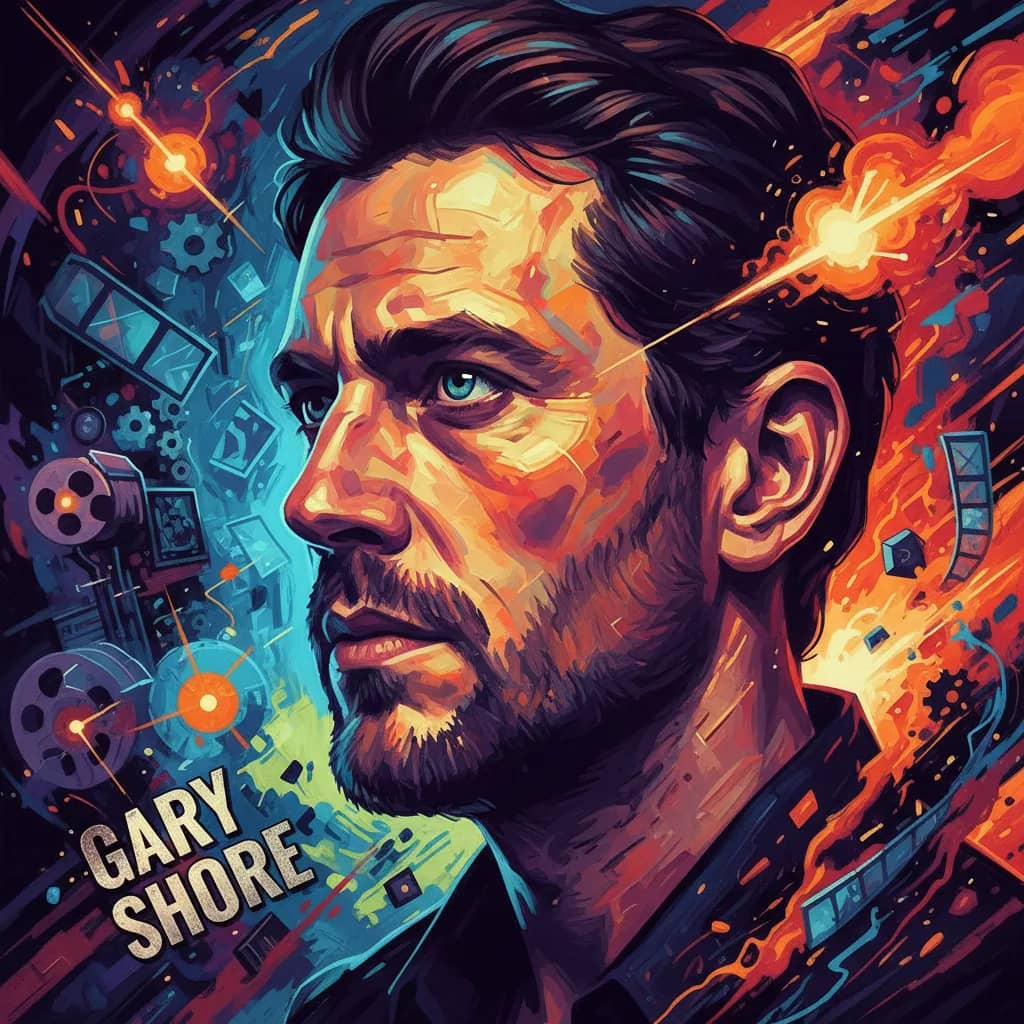
Gary Shore is an Irish film director known for his work in the action, drama, and fantasy genres. His most notable film to date is "Dracula Untold" (2014), a visually stunning reimagining of the classic vampire tale. Shore's directorial style is characterized by his keen eye for dynamic visuals, captivating action sequences, and a deft handling of dark, atmospheric storytelling. "Dracula Untold" marked Shore's directorial debut, and it immediately showcased his talent for crafting visually striking and emotionally resonant narratives. The film's success at the box office solidified Shore's reputation as a director with a distinct vision and a knack for bringing larger-than-life stories to the screen. One of Shore's recurring themes is the exploration of complex characters and their internal struggles, often set against epic backdrops and high-stakes conflicts. His films often delve into the darker aspects of humanity, while also offering moments of redemption and heroism. Shore's impact on cinema lies in his ability to infuse classic stories with a modern sensibility, creating films that appeal to both fans of the original source material and new audiences alike. His unique vision and approach to storytelling have set him apart as a director to watch in the industry, with audiences eagerly anticipating his future projects. In summary, Gary Shore's career as a film director has been defined by his striking visual style, his knack for reimagining classic tales, and his ability to craft compelling narratives that resonate with audiences. With "Dracula Untold," Shore made a bold entrance onto the global stage and has since solidified his status as a director with a unique vision and a lasting impact on cinema. As he continues to hone his craft and take on new projects, Shore's influence on the industry is sure to endure.

Gary Sinise is an accomplished actor, director, and producer widely recognized for his versatile talent in the entertainment industry. While he is primarily known for his acting career, Sinise has made a significant impact as a director, particularly with his adaptation of John Steinbeck's classic novel "Of Mice and Men" in 1992. Sinise's directorial style is characterized by a deep understanding of human emotions and relationships, which he skillfully translates onto the screen. His attention to detail and ability to capture the complexities of the human experience have solidified his reputation as a director with a keen understanding of storytelling. "Of Mice and Men" stands as a testament to Sinise's directorial prowess, as he brings to life the poignant tale of companionship, loneliness, and the pursuit of the American Dream in 1930s California. The film, which also features Sinise in a leading role, showcases his ability to evoke powerful performances from his cast while staying true to the source material's emotional depth. Sinise's directorial approach often delves into themes of friendship, resilience, and the human condition, resonating with audiences on a profound level. Sinise's impact on cinema extends beyond his individual films, as he has contributed to shaping the landscape of American storytelling through his thought-provoking narratives and immersive directorial style. His dedication to creating authentic and impactful cinema has left an indelible mark on the industry, inspiring both aspiring filmmakers and seasoned professionals alike. Sinise's ability to infuse his films with sincerity and raw emotion has earned him a place among the most respected directors in Hollywood. In conclusion, Gary Sinise's directorial career, though relatively modest in terms of the number of films, has made a lasting impression on audiences and critics alike. His ability to bring out the best in performers and convey the nuances of human relationships through his films has solidified his status as a director with a profound understanding of the human experience. As Sinise continues to leave his mark on the entertainment industry, his directorial contributions will undoubtedly be remembered for their timeless resonance and emotional depth.

Gary Sinyor is a British film director known for his work in comedy and romance genres. With a career spanning over three decades, Sinyor has made a significant impact on the film industry, creating memorable and entertaining films that have resonated with audiences worldwide. His directorial style is characterized by his ability to infuse humor and heart into his storytelling, creating films that are both witty and emotionally engaging. One of Sinyor's most notable works is "The Bachelor" (1999), a romantic comedy film starring Chris O'Donnell and Renée Zellweger. The film follows a commitment-phobic man who must marry within 24 hours to inherit his grandfather's fortune, leading to a series of comedic and heartfelt misadventures. Sinyor's adept direction brought out the chemistry between the leads and captured the essence of modern romance, making "The Bachelor" a beloved entry in the romantic comedy genre. Throughout his career, Sinyor has displayed a penchant for exploring themes of love, relationships, and the complexities of human emotions. His films often feature endearing characters navigating the ups and downs of romantic entanglements, while incorporating humor and genuine sentiment. Sinyor's ability to balance lighthearted humor with sincere emotional depth has made his films relatable and enduring for audiences of all ages. Sinyor's impact on cinema lies in his ability to craft films that entertain and resonate with viewers, showcasing the universal experiences of love and human connection. His directorial vision has contributed to the enduring popularity of romantic comedies, and his ability to capture the complexities of relationships has left a lasting impression on the genre. As a director, Sinyor continues to bring his unique blend of humor and heart to the screen, cementing his status as a talented filmmaker with a distinct storytelling voice.

Gary Trousdale is a celebrated film director known for his exceptional work in the animation industry. He first gained widespread recognition for his directorial debut in Disney's "Beauty and the Beast" (1991), a classic animated film that garnered critical acclaim and became a timeless favorite among audiences. Trousdale's keen eye for visual storytelling and his ability to infuse emotional depth into his characters set the stage for a career filled with innovative and captivating filmmaking. In 1996, Trousdale co-directed "The Hunchback of Notre Dame," a daring adaptation of Victor Hugo's novel that showcased his penchant for exploring complex themes such as love, acceptance, and societal norms. The film's striking visuals and poignant narrative cemented Trousdale's reputation as a director with a distinct artistic vision and a commitment to pushing the boundaries of animated storytelling. Continuing to push creative boundaries, Trousdale co-directed "Atlantis: The Lost Empire" (2001), a visually stunning and action-packed animated adventure that demonstrated his versatility in storytelling. The film's immersive world-building and captivating action sequences solidified Trousdale's status as a director capable of delivering compelling narratives across various genres. Throughout his career, Trousdale's films have consistently showcased his ability to infuse profound emotional resonance into his storytelling, addressing universal themes of love, courage, and self-discovery. His dedication to creating visually stunning and emotionally resonant cinematic experiences has left an indelible mark on the animation industry, inspiring future generations of filmmakers to push the boundaries of storytelling through the art of animation. Gary Trousdale's unparalleled contributions to the world of animation have undoubtedly shaped the landscape of cinema, leaving an enduring legacy that continues to inspire and captivate audiences worldwide. His visionary directorial style, combined with his ability to imbue his films with rich thematic depth, has solidified his place as a pioneering force in the realm of animated filmmaking. Trousdale's impact on cinema remains profound, and his work continues to stand as a testament to the transformative power of storytelling through the medium of animation.
Every film by the greats, ranked by our TML Score.

Christopher Nolan
Every film, ranked

Quentin Tarantino
Every film, ranked

Stanley Kubrick
Every film, ranked

Martin Scorsese
Every film, ranked

Steven Spielberg
Every film, ranked

Alfred Hitchcock
Every film, ranked

David Fincher
Every film, ranked

Denis Villeneuve
Every film, ranked

Wes Anderson
Every film, ranked

Paul Thomas Anderson
Every film, ranked

Ridley Scott
Every film, ranked

Tim Burton
Every film, ranked

Guillermo del Toro
Every film, ranked

Hayao Miyazaki
Every film, ranked

Akira Kurosawa
Every film, ranked

Francis Ford Coppola
Every film, ranked

Clint Eastwood
Every film, ranked

Bong Joon Ho
Every film, ranked

Woody Allen
Every film, ranked

Steven Soderbergh
Every film, ranked

Ron Howard
Every film, ranked

Pedro Almodóvar
Every film, ranked

Richard Linklater
Every film, ranked

Roman Polanski
Every film, ranked

Brian De Palma
Every film, ranked

Ingmar Bergman
Every film, ranked

Oliver Stone
Every film, ranked

David Cronenberg
Every film, ranked

Robert Zemeckis
Every film, ranked

Barry Levinson
Every film, ranked

John Carpenter
Every film, ranked

Joel Schumacher
Every film, ranked

Billy Wilder
Every film, ranked

Rob Reiner
Every film, ranked

Neil Jordan
Every film, ranked

Spike Lee
Every film, ranked

Ivan Reitman
Every film, ranked

John Woo
Every film, ranked

Lasse Hallström
Every film, ranked

Stephen Frears
Every film, ranked

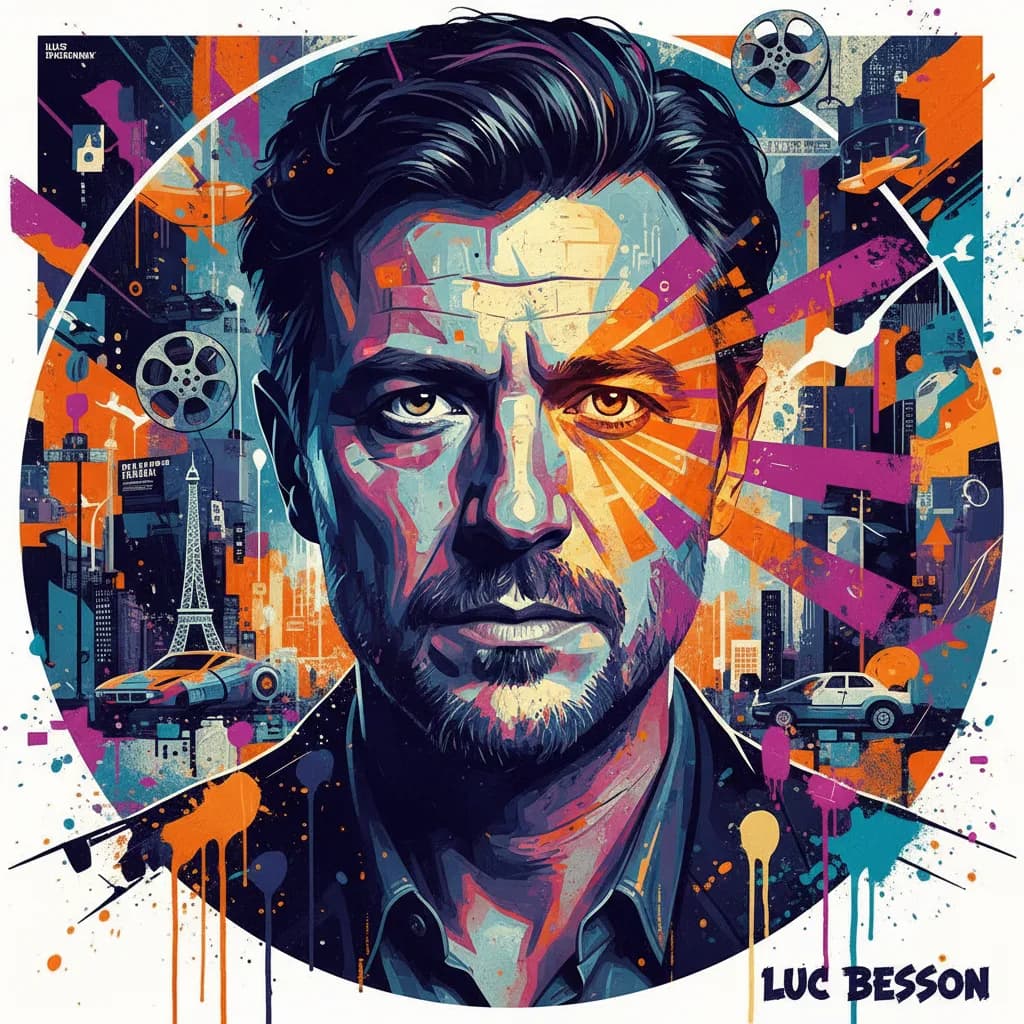
Luc Besson
Every film, ranked

Chris Columbus
Every film, ranked

Mike Nichols
Every film, ranked

Howard Hawks
Every film, ranked

Ang Lee
Every film, ranked

Walter Hill
Every film, ranked

Gus Van Sant
Every film, ranked

William Wyler
Every film, ranked

Renny Harlin
Every film, ranked

Sidney Lumet
Every film, ranked

Tony Scott
Every film, ranked