If You Liked…
Movies Like Gone Girl
David Fincher treats a marriage like a crime scene. Amy Dunne's disappearance is really a question about what two people do to each other behind closed doors, told through dueling unreliable accounts and a media circus that believes whichever story photographs better. Movies that chase the same nerve tend to be about households built on performance: spouses narrating rival versions of the same union, staged deaths and the investigations that expose them, families held together by con artistry. Hitchcock and Kurosawa built these tricks decades before Fincher polished them, so the older titles here are source code, not homework. Plenty of what follows runs slower and quieter than Fincher ever allows. The contempt underneath, the sense that intimacy makes the perfect cover story, never changes.
Loved it? Read more about Gone Girl (2014), including cast, trivia, and its TML Score.
11 Films Worth Your Next Movie Night
- 1
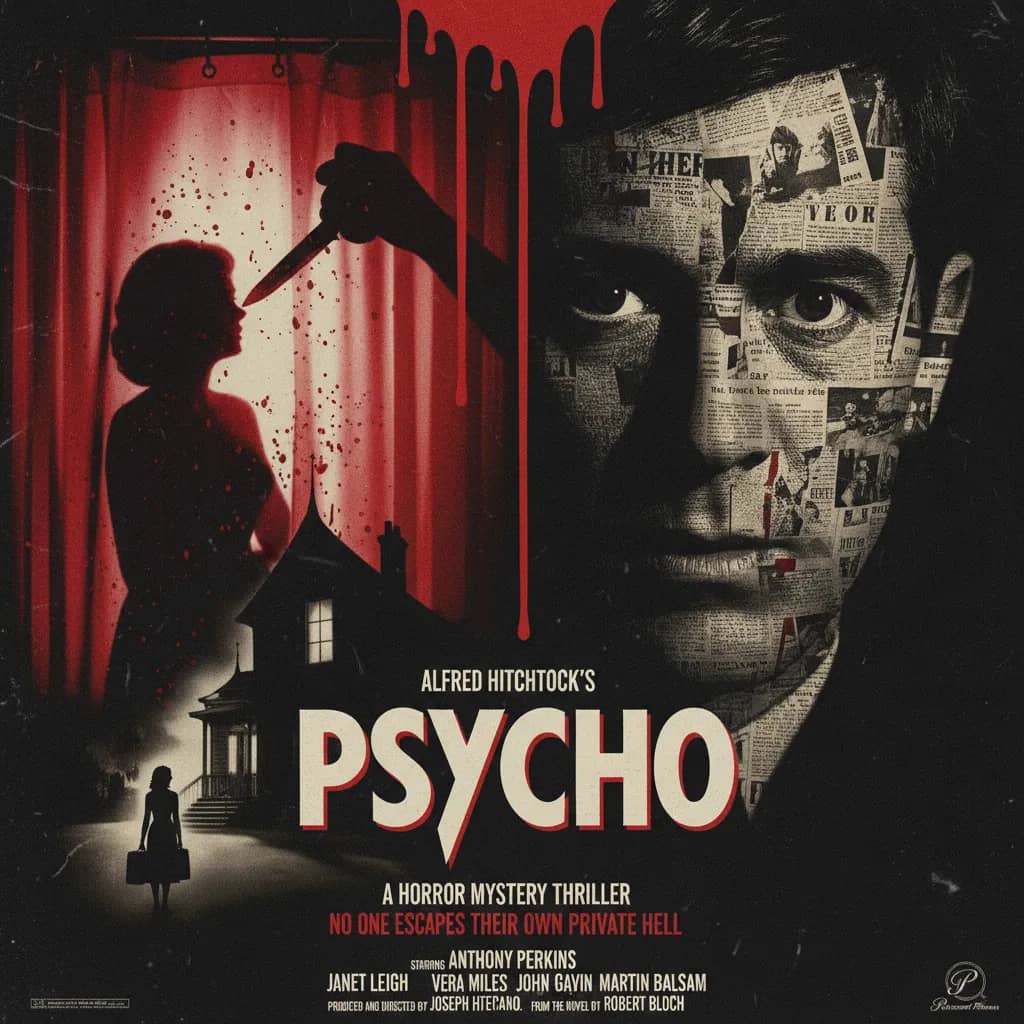
A woman vanishes at the midpoint and the story reroutes around the search, then springs a reframe as brutal as Amy's diary reveal. No film here sits structurally closer.
- 2
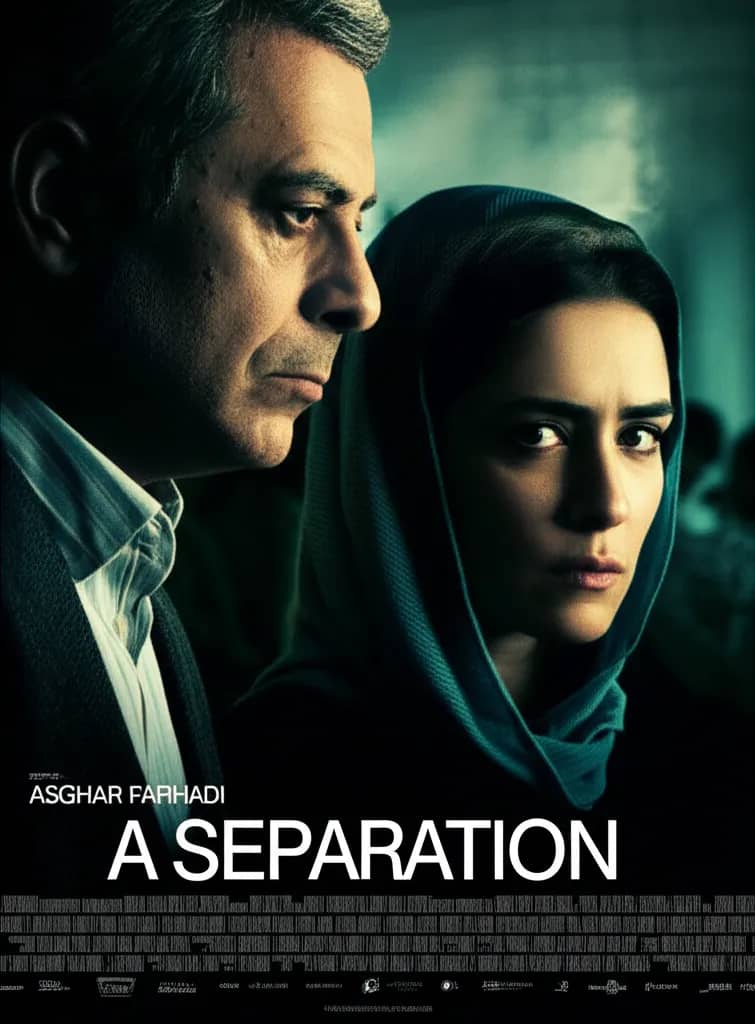
Strip out the pulp and Gone Girl's machinery is still here: a collapsing marriage argued through rival testimony, where even the sympathetic witnesses shade the truth under oath.
- 3

Amy's Cool Girl monologue descends straight from Judy, coached into performing an invented ideal for a man who prefers the fabrication to the woman in front of him.
- 4
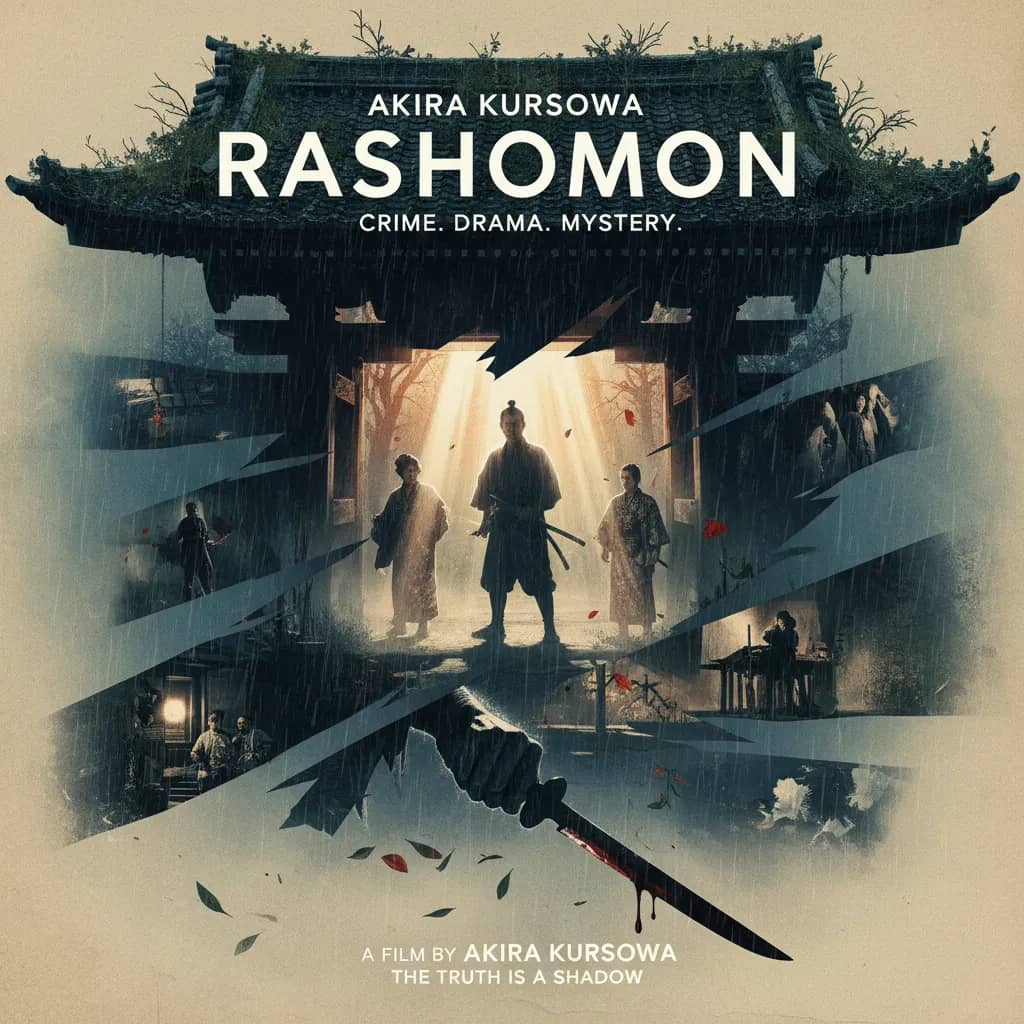
One crime gets told by four self-serving narrators and Kurosawa never rules on who deserves belief, the same trap Nick and Amy's dueling diaries spring on the reader.
- 5
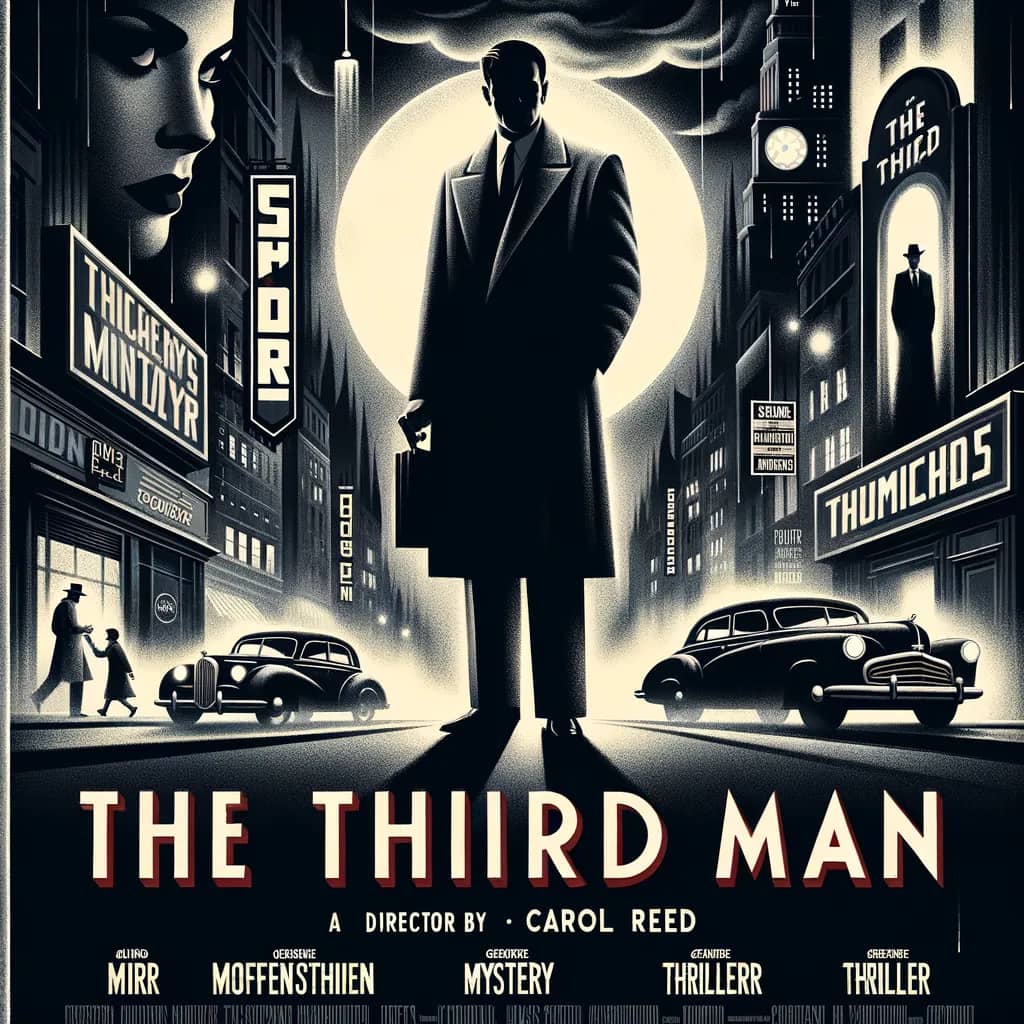
Harry Lime stages his own death and lets his best friend grieve a fiction. Amy runs the same con, and both films save their contempt for the believers.
- 6
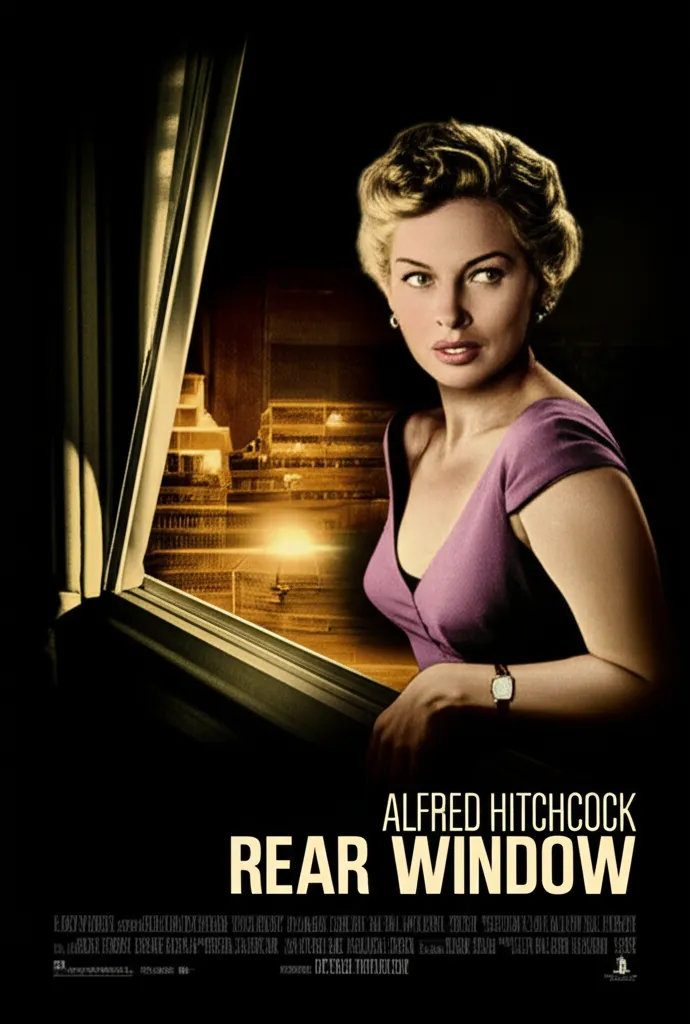
Gone Girl's premise runs in reverse: a watcher grows certain the husband across the courtyard killed his wife, and without a body the truth stays maddeningly unprovable.
- 7

The Kims win by performing a fantasy family for the Parks, a con as disciplined as anything Amy stages, and the film turns on the moment the performance cracks.
- 8
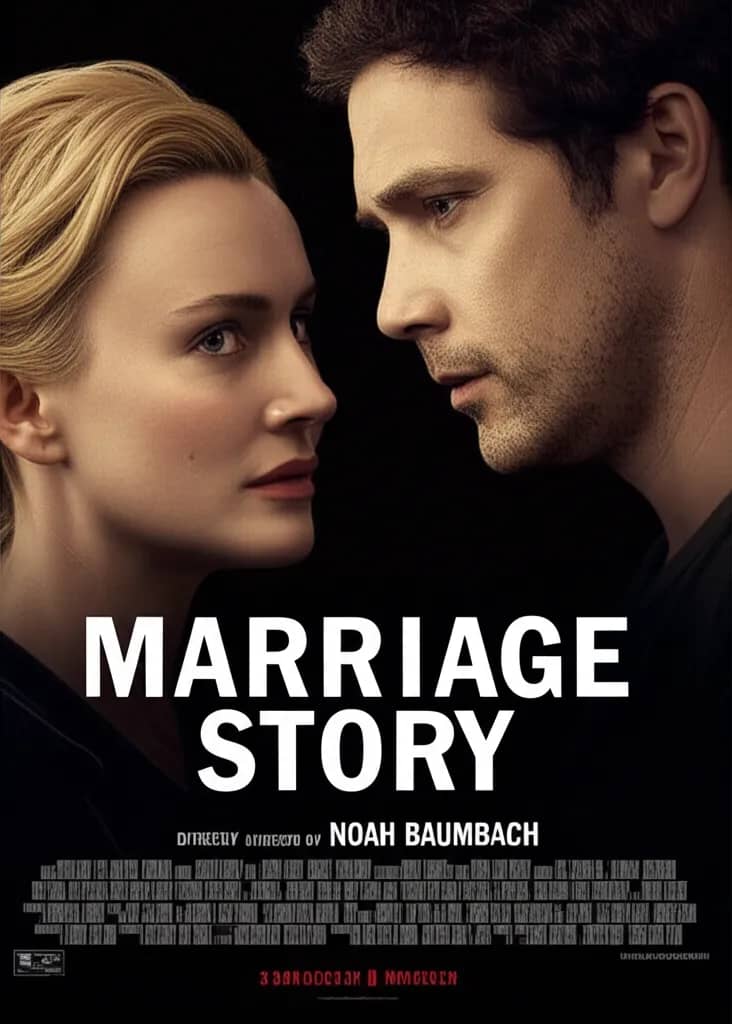
Take away the crime scene and you get this: two people weaponizing lawyers instead of diaries, each narrating the same union as an entirely different story.
- 9
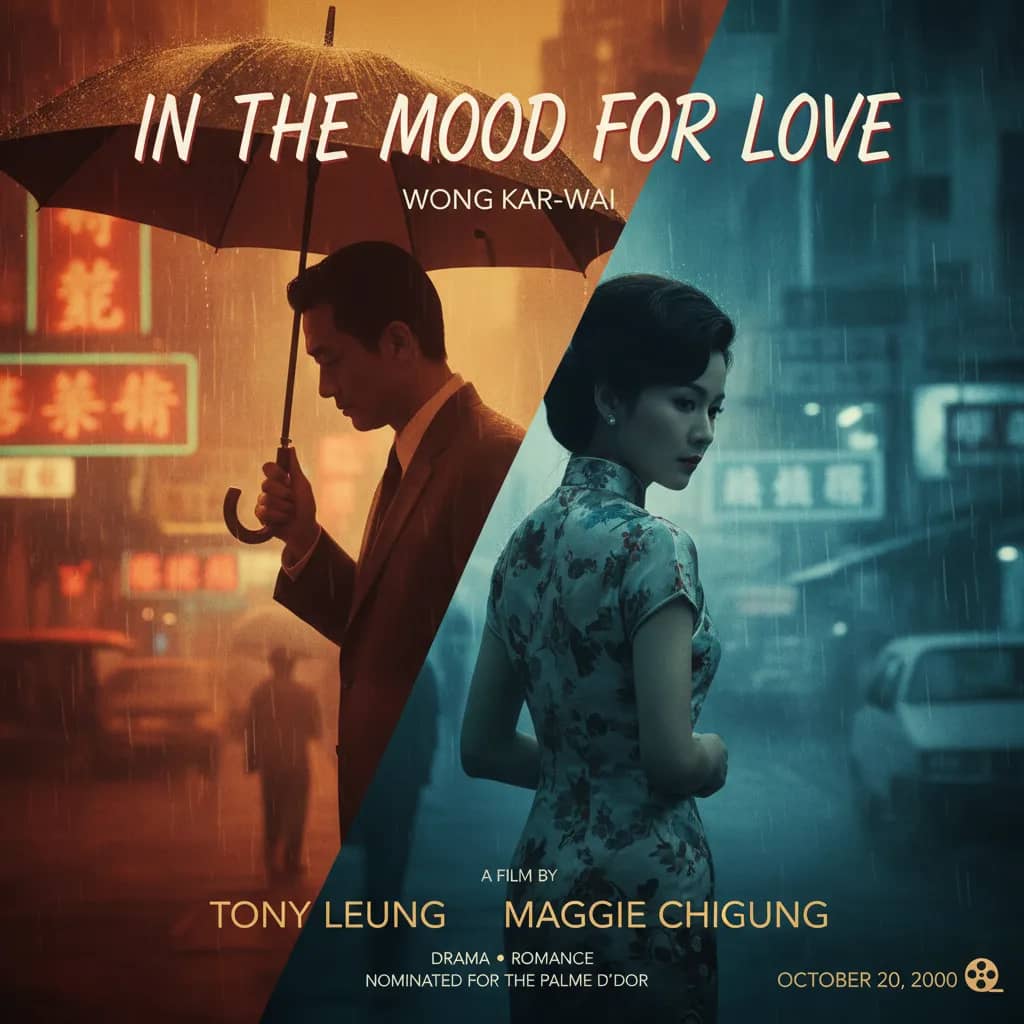
Two neighbors reconstruct their spouses' affair like detectives, rehearsing confrontations that never come. Wong achieves through restraint what Fincher does with a box cutter.
- 10

This found family runs on secrets, small crimes, and performance rather than blood, the same currency the Dunne marriage trades in, and police interviews dismantle it just as coldly.
- 11
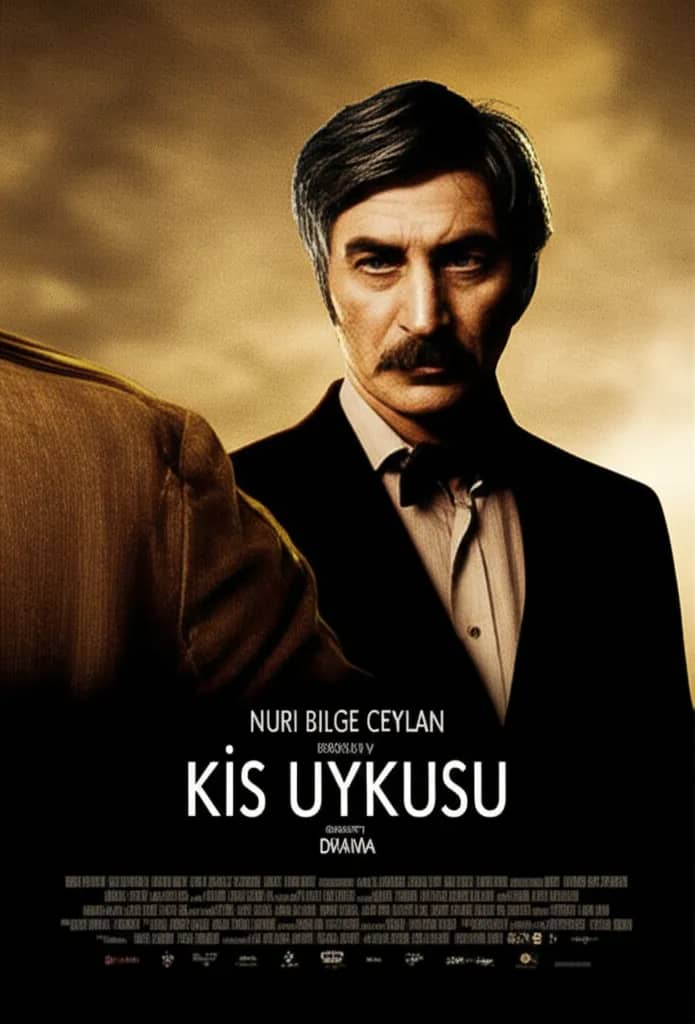
Over three hours of fireside arguments, a husband and wife litigate their marriage like opposing counsel, and Ceylan is every bit as merciless about contempt as Fincher.