If You Liked…
Movies Like The Truman Show
The Truman Show endures because Peter Weir plays an absurd premise completely straight. Truman is never in on the joke, so the comedy keeps curdling into dread: the friendly neighbors, the too-perfect town, the sky with a door in it. Fans come back for two things. One is the idea of a life secretly staged for someone else's benefit. The other is the sight of an ordinary man quietly plotting his way out of a world built to contain him. The films below chase those exact obsessions: performance, surveillance, constructed realities, and hard-won escapes. Fair warning: this list leans arthouse. Next to natural companions like Parasite and Toy Story sit Kiarostami, Kieslowski, and a Yugoslav comedy about spying on the innocent. They belong here more than you might expect.
Loved it? Read more about The Truman Show (1998), including cast, trivia, and its TML Score.
11 Films Worth Your Next Movie Night
- 1

This is Parasite under its Korean title, and the Park household runs on scripted roles and hidden performers just like Seahaven, staged as comedy until the illusion gives way.
- 2

Buzz Lightyear genuinely believes his manufactured world is real. His awakening gets the same mix of comedy and real ache that Weir gives Truman.
- 3

Kieslowski's retired judge listens in on his neighbors like a small-scale Christof, and the film weighs watching, meddling, and engineered fate with surprising tenderness.
- 4
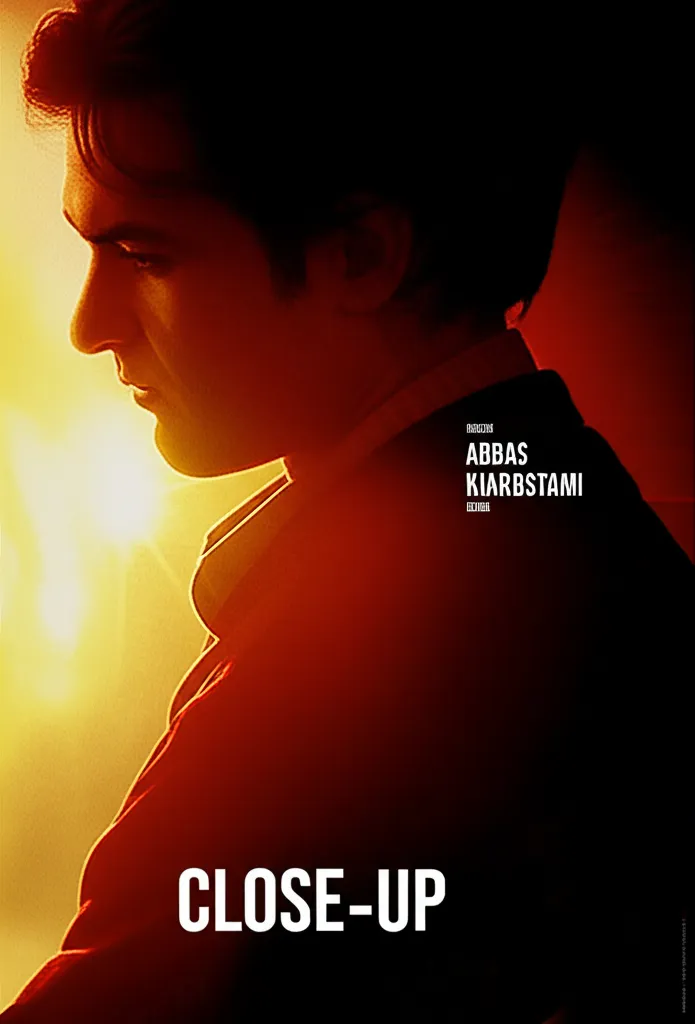
Kiarostami's true story of a man impersonating a filmmaker asks Truman's question from the other side: when a life becomes a performance, where does the person begin?
- 5

The mockumentary that taught audiences to distrust the flattering camera. Its media satire is broader than Weir's, but both films know television lies most when it smiles.
- 6

Takahata's heroine is installed in a lavish life arranged entirely by others, and her longing to escape that gilded script echoes Truman rowing for the horizon.
- 7

A pre-television deep cut: Chaplin's tramp is swallowed by a vast system that treats him as a component, and he resists with Truman's stubborn, cheerful humanity.
- 8

Ofelia flees into a fabricated world rather than out of one, yet del Toro cares about the same thing Weir does: the cost of preferring the comforting fiction.
- 9

A paranoid landlord turns his innocent tenant's daily routine into a one-man surveillance state, and this Yugoslav comedy mines the same dark laughs from being watched around the clock.
- 10
Decades of confinement inside a world designed to feel permanent, ended by a quiet, patient escape plan. Andy's tunnel and Truman's exit door open the same way.
- 11

Save it for the mood after Truman touches the wall. Tarr follows a gentle innocent slowly sensing his orderly town is being steered by unseen hands.