If You Liked…
Movies Like Memento
Memento earns its cult the hard way. Nolan tells a revenge story backwards, so every scene opens with the same handicap Leonard has: no memory of what just happened. The trick would be hollow if the film underneath were not a tight, mean neo-noir about grief and the lies we tell ourselves to keep moving. This list favors that combination. Most picks are modern puzzle thrillers, films that fracture their timelines, hide twists in plain sight, or hand you an unreliable narrator and dare you to trust him. Two older titles, Vertigo and Chinatown, are here as deep cuts, the roots this whole tradition grew from. One honest note: a few reverse-chronology experiments aside, nothing here rebuilds Memento's exact structure. You watch these for the same feeling, not the same blueprint.
Loved it? Read more about Memento (2000), including cast, trivia, and its TML Score.
11 Films Worth Your Next Movie Night
- 1
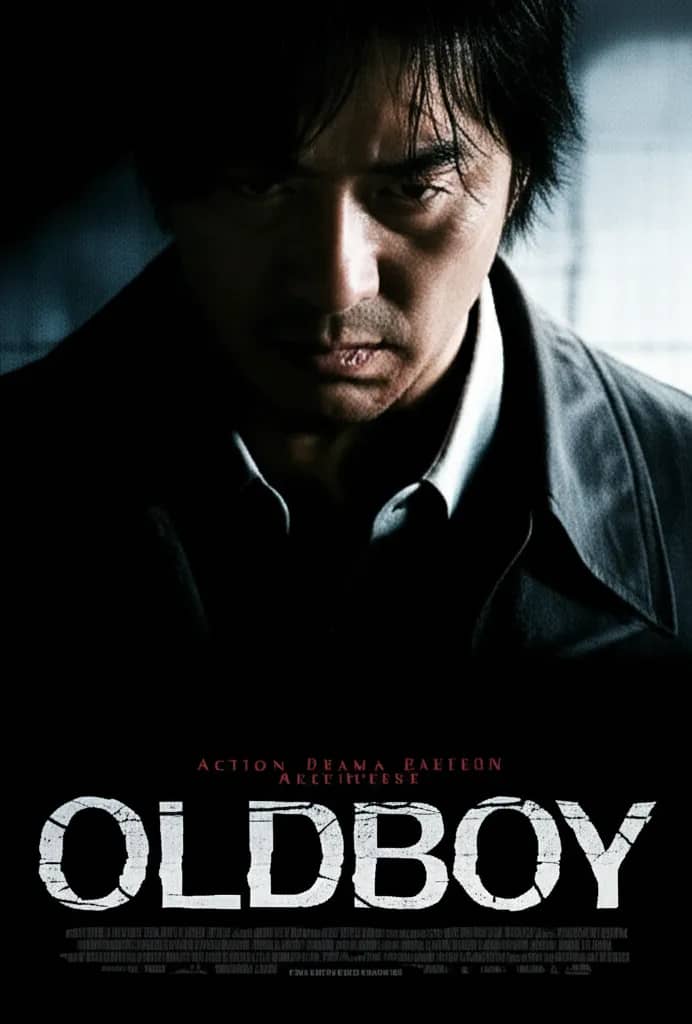
Another man robbed of years hunts whoever engineered his suffering. The revenge is real, the self-knowledge is worse, and the ending punishes him for wanting the truth.
- 2

Hollywood's other great amnesia puzzle from the same era. Lynch scrambles identity instead of chronology and never hands you the answer key.
- 3
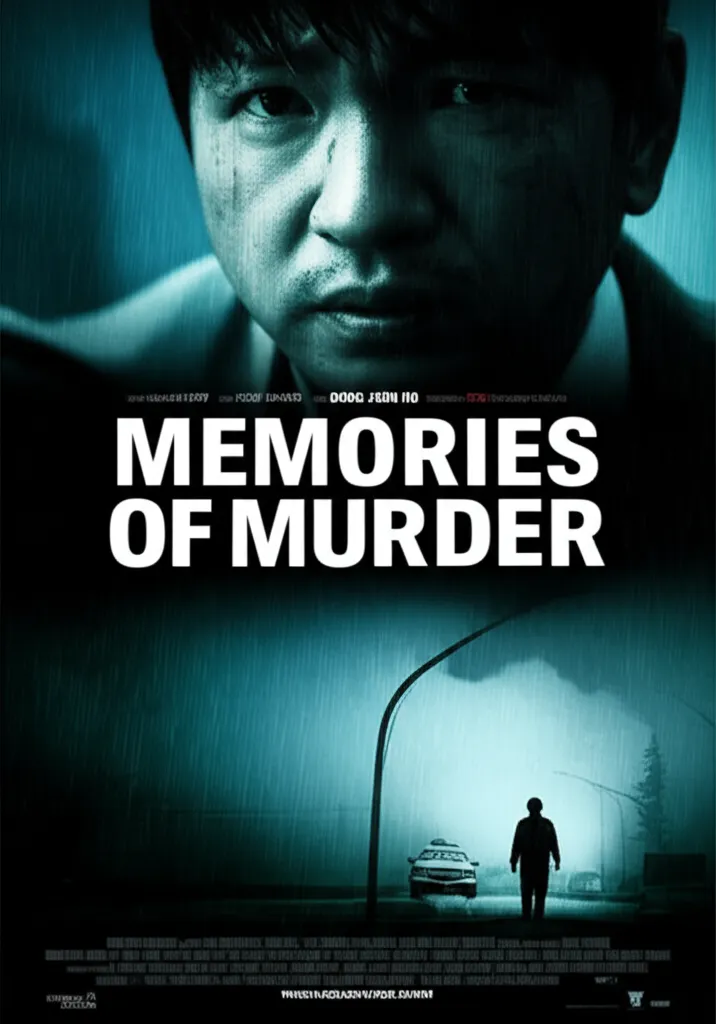
Bong's detectives drown in evidence that refuses to add up. Like Leonard, they need the case solved more than the case needs solving, and certainty never arrives.
- 4
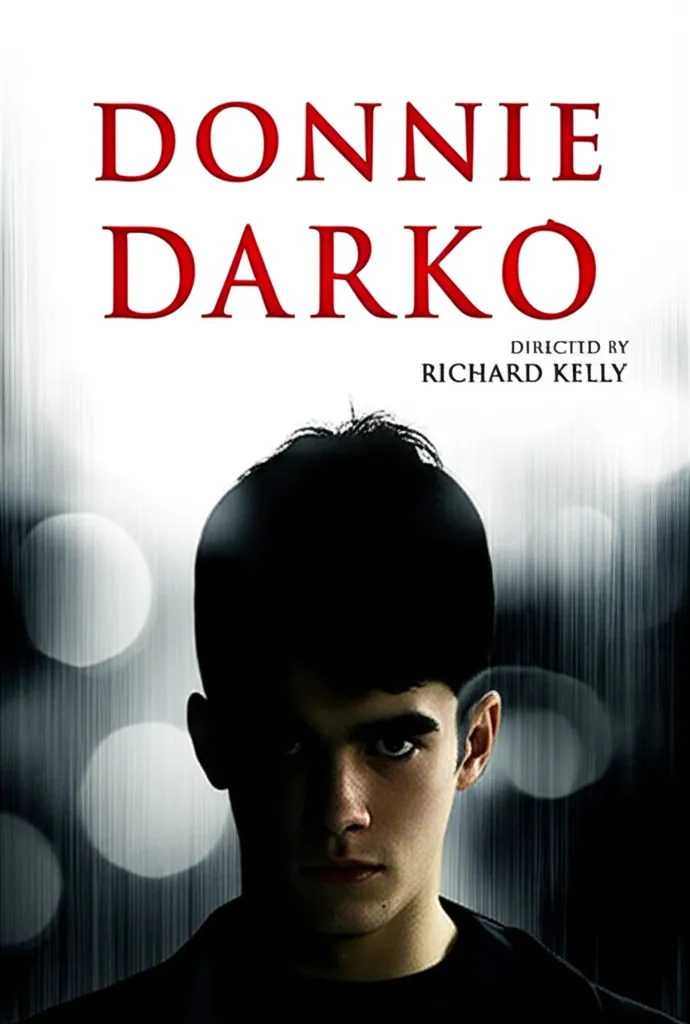
Its midnight-movie twin. One unreliable teenager, a timeline folding back on itself, and an ending you argue about for days.
- 5
 Caché (Hidden)TML 86
Haneke trades amnesia for repression. Surveillance tapes drag a comfortable man back toward a past he edited out, and the film withholds answers even more ruthlessly than Nolan does.
- 6

Guy Pearce, three years before Leonard, in a neo-noir where every cop works from corrupted information and the conspiracy sits closer than anyone guesses.
- 7

Did the well exist? Is Ben a killer? Lee Chang-dong builds an entire thriller on memories nobody can verify, then lets the doubt do the damage.
- 8

A pregnant woman combs Kolkata for a husband nobody remembers meeting. The film weaponizes your assumptions about its own protagonist, which is Memento's favorite trick.
- 9
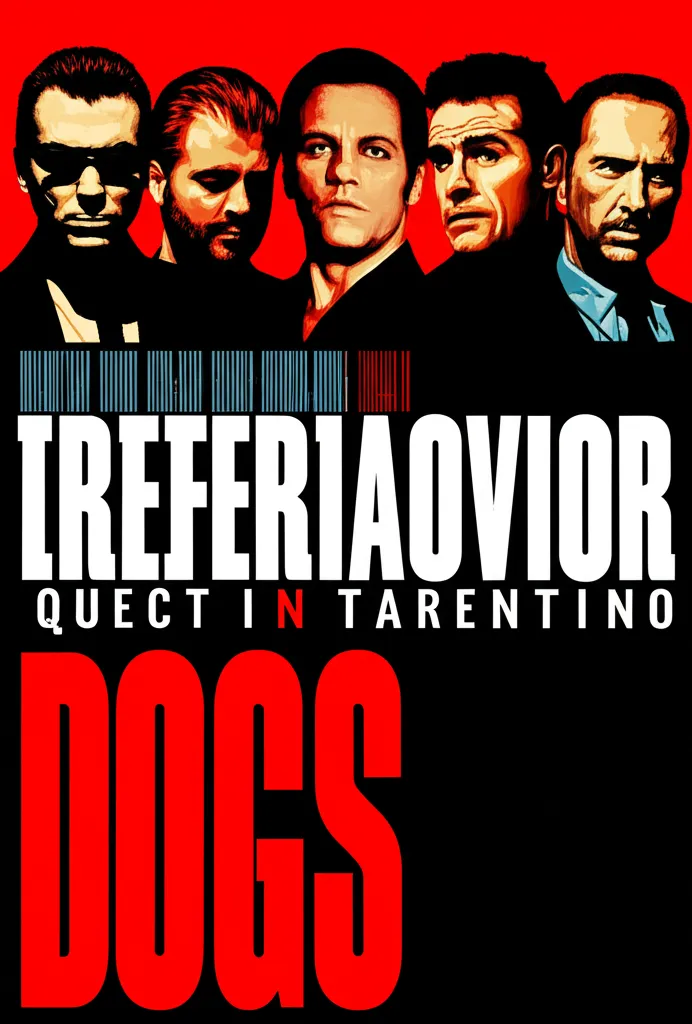
Tarantino shuffles the heist so you learn the betrayal out of order, piecing together who lied from overheard scraps. Nonlinear crime storytelling eight years before Nolan weaponized it.
- 10

The oldest pick and the deepest root: a man rebuilding a dead woman from memory, obsession wearing the mask of grief.
- 11
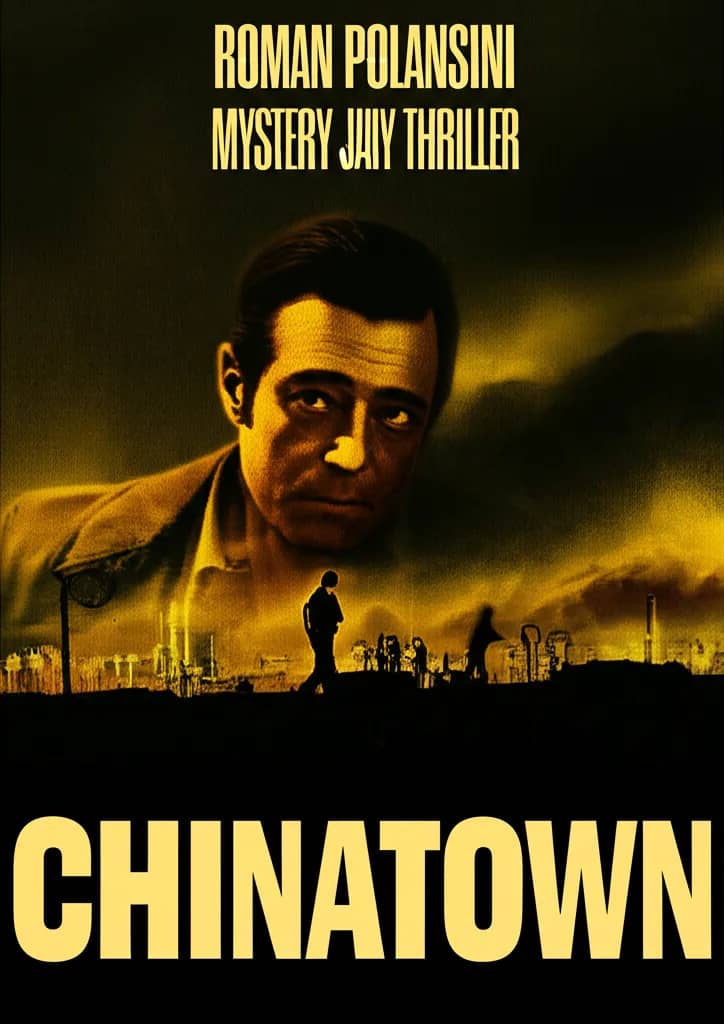
The other deep cut, and the template for Memento's noir fatalism. Gittes investigates his way toward a truth that helps nobody, least of all him.