If You Liked…
Movies Like Inception
Inception plays like a magic trick performed by an engineer. Every impossible thing has a rule, every rule has a price, and underneath the folding cities and the zero-gravity hallway fight sits a man who cannot forgive himself. That double nature makes it a hard act to follow: you want another puzzle that respects your attention, and you want the puzzle to hurt. Christopher Nolan spent his career before and after 2010 circling exactly these obsessions, so the first stretch below stays with him, from a backward-running murder mystery to a heist inverted in time. After that the search widens to hypnotists, long cons, spirit worlds with binding rules, and one very punctual DeLorean. The deep cut at the end is where all of it started.
Loved it? Read more about Inception (2010), including cast, trivia, and its TML Score.
12 Films Worth Your Next Movie Night
- 1
Watch this first. Leonard's backward-told revenge story is where Nolan learned that structure can be the mystery, and that grief rigs the game.
- 2
Two magicians destroy each other over a trick, and the film is built like one. If the ending of Inception felt like a reveal, this is the whole act.
- 3
One hour on Miller's planet costs seven years on the ship. Time is terrain again, and a daughter waits at the bottom of the layers.
- 4
Gotham under siege gave Nolan room to perfect the multi-strand climax he later ran across four dream levels at once.
- 5
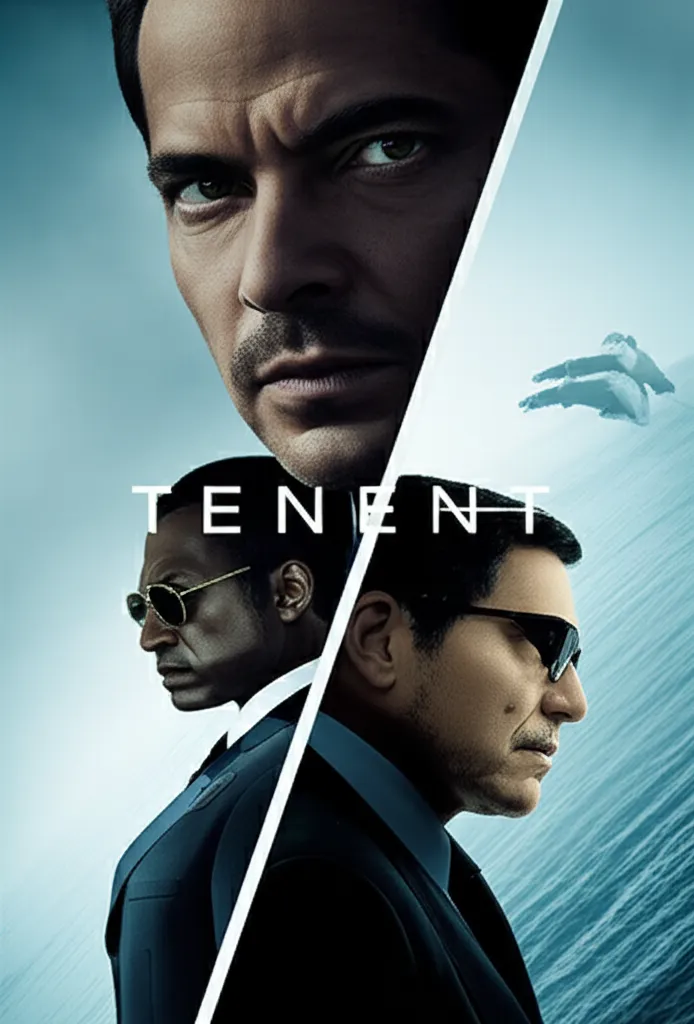
This is the dream-heist grammar pushed to its limit: a raid moving forward and backward through the same ten minutes of time.
- 6
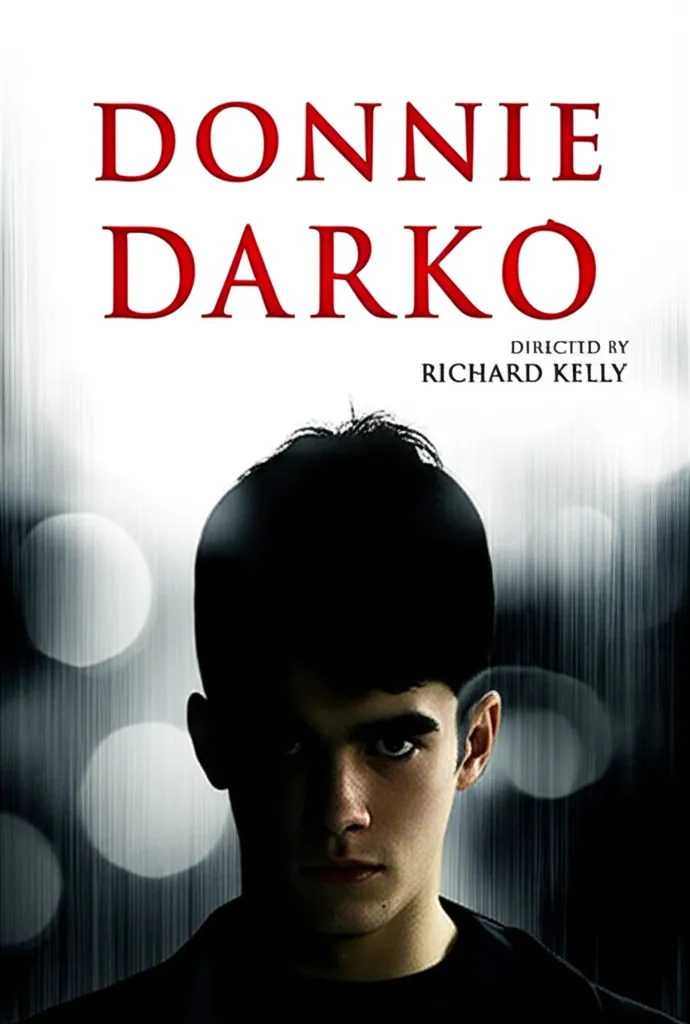
A dying teenager receives the rules of a tangent universe from a man in a rabbit suit. Twenty-five years of fan diagrams later, people still fight about the ending.
- 7

Park Chan-wook locks a man in a room for fifteen years, then reveals the ordeal was authored, staged inside his memory by someone with a grudge and a hypnotist.
- 8

A long con narrated three times from three vantage points. Each pass rewrites the last. By the finale you have descended as many levels as any dream team.
- 9
Forget your name in Miyazaki's spirit world and you stay there forever. Chihiro runs an extraction on herself.
- 10
Pixar draws the mind as literal architecture: memory vaults, a guarded subconscious, even a dream production studio, all run by rules the film never cheats.
- 11
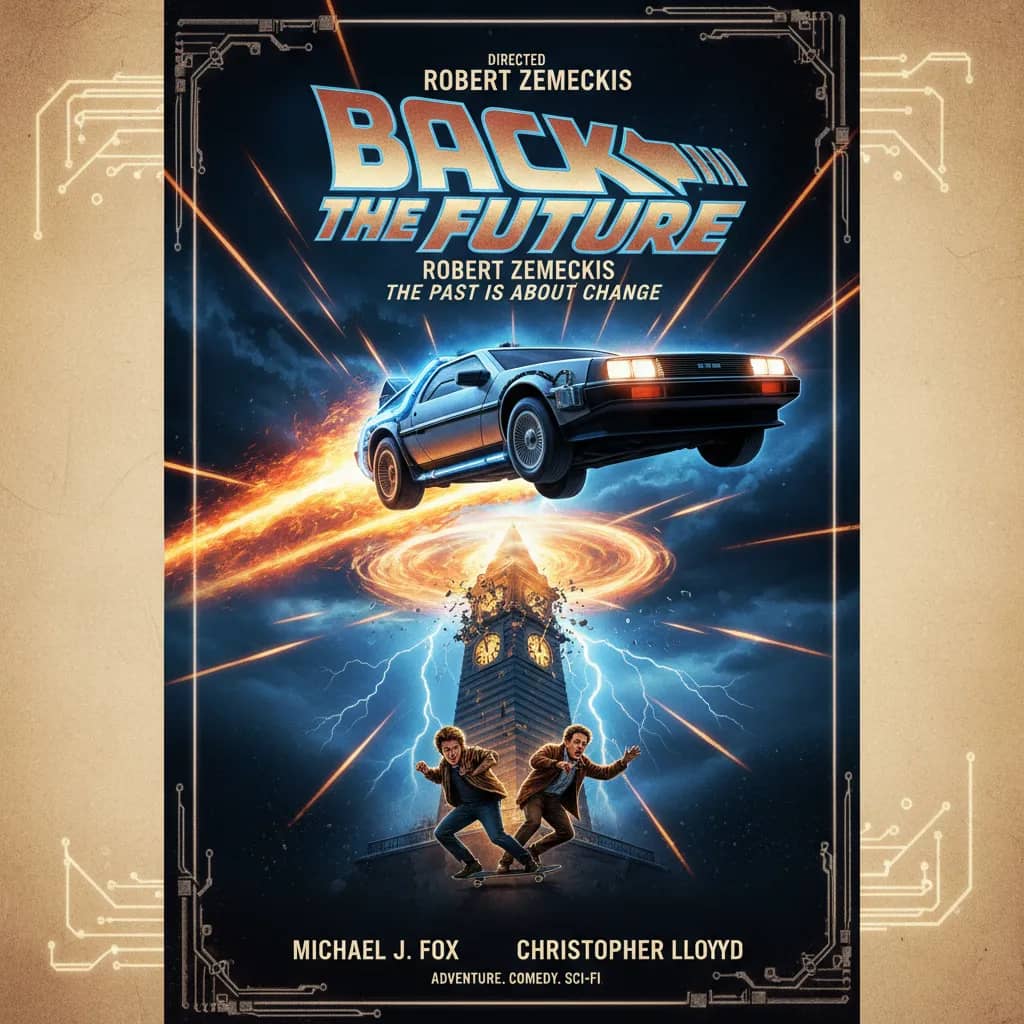
Cause and effect played for joy instead of dread. Every rule of the DeLorean is established early and paid off to the minute at the clock tower.
- 12
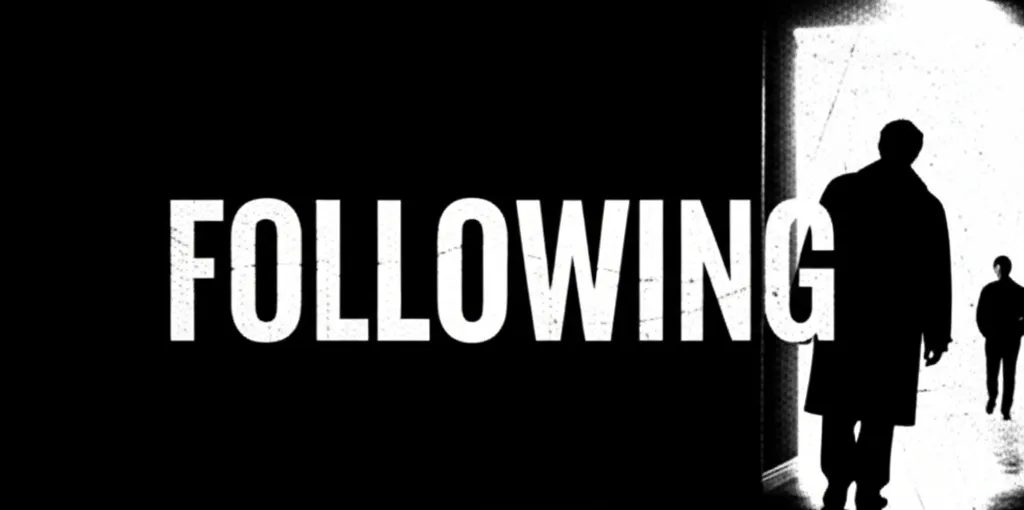
Nolan's scrappy debut, shot on weekends for six thousand dollars, already shuffles its timeline and ends on a con inside a con. The obsessions arrived fully formed.