Discover the visionary filmmakers behind cinema's greatest works.
Explore our selection of acclaimed directors and their remarkable films.
Showing 757-768 out of 4148

Craig R. Baxley is a highly accomplished film and television director known for his work in action, comedy, and crime genres. With a career spanning over three decades, Baxley has left an indelible mark on the industry with his distinctive directorial style and impactful storytelling. His notable film "Action Jackson" (1988) exemplifies his flair for creating high-octane, adrenaline-pumping action sequences while infusing elements of comedy and crime, cementing his reputation as a versatile and dynamic filmmaker. Baxley's directorial style is characterized by his adeptness in crafting intense and exhilarating action sequences, often punctuated with a touch of humor and wit. His keen eye for choreographing elaborate stunts and fight scenes has earned him acclaim among action aficionados, showcasing his ability to keep audiences on the edge of their seats. "Action Jackson" stands as a testament to Baxley's mastery in orchestrating kinetic and visually captivating action set pieces, setting a high standard for the genre. Throughout his career, Baxley has demonstrated a penchant for exploring themes of justice, heroism, and the dynamics of power within the context of crime-riddled narratives. His films often delve into the complexities of morality and the triumph of good over evil, resonating with audiences through compelling storytelling and engaging character dynamics. Baxley's directorial prowess lies in his ability to infuse his projects with a sense of urgency and excitement, creating an immersive experience for viewers that transcends the screen. Baxley's impact on cinema is evident in his ability to consistently deliver films that captivate and entertain audiences, leaving a lasting impression on the action, comedy, and crime genres. His contributions have helped shape the landscape of action cinema, influencing subsequent filmmakers and leaving an enduring legacy within the industry. With an impressive body of work that continues to resonate with audiences, Craig R. Baxley remains a revered figure in the realm of action filmmaking, showcasing his prowess as a director with an unparalleled vision and an unwavering commitment to delivering cinematic excellence.

Craig Rosenberg is a versatile film director known for his captivating storytelling and masterful blend of drama, horror, and mystery elements. His notable work includes the 2006 film "Half Light," a gripping psychological thriller that showcases his adeptness at creating atmospheric tension and delivering spine-tingling narratives. With a keen eye for detail and a penchant for exploring the depths of human psyche, Rosenberg's directorial style is characterized by a seamless fusion of suspense, emotion, and compelling character development. In "Half Light," Rosenberg demonstrates his ability to immerse audiences in a hauntingly beautiful world, where the line between reality and the supernatural is blurred. His meticulous attention to visual aesthetics and evocative cinematography elevates the film, creating an immersive experience for viewers. Through his distinct directorial approach, Rosenberg crafts a narrative that lingers in the minds of audiences long after the credits roll, solidifying his reputation as a director with a penchant for crafting unforgettable cinematic experiences. Rosenberg's filmography may be limited, but his impact on the genre is undeniable. With "Half Light," he has left an indelible mark on the world of psychological thrillers, showcasing his ability to navigate the complexities of human emotions and fears with finesse. His recurring themes often revolve around the exploration of the unknown, the fragility of the human psyche, and the interplay between light and darkness, all of which contribute to the rich tapestry of his directorial vision. In the realm of cinema, Craig Rosenberg's directorial contributions have resonated with audiences and critics alike, earning him a place among the trailblazers in the genre of suspenseful storytelling. As he continues to shape his directorial legacy, audiences eagerly anticipate the next chapter in his career, eager to immerse themselves in his signature blend of drama, horror, and mystery. With an unwavering commitment to pushing the boundaries of storytelling, Craig Rosenberg remains a director to watch, poised to leave an indelible imprint on the cinematic landscape.

Craig Zisk is a versatile director known for his work in both television and film. With a career spanning several decades, Zisk has made a significant impact on the entertainment industry. His notable filmography includes "The English Teacher" (2013), a comedy-drama that showcases Zisk's ability to blend humor and heartfelt storytelling. Zisk's directorial style is characterized by his keen eye for capturing authentic human emotions and relationships on screen. In "The English Teacher," Zisk demonstrates his adeptness at balancing comedic moments with poignant dramatic scenes. The film's narrative explores the complexities of a high school English teacher's life as she becomes involved in the aspirations of a former student. Zisk's direction infuses the story with warmth and wit, creating a compelling cinematic experience that resonates with audiences. Throughout his career, Zisk has exhibited a penchant for delving into themes of personal growth, redemption, and the intricacies of human connection. His films often center around relatable characters navigating life's challenges, and he excels in bringing their emotional journeys to life on screen. Zisk's ability to elicit authentic performances from his actors and craft engaging narratives has solidified his reputation as a director with a distinctive storytelling voice. Zisk's impact on cinema lies in his ability to infuse his projects with a sense of sincerity and relatability, making his films accessible and appealing to a wide audience. His work serves as a testament to the enduring power of storytelling in capturing the human experience. As Zisk continues to contribute to the world of film and television, audiences can look forward to more captivating and emotionally resonant stories from this accomplished director.

Craig Zobel is a talented film director known for his unique storytelling style and thought-provoking themes. With a career that spans over a decade, Zobel has made a significant impact on the film industry, garnering critical acclaim and recognition for his distinctive directorial approach. His notable films include "Compliance" (2012) and "Z for Zachariah" (2015), both of which showcase his ability to delve into complex human psychology and societal issues. Zobel's directorial style is characterized by a meticulous attention to detail and a penchant for exploring challenging and controversial subject matter. In "Compliance," he delves into the disturbing true story of a prank caller who manipulated a fast-food restaurant manager into committing unthinkable acts. The film's intense and unsettling portrayal of human behavior earned Zobel widespread acclaim and solidified his reputation as a director unafraid to confront uncomfortable truths. "Z for Zachariah" further demonstrates Zobel's versatility as a director, as he expertly navigates the complexities of human relationships in a post-apocalyptic world. The film's exploration of love, isolation, and survival against the backdrop of a devastated world showcases Zobel's ability to infuse drama with thought-provoking themes and emotional depth. Throughout his career, Zobel has consistently tackled themes of power dynamics, morality, and the human condition, captivating audiences with his thought-provoking narratives and compelling character studies. His ability to craft immersive storytelling experiences and provoke meaningful discussions sets him apart as a visionary director with a distinct voice in contemporary cinema. In conclusion, Craig Zobel's directorial career is marked by a commitment to pushing boundaries and challenging audiences to confront uncomfortable truths. His impactful contributions to cinema have cemented his status as a director with a unique vision and an unwavering dedication to thought-provoking storytelling. As he continues to captivate audiences with his compelling narratives, Zobel's influence on the film industry is sure to endure for years to come. Keywords: Craig Zobel, film director, Compliance, Z for Zachariah, directorial style, thought-provoking themes, human psychology, societal issues, controversial subject matter, power dynamics, morality, character studies, contemporary cinema

Crispian Mills is a British film director known for his unique blend of genres and offbeat storytelling. His directorial debut, "A Fantastic Fear of Everything" (2012), showcases his talent for combining comedy and horror in a truly original way. The film follows a paranoid children's author played by Simon Pegg, whose fear of being murdered leads him into a series of darkly humorous and surreal situations. Mills' mastery of tone and visual style in this film established him as a director with a distinct and unconventional vision. In 2018, Mills continued to demonstrate his directorial versatility with "Slaughterhouse Rulez," a darkly comedic action-fantasy set in a British boarding school. The film features a stellar ensemble cast, including Simon Pegg and Nick Frost, and centers on the chaos that ensues when a mysterious sinkhole unleashes horrors on the school grounds. Mills' ability to infuse elements of satire, horror, and fantasy into a cohesive narrative highlights his adeptness at pushing genre boundaries and defying cinematic conventions. Mills' directorial style is characterized by a penchant for blending genres, juxtaposing dark humor with elements of horror and fantasy. His films often feature eccentric characters navigating surreal and unsettling scenarios, creating an atmosphere that is both whimsical and eerie. Additionally, his keen eye for visual storytelling and knack for subverting audience expectations contribute to the distinctiveness of his directorial approach. Notable themes in Mills' work include exploring the absurdity of fear, the juxtaposition of the mundane with the extraordinary, and the underlying darkness that lurks beneath seemingly ordinary settings. His films offer a fresh and idiosyncratic perspective on storytelling, challenging audiences to embrace the unexpected and embrace the absurd. Mills' impact on cinema lies in his ability to defy genre conventions and infuse his films with a distinct sense of dark humor and visual flair. His directorial contributions have expanded the possibilities of blending comedy, horror, and fantasy, carving out a niche for himself as a director unafraid to challenge traditional storytelling boundaries. As audiences continue to seek out innovative and unconventional narratives, Crispian Mills stands out as a director whose work offers a refreshing departure from the norm.

Cristian Mungiu is a Romanian film director known for his compelling storytelling and meticulous attention to detail. With a career spanning over two decades, Mungiu has made a significant impact on world cinema, earning numerous accolades and critical acclaim for his thought-provoking films. His directorial style is characterized by long, immersive takes, naturalistic performances, and an unflinching exploration of moral and ethical dilemmas. One of Mungiu's most notable films is "4 luni, 3 saptamâni si 2 zile" (2007), which garnered international attention and won the Palme d'Or at the Cannes Film Festival. Set in 1980s Romania, the film follows the harrowing journey of two college students seeking an illegal abortion during the oppressive Ceausescu regime. Mungiu's unrelenting portrayal of the characters' struggles and the harsh realities of the era showcased his ability to tackle sensitive social and political issues with raw authenticity. In "Beyond the Hills" (2012), Mungiu delves into the complexities of faith, friendship, and institutional oppression. Based on true events, the film explores the tragic consequences of a young woman's exorcism in a remote Orthodox convent. Mungiu's nuanced direction and the emotionally charged performances of the cast highlight his skill in creating an atmosphere of tension and psychological depth. Mungiu's "Graduation" (2016) further solidified his reputation as a masterful storyteller. The film centers on a father's moral dilemma as he navigates corruption and compromise in a small Romanian town to secure his daughter's future. Mungiu's adept handling of moral ambiguity and the intricacies of interpersonal relationships underscores his ability to engage audiences on a profound and emotional level. Overall, Cristian Mungiu's body of work reflects a commitment to exploring the human condition with unwavering honesty and empathy. His films often confront societal injustices, personal ethics, and the consequences of difficult choices. Mungiu's unique vision and contributions to cinema have firmly established him as a leading figure in the world of contemporary filmmaking, earning him a place among the most influential directors of his generation.

Cristina Gallego is a Colombian film director who has made a significant impact on the cinematic landscape with her compelling storytelling and unique directorial style. Gallego's directorial debut came with the 2018 crime drama film "Birds of Passage," which garnered widespread acclaim for its visually stunning portrayal of the Colombian drug trade and its impact on indigenous communities. The film's intricate narrative and striking visuals showcase Gallego's ability to blend realism with a touch of the surreal, creating a truly immersive cinematic experience. Gallego's directorial style is characterized by her keen attention to detail, evocative imagery, and a deep understanding of the cultural and social dynamics at play in her stories. Through her work, she sheds light on the complexities of Colombian society, delving into themes of tradition, identity, and the clash between modernity and tradition. Her films often feature richly layered characters and explore the human condition amidst the backdrop of larger societal forces, making them both thought-provoking and visually captivating. "Birds of Passage" stands as a testament to Gallego's ability to weave together a gripping narrative while offering a fresh perspective on familiar themes. The film's success has solidified Gallego's position as a visionary director with a distinct voice in the world of cinema. Her work has not only garnered critical acclaim but has also contributed to the broader conversation about representation and diversity in film, showcasing the power of storytelling to bridge cultural divides and foster greater understanding. Gallego's impact on cinema extends beyond her individual films, as she has become a trailblazer for female directors in the industry. By breaking new ground and challenging traditional narratives, she has inspired a new generation of filmmakers to push boundaries and explore untold stories. As she continues to shape the cinematic landscape with her distinctive vision and storytelling prowess, Gallego remains a driving force in the world of international cinema, leaving an indelible mark on the art form and paving the way for future storytellers to follow in her footsteps.

Cristi Puiu is a Romanian director known for his thought-provoking and deeply immersive films. He made a significant impact on world cinema with his directorial debut, "The Death of Mr. Lazarescu" (2005), which garnered critical acclaim and established him as a leading figure in the Romanian New Wave movement. Puiu's directorial style is characterized by long takes, naturalistic performances, and a focus on the complexity of human relationships and societal issues. "The Death of Mr. Lazarescu" is a masterful blend of comedy and drama that follows the titular character's journey through the Romanian healthcare system. Puiu's meticulous attention to detail and unflinching portrayal of the bureaucratic challenges faced by the protagonist earned the film widespread recognition, including the Un Certain Regard award at the Cannes Film Festival. The movie's raw, unfiltered portrayal of the human condition and the healthcare system's shortcomings solidified Puiu's reputation as a director unafraid to tackle challenging subject matter. Puiu's body of work often explores existential themes, societal norms, and the human experience, reflecting his keen observation of the world around him. His films resonate with audiences through their authentic storytelling and compelling characters. Puiu's impact on cinema extends beyond his directorial achievements; he has also inspired a new generation of filmmakers with his innovative approach to storytelling and his ability to capture the complexities of everyday life on screen. In conclusion, Cristi Puiu has made a lasting impression on the global film landscape with his unique directorial vision and uncompromising storytelling. His contributions to cinema, particularly through "The Death of Mr. Lazarescu," have solidified his status as a visionary director whose work continues to inspire and provoke audiences. Puiu's commitment to authenticity and his exploration of the human condition have left an indelible mark on the world of cinema, making him a revered figure in the industry.

Curtis Hanson was an accomplished film director known for his diverse range of work and his ability to tackle various genres with finesse. His directorial style was characterized by his keen attention to character development and his ability to seamlessly blend drama, suspense, and emotion. Hanson's career spanned several decades, and he left an indelible mark on the cinematic landscape with a string of memorable films. One of Hanson's most notable works is "L.A. Confidential" (1997), a gripping crime drama set in 1950s Los Angeles. The film, which garnered critical acclaim and commercial success, showcased Hanson's talent for crafting intricate narratives and eliciting powerful performances from his cast. "Wonder Boys" (2000) further solidified Hanson's reputation as a skilled director, as he expertly brought to life the complexities of the literary world and the struggles of creative minds. Hanson's filmography also includes "The Hand That Rocks the Cradle" (1992), a taut thriller that highlighted his ability to create palpable tension and suspense on screen. In "The River Wild" (1994), Hanson delved into the adventure genre, displaying his versatility as a director by delivering a high-octane and riveting cinematic experience. Throughout his career, Hanson demonstrated a knack for delving into the human condition and exploring the intricacies of relationships and personal growth. His films often delved into themes of ambition, betrayal, and the complexities of human nature, resonating with audiences on a profound level. Curtis Hanson's impact on cinema is undeniable, as his body of work continues to inspire and captivate audiences. His legacy as a director who fearlessly traversed different genres and brought compelling stories to life cements his status as a visionary filmmaker whose contributions to the art of storytelling will endure for generations to come.

Cy Endfield was a pioneering director whose career spanned several decades and left an indelible mark on the world of cinema. Endfield's most renowned work is undoubtedly the 1964 epic war film "Zulu." Set during the Anglo-Zulu War in 1879, the movie masterfully depicts the Battle of Rorke's Drift, offering a gripping portrayal of bravery and conflict. "Zulu" remains a timeless classic, renowned for its riveting storytelling, stellar performances, and breathtaking cinematography. Endfield's directorial style in "Zulu" showcased his ability to capture intense battle sequences and human drama with equal finesse, cementing his reputation as a visionary filmmaker. Endfield's directorial career was characterized by a commitment to exploring complex themes and pushing the boundaries of storytelling. His films often delved into historical events and societal issues, demonstrating a keen understanding of human nature and the intricacies of interpersonal relationships. Endfield's cinematic vision was marked by a meticulous attention to detail, ensuring that each frame resonated with depth and authenticity. His directorial prowess extended beyond the confines of the screen, as he skillfully imbued his works with thought-provoking narratives that continue to captivate audiences to this day. In addition to "Zulu," Endfield's filmography boasts a diverse array of projects that showcase his versatility as a director. From gripping dramas to thought-provoking historical narratives, his body of work remains a testament to his enduring impact on the film industry. Endfield's recurring themes often revolved around courage, honor, and the human spirit in the face of adversity, reflecting his unwavering commitment to storytelling that resonates on a profound level. Cy Endfield's contributions to cinema have left an indelible legacy, inspiring generations of filmmakers and captivating audiences with his unparalleled storytelling prowess. His directorial achievements continue to stand as a testament to his enduring influence, firmly establishing him as a trailblazer in the realm of filmmaking. The impact of Endfield's visionary approach to storytelling reverberates through the annals of cinematic history, solidifying his status as a true auteur whose work continues to shape and enrich the cinematic landscape.


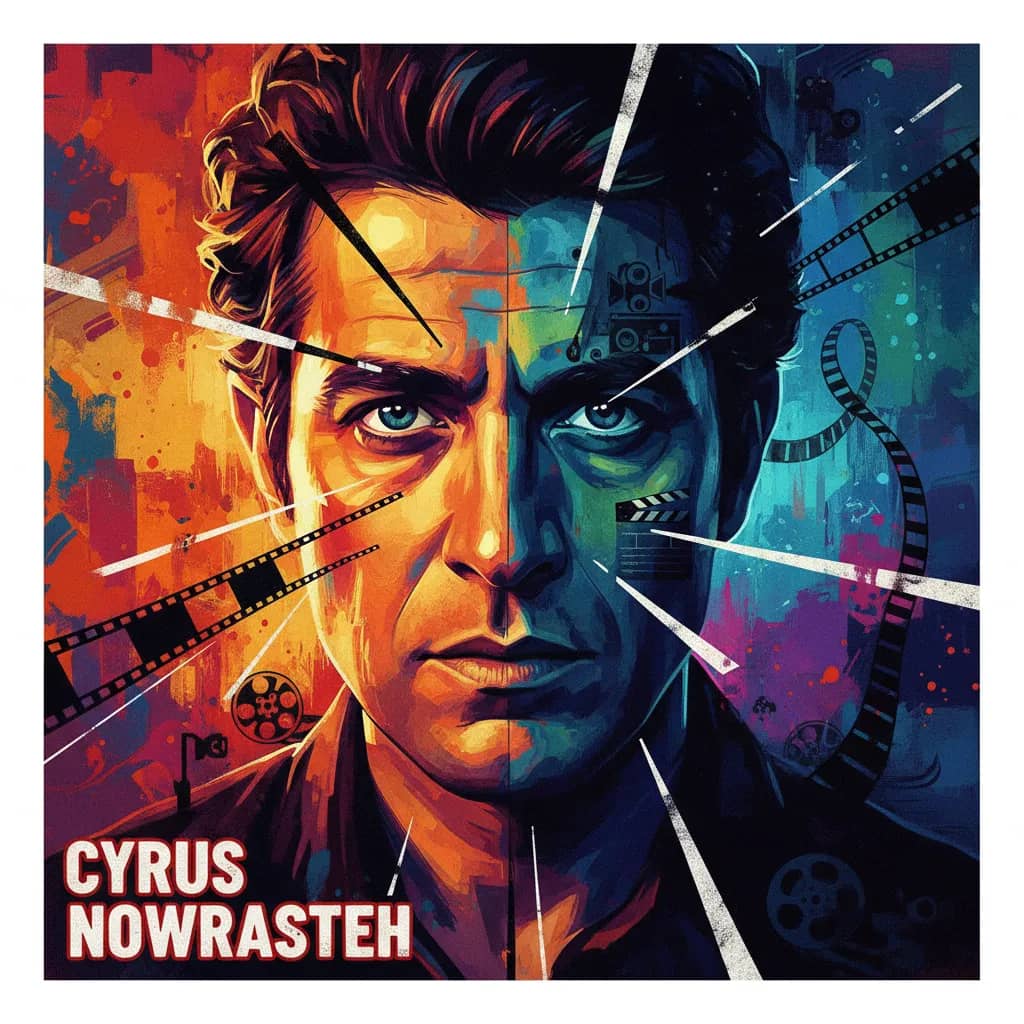
Cyrus Nowrasteh is an accomplished film director known for his thought-provoking and emotionally charged storytelling. With a career spanning over four decades, Nowrasteh has made a significant impact on cinema with his unique directorial style and compelling narratives. His notable film, "The Stoning of Soraya M." (2008), stands as a testament to his ability to tackle controversial and socially relevant subject matter with raw honesty and authenticity. Nowrasteh's directorial style is characterized by an unwavering commitment to depicting human experiences with unflinching realism. His films often delve into the depths of human emotion, shining a light on the complexities of the human condition. Nowrasteh's meticulous attention to detail and his ability to draw raw, powerful performances from his actors have earned him widespread acclaim. "The Stoning of Soraya M." remains one of Nowrasteh's most impactful works, a gripping drama that sheds light on the brutal practice of stoning and the oppression of women in Iran. The film's unapologetic exploration of difficult subject matter and its unflinching portrayal of the human toll of injustice solidified Nowrasteh's reputation as a director unafraid to confront societal taboos. Nowrasteh's body of work often explores themes of injustice, resilience, and the indomitable human spirit. His films serve as a poignant reminder of the power of storytelling to provoke thought and inspire change. Nowrasteh's contributions to cinema have left an indelible mark, challenging audiences to confront uncomfortable truths and sparking important conversations about social issues. In conclusion, Cyrus Nowrasteh's directorial career is characterized by a fearless commitment to storytelling that challenges the status quo and amplifies the voices of the marginalized. His films serve as a testament to the power of cinema to provoke empathy and understanding. Nowrasteh's enduring impact on cinema lies in his ability to fearlessly tackle contentious subject matter while infusing his narratives with profound humanity and emotional depth.

Daisuke Nishio is a highly respected Japanese film director known for his remarkable contributions to the world of animation. With a career spanning over several decades, Nishio's directorial style is characterized by his ability to infuse rich storytelling with captivating visuals, capturing the imagination of audiences worldwide. His notable film "Interstella 5555: The 5tory of the 5ecret 5tar 5ystem" (2003) stands as a testament to his directorial prowess, combining the genres of animation, adventure, and music to create a truly immersive cinematic experience. Nishio's directorial style is marked by a seamless blend of traditional animation techniques with cutting-edge technology, resulting in visually stunning and emotionally compelling narratives. His meticulous attention to detail and innovative approach to storytelling have earned him a dedicated following of fans and critics alike. "Interstella 5555" serves as a prime example of Nishio's ability to harness the power of music and visuals to convey a compelling story, cementing his reputation as a visionary director with a keen understanding of the symbiotic relationship between sound and image. Throughout his career, Nishio has demonstrated a penchant for exploring themes of identity, friendship, and the human experience, often through the lens of fantastical and otherworldly narratives. His ability to imbue his films with emotional depth while maintaining a sense of wonder and adventure has solidified his status as a director capable of resonating with audiences of all ages. Nishio's impact on cinema extends beyond the boundaries of his native Japan, as his work continues to inspire and influence filmmakers and animators around the globe. In conclusion, Daisuke Nishio's directorial career is a testament to his unwavering dedication to pushing the boundaries of visual storytelling and creating immersive cinematic experiences that transcend cultural and linguistic barriers. His unique vision and innovative approach to animation have left an indelible mark on the world of cinema, making him a revered figure in the realm of animation and a director whose work will undoubtedly continue to captivate and inspire audiences for years to come.
Every film by the greats, ranked by our TML Score.

Christopher Nolan
Every film, ranked

Quentin Tarantino
Every film, ranked

Stanley Kubrick
Every film, ranked

Martin Scorsese
Every film, ranked

Steven Spielberg
Every film, ranked

Alfred Hitchcock
Every film, ranked

David Fincher
Every film, ranked

Denis Villeneuve
Every film, ranked

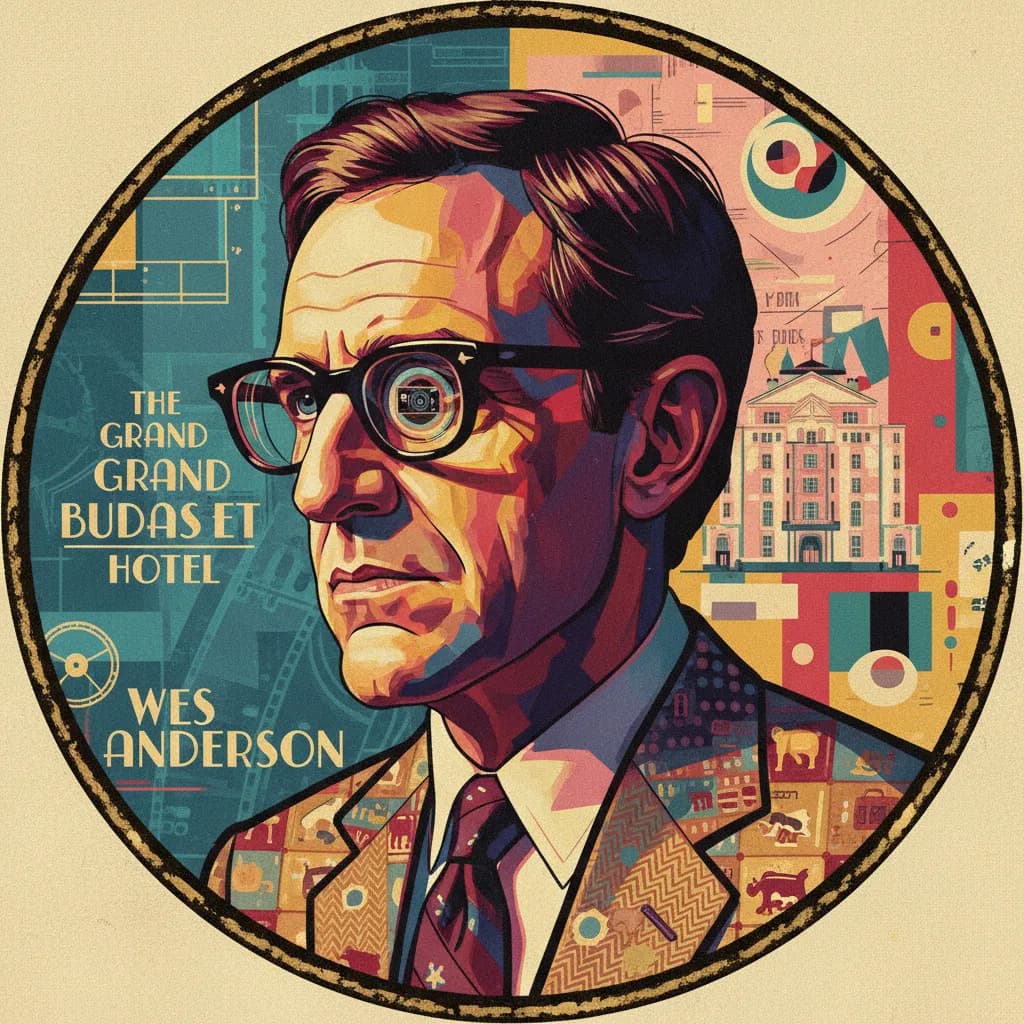
Wes Anderson
Every film, ranked

Paul Thomas Anderson
Every film, ranked

Ridley Scott
Every film, ranked

Tim Burton
Every film, ranked

Guillermo del Toro
Every film, ranked

Hayao Miyazaki
Every film, ranked

Akira Kurosawa
Every film, ranked

Francis Ford Coppola
Every film, ranked

Clint Eastwood
Every film, ranked

Bong Joon Ho
Every film, ranked

Woody Allen
Every film, ranked

Steven Soderbergh
Every film, ranked

Ron Howard
Every film, ranked

Pedro Almodóvar
Every film, ranked

Richard Linklater
Every film, ranked

Roman Polanski
Every film, ranked

Brian De Palma
Every film, ranked

Ingmar Bergman
Every film, ranked

Oliver Stone
Every film, ranked

David Cronenberg
Every film, ranked

Robert Zemeckis
Every film, ranked

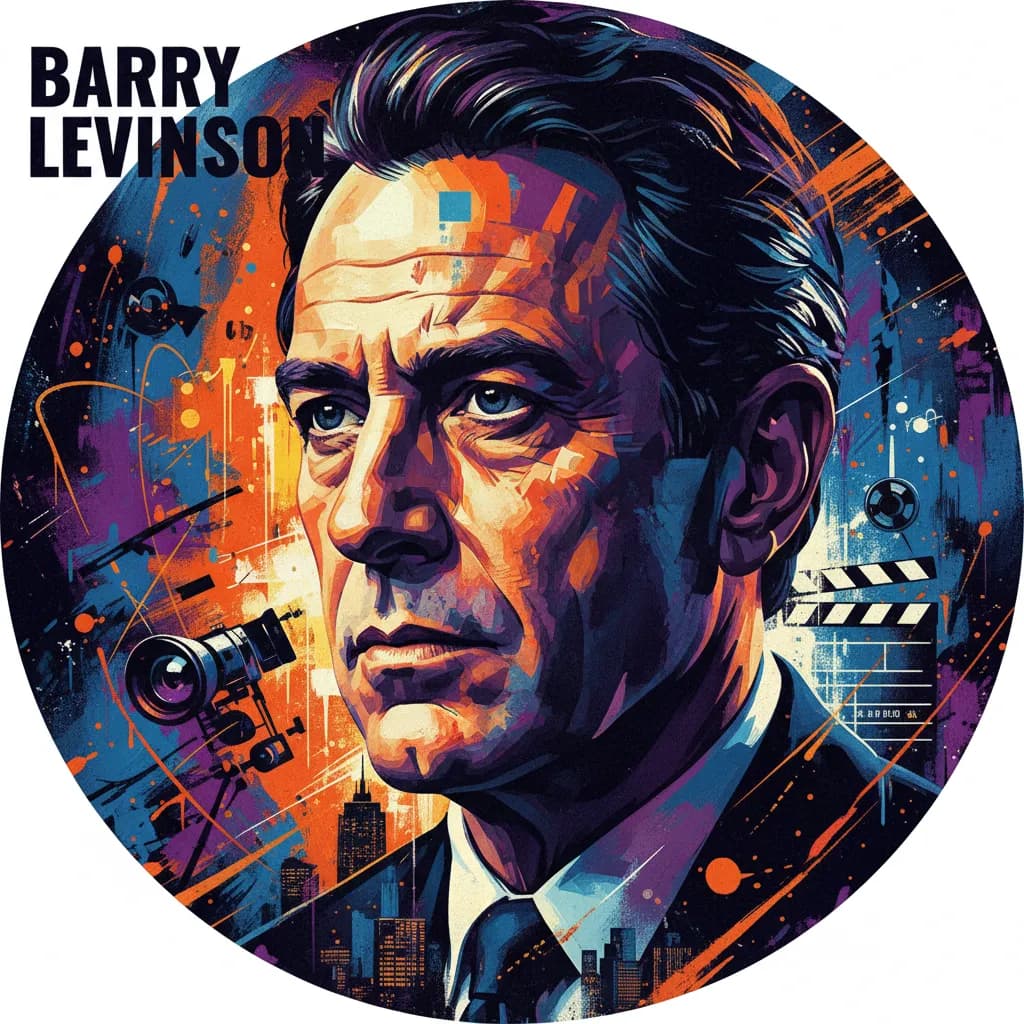
Barry Levinson
Every film, ranked

John Carpenter
Every film, ranked

Joel Schumacher
Every film, ranked

Billy Wilder
Every film, ranked

Rob Reiner
Every film, ranked

Neil Jordan
Every film, ranked

Spike Lee
Every film, ranked

Ivan Reitman
Every film, ranked

John Woo
Every film, ranked

Lasse Hallström
Every film, ranked

Stephen Frears
Every film, ranked

Luc Besson
Every film, ranked

Chris Columbus
Every film, ranked

Mike Nichols
Every film, ranked

Howard Hawks
Every film, ranked

Ang Lee
Every film, ranked

Walter Hill
Every film, ranked

Gus Van Sant
Every film, ranked

William Wyler
Every film, ranked

Renny Harlin
Every film, ranked

Sidney Lumet
Every film, ranked

Tony Scott
Every film, ranked