Discover the visionary filmmakers behind cinema's greatest works.
Explore our selection of acclaimed directors and their remarkable films.
Showing 721-732 out of 4148

Clay Tarver is an accomplished film director known for his work in the adventure and comedy genres. His most notable film to date is "Vacation Friends" (2021), which showcases his distinct directorial style and comedic sensibilities. Tarver's directorial approach is characterized by a keen understanding of comedic timing, clever storytelling, and the ability to infuse his films with both humor and heart. In "Vacation Friends," Tarver demonstrates his skill in crafting entertaining and engaging narratives, as well as his ability to elicit standout performances from his cast. The film's success solidifies Tarver's position as a director with a unique vision and a knack for creating memorable cinematic experiences. His work often explores themes of friendship, adventure, and the humorous complexities of human relationships, resonating with audiences on a universal level. With "Vacation Friends," Tarver has made a significant impact on the comedy genre, injecting it with fresh energy and originality. His ability to blend humor with genuine emotion sets his work apart, making him a sought-after director in the industry. Tarver's filmography reflects a dedication to delivering entertaining and thought-provoking stories, cementing his reputation as a director with a distinct voice and a commitment to pushing the boundaries of comedic storytelling. Clay Tarver's contributions to cinema have been lauded for their ability to captivate audiences and leave a lasting impression. His directorial style, marked by sharp wit and a deep understanding of human dynamics, continues to resonate with viewers, solidifying his status as a director to watch. As he continues to make his mark on the industry, Tarver's unique vision and storytelling prowess position him as a driving force in modern comedy filmmaking, earning him a well-deserved place among the most talented and influential directors of his generation.

Clea DuVall is a talented filmmaker known for her directorial debut with the 2020 romantic comedy-drama "Happiest Season." While DuVall has made a name for herself as an accomplished actress in films such as "But I'm a Cheerleader" and "The Faculty," her venture into directing has been met with critical acclaim and has solidified her as a multifaceted force in the entertainment industry. In "Happiest Season," DuVall showcases her directorial style, which is characterized by a keen understanding of complex human emotions and relationships. Her storytelling is marked by a delicate balance of humor and heart, creating a poignant and relatable narrative that resonates with audiences. DuVall's directorial approach is distinguished by its authenticity and sincerity, as she skillfully navigates the intricacies of her characters' experiences with empathy and insight. Notable for her ability to craft compelling narratives that center on the LGBTQ+ experience, DuVall's work often explores themes of identity, love, and self-acceptance. "Happiest Season" exemplifies her commitment to representing diverse perspectives and celebrating the power of love in all its forms. Through her directorial endeavors, DuVall has made a significant impact on cinema by contributing to the visibility and representation of LGBTQ+ stories, enriching the cinematic landscape with authentic and inclusive narratives. As a director, DuVall's vision is characterized by her dedication to creating meaningful stories that resonate with audiences on a profound level. Her directorial debut with "Happiest Season" has positioned her as a formidable talent behind the camera, and her future projects are highly anticipated within the industry. With her unique perspective and storytelling prowess, Clea DuVall continues to make a lasting impression on cinema, leaving an indelible mark with her directorial contributions.

Clement Virgo is a celebrated Canadian director known for his unique approach to storytelling and visually stunning films. With a career spanning over three decades, Virgo has left an indelible mark on the industry through his distinct directorial style and thought-provoking narratives. His notable film, "Lie with Me" (2005), a sensual drama exploring the complexities of modern relationships, solidified Virgo's reputation as a director unafraid to tackle taboo subjects with sensitivity and nuance. Virgo's directorial style is characterized by his keen eye for detail, immersive storytelling, and his ability to evoke raw emotions from his audience. His films often delve into the depths of human relationships, sexuality, and societal issues, offering a candid exploration of the human experience. With "Lie with Me," Virgo fearlessly explores the intricacies of love, lust, and intimacy, presenting a raw and unfiltered portrayal of contemporary romance. Throughout his career, Virgo has consistently addressed themes of identity, empowerment, and the human condition, shedding light on marginalized voices and untold stories. His impact on cinema extends beyond his captivating narratives, as he has been a trailblazer for diversity and representation in the industry, championing the inclusion of underrepresented perspectives in his work. Clement Virgo's directorial contributions have enriched the cinematic landscape, earning him accolades and admiration from audiences and peers alike. His dedication to pushing boundaries and challenging societal norms through his films has positioned him as a visionary director with an enduring legacy. As he continues to captivate audiences with his compelling storytelling and visually arresting films, Virgo remains an influential figure in the world of cinema, leaving an indelible mark on the art of filmmaking.


Clif Prowse is a visionary Canadian filmmaker known for his groundbreaking work in the horror and adventure genres. His directorial debut, "Afflicted" (2013), co-directed with Derek Lee, solidified him as a rising talent in the industry. The film, which seamlessly blends elements of action, adventure, and horror, follows two friends on a globe-trotting trip that takes a dark turn when one of them becomes afflicted with a mysterious and terrifying condition. Prowse's directorial style is distinguished by his adeptness at creating tension and suspense, as well as his innovative use of found footage techniques to immerse audiences in the heart-pounding narrative. "Afflicted" garnered widespread acclaim for its fresh take on the found footage genre, establishing Prowse as a director to watch. His ability to seamlessly fuse multiple genres within a single film showcases his versatility and willingness to push boundaries. Prowse's directorial approach is marked by meticulous attention to detail, a keen eye for visual storytelling, and a commitment to crafting immersive and unsettling cinematic experiences. Prowse's impact on cinema extends beyond his directorial prowess, as "Afflicted" has left an indelible mark on the horror and adventure genres. His ability to inject fresh energy into established genres while maintaining a distinct directorial voice has earned him a dedicated following among cinephiles. Prowse's work stands as a testament to the power of independent filmmaking and the potential for innovative storytelling within the realms of horror and adventure. With "Afflicted," Clif Prowse has solidified his status as a director who fearlessly explores the boundaries of genre filmmaking. His commitment to crafting visceral, boundary-pushing narratives and his ability to captivate audiences with his unique vision set him apart as a director to watch. As he continues to evolve and expand his cinematic repertoire, Prowse is poised to leave an indelible mark on the world of genre filmmaking, offering audiences thrilling and unforgettable experiences for years to come.

Clifton James, a renowned film director, established himself as a leading figure in the industry with his distinctive directorial style and compelling storytelling. He cemented his legacy with the 1973 comedy-drama "The Last Detail," which remains a classic in the genre. James's directorial approach is characterized by a keen eye for detail, nuanced character development, and a deep exploration of human emotions, which have left an indelible mark on cinema. "The Last Detail" stands as a testament to James's directorial prowess, featuring a captivating narrative and powerful performances that resonate with audiences to this day. The film's exploration of friendship, morality, and the human experience showcases James's ability to craft deeply affecting stories that transcend time and resonate with viewers on a profound level. Throughout his career, James has demonstrated a penchant for delving into complex, thought-provoking themes, often infusing his works with social commentary and emotional depth. His directorial style is marked by a seamless blend of humor and poignancy, creating a compelling cinematic experience that captivates and challenges audiences in equal measure. As a visionary director, James has made a lasting impact on cinema, shaping the landscape of the industry with his innovative approach to storytelling and his commitment to pushing artistic boundaries. His influence extends beyond "The Last Detail," as his body of work continues to inspire and captivate filmmakers and audiences alike, solidifying his status as a legendary director whose contributions to film endure as a testament to his unparalleled talent and vision.

Clint Eastwood is a legendary figure in the film industry, known for his prolific career as both an actor and director. His directorial style is marked by a blend of compelling storytelling, nuanced character development, and a keen eye for capturing the human experience on screen. Eastwood's filmography boasts an impressive range of genres, from action-packed thrillers like "Firefox" and "The Gauntlet" to poignant dramas like "Million Dollar Baby" and "Mystic River." His directorial versatility has allowed him to leave an indelible mark on cinema, earning critical acclaim and audience admiration throughout the years. One of Eastwood's notable directorial achievements is "Unforgiven," a gritty and introspective Western that subverts the genre's traditional tropes. The film earned Eastwood widespread acclaim, including four Academy Awards, showcasing his ability to craft complex narratives and multifaceted characters. Another standout film in his repertoire is "Gran Torino," which delves into themes of redemption and cultural understanding, further solidifying Eastwood's reputation as a director unafraid to tackle challenging and thought-provoking subject matter. Throughout his career, Eastwood has demonstrated a penchant for exploring themes of justice, resilience, and the human spirit, often weaving these elements into the fabric of his films. His directorial contributions have not only impacted the cinematic landscape but have also sparked important conversations about societal issues and human morality. Eastwood's enduring influence continues to inspire filmmakers and audiences alike, cementing his legacy as a visionary director with an unparalleled ability to capture the essence of the human condition on celluloid. In conclusion, Clint Eastwood's directorial career stands as a testament to his unparalleled talent and artistic vision. From action-packed blockbusters to poignant character studies, Eastwood has continuously pushed the boundaries of storytelling, leaving an indelible mark on cinema. His ability to craft compelling narratives and evoke powerful performances from his actors has solidified his status as a directorial icon. As audiences continue to be captivated by his work, Eastwood's legacy as a trailblazing filmmaker remains as enduring as ever. Keywords: Clint Eastwood, director, filmography, Unforgiven, Gran Torino, directorial style, impact on cinema, human experience, storytelling, resilience, justice, cinematic landscape, iconic filmmaker

Clio Barnard is a British film director known for her distinctive and emotionally resonant storytelling. With a background in fine art, her work often blurs the lines between fiction and documentary, resulting in a raw and authentic portrayal of human experiences. Barnard made a significant impact on cinema with her breakout feature, "The Selfish Giant" (2013), which garnered critical acclaim and solidified her reputation as a director to watch. "The Selfish Giant" is a poignant drama that delves into the lives of two young boys navigating the harsh realities of a deprived English town. Barnard's directorial style shines through in her ability to capture the rawness of human emotions and the complexities of interpersonal relationships. The film's intimate and immersive storytelling earned Barnard numerous accolades and firmly established her as a director with a unique vision. Barnard's filmography is characterized by a focus on marginalized communities, social issues, and the human condition. Her films often explore themes of resilience, vulnerability, and the impact of societal structures on individuals. Through her distinct directorial approach, she sheds light on the often-overlooked aspects of society, giving a voice to those on the fringes. In addition to "The Selfish Giant," Barnard has also directed other notable works, including "The Arbor" (2010) and "Dark River" (2017). Her films have consistently resonated with audiences and critics alike, cementing her status as a director who fearlessly confronts challenging subject matter with unflinching honesty. As a pioneer in British cinema, Clio Barnard's influence extends beyond her filmography. Her thought-provoking narratives and visually arresting storytelling have left an indelible mark on the industry, inspiring a new generation of filmmakers to explore the human experience with depth and empathy. With a commitment to authenticity and a keen eye for storytelling, Barnard continues to shape the cinematic landscape with her unapologetic and compelling directorial style.

Clive Barker is a visionary filmmaker known for his distinct blend of horror, fantasy, and the supernatural. Born in Liverpool, England in 1952, Barker first gained recognition as a prolific writer and artist before making his mark as a director. His directorial debut came in 1987 with the chilling and iconic "Hellraiser," a film that not only showcased his directorial prowess but also introduced audiences to his dark and imaginative storytelling. Barker's directorial style is characterized by his ability to create immersive and visually stunning worlds that delve into the depths of human psyche and the supernatural. His films often explore the intersection of pleasure and pain, and the blurred lines between the real and the fantastical. With a keen eye for the macabre, Barker's work is known for its visceral and unapologetic portrayal of horror, coupled with a deep exploration of human desires and fears. One of Barker's most notable directorial works is "Nightbreed" (1990), a cult classic that delves into the world of monsters and outcasts, challenging conventional notions of good and evil. This film exemplifies Barker's penchant for crafting complex and morally ambiguous characters, as well as his ability to infuse horror with elements of empathy and understanding. "Lord of Illusions" (1995) further showcases Barker's skill in weaving intricate narratives within the horror genre, blending mystery and supernatural elements to create a gripping and atmospheric experience. Throughout his career, Barker has consistently explored themes of otherness, transformation, and the duality of human nature, leaving an indelible mark on the horror and fantasy genres. His influence on cinema extends beyond his directorial work, as he has also made significant contributions as a writer and visual artist. Barker's unique vision and unflinching approach to storytelling have cemented his status as a master of the macabre and a trailblazer in the realm of dark fantasy cinema. In conclusion, Clive Barker's directorial career has been defined by his singular ability to transport audiences into the darkest recesses of the human psyche, while simultaneously challenging and captivating them with his imaginative and thought-provoking narratives. His impact on cinema is undeniable, as he continues to inspire and influence a new generation of filmmakers with his unparalleled vision and uncompromising storytelling.

Clive Donner was a British director known for his versatile and prolific career in film and television. With a keen eye for comedy and a deft touch for storytelling, Donner left an indelible mark on the cinematic landscape. His directorial style was characterized by a seamless blend of wit, charm, and visual flair, which endeared him to audiences and critics alike. Donner's notable film "What's New Pussycat" (1965) showcased his ability to helm a star-studded ensemble cast in a riotous comedy. The film's success catapulted Donner into the international spotlight and solidified his reputation as a director with an innate understanding of comedic timing and narrative pacing. Throughout his career, Donner demonstrated a penchant for exploring the complexities of human relationships and the absurdities of everyday life, often infusing his work with a lighthearted yet incisive commentary on social conventions. His films reflected a keen understanding of the human condition, often delving into themes of love, desire, and the pursuit of happiness. Donner's impact on cinema is undeniable, as he contributed to shaping the landscape of British and Hollywood filmmaking. His legacy as a director continues to inspire contemporary filmmakers, and his body of work remains a testament to his enduring influence on the art of storytelling through film. In conclusion, Clive Donner's career as a director was marked by his ability to infuse his films with a unique blend of humor, warmth, and insight. His contributions to the world of cinema have left an indelible mark, and his films continue to captivate audiences with their timeless charm and wit.

Clyde Bruckman was a pioneering film director and screenwriter known for his significant contributions to the early days of cinema. His most notable work includes "The General" (1926), a classic action-adventure comedy that showcases his directorial prowess and innovative storytelling techniques. Bruckman's directorial style was characterized by his ability to seamlessly blend physical comedy with high-stakes action, creating a unique and captivating cinematic experience. "The General" stands as a timeless example of Bruckman's directorial talent, featuring breathtaking stunts and meticulously choreographed action sequences that continue to inspire filmmakers to this day. His keen eye for detail and knack for capturing the essence of slapstick comedy set him apart as a visionary director of his time. Bruckman's ability to infuse humor into thrilling narratives made his work widely popular and influential, leaving an indelible mark on the comedy and adventure genres. Throughout his career, Bruckman demonstrated a consistent commitment to pushing the boundaries of storytelling and filmmaking. His ability to infuse humor into action-packed narratives showcased his versatility as a director, cementing his legacy as a trailblazer in the entertainment industry. Bruckman's contributions to cinema have had a lasting impact, influencing future generations of filmmakers and shaping the evolution of action-comedy films. In conclusion, Clyde Bruckman's directorial legacy is defined by his innovative approach to blending comedy and adventure, as evidenced by his timeless classic "The General." His unique vision and directorial style have left an indelible mark on cinema, making him a revered figure in the history of filmmaking. Bruckman's ability to captivate audiences with his distinctive storytelling and groundbreaking techniques solidifies his status as a pioneering director whose influence continues to resonate in contemporary cinema.

Clyde Geronimi was a pioneering figure in the world of animation, leaving an indelible mark on the industry with his visionary direction and unique storytelling sensibilities. With a career spanning several decades, Geronimi made significant contributions to the art of animation, showcasing a diverse range of directorial styles and thematic elements across his filmography. His film credits include timeless classics such as "The Sword in the Stone" (1963), "The Three Caballeros" (1944), "Peter Pan" (1953), "Sleeping Beauty" (1959), "The Adventures of Ichabod and Mr. Toad" (1949), "Lady and the Tramp" (1955), and "One Hundred and One Dalmatians" (1961). Geronimi's directorial style was characterized by meticulous attention to detail, a keen understanding of character development, and an innate ability to infuse his films with a sense of wonder and enchantment. His work often featured vibrant, expressive animation, captivating musical sequences, and compelling narratives that resonated with audiences of all ages. Geronimi's films were celebrated for their timeless appeal and enduring relevance, with each project showcasing his ability to transport viewers to imaginative worlds filled with charm and heart. Notable themes that recurred throughout Geronimi's films included the exploration of heroism, the power of friendship, and the triumph of good over evil. His storytelling prowess and ability to evoke genuine emotion through animated characters set a new standard for the genre and solidified his reputation as a master storyteller. Geronimi's impact on cinema is undeniable, as his work continues to inspire generations of filmmakers and animation enthusiasts, leaving an indelible legacy that has stood the test of time. In conclusion, Clyde Geronimi's directorial contributions to the world of animation have left an enduring impact on the medium, with his films serving as timeless classics that continue to captivate audiences worldwide. His visionary approach to storytelling, coupled with his innovative directorial style, has cemented his status as a true pioneer in the field of animation, and his legacy will continue to shape the future of animated cinema for years to come.

Cody Cameron is a talented director known for his work in the animation genre, with a notable filmography that includes the critically acclaimed "Cloudy with a Chance of Meatballs 2" (2013). As a director, Cameron brings a fresh and imaginative approach to storytelling, infusing his films with humor, heart, and visually stunning animation. His directorial style is characterized by a keen sense of visual storytelling, vibrant animation, and a knack for creating endearing characters that resonate with audiences of all ages. In "Cloudy with a Chance of Meatballs 2," Cameron's directorial prowess shines through as he brings to life a whimsical world filled with food-animal hybrids and larger-than-life adventures. The film is a testament to Cameron's ability to blend comedy, adventure, and heartwarming moments seamlessly, making it a standout in the animation genre. His attention to detail and dedication to creating a visually immersive experience for viewers has solidified his reputation as a visionary director in the industry. Cameron's work often explores themes of friendship, perseverance, and the power of imagination, resonating with audiences on a profound level. His films are known for their ability to entertain and inspire, making a lasting impact on the world of animation and cinema as a whole. Through his unique vision and storytelling prowess, Cameron continues to push the boundaries of animation, captivating audiences with his distinct directorial style and innovative approach to filmmaking. With "Cloudy with a Chance of Meatballs 2," Cody Cameron has cemented his status as a director to watch in the animation genre, leaving an indelible mark on cinema with his captivating storytelling and visually stunning animation. His contributions to the world of film have not only entertained audiences but have also inspired future generations of filmmakers, solidifying his place as a visionary director with a lasting legacy in the industry.
Every film by the greats, ranked by our TML Score.

Christopher Nolan
Every film, ranked

Quentin Tarantino
Every film, ranked

Stanley Kubrick
Every film, ranked

Martin Scorsese
Every film, ranked

Steven Spielberg
Every film, ranked

Alfred Hitchcock
Every film, ranked

David Fincher
Every film, ranked

Denis Villeneuve
Every film, ranked

Wes Anderson
Every film, ranked

Paul Thomas Anderson
Every film, ranked

Ridley Scott
Every film, ranked

Tim Burton
Every film, ranked

Guillermo del Toro
Every film, ranked

Hayao Miyazaki
Every film, ranked

Akira Kurosawa
Every film, ranked

Francis Ford Coppola
Every film, ranked

Clint Eastwood
Every film, ranked

Bong Joon Ho
Every film, ranked

Woody Allen
Every film, ranked

Steven Soderbergh
Every film, ranked

Ron Howard
Every film, ranked

Pedro Almodóvar
Every film, ranked

Richard Linklater
Every film, ranked

Roman Polanski
Every film, ranked

Brian De Palma
Every film, ranked

Ingmar Bergman
Every film, ranked

Oliver Stone
Every film, ranked

David Cronenberg
Every film, ranked

Robert Zemeckis
Every film, ranked

Barry Levinson
Every film, ranked

John Carpenter
Every film, ranked

Joel Schumacher
Every film, ranked

Billy Wilder
Every film, ranked

Rob Reiner
Every film, ranked

Neil Jordan
Every film, ranked

Spike Lee
Every film, ranked

Ivan Reitman
Every film, ranked

John Woo
Every film, ranked

Lasse Hallström
Every film, ranked

Stephen Frears
Every film, ranked

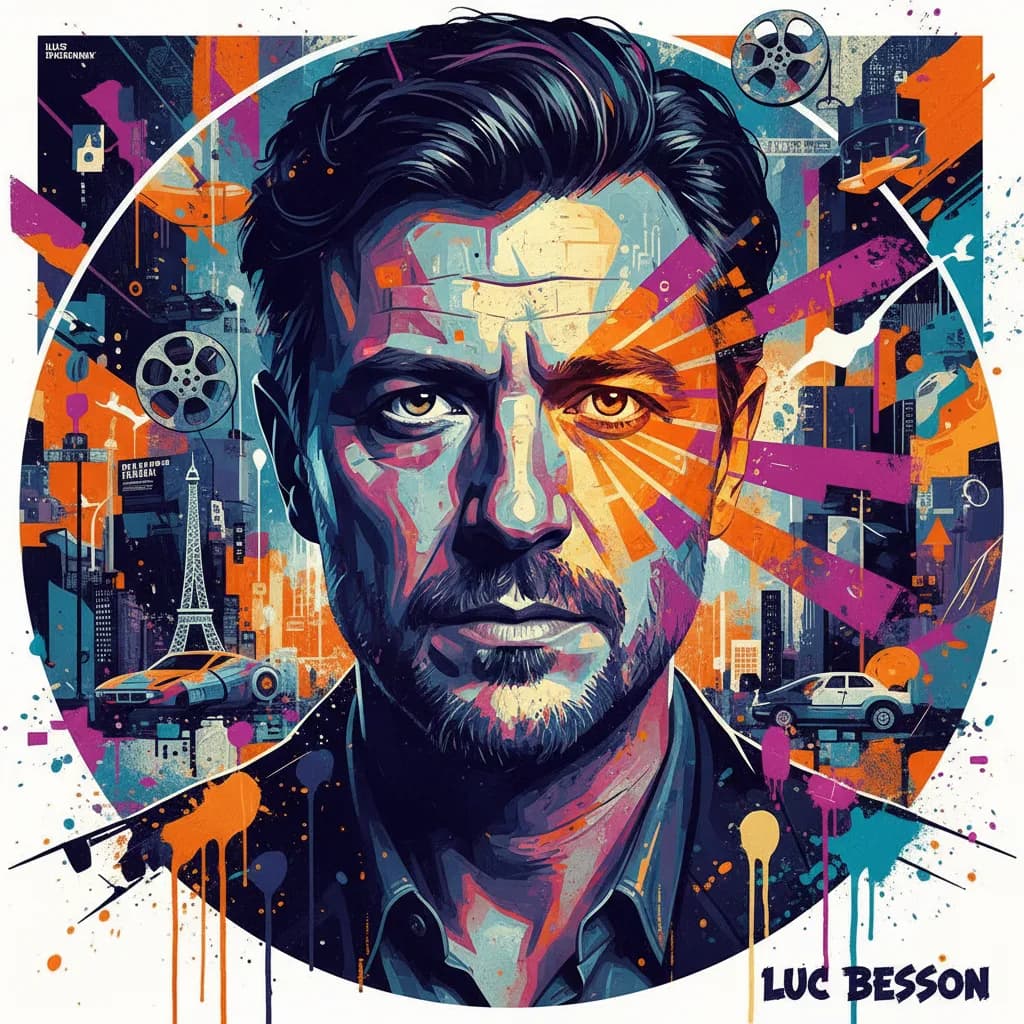
Luc Besson
Every film, ranked

Chris Columbus
Every film, ranked

Mike Nichols
Every film, ranked

Howard Hawks
Every film, ranked

Ang Lee
Every film, ranked

Walter Hill
Every film, ranked

Gus Van Sant
Every film, ranked

William Wyler
Every film, ranked

Renny Harlin
Every film, ranked

Sidney Lumet
Every film, ranked

Tony Scott
Every film, ranked