Discover the visionary filmmakers behind cinema's greatest works.
Explore our selection of acclaimed directors and their remarkable films.
Showing 625-636 out of 4148

Cheol-soo Jang is a South Korean film director known for his groundbreaking work in the realm of horror and thriller cinema. With his keen eye for storytelling and visual aesthetics, Jang has carved a niche for himself in the industry, earning critical acclaim and a dedicated fan base. His notable filmography includes the 2010 cult classic "Bedevilled," a gripping and chilling drama that showcases Jang's prowess in creating atmospheric and haunting narratives. Jang's directorial style is characterized by his ability to seamlessly blend elements of horror, drama, and thriller genres, crafting films that leave a lasting impression on audiences. His meticulous attention to detail and innovative approach to storytelling have set him apart as a visionary director with a unique perspective on the human experience. "Bedevilled" stands as a testament to Jang's ability to create an immersive and emotionally charged cinematic experience, solidifying his position as a master of the genre. In his work, Jang often explores themes of psychological trauma, human resilience, and the darker aspects of human nature. His films delve into the complexities of the human psyche, inviting viewers to confront their deepest fears and anxieties. Through his storytelling, Jang challenges conventional narrative structures and pushes the boundaries of cinematic expression, earning him a reputation as a bold and uncompromising filmmaker. Jang's impact on cinema extends beyond his individual films, as he has contributed to the evolution of the horror and thriller genres, inspiring a new generation of filmmakers to explore the uncharted territories of storytelling. His influence can be felt in the way contemporary directors approach narrative tension, visual composition, and character development within the genre. Jang's commitment to pushing the envelope and creating thought-provoking narratives has cemented his legacy as a trailblazer in the world of cinema. Cheol-soo Jang's directorial career is a testament to his unwavering dedication to crafting immersive and resonant cinematic experiences. With "Bedevilled" and his other works, he has left an indelible mark on the horror and thriller genres, setting a new standard for storytelling and visual storytelling. As audiences eagerly anticipate his future projects, Jang continues to inspire and captivate with his innovative approach to filmmaking, solidifying his status as a visionary director with a lasting impact on cinema.

Chia-Hsiang Wu is a Taiwanese film director known for his influential contributions to the action, crime, and drama genres. His notable work includes the 1971 film "The Big Boss," which has left an indelible mark on the cinematic landscape. Wu's directorial style is characterized by a keen eye for dynamic action sequences, gripping storytelling, and a deep understanding of human emotion. His work often delves into the complexities of power dynamics, morality, and the human condition, drawing audiences into thought-provoking narratives that resonate long after the credits roll. "The Big Boss" stands as a testament to Wu's directorial prowess and impact on cinema. The film showcases his ability to masterfully choreograph intense action scenes while infusing the narrative with underlying themes of justice, retribution, and the struggle for survival. Wu's adept handling of the film's dramatic elements, coupled with his skillful direction of the cast, solidified his reputation as a visionary director with a distinct voice in the industry. Wu's filmography reflects his commitment to pushing cinematic boundaries and exploring the depths of human experience. His works often feature recurring themes of resilience, honor, and the pursuit of justice, captivating audiences with their raw authenticity and emotional depth. Through his storytelling, Wu has carved out a legacy as a director who fearlessly tackles societal issues and human complexities, leaving an indelible imprint on the film landscape. Chia-Hsiang Wu's directorial contributions have undoubtedly left an enduring impact on the film industry. His ability to craft immersive, multi-layered narratives and his distinctive directorial style have cemented his status as a visionary filmmaker. With "The Big Boss" and other impactful works, Wu has elevated the action, crime, and drama genres, and his influence continues to resonate with filmmakers and audiences alike, solidifying his place as an esteemed figure in cinematic history.

Chia-Liang Liu, also known as Lau Kar-leung, was a prolific and influential film director in the Hong Kong martial arts cinema. With a career spanning over five decades, Liu made a significant impact on the genre, particularly through his exceptional choreography and direction of action sequences. His most renowned work, "The 36th Chamber of Shaolin" (1978), stands as a quintessential example of his directorial prowess. This action-packed, adventurous drama is lauded for its groundbreaking martial arts choreography and captivating storytelling. Liu's directorial style is characterized by his meticulous attention to detail in action sequences, showcasing the physical prowess of the performers while maintaining a strong narrative coherence. His films often feature themes of honor, discipline, and the pursuit of martial arts mastery, reflecting his deep-rooted respect for traditional Chinese martial arts and philosophy. Liu's meticulous approach to fight choreography and his emphasis on the spiritual and philosophical aspects of martial arts set him apart from his contemporaries and solidified his status as a visionary in the genre. "The 36th Chamber of Shaolin" remains a timeless classic and a testament to Liu's enduring influence on martial arts cinema. The film's impact reverberated globally, inspiring countless filmmakers and leaving an indelible mark on the action and adventure genres. Liu's contributions to cinema extend beyond individual films; his innovative approach to action direction has set a standard for martial arts choreography that continues to influence filmmakers to this day. In conclusion, Chia-Liang Liu's directorial legacy is unparalleled in the martial arts genre. His visionary approach to action direction, emphasis on traditional martial arts values, and enduring impact on global cinema cement his status as a titan in the industry. With "The 36th Chamber of Shaolin" as a cornerstone of his remarkable filmography, Liu's influence on action cinema remains as potent and enduring as ever.

Chinonye Chukwu is a groundbreaking filmmaker known for her powerful and thought-provoking storytelling. With a directorial style that is both intimate and impactful, Chukwu has made a significant impact on cinema with her compelling narratives and visually stunning filmmaking. Her most recent film, "Till" (2022), further solidifies her position as a director with a distinct voice and a keen eye for storytelling. "Till" delves into the compelling biography of Emmett Louis Till, a young African American whose brutal murder in 1955 became a catalyst for the Civil Rights Movement. Chukwu's ability to infuse raw emotion and depth into her films is evident in "Till," as she skillfully navigates the complexities of the human experience, making it a must-see for audiences seeking a gripping and emotionally resonant cinematic experience. Chukwu's directorial style is characterized by her unflinching exploration of social and political themes, often challenging audiences to confront uncomfortable truths. Her films are marked by their authenticity and unapologetic approach, allowing viewers to engage with the narratives on a deeply personal level. Through her work, Chukwu consistently sheds light on the human condition, bringing marginalized voices to the forefront and amplifying their stories with empathy and compassion. With a filmography that reflects her commitment to authentic storytelling, Chukwu has emerged as a trailblazing director, earning accolades and recognition for her contributions to cinema. Her ability to intertwine historical context with contemporary relevance makes her work both timeless and timely, cementing her status as a director who is unafraid to tackle pressing societal issues with grace and artistry. As she continues to make waves in the film industry, Chukwu's impact on cinema is undeniable, and her films are essential viewing for those who appreciate bold, socially conscious storytelling.

Chiwetel Ejiofor, known for his prolific acting career, made his directorial debut with the critically acclaimed film "The Boy Who Harnessed the Wind" in 2019. This biographical drama, based on the true story of William Kamkwamba, a young Malawian inventor, showcases Ejiofor's talent for storytelling and his ability to capture the resilience of the human spirit. As a director, Ejiofor's style is marked by a keen attention to detail, emotional depth, and a commitment to portraying authentic human experiences. Ejiofor's transition from acting to directing demonstrates his multifaceted talent and his passion for storytelling. His directorial debut was met with widespread praise for its powerful narrative, poignant performances, and compelling visual storytelling. "The Boy Who Harnessed the Wind" stands as a testament to Ejiofor's ability to bring important stories to the screen with sensitivity and insight. While "The Boy Who Harnessed the Wind" is currently Ejiofor's sole directorial credit, his impact on cinema as a director is already significant. The film's success has cemented Ejiofor's position as a filmmaker to watch, with audiences and critics eagerly anticipating his future directorial projects. His ability to blend historical context with personal narratives and his dedication to bringing underrepresented stories to the forefront positions him as a director with a unique and important voice in the industry. Ejiofor's directorial debut reflects his commitment to creating meaningful, impactful cinema that resonates with audiences on a profound level. With "The Boy Who Harnessed the Wind," he has proven himself to be a director with a distinct vision and a dedication to storytelling that captures the human experience in all its complexity. As he continues to expand his directorial portfolio, Ejiofor is poised to make an indelible mark on cinema with his unique perspective and storytelling prowess.

Chloe Okuno is a rising star in the world of horror and thriller cinema, known for her distinct directorial style and penchant for crafting atmospheric, visually stunning narratives. With a relatively short but impactful filmography, Okuno has already made a significant mark on the industry. Her most notable works include "Watcher" (2022) and "V/H/S/94" (2021), both of which have solidified her reputation as a director with a keen eye for tension, suspense, and the macabre. Okuno's directorial style is characterized by her ability to seamlessly blend elements of horror, drama, and thriller genres, creating films that are as emotionally resonant as they are chilling. Her keen attention to detail and mastery of visual storytelling have earned her critical acclaim and a dedicated following among genre enthusiasts. In "Watcher," Okuno expertly weaves together a narrative that keeps audiences on the edge of their seats, while "V/H/S/94" showcases her talent for delivering pulse-pounding scares and unexpected twists. One of Okuno's recurring themes is the exploration of the inherent fear and unease that lurks beneath seemingly ordinary situations. She excels at creating an atmosphere of dread, using subtle yet impactful storytelling techniques to immerse viewers in a world where the line between reality and nightmare blurs. Her films often delve into the psychological and supernatural, inviting audiences to confront their deepest fears and anxieties. Okuno's impact on cinema lies in her ability to push boundaries and challenge conventions within the horror and thriller genres. Her work demonstrates a commitment to elevating the storytelling potential of genre filmmaking, proving that horror can be both thought-provoking and visually stunning. As she continues to carve out her place in the industry, Chloe Okuno is undoubtedly a director to watch, with her unique vision and innovative approach positioning her as a trailblazer in the world of genre cinema.

Chloé Zhao is a visionary film director whose unique storytelling and directorial style have left an indelible mark on cinema. Born in China and educated in the United States, Zhao's ability to seamlessly blend her diverse cultural influences is evident in her acclaimed filmography. Her directorial debut, "Songs My Brothers Taught Me" (2015), garnered critical acclaim and set the stage for a career defined by poignant narratives and stunning visuals. Zhao's breakthrough film, "The Rider" (2017), captivated audiences and critics alike with its raw, intimate portrayal of life in the American heartland. The film not only showcased her ability to capture the human experience with unflinching honesty but also established her as a master of blending drama and western aesthetics. This success was followed by "Nomadland" (2020), a hauntingly beautiful drama that earned Zhao widespread recognition, including the Academy Award for Best Director. Her ability to immerse audiences in the lives of her characters while showcasing the breathtaking landscapes of the American West has solidified her reputation as a directorial powerhouse. In 2021, Zhao ventured into the realm of big-budget superhero films with "Eternals," a departure from her previous indie darlings. Despite the shift in scale, Zhao's signature directorial style shines through in the film's emotionally resonant storytelling and visually striking compositions. Her ability to infuse blockbuster action and adventure with profound human drama sets her apart in the realm of comic book adaptations. Zhao's recurring themes of resilience, human connection, and the beauty of the natural world have resonated deeply with audiences, cementing her status as a director with a distinct and powerful voice. Her impact on cinema extends beyond her individual films, as she has paved the way for greater diversity and inclusion in the industry. As the first woman of Asian descent to win the Academy Award for Best Director, Zhao's influence on future generations of filmmakers is immeasurable. In conclusion, Chloé Zhao's directorial career is a testament to the power of storytelling and the transformative potential of cinema. Her ability to craft visually stunning narratives that delve into the human experience has earned her a well-deserved place among the most influential directors of her generation. With a diverse filmography that spans genres and themes, Zhao continues to push the boundaries of cinematic storytelling, leaving an indelible mark on the medium for years to come.
Chris Addison is a British director known for his work in the comedy and crime genres. He made his directorial debut with the 2019 film "The Hustle," a remake of the 1988 comedy "Dirty Rotten Scoundrels." The film stars Anne Hathaway and Rebel Wilson as two con artists who team up to take down the men who have wronged them. Addison's directorial style is characterized by sharp wit, fast-paced humor, and a keen eye for comedic timing. "The Hustle" showcases Addison's ability to blend physical comedy with clever wordplay, creating a film that appeals to audiences of all ages. His knack for crafting dynamic and engaging comedic performances from his actors is evident throughout the film. Addison's directorial approach emphasizes the importance of strong character development and chemistry between the leads, resulting in a delightful on-screen dynamic between Hathaway and Wilson. Addison's directorial debut with "The Hustle" demonstrates his talent for infusing familiar stories with fresh energy and modern sensibilities. His ability to balance lighthearted humor with elements of crime and deception speaks to his versatility as a director. Addison's work reflects a recurring theme of empowerment, as his female leads confidently navigate a world traditionally dominated by men, all while delivering laugh-out-loud moments. As a director, Chris Addison's impact on cinema lies in his ability to breathe new life into classic genres and narratives. His unique vision and storytelling prowess have solidified his status as a director to watch in the world of comedy and crime films. With "The Hustle," Addison has proven himself as a director capable of delivering crowd-pleasing entertainment while infusing his projects with his distinct directorial flair. As he continues to expand his body of work, audiences can anticipate more clever and captivating films from this talented director.

Chris Appelhans is a visionary director known for his exceptional work in animation. With a career spanning multiple disciplines within the industry, Appelhans has left an indelible mark on the world of cinema. His most notable directorial achievement to date is "Wish Dragon" (2021), a captivating animated film that seamlessly blends adventure, comedy, and heartwarming storytelling. Appelhans' directorial style is characterized by his ability to infuse depth and emotion into his animated works. He has a keen eye for visual storytelling, and his films often feature stunning, vibrant visuals that transport audiences to fantastical worlds. "Wish Dragon" is a prime example of his directorial prowess, as he masterfully weaves together captivating animation with a touching narrative that resonates with viewers of all ages. Notable for his ability to explore universal themes within his films, Appelhans often incorporates elements of friendship, self-discovery, and the pursuit of dreams into his storytelling. His films are known for their uplifting and inspirational messages, making them both entertaining and thought-provoking for audiences. Appelhans' impact on cinema is undeniable, as he continues to push the boundaries of animated storytelling and captivate audiences with his unique vision. His work has contributed to the evolution of animation as a medium, showcasing the power of storytelling through immersive visuals and compelling narratives. Overall, Chris Appelhans' directorial career is a testament to his creative genius and his ability to leave a lasting impression on audiences through his exceptional storytelling and visual artistry. With "Wish Dragon," he has solidified his status as a director to watch in the animation world, and his contributions to film are sure to continue shaping the landscape of cinema for years to come.

Chris Buck is a renowned film director known for his exceptional work in the animation genre. With a career spanning several decades, Buck has made a significant impact on cinema through his distinctive directorial style and memorable storytelling. His films often center around themes of adventure, humor, and heartwarming narratives, captivating audiences of all ages. Buck's directorial debut came with the animated classic "Tarzan" (1999), which garnered widespread acclaim for its visually stunning animation and engaging storytelling. The film's success marked Buck as a director to watch in the animation industry. His ability to seamlessly blend comedy, adventure, and emotional depth became a trademark of his directorial style. One of Buck's most notable contributions to cinema came with the release of "Frozen" (2013), a groundbreaking animated film that became a cultural phenomenon. Buck's direction, alongside Jennifer Lee, brought the beloved characters of Anna and Elsa to life, captivating audiences worldwide with its powerful themes of love and sisterhood. The film's success cemented Buck's reputation as a visionary director capable of creating timeless and impactful stories. In 2019, Buck returned to the director's chair for the highly anticipated sequel, "Frozen II," further solidifying his status as a master storyteller in the animation genre. The film expanded upon the beloved world of Arendelle, delving deeper into the characters' journeys while maintaining the humor and magic that audiences had come to expect from Buck's work. With his diverse filmography including "Surf's Up" (2007), "Tarzan," "Frozen," and "Frozen II," Chris Buck has proven himself as a director with a unique vision and the ability to create films that resonate with audiences on a profound level. His contributions to cinema have left an indelible mark, inspiring future generations of filmmakers and solidifying his legacy as a pioneering force in animation.

Chris Butler is a highly talented film director known for his exceptional work in the animation genre. He is best recognized for his directorial debut with the critically acclaimed film "ParaNorman" in 2012, followed by the charming and visually stunning "Missing Link" in 2019. Butler's directorial style is characterized by his ability to seamlessly blend humor, adventure, and heartwarming storytelling, making him a standout figure in the animation industry. In "ParaNorman," Butler showcased his unique vision by bringing to life a story about a young boy with the ability to communicate with the dead, delving into themes of acceptance and bravery. The film's distinct stop-motion animation and clever humor earned it widespread praise and solidified Butler's reputation as a director with a keen eye for detail and a talent for creating endearing characters. With "Missing Link," Butler continued to captivate audiences with his exceptional storytelling and breathtaking animation. The film follows the journey of a sasquatch who seeks to find his long-lost relatives, and it beautifully exemplifies Butler's ability to craft visually stunning worlds while infusing the narrative with humor and heart. His dedication to pushing the boundaries of animation and storytelling has solidified his position as a visionary director in the industry. Butler's work often explores themes of identity, belonging, and the power of friendship, resonating with audiences of all ages. His ability to infuse depth and emotion into animated films has had a significant impact on the medium, proving that animation can be a powerful vehicle for storytelling and meaningful messages. Chris Butler's directorial contributions have left an indelible mark on cinema, showcasing his exceptional talent and passion for creating captivating and emotionally resonant films. His unique vision and dedication to pushing the boundaries of animation have firmly established him as a director to watch, and his impact on the industry is sure to be felt for years to come.

Chris Carter is an accomplished film and television director best known for his work on "The X-Files" franchise. He made his feature film directorial debut with "The X Files: I Want to Believe" in 2008. Carter's directorial style is marked by a penchant for blending elements of crime, drama, and horror, creating an atmosphere of suspense and intrigue that captivates audiences. His ability to craft compelling narratives and evoke a sense of mystery has cemented his reputation as a master of the genre. "The X Files: I Want to Believe" stands as a testament to Carter's directorial prowess, as he skillfully weaves together a thrilling storyline that delves into the realms of the supernatural and the unexplained. The film showcases his adeptness at creating an immersive and gripping cinematic experience, employing his trademark use of atmospheric lighting and haunting visuals to heighten the tension. Throughout his career, Carter has consistently explored themes of alienation, paranoia, and the unknown, tapping into the collective fascination with the mysteries of the universe. His work has had a profound impact on the realm of sci-fi and horror cinema, influencing a generation of filmmakers and captivating audiences with his thought-provoking storytelling. Chris Carter's directorial contributions have left an indelible mark on the film industry, solidifying his status as a visionary director with a distinct storytelling voice. His ability to transport audiences into the realm of the extraordinary and the enigmatic has earned him a place among the most influential directors in the genre, and his legacy continues to inspire new generations of filmmakers to push the boundaries of storytelling in the realms of the unknown.
Every film by the greats, ranked by our TML Score.

Christopher Nolan
Every film, ranked

Quentin Tarantino
Every film, ranked

Stanley Kubrick
Every film, ranked

Martin Scorsese
Every film, ranked

Steven Spielberg
Every film, ranked

Alfred Hitchcock
Every film, ranked

David Fincher
Every film, ranked

Denis Villeneuve
Every film, ranked

Wes Anderson
Every film, ranked

Paul Thomas Anderson
Every film, ranked

Ridley Scott
Every film, ranked

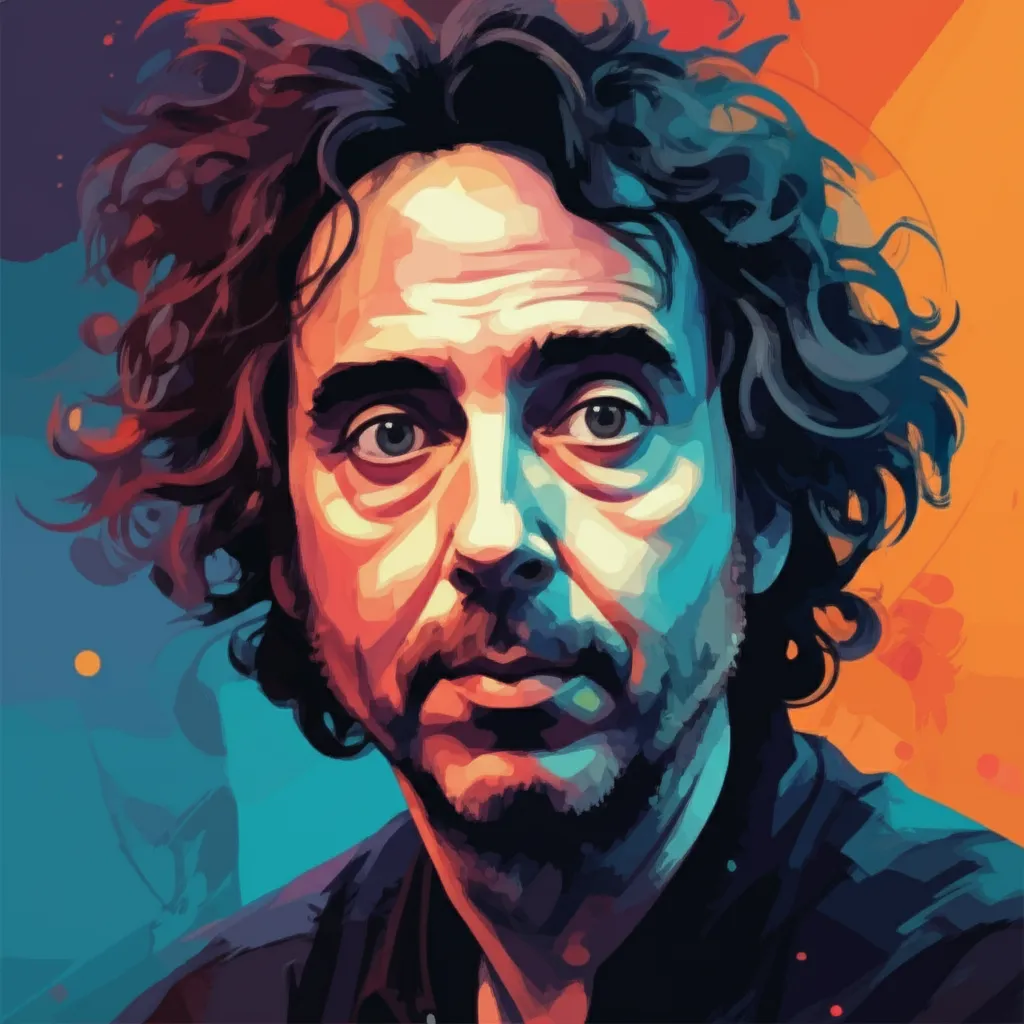
Tim Burton
Every film, ranked

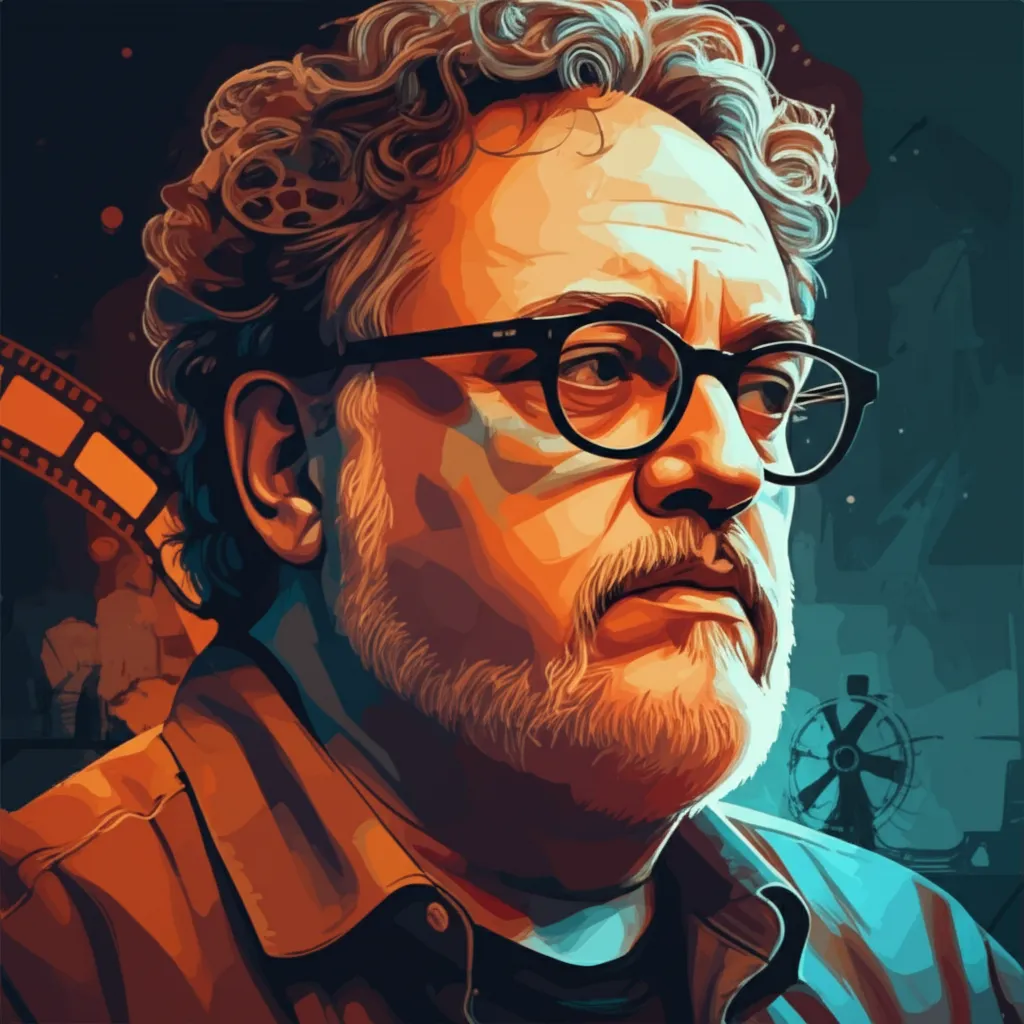
Guillermo del Toro
Every film, ranked

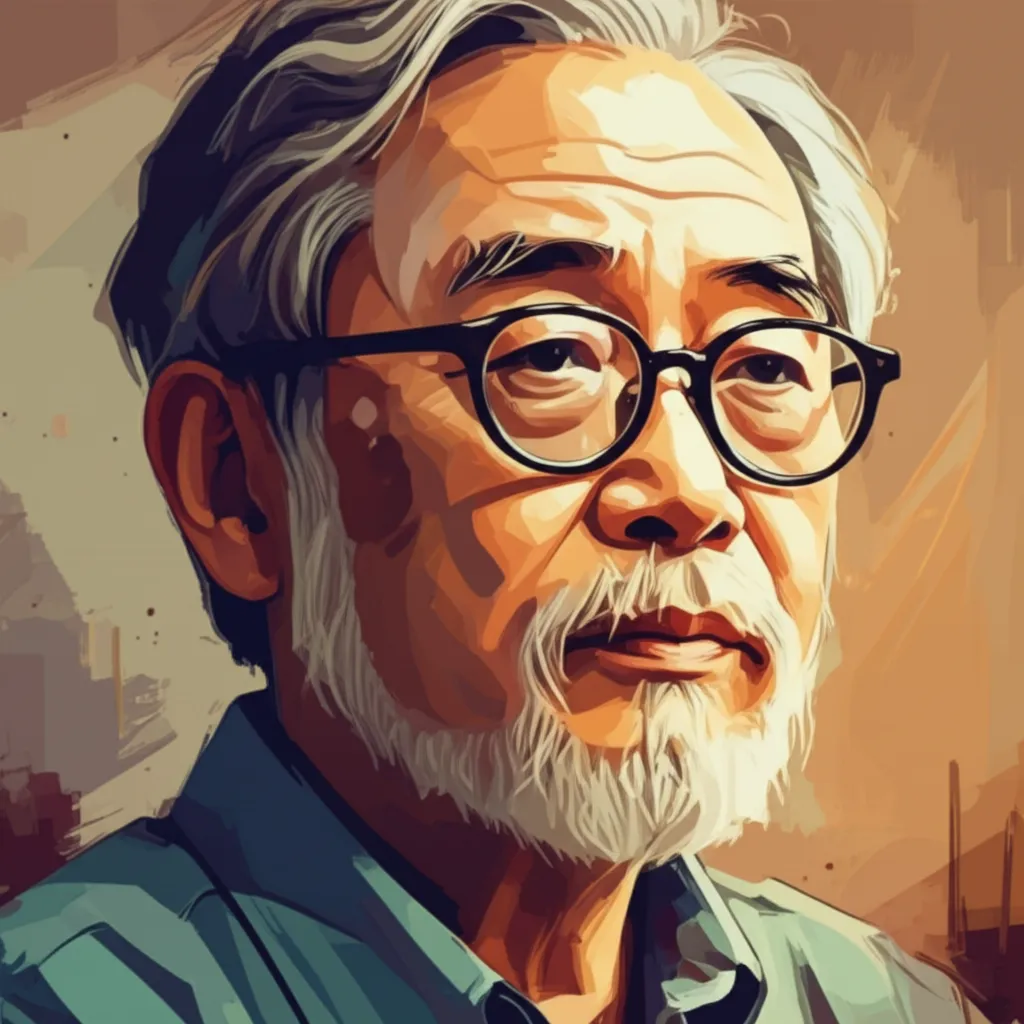
Hayao Miyazaki
Every film, ranked

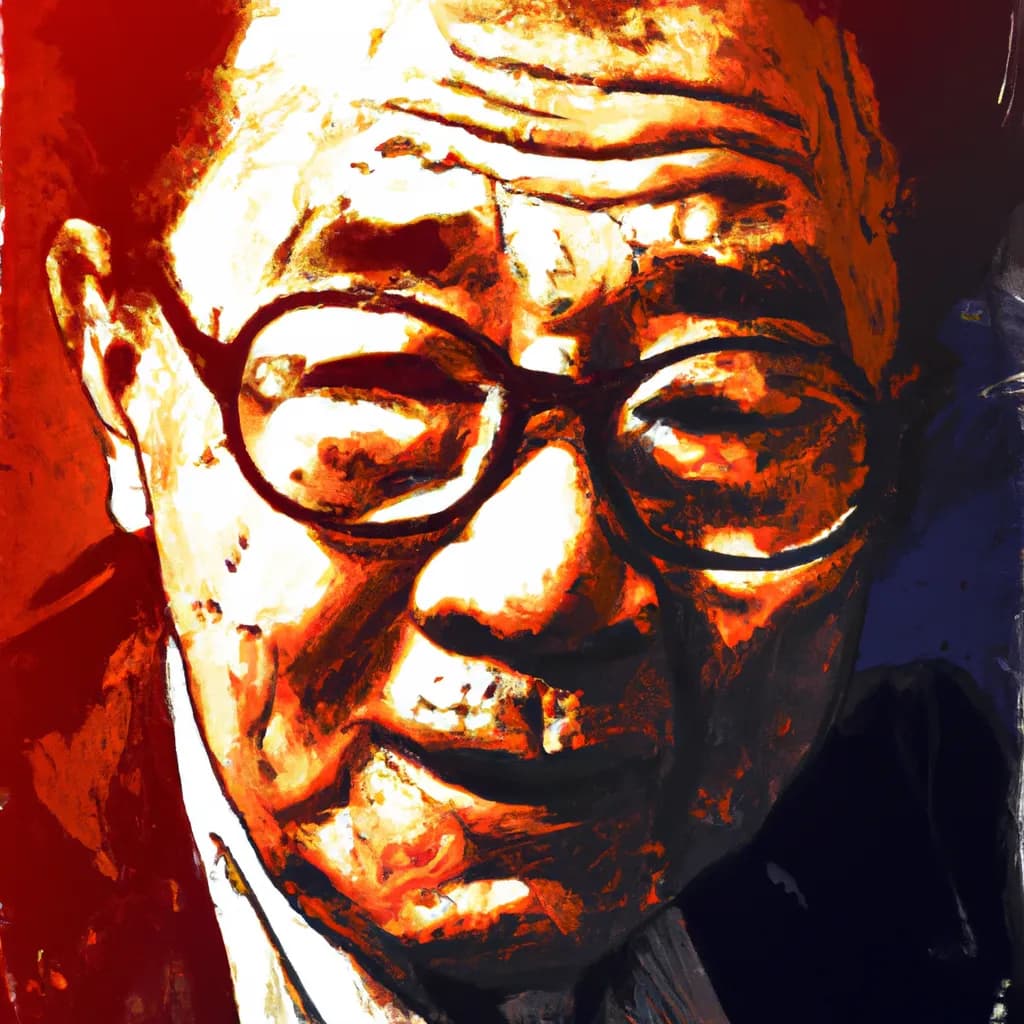
Akira Kurosawa
Every film, ranked

Francis Ford Coppola
Every film, ranked

Clint Eastwood
Every film, ranked

Bong Joon Ho
Every film, ranked

Woody Allen
Every film, ranked

Steven Soderbergh
Every film, ranked

Ron Howard
Every film, ranked

Pedro Almodóvar
Every film, ranked

Richard Linklater
Every film, ranked

Roman Polanski
Every film, ranked

Brian De Palma
Every film, ranked

Ingmar Bergman
Every film, ranked

Oliver Stone
Every film, ranked

David Cronenberg
Every film, ranked

Robert Zemeckis
Every film, ranked

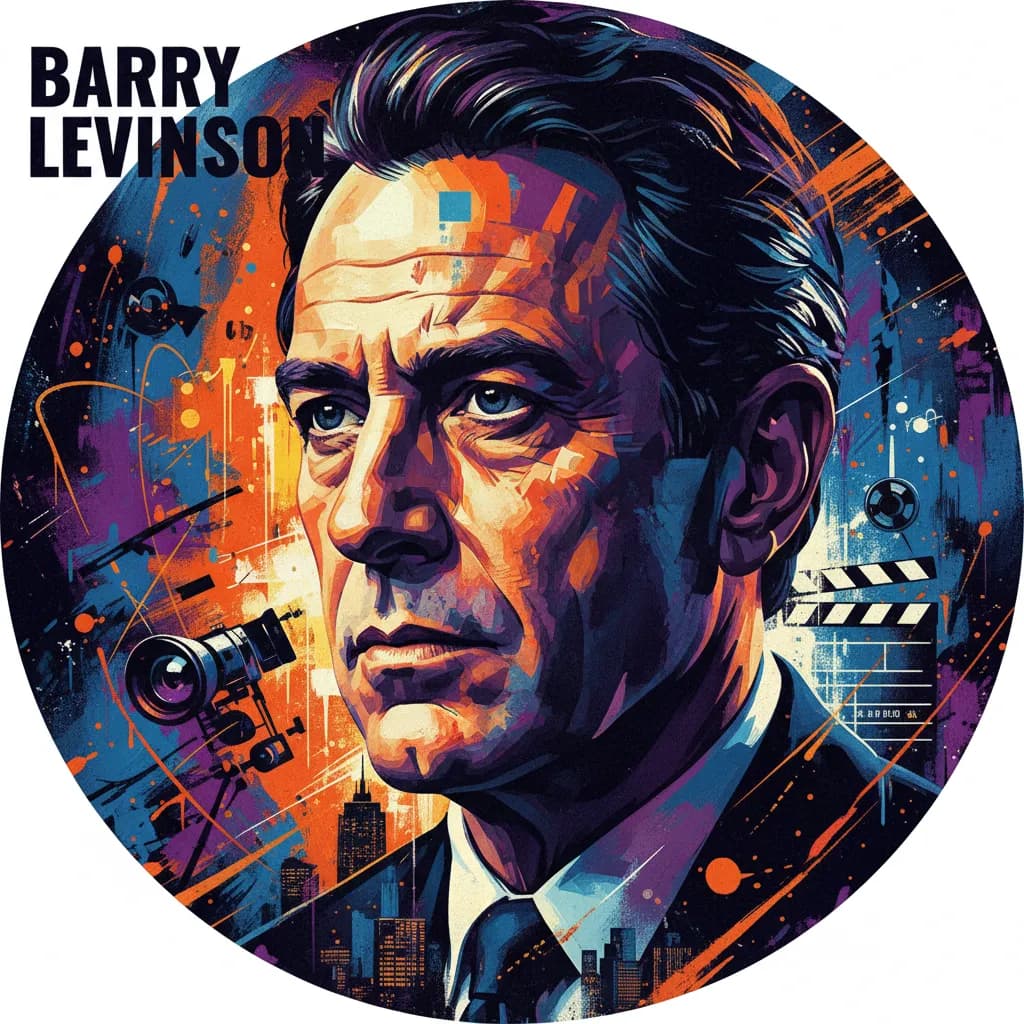
Barry Levinson
Every film, ranked

John Carpenter
Every film, ranked

Joel Schumacher
Every film, ranked

Billy Wilder
Every film, ranked

Rob Reiner
Every film, ranked

Neil Jordan
Every film, ranked

Spike Lee
Every film, ranked

Ivan Reitman
Every film, ranked

John Woo
Every film, ranked

Lasse Hallström
Every film, ranked

Stephen Frears
Every film, ranked

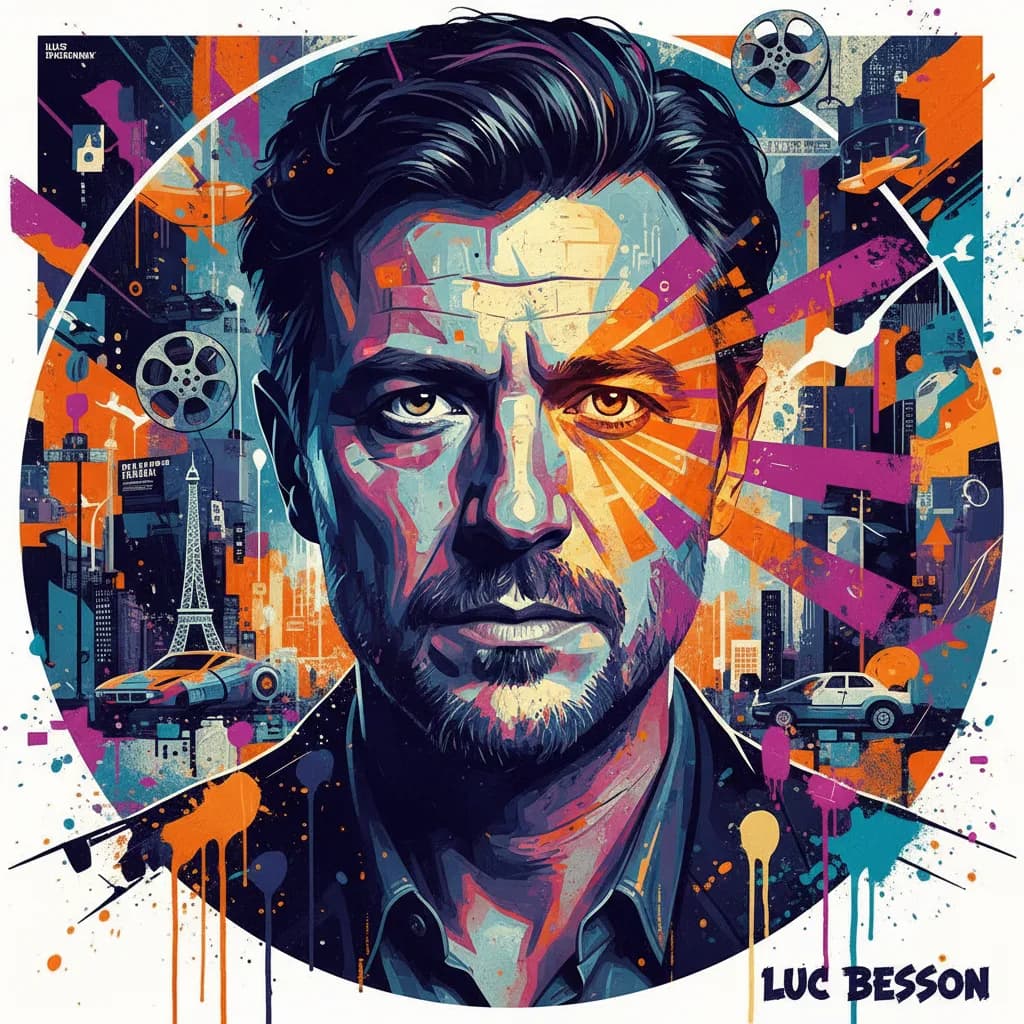
Luc Besson
Every film, ranked

Chris Columbus
Every film, ranked

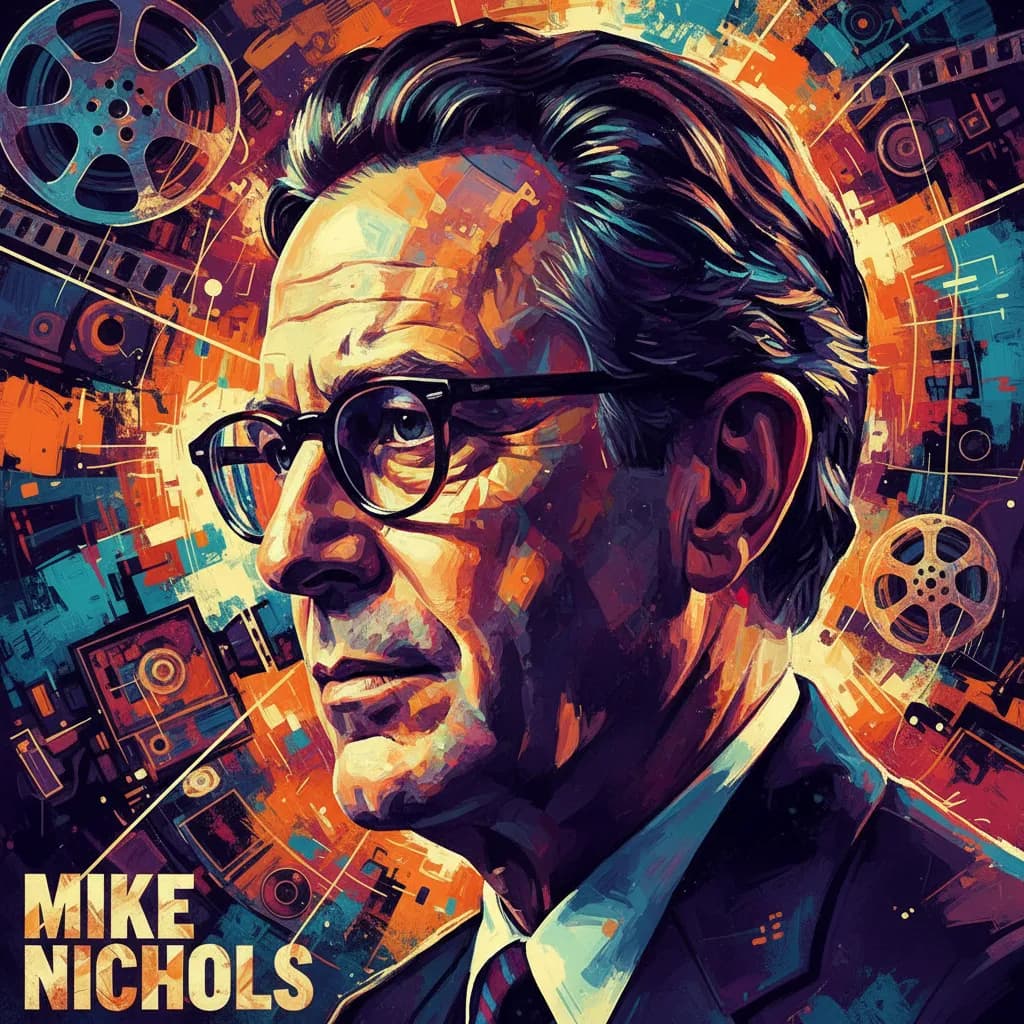
Mike Nichols
Every film, ranked

Howard Hawks
Every film, ranked

Ang Lee
Every film, ranked

Walter Hill
Every film, ranked

Gus Van Sant
Every film, ranked

William Wyler
Every film, ranked

Renny Harlin
Every film, ranked

Sidney Lumet
Every film, ranked

Tony Scott
Every film, ranked