Discover the visionary filmmakers behind cinema's greatest works.
Explore our selection of acclaimed directors and their remarkable films.
Showing 3901-3912 out of 4148

Tom Mankiewicz was a multi-talented filmmaker known for his work as a director, screenwriter, and producer. While he may not have had a prolific directing career, Mankiewicz made a significant impact on the film industry through his unique vision and contributions. His directorial style was marked by a deft blend of comedy, crime, and mystery, as seen in his directorial debut, "Dragnet" (1987). Mankiewicz's career in film began as a screenwriter, where he gained recognition for his work on iconic films such as "Diamonds Are Forever" (1971) and "Live and Let Die" (1973), both part of the James Bond franchise. His screenplays were characterized by their clever dialogue, witty humor, and thrilling action sequences. This writing style carried over into his directorial work, as seen in "Dragnet," which showcased his knack for blending humor with elements of crime and mystery. While "Dragnet" was Mankiewicz's only feature film as a director, it left a lasting impression on audiences and critics alike. The film's successful fusion of comedy and crime elements demonstrated Mankiewicz's ability to create an entertaining and engaging cinematic experience. His directorial debut also highlighted his talent for working with ensemble casts and crafting compelling narratives that kept viewers on the edge of their seats. Mankiewicz's impact on cinema extends beyond his directorial work, as his contributions as a screenwriter and producer have left an indelible mark on the film industry. His ability to infuse humor into action-packed narratives and his talent for creating memorable characters have influenced countless filmmakers and storytellers. Mankiewicz's legacy as a versatile and talented filmmaker continues to inspire audiences and aspiring directors, cementing his status as a significant figure in the world of cinema. In conclusion, Tom Mankiewicz may have had a brief career as a director, but his impact on the film industry is undeniable. His directorial debut, "Dragnet," showcased his unique vision and talent for blending comedy, crime, and mystery, leaving a lasting impression on audiences. Mankiewicz's contributions as a screenwriter and producer further solidify his legacy as a versatile and influential filmmaker. His work continues to inspire and entertain audiences, making him a revered figure in the world of cinema.

Tom McCarthy is an accomplished film director known for his compelling storytelling, attention to detail, and ability to bring out powerful performances from his actors. With an impressive filmography that spans various genres, McCarthy has established himself as a versatile and talented filmmaker. His directorial style is characterized by a deep understanding of human emotions, nuanced character development, and a keen eye for social and ethical issues. One of McCarthy's most notable works is "Spotlight" (2015), a gripping biographical crime drama that earned critical acclaim and won the Academy Award for Best Picture. The film, which delves into the investigation of sexual abuse within the Catholic Church, showcased McCarthy's ability to handle sensitive subject matter with empathy and integrity. His skillful direction and meticulous attention to detail made "Spotlight" a standout in the genre of investigative journalism films. In "The Station Agent" (2003), McCarthy demonstrated his talent for blending comedy and drama seamlessly. The film, which follows the story of a reclusive train enthusiast forging unexpected connections with the people around him, highlights McCarthy's ability to create authentic and heartfelt narratives. Similarly, "Stillwater" (2021) and "The Visitor" (2007) showcase McCarthy's adeptness at crafting compelling dramas that resonate with audiences on a profound level. McCarthy's recurring themes often revolve around the complexities of human relationships, the search for identity, and the impact of societal issues on individual lives. His films often explore the emotional and ethical dilemmas faced by his characters, inviting audiences to reflect on the human experience in a thought-provoking manner. McCarthy's impact on cinema is undeniable, as he continues to deliver thought-provoking narratives that resonate with audiences and critics alike. His unique vision and dedication to storytelling have solidified his status as a director to watch, and his contributions to the film industry are sure to leave a lasting impression on future generations of filmmakers and moviegoers alike.

Tom McGrath is a highly acclaimed film director known for his work in the animation genre. With a career spanning several decades, McGrath has left an indelible mark on cinema through his unique directorial style and his ability to bring captivating stories to life. His filmography includes several notable films, such as "Madagascar," "Megamind," and "The Boss Baby," all of which have showcased his exceptional talent and creativity in the world of animation. McGrath's directorial style is characterized by his ability to infuse humor, heart, and adventure into his films. His keen understanding of storytelling, combined with his knack for creating endearing characters, has earned him a loyal fan base and critical acclaim. His films often feature vibrant visuals, imaginative worlds, and compelling narratives that appeal to audiences of all ages. McGrath's ability to strike a balance between entertaining children and engaging adults has set him apart as a versatile and influential director in the animation genre. Throughout his career, McGrath has explored recurring themes such as the importance of friendship, the power of imagination, and the value of embracing one's uniqueness. His films often carry poignant messages that resonate with viewers, making them not only entertaining but also thought-provoking. McGrath's ability to seamlessly weave these themes into his storytelling has contributed to the enduring impact of his work on cinema. McGrath's influence on the animation genre has been significant, as he has consistently delivered box office hits and garnered widespread acclaim for his contributions to the medium. His innovative approach to animation and storytelling has inspired a new generation of filmmakers and has solidified his place as a trailblazer in the industry. With a stellar filmography and a reputation for delivering captivating and memorable films, Tom McGrath continues to be a driving force in shaping the landscape of animated cinema. In conclusion, Tom McGrath's directorial career has been defined by his exceptional talent, visionary storytelling, and enduring impact on cinema. His ability to craft compelling narratives, create unforgettable characters, and infuse his films with humor and heart has cemented his status as a pioneering director in the animation genre. With a diverse range of successful and beloved films to his name, McGrath's influence on the medium is undeniable, and his legacy as a masterful storyteller continues to resonate with audiences worldwide.

Tom McLoughlin is an accomplished film director known for his work in the horror genre. His most notable film, "Friday the 13th Part VI: Jason Lives" (1986), is a landmark in the Friday the 13th franchise and has solidified his reputation as a master of horror. McLoughlin's directorial style is characterized by his ability to create a tense and suspenseful atmosphere, coupled with expertly crafted scares and a keen understanding of the genre's conventions. In "Friday the 13th Part VI: Jason Lives," McLoughlin successfully revitalized the franchise by injecting it with a fresh and creative approach. His directorial vision brought a sense of energy and creativity to the film, setting it apart from its predecessors. McLoughlin's ability to balance horror and suspense with a touch of dark humor has made him a standout figure in the horror genre. One of McLoughlin's recurring themes is the exploration of the human psyche and the nature of fear. His films often delve into the primal fears that haunt humanity, and he expertly crafts narratives that tap into these universal anxieties. McLoughlin's impact on cinema is undeniable, as he has left an indelible mark on the horror genre with his innovative storytelling and unique directorial approach. Overall, Tom McLoughlin's directorial career is characterized by his ability to breathe new life into the horror genre and his knack for creating unforgettable cinematic experiences. His work continues to be celebrated by horror enthusiasts and film aficionados alike, solidifying his status as a visionary director in the realm of horror cinema.

Tomm Moore is an Irish film director renowned for his visually stunning and thematically rich animated films. With a career spanning over a decade, Moore has made a profound impact on the animation industry, establishing himself as a masterful storyteller with a distinct directorial style. His filmography includes critically acclaimed works such as "The Secret of Kells" (2009), "Song of the Sea" (2014), and "Wolfwalkers" (2020), each of which showcases his unparalleled ability to weave folklore, mythology, and history into captivating narratives. Moore's directorial style is characterized by his meticulous attention to detail and a deep-rooted appreciation for Irish folklore and tradition. His films are visually striking, often incorporating intricate, hand-drawn animation that brings his imaginative worlds to life with unparalleled beauty. Moore's commitment to preserving Ireland's cultural heritage is evident in his storytelling, as he skillfully intertwines ancient myths with contemporary themes, creating timeless and universal tales that resonate with audiences of all ages. "The Secret of Kells" marked Moore's directorial debut and garnered widespread acclaim for its enchanting visuals and compelling storytelling. The film served as a testament to Moore's ability to infuse historical and cultural elements into a captivating narrative, setting the stage for his subsequent works. "Song of the Sea" further solidified Moore's reputation as a visionary director, earning an Academy Award nomination for Best Animated Feature. The film's exploration of grief, family, and the power of storytelling exemplifies Moore's ability to craft emotionally resonant narratives that transcend the boundaries of animation. In 2020, Moore's "Wolfwalkers" continued to captivate audiences and critics alike, earning praise for its breathtaking animation and thought-provoking themes. The film's exploration of environmentalism, friendship, and the clash between progress and tradition further showcases Moore's penchant for crafting layered and thought-provoking stories. Moore's contributions to cinema have not only elevated the art of animation but have also demonstrated the power of storytelling to bridge cultural divides and inspire audiences worldwide. Tomm Moore's directorial career has left an indelible mark on the animation industry, earning him a reputation as a visionary filmmaker with an unwavering commitment to preserving and celebrating cultural heritage. His films stand as testaments to the enduring power of storytelling and the boundless possibilities of animation as a medium for conveying profound and universal themes. As Moore continues to shape the landscape of animated cinema, his unique vision and unparalleled storytelling

Tom Montgomery was a visionary film director whose career spanned several decades, leaving an indelible mark on the world of cinema. His most notable work includes the iconic film "King Kong vs. Godzilla" (1963), a landmark in the action, adventure, and fantasy genres. Montgomery's directorial style was characterized by his ability to seamlessly blend thrilling action sequences with fantastical elements, creating an immersive and captivating cinematic experience for audiences. Throughout his career, Montgomery displayed a penchant for crafting visually stunning and imaginative worlds, evident in his work on "King Kong vs. Godzilla." His keen eye for detail and mastery of special effects techniques allowed him to bring larger-than-life creatures to the screen in a way that had never been seen before. Moreover, Montgomery's directorial prowess extended beyond mere spectacle, as he skillfully infused his films with underlying themes of power dynamics, the clash of titans, and the consequences of unchecked ambition. "King Kong vs. Godzilla" stands as a testament to Montgomery's ability to push the boundaries of cinematic storytelling, showcasing his unparalleled talent for creating immersive worlds that continue to captivate audiences to this day. His impact on the action, adventure, and fantasy genres cannot be overstated, as his innovative approach to filmmaking paved the way for future directors to explore new frontiers in visual storytelling. Montgomery's legacy continues to influence contemporary filmmakers, as his visionary approach to directing and storytelling remains a source of inspiration for aspiring artists. His commitment to pushing the envelope and his unparalleled ability to transport audiences to otherworldly realms solidify his status as a pioneering force in the realm of fantasy and action cinema. With "King Kong vs. Godzilla" as his crowning achievement, Tom Montgomery's contributions to the world of film endure as a testament to his enduring artistic legacy.

Tommy Chong is a renowned Canadian-American director, best known for his iconic work in the comedy genre. He gained widespread recognition for his directorial debut alongside Cheech Marin in the cult classic "Up in Smoke" (1978), a film that revolutionized stoner comedy and paved the way for a new wave of irreverent, countercultural cinema. Chong's directorial style is characterized by his ability to blend humor with social commentary, creating a unique and subversive cinematic experience. In "Up in Smoke," Chong introduced audiences to his distinctive approach to storytelling, combining outlandish humor with a satirical critique of societal norms and institutions. This film not only solidified Chong's status as a trailblazing director but also left an indelible mark on the comedy and music genres. His subsequent directorial effort, "Cheech and Chong's Next Movie" (1980), further showcased his knack for crafting hilarious, boundary-pushing narratives that resonated with audiences worldwide. Chong's filmography reflects a recurring theme of rebellion against authority and a celebration of countercultural values, making him a pioneering figure in the realm of comedic filmmaking. His contributions to cinema have had a lasting impact on the portrayal of subversive, anti-establishment themes in popular culture. Chong's directorial endeavors have also significantly influenced subsequent generations of filmmakers, inspiring them to explore unconventional narratives and push the boundaries of comedic storytelling. As a director, Chong's work continues to be celebrated for its unapologetic audacity and fearless exploration of taboo subjects, earning him a revered status in the annals of cinema history. With a legacy defined by groundbreaking directorial contributions and a distinctive comedic vision, Tommy Chong remains an influential force in the world of film, leaving an indelible imprint on the evolution of comedy and countercultural cinema. In conclusion, Tommy Chong's directorial career embodies a bold and unapologetic approach to storytelling, redefining the comedic landscape and leaving an enduring mark on cinema. His films, including "Up in Smoke" and "Cheech and Chong's Next Movie," stand as testament to his unparalleled ability to merge humor with social critique, cementing his legacy as a visionary director whose impact reverberates across generations. Chong's directorial style, characterized by its irreverent humor and fearless exploration of countercultural themes, has solidified his status as a trailblazing director whose

Tommy Lee Jones, best known for his illustrious acting career, has also made a significant impact as a director in the film industry. With a distinct directorial style, Jones brings a gritty and introspective approach to storytelling, often delving into themes of redemption, justice, and the complexities of human nature. His notable films as a director include "The Three Burials of Melquiades Estrada" (2005) and "The Homesman" (2014), both of which showcase his ability to craft compelling narratives within the genres of adventure, crime, drama, and western. "The Three Burials of Melquiades Estrada" marked Jones' directorial debut and garnered critical acclaim for its raw and unflinching portrayal of the human condition. The film, which explores the themes of friendship, loyalty, and the harsh realities of the American Southwest, earned Jones the Best Actor award at the Cannes Film Festival and solidified his reputation as a multifaceted talent in the industry. In "The Homesman," Jones continued to showcase his prowess as a director, delivering a haunting and evocative portrayal of the harsh pioneer life in the American West. Known for his meticulous attention to detail and immersive storytelling, Jones skillfully captures the essence of the western genre while infusing it with his unique directorial vision. Jones' directorial style is characterized by a nuanced exploration of complex characters and their emotional journeys, often set against the backdrop of rugged landscapes and unforgiving environments. His films resonate with audiences for their unapologetic portrayal of human struggles and the pursuit of truth and justice. Overall, Tommy Lee Jones has left an indelible mark on cinema with his directorial work, earning accolades for his distinctive storytelling and profound impact on the film industry. His films continue to captivate audiences and stand as a testament to his enduring legacy as a visionary director.

Tommy Lee Wallace is a director and writer known for his contributions to the horror and thriller genres. With a career spanning over four decades, Wallace has left an indelible mark on cinema through his unique directorial style, which often blends elements of horror, mystery, and sci-fi with a touch of comedy. His ability to create tension and suspense while infusing his work with dark humor has made him a distinctive voice in the world of genre filmmaking. One of Wallace's most notable directorial achievements is "Halloween III: Season of the Witch" (1982), a film that diverged from the original Michael Myers storyline to explore a standalone narrative within the Halloween universe. Known for its eerie atmosphere and inventive take on the holiday of Halloween, the movie has become a cult classic, showcasing Wallace's penchant for subverting audience expectations and delivering unexpected thrills. In "Fright Night Part 2" (1988), Wallace further demonstrated his directorial prowess by helming this comedic horror-thriller sequel. The film retained the darkly comedic tone of its predecessor while upping the ante with inventive scares and a playful approach to the vampire genre. Wallace's expert handling of the film's blend of humor and horror solidified his reputation as a director capable of weaving together disparate elements into a cohesive and entertaining cinematic experience. Throughout his career, Wallace has exhibited a recurring theme of exploring the intersection between the supernatural and the everyday, often infusing his films with a sense of unease and foreboding. His ability to create immersive and chilling atmospheres has resonated with audiences, earning him a dedicated following among horror aficionados. Tommy Lee Wallace's impact on cinema is evident in his ability to push the boundaries of genre filmmaking, offering audiences fresh perspectives on familiar tropes while crafting memorable and enduring cinematic experiences. His directorial style continues to inspire filmmakers and entertain audiences, cementing his legacy as a visionary director with a distinctive voice in the world of horror and thriller cinema. Keywords: Tommy Lee Wallace, director, Halloween III: Season of the Witch, Fright Night Part 2, horror, thriller, directorial style, impact on cinema, genre filmmaking, cinematic experience


Tommy O'Haver is a talented film director known for his unique directorial style and diverse range of films. With a career spanning over two decades, O'Haver has made a significant impact on the film industry through his distinct storytelling and visual flair. His notable filmography includes "An American Crime" (2007), a gripping biographical crime drama, "Get Over It" (2001), a witty comedy romance, and "Ella Enchanted" (2004), a delightful family fantasy film. O'Haver's directorial style is characterized by his ability to seamlessly navigate between various genres, showcasing his versatility as a filmmaker. His films often exhibit a keen attention to detail and a thoughtful approach to character development, drawing audiences into the rich narratives he brings to life on the screen. O'Haver's skillful direction has earned him a reputation for crafting emotionally resonant stories that captivate viewers across different demographics. Throughout his career, O'Haver has explored recurring themes of resilience, empowerment, and the complexities of human relationships. His films often delve into the inner workings of characters, highlighting their struggles and triumphs in a compelling manner. O'Haver's ability to infuse his projects with depth and emotional authenticity has solidified his status as a director with a distinct voice in the industry. In the realm of cinema, Tommy O'Haver has made a lasting impression with his ability to create immersive worlds that transport audiences to captivating settings and narratives. His contributions to film have left an indelible mark, inspiring fellow filmmakers and captivating audiences worldwide. With a penchant for storytelling that resonates on a profound level, O'Haver continues to be a visionary director whose work transcends boundaries and leaves a lasting impact on the cinematic landscape.

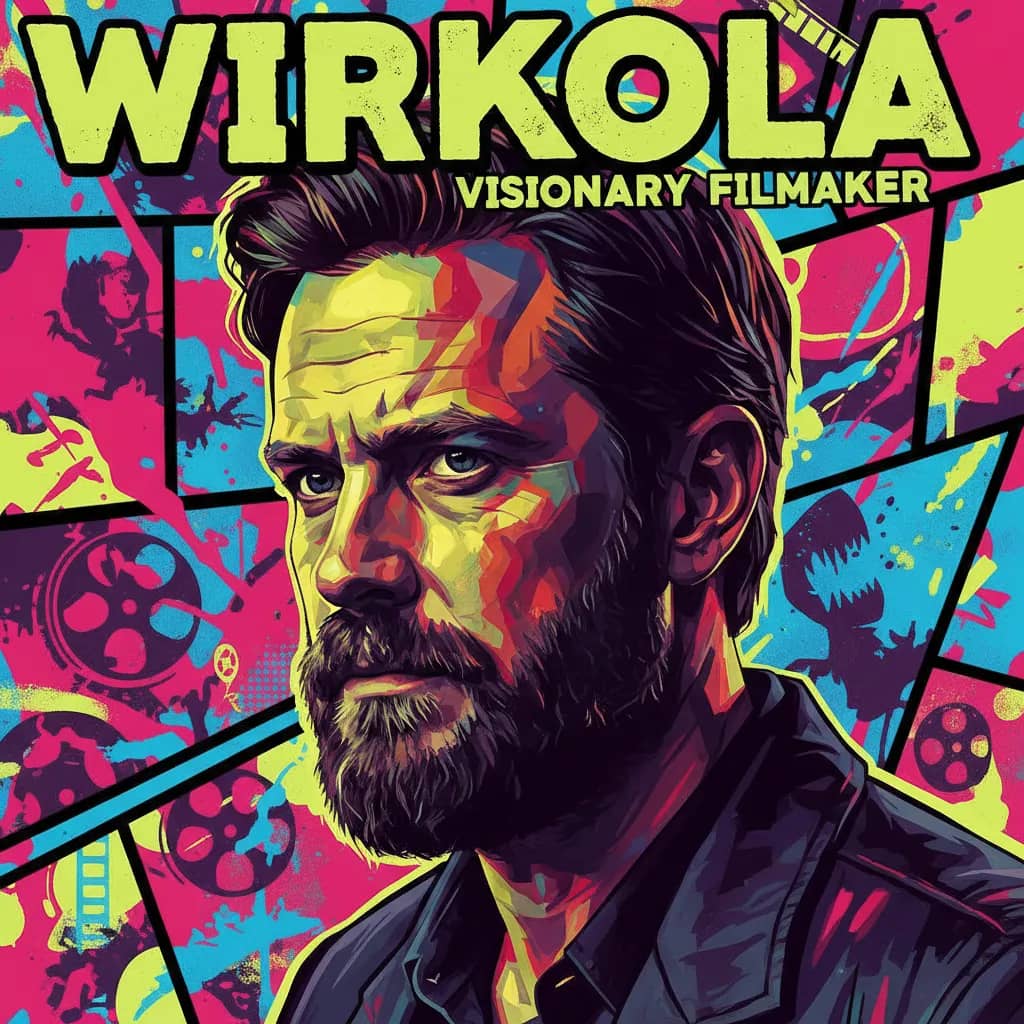
Tommy Wirkola is a Norwegian filmmaker known for his bold and eclectic approach to genre filmmaking. With a penchant for blending action, comedy, and fantasy elements, Wirkola has carved out a distinctive niche in the industry. His filmography features a diverse range of projects, from the darkly comedic horror of "Dead Snow" and its sequel "Dead Snow 2: Red vs. Dead" to the action-packed fantasy of "Hansel & Gretel: Witch Hunters" and the dystopian thriller "What Happened to Monday." Wirkola's directorial style is characterized by a fearless embrace of over-the-top violence, dark humor, and fantastical elements. His films often revel in subverting genre conventions and delivering high-octane entertainment with a twisted sense of fun. Notably, Wirkola has demonstrated a knack for infusing familiar stories with his unique sensibilities, as seen in his reimagining of the classic fairy tale with "Hansel & Gretel: Witch Hunters." A recurring theme in Wirkola's work is the exploration of unconventional heroes and anti-heroes navigating extraordinary circumstances. Whether it's a group of young friends battling Nazi zombies or a pair of adult siblings turned witch hunters, Wirkola's protagonists often find themselves thrust into outlandish and perilous scenarios, where their resilience and wit are put to the test. Wirkola's impact on cinema lies in his ability to breathe new life into established genres and deliver innovative, boundary-pushing narratives. His films have garnered a dedicated following among fans of cult cinema, earning him a reputation as a maverick director unafraid to push the boundaries of storytelling and visual style. With his latest projects like "The Trip" and "Violent Night," Wirkola continues to showcase his versatility and creativity, solidifying his status as a filmmaker with a distinct and captivating vision. In conclusion, Tommy Wirkola's career is defined by a bold and idiosyncratic approach to filmmaking, marked by a fusion of action, comedy, and fantasy elements. His directorial style, recurring themes, and impact on cinema have cemented his status as a visionary filmmaker with a penchant for delivering exhilarating and unconventional storytelling experiences.

Tommy Wiseau is a uniquely enigmatic figure in the world of cinema, best known for his cult classic film "The Room" (2003). Wiseau's directorial style is characterized by its idiosyncratic blend of drama, fantasy, and horror, creating a surreal and often unintentionally comedic viewing experience. Despite being panned by critics upon its initial release, "The Room" has garnered a dedicated following and is celebrated for its unintentional humor and unconventional storytelling. Wiseau's directorial debut, "The Room," has become a cultural phenomenon, with its infamous quotes and memorable scenes achieving iconic status in popular culture. His unconventional approach to filmmaking and storytelling has made "The Room" a beloved cult classic, and it has gained a reputation as "the Citizen Kane of bad movies." Wiseau's unique vision and dedication to his craft have earned him a place in cinematic history, showcasing the impact of outsider art and the enduring allure of so-called "so bad, it's good" films. Throughout his career, Wiseau's work has been marked by recurring themes of love, betrayal, and the human experience, often presented through a lens of surreal and nonsensical storytelling. His unorthodox directorial style has challenged traditional filmmaking norms, and "The Room" stands as a testament to his uncompromising vision and passion for storytelling. Despite its initial critical reception, Wiseau's directorial debut has left an indelible mark on the film industry, demonstrating the enduring power of a unique and uncompromising artistic vision. In conclusion, Tommy Wiseau's impact on cinema is undeniable, with "The Room" cementing his status as a cult director and inspiring a new generation of filmmakers to embrace their unconventional visions. While his directorial style may not conform to traditional standards, Wiseau's influence on the industry is a testament to the enduring appeal of unorthodox and boundary-pushing filmmaking. As audiences continue to flock to midnight screenings and quote its memorable lines, "The Room" stands as a testament to the enduring legacy of Tommy Wiseau's unique contribution to cinema.
Every film by the greats, ranked by our TML Score.

Christopher Nolan
Every film, ranked

Quentin Tarantino
Every film, ranked

Stanley Kubrick
Every film, ranked

Martin Scorsese
Every film, ranked

Steven Spielberg
Every film, ranked

Alfred Hitchcock
Every film, ranked

David Fincher
Every film, ranked

Denis Villeneuve
Every film, ranked

Wes Anderson
Every film, ranked

Paul Thomas Anderson
Every film, ranked

Ridley Scott
Every film, ranked

Tim Burton
Every film, ranked

Guillermo del Toro
Every film, ranked

Hayao Miyazaki
Every film, ranked

Akira Kurosawa
Every film, ranked

Francis Ford Coppola
Every film, ranked

Clint Eastwood
Every film, ranked

Bong Joon Ho
Every film, ranked

Woody Allen
Every film, ranked

Steven Soderbergh
Every film, ranked

Ron Howard
Every film, ranked

Pedro Almodóvar
Every film, ranked

Richard Linklater
Every film, ranked

Roman Polanski
Every film, ranked

Brian De Palma
Every film, ranked

Ingmar Bergman
Every film, ranked

Oliver Stone
Every film, ranked

David Cronenberg
Every film, ranked

Robert Zemeckis
Every film, ranked

Barry Levinson
Every film, ranked

John Carpenter
Every film, ranked

Joel Schumacher
Every film, ranked

Billy Wilder
Every film, ranked

Rob Reiner
Every film, ranked

Neil Jordan
Every film, ranked

Spike Lee
Every film, ranked

Ivan Reitman
Every film, ranked

John Woo
Every film, ranked

Lasse Hallström
Every film, ranked

Stephen Frears
Every film, ranked

Luc Besson
Every film, ranked

Chris Columbus
Every film, ranked

Mike Nichols
Every film, ranked

Howard Hawks
Every film, ranked

Ang Lee
Every film, ranked

Walter Hill
Every film, ranked

Gus Van Sant
Every film, ranked

William Wyler
Every film, ranked

Renny Harlin
Every film, ranked

Sidney Lumet
Every film, ranked

Tony Scott
Every film, ranked