Discover the visionary filmmakers behind cinema's greatest works.
Explore our selection of acclaimed directors and their remarkable films.
Showing 3853-3864 out of 4148

Timothy Linh Bui is a Vietnamese-American film director known for his distinctive directorial style and contributions to the world of cinema. Born in Vietnam and raised in the United States, Bui has made a significant impact on the industry with his thought-provoking storytelling and visually stunning films. His notable filmography includes the 2009 drama "Powder Blue," which showcased his ability to delve into complex human emotions and relationships. Bui's directorial style is characterized by his ability to bring raw and authentic emotions to the screen, often exploring the human condition in a deeply profound manner. His films are marked by their immersive storytelling and powerful visual imagery, which resonate with audiences on a profound level. "Powder Blue" stands as a testament to Bui's ability to capture the intricacies of human experiences and relationships, showcasing his unique directorial vision and storytelling prowess. Throughout his career, Bui has consistently explored themes of redemption, resilience, and the interconnectedness of human lives. His films often delve into the struggles and triumphs of his characters, portraying their journeys with sensitivity and depth. Bui's directorial approach has left an indelible mark on cinema, as he continues to push the boundaries of storytelling and visual artistry. Timothy Linh Bui's impact on cinema is reflected in his ability to create films that resonate with audiences on a deeply emotional level. His unique directorial vision and commitment to storytelling have cemented his status as a visionary filmmaker. As he continues to explore new narratives and push the boundaries of cinematic storytelling, Bui's contributions to the film industry will undoubtedly continue to inspire and captivate audiences for years to come.

Timo Tjahjanto is a visionary Indonesian director known for his exhilarating and visceral approach to action cinema. With a career that has garnered international acclaim, Tjahjanto has made a significant impact on the industry. His directorial style is characterized by relentless action sequences, striking visual aesthetics, and a bold narrative approach that pushes the boundaries of the genre. One of Tjahjanto's most notable films is "The Night Comes for Us" (2018), a high-octane action thriller that has been hailed as a game-changer in the genre. The film features intense fight choreography, unflinching violence, and a relentless pace that keeps audiences on the edge of their seats. Tjahjanto's ability to craft gripping and brutal action sequences has solidified his reputation as a master of the genre. In addition to "The Night Comes for Us," Tjahjanto's "Headshot" (2016) further showcases his directorial prowess. The film seamlessly blends action, drama, and thriller elements, presenting a compelling narrative that is complemented by expertly choreographed fight scenes and stunning visual composition. Tjahjanto's ability to balance intense action with deeply human storytelling sets him apart as a director with a unique and multifaceted vision. Tjahjanto's films often explore themes of redemption, morality, and the human capacity for violence, adding a depth and complexity to his work that resonates with audiences on a profound level. His impact on cinema extends beyond his native Indonesia, as his films have garnered a dedicated international following, earning him a well-deserved reputation as a director to watch. Timo Tjahjanto's contributions to the world of action cinema have been nothing short of groundbreaking. With his distinct directorial style, penchant for pushing boundaries, and unwavering commitment to delivering gripping and unforgettable storytelling, Tjahjanto has solidified his place as a visionary director whose work will continue to captivate audiences for years to come.

Timo Vuorensola is a Finnish director known for his unique blend of action, adventure, and comedy in his films. His most notable works include "Iron Sky" (2012) and its sequel "Iron Sky: The Coming Race" (2019). Vuorensola's directorial style is characterized by his ability to infuse humor and wit into high-concept, visually stunning action-adventure films. "Iron Sky" garnered widespread attention for its audacious premise, which revolves around a group of Nazis who fled to the dark side of the moon after World War II and are now planning to return to Earth. Vuorensola's bold approach to storytelling and his knack for blending satire and spectacle made the film a cult favorite among audiences. The success of "Iron Sky" led to the release of its sequel, "Iron Sky: The Coming Race," which continued to showcase Vuorensola's penchant for crafting entertaining and thought-provoking narratives within the action-adventure genre. One of Vuorensola's recurring themes is his exploration of societal and political commentary through the lens of fantastical and imaginative storytelling. His films often contain allegorical elements that provide social commentary, adding depth and substance to the larger-than-life scenarios depicted on screen. This unique approach has set Vuorensola apart as a director unafraid to tackle complex themes within the framework of entertaining and visually striking films. Vuorensola's impact on cinema lies in his ability to push the boundaries of genre filmmaking, infusing his work with a distinct and original voice. His films have resonated with audiences who appreciate his ability to seamlessly blend action, adventure, and comedy with thought-provoking narratives. With his innovative storytelling and bold directorial choices, Vuorensola continues to make a mark in the film industry, solidifying his reputation as a director with a unique vision and a knack for delivering exhilarating cinematic experiences.

Tim Robbins is a versatile talent in the film industry, renowned for his acting, writing, and directing prowess. Born on October 16, 1958, in West Covina, California, Robbins has made a significant impact on cinema with his thought-provoking directorial works. His directorial style is characterized by a deep exploration of human emotions and societal issues, often blending elements of drama, comedy, and romance to create compelling narratives. Robbins' directorial debut came with the 1992 satirical mockumentary "Bob Roberts," a film that showcased his astute storytelling and incisive commentary on politics and media manipulation. The film, which he also wrote and starred in, marked the beginning of his directorial career and set the stage for his subsequent thought-provoking works. His ability to infuse humor with poignant social commentary became a recurring theme in his directorial endeavors. In 1995, Robbins gained widespread acclaim for directing the powerful crime drama "Dead Man Walking," which delved into the complex themes of capital punishment, redemption, and the human condition. The film, starring Susan Sarandon and Sean Penn, received critical acclaim and earned multiple Academy Award nominations, cementing Robbins' reputation as a director with a keen eye for nuanced storytelling and compelling performances. In 2012, Robbins further showcased his directorial dexterity with "Thanks for Sharing," a poignant comedy-drama that delved into the complexities of addiction and relationships. The film, which featured a stellar ensemble cast, underscored Robbins' ability to navigate sensitive subjects with empathy and authenticity while infusing the narrative with moments of genuine humor and heartfelt emotion. Tim Robbins' directorial contributions have left an indelible mark on cinema, with his films serving as a testament to his unique vision and storytelling prowess. His ability to tackle weighty themes with a blend of wit, insight, and emotional depth has solidified his status as a director who fearlessly explores the human experience through the lens of cinema. As a multitalented artist, Robbins' directorial legacy continues to inspire and resonate with audiences, leaving an enduring impact on the cinematic landscape. Keywords: Tim Robbins, director, filmography, Dead Man Walking, Thanks for Sharing, Bob Roberts, directorial style, recurring themes, impact on cinema, social commentary

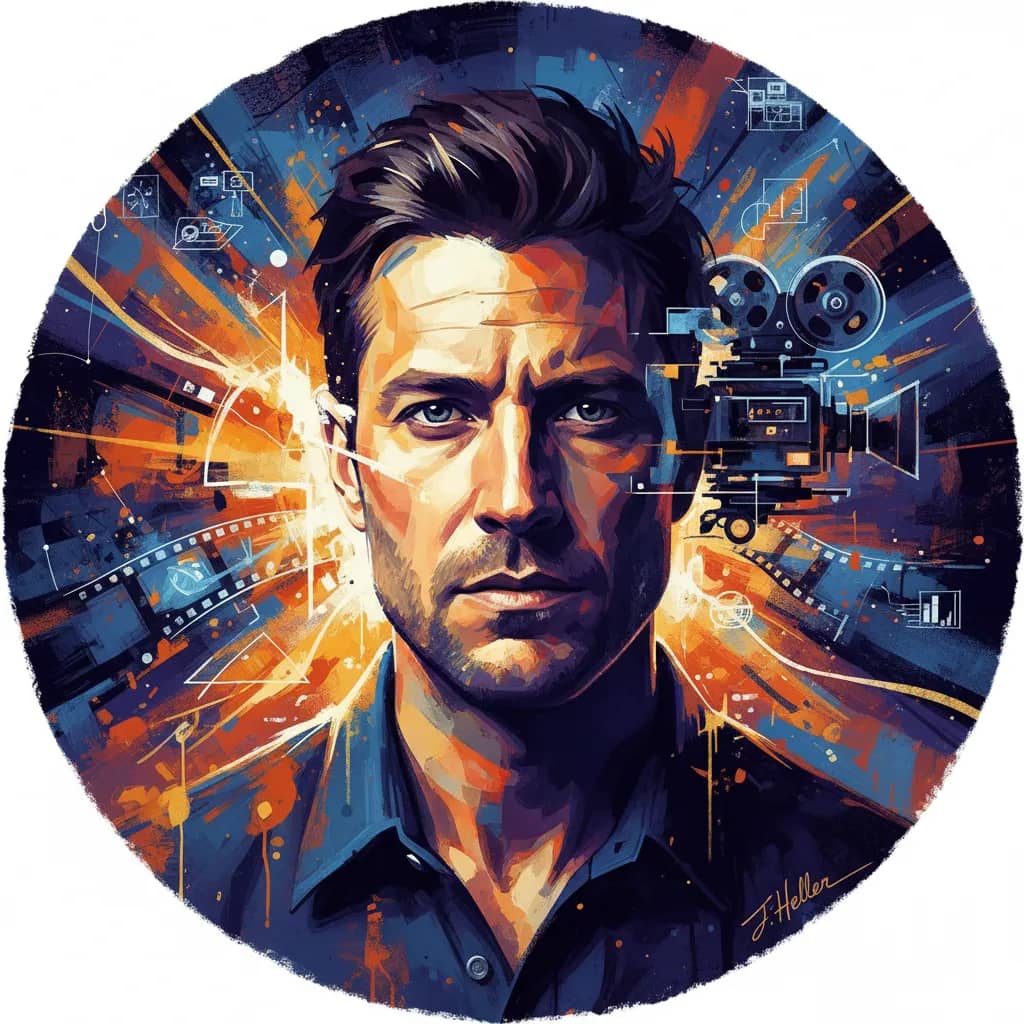
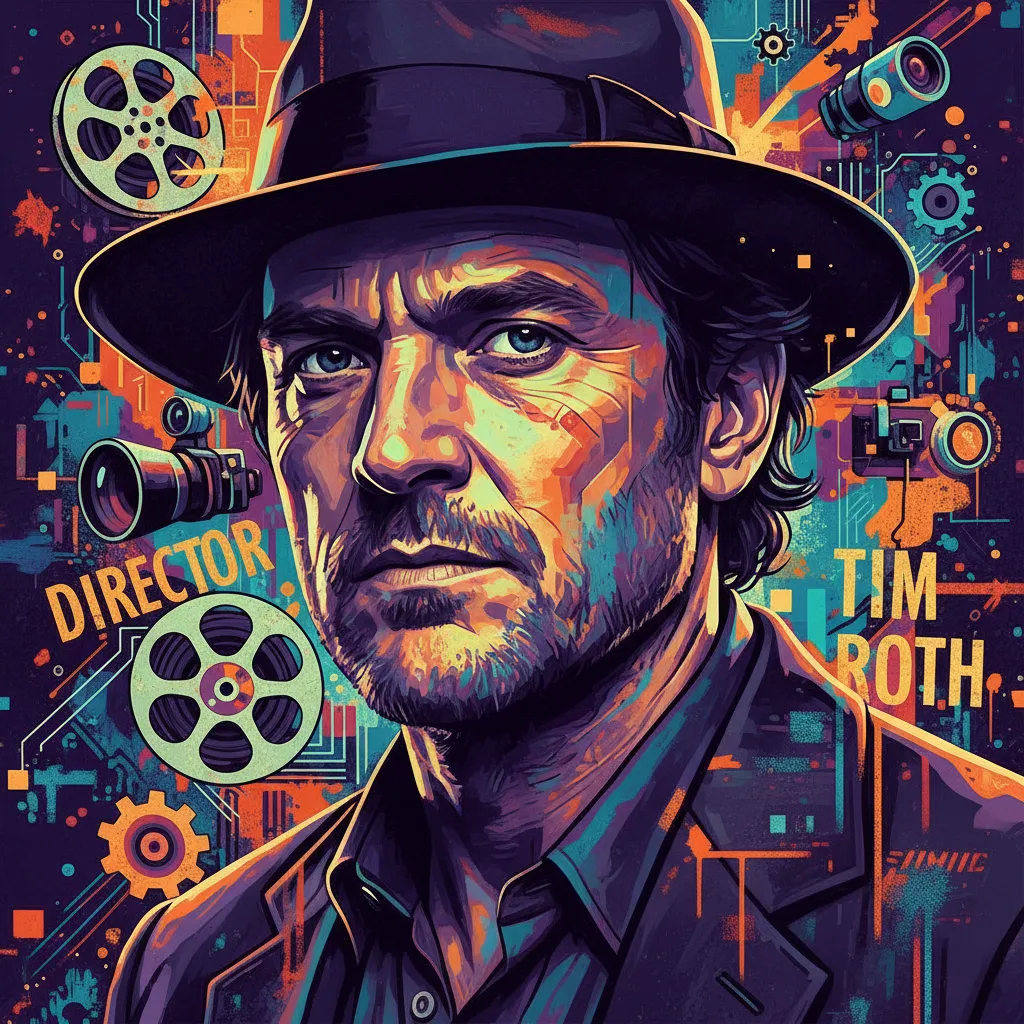
Tim Roth is not only a celebrated actor but also an accomplished film director who has left an indelible mark on the cinematic landscape. His directorial debut, "The War Zone" (1999), is a powerful and harrowing drama that delves into the complexities of family dynamics and the dark, disturbing subject of incest. Roth's directorial style is characterized by a raw and unflinching portrayal of human emotions and relationships, tackling taboo subjects with a fearless and unapologetic approach. "The War Zone" stands as a testament to Roth's directorial prowess, showcasing his ability to extract raw, intense performances from his actors and create an atmosphere of palpable tension and unease. The film received critical acclaim for its unyielding exploration of difficult themes and its haunting, atmospheric visuals. Roth's directorial debut firmly established him as a director unafraid to confront the darker aspects of human nature, and his uncompromising vision has cemented his status as a filmmaker with a distinct and uncompromising voice. Roth's directorial work is marked by a recurring theme of exploring the darker aspects of human experience, delving into the complexities of relationships, trauma, and the human psyche. His films are characterized by a sense of gritty realism and an unflinching portrayal of human vulnerability, inviting audiences to confront uncomfortable truths and challenging societal taboos. Through his directorial efforts, Roth has made a significant impact on cinema, pushing boundaries and sparking important conversations about the human condition. Roth's foray into directing has further solidified his status as a multifaceted talent in the film industry, and his unique perspective and unapologetic approach continue to resonate with audiences and critics alike. As he continues to explore the nuances of human emotion and relationships through his directorial work, Tim Roth's contributions to cinema stand as a testament to the power of fearless storytelling and uncompromising vision.

Tim Story is a prolific and versatile film director known for his ability to bring humor, heart, and action to the screen. With a diverse filmography spanning various genres, Story has made an indelible mark on Hollywood with his distinct directorial style. He first gained widespread recognition with the critically acclaimed comedy-drama "Barbershop" in 2002, which showcased his knack for blending humor with insightful social commentary. This early success set the stage for his subsequent ventures into blockbuster territory, cementing his reputation as a director with a keen eye for engaging storytelling and compelling characters. One of Story's notable contributions to cinema is his work on the "Fantastic Four" franchise. He helmed both "Fantastic Four" (2005) and its sequel "Fantastic Four: Rise of the Silver Surfer" (2007), bringing a fresh and dynamic approach to the superhero genre. His ability to balance high-stakes action with relatable interpersonal dynamics made these films stand out in a crowded market, earning him a dedicated fan base and solidifying his status as a sought-after director for major studio projects. In addition to his superhero outings, Story has also left his mark on the comedy genre with hits like "Think Like a Man" (2012) and its sequel "Think Like a Man Too" (2014). These films demonstrated his adeptness at navigating the complexities of modern relationships with humor and authenticity, resonating with audiences and garnering commercial success. Furthermore, Story showcased his versatility by venturing into the realm of animation with "Tom & Jerry" (2021), skillfully bringing the beloved cat-and-mouse duo to life on the big screen with his signature blend of comedy and adventure. Throughout his career, Story has consistently infused his projects with a sense of fun, camaraderie, and visual flair, earning him a reputation as a director who can deliver crowd-pleasing entertainment without sacrificing substance. His ability to connect with audiences across genres and demographics speaks to his enduring impact on cinema, making him a director to watch for those seeking compelling storytelling and memorable cinematic experiences. With a track record of successful films and a unique directorial vision, Tim Story continues to leave an indelible mark on the film industry, solidifying his status as a director with lasting influence and appeal.

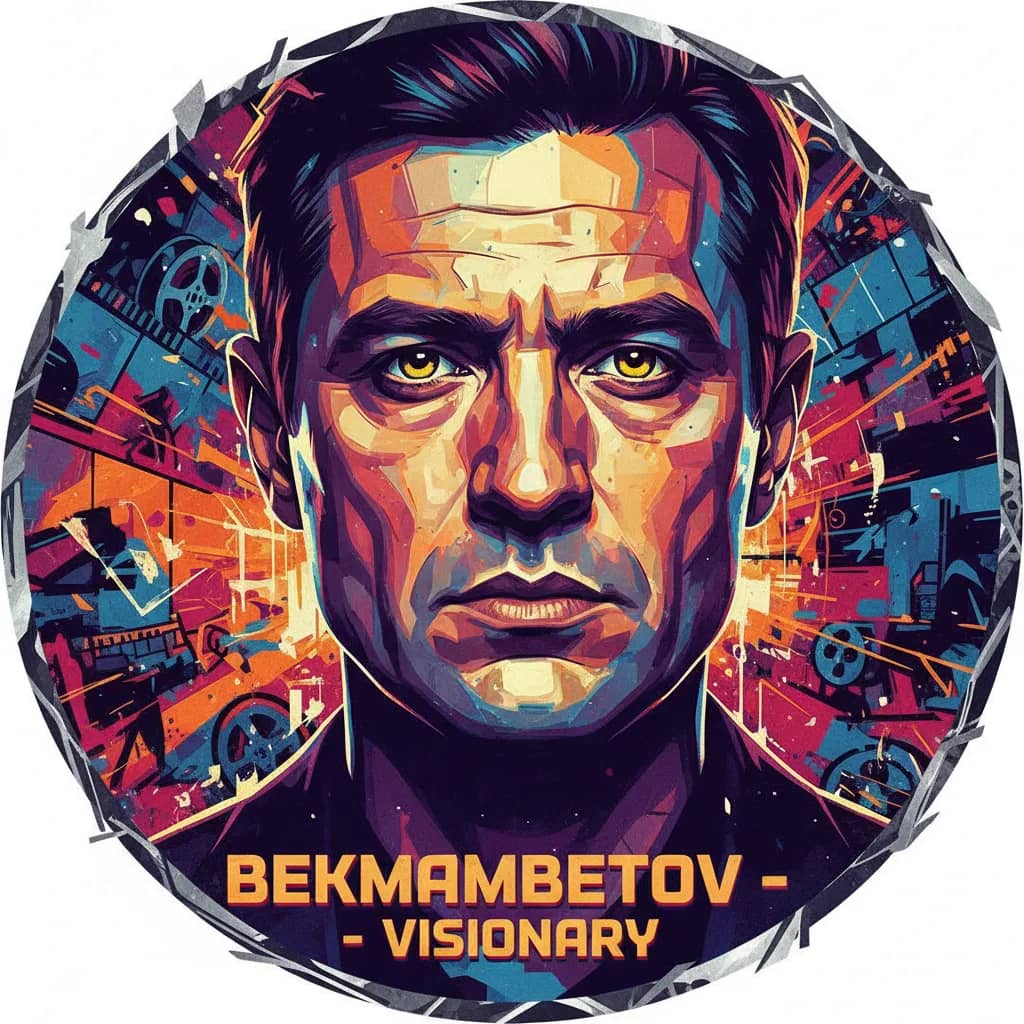
Timur Bekmambetov is a visionary film director known for his unique blend of action, fantasy, and horror elements that have left an indelible mark on cinema. His directorial style is characterized by visually striking sequences, intense action, and a penchant for weaving fantastical elements into his narratives. Bekmambetov's films often explore themes of power, destiny, and the supernatural, captivating audiences with his imaginative storytelling and visually arresting imagery. One of Bekmambetov's most notable films is "Wanted" (2008), a high-octane action thriller that garnered widespread acclaim for its adrenaline-pumping sequences and innovative visual effects. The film showcased Bekmambetov's ability to craft exhilarating action set pieces while infusing the story with a touch of the supernatural, a recurring theme in his work. Additionally, "Night Watch" (2004) and "Day Watch" (2006) further solidified Bekmambetov's reputation as a master of blending action, fantasy, and horror, creating a compelling and immersive cinematic experience for audiences. In 2012, Bekmambetov ventured into the realm of historical fantasy with "Abraham Lincoln: Vampire Hunter," a film that epitomized his ability to re-imagine familiar narratives through a fantastical lens. The movie showcased Bekmambetov's knack for infusing historical settings with supernatural elements, offering a fresh and imaginative take on the vampire genre. Bekmambetov's impact on cinema is evident in his ability to push the boundaries of genre filmmaking, captivating audiences with his distinct visual style and inventive storytelling. His films have inspired a new wave of filmmakers to explore the intersection of action, fantasy, and horror, cementing his legacy as a trailblazer in the industry. As a director, Bekmambetov continues to captivate audiences with his unparalleled vision, leaving an indelible mark on the cinematic landscape. In conclusion, Timur Bekmambetov's career is defined by his ability to craft visually stunning and thematically rich films that transcend traditional genre boundaries. His unique directorial style and imaginative storytelling have solidified his status as a pioneering force in the world of cinema, inspiring audiences and fellow filmmakers alike. With a filmography that encompasses a diverse range of genres, Bekmambetov continues to push the envelope, demonstrating his unwavering commitment to delivering captivating and boundary-pushing cinematic experiences.



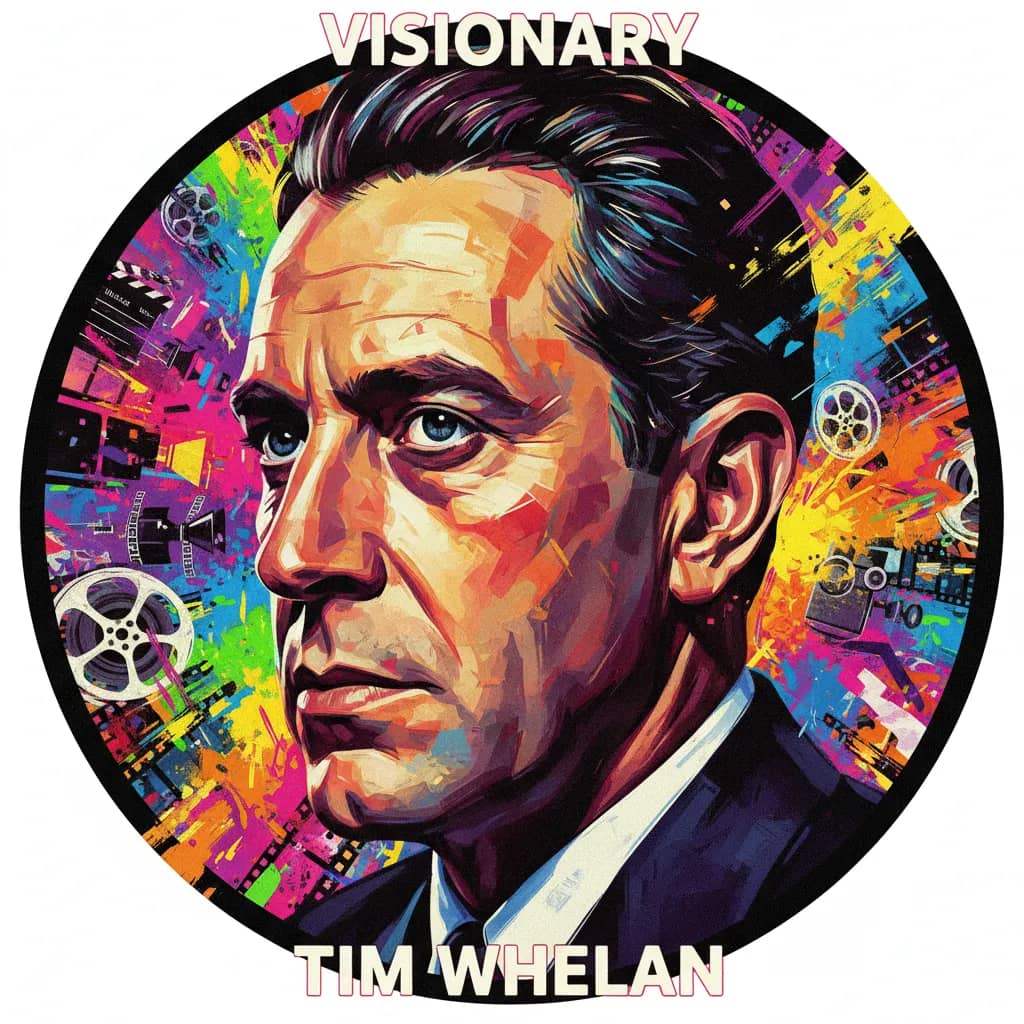
Tim Whelan was a versatile and innovative film director known for his remarkable contributions to the Golden Age of Hollywood cinema. With a career spanning several decades, Whelan's directorial style combined grandeur with intricate storytelling and a flair for fantasy. His most notable film, "The Thief of Bagdad" (1940), is a timeless adventure that seamlessly blends action, romance, and fantasy, showcasing Whelan's ability to create visually stunning and immersive cinematic experiences. Whelan's directorial style was characterized by his keen eye for detail and his ability to bring out the best in his actors, creating captivating and emotionally resonant performances. His films often featured elaborate set designs, breathtaking special effects, and epic storytelling, earning him a reputation as a master of spectacle and fantasy. "The Thief of Bagdad" stands as a testament to Whelan's visionary approach, as it continues to enchant audiences with its magical storytelling and groundbreaking visual effects. Throughout his career, Whelan explored recurring themes of heroism, romance, and the battle between good and evil, all of which were brought to life through his distinct directorial vision. His impact on cinema is evident in the enduring influence of "The Thief of Bagdad" on subsequent fantasy and adventure films, as well as the lasting impression he left on the art of storytelling through the lens of fantasy and adventure. Tim Whelan's legacy as a director remains a testament to his ability to transport audiences to fantastical worlds while delivering timeless and captivating narratives. His unique vision and contributions to film continue to inspire and captivate audiences, cementing his place as a visionary director of the Golden Age of Hollywood.

Tinto Brass is an Italian filmmaker renowned for his bold and provocative approach to cinema. With a career spanning over six decades, Brass has left an indelible mark on the industry with his distinctive directorial style and unabashed exploration of sensuality and eroticism. He is best known for his controversial yet visually stunning works, with his 1979 film "Caligula" standing as a testament to his boundary-pushing creativity. Brass' directorial style is characterized by a meticulous attention to visual aesthetics and a fearless embrace of taboo subjects. His films often feature lavish set designs, sumptuous cinematography, and a fearless exploration of human sexuality. Brass's penchant for challenging societal norms and pushing the boundaries of censorship has cemented his reputation as a director unafraid to tackle controversial themes. "Caligula," perhaps Brass's most notorious work, is a historical drama that delves into the decadence and debauchery of ancient Rome. The film courted controversy for its explicit depiction of sex and violence, pushing the boundaries of what was deemed acceptable in mainstream cinema. Despite its divisive reception, "Caligula" remains a testament to Brass's uncompromising vision and willingness to confront taboo subjects head-on. Throughout his career, Brass has consistently explored themes of power, desire, and the human psyche, often through a lens of unapologetic sensuality. His films have sparked debates and discussions about censorship, artistic freedom, and the portrayal of sexuality in cinema. His influence extends beyond the screen, inspiring a new generation of filmmakers to challenge conventions and fearlessly pursue their artistic visions. Tinto Brass's impact on cinema is undeniable, as he continues to be celebrated for his fearless approach to storytelling and his unyielding commitment to pushing the boundaries of artistic expression. His legacy as a director who fearlessly confronts societal taboos and challenges artistic norms has solidified his status as a pioneering figure in the world of cinema.

Tinu Suresh Desai is a talented Indian director known for his work in the crime, drama, and thriller genres. Desai made his directorial debut with the 2016 film "Rustom," which garnered widespread acclaim for its gripping narrative and stellar performances. His directorial style is characterized by a keen eye for detail, compelling storytelling, and the ability to create tension that keeps audiences on the edge of their seats. "Rustom" stands as a testament to Desai's ability to skillfully blend elements of crime, drama, and thriller genres. The film, inspired by true events, revolves around a naval officer who is accused of murdering his wife's lover. Desai's meticulous direction and ability to build suspense throughout the film showcase his mastery of the thriller genre. His attention to character development and the portrayal of moral dilemmas further solidify his reputation as a director with a unique vision. Desai's work often explores themes of justice, morality, and the human psyche, captivating audiences with thought-provoking narratives and complex characters. His impact on Indian cinema has been significant, as he has contributed to the evolution of the thriller genre and has earned a dedicated following of fans who eagerly anticipate his future projects. With "Rustom," Tinu Suresh Desai has cemented his status as a director to watch, and his contributions to the industry continue to shape the landscape of Indian cinema. As he continues to hone his craft and push the boundaries of storytelling, Desai's influence on the film industry is poised to endure for years to come.

Ti West is a prominent figure in the world of horror cinema, known for his distinct directorial style and penchant for creating atmospheric, slow-burn thrillers. West first gained widespread recognition with his 2009 film "The House of the Devil," a throwback to 1980s horror that encapsulated his mastery of building tension and suspense. This film solidified his status as a filmmaker who pays homage to the genre's roots while infusing it with his own modern sensibilities. One of West's notable trademarks is his ability to craft compelling narratives within confined spaces, often utilizing a single location to heighten the sense of claustrophobia and unease. This is evident in films like "The Innkeepers" (2011) and "The Sacrament" (2013), where he skillfully weaves together elements of horror, mystery, and drama to create an immersive experience for audiences. Furthermore, West's foray into different genres, such as the action-packed Western "In a Valley of Violence" (2016) and the upcoming drama-horror "Pearl" (2022), showcases his versatility as a director. Recurring themes in West's work include the exploration of isolation, paranoia, and the supernatural, often presented through a character-driven lens. His films are characterized by meticulous attention to detail, deliberate pacing, and a focus on character development, all of which contribute to the palpable sense of dread that permeates his storytelling. West's impact on cinema lies in his ability to revitalize classic horror tropes for contemporary audiences, earning him a dedicated following among genre enthusiasts. As a director, Ti West continues to push the boundaries of horror filmmaking, cementing his position as a visionary auteur with a keen understanding of what makes the genre so enduring. With a filmography that reflects his unwavering dedication to crafting compelling narratives and evocative atmospheres, West's unique vision has left an indelible mark on the landscape of modern cinema, ensuring that his contributions to the art form will be celebrated for years to come.

T.J. Gnanavel is a talented and visionary Indian film director known for his impactful storytelling and unique directorial style. His notable work includes the 2021 crime drama mystery film "Jai Bhim," which garnered widespread acclaim for its powerful narrative and compelling performances. Gnanavel's directorial approach is characterized by a keen focus on social issues, human rights, and compelling storytelling that resonates with audiences on a deep emotional level. "Jai Bhim" stands as a testament to Gnanavel's ability to tackle complex and thought-provoking subject matter with sensitivity and nuance. The film sheds light on pressing societal issues, delivering a poignant portrayal of injustice and the resilience of the human spirit. Gnanavel's directorial prowess is evident in his ability to seamlessly blend intense drama with elements of mystery, captivating audiences and critics alike. Throughout his career, Gnanavel has demonstrated a commitment to addressing social and political themes, using his films as a platform to provoke meaningful discussions and advocate for change. His directorial work has left a lasting impact on Indian cinema, earning him recognition as a filmmaker who fearlessly delves into pressing societal issues through the lens of compelling storytelling. Gnanavel's directorial style is marked by an unwavering dedication to authenticity and a deep understanding of the human experience. His films resonate with audiences by portraying relatable characters facing extraordinary circumstances, offering a profound exploration of the human condition. Gnanavel's directorial contributions have enriched Indian cinema, establishing him as a filmmaker who fearlessly tackles pertinent societal issues with unparalleled artistry and emotional depth. In conclusion, T.J. Gnanavel's directorial career is defined by a commitment to storytelling that transcends boundaries and resonates with audiences on a profound level. His thought-provoking films, such as "Jai Bhim," underscore his ability to address pressing societal issues with emotional resonance and artistic integrity. Gnanavel's impact on cinema is undeniable, as he continues to shape the landscape of Indian filmmaking with his unique vision and unwavering dedication to authentic storytelling.
Every film by the greats, ranked by our TML Score.

Christopher Nolan
Every film, ranked

Quentin Tarantino
Every film, ranked

Stanley Kubrick
Every film, ranked

Martin Scorsese
Every film, ranked

Steven Spielberg
Every film, ranked

Alfred Hitchcock
Every film, ranked

David Fincher
Every film, ranked

Denis Villeneuve
Every film, ranked

Wes Anderson
Every film, ranked

Paul Thomas Anderson
Every film, ranked

Ridley Scott
Every film, ranked

Tim Burton
Every film, ranked

Guillermo del Toro
Every film, ranked

Hayao Miyazaki
Every film, ranked

Akira Kurosawa
Every film, ranked

Francis Ford Coppola
Every film, ranked

Clint Eastwood
Every film, ranked

Bong Joon Ho
Every film, ranked

Woody Allen
Every film, ranked

Steven Soderbergh
Every film, ranked

Ron Howard
Every film, ranked

Pedro Almodóvar
Every film, ranked

Richard Linklater
Every film, ranked

Roman Polanski
Every film, ranked

Brian De Palma
Every film, ranked

Ingmar Bergman
Every film, ranked

Oliver Stone
Every film, ranked

David Cronenberg
Every film, ranked

Robert Zemeckis
Every film, ranked

Barry Levinson
Every film, ranked

John Carpenter
Every film, ranked

Joel Schumacher
Every film, ranked

Billy Wilder
Every film, ranked

Rob Reiner
Every film, ranked

Neil Jordan
Every film, ranked

Spike Lee
Every film, ranked

Ivan Reitman
Every film, ranked

John Woo
Every film, ranked

Lasse Hallström
Every film, ranked

Stephen Frears
Every film, ranked

Luc Besson
Every film, ranked

Chris Columbus
Every film, ranked

Mike Nichols
Every film, ranked

Howard Hawks
Every film, ranked

Ang Lee
Every film, ranked

Walter Hill
Every film, ranked

Gus Van Sant
Every film, ranked

William Wyler
Every film, ranked

Renny Harlin
Every film, ranked

Sidney Lumet
Every film, ranked

Tony Scott
Every film, ranked