Discover the visionary filmmakers behind cinema's greatest works.
Explore our selection of acclaimed directors and their remarkable films.
Showing 3697-3708 out of 4148

Steve Buscemi, best known for his iconic acting roles in films like Fargo and Reservoir Dogs, has also made an indelible impact as a director in the world of cinema. With a career spanning over two decades, Buscemi has brought his distinctive vision and storytelling prowess to the director's chair, creating a body of work that is both compelling and thought-provoking. Buscemi's directorial style is characterized by its raw authenticity and intimate portrayal of human experiences. His films often delve into the complexities of everyday life, offering a gritty and unfiltered look at the human condition. With a keen eye for detail and a deep understanding of character dynamics, Buscemi crafts narratives that resonate on a deeply emotional level, drawing audiences into the worlds he creates on screen. One of Buscemi's most notable directorial achievements is "Trees Lounge" (1996), a poignant comedy-drama that marked his directorial debut. The film, which he also wrote and starred in, showcases his ability to capture the nuances of small-town life and the struggles of its inhabitants with empathy and insight. "Animal Factory" (2000), another standout in Buscemi's filmography, further solidified his reputation as a director with a penchant for exploring the complexities of the human experience within the confines of the criminal justice system. In "Interview" (2007), Buscemi demonstrated his directorial versatility by adapting a stage play into a compelling and intense drama that delves into the psychological power play between its two central characters. Through his diverse body of work, Buscemi has consistently gravitated towards themes of redemption, human connection, and the stark realities of existence, infusing his films with an unflinching honesty that resonates with audiences. Buscemi's impact on cinema lies in his ability to infuse his directorial projects with a sense of emotional depth and authenticity that elevates the storytelling experience. His unique perspective and dedication to crafting narratives that resonate on a deeply human level have cemented his status as a director to watch. As he continues to explore the intricacies of the human condition through his work, Steve Buscemi's contributions to cinema remain an enduring testament to the power of storytelling and the art of capturing the essence of life on screen.

Steve Carr is a highly accomplished film director known for his work in the comedy and family genres. With a career spanning over two decades, Carr has left an indelible mark on the film industry with his unique directorial style and ability to capture the essence of humor and heartwarming storytelling. His notable films include "Rebound" (2005), "Dr. Dolittle 2" (2001), "Paul Blart: Mall Cop" (2009), "Daddy Day Care" (2003), and "Next Friday" (2000). Carr's directorial style is characterized by his adeptness at blending comedic elements with genuine emotional depth, creating films that resonate with audiences of all ages. His films often feature themes of resilience, friendship, and the triumph of the underdog, all underscored by his keen sense of visual storytelling and timing. Carr's ability to infuse humor with heartfelt moments has made him a sought-after director for family-friendly and comedy films. With a penchant for crafting narratives that evoke laughter and warmth, Carr has made a significant impact on cinema by contributing to the proliferation of feel-good, entertaining movies that appeal to broad audiences. His films have not only entertained viewers but have also underscored the importance of humor and positivity in storytelling, leaving a lasting impression on the industry. In conclusion, Steve Carr's directorial career has been defined by his ability to infuse comedy and family-oriented storytelling with genuine heart and warmth. His films continue to resonate with audiences, offering a blend of humor and emotional resonance that has solidified his status as a renowned director in the entertainment industry. With a diverse filmography and a consistent ability to connect with viewers, Carr's contributions to cinema are both impactful and enduring.

Steve Carver is a renowned film director known for his impactful contributions to the action, crime, and drama genres. His most notable work includes the 1983 film "Lone Wolf McQuade," which solidified his reputation as a director with a keen eye for adrenaline-pumping action sequences and compelling storytelling. Carver's directorial style is characterized by his adeptness at portraying gritty and intense narratives, often featuring protagonists navigating morally complex situations. His films are marked by a distinct visual flair and a knack for capturing the raw energy of the action genre. Carver's keen understanding of pacing and tension-building techniques allows him to create immersive cinematic experiences that keep audiences on the edge of their seats. "Lone Wolf McQuade" stands out as a quintessential example of Carver's directorial prowess, showcasing his ability to craft thrilling and emotionally resonant narratives within the action genre. The film's success not only solidified Carver's status as a director to watch but also left an indelible mark on the action cinema landscape, influencing subsequent filmmakers and becoming a touchstone for fans of the genre. Throughout his career, Carver has explored recurring themes of honor, resilience, and the complexities of human nature, infusing his films with compelling character dynamics and thought-provoking moral dilemmas. His ability to breathe life into multifaceted characters and craft high-stakes, adrenaline-fueled narratives has left an enduring impact on cinema, earning him a revered place within the action film canon. Steve Carver's directorial legacy continues to resonate with audiences and filmmakers alike, as his body of work remains a testament to his unparalleled vision and enduring influence on the action, crime, and drama genres. With a career marked by iconic films and a distinctive directorial style, Carver's contributions to cinema are celebrated as a testament to the enduring power of visionary storytelling.

Steve Conrad is a versatile and accomplished film director known for his unique vision and ability to infuse his projects with humor, heart, and thought-provoking storytelling. Conrad made his directorial debut with "The Promotion" in 2008, a comedy that showcases his keen sense of humor and skillful direction of ensemble casts. The film revolves around the cutthroat world of retail management, offering a satirical take on the pursuit of success and the sacrifices that come with it. Conrad's directorial style is characterized by its blend of wit, insight, and empathy, allowing him to craft compelling narratives that resonate with audiences. His work often explores the complexities of human relationships, the pursuit of the American dream, and the absurdities of modern life. Conrad's ability to infuse his films with relatable characters and authentic emotions has earned him a dedicated following and critical acclaim. In addition to his directorial work, Conrad has made significant contributions as a screenwriter, penning scripts for acclaimed films such as "The Pursuit of Happyness" and "The Secret Life of Walter Mitty." His storytelling prowess and ability to create multi-dimensional characters have solidified his reputation as a talented and influential voice in the film industry. Conrad's impact on cinema lies in his ability to blend humor with poignant social commentary, offering audiences a fresh perspective on familiar themes. His films serve as a testament to the power of storytelling and the human experience, showcasing his dedication to creating meaningful and entertaining cinema. As he continues to hone his craft, audiences can anticipate more captivating and thought-provoking work from this visionary director.

Steve De Jarnatt is a visionary director whose short but impactful career has left an indelible mark on American cinema. With only two feature films to his name, De Jarnatt has garnered a cult following for his unique directorial style and compelling storytelling. His notable films include "Cherry 2000" (1987) and "Miracle Mile" (1988), both of which showcase his ability to blend action, romance, and drama in a way that captivates audiences. De Jarnatt's directorial style is characterized by a meticulous attention to detail and a knack for infusing his films with a sense of urgency and emotional depth. "Cherry 2000" is a futuristic action-comedy that explores themes of love and technology, while "Miracle Mile" is a gripping romantic drama set against the backdrop of an impending nuclear apocalypse. Both films exhibit De Jarnatt's ability to seamlessly blend genre elements with poignant storytelling, showcasing his versatility as a director. One of the recurring themes in De Jarnatt's work is the exploration of human connection in the face of extraordinary circumstances. Whether it's the quest for love in a post-apocalyptic world or the desperate search for redemption in the shadow of doomsday, De Jarnatt's films often delve into the complexities of human relationships and the resilience of the human spirit. His ability to infuse his narratives with genuine emotion and high-stakes drama sets him apart as a director with a keen understanding of the human experience. Despite his limited output, De Jarnatt's impact on cinema is undeniable. His films have garnered a dedicated fan base and have been praised for their originality and thought-provoking storytelling. While his directorial career may have been relatively brief, the influence of his work continues to resonate with audiences and aspiring filmmakers alike. Steve De Jarnatt remains a director whose distinct vision and uncompromising approach to storytelling have solidified his place in the annals of cinematic history.

Steve Hickner is a celebrated director in the world of animation, known for his outstanding work on beloved films such as "The Prince of Egypt" (1998) and "Bee Movie" (2007). Hickner has made a significant impact on the industry, showcasing a directorial style characterized by meticulous attention to detail, compelling storytelling, and visually stunning animation. His films have seamlessly blended elements of adventure, drama, and comedy, captivating audiences of all ages. "The Prince of Egypt" marked a pivotal moment in Hickner's career, as he co-directed this animated classic. The film received widespread acclaim for its breathtaking animation, powerful storytelling, and memorable musical score. It remains a timeless masterpiece that continues to resonate with audiences, illustrating Hickner's ability to bring timeless stories to life with depth and emotional resonance. In "Bee Movie," Hickner's directorial prowess shone through once again, as he skillfully navigated the blend of humor, adventure, and heartwarming moments in this animated comedy. The film's success further solidified Hickner's reputation as a visionary director with a talent for creating entertainment that appeals to both children and adults. One of Hickner's recurring themes is his ability to infuse his films with meaningful messages and universal themes, making them relatable to a wide audience. His dedication to storytelling and craftsmanship has left an indelible mark on the animation industry, inspiring future generations of filmmakers. Hickner's impact on cinema is undeniable, as his work has not only entertained audiences but also set a high standard for quality animation and storytelling. His unique vision and contributions to film have solidified his place as a revered director in the animation genre, and his films continue to stand the test of time, leaving a lasting legacy in the world of cinema.

Steve Kloves is an American film director best known for his work on "The Fabulous Baker Boys," a 1989 comedy-drama-music film that showcased his talent for crafting emotionally resonant stories. Kloves' directorial style is characterized by a keen focus on character development and intimate storytelling, often exploring the complexities of human relationships and the pursuit of personal fulfillment. His ability to blend humor, drama, and music into a compelling narrative has solidified his reputation as a versatile and insightful director. "The Fabulous Baker Boys" stands as a testament to Kloves' directorial prowess, as he masterfully captured the nuances of sibling dynamics and the transformative power of music. The film's success can be attributed to Kloves' seamless blending of captivating performances, evocative cinematography, and a richly layered script, all of which contributed to its enduring impact on cinema. Throughout his career, Kloves has demonstrated a penchant for delving into the intricacies of human emotion and the pursuit of creative expression, often using music as a thematic backdrop to underscore his characters' journeys. His directorial contributions have left an indelible mark on the film industry, earning him recognition as a visionary storyteller who possesses a deep understanding of the human experience. Kloves' unique vision and ability to infuse his films with authenticity and emotional depth have cemented his status as a director with a distinct voice and a profound impact on audiences. His directorial legacy continues to inspire aspiring filmmakers and enrich the cinematic landscape with his compelling narratives and evocative storytelling. With a career marked by insightful character studies and poignant explorations of the human spirit, Steve Kloves remains a celebrated figure in the world of cinema, leaving an enduring imprint on the art of storytelling through film.

Steve Martino is a renowned film director known for his exceptional work in the animation genre. With a career spanning over a decade, Martino has made a significant impact on cinema through his distinct directorial style and strong storytelling abilities. His notable films include "Horton Hears a Who!" (2008), "Ice Age: Continental Drift" (2012), and "The Peanuts Movie" (2015), all of which have captivated audiences with their visually stunning animation and engaging narratives. Martino's directorial style is characterized by his ability to bring beloved characters and stories to life through the magic of animation. His films often feature vibrant, colorful visuals and a strong emphasis on character development, making them appealing to audiences of all ages. Martino's keen eye for detail and his commitment to staying true to the essence of the original source material have earned him praise from both critics and fans alike. One of Martino's most notable contributions to cinema is his skillful adaptation of classic literary and comic book characters into compelling animated features. "Horton Hears a Who!" and "The Peanuts Movie" are prime examples of Martino's ability to honor the legacy of iconic characters while infusing them with fresh energy and modern sensibilities. His films often explore themes of friendship, perseverance, and the power of imagination, resonating with audiences on a deeply emotional level. Martino's impact on the animation industry cannot be overstated, as he continues to push the boundaries of visual storytelling and inspire future generations of filmmakers. Through his innovative approach to directing, Martino has solidified his place as a visionary in the world of animation, leaving an indelible mark on the medium. As he continues to explore new creative endeavors, audiences eagerly anticipate the next cinematic masterpiece to emerge from the imaginative mind of Steve Martino. In conclusion, Steve Martino's directorial career is a testament to his unparalleled talent and dedication to bringing enchanting stories to the silver screen. His ability to blend cutting-edge animation techniques with timeless narratives has established him as a trailblazer in the animation genre. With a remarkable filmography and a reputation for delivering captivating cinematic experiences, Martino's legacy as a visionary director is sure to endure for years to come.

Steve McQueen is a British film director who has made a significant impact on the industry with his unique vision and powerful storytelling. Known for his uncompromising and visually stunning films, McQueen has consistently explored themes of power, race, and identity, leaving a lasting impression on audiences and critics alike. With a relatively small filmography, McQueen has managed to solidify his place as one of the most influential directors of his generation. McQueen burst onto the scene with his directorial debut, "Hunger" (2008), a harrowing portrayal of the 1981 Irish hunger strike led by Bobby Sands. The film showcased McQueen's distinct directorial style, which featured long, unbroken takes and an unflinching gaze into the human condition. His next film, "Shame" (2011), continued to explore the darker aspects of human nature, delving into the destructive nature of addiction and sexual desire. With "12 Years a Slave" (2013), McQueen tackled the brutal realities of slavery in America, earning widespread acclaim and winning the Academy Award for Best Picture. In "Widows" (2018), McQueen took a departure from his previous work, diving into the realm of heist thrillers while still maintaining his signature visual flair and thematic depth. His directorial style often juxtaposes beauty with brutality, capturing the raw emotions and complexities of the human experience. McQueen's films are characterized by their unflinching portrayal of societal issues and their ability to provoke deep introspection. Steve McQueen has left an indelible mark on cinema with his thought-provoking narratives and visually arresting compositions. His films have garnered numerous accolades and have sparked important conversations about race, power dynamics, and human resilience. With a keen eye for detail and an uncompromising dedication to his craft, McQueen continues to push the boundaries of storytelling, cementing his legacy as a fearless and innovative filmmaker.

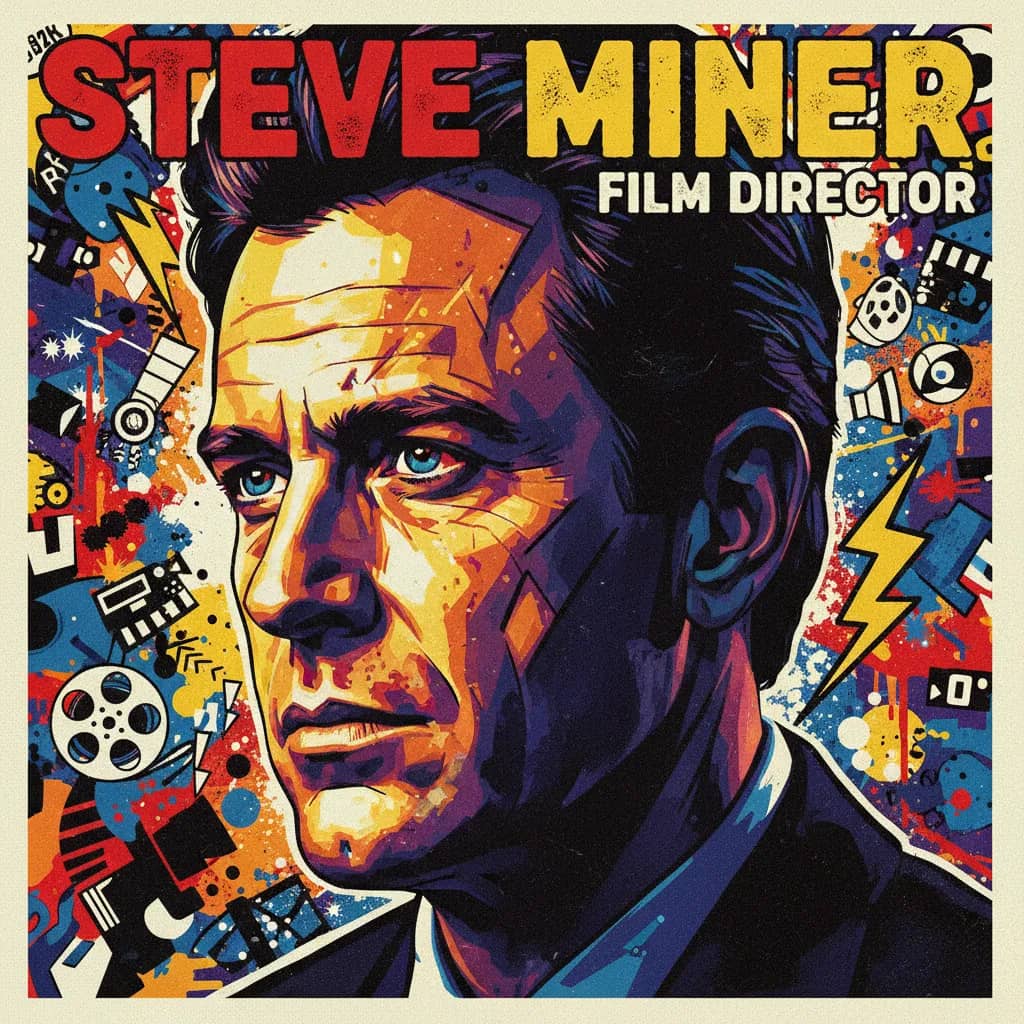
Steve Miner is a prolific American film director known for his diverse contributions to the horror, comedy, and romance genres. With a career spanning several decades, Miner has left an indelible mark on cinema through his unique directorial style and notable films. He first gained recognition in the horror genre with his work on iconic franchises like "Friday the 13th Part 2" and "Friday the 13th Part III." Miner's adeptness at creating tension and suspense within the horror and thriller genres solidified his reputation as a masterful director in the realm of suspenseful storytelling. Notably, Miner expanded his directorial repertoire beyond horror, demonstrating his versatility with films like "My Father the Hero" and "Forever Young." These forays into comedy, romance, and sci-fi showcased Miner's ability to navigate different genres while maintaining his distinct directorial imprint. One of Miner's notable works, "Halloween H20: 20 Years Later," further solidified his standing within the horror genre, contributing to a franchise with a dedicated fan base and leaving an enduring impact on the genre as a whole. Throughout his career, Miner's directorial style has been characterized by a keen sense of visual storytelling, adept handling of tension and suspense, and an ability to elicit strong emotional connections from audiences. His films often explore themes of fear, survival, and the human condition, reflecting his skill in delving into the complexities of the human psyche. Miner's contributions to cinema have not only entertained audiences but have also influenced subsequent generations of filmmakers, cementing his legacy as a director with a diverse and impactful body of work. With an unparalleled ability to navigate multiple genres with finesse, Miner continues to be celebrated for his unique vision and enduring contributions to film. In conclusion, Steve Miner's directorial career stands as a testament to his ability to transcend genre boundaries and deliver compelling storytelling across a wide spectrum of themes. His impact on cinema is undeniable, as he has left an indelible mark with his diverse filmography and unique directorial style. From horror to comedy to romance, Miner's films continue to captivate audiences and inspire future generations of filmmakers, solidifying his legacy as a versatile and influential director in the world of cinema.

Steven Baigelman is a versatile film director known for his work in the comedy, crime, and drama genres. Baigelman made his directorial debut with "Feeling Minnesota" in 1996, a film that showcased his ability to blend different genres seamlessly. His directorial style is characterized by a keen attention to character development and a knack for infusing humor into dramatic narratives. Baigelman's films often explore the complexities of human relationships and the darker aspects of human nature, creating a unique and compelling cinematic experience for audiences. "Feeling Minnesota" stands as a testament to Baigelman's directorial prowess, as he navigates the complexities of love, crime, and family dynamics with finesse. The film's dark humor and emotional depth exemplify Baigelman's ability to craft multi-layered narratives that resonate with viewers. Throughout his career, Baigelman has consistently demonstrated a talent for portraying the human experience in a raw and authentic manner, earning him a dedicated following among cinephiles. Notable themes in Baigelman's work include the exploration of unconventional relationships, the consequences of criminal behavior, and the resilience of the human spirit in the face of adversity. His films often delve into the complexities of human emotions, offering a thought-provoking and introspective look at the human condition. Baigelman's impact on cinema lies in his ability to bring a fresh perspective to storytelling, creating films that challenge traditional genre boundaries and captivate audiences with their emotional depth and authenticity. Steven Baigelman's directorial career continues to inspire and provoke thought, cementing his status as a visionary filmmaker. With a unique blend of humor, drama, and crime, Baigelman's films leave a lasting impression on viewers, inviting them to engage with complex narratives and empathize with flawed yet compelling characters. As he continues to push the boundaries of cinematic storytelling, Baigelman remains a director to watch for his innovative approach and enduring impact on the film industry.

Steven Brill is a versatile film director known for his comedic touch and ability to blend various genres seamlessly. He made his mark in the industry with his directorial debut in the 1995 cult classic "Heavyweights," a heartwarming comedy-drama that showcased his knack for capturing the essence of adolescence and the challenges of growing up. Brill's directorial style often incorporates a mix of humor, relatable characters, and a touch of whimsy, creating an immersive cinematic experience for audiences. Throughout his career, Brill has proven to be a master of blending comedy with other genres, as seen in films like "Little Nicky," a quirky comedy-fantasy featuring Adam Sandler, and "Hubie Halloween," a delightful mix of comedy, horror, and mystery. Brill's ability to infuse humor into unexpected settings and themes has set him apart as a director with a unique vision and a keen understanding of audience appeal. Notable films in Brill's repertoire also include "The Do-Over," "Mr. Deeds," "Without a Paddle," "Walk of Shame," "Drillbit Taylor," and "Sandy Wexler," showcasing his range in tackling action, adventure, romance, and crime within the comedic framework. Brill's recurring themes often revolve around the triumph of the underdog, the power of friendship, and the absurdity of everyday life, resonating with audiences across different demographics. Steven Brill's impact on cinema lies in his ability to consistently deliver entertaining and relatable films that transcend genre boundaries. His unique directorial approach and penchant for infusing humor into diverse narratives have endeared him to audiences and solidified his place as a respected filmmaker in the industry. Brill's contributions to the world of comedy and his distinctive directorial style continue to influence and inspire aspiring filmmakers, cementing his legacy as a visionary director with a knack for storytelling that resonates with audiences worldwide.


Every film by the greats, ranked by our TML Score.

Christopher Nolan
Every film, ranked

Quentin Tarantino
Every film, ranked

Stanley Kubrick
Every film, ranked

Martin Scorsese
Every film, ranked

Steven Spielberg
Every film, ranked

Alfred Hitchcock
Every film, ranked

David Fincher
Every film, ranked

Denis Villeneuve
Every film, ranked

Wes Anderson
Every film, ranked

Paul Thomas Anderson
Every film, ranked

Ridley Scott
Every film, ranked

Tim Burton
Every film, ranked

Guillermo del Toro
Every film, ranked

Hayao Miyazaki
Every film, ranked

Akira Kurosawa
Every film, ranked

Francis Ford Coppola
Every film, ranked

Clint Eastwood
Every film, ranked

Bong Joon Ho
Every film, ranked

Woody Allen
Every film, ranked

Steven Soderbergh
Every film, ranked

Ron Howard
Every film, ranked

Pedro Almodóvar
Every film, ranked

Richard Linklater
Every film, ranked

Roman Polanski
Every film, ranked

Brian De Palma
Every film, ranked

Ingmar Bergman
Every film, ranked

Oliver Stone
Every film, ranked

David Cronenberg
Every film, ranked

Robert Zemeckis
Every film, ranked

Barry Levinson
Every film, ranked

John Carpenter
Every film, ranked

Joel Schumacher
Every film, ranked

Billy Wilder
Every film, ranked

Rob Reiner
Every film, ranked

Neil Jordan
Every film, ranked

Spike Lee
Every film, ranked

Ivan Reitman
Every film, ranked

John Woo
Every film, ranked

Lasse Hallström
Every film, ranked

Stephen Frears
Every film, ranked

Luc Besson
Every film, ranked

Chris Columbus
Every film, ranked

Mike Nichols
Every film, ranked

Howard Hawks
Every film, ranked

Ang Lee
Every film, ranked

Walter Hill
Every film, ranked

Gus Van Sant
Every film, ranked

William Wyler
Every film, ranked

Renny Harlin
Every film, ranked

Sidney Lumet
Every film, ranked

Tony Scott
Every film, ranked