Discover the visionary filmmakers behind cinema's greatest works.
Explore our selection of acclaimed directors and their remarkable films.
Showing 3001-3012 out of 4148

Paul Johansson is a multi-talented filmmaker known for his work as a director, actor, and producer. While he has a diverse body of work, his most notable directorial endeavor is "Atlas Shrugged: Part I" (2011). This adaptation of Ayn Rand's iconic novel is a thought-provoking blend of drama, mystery, and science fiction. Johansson's directorial style in this film showcases his ability to bring complex narratives to life on screen, with a focus on philosophical themes and thought-provoking storytelling. In "Atlas Shrugged: Part I," Johansson's directorial choices demonstrate his keen eye for visual storytelling and his ability to create a compelling cinematic experience. His use of atmospheric visuals and attention to detail serve to enhance the film's thought-provoking narrative, making it a standout in his filmography. The film's success stands as a testament to Johansson's impact on cinema, as he skillfully brings a beloved literary work to the big screen with a unique and engaging vision. Throughout his career, Johansson has shown a penchant for exploring thought-provoking themes and creating immersive storytelling experiences. His directorial contributions have left a lasting impression on audiences and critics alike, showcasing his ability to tackle challenging subject matter with depth and nuance. Johansson's directorial style is marked by a commitment to bringing rich, complex narratives to life, and "Atlas Shrugged: Part I" is a prime example of his ability to create compelling, visually stunning cinema. Johansson's directorial career is characterized by his dedication to bringing unique and thought-provoking stories to the screen. His work on "Atlas Shrugged: Part I" solidifies his status as a director with a distinctive vision and a talent for crafting visually captivating narratives. As a filmmaker, Johansson continues to leave an indelible mark on the world of cinema, and his directorial contributions are sure to be celebrated for years to come.

Paul Katis is a British film director renowned for his immersive storytelling and visually striking directorial style. His notable filmography includes the critically acclaimed "Kilo Two Bravo" (2014), a gripping war drama that showcases Katis's exceptional talent for capturing the raw emotions of soldiers in combat. The film, set in Afghanistan, skillfully portrays the harrowing experiences of a group of British soldiers who become trapped in a minefield, highlighting the brutal realities of war with unflinching honesty. Katis's directorial style is characterized by its meticulous attention to detail and ability to evoke intense, visceral emotions from audiences. His films often delve into the human condition, exploring themes of bravery, camaraderie, and the psychological toll of conflict. "Kilo Two Bravo" stands as a testament to Katis's skill in immersing viewers in the harrowing experiences of his characters, making them confront the stark realities of warfare. As a director, Katis has made a significant impact on cinema by offering a unique perspective on war and its profound effects on individuals. His work has garnered widespread acclaim for its authenticity and compelling storytelling, earning him a reputation as a filmmaker with a keen eye for capturing the complexities of human nature in extreme circumstances. With "Kilo Two Bravo," Katis has solidified his position as a director capable of delivering powerful narratives that resonate deeply with audiences. In the realm of war cinema, Paul Katis has emerged as a visionary director whose films offer a poignant and thought-provoking exploration of the human experience in conflict zones. His ability to craft compelling narratives that transcend the traditional tropes of war films sets him apart as a director with a distinctive voice in the industry. As Katis continues to expand his body of work, audiences can eagerly anticipate further captivating and emotionally resonant films from this talented director.

Paul King is a highly acclaimed British film director known for his exceptional work in the family adventure genre. With a career spanning over two decades, King has established himself as a visionary filmmaker with a distinct directorial style. His most notable directorial works include "Paddington" (2014) and its sequel "Paddington 2" (2017), both of which have received widespread critical acclaim and have solidified King's reputation as a masterful storyteller in the realm of family entertainment. King's directorial style is characterized by his ability to infuse heartwarming storytelling with a delightful sense of humor and visually stunning aesthetics. His films often feature a whimsical and enchanting quality, capturing the imagination of audiences of all ages. King's keen attention to detail and his adeptness at creating endearing characters have made his films beloved by both critics and audiences alike. A recurring theme in King's works is the celebration of kindness, acceptance, and the importance of family bonds. Through his storytelling, he weaves in themes of goodwill, empathy, and the power of love, creating narratives that resonate deeply with viewers. King's ability to imbue his films with these universal themes has contributed to his impact on cinema, as he has successfully crafted timeless stories that stand the test of time. In the realm of family entertainment, Paul King has undoubtedly left an indelible mark. His directorial contributions have elevated the genre, proving that films intended for younger audiences can be both artistically compelling and commercially successful. With his unique vision and storytelling prowess, Paul King continues to inspire and enchant audiences around the world, solidifying his status as a luminary in the world of family-friendly cinema.

Paul Mazursky was an influential film director who made a significant impact on American cinema with his unique directorial style and insightful storytelling. Mazursky's career spanned over four decades, during which he directed several critically acclaimed and commercially successful films. Known for his ability to blend comedy with drama, Mazursky's films often delved into the complexities of human relationships and the human condition, portraying the humor and heartache of everyday life. One of Mazursky's most notable works is "Down and Out in Beverly Hills" (1986), a comedic exploration of the lives of a dysfunctional and affluent Beverly Hills family. The film, which starred Nick Nolte, Bette Midler, and Richard Dreyfuss, showcased Mazursky's talent for crafting darkly humorous and thought-provoking narratives. Another standout film in Mazursky's repertoire is "Moscow on the Hudson" (1984), a poignant dramedy that follows the journey of a Russian musician who defects to the United States. Through this film, Mazursky demonstrated his ability to seamlessly blend comedy, drama, and romance to create a compelling and emotionally resonant story. Mazursky's directorial style was characterized by his keen insight into human behavior, his ability to elicit authentic performances from his actors, and his skillful navigation of complex emotional terrain. His films often explored themes of identity, cultural displacement, and the absurdity of modern society, offering audiences a nuanced and multifaceted portrayal of the human experience. Mazursky's impact on cinema is evident in his ability to create films that are both entertaining and thought-provoking, leaving a lasting impression on viewers and influencing subsequent generations of filmmakers. Overall, Paul Mazursky's directorial legacy is defined by his compelling storytelling, sharp wit, and astute observations of human nature. His ability to capture the complexities of human relationships and society through his films has solidified his status as a revered and influential figure in the world of cinema. Mazursky's unique vision and contributions to film continue to resonate with audiences, cementing his place as a director whose work remains timeless and relevant.

Paul McGuigan is a Scottish film director known for his diverse filmography spanning various genres and his distinctive visual style. McGuigan's career took off with his feature film debut, "Gangster No. 1" (2000), a gritty crime drama that showcased his ability to capture the nuances of complex characters and their dark underworlds. This film set the stage for McGuigan's exploration of the human psyche and the darker aspects of society in his subsequent works. One of McGuigan's most notable films is "Lucky Number Slevin" (2006), a gripping action-crime drama that demonstrated his knack for weaving intricate narratives filled with twists and turns. The film's stylish cinematography and sharp editing showcased McGuigan's visual flair and ability to create tension and suspense. His directorial prowess was further highlighted in "Push" (2009), a unique blend of action, sci-fi, and thriller genres that showcased his ability to infuse kinetic energy into his storytelling while exploring the complexities of superhuman abilities. In "Film Stars Don't Die in Liverpool" (2017), McGuigan showcased his versatility by delving into the realm of biographical drama and romance. The film demonstrated his ability to sensitively portray real-life characters and their emotional journeys, marking a departure from his earlier intense and edgy works. McGuigan's directorial style is characterized by his keen attention to detail, evocative visuals, and the ability to draw authentic performances from his actors. McGuigan's filmography reflects recurring themes of identity, obsession, and the human experience, all explored through a lens of visual creativity and emotional depth. His impact on cinema lies in his ability to transcend genre boundaries and infuse each film with his distinct directorial imprint, making him a versatile and sought-after director in the industry. McGuigan's unique vision and contributions to film continue to captivate audiences and critics alike, cementing his status as a director with a penchant for crafting compelling and visually arresting stories across a wide spectrum of genres.


Paul Michael Glaser is an accomplished film director, known for his unique blend of genres and compelling storytelling. With a career spanning over decades, Glaser has left an indelible mark on cinema through his distinct directorial style and impactful films. His notable works include "The Cutting Edge" (1992), a romantic comedy that captivated audiences with its heartwarming narrative and memorable characters, and "The Running Man" (1987), an action-packed sci-fi thriller that showcased Glaser's ability to create intense and visually striking sequences. Throughout his career, Glaser has demonstrated a penchant for seamlessly blending various genres, infusing his films with elements of comedy, drama, romance, action, and sci-fi. This versatility has allowed him to create dynamic and engaging stories that resonate with audiences of diverse tastes. His directorial style is characterized by a keen eye for detail, compelling character development, and a knack for crafting visually stunning scenes that leave a lasting impact on viewers. One of Glaser's recurring themes in his films is the exploration of human resilience and the triumph of the human spirit in the face of adversity. Whether through heartfelt romantic narratives or adrenaline-pumping action sequences, Glaser's films often center around characters overcoming challenges and finding strength within themselves. This thematic depth adds layers of emotional resonance to his works, making them memorable and thought-provoking. Glaser's impact on cinema extends beyond his individual films, as he has contributed to the evolution of storytelling and visual aesthetics in the industry. His unique vision and commitment to pushing creative boundaries have inspired aspiring filmmakers and influenced the cinematic landscape. As a director, Glaser has left an enduring legacy, marked by his ability to create compelling narratives that resonate with audiences on a profound level. In conclusion, Paul Michael Glaser's career as a film director is defined by his distinctive directorial style, notable films spanning various genres, recurring themes of resilience, and enduring impact on cinema. His ability to seamlessly blend diverse elements and create emotionally resonant stories has solidified his reputation as a visionary filmmaker. Glaser's contributions to the art of storytelling and visual storytelling have cemented his legacy as a director of unparalleled creativity and impact in the world of cinema.

Paul Middleditch is an Australian film director known for his unique blend of comedy and fantasy in the film "Rapture-Palooza" (2013). Middleditch's directorial style is characterized by his ability to infuse fantastical elements into comedic narratives, creating a distinct and imaginative cinematic experience. His work often explores the intersection of the ordinary and the extraordinary, blending humor with otherworldly elements to create a captivating and immersive viewing experience. In "Rapture-Palooza," Middleditch showcases his talent for creating a whimsical and offbeat world within the context of a traditional comedy. The film follows a young couple navigating the aftermath of a biblical apocalypse, infusing the narrative with surreal and fantastical elements while maintaining a lighthearted and comedic tone. Middleditch's directorial approach in "Rapture-Palooza" demonstrates his ability to craft a unique and memorable cinematic universe that resonates with audiences. Middleditch's directorial contributions to cinema are marked by his ability to infuse traditional genres with imaginative and otherworldly elements, offering audiences a fresh and innovative perspective on familiar storytelling tropes. His work reflects a commitment to pushing the boundaries of genre conventions and creating visually compelling and thematically rich narratives that leave a lasting impact on viewers. With "Rapture-Palooza," Middleditch has solidified his reputation as a director capable of delivering captivating and entertaining films that seamlessly blend comedy and fantasy. His unique vision and directorial style have earned him a dedicated following and have established him as a filmmaker with a distinctive voice in the industry. Middleditch's impact on cinema is evident in his ability to create immersive and engaging narratives that resonate with audiences, establishing him as a director to watch in the realm of comedy and fantasy filmmaking.

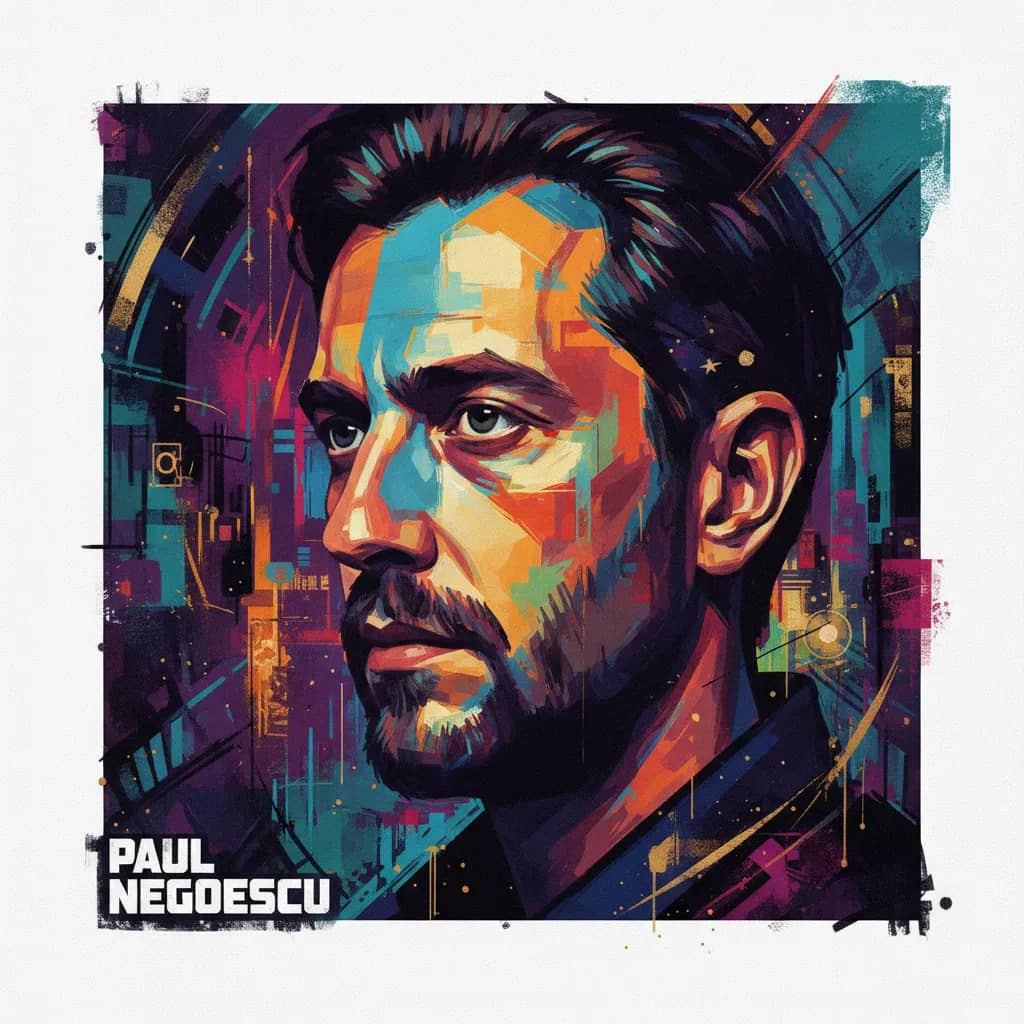
Paul Negoescu is a Romanian film director known for his distinct comedic sensibilities and keen insight into contemporary society. His 2016 film "Two Lottery Tickets" exemplifies his directorial style, blending humor with astute social commentary. Negoescu's films often revolve around ordinary people grappling with everyday challenges, and he captures their experiences with a blend of wit and poignancy that resonates with audiences. "Two Lottery Tickets" is a testament to Negoescu's ability to infuse humor into the lives of his characters, creating relatable and endearing narratives. The film follows the misadventures of three friends who win the lottery ticket but lose it shortly after, leading to a series of comedic escapades as they attempt to reclaim their ticket. Negoescu's knack for crafting authentic, humorous dialogue and his skillful direction of ensemble casts are evident in this film, earning him acclaim for his ability to capture the complexities of human relationships with warmth and humor. Negoescu's directorial style often juxtaposes comedic elements with underlying societal critiques, shedding light on the human condition with a light-hearted touch. His films frequently explore themes of friendship, ambition, and the pursuit of happiness amidst the challenges of everyday life. Negoescu's work has left an indelible mark on Romanian cinema, contributing to the country's rich tradition of storytelling through his unique blend of humor and social observation. Negoescu's contributions to cinema have solidified his reputation as a director with a distinct voice and a keen understanding of the human experience. His ability to infuse humor with poignant reflections on contemporary society sets him apart as a visionary filmmaker, and his films continue to resonate with audiences both in Romania and beyond. As Negoescu's career continues to evolve, his unique perspective and storytelling prowess promise to shape the future of comedic filmmaking, leaving an enduring impact on the cinematic landscape.

Paulo Morelli is a Brazilian film director known for his distinctive style and compelling storytelling. He first gained international recognition with his work on "City of Men" (2007), a gripping crime drama set in the favelas of Rio de Janeiro. Morelli's directorial approach is characterized by its raw and authentic portrayal of urban life, often delving into the complexities of human relationships and societal issues. "City of Men" stands as a testament to Morelli's ability to capture the raw emotions and struggles of his characters, as well as his skillful navigation of the intense and often volatile settings in which his stories unfold. The film was praised for its powerful performances, striking visuals, and unflinching exploration of the challenges faced by its protagonists. Morelli's directorial prowess shines through in his ability to infuse his narratives with a palpable sense of urgency and authenticity. Morelli's work often revolves around themes of social inequality, familial bonds, and the human experience in the face of adversity. His films offer a deep and introspective look at the lives of marginalized communities, shedding light on the harsh realities they confront daily. Morelli's directorial vision has made a significant impact on Brazilian cinema, earning him a reputation as a filmmaker unafraid to tackle difficult subjects with sensitivity and depth. As a director, Morelli has carved out a niche for himself in the industry, earning acclaim for his ability to craft compelling narratives that resonate with audiences on a profound level. His work stands as a testament to the power of cinema to illuminate the human condition and provoke thoughtful introspection. With a keen eye for detail and a profound understanding of the human experience, Morelli continues to make his mark on the world of filmmaking, leaving an indelible impression with each new project.

Paul Schrader is a highly influential and prolific American film director renowned for his introspective and often dark explorations of human psychology, morality, and existential themes. Throughout his career, Schrader has crafted a diverse body of work that has left an indelible mark on the cinematic landscape. Schrader's directorial style is distinguished by its unflinching examination of complex characters and their inner turmoil, often set against the backdrop of morally ambiguous and gritty environments. One of Schrader's most iconic works is "American Gigolo" (1980), which solidified his reputation as a director with a keen eye for stylish storytelling and psychological depth. The film, starring Richard Gere, delves into the life of a high-class male escort and is emblematic of Schrader's exploration of themes such as alienation, identity, and the search for meaning in a materialistic world. Another standout in Schrader's filmography is "Mishima: A Life in Four Chapters" (1985), a bold and visually stunning biographical drama that weaves together the life and writings of Japanese author Yukio Mishima. The film showcases Schrader's skill in blending innovative storytelling techniques with profound philosophical inquiries. Throughout his career, Schrader has consistently returned to themes of obsession, moral decay, and the struggle for redemption, notably evident in films like "Affliction" (1997) and "First Reformed" (2017). "Affliction" is a haunting exploration of familial dysfunction and psychological trauma, while "First Reformed" offers a searing examination of faith, environmentalism, and personal despair. Schrader's ability to confront audiences with challenging subject matter and morally complex characters has cemented his status as a director unafraid to push the boundaries of traditional storytelling. Schrader's impact on cinema extends beyond his directorial work, as he has also left an indelible mark as a screenwriter and film scholar. His collaborations with renowned directors such as Martin Scorsese, including the iconic "Taxi Driver" (1976), have further solidified his influence on the cinematic landscape. With a career spanning several decades, Paul Schrader continues to captivate audiences with his thought-provoking narratives and uncompromising vision, solidifying his status as a true auteur whose contributions to film remain unparalleled.

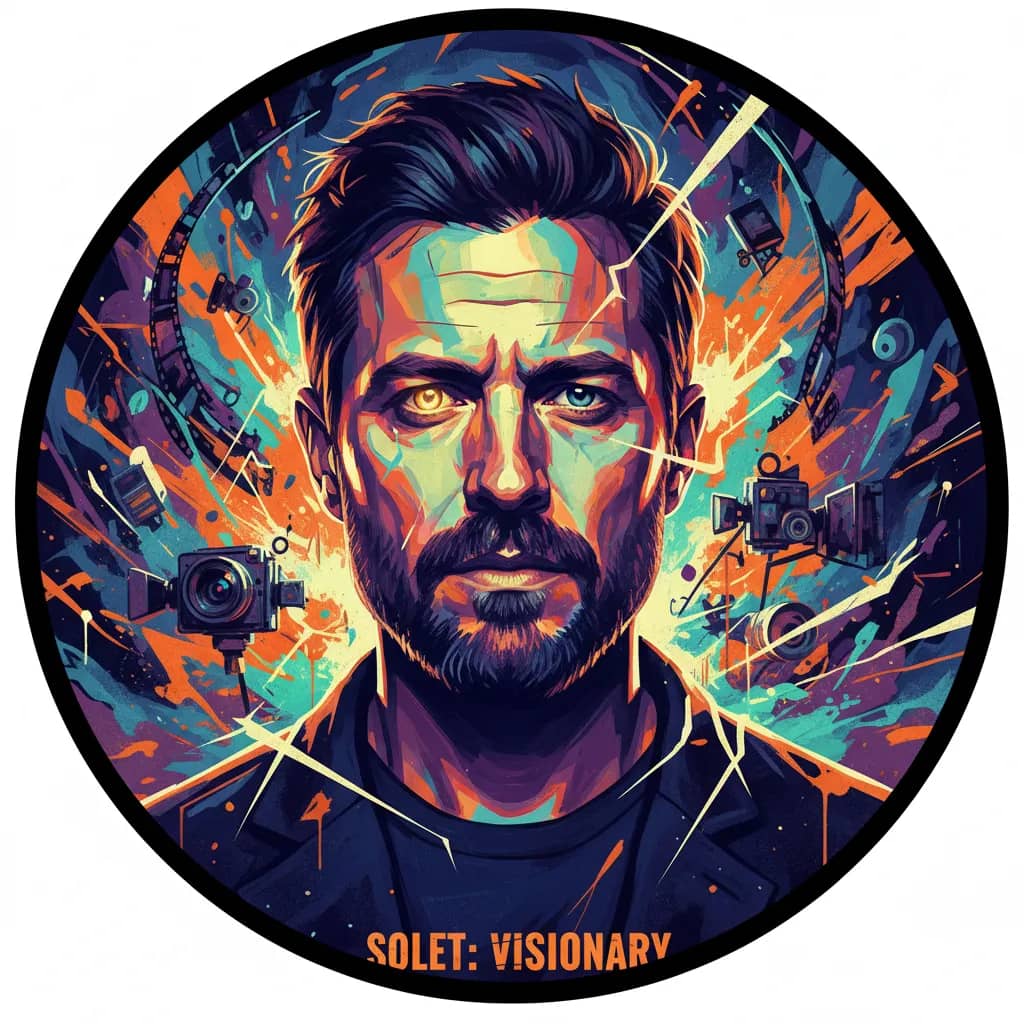
Paul Solet is an American filmmaker known for his distinct directorial style that seamlessly blends elements of crime, drama, and thriller genres. His notable work includes the 2017 film "Bullet Head," a gripping and intense narrative that showcases Solet's talent for creating tension and building suspense on screen. Solet's directorial approach is characterized by his ability to delve deep into the psychological aspects of his characters, crafting immersive experiences that captivate audiences. "Bullet Head" stands as a testament to Solet's ability to weave together complex narratives while maintaining a palpable sense of urgency and raw emotion. The film exemplifies his penchant for exploring the darker facets of human nature, delving into themes of survival, morality, and the consequences of one's actions. Solet's directorial vision shines through in "Bullet Head," as he expertly navigates the dynamics between characters and their intricate motivations, delivering a thought-provoking and visceral cinematic experience. Solet's impact on cinema lies in his ability to push the boundaries of storytelling within the crime, drama, and thriller genres. His directorial prowess has garnered critical acclaim and has solidified his position as a filmmaker with a unique perspective and a keen eye for crafting compelling narratives. Through "Bullet Head" and his body of work, Solet has established himself as a director whose films resonate with audiences, leaving a lasting impression and setting a new standard for immersive storytelling within the crime and thriller genres. In summary, Paul Solet's directorial career is defined by his distinctive approach to storytelling, his exploration of complex themes, and his ability to craft intense and gripping narratives. "Bullet Head" serves as a testament to his talent, showcasing his capacity to create immersive cinematic experiences that resonate with audiences on a visceral level. Solet's contributions to cinema have left an indelible mark, solidifying his position as a visionary filmmaker with a penchant for pushing the boundaries of the crime, drama, and thriller genres.

Paul Thomas Anderson is an acclaimed American film director known for his distinct visual style and emotionally resonant storytelling. With an impressive filmography spanning over two decades, Anderson has cemented his reputation as one of the most influential auteurs in contemporary cinema. His directorial debut came with "Hard Eight" in 1996, which showcased his ability to craft compelling narratives with complex characters. This was followed by "Boogie Nights" in 1997, a sprawling and ambitious drama that earned him widespread critical acclaim and established him as a director to watch. Anderson's directorial style is characterized by meticulous attention to detail, immersive cinematography, and a penchant for exploring the human condition with raw honesty. His films often delve into themes of dysfunctional families, the pursuit of success, and the complexities of human relationships. Works like "Magnolia" (1999) and "The Master" (2012) exemplify his ability to create multi-layered narratives that captivate and challenge audiences. One of Anderson's most celebrated works is "There Will Be Blood" (2007), a tour de force of filmmaking that garnered widespread acclaim for its masterful direction, compelling performances, and hauntingly beautiful cinematography. The film's exploration of power, greed, and the dark side of the American Dream solidified Anderson's status as a visionary filmmaker. In 2017, Anderson delivered "Phantom Thread," a sumptuous period drama that further showcased his ability to craft visually stunning and emotionally rich stories. His most recent film, "Licorice Pizza" (2021), continues to exemplify his versatility as a director, blending comedy, drama, and romance in a nostalgic coming-of-age tale. Paul Thomas Anderson's impact on cinema is undeniable, with his body of work inspiring and influencing a new generation of filmmakers. His ability to infuse his films with a unique blend of artistry and emotional depth has solidified his place as a true auteur in the film industry, and his contributions continue to shape the landscape of contemporary cinema. In summary, Paul Thomas Anderson's career is defined by his unparalleled directorial vision, his ability to craft compelling narratives, and his exploration of complex human emotions. With an impressive filmography that spans multiple genres and themes, Anderson has left an indelible mark on the world of cinema, and his legacy as a visionary director continues to inspire filmmakers and captivate audiences worldwide.
Every film by the greats, ranked by our TML Score.

Christopher Nolan
Every film, ranked

Quentin Tarantino
Every film, ranked

Stanley Kubrick
Every film, ranked

Martin Scorsese
Every film, ranked

Steven Spielberg
Every film, ranked

Alfred Hitchcock
Every film, ranked

David Fincher
Every film, ranked

Denis Villeneuve
Every film, ranked

Wes Anderson
Every film, ranked

Paul Thomas Anderson
Every film, ranked

Ridley Scott
Every film, ranked

Tim Burton
Every film, ranked

Guillermo del Toro
Every film, ranked

Hayao Miyazaki
Every film, ranked

Akira Kurosawa
Every film, ranked

Francis Ford Coppola
Every film, ranked

Clint Eastwood
Every film, ranked

Bong Joon Ho
Every film, ranked

Woody Allen
Every film, ranked

Steven Soderbergh
Every film, ranked

Ron Howard
Every film, ranked

Pedro Almodóvar
Every film, ranked

Richard Linklater
Every film, ranked

Roman Polanski
Every film, ranked

Brian De Palma
Every film, ranked

Ingmar Bergman
Every film, ranked

Oliver Stone
Every film, ranked

David Cronenberg
Every film, ranked

Robert Zemeckis
Every film, ranked

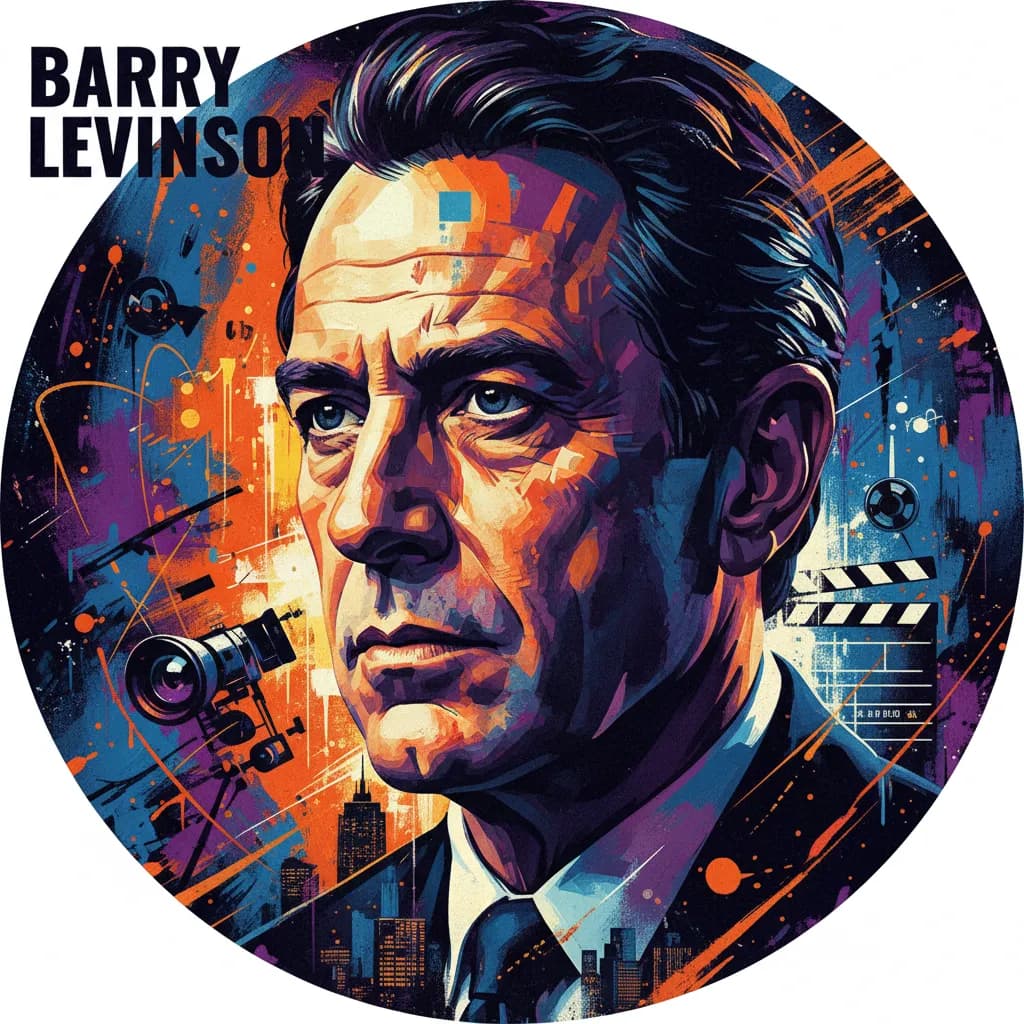
Barry Levinson
Every film, ranked

John Carpenter
Every film, ranked

Joel Schumacher
Every film, ranked

Billy Wilder
Every film, ranked

Rob Reiner
Every film, ranked

Neil Jordan
Every film, ranked

Spike Lee
Every film, ranked

Ivan Reitman
Every film, ranked

John Woo
Every film, ranked

Lasse Hallström
Every film, ranked

Stephen Frears
Every film, ranked

Luc Besson
Every film, ranked

Chris Columbus
Every film, ranked

Mike Nichols
Every film, ranked

Howard Hawks
Every film, ranked

Ang Lee
Every film, ranked

Walter Hill
Every film, ranked

Gus Van Sant
Every film, ranked

William Wyler
Every film, ranked

Renny Harlin
Every film, ranked

Sidney Lumet
Every film, ranked

Tony Scott
Every film, ranked