Discover the visionary filmmakers behind cinema's greatest works.
Explore our selection of acclaimed directors and their remarkable films.
Showing 2965-2976 out of 4148

Parkpoom Wongpoom is a renowned Thai film director known for his exceptional talent in the horror genre. Wongpoom's breakout film, "Shutter" (2004), cemented his status as a visionary director with a penchant for crafting spine-chilling narratives that resonate with audiences worldwide. His distinctive directorial style combines atmospheric tension, psychological depth, and masterful storytelling, making him a standout figure in the realm of horror cinema. "Shutter" stands as Wongpoom's most notable work, receiving critical acclaim and commercial success. The film's compelling storyline, coupled with Wongpoom's adept direction, captivated audiences and solidified his position as a director to watch. Wongpoom's ability to evoke fear through subtle and nuanced techniques sets him apart in the horror genre, as he skillfully builds suspense and delivers impactful scares without relying on typical horror tropes. Wongpoom's directorial approach often delves into themes of guilt, karma, and the supernatural, adding layers of complexity to his narratives. His films offer a fresh perspective on horror, exploring the depths of human emotion and the consequences of past actions. This thematic richness, combined with his meticulous attention to detail and evocative visual style, distinguishes Wongpoom as a director with a profound understanding of the genre. Wongpoom's impact on cinema extends beyond his native Thailand, as his work has garnered international recognition and influenced a new generation of horror filmmakers. His ability to infuse cultural elements into his storytelling adds depth and authenticity to his films, earning him a dedicated following among horror enthusiasts worldwide. As Wongpoom continues to shape the landscape of horror cinema, his unique vision and unwavering commitment to crafting compelling narratives ensure that his legacy as a masterful director remains firmly entrenched in the annals of film history.

Pascal Chaumeil was a French film director known for his unique blend of comedy and romance in his works. His directorial career took off with the 2010 hit "Heartbreaker," which showcased his knack for crafting charming and heartfelt romantic comedies. The film, starring Romain Duris and Vanessa Paradis, garnered critical acclaim and commercial success, establishing Chaumeil as a director to watch in the romantic comedy genre. In 2014, Chaumeil continued to showcase his directorial prowess with "A Long Way Down," a dark comedy-drama based on the novel by Nick Hornby. The film delved into themes of redemption and human connection as a group of individuals form an unlikely bond while contemplating suicide on New Year's Eve. Chaumeil's ability to infuse humor and warmth into a storyline with such weighty subject matter solidified his reputation as a versatile director who could navigate complex emotions with finesse. Throughout his career, Chaumeil displayed a keen understanding of human relationships, infusing his films with genuine emotion and witty humor. His directorial style often featured visually appealing aesthetics and a strong focus on character development, evoking a sense of authenticity that resonated with audiences. Chaumeil's films often explored the intricacies of love, personal growth, and the underlying humor in life's challenges, making them relatable to a wide range of viewers. Pascal Chaumeil made a lasting impact on the romantic comedy and comedy-drama genres, leaving behind a legacy of heartwarming, thought-provoking films that continue to captivate audiences. His ability to navigate the complexities of human emotions and relationships through his distinct directorial lens cemented his status as a visionary filmmaker. Chaumeil's untimely passing in 2015 left a void in the film industry, but his contributions endure through the timeless appeal of his directorial works.

Pascal Laugier is a French director known for his impactful and intense contributions to the horror and thriller genres. With a career spanning over two decades, Laugier has established himself as a visionary filmmaker with a penchant for pushing boundaries and challenging audiences. His directorial style is characterized by a meticulous attention to detail, unflinching storytelling, and a knack for creating atmospheres that linger long after the credits roll. One of Laugier's most notable works is "Martyrs" (2008), a film that garnered international attention for its unapologetic exploration of extreme horror and psychological torment. The movie's unrelenting brutality and thought-provoking narrative solidified Laugier's reputation as a director unafraid to delve into the darkest corners of human experience. "Martyrs" remains a cult classic and a testament to Laugier's ability to provoke visceral reactions while delving into profound themes. In "Incident in a Ghostland" (2018), Laugier once again demonstrated his mastery of the horror genre, weaving a gripping tale of trauma, survival, and the blurred lines between reality and nightmare. The film showcased Laugier's ability to craft a multi-layered narrative that leaves audiences unsettled and introspective long after the final scene. With its haunting visuals and thematic complexity, "Incident in a Ghostland" further solidified Laugier's status as a director unafraid to challenge and captivate viewers. "The Tall Man" (2012) showcased Laugier's versatility as a director, as he ventured into the realms of crime and mystery while still retaining the signature atmospheric tension that defines his work. The film's enigmatic storyline and haunting imagery further exemplified Laugier's ability to craft thought-provoking narratives that transcend traditional genre boundaries. Throughout his career, Pascal Laugier has consistently explored themes of trauma, survival, and the human psyche, leaving an indelible mark on the horror and thriller genres. His uncompromising vision and commitment to storytelling have cemented his status as a director whose films linger in the minds of audiences long after the credits roll. Pascal Laugier's contributions to cinema continue to resonate with viewers and fellow filmmakers, solidifying his place as a daring and influential voice in the world of cinema.

Pat O'Connor is an accomplished Irish film director known for his emotionally charged dramas and romantic narratives. With a career spanning over several decades, O'Connor has left an indelible mark on the film industry through his unique directorial style and compelling storytelling. His notable films, including "Sweet November" (2001) and "Inventing the Abbotts" (1997), showcase his ability to delve into the complexities of human relationships and evoke powerful emotions from his audience. O'Connor's directorial style is characterized by its sensitivity to human emotions and its ability to capture the intricacies of interpersonal relationships. He has a keen eye for portraying the nuances of love, loss, and longing, often infusing his films with a sense of poignancy and depth. O'Connor's films are known for their rich character development and their exploration of the human experience, making them resonate with audiences on a profound level. In "Sweet November," O'Connor explores the transformative power of love and the profound impact it can have on individuals. The film delicately navigates themes of self-discovery and personal growth, portraying the evolving relationship between the two protagonists with a sense of intimacy and authenticity. Similarly, in "Inventing the Abbotts," O'Connor delves into the complexities of family dynamics and the intricacies of young love, weaving a poignant narrative that captivates and resonates with viewers. O'Connor's impact on cinema lies in his ability to craft deeply moving and authentic stories that transcend the screen, leaving a lasting impression on audiences. His films have garnered critical acclaim for their emotional depth and compelling storytelling, cementing O'Connor as a director with a profound understanding of the human condition. With his adept direction and poignant narratives, O'Connor continues to be a revered figure in the film industry, leaving an indelible mark on the cinematic landscape. In conclusion, Pat O'Connor's directorial career is defined by his ability to capture the complexities of human emotions and relationships, crafting films that resonate with audiences on a profound level. His keen insight into the human experience and his ability to evoke powerful emotions have established him as a director with a unique vision and a lasting impact on cinema. O'Connor's legacy continues to endure, as his films remain timeless testaments to the power of storytelling and the universality of human emotions.

Pat Proft is a veteran comedy writer and director who has left an indelible mark on the entertainment industry with his unique brand of slapstick humor and witty storytelling. Proft's career in the film industry has spanned several decades, during which he has made a significant impact on the comedy genre. His directorial debut came with the action-packed comedy thriller "Wrongfully Accused" in 1998, which showcased his ability to blend humor with high-octane action sequences. Known for his irreverent and offbeat sense of humor, Proft's directorial style is characterized by fast-paced, zany comedy that often parodies popular film genres. His films are filled with slapstick gags, clever wordplay, and over-the-top comedic performances, making them a riotous experience for audiences. "Wrongfully Accused" exemplifies Proft's talent for crafting outlandish scenarios and absurd situations that keep viewers entertained from start to finish. Proft's filmography includes a multitude of successful comedy hits, and his directorial work has consistently showcased his penchant for blending action and comedy. With a keen eye for the absurd and a knack for crafting uproarious comedic set pieces, Proft has become a revered figure in the comedy genre. His films often feature recurring themes of mistaken identity, absurd misunderstandings, and outlandish scenarios that push the boundaries of traditional comedy. Pat Proft's impact on cinema is undeniable, as his directorial contributions have helped shape the landscape of comedy filmmaking. His unique vision and commitment to delivering laugh-out-loud entertainment have earned him a dedicated fan base and cemented his status as a trailblazer in the comedy genre. Proft's directorial debut, "Wrongfully Accused," stands as a testament to his ability to infuse action-packed thrillers with gut-busting humor, solidifying his place as a director who deftly navigates the intersection of action and comedy in cinema. In conclusion, Pat Proft's directorial career has been defined by his ability to infuse high-energy action with side-splitting comedy, creating a distinct and uproarious cinematic experience. With a legacy that includes "Wrongfully Accused" and a plethora of other comedic gems, Proft has made an indelible mark on the film industry, leaving audiences in stitches with his unique brand of humor and storytelling prowess.

Patrice Chéreau was a visionary French director known for his bold and innovative approach to filmmaking. With a career spanning over five decades, Chéreau made a significant impact on the world of cinema, theater, and opera. His directorial style was characterized by a fearless exploration of human emotions, complex characters, and intense interpersonal relationships, often delving into themes of love, desire, and power dynamics. One of Chéreau's most acclaimed films is "Queen Margot" (1994), a historical drama that garnered widespread critical acclaim and won the Jury Prize at the Cannes Film Festival. The film, set against the backdrop of the 16th-century French Wars of Religion, showcases Chéreau's masterful storytelling and his ability to create a rich tapestry of political intrigue, passion, and betrayal. "Queen Margot" exemplifies Chéreau's talent for bringing historical narratives to life with a contemporary sensibility, and it remains a standout in his filmography. Another notable film in Chéreau's repertoire is "Intimacy" (2001), a raw and emotionally charged drama that earned him widespread recognition. The film explores the complexities of human relationships, intimacy, and the search for connection in a modern urban landscape. Chéreau's unflinching portrayal of intimacy and vulnerability in "Intimacy" showcases his ability to delve into the depths of human experience with honesty and authenticity, leaving a lasting impression on audiences and critics alike. Throughout his career, Chéreau's work often revolved around themes of passion, alienation, and the human condition, reflecting his deep understanding of the complexities of human nature. His fearless approach to storytelling and his relentless pursuit of emotional truth set him apart as a director with a unique vision and a profound impact on cinema. Chéreau's legacy continues to inspire filmmakers and audiences, cementing his status as a true maverick in the world of film. In conclusion, Patrice Chéreau's directorial legacy is one of uncompromising artistry and a profound exploration of the human experience. His films continue to resonate with audiences and critics alike, leaving an indelible mark on the world of cinema. Chéreau's fearless approach to storytelling, his deep understanding of human emotions, and his ability to capture the complexities of human relationships have solidified his place as a visionary director whose impact on cinema will continue to be felt for generations to come.

Patrice Leconte, a renowned French film director, has left an indelible mark on world cinema with his unique storytelling and visually stunning films. With a career spanning over four decades, Leconte has crafted a diverse body of work that has earned him international acclaim and numerous awards. His directorial style is characterized by a keen attention to detail, a deep understanding of human emotions, and a penchant for blending comedy, drama, and romance in a seamless and captivating manner. One of Leconte's most notable films, "The Hairdresser's Husband" (1990), exemplifies his directorial prowess and his ability to create emotionally resonant narratives. The film follows the story of a young boy who becomes infatuated with a hairdresser and later marries her, only to realize that their love is not immune to the complexities of life. Through his masterful direction, Leconte delves into themes of love, desire, and the passage of time, creating a poignant and touching cinematic experience that has enchanted audiences worldwide. Throughout his career, Leconte has exhibited a remarkable ability to infuse his films with a sense of intimacy and emotional depth, drawing viewers into the intricacies of his characters' lives. His films often explore the complexities of human relationships, the fleeting nature of happiness, and the profound impact of love and loss. With a keen eye for capturing the beauty of everyday moments and a penchant for evoking powerful emotions, Leconte has solidified his reputation as a director capable of crafting deeply affecting and visually stunning cinema. Leconte's impact on cinema extends beyond his directorial achievements, as he has contributed to the enrichment of the cinematic landscape through his distinctive storytelling and his unwavering commitment to creating films that resonate with audiences on a profound level. His ability to seamlessly blend genres and his dedication to portraying the intricacies of the human experience have cemented his status as a visionary director whose work continues to inspire and captivate cinephiles around the world. In conclusion, Patrice Leconte's illustrious career as a film director has been defined by his unparalleled ability to craft emotionally resonant narratives that transcend cultural boundaries and leave a lasting impression on audiences. With a diverse filmography that showcases his directorial prowess and his unwavering dedication to storytelling, Leconte has established himself as a cinematic luminary whose contributions to the world of cinema are nothing short of extraordinary.

Patricia Riggen is a talented Mexican film director known for her poignant storytelling and ability to bring real-life events to the big screen with emotional depth and authenticity. With a career spanning two decades, Riggen has made a significant impact on cinema by directing powerful and moving films that resonate with audiences worldwide. Riggen's directorial style is characterized by her adeptness at capturing the human experience with sensitivity and honesty. Her films often explore themes of resilience, hope, and the triumph of the human spirit in the face of adversity. Riggen's ability to infuse her work with genuine emotion and empathy sets her apart as a director with a distinctive and compelling vision. One of Riggen's most notable films is "The 33" (2015), which tells the true story of the 2010 Chilean mining disaster. The film masterfully portrays the harrowing ordeal faced by the trapped miners and the relentless efforts to rescue them, showcasing Riggen's skill in depicting real-life events with gripping intensity and emotional resonance. Another significant work in Riggen's filmography is "Miracles from Heaven" (2016), a heartwarming drama based on the inspiring true story of a young girl's miraculous recovery from a rare illness. Riggen's adept direction brings a sense of authenticity and warmth to the film, making it a deeply moving and uplifting experience for audiences. Throughout her career, Riggen has demonstrated a commitment to bringing inspiring and uplifting stories to the screen, often drawing from real-life events and individuals. Her films have left a lasting impact on cinema by shining a light on the resilience of the human spirit and the power of hope in the face of extraordinary challenges. In conclusion, Patricia Riggen's directorial career is defined by her ability to craft emotionally resonant narratives that celebrate the triumph of the human spirit. Her unique vision and commitment to telling stories of resilience and hope have left an indelible mark on cinema, making her a director to watch for compelling and heartfelt storytelling.

Patricia Rozema is a Canadian film director known for her distinctive directorial style, marked by thought-provoking narratives and visually stunning cinematography. With a career spanning over three decades, Rozema has made a significant impact on the film industry through her unique vision and storytelling prowess. Her ability to blend genres and explore complex human emotions has solidified her reputation as a visionary director. Rozema first gained international recognition with her 1987 film, "I've Heard the Mermaids Singing," which won the Prix de la Jeunesse at the Cannes Film Festival. Known for her adaptability across various genres, Rozema's 1999 adaptation of Jane Austen's "Mansfield Park" showcased her talent for infusing classic literature with modern sensibilities. The film's blend of comedy, drama, and romance highlighted Rozema's ability to breathe new life into beloved literary works. In 2015, Rozema further demonstrated her directorial prowess with "Into the Forest," a gripping drama thriller that delves into the complexities of human relationships and survival. The film's haunting atmosphere and compelling performances underscore Rozema's commitment to thought-provoking storytelling and visually arresting cinematography. Rozema's directorial style often revolves around themes of resilience, female empowerment, and the intricacies of human connections. Her films frequently feature strong, multidimensional female characters who navigate personal and societal challenges with resilience and grace. This thematic focus has cemented Rozema's status as a director who fearlessly explores the depths of the human experience. In the realm of cinema, Patricia Rozema's contributions continue to inspire and captivate audiences, solidifying her legacy as a trailblazing director. Her ability to seamlessly weave together intricate narratives, compelling characters, and visually striking imagery has left an indelible mark on the film industry. As audiences eagerly anticipate her future projects, Patricia Rozema remains a luminary in the world of cinema, celebrated for her unparalleled directorial vision and storytelling prowess.

Patrick Alessandrin is a French film director known for his work in action, crime, and thriller genres. His notable filmography includes the 2009 hit "District 13: Ultimatum," which solidified his reputation as a director with a keen eye for visually stunning and adrenaline-pumping action sequences. Alessandrin's directorial style is characterized by his ability to infuse high-octane action with a gritty, urban aesthetic, creating an immersive experience for audiences. Alessandrin's impact on cinema lies in his adeptness at capturing the raw energy and pulse-pounding excitement of the action genre. His films often feature parkour and martial arts elements, showcasing his proficiency in choreographing dynamic and visually striking fight scenes. Through his work, Alessandrin has contributed to the evolution of action cinema, pushing boundaries and redefining the genre's standards. "District 13: Ultimatum" stands as a testament to Alessandrin's directorial prowess, as he expertly crafts a gripping narrative set against the backdrop of a dystopian urban landscape. The film's themes of social inequality, justice, and resilience resonate with audiences, reflecting Alessandrin's penchant for weaving thought-provoking elements into his high-energy action films. His ability to balance exhilarating action with underlying social commentary sets him apart as a director with a multifaceted approach to storytelling. Alessandrin's career continues to inspire aspiring filmmakers and captivate audiences, as he remains a visionary in the realm of action cinema. His dedication to pushing the boundaries of the genre and his commitment to delivering impactful storytelling through visually arresting sequences have cemented his status as a director to watch. With a distinctive directorial style and a penchant for crafting immersive cinematic experiences, Patrick Alessandrin's contributions to film exemplify his enduring influence on the action genre.

Director Patrick Brice is known for his unique blend of comedy, mystery, and horror in his filmmaking. His distinctive directorial style and ability to seamlessly weave together different genres have made him a standout figure in modern cinema. Brice first gained attention with his directorial debut, "Creep" (2014), a found footage-style horror thriller that captivated audiences with its unnerving atmosphere and psychological tension. The success of "Creep" led to a sequel, "Creep 2" (2017), where Brice continued to explore the depths of human psychology and the blurred lines between reality and fiction. In 2015, Brice delved into the realm of comedy and mystery with "The Overnight," showcasing his versatility as a director. The film's sharp wit and unconventional storytelling demonstrated Brice's ability to navigate different genres with ease. Brice's directorial prowess shines through in his ability to create tension and suspense, whether through horror, mystery, or comedy, making his work a testament to his skillful storytelling and visual flair. Brice's films often explore themes of identity, deception, and the complexities of human relationships, adding layers of depth to his storytelling. The director's keen understanding of human nature is evident in his ability to elicit fear, laughter, and introspection from his audiences. With the upcoming release of "There's Someone Inside Your House" (2021), a horror mystery thriller, Brice continues to push the boundaries of genre-blending storytelling, showcasing his commitment to crafting compelling and thought-provoking narratives. Patrick Brice's impact on cinema lies in his ability to challenge traditional genre boundaries and create compelling, multi-dimensional characters. His seamless integration of humor, suspense, and horror has solidified his status as a director with a distinct voice and a penchant for pushing creative boundaries. Brice's films leave a lasting impression, inviting audiences to confront their fears, question their perceptions, and embrace the unexpected. As a director, Patrick Brice continues to captivate audiences with his innovative approach to storytelling, making him a standout figure in contemporary cinema.

Patrick Gilmore is a highly acclaimed film director known for his exceptional work in the animation genre. With a career spanning over two decades, Gilmore has made significant contributions to the world of cinema through his unique directorial style and innovative storytelling techniques. His notable work includes the animated adventure comedy film "Sinbad: Legend of the Seven Seas" (2003), which garnered widespread praise for its captivating visuals and engaging narrative. Gilmore's directorial style is characterized by his ability to seamlessly blend stunning visuals with compelling storytelling, creating immersive and entertaining cinematic experiences. His keen attention to detail and mastery of animation techniques have earned him a reputation as a visionary director in the industry. Through his work, Gilmore consistently showcases a deep understanding of character development, world-building, and visual aesthetics, setting a high standard for animated filmmaking. "Sinbad: Legend of the Seven Seas" stands as a testament to Gilmore's directorial prowess, as the film received accolades for its breathtaking animation, dynamic action sequences, and witty humor. Gilmore's ability to infuse timeless themes of adventure, friendship, and self-discovery into his work has resonated with audiences of all ages, solidifying his status as a director with a profound impact on the animation genre. Throughout his career, Gilmore has demonstrated a penchant for exploring themes of courage, redemption, and the human spirit, which are recurrent motifs in his body of work. His ability to infuse these universal themes with visually stunning animation has contributed to the enduring appeal of his films. Gilmore's dedication to pushing the boundaries of animation and storytelling has left an indelible mark on the world of cinema, inspiring future generations of filmmakers to embrace innovation and creativity. In conclusion, Patrick Gilmore's directorial career is defined by his unwavering commitment to crafting visually captivating and emotionally resonant stories. His contributions to the animation genre have solidified his legacy as a visionary director, with "Sinbad: Legend of the Seven Seas" serving as a testament to his enduring impact on cinema. As audiences continue to be enchanted by his imaginative storytelling and captivating visuals, Gilmore's influence on the film industry remains a testament to his exceptional talent and creative vision.
Every film by the greats, ranked by our TML Score.

Christopher Nolan
Every film, ranked

Quentin Tarantino
Every film, ranked

Stanley Kubrick
Every film, ranked

Martin Scorsese
Every film, ranked

Steven Spielberg
Every film, ranked

Alfred Hitchcock
Every film, ranked

David Fincher
Every film, ranked

Denis Villeneuve
Every film, ranked

Wes Anderson
Every film, ranked

Paul Thomas Anderson
Every film, ranked

Ridley Scott
Every film, ranked

Tim Burton
Every film, ranked

Guillermo del Toro
Every film, ranked

Hayao Miyazaki
Every film, ranked

Akira Kurosawa
Every film, ranked

Francis Ford Coppola
Every film, ranked

Clint Eastwood
Every film, ranked

Bong Joon Ho
Every film, ranked

Woody Allen
Every film, ranked

Steven Soderbergh
Every film, ranked

Ron Howard
Every film, ranked

Pedro Almodóvar
Every film, ranked

Richard Linklater
Every film, ranked

Roman Polanski
Every film, ranked

Brian De Palma
Every film, ranked

Ingmar Bergman
Every film, ranked

Oliver Stone
Every film, ranked

David Cronenberg
Every film, ranked

Robert Zemeckis
Every film, ranked

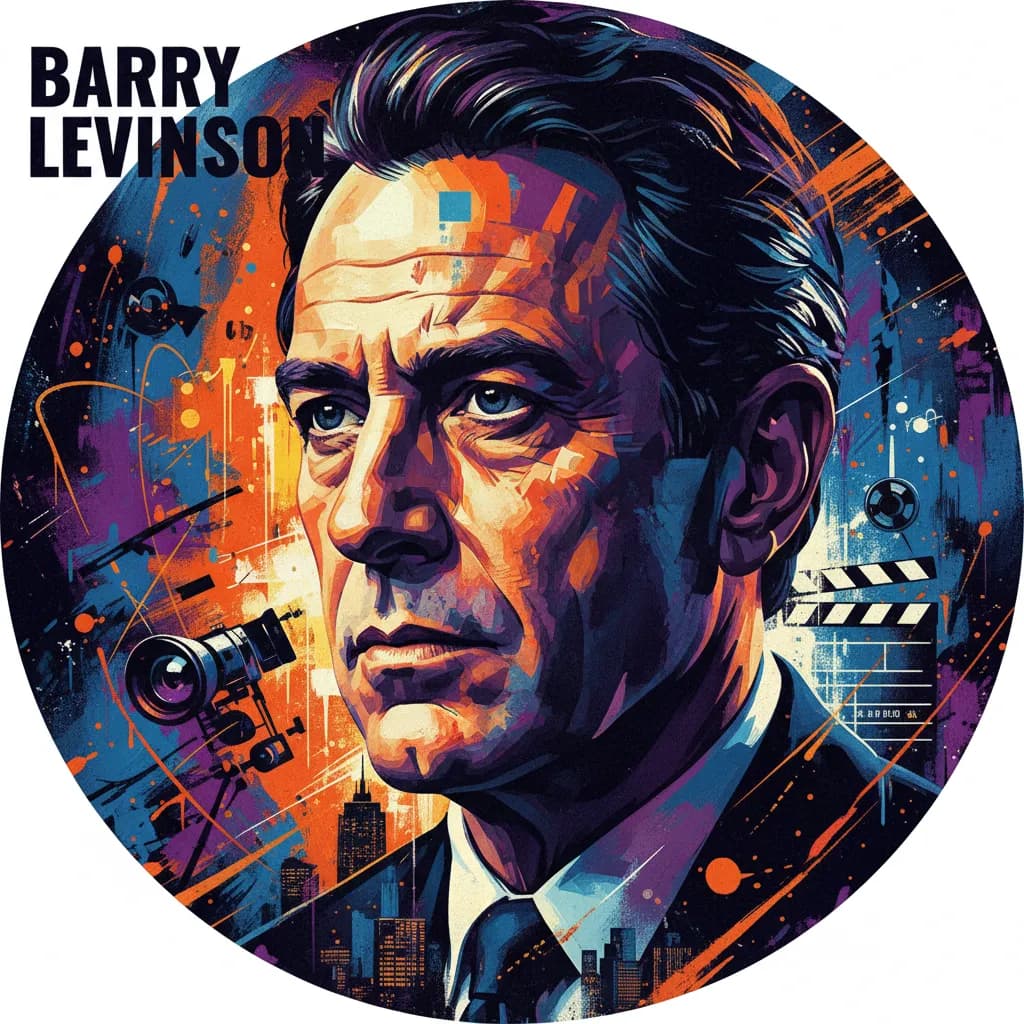
Barry Levinson
Every film, ranked

John Carpenter
Every film, ranked

Joel Schumacher
Every film, ranked

Billy Wilder
Every film, ranked

Rob Reiner
Every film, ranked

Neil Jordan
Every film, ranked

Spike Lee
Every film, ranked

Ivan Reitman
Every film, ranked

John Woo
Every film, ranked

Lasse Hallström
Every film, ranked

Stephen Frears
Every film, ranked

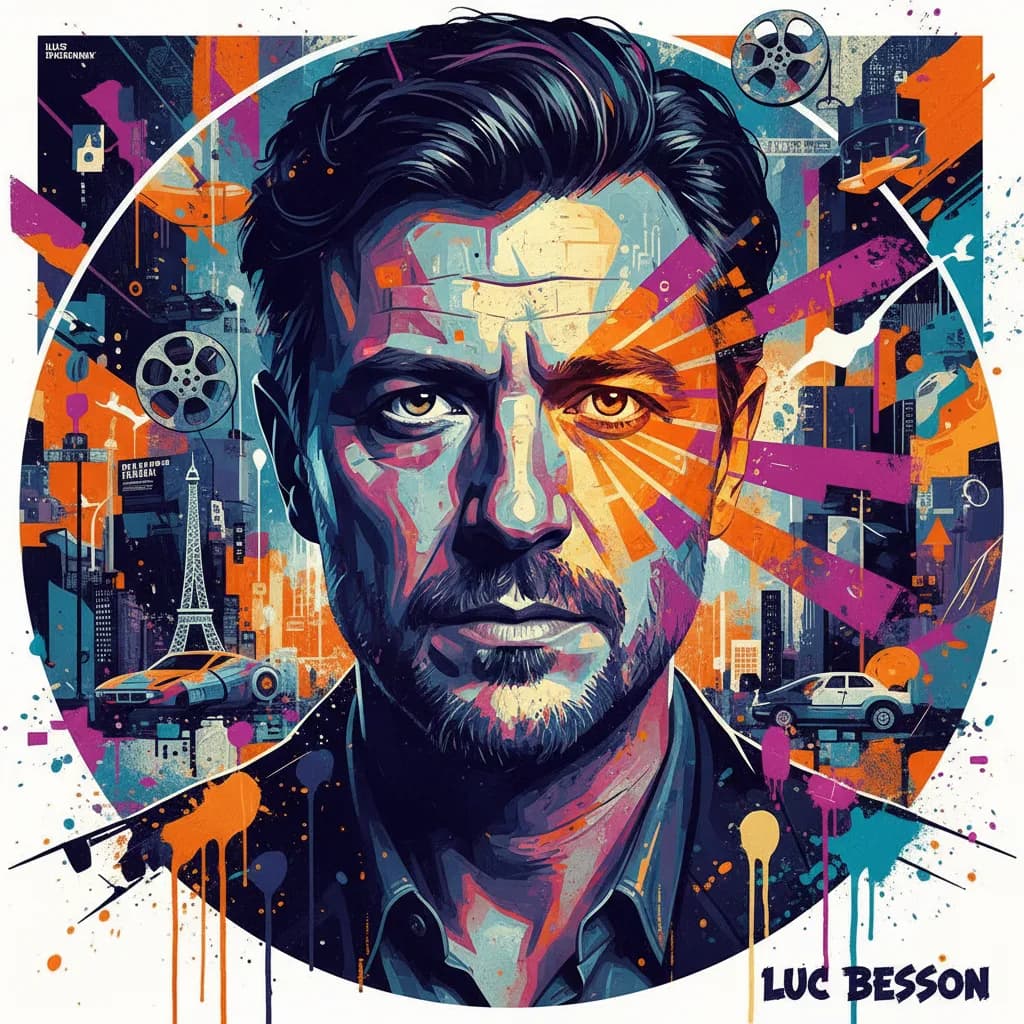
Luc Besson
Every film, ranked

Chris Columbus
Every film, ranked

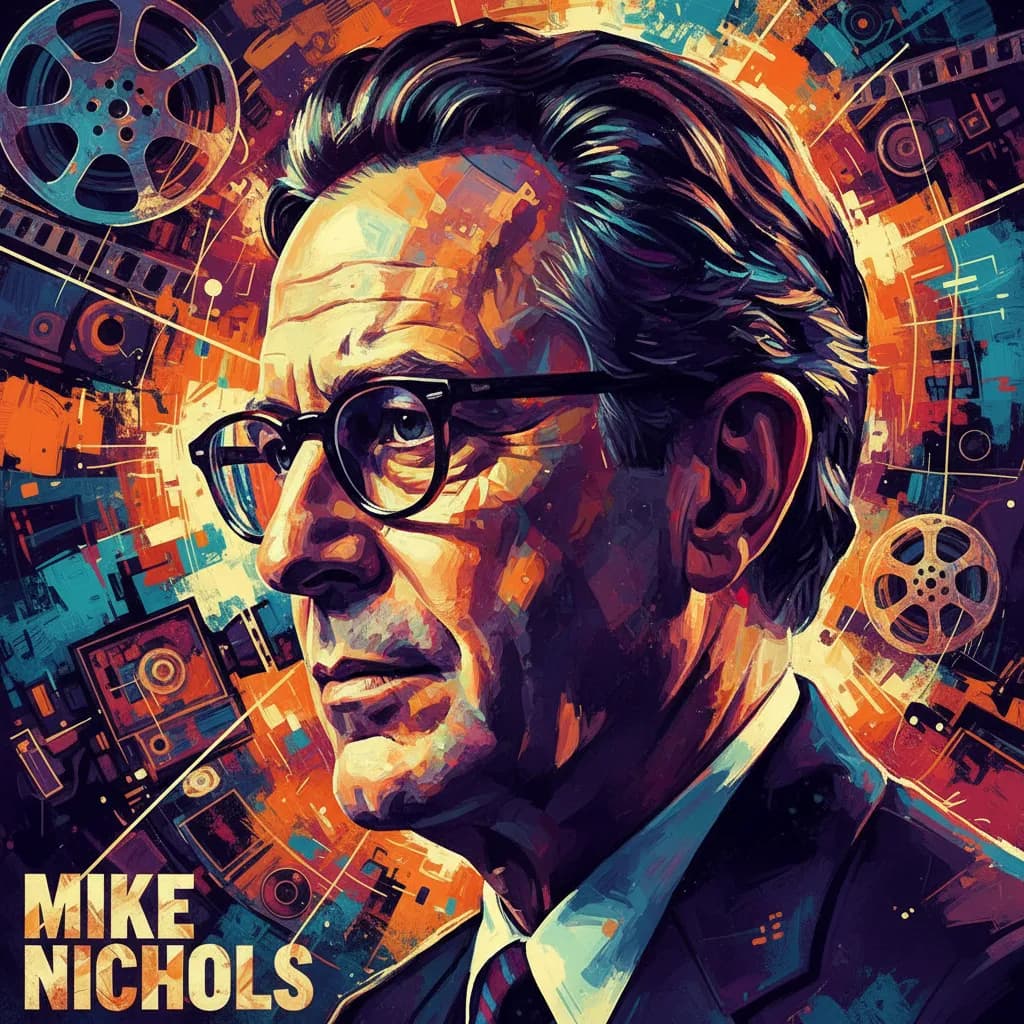
Mike Nichols
Every film, ranked

Howard Hawks
Every film, ranked

Ang Lee
Every film, ranked

Walter Hill
Every film, ranked

Gus Van Sant
Every film, ranked

William Wyler
Every film, ranked

Renny Harlin
Every film, ranked

Sidney Lumet
Every film, ranked

Tony Scott
Every film, ranked