Discover the visionary filmmakers behind cinema's greatest works.
Explore our selection of acclaimed directors and their remarkable films.
Showing 1357-1368 out of 4148

Gerard McMurray is a visionary director whose work has left an indelible mark on the film industry. With a career that has seen him rise to prominence, McMurray's unique directorial style and impactful storytelling have earned him a dedicated following. His notable film, "The First Purge" (2018), is a testament to his prowess in helming action, horror, and sci-fi genres. McMurray's directorial style is characterized by a deft blend of tension-building suspense, visceral action, and thought-provoking thematic elements. In "The First Purge," he adeptly navigates the harrowing narrative, delivering pulse-pounding sequences while delving into sociopolitical commentary. His ability to infuse genre filmmaking with deeper societal reflections showcases his versatility and storytelling acumen. Notable for his exploration of power dynamics, social inequality, and the human condition, McMurray's recurring themes resonate with audiences on a profound level. Through his directorial lens, he tackles pertinent issues, provoking introspection and discourse. His impact on cinema extends beyond entertainment, as he fearlessly confronts societal ills, amplifying marginalized voices and shedding light on pressing concerns. McMurray's contribution to film elevates the art form, as he fearlessly pushes boundaries and challenges conventions. His meticulous attention to detail and unwavering commitment to authenticity have cemented his status as a director to watch. With "The First Purge," McMurray not only solidified his position as a maestro of genre cinema but also established himself as a director unafraid to confront uncomfortable truths. In conclusion, Gerard McMurray's directorial career is a testament to his unwavering dedication to storytelling and his ability to captivate audiences with his distinctive vision. His impact on cinema reverberates through his thought-provoking narratives and unflinching exploration of societal complexities. As he continues to shape the cinematic landscape, McMurray's legacy as a trailblazing director is firmly secured.

Gérard Oury was a renowned French film director known for his exceptional comedic sensibility and his ability to captivate audiences with his lighthearted yet poignant storytelling. With a career spanning several decades, Oury's filmography includes timeless classics such as "The Mad Adventures of Rabbi Jacob" (1973) and "La Grande Vadrouille" (1966), both of which exemplify his mastery of the adventure and comedy genres. Oury's directorial style was characterized by his adeptness at blending slapstick humor with clever dialogue and captivating narratives. His films often featured a blend of physical comedy and witty banter, creating a delightful and engaging experience for audiences. Oury's unique ability to infuse his films with humor while addressing profound themes set him apart as a director with a distinct and timeless vision. "The Mad Adventures of Rabbi Jacob" remains one of Oury's most celebrated works, showcasing his ability to create a riotous yet touching story that transcends cultural and linguistic barriers. This film, in particular, solidified Oury's reputation as a master of comedic filmmaking and established him as a prominent figure in international cinema. Throughout his career, Oury's films often explored themes of friendship, resilience, and the human spirit, resonating with audiences worldwide. His impact on cinema is undeniable, as he demonstrated how comedy can be a powerful tool for addressing complex social issues while bringing joy to audiences. Gérard Oury's legacy as a director continues to influence contemporary filmmakers, and his timeless films remain beloved by audiences of all ages. His ability to blend humor with profound storytelling has left an indelible mark on the world of cinema, ensuring that his work will be celebrated for generations to come.

Gérard Pirès, the renowned French film director, left an indelible mark on cinema with his distinctive storytelling and visually stunning directorial style. Best known for his work on the iconic action-comedy "Taxi" (1998), Pirès displayed a remarkable talent for blending fast-paced action with comedic elements, earning him widespread acclaim and solidifying his reputation as a master of the genre. Pirès' directorial style is characterized by his ability to infuse high-octane action sequences with humor and wit, creating an exhilarating cinematic experience for audiences. His keen eye for dynamic visuals and mastery of storytelling techniques allowed him to craft films that are both entertaining and thought-provoking. "Taxi" (1998) exemplifies Pirès' directorial prowess, as he skillfully navigates the complexities of the narrative while delivering heart-pounding action and side-splitting humor. Notable for his innovative approach to storytelling, Pirès' films often explore themes of adrenaline-fueled excitement, camaraderie, and the triumph of the human spirit. His ability to capture the essence of these themes through compelling narratives and captivating visuals has solidified his status as a visionary filmmaker. Pirès' impact on cinema extends beyond his directorial achievements, as his contributions have influenced a generation of filmmakers and left an indelible imprint on the action-comedy genre. His unique vision and unparalleled storytelling abilities have set a benchmark for excellence in filmmaking, inspiring future generations to push the boundaries of creativity and imagination. In conclusion, Gérard Pirès' illustrious career as a film director is defined by his unparalleled talent, visionary storytelling, and groundbreaking contributions to the world of cinema. Through his iconic film "Taxi" (1998) and other notable works, Pirès has solidified his legacy as a trailblazer in the action-comedy genre, leaving an enduring impact on audiences and filmmakers alike.

Geremy Jasper is a visionary director whose unique blend of drama and music has captivated audiences worldwide. His notable film, "Patti Cake$" (2017), garnered critical acclaim for its compelling storytelling and electrifying musical performances. Jasper's directorial style is characterized by his ability to infuse raw emotion and authenticity into his work, creating a visceral and immersive experience for viewers. With an emphasis on underdog narratives and the power of music to transcend adversity, Jasper's films resonate with audiences on a deeply emotional level. "Patti Cake$" marked Jasper's directorial debut and immediately established him as a filmmaker to watch. The film follows the journey of an aspiring rapper from a downtrodden New Jersey neighborhood as she pursues her dreams of stardom. Jasper's ability to capture the gritty reality of urban life while infusing it with the uplifting spirit of music showcases his keen eye for storytelling and his commitment to representing the unvarnished truth of his characters' experiences. His directorial prowess shines through in the film's dynamic musical sequences, which pulsate with energy and emotion, further highlighting his unique approach to blending music and drama on screen. Jasper's work often explores themes of resilience, identity, and the transformative power of music, resonating with audiences on a deeply personal level. His ability to authentically capture the struggles and triumphs of his characters has earned him widespread acclaim and has solidified his status as a director with a distinct and powerful voice in the industry. Jasper's impact on cinema lies in his ability to create films that not only entertain but also inspire and provoke thought, making him a true auteur in the world of contemporary filmmaking. In conclusion, Geremy Jasper has left an indelible mark on the film industry with his directorial debut, "Patti Cake$," showcasing his unique vision and storytelling prowess. His ability to seamlessly blend drama and music while authentically capturing the human experience has resonated with audiences and critics alike, cementing his status as a director to watch. As he continues to push boundaries and explore the transformative power of music in storytelling, Jasper's impact on cinema is sure to endure for years to come.

Gia Coppola, the talented granddaughter of legendary director Francis Ford Coppola, has established herself as a unique and visionary filmmaker in her own right. Her directorial debut came with the 2013 film "Palo Alto," an adaptation of James Franco's short story collection. The film, a poignant and raw coming-of-age drama, showcased Coppola's ability to capture the complexities of adolescence with an unflinching and empathetic lens. Coppola's directorial style is marked by a keen understanding of human emotions, often delving into the intricacies of relationships and the struggle for identity. Her work exudes a sense of intimacy and honesty, drawing audiences into the inner worlds of her characters. "Palo Alto" received critical acclaim for its authentic portrayal of teenage life, earning Coppola recognition as a director with a distinct voice and a knack for storytelling. In her films, Coppola frequently explores themes of alienation, longing, and the search for connection, creating a cinematic landscape that resonates with audiences on a deeply personal level. Her ability to capture the vulnerability and complexity of her characters has solidified her as a director with a profound understanding of human nature. Coppola's impact on cinema lies in her ability to infuse her work with a sense of authenticity and emotional depth, earning her a place among the new wave of filmmakers redefining the coming-of-age genre. With her keen eye for detail and a commitment to portraying the human experience with unflinching honesty, Coppola continues to carve out a unique space for herself in the world of cinema. As Gia Coppola continues to shape her career, audiences eagerly anticipate her future projects, eager to witness her continued evolution as a director and storyteller. With her distinct vision and unwavering commitment to telling compelling and emotionally resonant stories, Gia Coppola stands as a director poised to leave an indelible mark on the world of filmmaking.

Giddens Ko, a Taiwanese writer and director, made a significant impact on cinema with his debut film "You Are the Apple of My Eye" in 2011. This romantic comedy-drama struck a chord with audiences and critics alike, establishing Ko as a skilled storyteller with a unique directorial style. His works often reflect a blend of humor, romance, and coming-of-age themes, drawing inspiration from his own experiences and observations. "You Are the Apple of My Eye" exemplifies Ko's ability to capture the complexities of youth and first love with authenticity and charm. The film's nostalgic and bittersweet tone resonated with a wide audience, earning it both commercial success and critical acclaim. Ko's directorial approach is characterized by his adeptness at infusing lighthearted moments with poignant and introspective storytelling, creating a captivating blend of emotions for viewers. Ko's directorial style often revolves around the exploration of interpersonal relationships, the passage of time, and the universal struggles of growing up. His films exhibit a keen insight into the human experience, portraying characters with depth and relatability. Ko's storytelling prowess and visual sensibilities have cemented his reputation as a director who brings a fresh perspective to familiar themes, breathing new life into the romantic comedy and drama genres. With "You Are the Apple of My Eye" as a standout achievement, Ko has left an indelible mark on Taiwanese cinema, inspiring a new wave of filmmakers and captivating audiences with his heartfelt narratives. His ability to craft evocative stories that resonate across cultural boundaries has solidified his place in the pantheon of contemporary directors. As he continues to expand his filmography, Giddens Ko's contributions to cinema are poised to endure as enduring testaments to the power of storytelling and the human experience.

Gideon Raff is a prolific Israeli director known for his work in drama, history, and thriller genres. His most notable film, "The Red Sea Diving Resort" (2019), showcases his directorial prowess and ability to bring historical events to life on the big screen. Raff's directorial style is characterized by his meticulous attention to detail, gripping storytelling, and the ability to extract riveting performances from his actors. Raff's filmography is marked by his keen ability to delve into complex historical events and bring them to the forefront of modern cinema. "The Red Sea Diving Resort" is a prime example of his talent for blending historical accuracy with riveting storytelling, creating a visually stunning and emotionally impactful cinematic experience. This film also demonstrates Raff's expertise in handling multifaceted narratives, as it revolves around the true story of the Mossad's covert mission to rescue Ethiopian Jews in the 1980s. One of the recurring themes in Raff's work is the exploration of the human spirit and its resilience in the face of adversity. His films often delve into characters' internal struggles and their quest for survival, making his storytelling deeply compelling and emotionally resonant. Raff's impact on cinema lies in his ability to shed light on lesser-known historical events and bring them to a global audience, thereby enriching the cinematic landscape with stories that are both educational and captivating. Overall, Gideon Raff's unique vision and directorial contributions have solidified his status as a leading filmmaker in the industry. His ability to blend historical accuracy with gripping storytelling, combined with his focus on the human experience, sets him apart as a director with a distinct voice. As he continues to craft compelling narratives and shed light on untold stories, Raff's influence on the cinematic landscape is sure to endure for years to come.

Gilbert Adler is a renowned film director known for his distinctive style and unique contributions to the world of cinema. With a career spanning over several decades, Adler has made a significant impact with his visionary storytelling and directorial prowess. His notable filmography includes the comedic fantasy horror film "Bordello of Blood" (1996), which has solidified his position as a master of the genre. Adler's directorial style is characterized by a perfect blend of dark humor, fantastical elements, and spine-chilling horror, creating an immersive and captivating cinematic experience for audiences. His keen eye for detail and innovative approach to storytelling have set him apart as a director with a distinct and unmistakable voice in the film industry. "Bordello of Blood" stands as a testament to Adler's expertise in seamlessly blending comedy, fantasy, and horror elements to deliver a one-of-a-kind film that has garnered a cult following. The film's success can be attributed to Adler's ability to infuse his distinct directorial style, creating a truly unique and memorable viewing experience. Throughout his career, Adler has explored recurring themes such as the supernatural, the macabre, and the human psyche, showcasing his versatility as a director while maintaining a consistent and captivating narrative throughout his work. His impact on cinema is undeniable, as he continues to push the boundaries of storytelling and visual artistry, inspiring future generations of filmmakers to think outside the box and embrace creativity in their craft. In conclusion, Gilbert Adler's directorial career is a testament to his exceptional talent and unwavering dedication to creating immersive and unforgettable cinematic experiences. With "Bordello of Blood" as a standout example of his directorial prowess, Adler's unique vision and innovative storytelling have left an indelible mark on the world of film, solidifying his legacy as a master of his craft.

Gil Junger is an accomplished film director known for his work in a variety of genres, including comedy, drama, and romance. Junger's directorial career took off with the immensely popular and critically acclaimed "10 Things I Hate About You" (1999). This modern adaptation of Shakespeare's "The Taming of the Shrew" showcased Junger's ability to infuse classic stories with contemporary relevance, and his knack for capturing the essence of young love and teenage angst. The film's success solidified Junger's reputation as a director with a keen eye for blending humor, romance, and relatable characters. In 2001, Junger ventured into the realm of adventure and fantasy with "Black Knight," showcasing his versatility as a director. This comedic and fantastical tale demonstrated Junger's ability to tackle different genres while maintaining his signature blend of humor and heart. His 2004 film "If Only" further showcased his directorial finesse, seamlessly weaving together elements of comedy, drama, and fantasy to create a poignant and thought-provoking narrative. Throughout his career, Junger has exhibited a consistent flair for crafting compelling stories that resonate with audiences across various demographics. His directorial style often incorporates witty dialogue, endearing characters, and emotionally resonant moments, all of which have become hallmarks of his work. Junger's films often explore themes of love, self-discovery, and the complexities of human relationships, offering audiences a blend of entertainment and emotional depth. Gil Junger's impact on cinema lies in his ability to capture the human experience with authenticity and humor, making his films both entertaining and thought-provoking. His unique vision and directorial prowess have left an indelible mark on the film industry, earning him a dedicated fan base and critical acclaim. Junger continues to be a celebrated director, consistently delivering films that showcase his talent for storytelling and his ability to connect with audiences on a profound level.

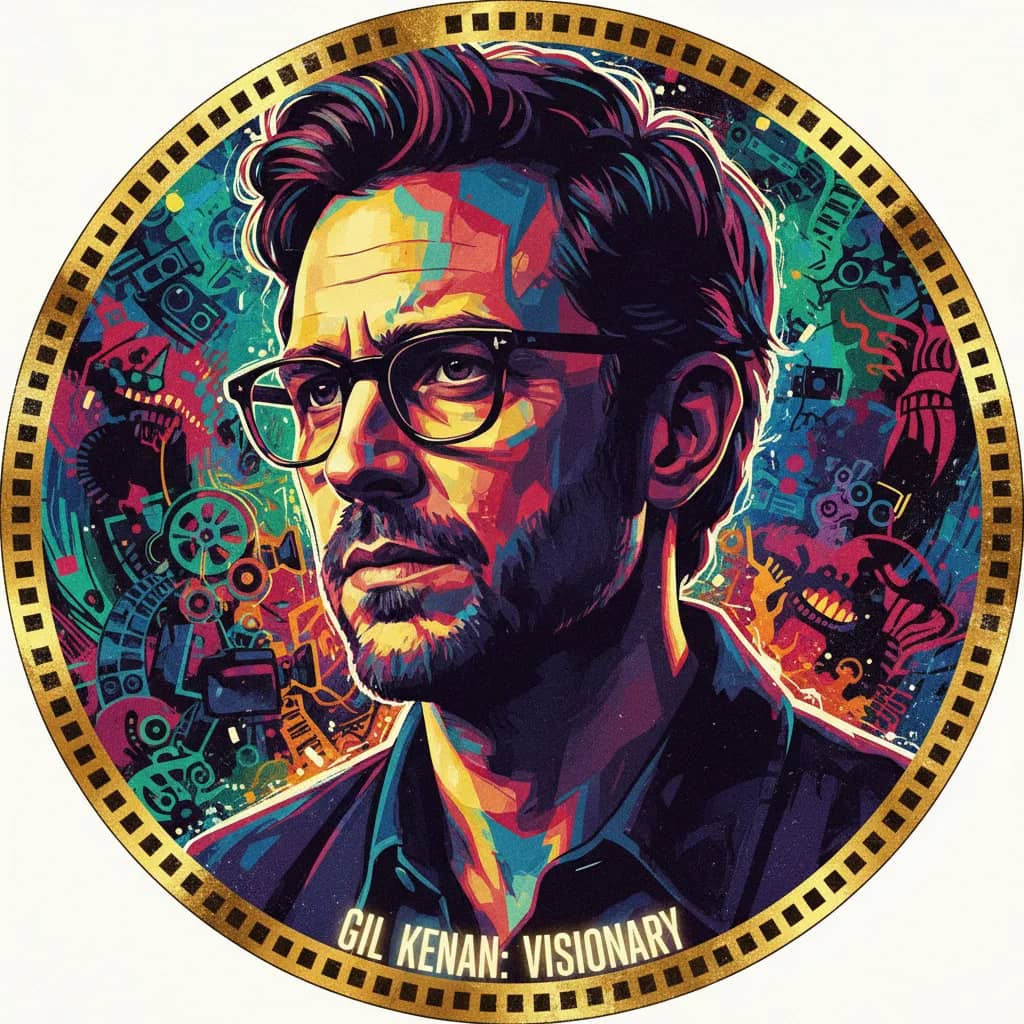
Gil Kenan is a visionary director known for his unique blend of fantasy, adventure, and family-centric storytelling. With a career spanning over a decade, Kenan has left an indelible mark on cinema with his distinct directorial style and imaginative storytelling. His notable films include "City of Ember" (2008), "A Boy Called Christmas" (2021), and the animated hit "Monster House" (2006), each showcasing his knack for crafting immersive worlds and compelling narratives. Kenan's directorial style is characterized by his ability to seamlessly blend visually stunning cinematography with heartfelt storytelling. He has a penchant for creating fantastical worlds that resonate with audiences of all ages, making him a sought-after director for family-friendly adventures. His films often feature strong coming-of-age themes, emphasizing the power of friendship, bravery, and the triumph of the human spirit. In "City of Ember," Kenan brought to life an underground city on the brink of collapse, immersing viewers in a richly detailed dystopian world. "Monster House," an animated horror-comedy, showcased Kenan's ability to infuse a sense of wonder and thrill into his storytelling, appealing to both children and adults alike. Most recently, "A Boy Called Christmas" further solidified Kenan's reputation as a masterful director, weaving a heartwarming tale of a young boy's extraordinary journey to discover the true meaning of Christmas. Kenan's impact on cinema lies in his ability to transport audiences to imaginative realms while instilling a sense of wonder and adventure. His recurring themes of resilience, hope, and the triumph of the human spirit have resonated with viewers worldwide, cementing his status as a director with a unique vision and a profound understanding of the power of storytelling. In conclusion, Gil Kenan's directorial career has been defined by his ability to create captivating cinematic experiences that transcend age and genre. With his distinct visual style and compelling narratives, Kenan continues to captivate audiences and inspire future generations of filmmakers. His contributions to the world of cinema have left an indelible mark, solidifying his place as a visionary director with a gift for crafting timeless tales of imagination and wonder.

Gilles Lellouche is a multifaceted talent in the French film industry, known for his versatile skills as both an actor and director. His directorial debut, "Sink or Swim" (2018), showcased his ability to blend comedy, drama, and sports themes into a compelling narrative. The film follows a group of middle-aged men who form a synchronized swimming team, delving into themes of camaraderie, personal growth, and the challenges that come with navigating midlife crises. Lellouche's directorial style in "Sink or Swim" is marked by a deft balance of humor and poignant storytelling, making it a standout addition to his filmography. Lellouche's directorial work reflects a keen understanding of human dynamics and the complexities of relationships, which are evident in the emotional depth of "Sink or Swim." His storytelling is characterized by a nuanced exploration of characters and their inner struggles, portraying authentic and relatable experiences that resonate with audiences. Lellouche's directorial vision is distinguished by his ability to infuse lighthearted moments with profound emotional resonance, creating a captivating and immersive cinematic experience for viewers. As a director, Lellouche has made a significant impact on French cinema, bringing a fresh perspective to storytelling and showcasing his talent for capturing the intricacies of human experiences on screen. "Sink or Swim" stands as a testament to his directorial prowess, earning critical acclaim and resonating with audiences for its heartfelt portrayal of personal triumphs and the enduring power of friendship. Lellouche's directorial career continues to draw attention for its distinctive blend of genres and compelling narratives, cementing his status as a filmmaker with a unique and compelling vision. In summary, Gilles Lellouche has established himself as a director with a distinctive voice in the film industry, demonstrating a remarkable ability to craft compelling narratives that blend humor, drama, and sports themes with emotional depth. His directorial debut, "Sink or Swim," exemplifies his talent for capturing the human experience with authenticity and nuance, making a lasting impression on audiences and critics alike. Lellouche's contributions to cinema reflect his commitment to storytelling that resonates on a profound level, solidifying his place as a notable filmmaker in the world of French cinema.

Gilles Paquet-Brenner is a French film director known for his compelling storytelling and visually striking films. With a diverse filmography that includes "Dark Places" (2015), "Sarah's Key" (2010), and "Crooked House" (2017), Paquet-Brenner has established himself as a director with a keen eye for crime, drama, and mystery genres. His directorial style is characterized by meticulous attention to detail, immersive storytelling, and a knack for creating atmospheric settings that draw audiences into the narrative. One of Paquet-Brenner's most notable films, "Sarah's Key," garnered widespread critical acclaim and solidified his reputation as a director capable of tackling complex and emotionally resonant subject matter. The film, based on Tatiana de Rosnay's novel, intertwines the story of a young girl's experiences during the Holocaust with a modern-day journalist's investigation, showcasing Paquet-Brenner's ability to craft multi-layered narratives with profound historical and emotional depth. In "Dark Places," Paquet-Brenner delves into the realm of crime and mystery, adapting Gillian Flynn's novel into a haunting exploration of trauma, memory, and the complexities of human nature. The film showcases his adeptness at creating tension and suspense while delving into the psychological intricacies of his characters. Throughout his career, Paquet-Brenner has demonstrated a penchant for exploring themes of resilience, trauma, and the enduring impact of the past on the present. His films often navigate the complexities of human relationships and the ways in which individuals grapple with personal and historical traumas, offering audiences thought-provoking and emotionally charged narratives. Gilles Paquet-Brenner's impact on cinema lies in his ability to infuse his films with a distinct blend of visual artistry, compelling storytelling, and a deep understanding of human experiences. His contributions to the crime, drama, and mystery genres have left an indelible mark on the cinematic landscape, solidifying his position as a director with a unique vision and a penchant for crafting immersive, emotionally resonant narratives.
Every film by the greats, ranked by our TML Score.

Christopher Nolan
Every film, ranked

Quentin Tarantino
Every film, ranked

Stanley Kubrick
Every film, ranked

Martin Scorsese
Every film, ranked

Steven Spielberg
Every film, ranked

Alfred Hitchcock
Every film, ranked

David Fincher
Every film, ranked

Denis Villeneuve
Every film, ranked

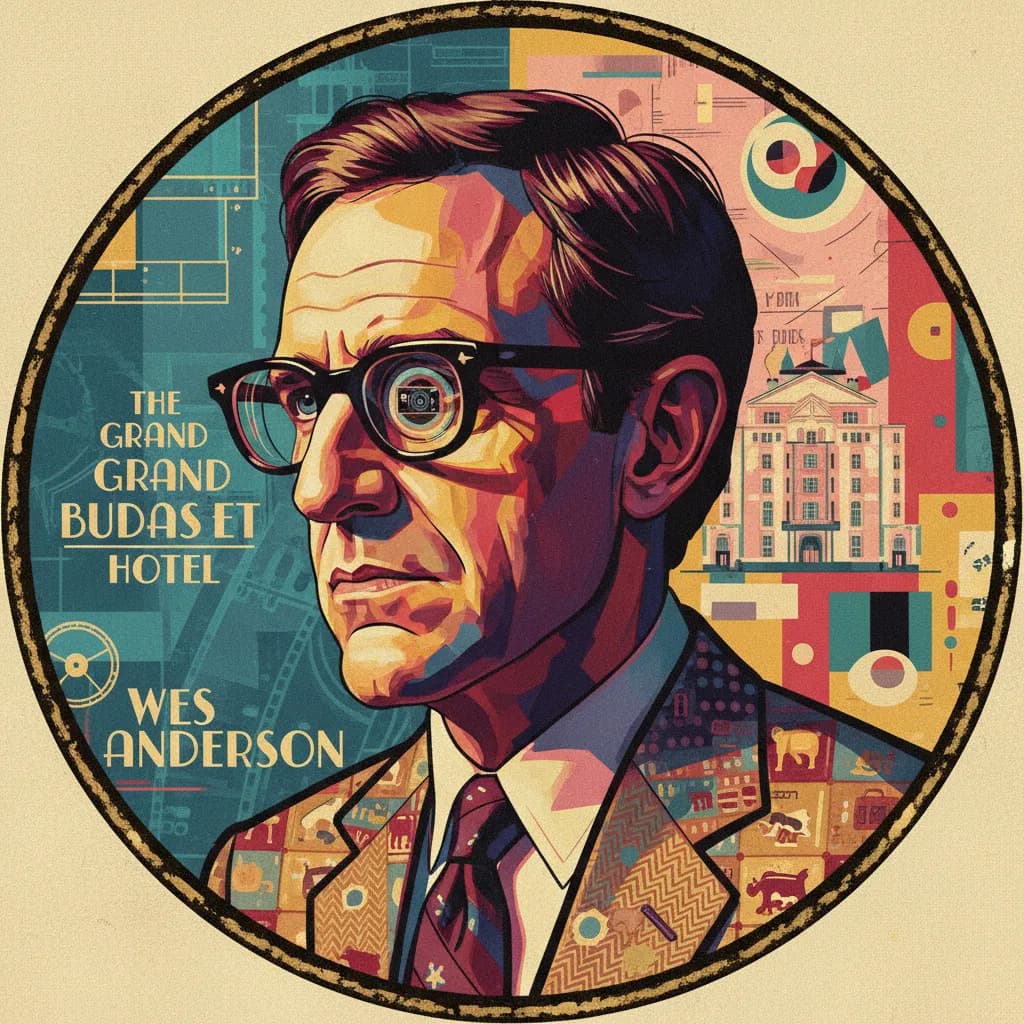
Wes Anderson
Every film, ranked

Paul Thomas Anderson
Every film, ranked

Ridley Scott
Every film, ranked

Tim Burton
Every film, ranked

Guillermo del Toro
Every film, ranked

Hayao Miyazaki
Every film, ranked

Akira Kurosawa
Every film, ranked

Francis Ford Coppola
Every film, ranked

Clint Eastwood
Every film, ranked

Bong Joon Ho
Every film, ranked

Woody Allen
Every film, ranked

Steven Soderbergh
Every film, ranked

Ron Howard
Every film, ranked

Pedro Almodóvar
Every film, ranked

Richard Linklater
Every film, ranked

Roman Polanski
Every film, ranked

Brian De Palma
Every film, ranked

Ingmar Bergman
Every film, ranked

Oliver Stone
Every film, ranked

David Cronenberg
Every film, ranked

Robert Zemeckis
Every film, ranked

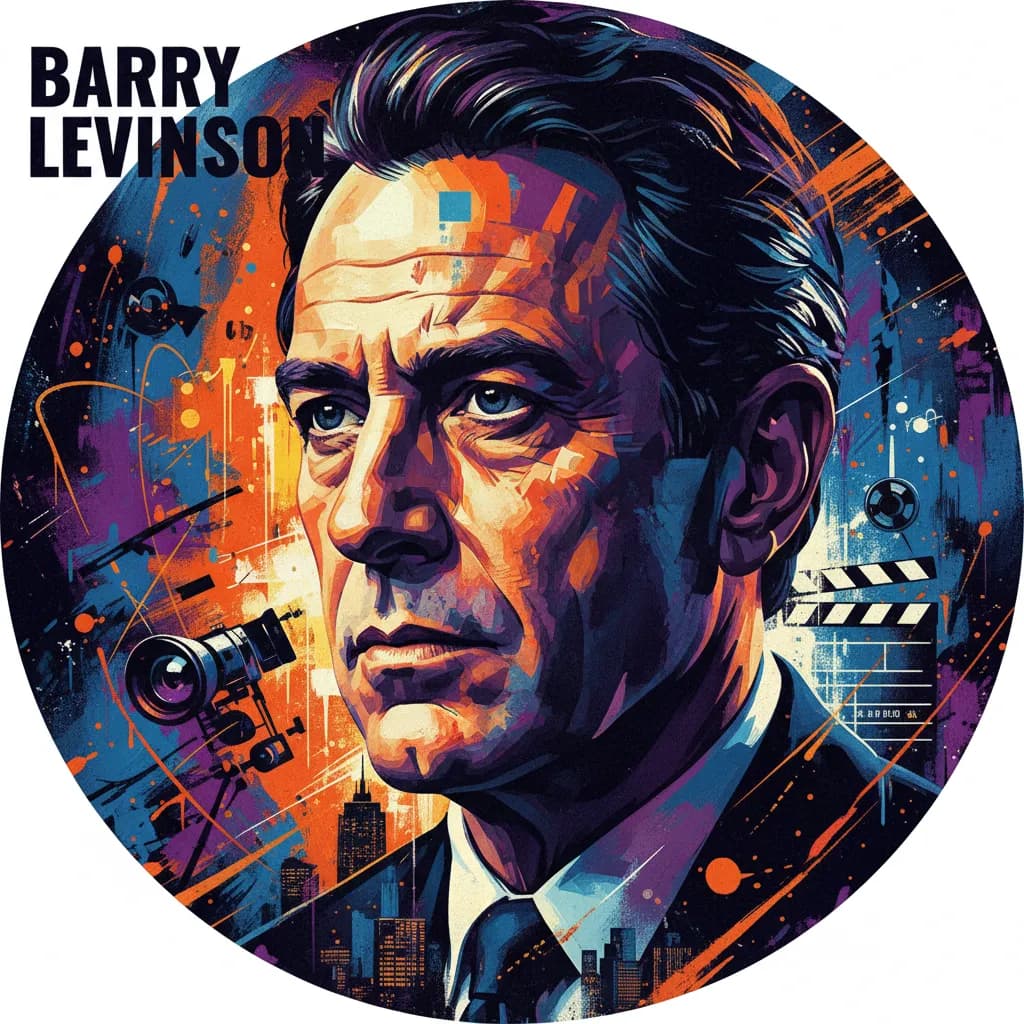
Barry Levinson
Every film, ranked

John Carpenter
Every film, ranked

Joel Schumacher
Every film, ranked

Billy Wilder
Every film, ranked

Rob Reiner
Every film, ranked

Neil Jordan
Every film, ranked

Spike Lee
Every film, ranked

Ivan Reitman
Every film, ranked

John Woo
Every film, ranked

Lasse Hallström
Every film, ranked

Stephen Frears
Every film, ranked

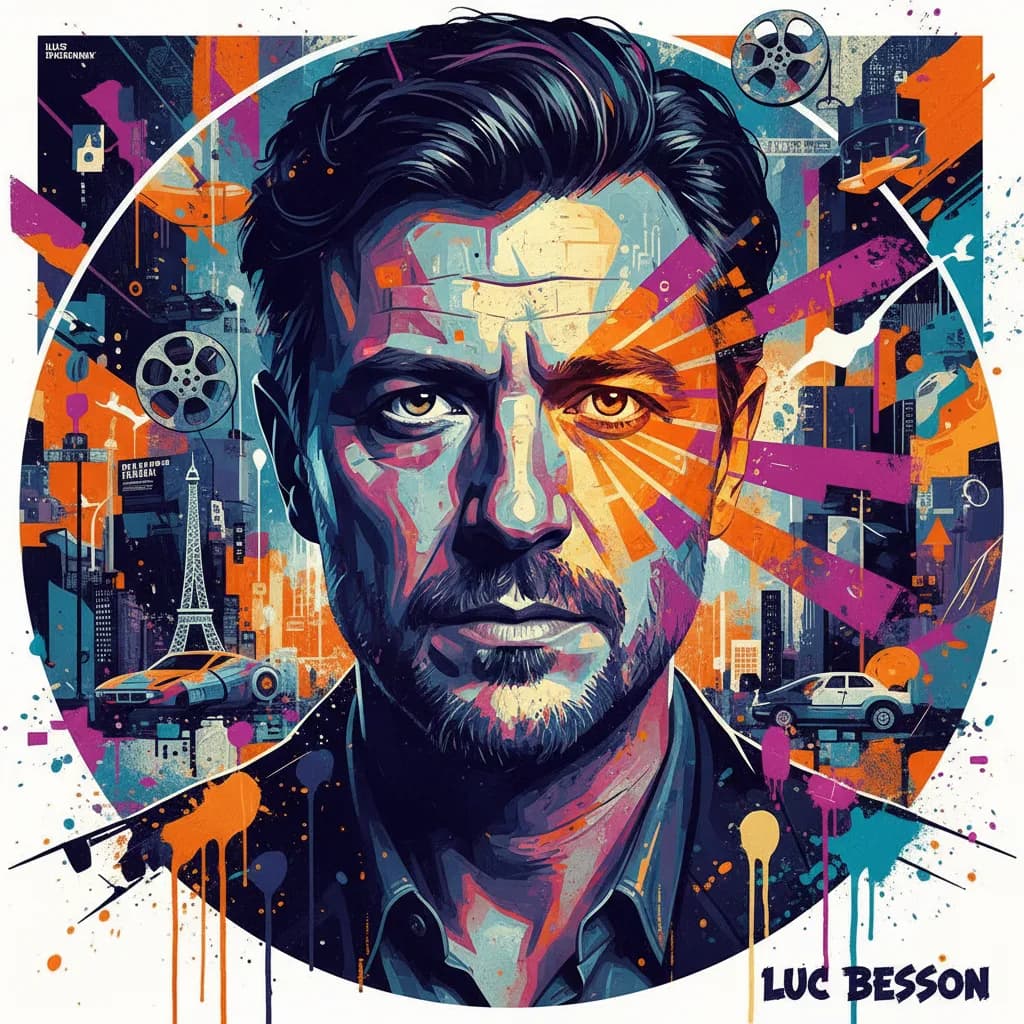
Luc Besson
Every film, ranked

Chris Columbus
Every film, ranked

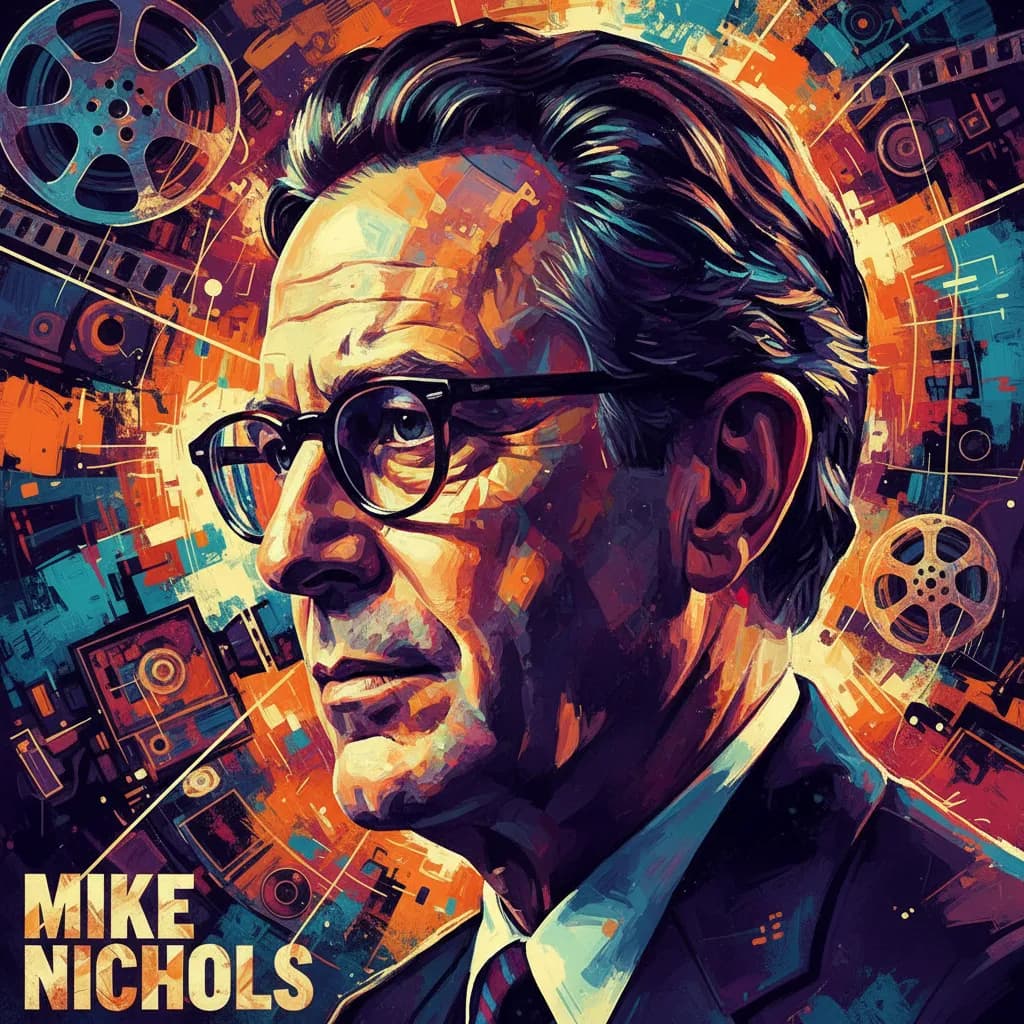
Mike Nichols
Every film, ranked

Howard Hawks
Every film, ranked

Ang Lee
Every film, ranked

Walter Hill
Every film, ranked

Gus Van Sant
Every film, ranked

William Wyler
Every film, ranked

Renny Harlin
Every film, ranked

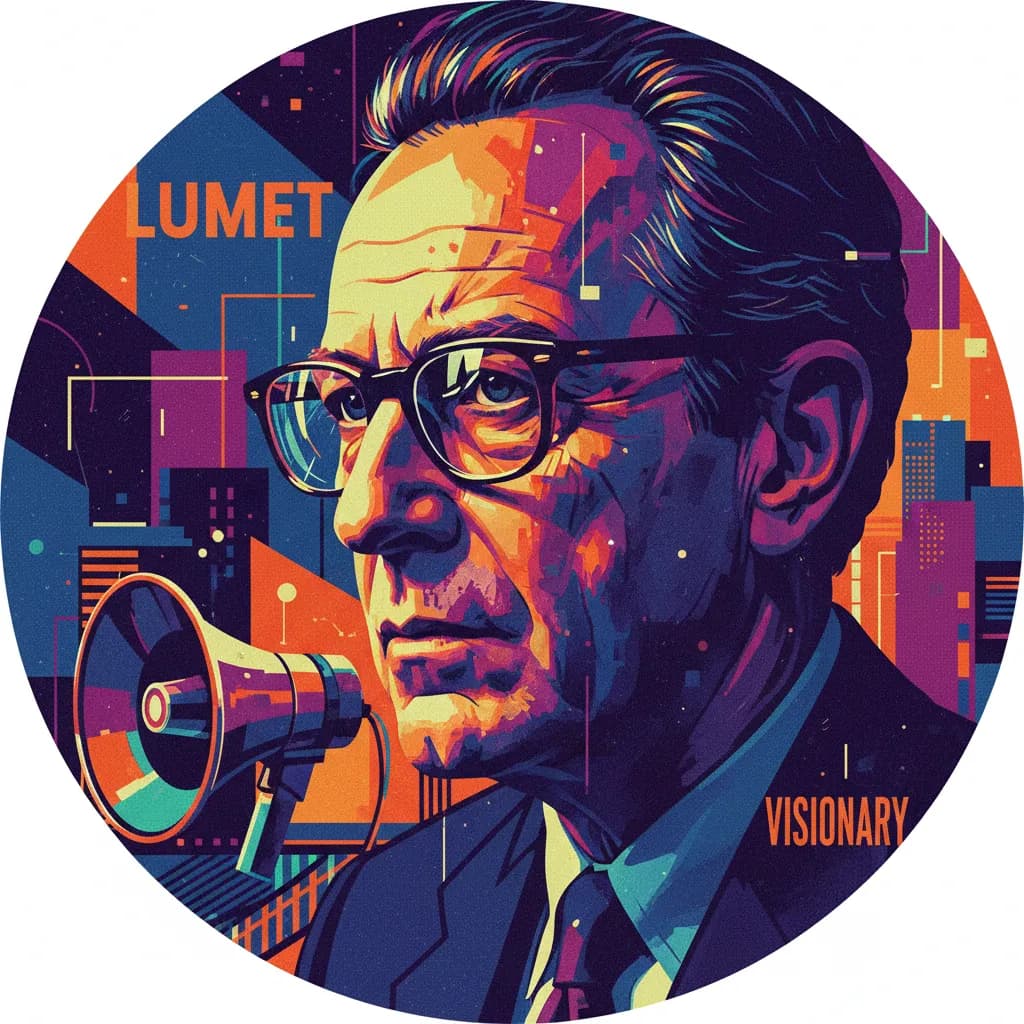
Sidney Lumet
Every film, ranked

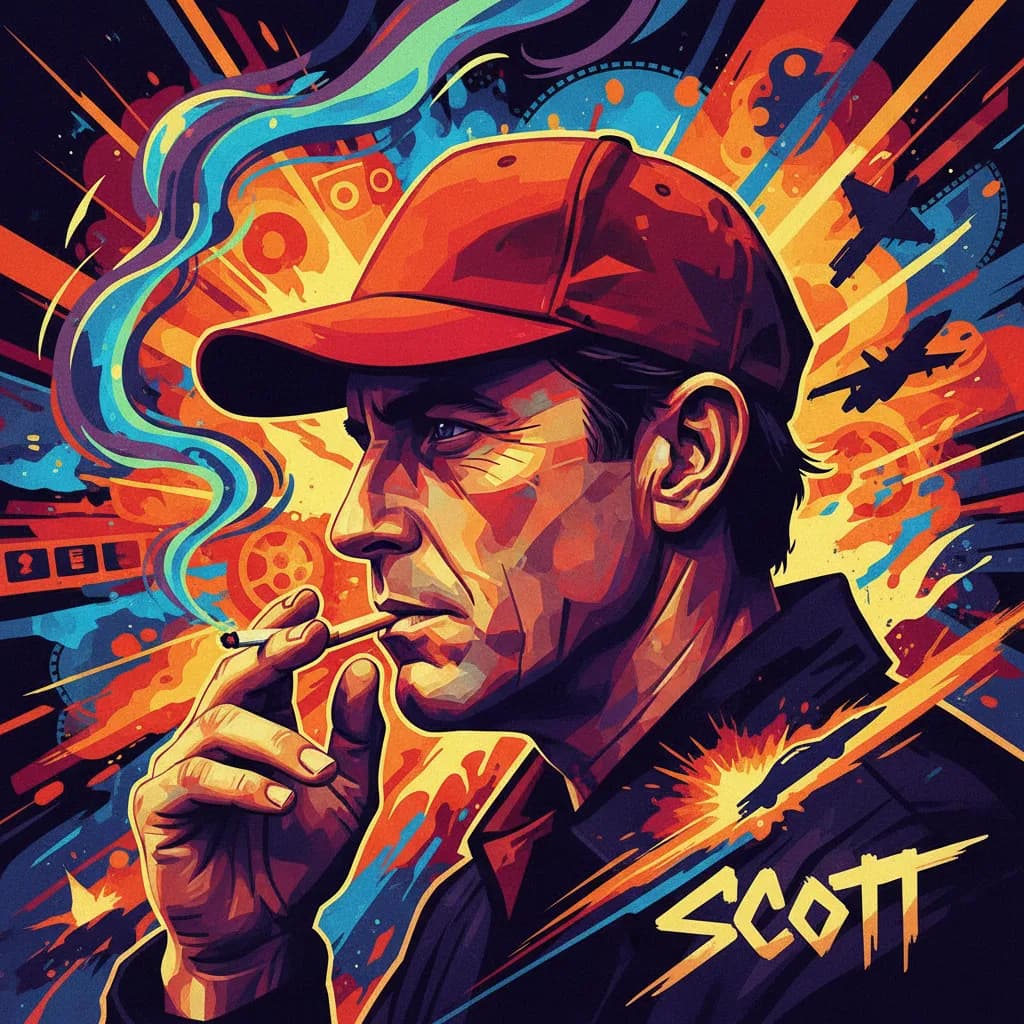
Tony Scott
Every film, ranked