Director Names Starting with F
Showing 37-48 out of 94
Flip Van der Kuil
Flip Van der Kuil is a Dutch director known for his unique and unapologetically raucous approach to filmmaking. With a penchant for over-the-top action and irreverent comedy, Van der Kuil has made a significant mark on the international film scene. His most notable works include "New Kids Nitro" (2011) and "New Kids Turbo" (2010), both of which have garnered a cult following for their outrageous humor and high-octane action sequences. Van der Kuil's directorial style is characterized by its no-holds-barred attitude and unapologetic embrace of exaggerated, often absurd humor. His films revel in their unapologetic embrace of the outrageous, with a distinctive mix of slapstick comedy and adrenaline-fueled action. This unique approach has earned Van der Kuil a dedicated fan base and cemented his status as a maverick in the comedy genre. Notable for their unapologetic embrace of lowbrow humor and high-energy action, Van der Kuil's films are a testament to his fearlessness as a director. His work often explores themes of friendship, rebellion, and the absurdity of everyday life, all delivered with a healthy dose of irreverent humor. Van der Kuil's impact on cinema extends beyond his native Netherlands, as his films have found audiences around the world, appealing to those with a taste for unapologetically over-the-top entertainment. In an industry often characterized by formulaic storytelling, Van der Kuil's distinct vision and unapologetic approach to comedy and action have distinguished him as a director unafraid to push boundaries and challenge conventions. With his unabashedly outrageous films, he has carved out a niche that celebrates the joy of unadulterated, unapologetic entertainment. As he continues to make his mark on the film industry, Van der Kuil's work serves as a refreshing reminder of the power of unapologetically bold storytelling and the enduring appeal of unfiltered, unapologetic humor.
Florent-Emilio Siri
Florent-Emilio Siri is a French filmmaker celebrated for his work in action, crime, and drama genres. His distinct directorial style is characterized by intense storytelling, visually striking cinematography, and compelling character-driven narratives. Siri's notable film "Hostage" (2005) solidified his reputation as a director with a knack for creating gripping and suspenseful cinema. In "Hostage," Siri masterfully weaves a tale of a former hostage negotiator, played by Bruce Willis, who finds himself entangled in a dangerous game of cat and mouse when his own family is taken captive. The film's taut pacing, atmospheric tension, and emotionally charged performances showcase Siri's ability to captivate audiences with visceral storytelling. Throughout his career, Siri has explored themes of moral ambiguity, psychological depth, and the human capacity for resilience in the face of adversity. His films often delve into the complexities of human behavior, showcasing flawed characters navigating high-stakes situations with raw authenticity. Siri's directorial prowess lies in his ability to infuse his work with palpable tension and emotional depth, keeping audiences on the edge of their seats while delving into the intricacies of the human experience. Siri's impact on cinema is marked by his commitment to pushing the boundaries of genre filmmaking, infusing his work with a distinct blend of action-packed thrills and thought-provoking storytelling. "Hostage" stands as a testament to his directorial prowess, earning acclaim for its gripping narrative and compelling visual style. Siri's contributions to the world of cinema have left an indelible mark, showcasing his talent for crafting immersive and unforgettable cinematic experiences. In conclusion, Florent-Emilio Siri's directorial career has been defined by his ability to create gripping, emotionally resonant films that transcend genre conventions. With "Hostage," he solidified his reputation as a director capable of delivering intense, character-driven stories that leave a lasting impact on audiences. Siri's unique vision and directorial flair have cemented his status as a filmmaker to watch, with each new project promising to captivate and enthrall audiences with his signature blend of action, crime, and drama.
Florian Gallenberger
Florian Gallenberger is a German film director known for his compelling storytelling and visually striking films. With a career spanning over two decades, Gallenberger has made a significant impact on cinema with his thought-provoking narratives and distinctive directorial style. He is best known for his 2015 film "Colonia," a gripping blend of biography, drama, and historical significance. Gallenberger's directorial style is characterized by meticulous attention to detail and a keen focus on human emotions. His films often explore complex and challenging themes, delving into the depths of human experience with raw authenticity. "Colonia" is a testament to Gallenberger's ability to blend historical events with intimate personal stories, creating a powerful and immersive viewing experience. "Colonia" stands as a testament to Gallenberger's ability to bring historical events to life with a contemporary relevance. The film tells the story of a young couple caught up in the 1973 Chilean military coup, with Emma Watson and Daniel Brühl delivering powerful performances. Gallenberger's adept direction brings out the intensity and emotional impact of the narrative, resulting in a film that leaves a lasting impression on its audience. Throughout his career, Gallenberger has demonstrated a consistent commitment to exploring the complexities of human nature, often delving into themes of resilience, courage, and the pursuit of justice. His films are characterized by their emotional depth and unflinching portrayal of challenging subject matter. Gallenberger's unique vision and directorial prowess have cemented his status as a filmmaker with a distinct voice in the industry. Florian Gallenberger's contributions to cinema have left an indelible mark, earning him recognition as a director who fearlessly explores the human condition through the lens of historical events. His ability to infuse his films with emotional resonance while tackling weighty subject matter has solidified his reputation as a director to watch. As he continues to captivate audiences with his storytelling prowess, Gallenberger remains a formidable force in the world of cinema, with his future endeavors eagerly anticipated by film enthusiasts worldwide.

Florian Henckel von Donnersmarck
Florian Henckel von Donnersmarck is a German film director known for his compelling storytelling and visually stunning cinematography. He first gained international acclaim with his debut feature film, "The Lives of Others" (2006), a gripping drama set in East Germany during the Cold War. The film received widespread critical acclaim and won the Academy Award for Best Foreign Language Film, catapulting von Donnersmarck to the forefront of the global film industry. In "The Lives of Others," von Donnersmarck showcased his directorial prowess by expertly crafting a suspenseful narrative while delving into the themes of surveillance, privacy, and human connection. His meticulous attention to detail and his ability to evoke powerful performances from his cast solidified his reputation as a master storyteller. Following the success of "The Lives of Others," von Donnersmarck continued to captivate audiences with "The Tourist" (2010), a stylish action thriller starring Johnny Depp and Angelina Jolie. While the film received mixed reviews, von Donnersmarck's distinct visual style and ability to create tension on screen were evident, showcasing his versatility as a director. In 2018, von Donnersmarck returned to critical acclaim with "Never Look Away," a sweeping biographical drama that garnered widespread praise for its breathtaking cinematography and emotionally resonant storytelling. The film earned two Academy Award nominations and further solidified von Donnersmarck's standing as a visionary director with a keen eye for human emotion and historical resonance. Throughout his career, von Donnersmarck has demonstrated a penchant for exploring complex human relationships, the impact of political ideologies on individuals, and the pursuit of artistic expression in the face of adversity. His films are characterized by their immersive storytelling, striking visuals, and thought-provoking themes, cementing his status as a director with a profound impact on cinema. Florian Henckel von Donnersmarck's unique vision and directorial finesse have left an indelible mark on the film industry, inspiring audiences and fellow filmmakers alike. With a career defined by storytelling prowess and a commitment to pushing cinematic boundaries, von Donnersmarck continues to be a revered figure in the world of filmmaking, with his work standing as a testament to the enduring power of storytelling through the lens of a visionary director.
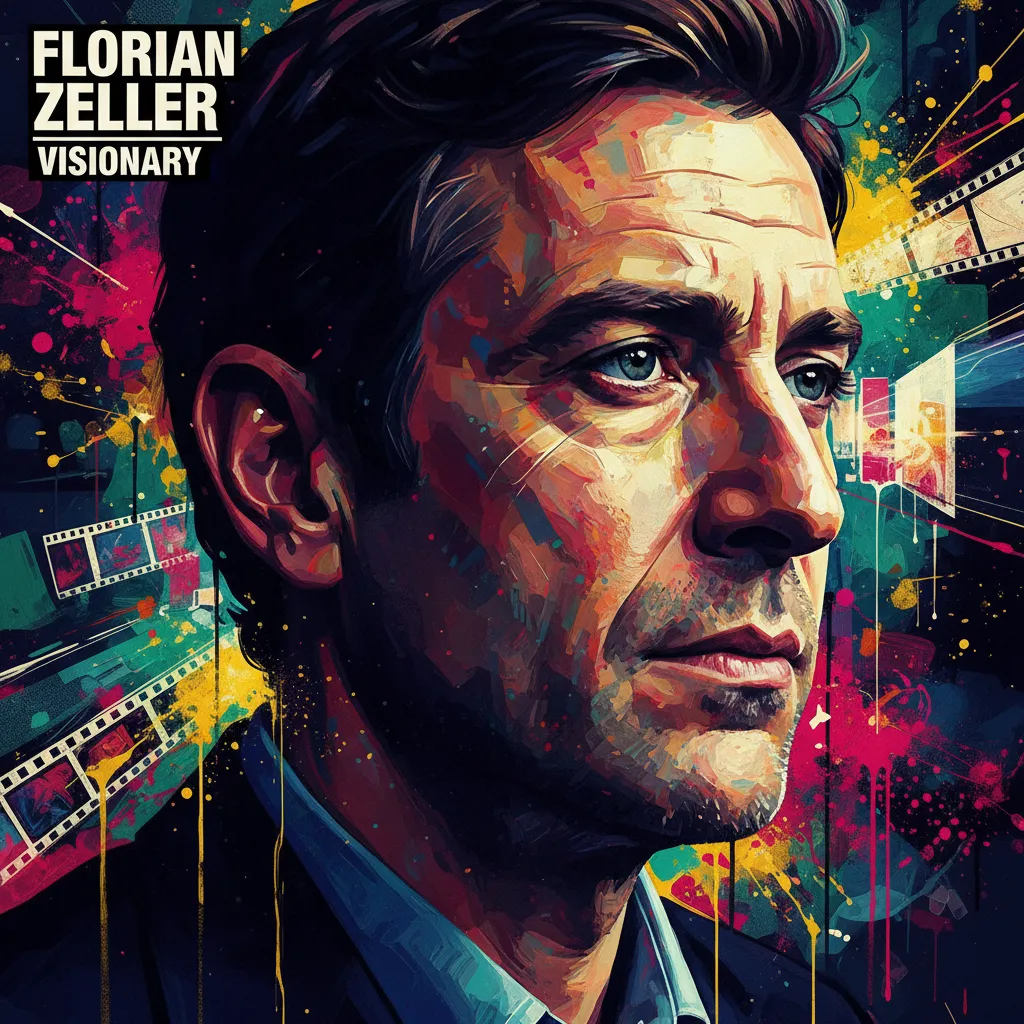
Florian Zeller
Florian Zeller is a French director who has made a significant impact on the world of cinema with his thought-provoking and emotionally resonant films. Zeller's directorial style is characterized by his keen ability to delve into the complexities of human relationships and the human psyche, often blurring the lines between reality and perception. His films are known for their intense emotional depth, compelling narratives, and masterful storytelling techniques. One of Zeller's most notable works is "The Father" (2020), a powerful drama that offers a poignant and harrowing portrayal of dementia. The film earned widespread critical acclaim and garnered numerous accolades, including an Academy Award for Best Actor for Anthony Hopkins. Zeller's sensitive and nuanced approach to the subject matter, coupled with his skillful direction, created a deeply affecting cinematic experience that resonated with audiences worldwide. In 2022, Zeller continued to showcase his directorial prowess with "The Son," another emotionally charged drama that delves into the complexities of family dynamics and the impact of past traumas. The film further solidified Zeller's reputation as a visionary director capable of eliciting raw and authentic performances from his cast while crafting narratives that linger in the hearts and minds of viewers long after the credits roll. Zeller's recurring themes often revolve around the fragility of the human mind, the intricacies of familial relationships, and the fluid nature of memory and perception. His films invite audiences to confront uncomfortable truths and grapple with the complexities of the human experience, leaving a lasting impression that transcends the screen. Zeller's unique vision and uncompromising commitment to storytelling have undoubtedly left an indelible mark on cinema, solidifying his status as a director to watch in the ever-evolving landscape of filmmaking.
Floria Sigismondi
Floria Sigismondi is a visionary film director known for her unique and evocative style, which often blurs the lines between reality and fantasy. With a background in music videos and photography, Sigismondi made a significant impact on the film industry with her feature debut, "The Runaways" (2010). This biographical drama delves into the rise of the eponymous 1970s all-female rock band, capturing the raw energy and rebellious spirit of the era. Sigismondi's directorial approach is characterized by her ability to infuse her projects with a dreamlike quality, combining haunting visuals with emotionally charged storytelling. "The Runaways" showcased Sigismondi's talent for capturing the essence of musical subcultures and exploring the complexities of female identity within a male-dominated industry. Her keen eye for detail and ability to evoke powerful performances from her actors solidified her reputation as a director with a distinct and compelling vision. Sigismondi's work often revolves around themes of empowerment, self-discovery, and the darker aspects of human nature, reflecting her fascination with the human psyche and the unconventional. Beyond "The Runaways," Sigismondi's impact on cinema extends to her prolific career in music videos, where she has collaborated with iconic artists such as David Bowie, Marilyn Manson, and Rihanna. Her visual storytelling in these music videos has contributed to shaping the aesthetic of contemporary pop culture, earning her recognition as a trailblazer in visual arts. Sigismondi's influence can also be felt in her work as a photographer, where her distinctive style has been featured in renowned publications and art exhibitions. Floria Sigismondi's directorial style and thematic preoccupations have left an indelible mark on the film industry, inspiring a new generation of filmmakers to embrace unconventional narratives and visual experimentation. Her ability to craft visually arresting and emotionally resonant stories has cemented her status as a director whose work transcends traditional boundaries, leaving a lasting impact on both cinema and popular culture.
Forest Whitaker
Forest Whitaker is an acclaimed actor who made a successful transition into directing, bringing his unique vision and storytelling sensibilities to the big screen. With an impressive filmography that includes titles such as "Hope Floats" (1998), "First Daughter" (2004), and "Waiting to Exhale" (1995), Whitaker has showcased his versatility and skill behind the camera. His directorial style is characterized by a keen focus on human emotions, interpersonal relationships, and the complexities of the human experience. In "Hope Floats," Whitaker demonstrated his ability to capture the intricacies of familial dynamics and the resilience of the human spirit. The film, a poignant drama and romance, underscored Whitaker's adeptness at delving into the emotional core of his characters, creating a deeply affecting cinematic experience. "First Daughter" further showcased his directorial prowess, blending comedy, drama, and romance to deliver a captivating narrative that resonated with audiences. Throughout his directorial career, Whitaker has explored recurring themes such as love, resilience, and the pursuit of personal fulfillment, infusing his films with authenticity and emotional depth. His impact on cinema is evident in the way he brings underrepresented stories to the forefront, amplifying diverse voices and experiences on screen. Whitaker's commitment to storytelling that reflects the complexities of human life has left an indelible mark on the film industry. Forest Whitaker's directorial contributions have enriched the cinematic landscape, offering audiences thought-provoking narratives and compelling characters. His ability to seamlessly navigate between genres while maintaining a focus on the human experience sets him apart as a director with a distinct and resonant vision. As he continues to shape the cinematic landscape with his storytelling prowess, Whitaker's legacy as a multifaceted director and storyteller continues to inspire and captivate audiences worldwide.
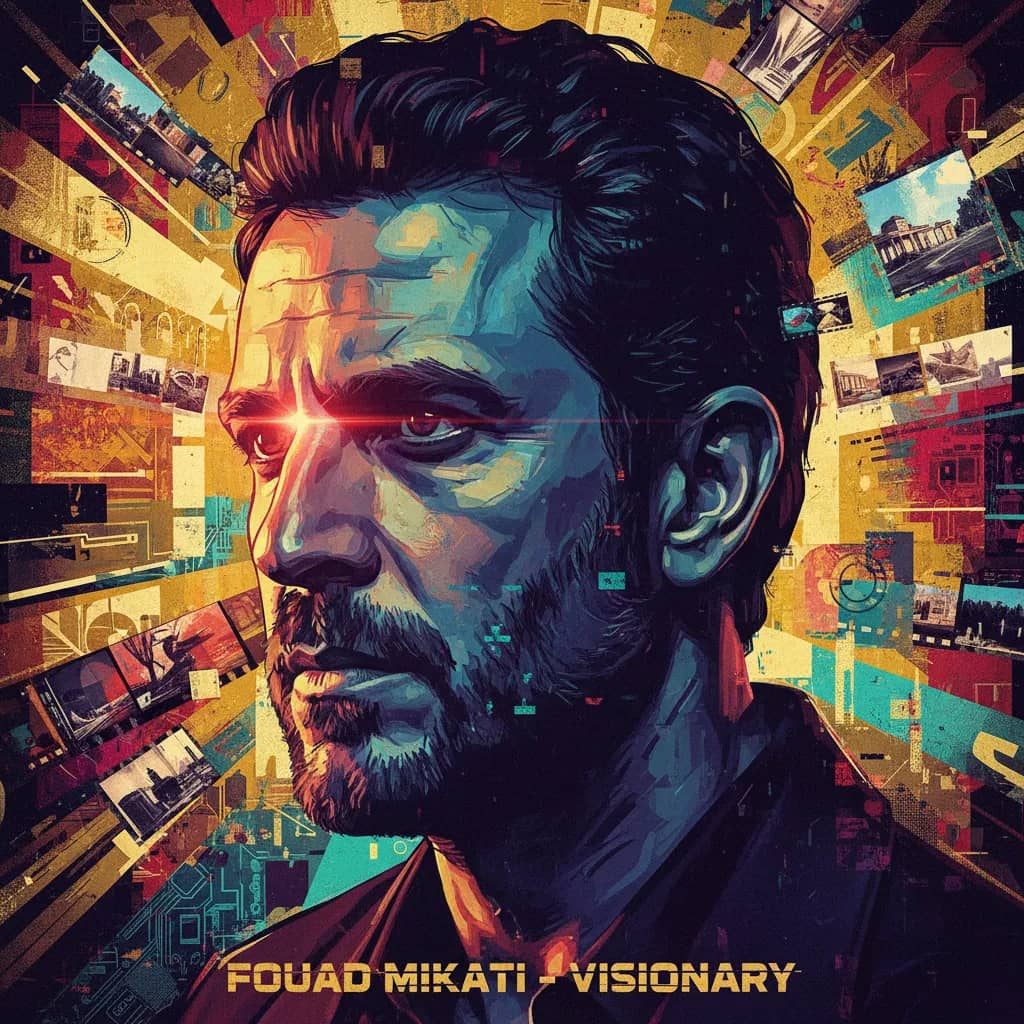
Fouad Mikati
Fouad Mikati is a Lebanese-born film director known for his distinct directorial style and compelling storytelling. With a career spanning several notable films, Mikati has made a name for himself as a director with a keen eye for capturing raw human emotion and crafting intense, suspenseful narratives. His notable films include "Return to Sender" (2015), a gripping drama and thriller, and "Operation: Endgame" (2010), a high-energy action-comedy. Mikati's directorial style is characterized by his ability to delve deep into the psyche of his characters, creating multi-layered and complex narratives that keep audiences on the edge of their seats. His films often explore themes of revenge, justice, and the human capacity for both darkness and redemption. Mikati's meticulous attention to detail and his skillful use of cinematography and pacing contribute to the immersive and visceral nature of his storytelling. "Return to Sender" stands out as a prime example of Mikati's directorial prowess, as he skillfully navigates the complexities of trauma, vengeance, and the human spirit. The film showcases his ability to create tension and evoke powerful emotional responses from his audience. Similarly, "Operation: Endgame" demonstrates Mikati's versatility as a director, seamlessly blending action and comedy while infusing the film with his signature intensity and depth. Mikati's impact on cinema lies in his ability to bring a fresh and compelling perspective to each of his projects, pushing boundaries and challenging conventions within the film industry. His unique vision and commitment to authentic storytelling have solidified his status as a director to watch. As Fouad Mikati continues to captivate audiences with his evocative storytelling and masterful direction, his influence on the world of cinema is sure to endure for years to come.
Francesco Cinquemani
Francesco Cinquemani is an Italian film director known for his work in the crime, mystery, and thriller genres. His notable filmography includes "The Poison Rose" (2019), a gripping neo-noir thriller that showcases his distinct directorial style and storytelling prowess. Cinquemani has made a mark in the industry with his unique vision and ability to captivate audiences with compelling narratives and visually stunning cinematography. Cinquemani's directorial style is characterized by a strong emphasis on atmospheric storytelling, intricate plotlines, and compelling character development. He excels in creating immersive cinematic experiences that keep viewers on the edge of their seats, with a keen eye for detail and a mastery of suspenseful storytelling techniques. "The Poison Rose" exemplifies his adeptness at crafting intricate crime narratives, drawing audiences into a world of intrigue and danger. Throughout his career, Cinquemani has demonstrated a knack for exploring recurring themes such as moral ambiguity, redemption, and the complexities of human nature. His films often delve into the darker aspects of society, offering thought-provoking insights into the human psyche and the consequences of our actions. By delving into these thematic elements, Cinquemani has carved a niche for himself as a director with a penchant for crafting compelling and morally complex narratives. Cinquemani's impact on cinema lies in his ability to infuse his films with a distinct visual style and a commitment to storytelling that resonates with audiences. His directorial contributions have expanded the boundaries of the crime and thriller genres, offering a fresh perspective on classic storytelling conventions while maintaining a strong sense of cinematic artistry. As he continues to make his mark in the industry, Francesco Cinquemani's work promises to leave a lasting impression on audiences and fellow filmmakers alike, cementing his status as a visionary director with a gift for crafting compelling narratives and immersive cinematic experiences.

Francine McDougall
Francine McDougall is a talented and versatile film director known for her unique directorial style and her ability to bring fresh perspectives to the screen. With a career spanning over two decades, McDougall has made a notable impact on the film industry with her innovative storytelling and visually captivating films. McDougall burst onto the scene with her feature film debut, "Sugar & Spice" (2001), a witty and irreverent comedy that combines elements of crime and teenage drama. The film showcases McDougall's ability to infuse humor with a darker edge, creating a distinct directorial style that sets her apart from her peers. "Sugar & Spice" received praise for its sharp dialogue, engaging characters, and McDougall's adept handling of the film's tonal shifts. Throughout her career, McDougall has demonstrated a penchant for exploring themes of female empowerment, friendship, and the complexities of teenage life. Her films often feature strong, multidimensional female characters who navigate challenging circumstances with resilience and humor. McDougall's directorial approach resonates with audiences, as she brings authenticity and depth to her storytelling, capturing the nuances of human relationships with sensitivity and insight. McDougall's impact on cinema extends beyond her individual films, as she has contributed to shaping the landscape of contemporary filmmaking. Her ability to blend genres and tackle unconventional subject matter has influenced a new generation of filmmakers, inspiring them to push boundaries and defy traditional storytelling conventions. McDougall's work serves as a testament to the power of visionary filmmaking and the importance of amplifying diverse voices in the industry. In conclusion, Francine McDougall's directorial career is defined by her bold vision, innovative storytelling, and commitment to portraying the complexities of human experiences. With a filmography that continues to resonate with audiences, McDougall has solidified her status as a trailblazing director whose impact on cinema is both enduring and influential. As she continues to chart new territory in filmmaking, McDougall's contributions to the art form will undoubtedly leave an indelible mark on the industry for years to come.
Francis Annan
Francis Annan is a rising director known for his gripping storytelling and visually compelling style. His breakout film, "Escape from Pretoria" (2020), is a biographical thriller that showcases his knack for creating tension and suspense. Inspired by real events, the film follows the daring escape of political prisoners from a maximum-security prison in apartheid-era South Africa. Annan's directorial approach seamlessly blends heart-pounding action with thought-provoking themes of resilience and the fight for justice. Annan's directorial style is characterized by his ability to immerse audiences in the intense emotional journeys of his characters. His keen attention to detail and powerful visual storytelling create an immersive experience that resonates long after the credits roll. "Escape from Pretoria" stands as a testament to Annan's skill in bringing true stories to life on the big screen, capturing the human spirit in the face of adversity. One of Annan's notable contributions to cinema is his dedication to shedding light on important historical and social issues. Through his films, he explores themes of oppression, survival, and the unbreakable human spirit. This commitment to storytelling with substance has earned him a reputation as a director with a powerful voice and a deep understanding of the human condition. As a director, Annan has made a significant impact on the industry by amplifying the voices of those who have been marginalized and overlooked. His work serves as a poignant reminder of the power of cinema to educate, inspire, and ignite social change. With "Escape from Pretoria," Annan has cemented his status as a director to watch, and his future projects are eagerly anticipated by both audiences and critics alike.
Francis Ford Coppola
Francis Ford Coppola is a legendary director whose illustrious career has left an indelible mark on the cinematic landscape. With a diverse filmography spanning several genres, he has consistently showcased a distinct directorial style characterized by meticulous attention to detail, compelling storytelling, and immersive visual aesthetics. Coppola's visionary approach to filmmaking has solidified his reputation as a trailblazer in the industry. One of Coppola's most iconic works is "The Godfather" (1972), a seminal crime drama that is widely regarded as one of the greatest films in cinematic history. The film's masterful storytelling, complex characters, and evocative imagery exemplify Coppola's directorial prowess. Additionally, "Apocalypse Now" (1979) stands as a testament to his ability to craft epic, thought-provoking narratives set against the backdrop of war, delving into the human psyche with unparalleled depth. Throughout his career, Coppola has explored recurring themes such as power dynamics, moral ambiguity, and the human condition, infusing his films with profound philosophical undertones. His adaptation of "Bram Stoker's Dracula" (1992) and "Dracula" (1992) demonstrate his adeptness at blending horror, fantasy, and drama to create visually stunning and thematically rich cinematic experiences. Coppola's impact on cinema extends beyond his directorial work, as he has also played a pivotal role in nurturing the talents of emerging filmmakers through his production company, American Zoetrope. His influence on the art of storytelling and visual expression has left an enduring legacy that continues to inspire and captivate audiences worldwide. In conclusion, Francis Ford Coppola's directorial career is a testament to his unparalleled creativity, visionary storytelling, and profound impact on the cinematic landscape. His body of work stands as a testament to his enduring legacy as a masterful filmmaker whose contributions have shaped the course of cinema for generations to come.