Director Names Starting with F
Showing 85-94 out of 94
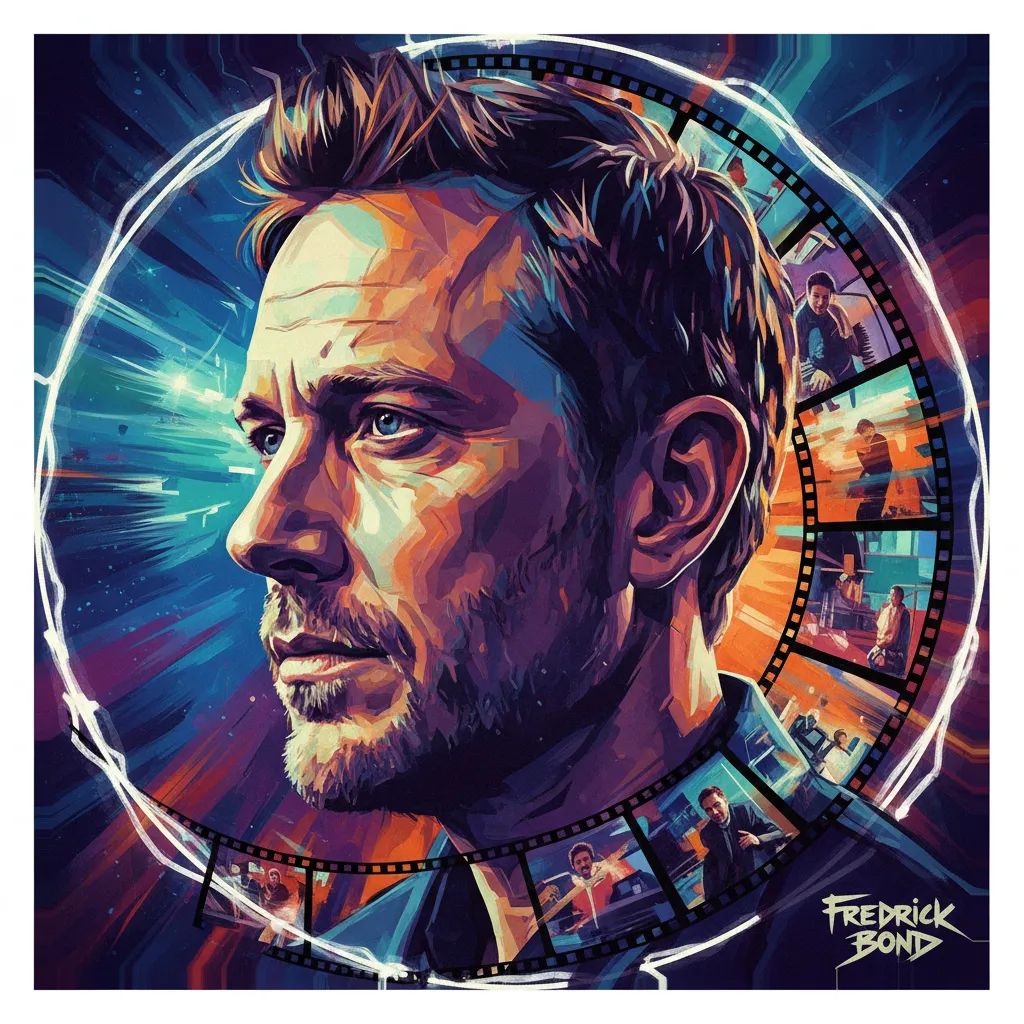
Fredrik Bond
Fredrik Bond is a Swedish film director known for his eclectic and visually striking work. His notable filmography includes "Charlie Countryman" (2013), a genre-bending film that seamlessly blends action, comedy, and drama. Bond's directorial style is characterized by his ability to create immersive and emotionally resonant storytelling through his visually arresting imagery and innovative use of camera work. "Charlie Countryman" stands as a testament to Bond's unique vision and creative prowess. The film showcases his ability to seamlessly blend multiple genres while maintaining a cohesive and engaging narrative. Bond's directorial approach is marked by his keen sense of visual storytelling, often infusing his work with vibrant and dynamic cinematography that captures the essence of the story and characters. Throughout his career, Bond has demonstrated a penchant for exploring themes of love, self-discovery, and the human condition. His films often delve into the complexities of relationships and the emotional nuances of the human experience, creating a compelling and relatable on-screen world for audiences to immerse themselves in. Bond's impact on cinema lies in his ability to push artistic boundaries and challenge traditional storytelling conventions. His visually stunning and emotionally charged films have left a lasting impression on audiences and critics alike, solidifying his reputation as a director with a unique and innovative approach to filmmaking. In conclusion, Fredrik Bond's directorial career is marked by his distinctive visual style, genre-defying storytelling, and profound exploration of human emotions. With "Charlie Countryman" serving as a prime example of his creative prowess, Bond continues to captivate audiences with his cinematic vision, leaving an indelible mark on the world of filmmaking.
Fred Schepisi
Fred Schepisi is an Australian film director known for his diverse range of work that spans across various genres. His career began to flourish in the 1980s with the release of "Roxanne" (1987), a romantic comedy that showcased his knack for blending humor and romance. Schepisi's directorial style often incorporates a balance of wit and heart, offering audiences an engaging and entertaining cinematic experience. This was further evidenced in his directorial efforts such as "Mr. Baseball" (1992), "The Russia House" (1990), and "Six Degrees of Separation" (1993), each demonstrating his versatility in navigating different storytelling landscapes. One of Schepisi's most notable films is "A Cry in the Dark" (1988), which delves into the infamous real-life case of the disappearance of Azaria Chamberlain. This biographical drama not only showcased Schepisi's ability to tackle compelling and emotionally charged narratives but also highlighted his skill in bringing real-life events to the screen with authenticity and depth. Throughout his career, Schepisi has consistently explored themes of human connection, identity, and the complexities of relationships, often infusing his films with a poignant and thought-provoking sensibility. Schepisi's impact on cinema lies in his ability to seamlessly transition between genres while maintaining a distinct directorial voice. His films often feature rich character development and an exploration of the human condition, resonating with audiences on an emotional level. Schepisi's work has left an indelible mark on the film industry, earning him a reputation as a director capable of delivering compelling narratives that leave a lasting impression. With a career spanning several decades, Fred Schepisi continues to be recognized as a visionary filmmaker whose contributions have enriched the cinematic landscape with his unique blend of storytelling prowess and directorial finesse.
Fred Walton
Fred Walton is a renowned film director who made a significant impact on the horror and mystery genres. His most notable film, "April Fool's Day" (1986), is a cult classic that showcases his directorial prowess and ability to create tension and suspense. Walton's directorial style is characterized by his skillful use of atmosphere, pacing, and psychological depth to captivate audiences and keep them on the edge of their seats. Throughout his career, Walton has demonstrated a keen eye for storytelling and a talent for crafting compelling narratives that resonate with audiences. His work often explores themes of deception, manipulation, and the unpredictability of human behavior, creating an immersive and chilling experience for viewers. "April Fool's Day" stands as a testament to Walton's ability to subvert genre expectations and deliver a thought-provoking and thrilling cinematic experience. Walton's influence on cinema extends beyond his individual films, as he has contributed to shaping the horror and mystery genres with his unique perspective and innovative approach to storytelling. His work has inspired and influenced a new generation of filmmakers, leaving an indelible mark on the landscape of modern cinema. His ability to create tension and suspense through masterful direction and storytelling has cemented his status as a visionary director in the realm of horror and mystery. With a career spanning several decades, Fred Walton has left an enduring legacy in the film industry. His contributions to the horror and mystery genres have solidified his reputation as a director with a distinct and impactful vision. As audiences continue to revisit and celebrate his work, his influence on cinema remains an integral part of the cultural and artistic landscape. Fred Walton's legacy as a director continues to inspire and captivate audiences, ensuring his place in the pantheon of influential filmmakers.

Fred Wolf
Fred Wolf is an American film director and writer known for his work in the comedy genre. With a career spanning over two decades, Wolf has left an indelible mark on the world of entertainment. He is recognized for his ability to infuse humor with heart, creating films that resonate with audiences of all ages. Wolf's directorial style often leans towards a blend of slapstick humor and heartfelt storytelling, making him a standout figure in the realm of comedic filmmaking. One of Wolf's most notable directorial endeavors is "Strange Wilderness" (2008), a wild adventure-comedy that showcases his penchant for absurd and outlandish humor. The film follows a group of misfit wildlife enthusiasts on a quest to save their failing TV show, leading to a series of uproarious misadventures. Wolf's directorial prowess shines through in his ability to orchestrate comedic chaos while maintaining a sense of genuine camaraderie among the characters. "Strange Wilderness" stands as a testament to Wolf's unique directorial vision and his adeptness at delivering unbridled comedic escapades. In addition to "Strange Wilderness," Wolf directed "The House Bunny" (2008), a comedy film that garnered widespread acclaim for its lighthearted humor and empowering narrative. The film revolves around a former Playboy bunny who becomes the house mother of a socially awkward sorority, injecting a blend of wit and warmth into the traditional college comedy. Wolf's directorial approach in "The House Bunny" showcases his ability to balance zany humor with themes of self-acceptance and empowerment, resonating with audiences and critics alike. Throughout his career, Wolf's films frequently explore themes of friendship, self-discovery, and the triumph of the underdog, resonating with audiences on a universal level. His work has left a lasting impact on the comedy genre, with his distinct directorial voice earning him a dedicated following. As a director, Wolf continues to push the boundaries of comedic storytelling, infusing his films with an infectious sense of humor and heart, cementing his status as a trailblazer in the world of comedy filmmaking. With a career defined by laughter and levity, Fred Wolf remains a visionary director whose contributions to cinema continue to entertain and inspire audiences worldwide. In conclusion, Fred Wolf's directorial career is characterized by his ability to infuse comedy with genuine emotion, resulting in films that resonate with audiences on a profound level. His unique blend of humor and heart has solidified his

Fred Zinnemann
Fred Zinnemann was a visionary film director known for his meticulous attention to detail and his ability to bring emotionally charged stories to life on the silver screen. Born in Austria and later naturalized as an American citizen, Zinnemann's career spanned several decades and yielded numerous iconic and influential films. His directorial style was marked by a commitment to realism, often delving into the human condition and moral dilemmas. Zinnemann's impact on cinema is undeniable, as he left an indelible mark on the industry with his thought-provoking and visually stunning films. One of Zinnemann's most celebrated works is "A Man for All Seasons" (1966), a historical drama that garnered critical acclaim and won six Academy Awards, including Best Picture and Best Director. The film exemplifies Zinnemann's ability to craft compelling narratives that resonate with audiences while showcasing his keen understanding of character development and historical context. Additionally, "From Here to Eternity" (1953) stands as another testament to Zinnemann's directorial prowess, as the film received widespread praise for its powerful portrayal of love and conflict amidst the backdrop of wartime Hawaii. Zinnemann's filmography also includes the gripping political thriller "The Day of the Jackal" (1973) and the classic Western "High Noon" (1952), both of which showcase his versatility as a director. Throughout his career, Zinnemann often explored themes of morality, justice, and the human spirit, infusing his films with profound depth and emotional resonance. Furthermore, his masterful direction of "The Nun's Story" (1959) and the musical "Oklahoma!" (1955) further demonstrates his ability to excel across different genres, showcasing his range as a filmmaker. Fred Zinnemann's impact on cinema continues to reverberate, as his films remain timeless and continue to inspire contemporary filmmakers. His legacy is characterized by a commitment to storytelling that transcends the boundaries of time and space, leaving an enduring imprint on the cinematic landscape. Zinnemann's unique vision and contributions to the art of filmmaking solidify his status as a legendary director whose work will continue to captivate and resonate with audiences for generations to come.
Fritz Böhm
Fritz Böhm is a German film director known for his work in the drama, fantasy, and horror genres. His notable filmography includes "Wildling" (2018), a gripping coming-of-age tale that seamlessly weaves elements of fantasy and horror. Böhm's directorial style is characterized by a keen eye for visual storytelling and a knack for creating immersive, atmospheric worlds that draw audiences into his narratives. In "Wildling," Böhm skillfully blends the fantastical with the psychological, crafting a haunting and thought-provoking story that explores themes of identity, transformation, and the primal nature of humanity. His ability to infuse his films with a sense of unease and tension while maintaining a strong emotional core sets him apart as a director with a unique vision. Böhm's impact on cinema lies in his ability to subvert genre expectations and deliver films that transcend traditional categorizations. "Wildling" showcases his talent for blending elements of horror and fantasy with deeply human and relatable storytelling, appealing to a wide range of audiences. As a director, Böhm has carved out a niche for himself as a filmmaker unafraid to explore the darker aspects of human nature while infusing his work with a sense of wonder and magic. His ability to create visually stunning and thematically rich films positions him as a rising talent in the world of genre cinema. Overall, Fritz Böhm's directorial career is marked by a commitment to pushing the boundaries of storytelling within the realms of fantasy, horror, and drama. With "Wildling," he has firmly established himself as a director to watch, and his unique vision and contributions to cinema are sure to continue making an impact in the industry.
Fritz Kiersch
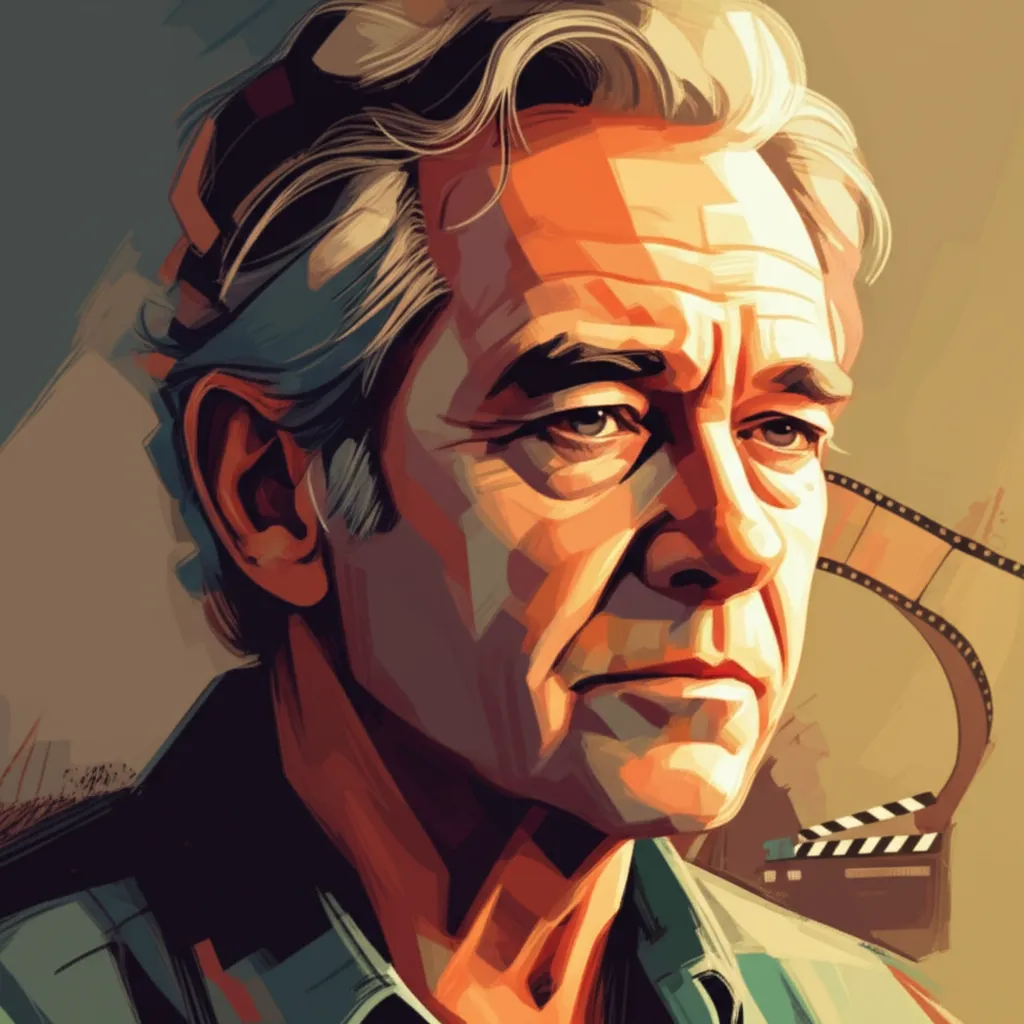
Fritz Kiersch is an American film director best known for his work in the horror genre, with his most notable film being "Children of the Corn" (1984). Kiersch's directorial style is characterized by his ability to create an intense and eerie atmosphere, often employing suspenseful build-ups and shocking twists to captivate audiences. His meticulous attention to detail and ability to evoke a sense of dread have solidified his reputation as a master of horror filmmaking. "Children of the Corn" remains one of Kiersch's most enduring contributions to cinema. The film, based on a short story by Stephen King, delves into the unsettling concept of children being manipulated by a sinister force to commit unspeakable acts. Kiersch's adept direction brought King's chilling narrative to life, earning the film a dedicated following and cementing its status as a classic in the horror genre. Throughout his career, Kiersch has often explored themes of fear, isolation, and the unknown, effectively tapping into primal human emotions to elicit powerful responses from his audiences. His ability to instill a sense of unease and foreboding in his films has left a lasting impact on the horror genre, inspiring countless filmmakers to embrace similar storytelling techniques. Fritz Kiersch's influence on cinema extends beyond his individual films, as his contributions have helped shape the landscape of horror filmmaking. His skillful direction and unwavering commitment to delivering spine-tingling experiences have earned him a place among the most respected and influential directors in the genre. Kiersch's legacy continues to resonate with both filmmakers and audiences, solidifying his status as a visionary director whose impact on cinema endures to this day.

Fritz Lang
Fritz Lang is a legendary film director whose innovative vision and groundbreaking contributions have left an indelible mark on the history of cinema. Born in Vienna in 1890, Lang's career spanned several decades and genres, shaping the landscape of film with his distinctive directorial style and thematic explorations. Known for his masterful command of visual storytelling and unparalleled ability to evoke suspense, Lang's films often delved into the dark recesses of the human psyche, creating atmospheric and compelling narratives that continue to captivate audiences to this day. Lang's filmography is a testament to his versatility and creativity, with standout works that have become iconic in the realm of cinema. "Metropolis" (1927), a pioneering science fiction epic, showcased Lang's visionary approach to storytelling and his unparalleled ability to create immersive, otherworldly landscapes. The film's stunning visuals and exploration of societal divides solidified Lang's status as a pioneering force in the sci-fi genre. Another notable entry in Lang's filmography is "M" (1931), a gripping crime thriller that introduced groundbreaking techniques in sound design and editing. The film's exploration of the criminal psyche and the impact of collective fear on a community highlighted Lang's keen understanding of human nature and societal dynamics. Throughout his career, Lang's films frequently delved into themes of crime, morality, and the complexities of human nature, often imbued with a sense of brooding darkness and psychological tension. His film-noir masterpiece "The Big Heat" (1953) exemplifies Lang's ability to craft gripping narratives within the framework of the genre, while also infusing them with a profound exploration of power dynamics and moral ambiguity. This recurring exploration of the human condition, often within the context of crime and societal upheaval, established Lang as a filmmaker with an unflinching commitment to probing the depths of the human experience. Lang's impact on cinema is immeasurable, as his innovative techniques and thematic preoccupations have influenced countless directors and genres. His visual storytelling prowess, coupled with his ability to infuse his films with profound philosophical inquiries, has solidified his legacy as a true visionary in the world of filmmaking. Lang's unparalleled contributions to the art form have paved the way for generations of filmmakers, leaving an enduring imprint on the cinematic landscape.

Fruit Chan
Fruit Chan is an esteemed Hong Kong film director, producer, and screenwriter, revered for his distinctive approach to cinema that challenges and captivates global audiences. His career, spanning several decades, marks a significant contribution to the indie and mainstream film industry, particularly within Asian cinema. Chan's directorial journey is notable for its exploration of social realities, blending gritty realism with innovative storytelling techniques. Chan is acclaimed for his unique directorial style, which often delves into the underbelly of urban life, focusing on the fringes of society. His films are characterized by a raw, unfiltered look at human conditions, intertwined with themes of poverty, alienation, and the human spirit's resilience. This approach not only showcases Chan's artistic vision but also his commitment to bringing marginalized stories to the forefront through cinema. Among his most notable works is "Three... Extremes" (2004), a horror anthology film that underscores his versatility and skill in eliciting intense emotional responses from audiences. This film, along with others like "Made in Hong Kong" (1997) and "Durian Durian" (2000), has been critical in establishing Chan's reputation as a director capable of traversing various genres while maintaining his thematic and stylistic signatures. Chan's influence on cinema extends beyond his filmography. His works have inspired discussions on cultural and social issues, pushing the boundaries of conventional storytelling, and paving the way for new voices in Asian cinema. His commitment to indie filmmaking has also inspired a generation of filmmakers to pursue authentic storytelling. Throughout his career, Fruit Chan has received numerous awards and recognition, solidifying his position as a pioneering force in international cinema. His films have not only been celebrated at various film festivals worldwide but have also contributed significantly to the evolution of the horror genre and independent cinema. Chan's enduring legacy is a testament to his visionary approach, making him an indelible figure in the landscape of global filmmaking.
F.W. Murnau
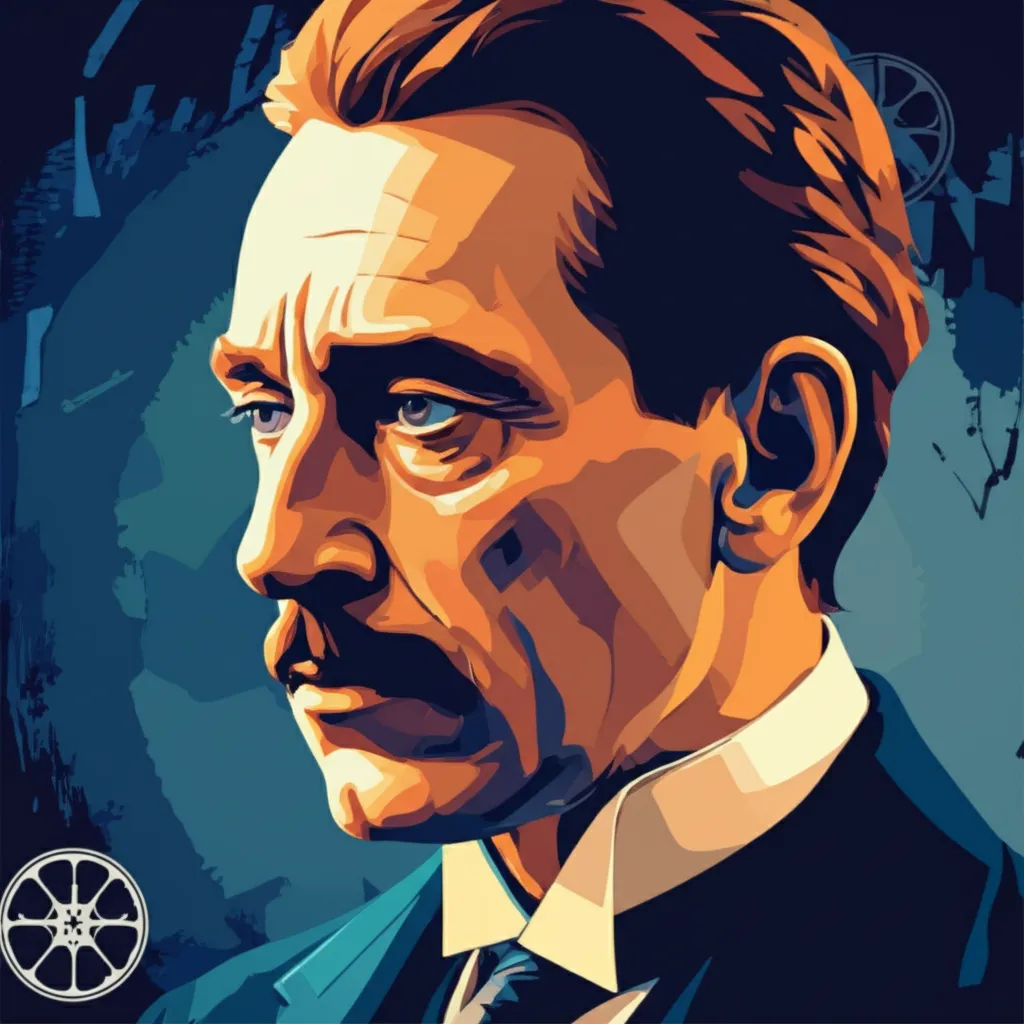
F.W. Murnau, born Friedrich Wilhelm Plumpe, was a groundbreaking German film director who left an indelible mark on cinema during the silent era. Renowned for his innovative visual storytelling and technical prowess, Murnau's directorial style was characterized by his masterful use of light and shadow, evocative compositions, and emotionally charged narratives. His films often explored themes of human nature, love, and the supernatural, leaving an enduring influence on filmmakers for generations to come. Murnau's filmography boasts a number of iconic works that have solidified his legacy in the history of cinema. "Nosferatu" (1922), a chilling adaptation of Bram Stoker's "Dracula," is perhaps his most famous film, showcasing his ability to create an atmosphere of dread and unease through striking visuals and haunting imagery. "The Last Laugh" (1924) further demonstrated Murnau's innovative approach to storytelling, utilizing groundbreaking camera techniques and bold experimentation to convey the inner turmoil of the protagonist. However, it was "Sunrise: A Song of Two Humans" (1927) that truly solidified Murnau's reputation as a visionary director. This romantic drama, which won the first-ever Academy Award for Best Unique and Artistic Picture, showcased Murnau's ability to evoke deep emotions through his visual storytelling. The film's stunning cinematography and expressive performances set a new standard for cinematic storytelling, earning Murnau international acclaim and cementing his status as a true auteur. Murnau's impact on cinema cannot be overstated. His innovative use of camera movement, lighting, and thematic depth laid the groundwork for many of the narrative and technical conventions that filmmakers continue to employ to this day. His influence can be seen in the works of directors such as Alfred Hitchcock, Ingmar Bergman, and Werner Herzog, all of whom have cited Murnau as a major source of inspiration. Murnau's commitment to pushing the boundaries of visual storytelling and his unparalleled ability to elicit raw, human emotions through his films have solidified his place as one of the most influential directors in the history of cinema.