Director Names Starting with F
Showing 49-60 out of 94

Francis Lawrence
Francis Lawrence is a revered film director known for his ability to seamlessly blend action, drama, and sci-fi elements with a distinct visual style. With a career spanning over two decades, Lawrence has left an indelible mark on cinema, delivering compelling narratives and striking visuals that leave audiences in awe. His filmography boasts a diverse range of genres, including drama, romance, action, adventure, and horror, showcasing his versatility as a storyteller. One of Lawrence's most notable works is "The Hunger Games" franchise, where he helmed "Catching Fire" and "Mockingjay - Part 1," both of which garnered critical acclaim and commercial success. His adept handling of complex narratives, coupled with his keen eye for visual storytelling, solidified his reputation as a director capable of bringing beloved literary works to life on the big screen. "I Am Legend," starring Will Smith, further showcased Lawrence's ability to infuse gripping action with emotional depth, creating a harrowing post-apocalyptic world that resonated with audiences. Lawrence's directorial style is characterized by his meticulous attention to detail, immersive world-building, and an emphasis on character-driven storytelling. His films often explore themes of resilience, survival, and the human spirit in the face of adversity, capturing the essence of the human experience amidst fantastical settings. Whether it's the haunting desolation of a world ravaged by a viral outbreak in "I Am Legend" or the dystopian landscapes of "The Hunger Games," Lawrence's visionary approach transports viewers to immersive and thought-provoking realms. With the upcoming release of "Slumberland," a whimsical adventure that promises to enchant audiences with its blend of comedy and drama, Lawrence continues to push boundaries and defy genre conventions. His ability to craft compelling narratives across a spectrum of genres has cemented his status as a director capable of delivering captivating and emotionally resonant cinema. Francis Lawrence's impact on the film industry is undeniable, and his visionary storytelling continues to captivate audiences worldwide, solidifying his place as a masterful director with an enduring legacy. In summary, Francis Lawrence's directorial career is defined by his ability to seamlessly weave together diverse genres, compelling narratives, and striking visuals, leaving an indelible mark on cinema. His distinct directorial style, emphasis on character-driven storytelling, and exploration of universal themes have established him as a visionary director capable of crafting immersive and emotionally resonant cinematic experiences. As audiences eagerly anticipate his future projects, Francis Lawrence's contributions to

Francis Lee
Francis Lee is a visionary director renowned for his intimate and emotionally charged storytelling. His directorial style is characterized by a keen focus on human relationships, often set against the backdrop of rural landscapes. Lee's films are known for their raw and authentic portrayal of characters as they navigate the complexities of love, identity, and self-discovery. In 2017, Lee made a significant impact on the film industry with his debut feature, "God's Own Country." The film follows the intense romance between a young farmer and a migrant worker, set against the breathtaking backdrop of the Yorkshire countryside. Lee's sensitive direction and ability to capture the rugged beauty of the landscape garnered widespread critical acclaim and established him as a director to watch. Lee's sophomore film, "Ammonite," further solidified his reputation as a director with a unique and compelling vision. Released in 2020, the film is a poignant biographical drama that explores the life of acclaimed fossil hunter Mary Anning and her complex relationship with Charlotte Murchison. Lee's meticulous attention to detail and nuanced storytelling brought the historical figures to life, earning praise for his ability to infuse the narrative with emotional depth and authenticity. Throughout his career, Lee has demonstrated a recurring theme of exploring the intricacies of human connection and the impact of societal norms on personal relationships. His films often delve into the complexities of intimacy and the struggle for acceptance, offering audiences a thought-provoking and immersive cinematic experience. With his distinct directorial voice and evocative storytelling, Francis Lee continues to make a profound impact on cinema. His ability to craft deeply human narratives and capture the essence of his characters has earned him a dedicated following and cemented his status as a director who pushes boundaries and challenges the conventions of traditional storytelling. As he continues to captivate audiences with his compelling narratives, Francis Lee remains a director whose work is not to be missed.

Francis Veber
Francis Veber is a celebrated French director known for his exceptional talent in the comedy genre. With a career spanning over four decades, Veber has left an indelible mark on the world of cinema with his unique storytelling and directorial style. His impressive filmography includes notable works such as "Ruby & Quentin" (2003), "The Closet" (2001), "Le dîner de cons" (1998), and "Three Fugitives" (1989), each showcasing his mastery in crafting engaging and entertaining narratives. Veber's directorial style is characterized by a perfect blend of wit, humor, and sharp storytelling. His films often feature quirky characters placed in absurd and amusing situations, creating a delightful cinematic experience for audiences. Veber has a keen eye for capturing the nuances of human behavior and relationships, infusing his films with relatable humor and heartwarming moments. One of Veber's most acclaimed works, "Le dîner de cons" (1998), stands as a testament to his directorial prowess. The film, which revolves around a dinner where guests bring the most idiotic person they can find, brilliantly showcases Veber's ability to extract humor from everyday situations while also exploring themes of friendship and human folly. "The Closet" (2001) further solidifies Veber's reputation as a master of comedic storytelling, as he skillfully weaves a tale of mistaken identity and workplace shenanigans with finesse and charm. Veber's impact on cinema extends beyond his directorial achievements, as his films have influenced countless filmmakers and continue to be celebrated for their enduring appeal. Through his distinct storytelling and comedic sensibilities, Veber has carved a niche for himself in the world of cinema, leaving behind a legacy of laughter and joy that resonates with audiences worldwide. In conclusion, Francis Veber's directorial career is a testament to his exceptional talent and unwavering dedication to the art of storytelling. His ability to infuse humor and warmth into his films has earned him a revered status in the world of cinema, making him a true luminary in the realm of comedy filmmaking. With a rich and diverse filmography, Veber's contributions to the cinematic landscape are nothing short of remarkable, solidifying his legacy as a visionary director whose films continue to stand the test of time.

Franck Khalfoun
Franck Khalfoun is a French-American director known for his work in the crime, horror, and thriller genres. His distinctive directorial style often incorporates elements of psychological tension, immersive storytelling, and visually striking cinematography. Khalfoun's films are characterized by their ability to elicit fear and suspense, drawing audiences into the unsettling worlds he creates on screen. In 2007, Khalfoun made his directorial debut with "P2," a gripping psychological thriller set within the confines of a parking garage. The film showcased his adeptness at building claustrophobic atmospheres and crafting intense, nerve-wracking sequences. His ability to create a sense of unease and dread earned him recognition within the horror and thriller genres. In 2017, Khalfoun further solidified his reputation as a master of horror with "Amityville: The Awakening." This entry in the iconic Amityville franchise demonstrated his skill in reimagining classic horror narratives while infusing them with his own visceral and haunting touch. Khalfoun's directorial prowess was evident in his ability to deftly blend supernatural elements with psychological terror, keeping audiences on the edge of their seats throughout the film. Khalfoun's films often explore themes of isolation, fear of the unknown, and the fragility of the human psyche. His keen understanding of character dynamics and his ability to create palpable tension have established him as a formidable force in the realm of psychological horror. Khalfoun's impact on cinema lies in his skillful manipulation of audience emotions, as he skillfully constructs narratives that linger long after the credits roll. Overall, Franck Khalfoun's directorial career has left an indelible mark on the horror and thriller genres, with his unique vision and ability to evoke visceral fear setting him apart as a director to watch. His contributions to film have resonated with audiences and critics alike, solidifying his status as a filmmaker with a penchant for crafting unforgettable and chilling experiences on screen.
François Dupeyron
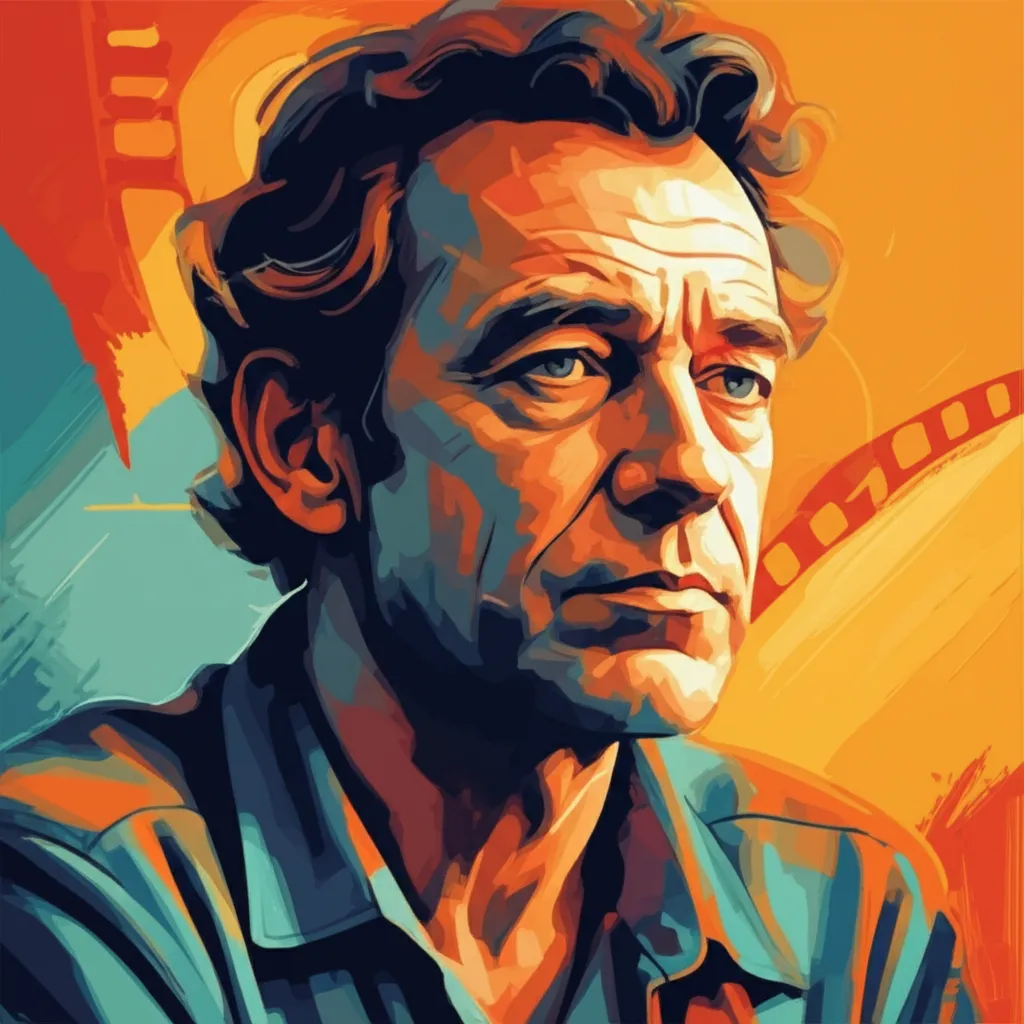
François Dupeyron was a French film director known for his unique storytelling style and ability to capture the complexities of human emotions through his films. His most notable work, "Monsieur Ibrahim" (2003), exemplifies his directorial prowess, seamlessly blending comedy and drama to deliver a poignant narrative. Dupeyron's directorial style is characterized by his profound understanding of the human condition and his ability to create deeply empathetic characters that resonate with audiences. "Monsieur Ibrahim" stands as Dupeyron's magnum opus, earning critical acclaim and multiple awards, including a César Award for Best Adaptation. The film's exploration of the unlikely friendship between a young Jewish boy and an elderly Muslim shopkeeper in 1960s Paris showcases Dupeyron's adeptness at weaving together intimate, character-driven storytelling with broader social and historical contexts. His directorial finesse in capturing the nuances of this relationship and the emotional depth of the characters solidified his reputation as a masterful storyteller. Throughout his career, Dupeyron's films often delved into themes of identity, friendship, and the search for meaning in a complex world. He had a keen eye for portraying the human experience with sensitivity and compassion, drawing audiences into the emotional landscapes of his characters. His impact on cinema extends beyond his directorial achievements, as he left an indelible mark on the industry by inspiring a new generation of filmmakers to explore the depths of human emotion and societal dynamics through their work. François Dupeyron's legacy as a director is defined by his ability to infuse his films with profound insight and emotional resonance. His contributions to cinema continue to inspire and influence filmmakers worldwide, cementing his status as a visionary director whose films transcend cultural boundaries and resonate with audiences on a universal level.
François Girard
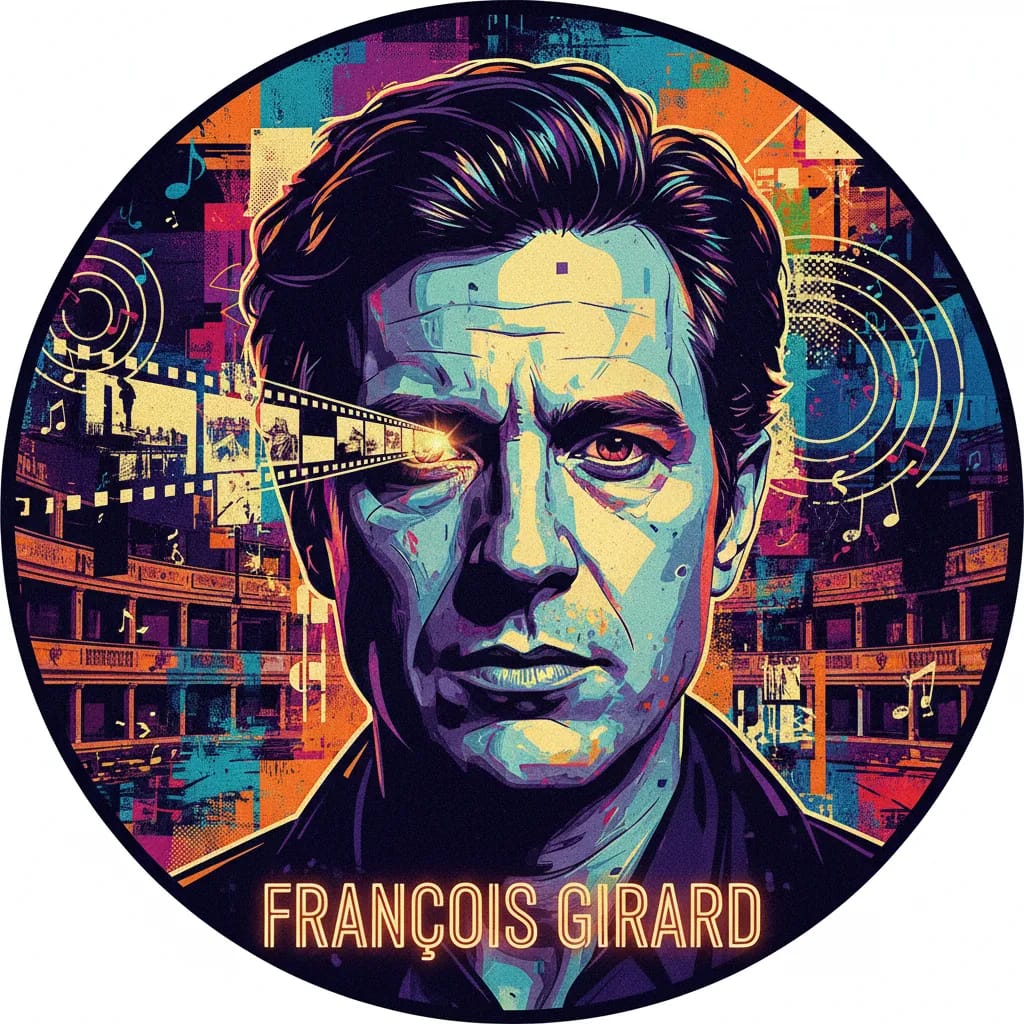
François Girard is a Canadian film director known for his captivating storytelling and visually stunning cinematic style. His notable works include "The Red Violin" (1998) and "Silk" (2007), both of which showcase his ability to seamlessly blend drama, music, and romance into compelling narratives. Girard's directorial style is characterized by his meticulous attention to detail, evocative cinematography, and profound exploration of human emotions. "The Red Violin" stands as Girard's most acclaimed work, winning an Academy Award for Best Original Score and garnering widespread critical acclaim. The film weaves together multiple storylines across different time periods, all connected by the journey of a mysterious violin. Girard's masterful direction and the film's evocative musical score create a transcendent viewing experience, establishing him as a visionary director with a unique storytelling approach. In "Silk," Girard delves into themes of love, longing, and cultural exploration, presenting a visually sumptuous portrayal of 19th-century France and Japan. His ability to capture the intricacies of human relationships and the nuances of different cultures further solidifies his reputation as a director with a profound understanding of the human experience. Girard's impact on cinema lies in his ability to create immersive and emotionally resonant films that transcend linguistic and cultural barriers. His work reflects a deep appreciation for music, art, and the interconnectedness of human experiences. Through his distinct visual language and compelling narratives, Girard has left an indelible mark on the world of cinema, inspiring audiences and fellow filmmakers alike. In summary, François Girard's directorial career is defined by his visionary storytelling, evocative visuals, and profound exploration of human emotions. His films "The Red Violin" and "Silk" stand as testaments to his unique vision and ability to create cinematic experiences that linger in the hearts and minds of viewers. As a master of blending drama, music, and romance, Girard continues to leave an enduring impact on cinema, solidifying his status as a director with an unparalleled ability to transport audiences into rich, immersive worlds.

François Ozon
François Ozon is a prolific French director known for his diverse and engaging filmography, spanning multiple genres and captivating audiences with his distinct directorial style. His notable films include "Young & Beautiful" (2013), a compelling drama and romance exploring female sexuality, "Frantz" (2016), a poignant historical drama and romance set in the aftermath of World War I, and "In the House" (2012), a gripping drama and mystery that delves into the complexities of storytelling and reality. Ozon's directorial style is characterized by his ability to seamlessly transition between genres, infusing his films with a sense of emotional depth and thought-provoking narratives. His films often explore themes of identity, desire, and the intricacies of human relationships, captivating audiences with their nuanced storytelling and compelling characters. Ozon's unique vision and storytelling prowess have solidified his reputation as a trailblazing director in the global film industry. In "Swimming Pool" (2003), Ozon masterfully crafts a gripping crime drama and mystery, while "Double Lover" (2017) showcases his adeptness at creating intense and seductive thrillers. His film "Under the Sand" (2000) delves into the psychological depths of grief and loss, further highlighting Ozon's versatility as a director. His recent work, "Summer of 85" (2020), continues to exemplify his ability to create emotionally resonant dramas with a focus on human connections and personal growth. François Ozon's impact on cinema is undeniable, as he continues to push boundaries and challenge conventions with each new project. His ability to infuse his films with a sense of authenticity and emotional depth has earned him a dedicated following and critical acclaim. With his unwavering commitment to storytelling and his ability to captivate audiences across genres, François Ozon stands as an influential and visionary director in the world of cinema, leaving an indelible mark with each of his thought-provoking and visually stunning films. In summary, François Ozon's illustrious career as a director has been marked by his unparalleled ability to seamlessly navigate between genres, crafting emotionally resonant narratives that captivate audiences worldwide. With an impressive filmography spanning drama, romance, mystery, and more, Ozon's unique directorial style and recurring themes have cemented his status as a visionary filmmaker, leaving an enduring impact on the cinematic landscape.

François Simard
François Simard is a visionary Canadian director known for his unique blend of action, adventure, and comedy in the cult classic film "Turbo Kid" (2015). Simard, along with his co-directors Anouk Whissell and Yoann-Karl Whissell, crafted a distinct and visually stunning post-apocalyptic world in "Turbo Kid." The film, set in an alternate 1997, follows the adventures of a young scavenger who becomes the superhero Turbo Kid to save his friend and stop the tyrannical warlord Zeus. Simard's directorial style in "Turbo Kid" is characterized by a vibrant and nostalgic homage to 1980s pop culture, blending practical effects with a modern sensibility. Simard's directorial debut, "Turbo Kid," quickly gained a devoted following for its inventive storytelling, exhilarating action sequences, and dark humor. His collaboration with the Whissell siblings resulted in a film that resonated with audiences for its unique visual aesthetic and offbeat storytelling. The film's success solidified Simard's reputation as a director with a keen eye for genre-bending narratives and a flair for infusing his work with a distinct retro-futuristic charm. Notable themes in Simard's work include the exploration of unlikely heroes, the resilience of the human spirit in the face of adversity, and the power of imagination and friendship. Simard's impact on cinema lies in his ability to revitalize familiar genres with fresh perspectives, creating immersive worlds that transport audiences to captivating and unpredictable settings. His directorial vision has garnered praise for its ability to subvert expectations while celebrating the timeless appeal of classic storytelling tropes. François Simard's contribution to the film industry extends beyond his directorial achievements, as he continues to inspire a new generation of filmmakers with his innovative approach to storytelling and visual storytelling. With "Turbo Kid," Simard has firmly established himself as a director to watch, and his future projects are eagerly anticipated by fans and critics alike. In conclusion, François Simard's directorial career is defined by his distinct blend of action, adventure, and comedy, as showcased in the cult classic "Turbo Kid." His visionary approach to storytelling, penchant for genre-bending narratives, and unique visual aesthetic have solidified his status as a director with a knack for reinvigorating familiar genres. As Simard continues to make his mark on the industry, his influence on cinema and his ability to captivate

François Truffaut
François Truffaut was a pioneering French film director, screenwriter, and producer who left an indelible mark on the world of cinema. Born in 1932, Truffaut's career spanned from the late 1950s to the early 1980s, during which he became a leading figure in the French New Wave movement. Known for his distinct directorial style and deeply personal storytelling, Truffaut's films often delved into themes of love, childhood, and the human condition. His works continue to be celebrated for their emotional depth and innovative approach to storytelling. Truffaut's directorial debut, "The 400 Blows" (1959), served as a groundbreaking entry into the realm of French cinema. The film, which followed the poignant tale of a young boy navigating the challenges of adolescence, showcased Truffaut's keen ability to capture raw human emotions and experiences. This marked the beginning of a prolific career that would include a string of acclaimed films, such as "Jules and Jim" (1962), "Shoot the Piano Player" (1960), and "Day for Night" (1973). The director's signature style often incorporated a blend of intimate character studies, atmospheric visuals, and a deep reverence for the art of storytelling. Truffaut's films frequently revolved around the complexities of human relationships, often exploring themes of love, identity, and the passage of time. His impact on cinema is widely recognized, as he played a pivotal role in reshaping the landscape of French filmmaking and inspiring a new generation of directors around the world. One of Truffaut's most enduring legacies lies in his ability to infuse his films with a sense of emotional authenticity and a profound exploration of the human experience. His work continues to be celebrated for its timeless appeal and its influence on subsequent generations of filmmakers. Truffaut's contributions to cinema have solidified his place as a visionary director whose artistic legacy continues to resonate with audiences and filmmakers alike.

Franco Zeffirelli
Franco Zeffirelli was a visionary Italian film director, renowned for his visually stunning and emotionally resonant works. Born on February 12, 1923, in Florence, Italy, Zeffirelli initially gained recognition for his groundbreaking adaptations of classic literature and timeless love stories. His directorial style was characterized by a meticulous attention to detail, lavish production designs, and a deep understanding of human emotions. Zeffirelli's illustrious career reached its zenith with the release of "Romeo and Juliet" in 1968, a breathtaking adaptation of Shakespeare's iconic play. The film not only showcased Zeffirelli's adeptness at capturing the essence of young love but also solidified his status as a masterful storyteller. His depiction of the tragic romance between the titular characters set against the backdrop of Renaissance-era Verona remains a timeless cinematic treasure, beloved by audiences and critics alike. In 1999, Zeffirelli captivated audiences once again with "Tea with Mussolini," a poignant blend of comedy, drama, and war. The film, set against the tumultuous backdrop of World War II, underscored Zeffirelli's ability to infuse historical narratives with warmth and humanity, cementing his reputation as a versatile director capable of evoking a myriad of emotions from his viewers. Throughout his career, Zeffirelli's films often revolved around themes of love, tragedy, and the enduring power of human connection. His unparalleled ability to breathe new life into timeless tales and transport audiences to bygone eras left an indelible mark on cinema. Zeffirelli's influence continues to resonate in the works of contemporary filmmakers, as his unique vision and unparalleled contributions to the art of storytelling remain an enduring source of inspiration. In conclusion, Franco Zeffirelli's legacy as a director is defined by his unparalleled ability to craft visually stunning narratives that transcend time and resonate with audiences across generations. His timeless adaptations of classic literature and profound explorations of human emotions have firmly established him as a luminary in the world of cinema, leaving an indelible mark on the art form that will continue to inspire filmmakers for years to come.

Franc Roddam
Franc Roddam is a British film director known for his impactful and influential contributions to cinema. With a career spanning several decades, Roddam has left an indelible mark on the film industry through his distinctive directorial style and storytelling prowess. His notable film, "Quadrophenia" (1979), stands as a testament to his directorial acumen and ability to capture the essence of youth culture and rebellion. Roddam's directorial style is characterized by a raw and authentic portrayal of human emotions and societal dynamics. He has a keen eye for capturing the nuances of characters and their environments, creating immersive cinematic experiences for audiences. "Quadrophenia" exemplifies Roddam's ability to infuse music and drama to create a compelling narrative that resonates with viewers on a profound level. The film's exploration of youth subculture and the quest for identity showcases Roddam's adeptness at delving into complex themes with depth and sincerity. Throughout his career, Roddam has demonstrated a penchant for delving into themes of rebellion, identity, and the human experience. His films often explore the struggles and triumphs of individuals navigating societal pressures and personal growth, offering audiences a profound and relatable cinematic journey. Roddam's impact on cinema extends beyond his directorial achievements, as he has influenced subsequent filmmakers and contributed to the evolution of storytelling in film. As a visionary director, Franc Roddam's legacy is defined by his ability to authentically capture the essence of human emotions and societal dynamics on the silver screen. His directorial contributions have left an indelible mark on cinema, inspiring audiences and filmmakers alike. With "Quadrophenia" as a standout testament to his directorial prowess, Roddam continues to be celebrated for his unique vision and enduring impact on the art of filmmaking.

Frank A. Cappello
Frank A. Cappello is an American film director known for his distinctive storytelling style and thought-provoking narratives. His most notable work includes the 2007 film "He Was a Quiet Man," which captivated audiences with its blend of drama, romance, and thriller elements. Cappello's directorial approach is characterized by a keen eye for psychological depth and a nuanced understanding of human emotions, which he skillfully weaves into his films. "He Was a Quiet Man" stands as a testament to Cappello's ability to create immersive and emotionally resonant cinematic experiences. The film delves into the complexities of human nature, exploring themes of isolation, redemption, and the blurred lines between heroism and villainy. Cappello's directorial prowess shines through in his adept handling of the film's tension-filled narrative, as well as his ability to elicit powerful performances from the cast. In his directorial career, Cappello has demonstrated a penchant for crafting character-driven stories that delve into the darker recesses of the human psyche. His films often confront societal norms and challenge audiences to confront uncomfortable truths, showcasing a commitment to thought-provoking storytelling. Through his work, Cappello has made a significant impact on cinema by offering audiences narratives that transcend traditional genre boundaries and provoke introspection. Cappello's directorial vision is characterized by a blend of psychological depth, emotional resonance, and a willingness to explore the complexities of the human experience. His contributions to film have left an indelible mark, earning him a reputation as a director with a distinct and compelling voice in the industry. With a unique ability to craft narratives that resonate deeply with audiences, Cappello continues to leave an enduring impact on the world of cinema.