Director Names Starting with F
Showing 25-36 out of 94

Fergal Reilly
Fergal Reilly is an accomplished Irish film director known for his work in animation, action, and adventure genres. Reilly's most notable directorial achievement to date is "The Angry Birds Movie" (2016). The film, based on the popular mobile game franchise, showcased Reilly's ability to seamlessly blend humor, action, and heartwarming storytelling. His directorial style is characterized by a keen sense of visual storytelling, vibrant animation, and an uncanny ability to bring beloved characters to life on the big screen. "The Angry Birds Movie" not only entertained audiences worldwide but also demonstrated Reilly's knack for infusing animated films with depth and universal themes. The movie's success solidified Reilly's reputation as a director capable of delivering family-friendly entertainment that resonates with both children and adults. His keen eye for detail and commitment to creating immersive, visually stunning worlds have made him a sought-after talent in the animation industry. Recurring themes in Reilly's work include the power of friendship, overcoming adversity, and the importance of embracing individuality. These themes are skillfully woven into his storytelling, adding emotional depth and resonance to his films. Reilly's impact on cinema is evident in his ability to create immersive, captivating worlds that captivate audiences of all ages. His dedication to pushing the boundaries of animation and delivering visually striking narratives has left an indelible mark on the industry. As a director, Fergal Reilly continues to inspire and entertain with his unique vision and storytelling prowess. His contributions to the world of animation have not only elevated the genre but have also solidified his status as a visionary director with a knack for bringing beloved characters to life in imaginative and unforgettable ways. With a proven track record of delivering box office success and critical acclaim, Reilly's future in the world of animation and family entertainment looks incredibly bright.
Fernando Coimbra
Fernando Coimbra is a Brazilian film director known for his compelling storytelling and visually striking direction. His directorial style is characterized by a raw and realistic approach, delving deep into the human condition and the complexities of war and conflict. Coimbra's films often feature intense and emotionally charged narratives that offer a profound exploration of the human psyche in extreme circumstances. One of Coimbra's most notable works is "Sand Castle" (2017), a gripping action-drama set during the Iraq War. The film follows a group of American soldiers as they navigate the challenges and moral dilemmas of their mission to protect a small village. Coimbra's deft handling of the subject matter, coupled with his keen eye for capturing the brutality and chaos of war, solidified his reputation as a director with a distinct and powerful cinematic voice. Throughout his career, Coimbra has demonstrated a penchant for delving into themes of resilience, survival, and the impact of war on individuals and communities. His films often showcase the psychological toll of conflict, offering a poignant examination of the human spirit in the face of adversity. Coimbra's ability to infuse his narratives with profound emotional depth has resonated with audiences and critics alike, earning him recognition as a director unafraid to tackle challenging and thought-provoking subject matter. Coimbra's impact on cinema lies in his ability to bring a palpable sense of authenticity to his storytelling, immersing audiences in the visceral realities of war and its aftermath. His commitment to capturing the human experience amidst harrowing circumstances has cemented his status as a director whose work leaves a lasting impression. As Coimbra continues to push artistic boundaries and offer new perspectives on the human experience, his contributions to the world of cinema are sure to endure, inspiring future filmmakers to explore the depths of human resilience and the impact of conflict on society.

Fernando González Molina
Fernando González Molina is a Spanish film director known for his captivating storytelling and visually stunning cinematography. With a diverse filmography that spans across various genres, he has made a significant impact on the global cinema landscape. His notable films include "Palm Trees in the Snow" (2015), a poignant drama and romance, "The Invisible Guardian" (2017), a gripping crime thriller, "Three Steps Above Heaven" (2010), an exhilarating action drama romance, and "I Want You" (2012), an emotionally charged drama romance. Molina's directorial style is characterized by his ability to immerse audiences in richly layered narratives that expertly blend emotion, suspense, and romance. He has a keen eye for capturing intricate human relationships and exploring the complexities of love and longing. His films often feature lush and breathtaking cinematography, transporting viewers to evocative and mesmerizing settings. One of Molina's recurring themes is his exploration of the human experience, often delving into the intricacies of family dynamics, personal growth, and the impact of historical events on individuals. His films are marked by their emotional depth and the compelling performances he elicits from his actors, drawing audiences into the intimate worlds he creates on screen. Molina's impact on cinema is underscored by his ability to create films that resonate with audiences on a profound level, transcending cultural boundaries. His unique vision and storytelling prowess have firmly established him as a director to watch in the international film community. With each new project, Fernando González Molina continues to captivate and inspire audiences with his distinct directorial voice and his unwavering commitment to crafting compelling and memorable cinematic experiences.
Fernando León de Aranoa
Fernando León de Aranoa is a Spanish director known for his compelling storytelling and visually striking films that explore the complexities of human nature. With a career spanning over two decades, he has established himself as a prominent figure in European cinema. His diverse filmography includes a mix of comedy, drama, and war genres, showcasing his versatility and ability to delve into a wide range of narratives. One of León de Aranoa's most notable works is "Mondays in the Sun" (2002), a poignant drama that follows a group of unemployed shipyard workers as they navigate the challenges of unemployment and redefine their sense of purpose. The film received critical acclaim for its raw portrayal of working-class struggles and won several prestigious awards, solidifying León de Aranoa's reputation as a director with a keen eye for human emotion and societal dynamics. In "A Perfect Day" (2015), León de Aranoa ventures into the realm of dark comedy and war, offering a satirical take on the complexities of humanitarian aid work in conflict zones. The film's sharp wit and thought-provoking narrative highlight the director's ability to infuse serious subject matter with humor and nuance. "Loving Pablo" (2017) further showcases his directorial prowess as he delves into the true story of notorious drug lord Pablo Escobar, delivering a gripping biographical crime drama that captivates audiences with its intensity and emotional depth. Throughout his career, León de Aranoa has demonstrated a consistent exploration of themes such as resilience, human connection, and the impact of social and political dynamics on individuals. His films often shed light on the human condition, offering a window into the struggles and triumphs of everyday people facing extraordinary circumstances. With a distinctive directorial style that balances realism with cinematic flair, León de Aranoa continues to leave a lasting impression on the world of cinema, captivating audiences with his unique storytelling and thought-provoking narratives. Fernando León de Aranoa's impact on cinema extends beyond his directorial achievements, as he has also contributed to the enrichment of the global film landscape. His ability to seamlessly blend genres and tackle complex themes with sensitivity and depth has earned him a dedicated following of cinephiles and critics alike. As a visionary director with a penchant for crafting emotionally resonant narratives, León de Aranoa remains an influential force in the world of filmmaking, leaving an indelible mark on audiences
Fernando Meirelles
Fernando Meirelles is a Brazilian director known for his visually striking and emotionally resonant films that tackle complex social and political issues. With a career spanning over two decades, Meirelles has made a significant impact on world cinema, earning critical acclaim and a dedicated fan base. His directorial style is characterized by a keen eye for cinematography, a talent for creating immersive atmospheres, and a knack for drawing out powerful performances from his actors. Meirelles' breakout film, "City of God" (2002), is widely considered a modern classic and a testament to his directorial prowess. This crime drama, set in the favelas of Rio de Janeiro, captivated audiences with its raw portrayal of street life and received widespread acclaim for its kinetic editing and intense storytelling. The film's success catapulted Meirelles into the international spotlight and established him as a masterful storyteller with a unique perspective on societal issues. In "The Constant Gardener" (2005) and "Blindness" (2008), Meirelles continued to explore thought-provoking themes through his distinct visual language and narrative depth. Both films delved into the complexities of human relationships, morality, and the impact of power dynamics on individuals and communities. Meirelles' ability to infuse his narratives with palpable tension and emotional depth distinguishes his work and has earned him a reputation as a director unafraid to tackle challenging subject matter. In 2019, Meirelles showcased his versatility with "The Two Popes," a biographical comedy-drama that offered a nuanced exploration of faith, friendship, and the evolving dynamics within the Catholic Church. The film received widespread acclaim for its insightful portrayal of the titular pontiffs and once again highlighted Meirelles' ability to craft compelling narratives with multi-dimensional characters. Overall, Fernando Meirelles stands as a visionary director whose films have left an indelible mark on cinema. His ability to merge captivating visuals with thought-provoking storytelling has solidified his status as a director with a distinct voice and a lasting impact on the film industry. [Keywords: Fernando Meirelles, director, filmography, City of God, The Constant Gardener, Blindness, The Two Popes, Brazilian director, cinema, storytelling, visual style, impact on cinema, directorial style, themes, narrative depth, cinematography]
Fernando Trueba
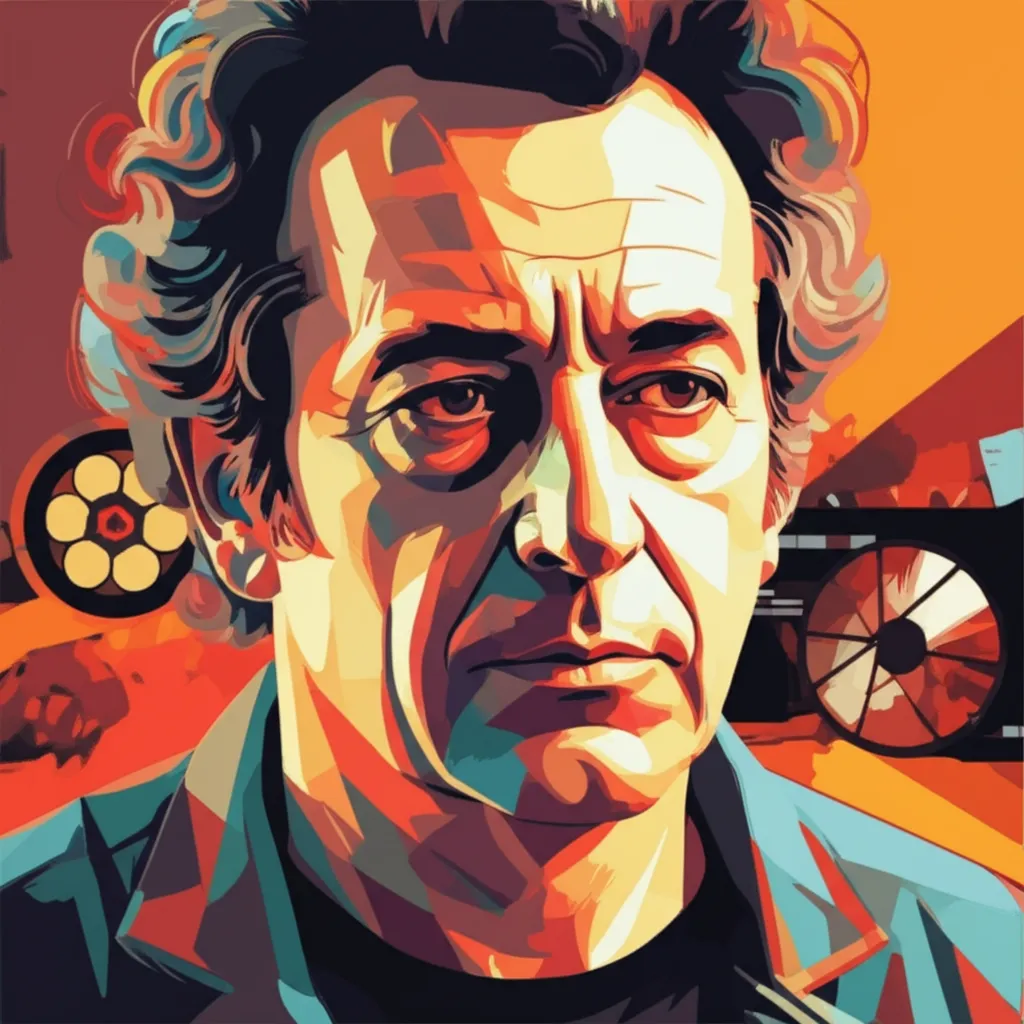
Fernando Trueba is a Spanish film director known for his exceptional storytelling and diverse body of work. Trueba's career took off with the release of "Belle Epoque" in 1992, a delightful comedy-drama that won the Academy Award for Best Foreign Language Film. This film marked the beginning of Trueba's international recognition and established him as a prominent figure in world cinema. Trueba's directorial style is characterized by his ability to blend humor, emotion, and romance in a seamless manner. His films often feature a strong focus on character development and interpersonal relationships, creating a profound connection with the audience. One of Trueba's notable strengths is his adeptness at capturing the spirit of a particular era, as evidenced in "Belle Epoque," which is set in 1931 during the Spanish Civil War and beautifully captures the ambiance of the time. Throughout his career, Trueba has explored a wide range of themes, including love, nostalgia, and the complexities of human nature. His films often exude a sense of nostalgia and longing, resonating with viewers on a deeply emotional level. Trueba's unique vision has made a significant impact on cinema, inspiring a new generation of filmmakers to infuse their work with genuine sentiment and authenticity. In addition to "Belle Epoque," Trueba has helmed numerous other acclaimed films, further solidifying his reputation as a versatile and visionary director. His contributions to the film industry have not only garnered critical acclaim but have also left an indelible mark on the hearts of audiences worldwide. Fernando Trueba's ability to craft compelling narratives and evoke profound emotions through his films cements his status as a maestro of storytelling and a luminary in the world of cinema.
Ferzan Özpetek
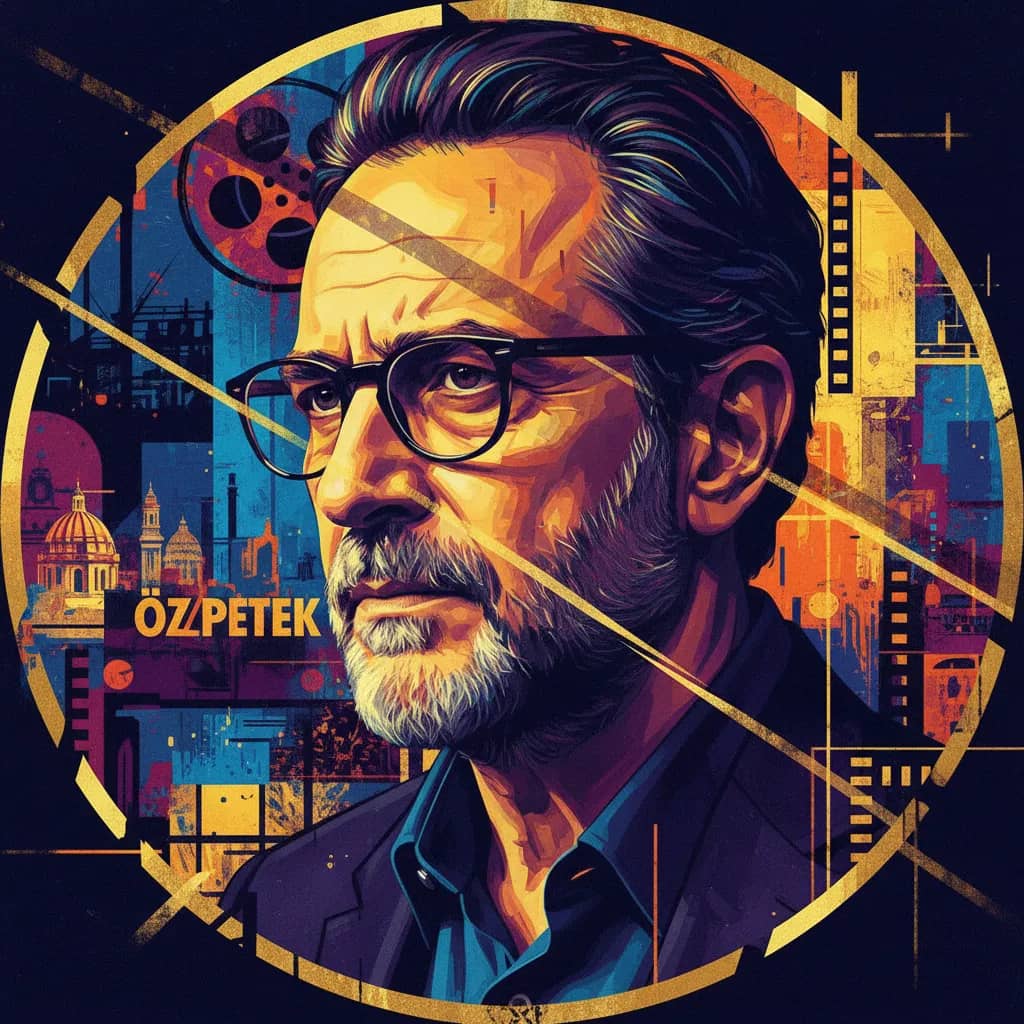
Ferzan Özpetek is a renowned Italian-Turkish film director whose unique directorial style and compelling storytelling have left an indelible mark on the world of cinema. Born in Turkey and later moving to Italy, Özpetek's multicultural background is often reflected in his films, which often explore themes of identity, belonging, and the complexities of human relationships. One of Özpetek's most notable films is "Facing Windows" (2003), a poignant drama that delves into the lives of its characters with depth and sensitivity. The film masterfully weaves together themes of love, memory, and self-discovery, showcasing Özpetek's ability to craft emotionally resonant narratives. His adept handling of intimate human drama has earned him critical acclaim and a dedicated following of cinephiles. In "Loose Cannons" (2010), Özpetek demonstrates his versatility as a director by delving into the realm of comedy while maintaining his signature emotional depth. The film, which revolves around a young man coming out to his conservative family, showcases Özpetek's ability to infuse humor with profound themes, resulting in a touching and thought-provoking cinematic experience. Özpetek's directorial style is characterized by a keen attention to detail, visually stunning cinematography, and a deep understanding of human emotions. His films often feature richly drawn characters and intricate, multilayered narratives that invite audiences to explore the complexities of the human experience. Through his work, Özpetek has made a significant impact on European cinema, earning him a reputation as a visionary director with a gift for capturing the intricacies of human relationships on screen. Ferzan Özpetek's contributions to cinema have solidified his status as a director with a unique and compelling vision. His ability to seamlessly blend drama, romance, and comedy while delving into profound themes has earned him a well-deserved place among the most respected and influential directors in the industry. With a career marked by critically acclaimed films and a dedicated international following, Özpetek continues to captivate audiences with his evocative storytelling and distinctive directorial style.

F. Gary Gray
F. Gary Gray is a highly acclaimed film director known for his versatile portfolio across various genres. With a career spanning over two decades, Gray has made significant contributions to the world of cinema, showcasing a remarkable directorial style that is characterized by gripping storytelling, dynamic visuals, and compelling character development. Notable for his ability to seamlessly navigate between action, crime, drama, and comedy, Gray has left an indelible mark on the film industry. His filmography boasts a diverse range of iconic movies, including "The Italian Job" (2003), "Friday" (1995), "Straight Outta Compton" (2015), and "The Fate of the Furious" (2017). These films not only demonstrate his mastery of different genres but also highlight his keen eye for crafting intense action sequences, capturing raw human emotions, and infusing his projects with an unmistakable sense of energy and urgency. One of Gray's recurring themes is his exploration of the human experience within the context of crime and justice. From "Set It Off" (1996) to "The Negotiator" (1998) and "Law Abiding Citizen" (2009), he delves into the complexities of morality, the pursuit of truth, and the consequences of one's actions. This thematic depth, coupled with his adeptness at creating high-octane, adrenaline-pumping sequences, sets Gray apart as a director with a keen understanding of both the visceral and the cerebral aspects of storytelling. Gray's impact on cinema extends beyond his individual films, as he has played a pivotal role in shaping the cultural landscape through his influential works. With his groundbreaking biographical drama "Straight Outta Compton," he delved into the origins of N.W.A. and illuminated the sociopolitical climate of the time, earning widespread critical acclaim and leaving an indelible mark on the music biopic genre. In conclusion, F. Gary Gray's unique vision and directorial prowess have cemented his status as a trailblazing filmmaker. His ability to traverse genres, tackle profound themes, and deliver compelling narratives has not only captivated audiences worldwide but also solidified his legacy as a director who continues to push the boundaries of storytelling in cinema.

Fina Torres
Fina Torres is a Venezuelan director known for her unique blend of comedy, fantasy, and romance in her films. Her most notable work is "Woman on Top" (2000), which showcases her distinct directorial style and thematic elements. Torres' films often explore themes of empowerment, independence, and self-discovery, captivating audiences with their visually striking imagery and emotionally resonant storytelling. "Woman on Top" (2000) stands as a testament to Torres' directorial prowess, seamlessly weaving together elements of magical realism and romantic comedy. The film follows the journey of Isabella, a talented chef who embraces her independence and resilience after moving to San Francisco. Torres' incorporation of magical realism infuses the narrative with whimsical elements, adding depth and charm to the story. Throughout her career, Torres has demonstrated a penchant for crafting visually stunning and emotionally compelling narratives. Her directorial style is characterized by a keen attention to detail, vibrant cinematography, and a palpable sense of authenticity in her characters' journeys. Torres' films often celebrate the strength and resilience of her female protagonists, offering a refreshing and empowering perspective on womanhood and self-empowerment. In the realm of cinema, Fina Torres has made a significant impact with her distinctive storytelling and visual artistry. Her films have resonated with audiences worldwide, earning acclaim for their ability to transcend cultural boundaries and resonate with universal themes of love, resilience, and personal growth. Torres' directorial contributions have enriched the cinematic landscape, offering audiences a compelling and heartfelt exploration of the human experience through the lens of her unique directorial vision. Overall, Fina Torres' directorial career is defined by her ability to infuse her films with a captivating blend of magical realism, romance, and empowerment. Her work continues to inspire and resonate with audiences, cementing her legacy as a visionary director with a profound impact on the world of cinema.

Finn Taylor
Finn Taylor is a notable American film director known for his unique blend of adventure, comedy, and romance in his films. His filmography includes the 2006 release "The Darwin Awards," which exemplifies his directorial style and storytelling prowess. Taylor's work often features a quirky and offbeat tone, combining humor with heartfelt moments to create a distinct cinematic experience. His ability to infuse lightheartedness into adventurous narratives sets him apart as a director with a keen eye for capturing the complexities of human relationships and the absurdity of life's adventures. "The Darwin Awards" stands as a testament to Taylor's directorial stamp, showcasing his knack for crafting unconventional narratives that resonate with audiences. The film's exploration of the Darwin Awards phenomenon, which humorously commemorates individuals who inadvertently eliminate themselves from the gene pool, epitomizes Taylor's penchant for weaving off-kilter stories into engaging and thought-provoking cinematic experiences. His unique approach to blending adventure, comedy, and romance has cemented his status as a director who fearlessly pushes the boundaries of traditional filmmaking, captivating viewers with his distinct vision and storytelling prowess. Throughout his career, Taylor has consistently explored themes of human folly, serendipity, and the absurdity of life, infusing his films with a refreshing perspective that resonates with audiences. His ability to seamlessly blend humor with profound insights into the human experience has had a significant impact on cinema, as he continues to carve out a niche for himself as a director unafraid to chart unconventional narrative territories. Finn Taylor's directorial contributions have left an indelible mark on the film industry, as his unique vision and storytelling sensibilities continue to captivate and entertain audiences, solidifying his status as a director to watch in the ever-evolving landscape of cinema. In conclusion, Finn Taylor's directorial career is marked by a distinct blend of adventure, comedy, and romance, as evidenced by his notable film "The Darwin Awards." His ability to infuse offbeat narratives with humor and heartfelt moments has established him as a director with a unique vision and storytelling prowess. Taylor's exploration of human folly and the absurdity of life has made a lasting impact on cinema, solidifying his status as a director who fearlessly pushes the boundaries of traditional filmmaking, captivating audiences with his refreshing perspective and narrative dexterity.

Fisher Stevens
Fisher Stevens, a versatile and acclaimed director, has made a significant impact on the film industry with his distinct directorial style and thought-provoking storytelling. With a diverse filmography that includes both drama and comedy, Stevens has showcased his ability to captivate audiences with emotionally rich narratives and compelling characters. His directorial debut, "Just a Kiss" (2002), marked the beginning of a career that has continually pushed boundaries and challenged conventions. In 2012, Stevens directed the star-studded crime comedy "Stand Up Guys," which brought together acting heavyweights Al Pacino, Christopher Walken, and Alan Arkin. This film demonstrated Stevens' ability to seamlessly blend genres, infusing humor with moments of raw emotion and introspection. His skillful direction breathed life into the characters, elevating the film to a poignant exploration of friendship, redemption, and the passage of time. In 2021, Stevens further solidified his reputation as a director to watch with "Palmer," a moving drama that delves into themes of acceptance, second chances, and the complexities of human relationships. Starring Justin Timberlake in a career-defining role, "Palmer" garnered critical acclaim for its sensitive portrayal of a former high school football star who forms an unlikely bond with a young boy. Stevens' keen understanding of character dynamics and emotional depth shines through in this impactful film. Stevens' directorial style is characterized by his ability to infuse his projects with authenticity and a profound understanding of human nature. His films often explore the intricacies of personal connections, resilience in the face of adversity, and the universal quest for identity and belonging. With an impressive body of work that continues to resonate with audiences, Fisher Stevens has left an indelible mark on cinema, solidifying his status as a visionary director with a gift for crafting compelling, resonant stories.

Fletcher Moules
Fletcher Moules is a visionary film director known for his unique blend of animation, comedy, and music. His directorial style is characterized by a vibrant, imaginative approach that captivates audiences of all ages. Moules made his mark in the industry with his groundbreaking film "Entergalactic" (2022), which seamlessly weaves together a compelling narrative with stunning visuals and a captivating musical score. Moules' directorial career has been defined by his ability to infuse his projects with a sense of wonder and creativity. His films often feature larger-than-life characters and fantastical settings that transport viewers to imaginative worlds. "Entergalactic" is a prime example of Moules' ability to push the boundaries of animation and storytelling, creating a truly immersive cinematic experience that resonates with audiences on a profound level. Notable for his ability to seamlessly blend various elements of entertainment, Moules' work often incorporates a strong emphasis on music, utilizing it as a powerful storytelling tool. His films are underscored by dynamic soundtracks that not only complement the visual narrative but also elevate the emotional impact of the story. This unique approach to integrating music into his films sets Moules apart as a director with a distinct artistic vision and an unwavering commitment to pushing the boundaries of conventional storytelling. Moules' impact on cinema extends beyond his individual projects, as he has inspired a new wave of filmmakers to explore the intersection of animation, comedy, and music in their work. His distinct directorial style has contributed to the evolution of the genre, opening up new possibilities for storytelling and captivating audiences in innovative ways. With "Entergalactic," Fletcher Moules has solidified his status as a visionary director, leaving an indelible mark on the world of cinema and setting the stage for even more groundbreaking work in the future.