Akira Kurosawa
Film Director22 films

AI-generated for entertainment purposes only
Own & Stream
Career Summary
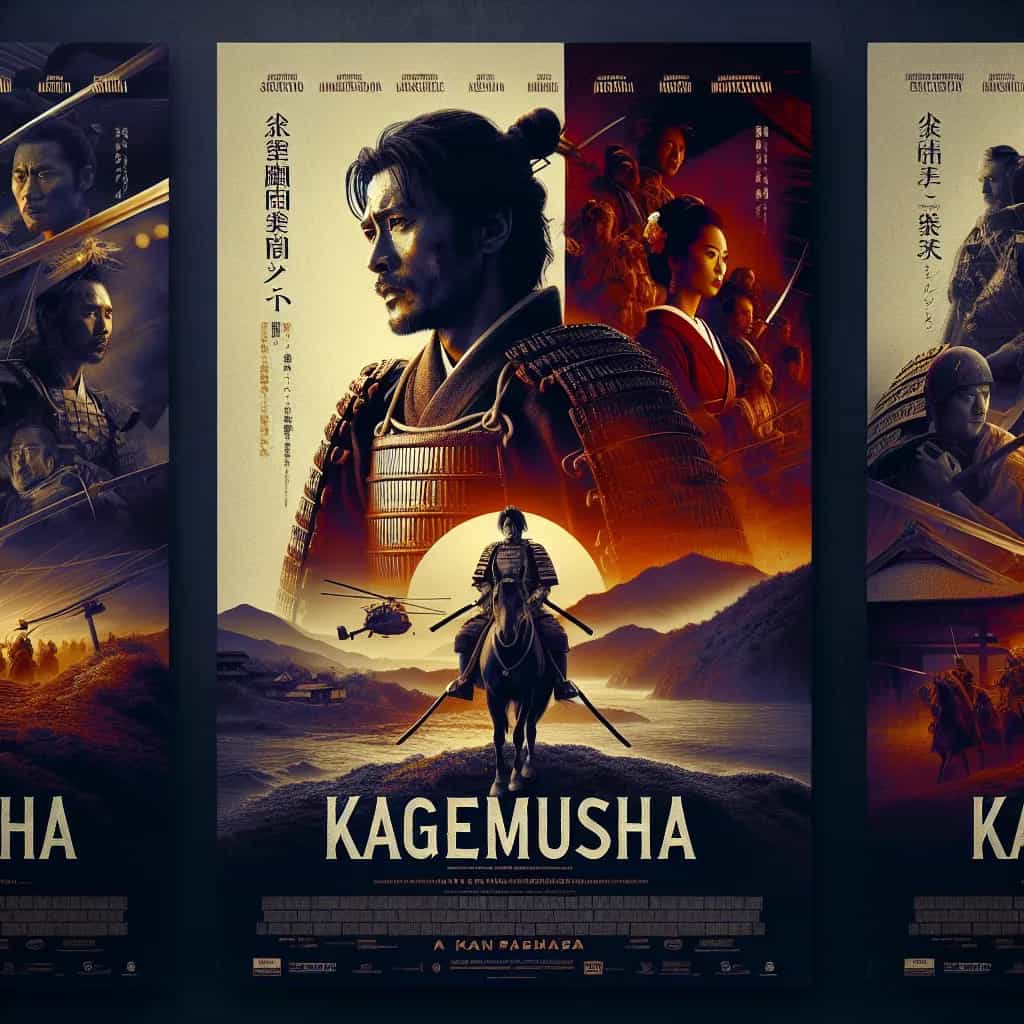
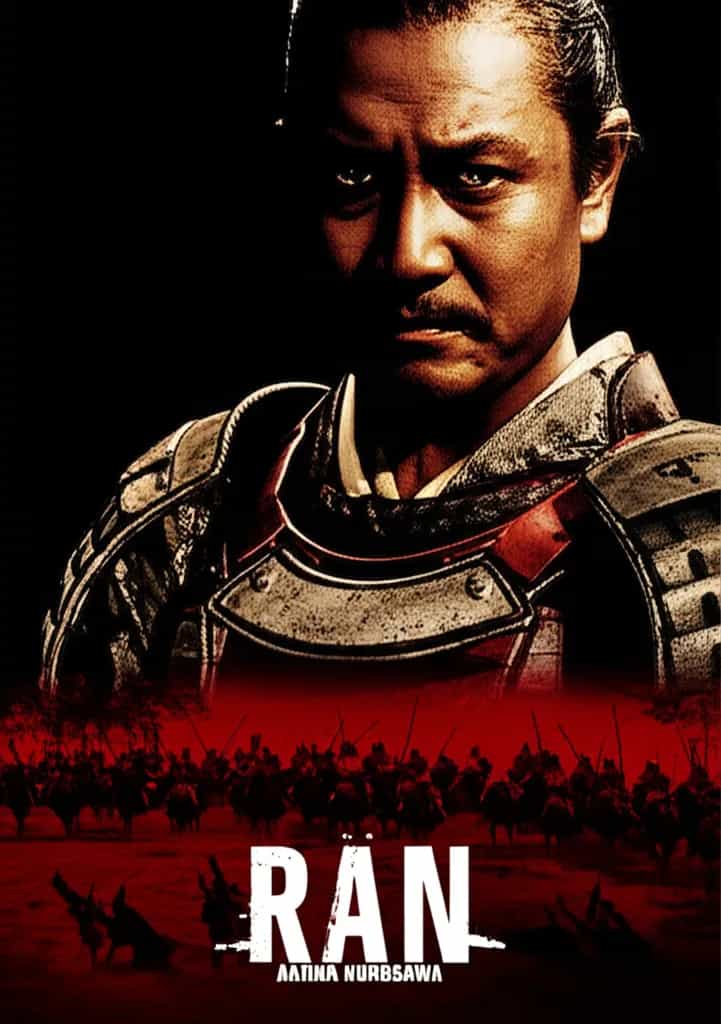
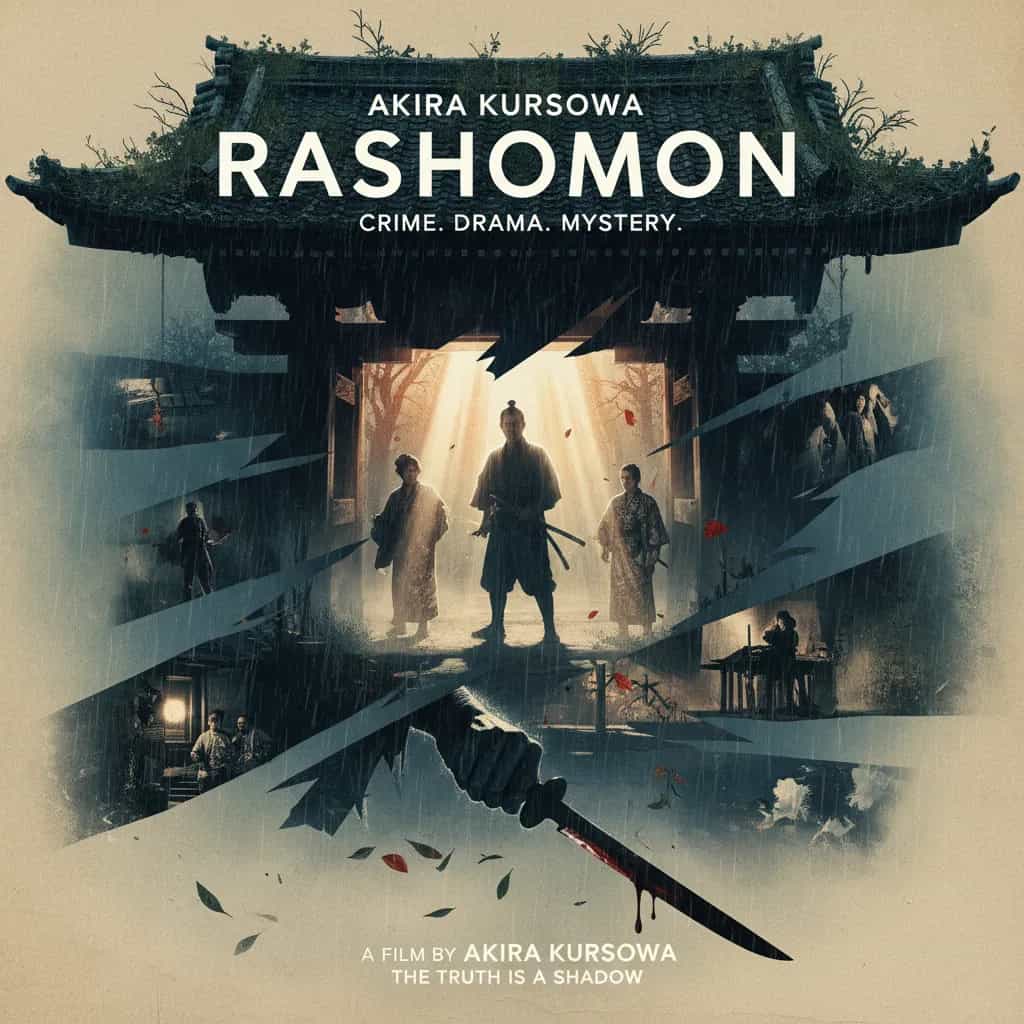
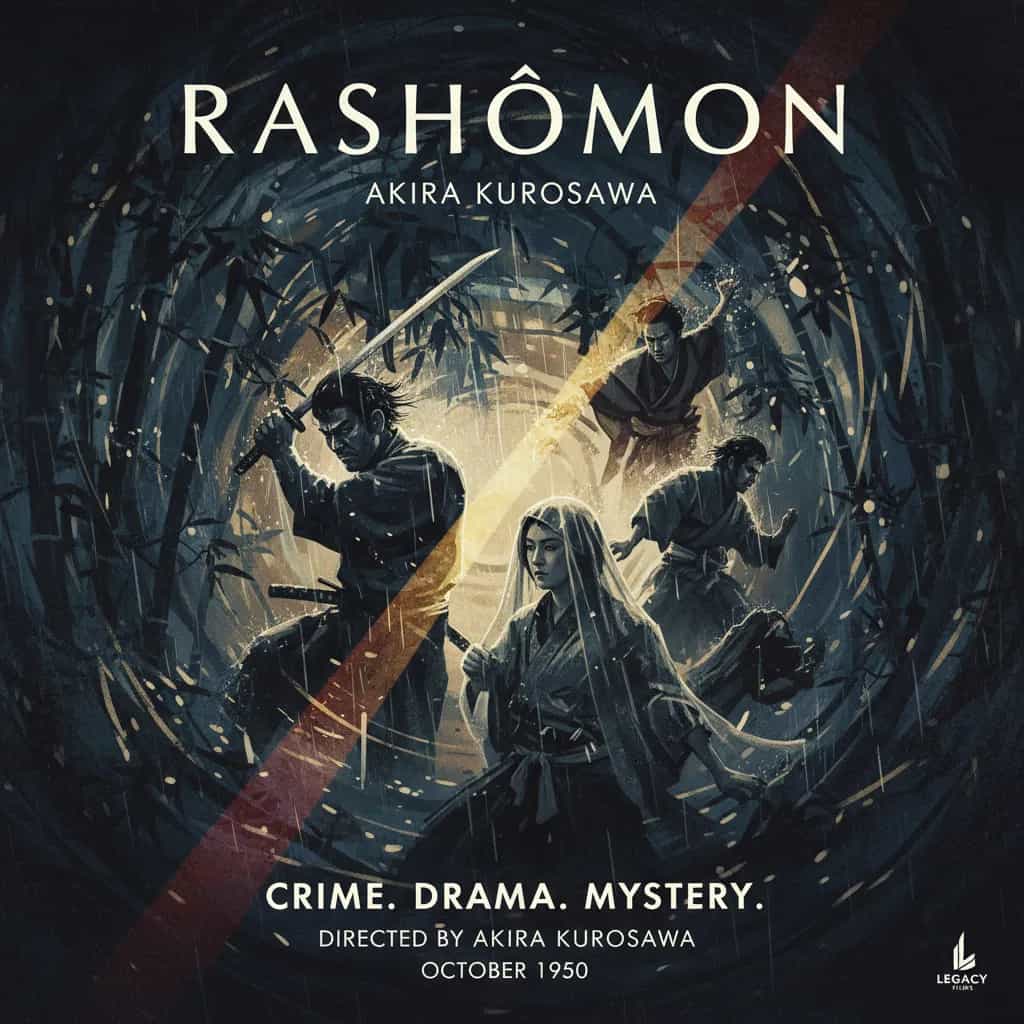
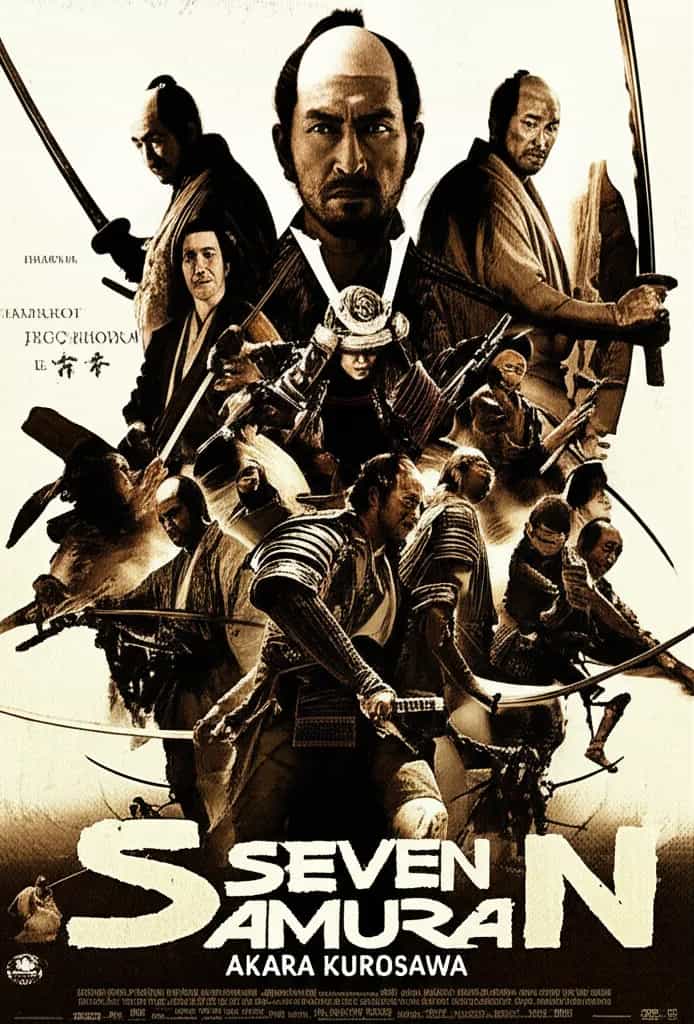
Akira Kurosawa (1910-1998), a towering figure in the world of cinema, has left an indelible mark on filmmaking with a career that spanned over fifty years. His artistic journey started in the post-war era of Japan and evolved to see him become a revered director globally. Kurosawa was known for his innovative techniques, profound thematic exploration, and unparalleled storytelling prowess, contributing significantly to the film industry and influencing generations of filmmakers. Kurosawa's directorial style was notable for its epic scope, dynamic use of weather to enhance mood, meticulous attention to historical accuracy, and psychological depth. He frequently explored themes of morality, the complexity of human nature, and the struggle between traditional and modern values. His artistic vision was deeply humanistic, often focusing on individuals facing moral dilemmas in a changing world. Among Kurosawa's most notable films are "Rashomon," which introduced non-linear storytelling and won the Golden Lion at the Venice Film Festival, "Seven Samurai," a masterpiece that influenced the Western "The Magnificent Seven," and "Ikiru," a poignant examination of life and death. "Ran" and "Kagemusha" are celebrated for their ambitious scale and breathtaking visuals, merging Japanese history with timeless themes of power, betrayal, and humanity. Kurosawa's influence on global cinema is profound. His works have inspired countless films and directors across the world, including George Lucas, Steven Spielberg, and Martin Scorsese. The epic scale of storytelling found in "Star Wars" and "The Good, the Bad and the Ugly" owe much to Kurosawa's groundbreaking techniques. Throughout his career, Kurosawa received numerous awards and recognitions, including the Academy Honorary Award in 1990 for his cinematic accomplishments. His contributions to the samurai genre are particularly notable, reviving and redefining it for modern audiences. Akira Kurosawa's legacy as a master storyteller and visionary director remains unparalleled, continuing to captivate and inspire filmmakers and audiences alike.
This career summary is generated with AI assistance for entertainment purposes only. For official information, please refer to the director's official sources or representatives.
Find Books Inspired by Akira Kurosawa
We've pre-filled the search so you can instantly explore Akira Kurosawa related biographies — just hit Find Books!
Explore & Collect
Filmography
22 films total