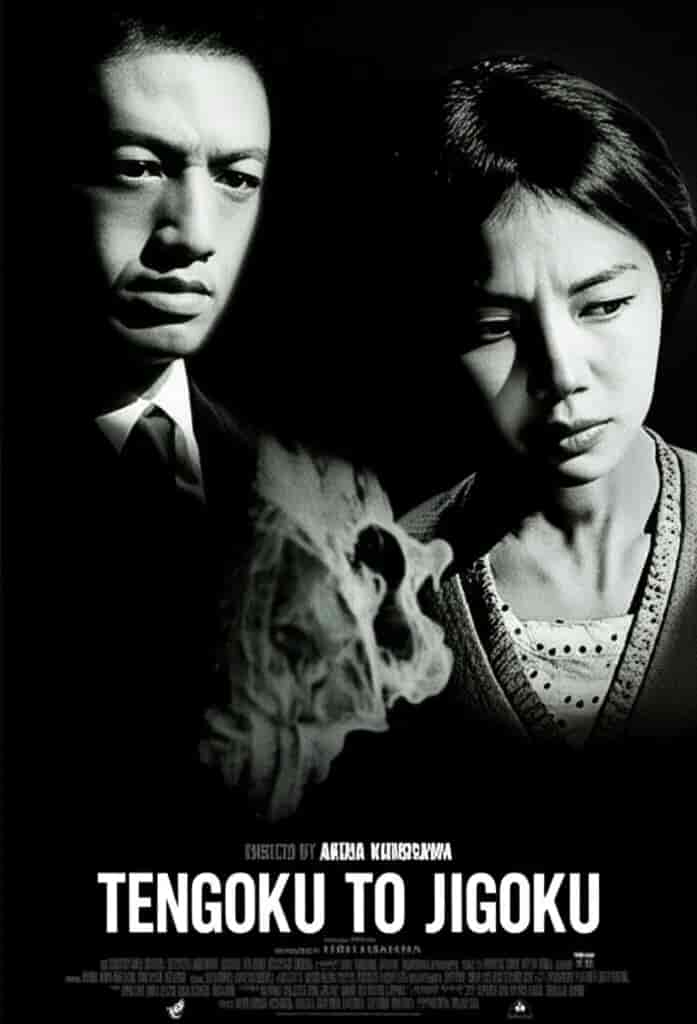
Tengoku to jigoku
1963CrimeDirected by Akira Kurosawa

AI-generated for entertainment purposes only
Own & Stream
Synopsis
"Tengoku to jigoku" (High and Low) is a gripping 1963 crime drama directed by legendary filmmaker Akira Kurosawa. The film follows the story of Kingo Gondo, played by Toshiro Mifune, a wealthy executive whose life is turned upside down when his son is kidnapped. As Gondo grapples with the moral dilemma of paying the ransom demanded by the kidnapper, a twist of fate reveals that the kidnapper has targeted the wrong child, plunging Gondo into a moral quagmire. Yutaka Sada and Kyoko Kagawa deliver powerful performances as key characters in this intense and suspenseful thriller that explores themes of class divide, morality, and the complexities of human nature. As the tension escalates and the lines between good and evil blur, "Tengoku to jigoku" takes viewers on a thrilling journey through the darkest corners of the human psyche. With Kurosawa's masterful direction and a stellar cast including Tatsuya Nakadai, this classic film is a must-watch for fans of crime dramas and mysteries. With its intricate plot, nuanced characters, and thought-provoking themes, "Tengoku to jigoku" continues to captivate audiences over half a century after its release. Kurosawa's expert storytelling and the stellar performances of the cast make this film a timeless masterpiece that remains relevant today. Don't miss the chance to experience this compelling tale of high stakes and moral dilemmas that will keep you on the edge of your seat until the very end.
This synopsis is generated with AI assistance for entertainment purposes only. For official information, please refer to the movie's official sources.
Find Books Inspired by Tengoku to jigoku
We've pre-filled the search so you can instantly explore related novels, tie-ins, and thrillers — just hit Find Books!
TML Review
TopMovieList exclusive verdict🏆
Must-Watch Masterpiece
🏆 A must-watch film that excels in all aspects of filmmaking. This cinematic achievement delivers an unforgettable experience.
Collectibles & Reads
Director

Main Cast
4 cast members


F.A.Q.
Q:What unique filmmaking techniques did Akira Kurosawa employ in 'Tengoku to jigoku'?
A:
Kurosawa utilized multiple cameras shooting simultaneously from different angles, a technique uncommon at the time, to capture the intense emotion and complexity of scenes without disrupting the continuity of the actors' performances.
Q:How did 'Tengoku to jigoku' reflect real-life events or societal issues of its time?
A:
The film mirrors the class tensions and economic disparities in 1960s Japan, using the kidnapping plot to explore deeper societal concerns about justice, morality, and the human condition under capitalism.
Q:Were there any notable controversies or censorship issues associated with 'Tengoku to jigoku'?
A:
The film faced scrutiny and censorship in several countries due to its critical portrayal of police incompetence and the controversial moral decisions made by its characters, challenging the norms of the crime and mystery genres.
The FAQ section is generated with AI assistance for entertainment purposes only. For official information, please refer to the movie's official sources.
Trivia
🎬During the filming of a crucial car chase scene, Kurosawa insisted on real speeds through crowded streets, which led to unprecedented coordination with local authorities to avoid actual accidents.
💡Toshirô Mifune prepared for his role by living in a smaller apartment and wearing his character's costume for weeks, including during non-filming hours, to fully immerse himself into the life of a corporate executive turned desperate father.
🎯The film's climactic sequence uses an innovative sound design technique where the ambient noise gradually decreases in volume to highlight the protagonist's isolation and desperation, a method not widely used in cinema at that time.
The trivia section is generated with AI assistance for entertainment purposes only. For official information, please refer to the movie's official sources.