Kagemusha
1980DramaDirected by Akira Kurosawa
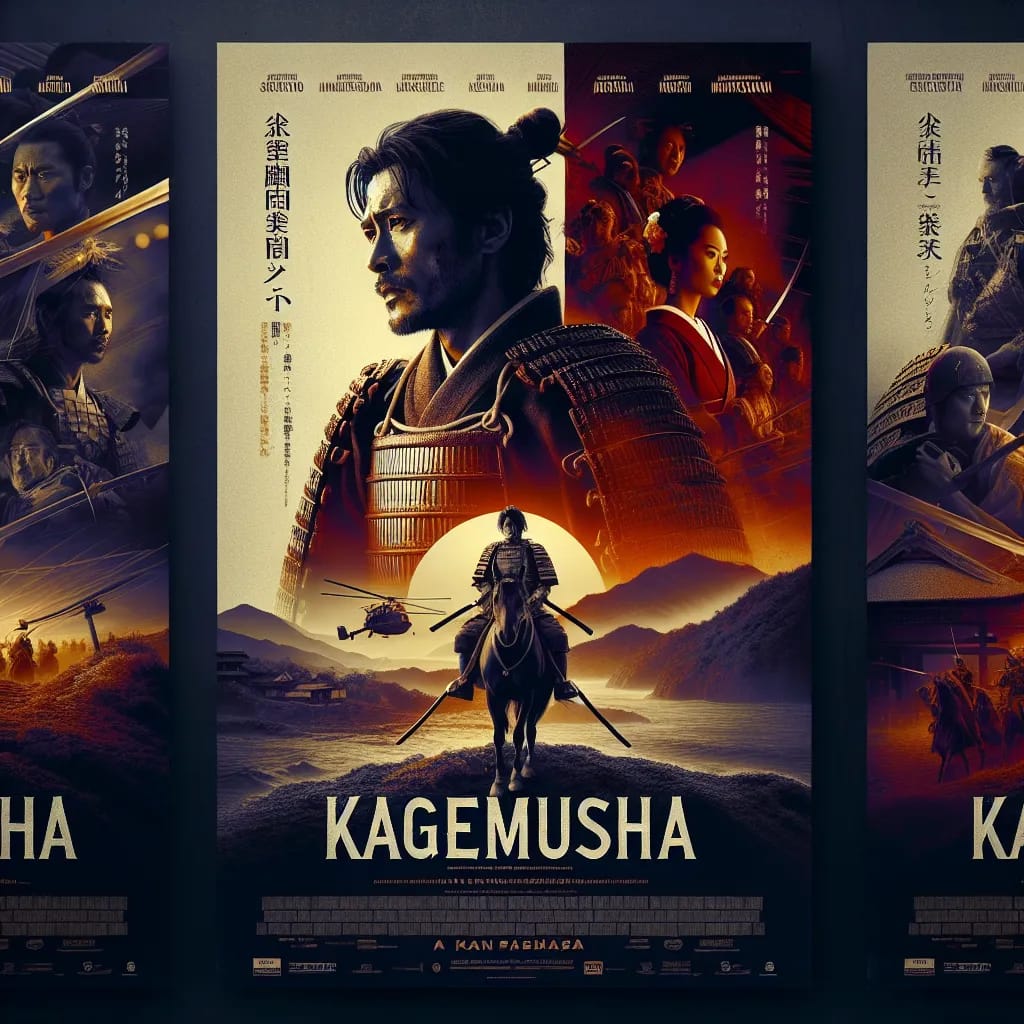
AI-generated for entertainment purposes only
Own & Stream
Synopsis
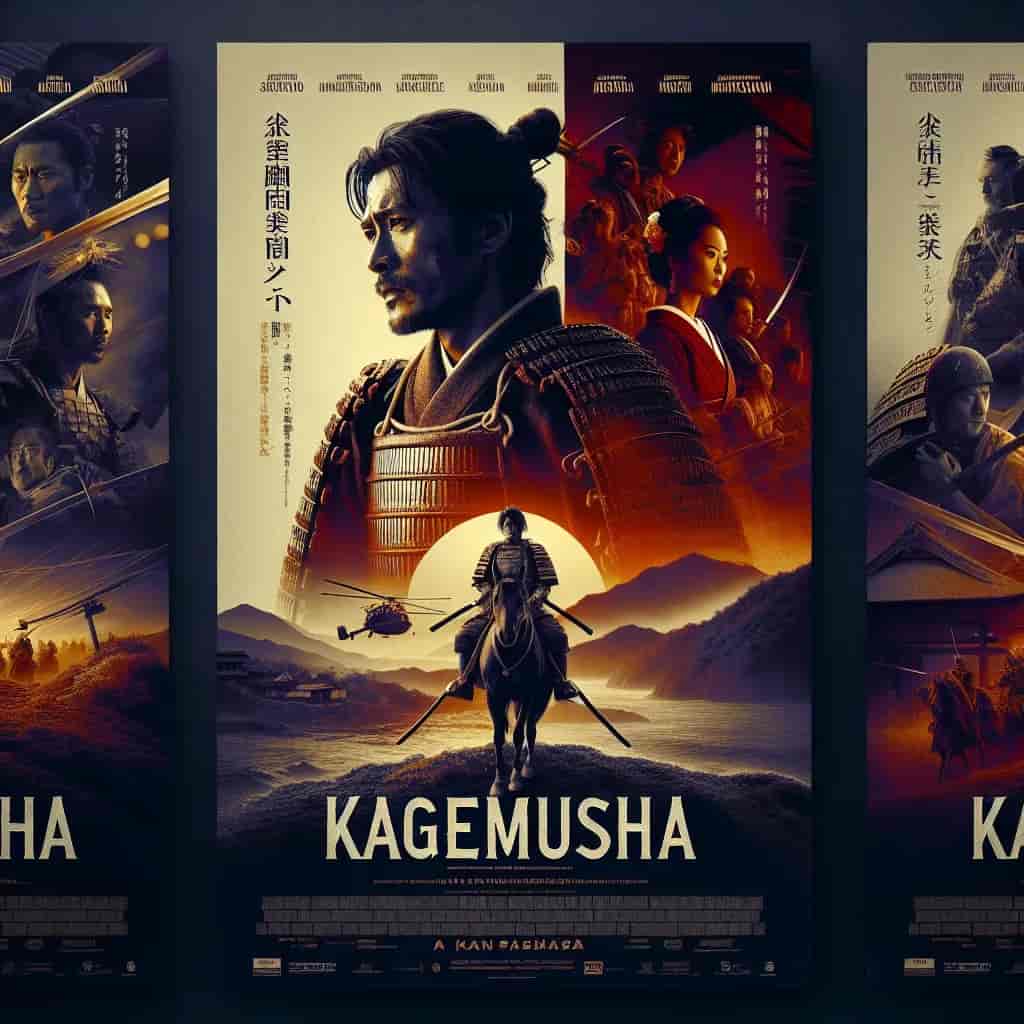
"Kagemusha," directed by legendary filmmaker Akira Kurosawa, is a captivating drama set in feudal Japan during the Sengoku period. The story follows a petty thief who is chosen to serve as a political decoy for a powerful warlord. As the warlord's "kagemusha" or shadow warrior, the thief must navigate the complex world of politics and warfare, all while grappling with the weight of his newfound responsibility. The film delves into themes of power, identity, and the consequences of deception, offering a visually stunning and emotionally resonant exploration of loyalty and sacrifice. With a stellar cast including Ken'ichi Hagiwara, Tsutomu Yamazaki, Tatsuya Nakadai, and Jinpachi Nezu, "Kagemusha" showcases Kurosawa's masterful storytelling and visual style. Released in 1980, the film is hailed as a cinematic masterpiece for its epic scope, meticulous attention to detail, and profound insights into human nature. As tensions rise and betrayals unfold, audiences are taken on a gripping journey through a tumultuous period in Japanese history, witnessing the transformative journey of a man thrust into a world of intrigue and power struggles.
This synopsis is generated with AI assistance for entertainment purposes only. For official information, please refer to the movie's official sources.
Find Books Inspired by Kagemusha
We've pre-filled the search so you can instantly explore related novels, tie-ins, and thrillers — just hit Find Books!
TML Review
TopMovieList exclusive verdict🏆
Must-Watch Masterpiece
🏆 A must-watch film that excels in all aspects of filmmaking. This cinematic achievement delivers an unforgettable experience.
Collectibles & Reads
Director

Main Cast
4 cast members


F.A.Q.
Q:How did Akira Kurosawa finance 'Kagemusha' when he faced budget constraints?
A:
Akira Kurosawa faced significant financial difficulties while funding 'Kagemusha.' At a crucial point when financing fell short, renowned filmmakers George Lucas and Francis Ford Coppola stepped in as executive producers to help secure the necessary backing from 20th Century Fox, mainly for the international rights.
Q:What innovative techniques did Kurosawa use in 'Kagemusha' to enhance the visual storytelling?
A:
Kurosawa utilized multiple innovative techniques in 'Kagemusha,' including the use of vibrant color palettes to differentiate between conflicting armies. Additionally, he employed large painted backdrops and advanced panoramic shots to create visually stunning battle scenes that were both expansive and detailed.
Q:Were there any significant scenes deleted from 'Kagemusha' before its final release, and why?
A:
Yes, several scenes were cut from the final version of 'Kagemusha' to reduce the runtime and to focus more on the film’s central themes. One notable deleted scene involved a deeper exploration of the protagonist’s background, which was removed to maintain the enigmatic nature of the character and intensify the narrative focus.
The FAQ section is generated with AI assistance for entertainment purposes only. For official information, please refer to the movie's official sources.
Trivia
🎬During the production of 'Kagemusha,' Akira Kurosawa insisted on using real locations whenever possible, including the iconic Himeji Castle, to maintain historical accuracy and add authenticity to the film's feudal Japan setting.
💡Tatsuya Nakadai, who played both the lord and his double in 'Kagemusha,' prepared intensively for his dual roles by studying historical documents and practicing specific body language and vocal variations to convincingly differentiate the characters.
🎯The climactic battle scene in 'Kagemusha' was one of the largest scale sequences Kurosawa ever directed, involving over 5,000 extras, horses, and meticulous coordination for the complex choreography of movements, which took weeks of planning and rehearsal.
The trivia section is generated with AI assistance for entertainment purposes only. For official information, please refer to the movie's official sources.