Director Names Starting with R
Showing 241-252 out of 290
Roman Polanski
Roman Polanski is a renowned film director whose career spans over six decades, with a diverse filmography that showcases his versatility and unique directorial style. Born in Paris, France, Polanski's early life was marked by tragedy and upheaval, experiences that would go on to influence his cinematic sensibilities. His directorial debut, "Knife in the Water" (1962), immediately established him as a master of suspense and psychological drama, setting the tone for many of his future works. One of Polanski's most iconic films, "Rosemary's Baby" (1968), solidified his reputation as a master of horror and psychological thriller. The film's exploration of paranoia, psychological manipulation, and supernatural forces continues to resonate with audiences and critics alike. Polanski's ability to create an atmosphere of dread and unease through meticulous framing and storytelling has left an indelible mark on the horror genre. "Chinatown" (1974) further demonstrated Polanski's directorial prowess, showcasing his adeptness at crafting intricate, neo-noir narratives. The film, set in 1930s Los Angeles, delves into themes of corruption, betrayal, and moral ambiguity, with Polanski's meticulous attention to detail elevating the film to classic status. Its impact on the genre and influence on subsequent filmmakers cannot be overstated. Throughout his career, Polanski has consistently explored themes of power dynamics, human frailty, and the dark recesses of the human psyche. His films often feature morally ambiguous characters and delve into the complexities of human behavior, inviting audiences to confront uncomfortable truths about the human condition. Despite controversy surrounding his personal life, Polanski's contributions to cinema are undeniable. His ability to elicit strong performances from actors, craft visually stunning scenes, and infuse his films with layers of psychological depth has solidified his status as a visionary director. Whether exploring the horrors of the supernatural or the darkness within the human soul, Polanski's films continue to captivate and provoke audiences, cementing his legacy as a true auteur in the world of cinema.
Ronald Neame
Ronald Neame was a British film director and cinematographer whose career spanned over six decades, leaving an indelible mark on the world of cinema. With a keen eye for visually stunning storytelling and a knack for bringing out the best in his actors, Neame's directorial style was characterized by a seamless blend of action, drama, and adventure. He was particularly skilled at creating compelling narratives that resonated with audiences across various genres. Neame's most notable films include "The Poseidon Adventure" (1972), a gripping action-adventure drama set aboard a capsized ocean liner, and "The Odessa File" (1974), a taut thriller that delves into the world of espionage and political intrigue. In "Scrooge" (1970), Neame showcased his versatility by delivering a heartwarming adaptation of Charles Dickens' classic tale, infusing it with a touch of fantasy and family-friendly charm. Throughout his career, Neame often explored themes of survival, human resilience, and the triumph of the human spirit in the face of adversity. His films were known for their captivating storytelling, striking visuals, and memorable characters, all of which contributed to his enduring impact on the world of cinema. Ronald Neame's contributions to film have left an indelible mark on the industry, earning him a reputation as a visionary director with a unique ability to captivate audiences with his storytelling prowess. His legacy lives on through his timeless films, which continue to inspire and entertain audiences to this day. In conclusion, Ronald Neame's directorial career is a testament to his unparalleled talent and unwavering dedication to the art of filmmaking. His ability to seamlessly navigate between genres and bring compelling stories to life on the silver screen solidifies his status as a true cinematic legend. With a diverse body of work that continues to stand the test of time, Neame's impact on cinema is nothing short of extraordinary.

Ron Clements
Ron Clements is an influential figure in the world of animation, renowned for his exceptional directorial skills and distinctive storytelling style. Clements, along with his creative partner John Musker, has left an indelible mark on the animation industry through their collaboration on several iconic Disney films. With a career spanning several decades, Clements has consistently brought his unique vision to life on the silver screen, captivating audiences with his imaginative storytelling and visually stunning animation. One of Clements' most significant directorial achievements is "The Little Mermaid" (1989), a film that revitalized Disney's animation department and ushered in a new era of animated musicals. The film's success solidified Clements' reputation as a visionary director and set the stage for his subsequent groundbreaking work. Clements' directorial style is characterized by his ability to infuse fantastical worlds with relatable characters and emotionally resonant storylines, a hallmark evident in his filmography. Clements' filmography also includes the beloved classics "Aladdin" (1992) and "Hercules" (1997), both of which showcase his talent for blending humor, adventure, and heartwarming themes. His directorial contributions to "The Princess and the Frog" (2009) marked a significant milestone as it featured Disney's first African-American princess, reflecting Clements' commitment to diverse representation in his storytelling. Additionally, "Moana" (2016) stands as another testament to Clements' ability to create immersive, culturally rich worlds that resonate with audiences of all ages. Throughout his career, Clements has consistently explored themes of self-discovery, empowerment, and the triumph of the human spirit, infusing his films with timeless messages that resonate across generations. His impact on cinema is undeniable, as his directorial work continues to inspire and entertain audiences worldwide. Ron Clements' contributions to the animation industry have cemented his legacy as a visionary director, and his influence will undoubtedly continue to shape the future of animated storytelling for years to come.

Ron Howard
Ron Howard is a prolific and versatile director whose career has spanned over four decades. From heartwarming comedies to gripping biopics and high-octane action films, Howard has showcased his range and storytelling prowess in a wide array of genres. With a filmography that includes beloved classics like "Apollo 13," "A Beautiful Mind," and "Cocoon," as well as commercially successful blockbusters such as "Solo: A Star Wars Story" and "How the Grinch Stole Christmas," Howard has left an indelible mark on the world of cinema. Howard's directorial style is characterized by his ability to seamlessly navigate between different genres while infusing his films with emotional depth and human connection. His keen eye for detail and adeptness at drawing out compelling performances from his actors have contributed to the enduring appeal of his work. Notable for his meticulous attention to historical accuracy in biographical films like "A Beautiful Mind" and "Frost/Nixon," Howard has demonstrated a commitment to honoring real-life stories with integrity and respect. Throughout his career, Howard has explored themes of resilience, triumph over adversity, and the complexities of human relationships, often imbuing his films with a sense of optimism and hope. His storytelling is marked by its ability to resonate with audiences on a deeply emotional level, making his films both impactful and memorable. Ron Howard's influence on cinema extends beyond the screen, as he has continually pushed the boundaries of visual storytelling and narrative innovation. His ability to craft compelling, character-driven stories has solidified his reputation as a masterful director with an enduring legacy in the film industry. In summary, Ron Howard's directorial career is a testament to his exceptional talent and artistic vision. With a diverse body of work that spans multiple genres and resonates with audiences worldwide, Howard has secured his place as a revered filmmaker whose contributions to cinema will continue to inspire and captivate audiences for generations to come.

Ron Maxwell
Ron Maxwell is an accomplished film director known for his compelling historical dramas that bring pivotal moments in American history to the big screen. Maxwell's directorial style is characterized by his meticulous attention to historical detail, powerful storytelling, and the ability to capture authentic and emotionally resonant performances from his cast. His notable films include "Gettysburg" (1993) and "Gods and Generals" (2003), both of which delve into the Civil War era, showcasing Maxwell's expertise in portraying the complexity and drama of historical events. "Gettysburg," Maxwell's breakthrough film, is a monumental depiction of the pivotal battle of the American Civil War. The film stands as a testament to Maxwell's dedication to historical accuracy, as he meticulously recreated the battle scenes and brought to life the real-life figures who shaped the course of the war. "Gods and Generals" further demonstrates Maxwell's commitment to capturing the human drama and moral dilemmas of war, as it explores the personal and political struggles of key figures during the Civil War. Maxwell's recurring themes revolve around the examination of leadership, honor, and the human cost of conflict, as he delves into the moral complexities of war and its impact on individuals and society. His films are characterized by their epic scope, immersive storytelling, and ability to shed light on the human experience within the backdrop of historical events. Maxwell's impact on cinema lies in his ability to transport audiences into pivotal moments in American history, offering a nuanced and emotional portrayal of the past. His dedication to historical accuracy and compelling storytelling has solidified his reputation as a masterful director of historical dramas, earning him a dedicated following and critical acclaim. With his unique vision and contributions to film, Ron Maxwell has solidified his legacy as a director who brings history to life on the silver screen.
Ronny Yu
Ronny Yu is a celebrated film director known for his diverse and impactful contributions to the world of cinema. With a career spanning several decades, Yu has showcased his remarkable directorial style across a wide range of genres, from action and horror to comedy and biography. His ability to infuse each film with a distinct visual flair and compelling storytelling has garnered him a devoted following among audiences and critics alike. One of Yu's notable works is the action-comedy film "Formula 51" (2001), which demonstrated his adeptness at blending adrenaline-pumping action sequences with lighthearted humor and intricate crime narratives. This film served as a testament to Yu's versatility as a director, showcasing his ability to navigate multiple genres with finesse. Similarly, "Freddy vs. Jason" (2003) further solidified Yu's reputation as a master of horror and action, as he skillfully brought together two iconic horror franchises in a thrilling and visually stunning showdown. In "Fearless" (2006) and "Huo Yuan Jia" (2006), Yu delved into the realm of biographical drama, displaying a more introspective and character-driven approach to storytelling. These films highlighted his talent for capturing the emotional depth of real-life stories while infusing them with mesmerizing martial arts sequences and compelling narrative arcs. Moreover, his work on "Bride of Chucky" (1998) showcased his ability to inject a unique blend of comedy and horror, creating a cult classic that continues to resonate with fans of the genre. Yu's directorial style is characterized by his seamless integration of exhilarating action set pieces, nuanced character development, and visually striking cinematography. His films often explore themes of conflict, redemption, and the human spirit, resonating with audiences on a profound level. Yu's impact on cinema is undeniable, as he has continually pushed the boundaries of storytelling and visual spectacle, leaving an indelible mark on the film industry. In conclusion, Ronny Yu's directorial career stands as a testament to his unparalleled vision and artistic prowess. His ability to traverse diverse genres while infusing each film with his distinct directorial stamp has solidified his status as a revered filmmaker. With a filmography that encompasses action, horror, comedy, and biography, Yu continues to captivate audiences with his compelling narratives and breathtaking visuals, cementing his legacy as a true maestro of the silver screen.
Ron Shelton
Ron Shelton is an accomplished film director known for his unique blend of comedy, drama, and sports elements in his movies. With a career spanning several decades, Shelton has left an indelible mark on the film industry with his distinct directorial style. His filmography boasts an impressive array of works that have resonated with audiences and critics alike. One of Shelton's most notable films is "Bull Durham" (1988), a beloved romantic comedy that delves into the world of minor league baseball. This film not only showcased Shelton's ability to seamlessly intertwine sports and romance but also solidified his reputation as a filmmaker with a penchant for capturing the nuances of human relationships. "Tin Cup" (1996) further exemplifies Shelton's signature style, as he deftly weaves together comedic elements with a compelling romantic narrative set against the backdrop of the golfing world. Shelton's directorial prowess extends beyond the realm of sports-themed movies, as evidenced by his foray into the crime genre with "Dark Blue" (2002) and "Hollywood Homicide" (2003). Through these films, Shelton demonstrated his versatility as a director, effectively navigating the complexities of crime and drama while infusing his trademark wit and humor into the storytelling. Additionally, "White Men Can't Jump" (1992) and "Play It to the Bone" (1999) showcased Shelton's ability to explore the dynamics of friendship and competition within the framework of sports, further cementing his status as a master storyteller adept at crafting multidimensional narratives. Shelton's films often explore themes of ambition, rivalry, and the human spirit, probing beneath the surface to reveal the intricacies of interpersonal relationships and the pursuit of excellence. His keen eye for capturing the emotional resonance of sports and the human experience has made him a revered figure in the world of cinema. Ron Shelton's contributions to film have not only left an indelible impact on audiences but have also influenced a generation of filmmakers, solidifying his place as a visionary director with an enduring legacy in the industry.

Ron Underwood
Ron Underwood is a versatile and accomplished film director known for his ability to seamlessly blend genres and deliver captivating storytelling. With an impressive filmography that spans over two decades, Underwood has established himself as a director who excels in creating engaging narratives that resonate with audiences of all ages. One of his most notable works is "Mighty Joe Young" (1998), a heartwarming action-adventure film that showcases his talent for bringing larger-than-life characters to the screen. In addition to "Mighty Joe Young," Underwood's directorial credits include "Heart and Souls" (1993), a delightful comedy-drama with a touch of fantasy, "City Slickers" (1991), a beloved comedy-western, and "Tremors" (1990), a cult classic that combines comedy and horror in a truly unique way. Underwood's directorial style is characterized by his adeptness at infusing his films with a perfect blend of humor, heart, and spectacle. His films often feature endearing characters facing extraordinary circumstances, and he has a knack for balancing thrilling action with genuine emotional depth. Underwood's ability to navigate multiple genres with finesse has solidified his reputation as a director capable of delivering entertaining and thought-provoking cinema. Throughout his career, Underwood has displayed a penchant for exploring themes of friendship, adventure, and the resilience of the human spirit. His films often celebrate the triumph of the underdog and the power of camaraderie, resonating with audiences on a universal level. Underwood's impact on cinema lies in his talent for crafting engaging, family-friendly entertainment that continues to stand the test of time. With a diverse body of work that spans across genres, Ron Underwood has left an indelible mark on the film industry. His unique vision and storytelling prowess have cemented his status as a director who consistently delivers memorable and impactful films. Whether it's through heartwarming family adventures or thrilling genre-bending tales, Underwood's contributions to cinema have enriched the medium and brought joy to audiences worldwide.

Rosalind Ross
Rosalind Ross, known for her directorial debut in the highly anticipated film "Father Stu" (2022), has made a significant impact on the entertainment industry with her unique vision and directorial style. "Father Stu" is a poignant biographical drama that delves into the extraordinary life of boxer-turned-priest, Father Stuart Long. Through her directorial lens, Ross skillfully brings to life the inspiring and emotional journey of the titular character, showcasing her ability to intertwine compelling storytelling with heartfelt performances. Notable for her ability to capture the human experience with depth and authenticity, Ross's directorial style is marked by her keen attention to character development and emotional resonance. Her directorial debut in "Father Stu" exemplifies her commitment to storytelling that resonates with audiences on a profound level. Ross's adeptness at portraying complex and nuanced characters, combined with her meticulous approach to crafting compelling narratives, sets her apart as a director to watch in the industry. As a director, Ross explores themes of resilience, faith, and the triumph of the human spirit, infusing her films with a sense of hope and introspection. Through her work, she seeks to illuminate the intricacies of the human condition, offering audiences a window into the lives of her characters and their profound experiences. With "Father Stu," Ross demonstrates her ability to tackle compelling real-life stories with depth and reverence, leaving an indelible mark on cinema with her directorial prowess. Rosalind Ross's directorial debut in "Father Stu" not only showcases her exceptional talent behind the camera but also positions her as a director with a distinct perspective and a profound understanding of the storytelling medium. With her thoughtful approach to character-driven narratives and her commitment to bringing impactful stories to the forefront, Ross has solidified her place as a director of significance in the industry. As "Father Stu" garners attention and acclaim, it is clear that Ross's directorial career is destined to make a lasting impression on the cinematic landscape.

Roseanne Liang
Roseanne Liang is a groundbreaking New Zealand director known for her unique vision and bold storytelling. Her most notable film to date is "Shadow in the Cloud" (2020), a gripping action-horror-war hybrid that showcases her distinct directorial style and fearless storytelling. Liang's work often features strong, complex female protagonists, high-octane action sequences, and a keen attention to visual detail. "Shadow in the Cloud" catapulted Liang into the international spotlight, earning critical acclaim for its innovative narrative and exhilarating direction. Liang's directorial style is characterized by her ability to seamlessly blend genres, creating a cinematic experience that defies traditional categorization. Her films often explore themes of resilience, empowerment, and the complexities of human nature amidst harrowing circumstances. Liang's impact on cinema lies in her ability to challenge conventions and push boundaries, offering audiences fresh perspectives and immersive storytelling. Her films resonate with audiences worldwide, earning her a reputation as a visionary director with a distinctive voice. With "Shadow in the Cloud," Liang solidified her status as a trailblazer in the industry, cementing her place as a director to watch. As a director, Liang continues to captivate audiences with her fearless approach to storytelling and her commitment to bringing diverse narratives to the forefront of cinema. Her work serves as a testament to her unwavering dedication to pushing the envelope and redefining the cinematic landscape. With her innovative vision and unparalleled directorial prowess, Roseanne Liang is undoubtedly a force to be reckoned with in the world of filmmaking.

Rose Glass
Rose Glass is a talented British director known for her exceptional ability to blend psychological horror with intense character-driven narratives. Her breakout feature film "Saint Maud" (2019) garnered widespread critical acclaim and firmly established her as a rising star in the horror genre. Glass's directorial style is characterized by its atmospheric tension, striking visual imagery, and deeply unsettling storytelling. "Saint Maud" serves as a testament to Glass's directorial prowess, as she expertly navigates the intricate psyche of the film's protagonist, Maud, a devout hospice nurse who becomes increasingly obsessed with saving the soul of her dying patient. The film masterfully delves into themes of religious fervor, mental instability, and the blurred boundaries between devotion and delusion. Glass's meticulous attention to detail and her ability to create an unnerving sense of unease through evocative visuals and sound design have cemented her reputation as a visionary director. Glass's impact on cinema lies in her fearless approach to storytelling and her willingness to push the boundaries of traditional horror conventions. Her work deftly explores the complexities of human psychology and the darker aspects of faith and obsession, earning her a place among the most innovative and daring directors in the genre. Furthermore, Glass's distinct directorial voice has resonated with audiences and critics alike, positioning her as a leading figure in the resurgence of thought-provoking and artistically ambitious horror cinema. In conclusion, Rose Glass has made an indelible mark on the film industry with her directorial debut "Saint Maud," showcasing her ability to craft deeply unsettling narratives and her exceptional talent for atmospheric storytelling. Her unique vision and unwavering commitment to exploring the depths of human emotion and psychological terror have solidified her status as a director to watch. As she continues to push the boundaries of genre filmmaking, Glass's contributions to cinema are sure to leave a lasting impression on audiences and fellow filmmakers alike.
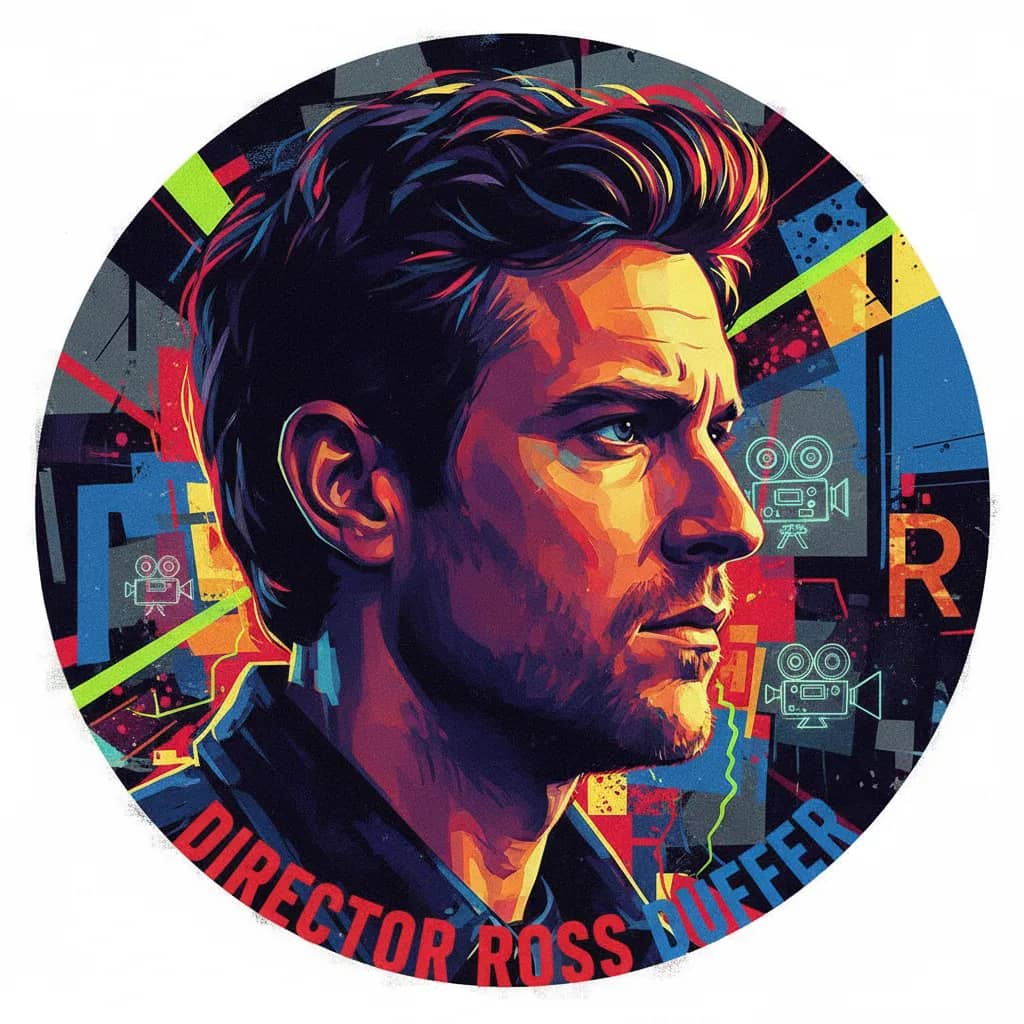
Ross Duffer
Ross Duffer is a visionary director celebrated for his contributions to the horror, sci-fi, and thriller genres. Alongside his brother Matt, the duo has carved a niche for themselves in the industry with their distinctive storytelling and directorial style. The Duffer brothers gained widespread acclaim for their work on the hit Netflix series "Stranger Things," which catapulted them into the forefront of the entertainment world. Duffer's directorial style is marked by a meticulous attention to detail, creating immersive and atmospheric worlds that captivate audiences. The Duffer brothers' debut feature film, "Hidden" (2015), exemplifies their mastery of suspense and tension, seamlessly blending elements of horror, sci-fi, and thriller to deliver a gripping cinematic experience. The film showcases Duffer's ability to elicit fear and anticipation, as well as his talent for crafting compelling narratives that resonate with viewers. Notable for their compelling character development and rich storytelling, the Duffer brothers' work often explores themes of nostalgia, friendship, and the supernatural. Their ability to infuse their projects with a sense of wonder and intrigue has garnered them a dedicated fan base and critical acclaim. Their impact on cinema is undeniable, as they have reinvigorated the sci-fi and horror genres, breathing new life into familiar tropes and captivating audiences with their unique vision. Ross Duffer's directorial prowess has left an indelible mark on the film industry, influencing a new generation of filmmakers and redefining the potential of genre storytelling. With an impressive body of work and a commitment to pushing creative boundaries, Duffer continues to shape the cinematic landscape, solidifying his status as a visionary director with an enduring legacy. As the Duffer brothers' career continues to unfold, their impact on the world of cinema is sure to be felt for years to come.