Director Names Starting with R
Showing 229-240 out of 290
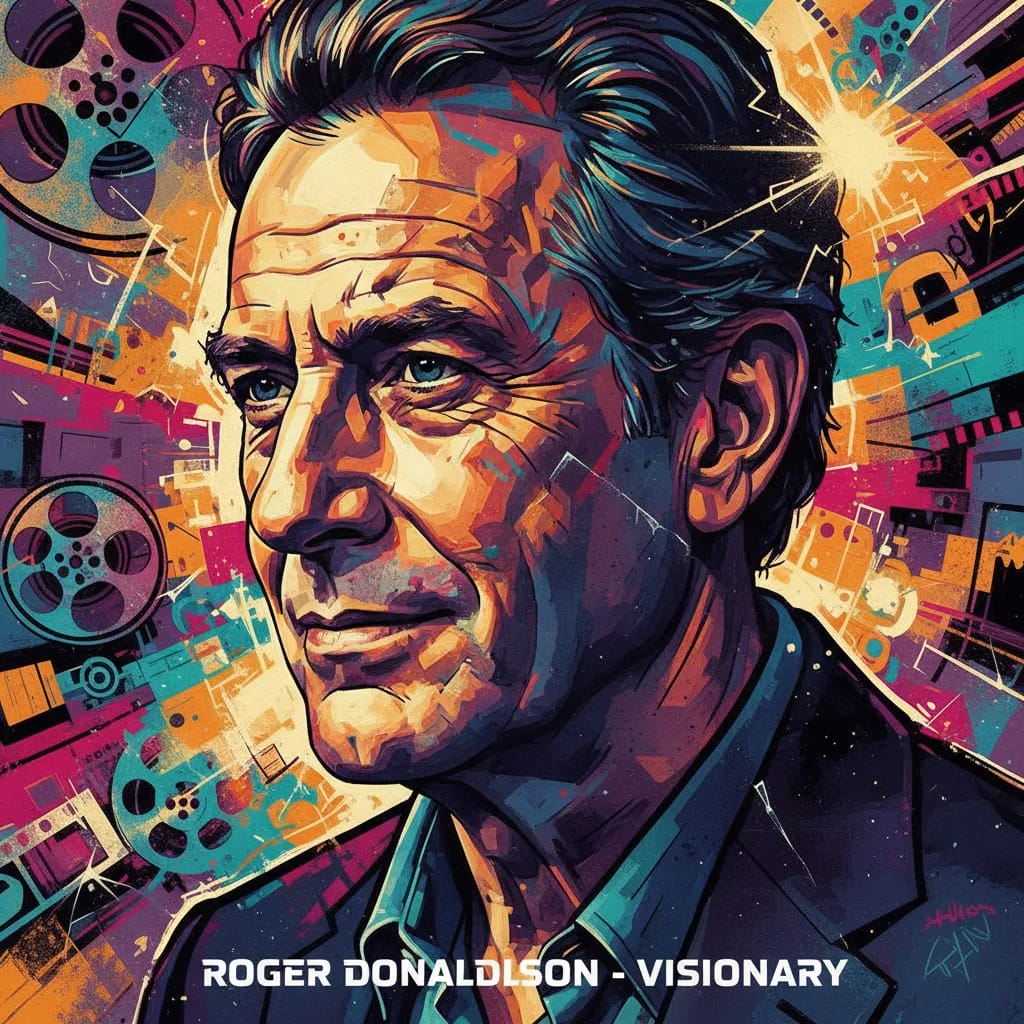
Roger Donaldson
Roger Donaldson is a New Zealand-born film director known for his diverse range of films spanning various genres, including action, thriller, drama, and biography. His career in the industry has seen him deliver a string of successful and memorable movies that have left a lasting impact on cinema. Donaldson's directorial style is characterized by his ability to seamlessly transition between different genres, showcasing his versatility and skill in navigating diverse storytelling landscapes. His notable films include "The Bounty" (1984), "The Recruit" (2003), "Cadillac Man" (1990), "The November Man" (2014), "The Bank Job" (2008), "Species" (1995), "Thirteen Days" (2000), "Seeking Justice" (2011), "Dante's Peak" (1997), "Cocktail" (1988), "No Way Out" (1987), and "The World's Fastest Indian" (2005). Throughout his career, Donaldson has exhibited a penchant for crafting gripping narratives that often delve into themes of espionage, crime, and high-stakes situations. His films frequently feature compelling character dynamics and intense, edge-of-your-seat action sequences, captivating audiences with their adrenaline-pumping storytelling. Donaldson's impact on cinema can be attributed to his ability to consistently deliver engaging, high-quality films that resonate with audiences across the globe. His unique vision and dedication to pushing the boundaries of storytelling have cemented his status as a prolific and influential director in the industry. In conclusion, Roger Donaldson's impressive filmography and directorial prowess have solidified his reputation as a versatile and accomplished filmmaker. His ability to navigate multiple genres with finesse and deliver compelling narratives has made him a standout figure in the world of cinema, leaving an indelible mark on the film landscape.
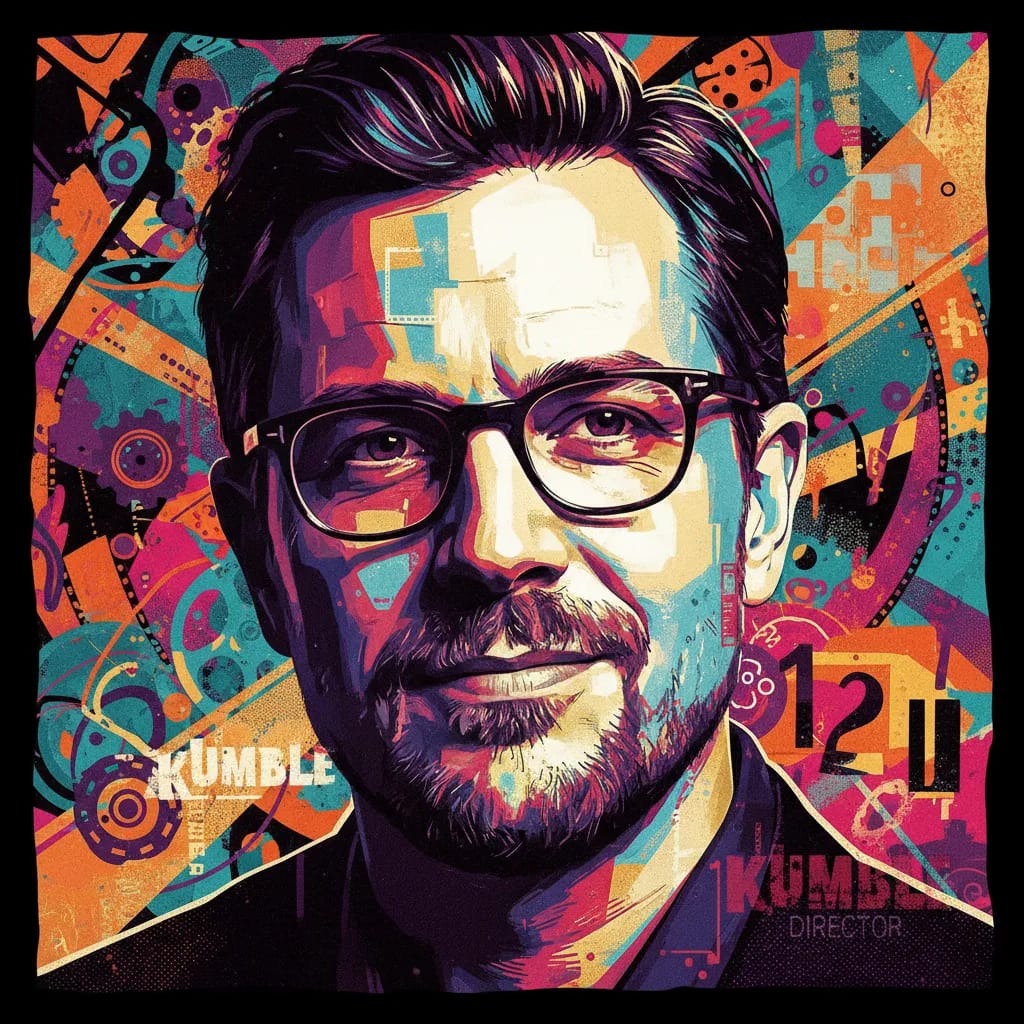
Roger Kumble
Roger Kumble is a prolific film director known for his deft touch in capturing the complexities of human relationships through a blend of comedy and romance. With a career spanning over two decades, Kumble has left an indelible mark on the cinematic landscape with his distinct directorial style and ability to breathe life into compelling narratives. Notable for his seamless storytelling and sharp wit, Kumble has consistently delivered films that resonate with audiences through their relatable characters and captivating storytelling. One of Kumble's most renowned works is "Cruel Intentions" (1999), a modern retelling of the classic French novel "Les Liaisons Dangereuses." The film, which delves into the intricate web of seduction and manipulation, showcased Kumble's skill in crafting visually stunning scenes while navigating complex emotional dynamics. Kumble's adept direction, coupled with the film's magnetic performances, propelled "Cruel Intentions" into a cult classic, solidifying his status as a visionary director. In "Just Friends" (2005), Kumble displayed his versatility by seamlessly infusing humor and heart into the narrative, resulting in a delightful romantic comedy that resonated with audiences. His ability to balance comedic elements with genuine emotional depth showcased Kumble's keen understanding of human nature, further cementing his reputation as a director capable of capturing the nuances of interpersonal relationships. Kumble's recent directorial venture, "After We Collided" (2020), further exemplifies his ability to navigate the intricacies of romantic drama. The film, which explores the complexities of love amidst personal growth and adversity, underscores Kumble's continued dedication to crafting compelling narratives that resonate with contemporary audiences. Throughout his career, Kumble has exhibited a recurring theme of exploring the intricacies of human connections, often juxtaposing them with humor and emotion. His unique directorial vision and ability to extract authentic performances from his cast have established him as a director with a profound impact on the romantic comedy genre. With an impressive filmography that spans various genres, Kumble continues to leave an indelible mark on cinema through his compelling storytelling and unwavering dedication to capturing the essence of human relationships on screen.

Roger Michell
Roger Michell is a British film director known for his versatile style and ability to seamlessly navigate between various genres. With a career spanning over two decades, Michell has left a significant mark on the film industry with his thought-provoking and emotionally resonant storytelling. His notable films include "Notting Hill," "Venus," "Hyde Park on Hudson," "My Cousin Rachel," and "Morning Glory." Michell's directorial style is characterized by his keen understanding of human emotions and relationships, which is evident in his ability to craft authentic and relatable characters. He often explores themes of love, loss, and the complexities of human connections, infusing his narratives with a blend of humor, drama, and romance. His films often feature rich and nuanced character development, allowing audiences to deeply engage with the journeys of the protagonists. "Venus," one of Michell's most acclaimed works, earned him widespread recognition for his sensitive portrayal of aging and the unlikely bond between two people from different generations. This film, in particular, showcases Michell's ability to handle delicate subject matter with grace and authenticity. Additionally, "Notting Hill" remains a beloved classic, known for its charming depiction of love amidst the backdrop of London's vibrant neighborhood. Michell's impact on cinema lies in his ability to create films that resonate with audiences on a profound level. His storytelling is marked by its universality and timelessness, making his work enduring and beloved by cinephiles worldwide. Furthermore, his collaborations with esteemed actors and actresses have led to compelling performances that have elevated his films to critical acclaim. In summary, Roger Michell's career is a testament to his ability to craft compelling and emotionally resonant narratives that transcend genre boundaries. With a keen eye for human emotion and relationships, he has solidified his place as a director whose work continues to captivate and endure in the hearts of film enthusiasts.

Roger Spottiswoode
Roger Spottiswoode is a versatile film director known for his ability to seamlessly navigate across a wide range of genres, leaving an indelible mark on cinema. With a career spanning over four decades, Spottiswoode has brought his unique directorial style to a diverse array of films, showcasing his talent for crafting compelling narratives and visually stunning sequences. One of his notable films is "Tomorrow Never Dies" (1997), a James Bond installment that solidified his reputation as a master of action and suspense. Spottiswoode's adept handling of high-octane sequences and elaborate stunts captivated audiences and further cemented the Bond franchise as a cinematic powerhouse. His directorial finesse was also evident in "The 6th Day" (2000), where he delved into the realm of science fiction, delivering a thought-provoking exploration of ethical dilemmas surrounding cloning while maintaining an edge-of-your-seat thriller. Spottiswoode's directorial style is characterized by his ability to infuse diverse genres with a sense of authenticity and visual flair. Whether it's the comedic charm of "Turner & Hooch" (1989) or the gripping intensity of "Shoot to Kill" (1988), his films consistently showcase a keen understanding of pacing, character development, and storytelling. Furthermore, Spottiswoode's recurring themes often revolve around the complexities of human nature, morality, and the impact of technology on society, demonstrating a nuanced approach to storytelling that resonates with audiences on a profound level. In addition to his forays into action and suspense, Spottiswoode has also demonstrated his versatility with projects such as "A Street Cat Named Bob" (2016), a heartwarming biographical drama that highlights his ability to capture the emotional depth of human-animal relationships. Furthermore, his early work on "Terror Train" (1980) showcased his prowess in the horror genre, solidifying his reputation as a director capable of evoking intense emotions and fear in his audience. Roger Spottiswoode's impact on cinema is undeniable, as his diverse body of work continues to captivate and inspire audiences worldwide. His unique vision and ability to navigate across genres with finesse have firmly established him as a directorial force to be reckoned with, leaving an enduring legacy that continues to shape the cinematic landscape.
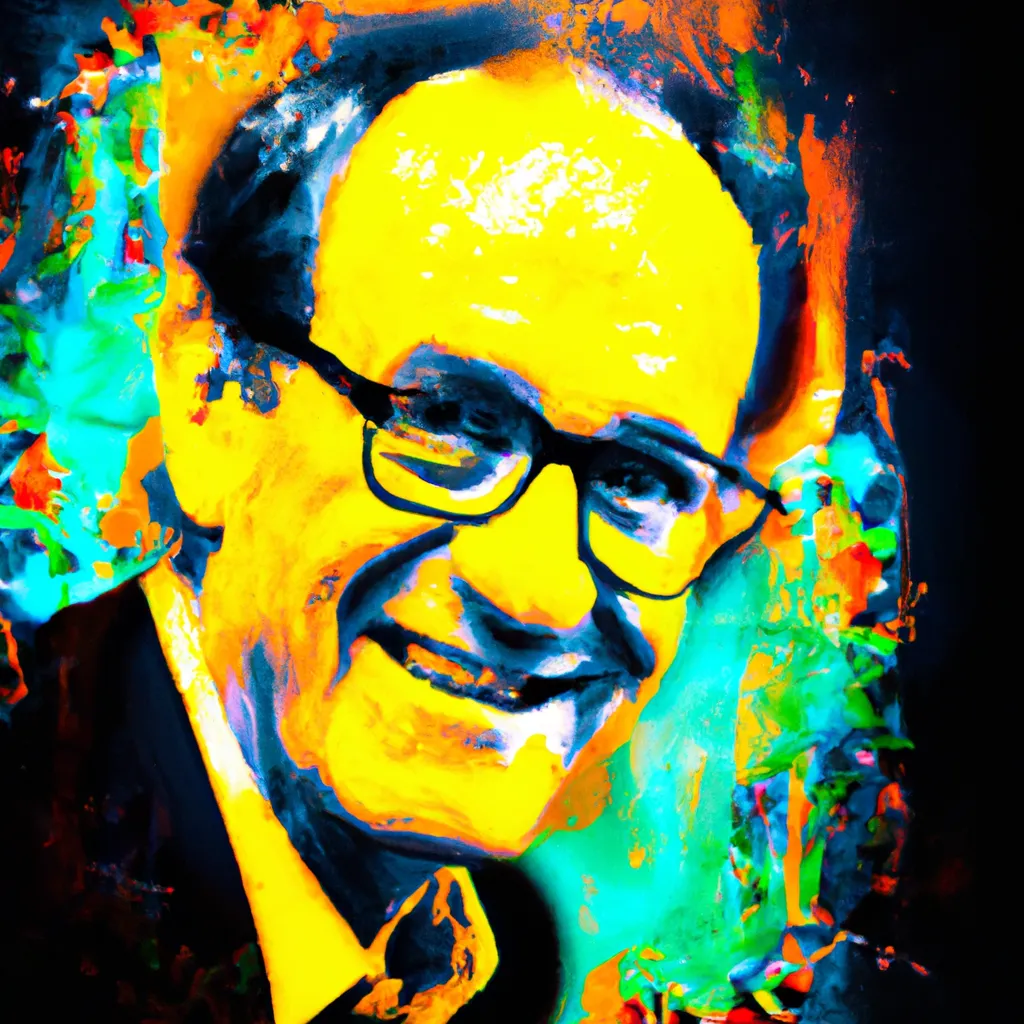
Roger Vadim
Roger Vadim was a French film director and screenwriter best known for his distinct style, notable films, and the lasting impact he made on the world of cinema. Born in 1928, Vadim began his career as a journalist before making a successful transition to filmmaking. He gained international fame for his iconic film "Barbarella" (1968), a science fiction adventure comedy starring Jane Fonda, which solidified his reputation as a visionary director with an eye for innovative storytelling and striking visuals. Vadim's directorial style was characterized by his ability to infuse his films with a sense of sensuality, glamour, and sophistication. His unique approach to storytelling often explored themes of love, sexuality, and female empowerment, which were groundbreaking for their time. His films were known for their visually stunning cinematography and bold, avant-garde aesthetic, which continues to influence filmmakers to this day. In addition to "Barbarella," Vadim's filmography includes a diverse range of works such as "And God Created Woman" (1956), "Les Liaisons Dangereuses" (1959), and "La Ronde" (1964). His films often featured strong, complex female characters who defied societal norms, reflecting his progressive and feminist sensibilities. Vadim's impact on cinema is undeniable, as he challenged traditional storytelling conventions and pushed boundaries with his bold and provocative narratives. Throughout his career, Vadim remained a trailblazer in the world of filmmaking, earning a reputation as a director who fearlessly explored the complexities of human relationships and desire. His contributions to cinema continue to be celebrated for their artistic innovation and enduring influence on the film industry. In summary, Roger Vadim's directorial legacy is defined by his pioneering spirit, visionary storytelling, and unwavering commitment to pushing the boundaries of cinematic expression.

Rohit Dhawan
Rohit Dhawan is a prominent Indian film director known for his work in Bollywood. With a focus on comedy, drama, and romance, Dhawan's directorial style is characterized by a blend of humor, heart, and relatable storytelling. His notable film, "Desi Boyz" (2011), showcased his ability to weave together entertaining narratives with emotional depth, marking him as a director to watch in the industry. In "Desi Boyz," Dhawan's directorial prowess shines through as he navigates the complexities of friendship, love, and personal growth. The film's engaging storyline and well-crafted characters demonstrate Dhawan's keen eye for human dynamics and his ability to infuse humor into universal themes. His direction in "Desi Boyz" not only entertained audiences but also left a lasting impact, solidifying his position as a director with a unique vision. Dhawan's filmography may be limited, but his impact on Indian cinema is undeniable. His ability to capture the essence of human relationships and emotions through a comedic lens sets him apart as a director with a distinct storytelling approach. With "Desi Boyz," Dhawan's directorial debut, he carved a niche for himself in the industry and showcased his potential to deliver compelling narratives with a touch of lightheartedness. As a director, Dhawan's recurring themes often revolve around friendship, love, and self-discovery, resonating with audiences on a personal level. His films reflect an understanding of human nature and the intricacies of relationships, making them relatable and engaging for viewers. With his unique blend of humor and heart, Dhawan continues to leave a lasting impression on Bollywood, setting the stage for a promising future in the world of cinema.
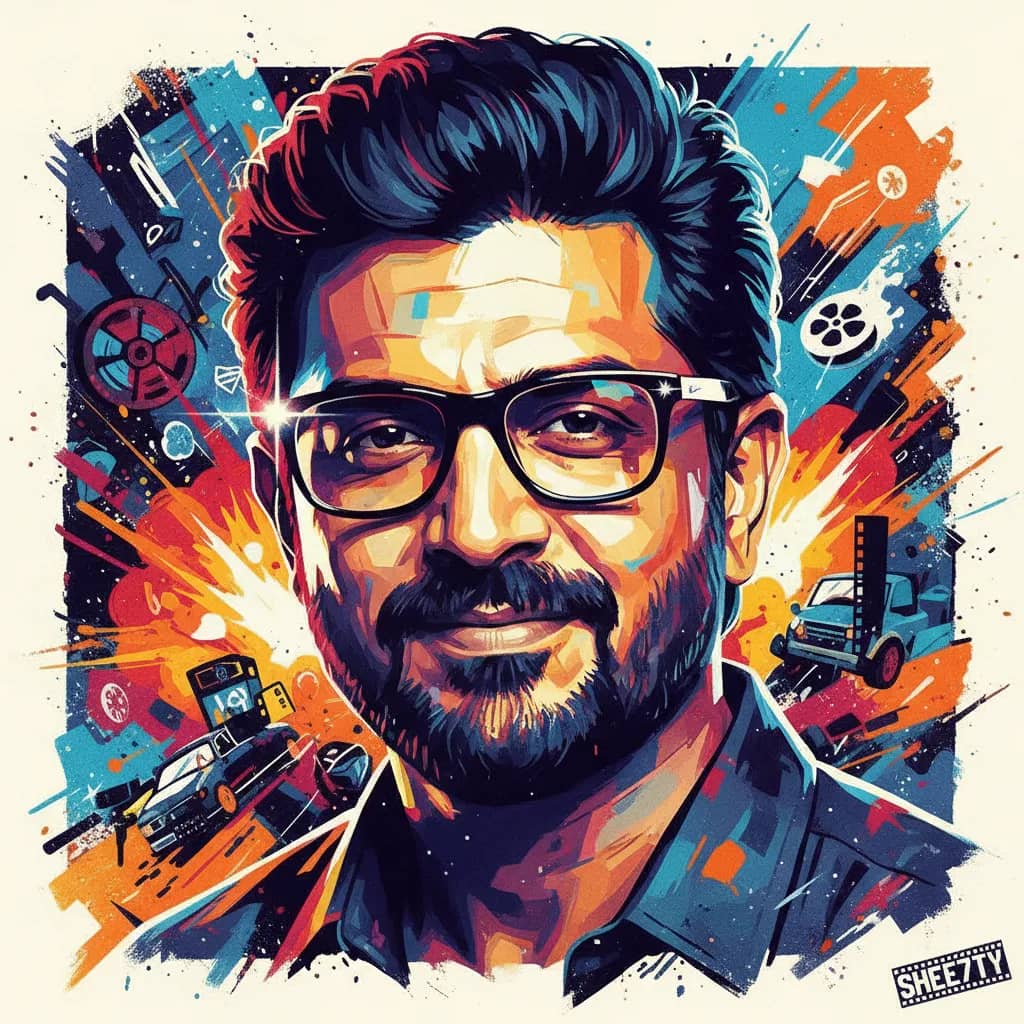
Rohit Shetty
Rohit Shetty is a prolific Indian film director known for his larger-than-life action sequences, high-octane dramas, and rib-tickling comedies. With a career spanning over two decades, Shetty has carved a niche for himself in the Indian film industry, becoming synonymous with blockbuster entertainers that appeal to the masses. His directorial style is characterized by a perfect blend of adrenaline-pumping action, heartfelt drama, and laugh-out-loud humor, making his films a delightful cinematic experience for audiences of all ages. Shetty's filmography boasts an impressive array of successful movies, including "Singham" (2011), "Chennai Express" (2013), "Simmba" (2018), and "Golmaal Again" (2017). Each of these films showcases his signature blend of action, comedy, and drama, with larger-than-life characters and memorable dialogues that have become synonymous with his brand of filmmaking. His ability to seamlessly fuse different genres has set him apart as a director with a unique vision and an unparalleled understanding of audience preferences. Notable recurring themes in Shetty's films include the triumph of good over evil, the power of unity and brotherhood, and the celebration of family values. His films often feature protagonists with strong moral compasses who take on formidable adversaries, all set against a backdrop of visually stunning action sequences and light-hearted comedy. Shetty's impact on Indian cinema is undeniable, as he has redefined the commercial film landscape, setting new benchmarks for box office success and audience engagement. Rohit Shetty's directorial prowess lies in his ability to create larger-than-life spectacles that resonate with audiences across the globe. His films have not only transcended language barriers but have also redefined the parameters of mainstream cinema, setting new standards for entertainment and storytelling. With his upcoming film "Cirkus" (2022) poised to continue his winning streak, Rohit Shetty's influence on the Indian film industry is set to endure for years to come.
Roland Emmerich
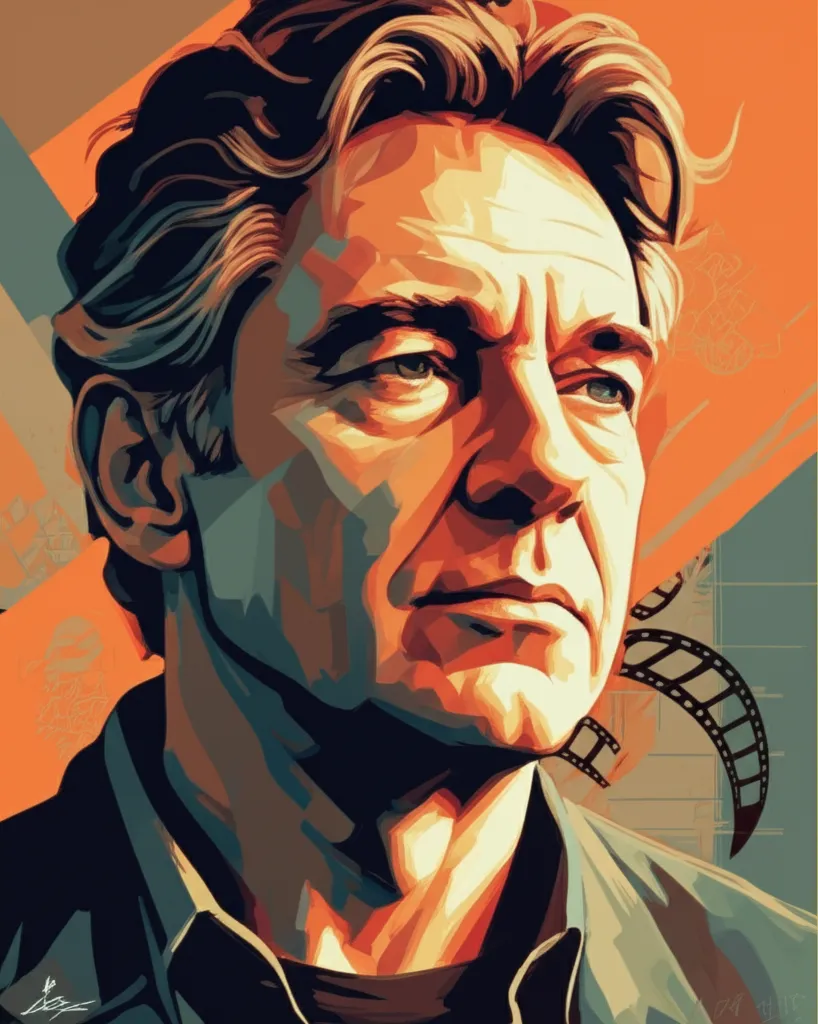
Roland Emmerich is a German film director known for his visually stunning and action-packed blockbusters that have left an indelible mark on the sci-fi and action genres. Emmerich's career took off with the release of "Universal Soldier" in 1992, a gripping action-packed sci-fi film that showcased his penchant for creating high-octane, adrenaline-fueled spectacles. This success laid the groundwork for his future ventures into the world of epic action and adventure. Emmerich's most iconic film, "Independence Day" (1996), catapulted him to international fame and solidified his reputation as a master of disaster and sci-fi cinema. The film, with its groundbreaking special effects and captivating storyline, became a cultural phenomenon and remains a classic in the genre. Emmerich's directorial style often involves grand-scale set pieces, awe-inspiring visual effects, and a knack for creating captivating narratives that resonate with audiences worldwide. The director's filmography also includes "The Day After Tomorrow" (2004), a gripping environmental disaster film, and "The Patriot" (2000), a historical action-drama that showcased his versatility in tackling diverse subject matters. Emmerich's recurring themes often revolve around humanity's resilience in the face of catastrophe, as well as the exploration of the unknown and the unyielding spirit of adventure. His films are characterized by their ambitious scope, larger-than-life action sequences, and a distinctive blend of science fiction and historical drama. Emmerich's impact on cinema is undeniable, as he has consistently pushed the boundaries of visual effects and storytelling, influencing a new generation of filmmakers. His ability to craft captivating, high-energy narratives has cemented his status as a visionary director, and his films continue to captivate audiences with their immersive storytelling and groundbreaking technical achievements. With his latest film "Moonfall" (2022) on the horizon, Emmerich's legacy as a trailblazer in the world of action and sci-fi cinema remains firmly intact.
Roland Joffé
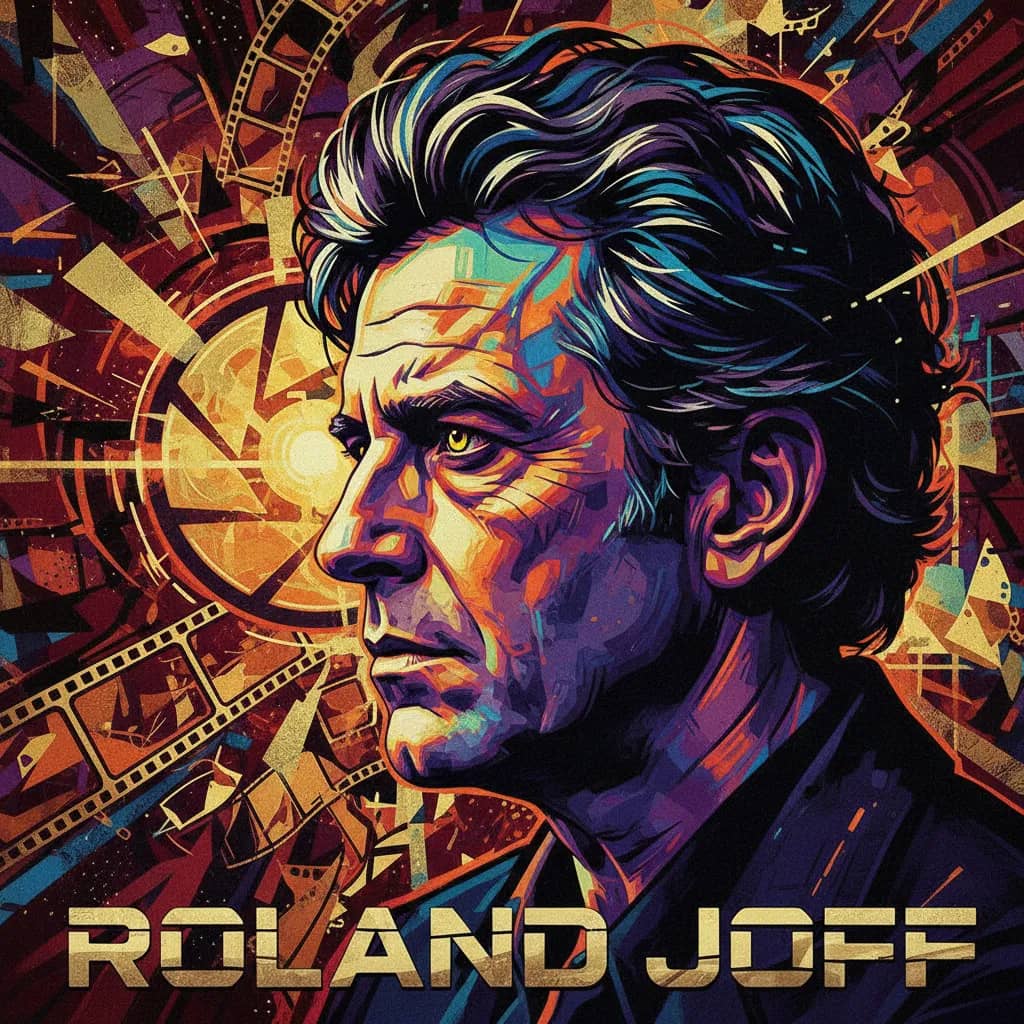
Roland Joffé is a renowned film director known for his compelling storytelling and visually stunning films. His directorial style often combines historical and social themes with powerful character-driven narratives, resulting in emotionally resonant and thought-provoking cinema. Joffé's works have left an indelible mark on the film industry, earning critical acclaim and capturing the hearts of audiences worldwide. One of Joffé's most celebrated films is "The Mission" (1986), a compelling adventure drama that explores the complex intersection of faith, colonialism, and indigenous rights in 18th-century South America. The film's breathtaking cinematography, coupled with Joffé's adept handling of moral dilemmas and human resilience, solidified his reputation as a masterful storyteller. "The Killing Fields" (1984) is another standout in Joffé's filmography, a gripping biographical drama set against the backdrop of the Cambodian genocide. The film's harrowing portrayal of survival amidst the horrors of war earned Joffé widespread acclaim and Oscar nominations for Best Director and Best Picture. In "The Scarlet Letter" (1995), Joffé delved into the classic tale of love, betrayal, and societal judgment, infusing the period drama with his signature blend of emotional depth and visual grandeur. Throughout his career, Joffé has demonstrated a remarkable ability to tackle weighty historical subjects with sensitivity and nuance, shedding light on often overlooked stories and inspiring meaningful discourse. Joffé's films often explore themes of redemption, sacrifice, and the resilience of the human spirit, resonating with audiences on a profound level. His unique vision and directorial prowess have had a lasting impact on cinema, influencing a generation of filmmakers and leaving an indelible mark on the art of storytelling. With a filmography marked by powerful narratives and breathtaking visuals, Roland Joffé continues to be a revered figure in the world of cinema, showcasing a rare ability to merge history, emotion, and spectacle into unforgettable cinematic experiences.

Roland Suso Richter
Roland Suso Richter is a German director known for his captivating storytelling and visually striking cinematic style. With a career spanning over three decades, Richter has made a significant impact on the film industry, particularly in the genres of mystery, sci-fi, and thriller. His notable film, "The I Inside" (2004), showcases his adeptness at crafting compelling narratives within the realm of psychological thrillers. Richter's directorial style is characterized by a keen attention to detail, immersive storytelling, and a penchant for exploring the complexities of the human psyche. His films often feature thought-provoking plotlines, intricate character development, and a palpable sense of suspense that keeps audiences on the edge of their seats. "The I Inside" exemplifies Richter's ability to seamlessly blend elements of mystery and science fiction, creating a gripping and enigmatic cinematic experience. Throughout his career, Richter has demonstrated a consistent exploration of themes such as identity, memory, and the blurred lines between reality and perception. His films often delve into the intricacies of the human mind, inviting viewers to contemplate existential questions while navigating through intricately constructed plot twists and turns. Richter's unique vision and storytelling prowess have solidified his reputation as a director with a distinct and compelling cinematic voice. The impact of Roland Suso Richter's work on cinema is undeniable, as he continues to captivate audiences with his thought-provoking narratives and visually arresting storytelling. His contributions to the mystery, sci-fi, and thriller genres have left an indelible mark on the film industry, inspiring a new generation of filmmakers to explore the depths of human consciousness and the enigmatic nature of storytelling. Richter's ability to transport audiences into intricately crafted worlds of intrigue and suspense cements his status as a visionary director with an enduring legacy in cinema. In conclusion, Roland Suso Richter's directorial career is defined by a commitment to pushing the boundaries of storytelling and captivating audiences with his distinct cinematic style. With "The I Inside" standing as a testament to his mastery of mystery, sci-fi, and thriller genres, Richter continues to leave an indelible mark on the film industry through his thought-provoking narratives and visually arresting storytelling. As a visionary director, Richter's impact on cinema is far-reaching, and his contributions to the art of storytelling continue to resonate with audiences worldwide.
Rolf de Heer
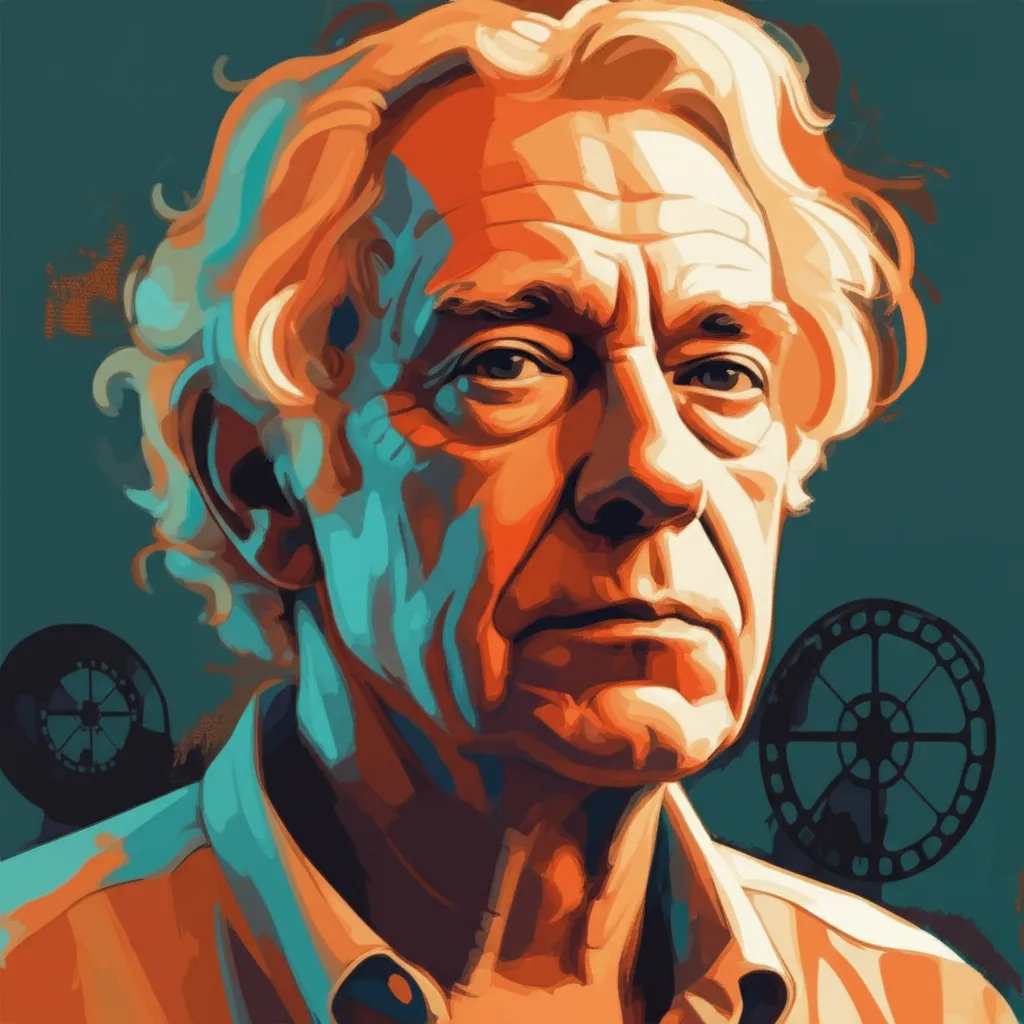
Rolf de Heer is a visionary Australian film director known for his distinctive storytelling and cinematic style. With a career spanning several decades, de Heer has left an indelible mark on the global film industry, with his unique approach to storytelling and bold directorial choices. One of his most notable works is the critically acclaimed "Bad Boy Bubby" (1993), a darkly comedic and deeply affecting film that showcases de Heer's ability to delve into complex themes with unflinching honesty. As a director, de Heer is renowned for his thought-provoking narratives and his willingness to explore unconventional subject matter. His films often feature characters who exist on the fringes of society, grappling with profound emotional and psychological challenges. In "Bad Boy Bubby," de Heer fearlessly tackles themes of abuse, isolation, and the human capacity for resilience, creating a film that is both harrowing and profoundly moving. Throughout his career, de Heer has demonstrated a remarkable versatility, seamlessly navigating across genres and storytelling techniques. His directorial style is marked by a keen attention to detail, evocative visuals, and a deep empathy for his characters. Whether exploring the complexities of human relationships or delving into the darker aspects of the human experience, de Heer's films consistently resonate with audiences on a profound level. De Heer's impact on cinema extends beyond his individual films, as he has played a pivotal role in shaping the landscape of Australian and international cinema. His unwavering commitment to authenticity and emotional truth has inspired a new generation of filmmakers and has solidified his reputation as a master storyteller. With a body of work that continues to captivate and provoke thought, Rolf de Heer stands as a director whose artistic legacy will endure for years to come.

Romain Gavras
Romain Gavras is a French film director known for his visually striking and thought-provoking work in the realm of action, drama, and thriller films. Gavras has made a name for himself with his unique directorial style, characterized by bold storytelling, intense visuals, and a keen understanding of societal dynamics. His ability to craft visually arresting sequences, coupled with his penchant for exploring the darker aspects of human nature, has solidified his status as a trailblazer in contemporary cinema. One of Gavras' most notable works is "Athena," a 2022 film that exemplifies his mastery of the action, drama, and thriller genres. The film showcases his signature style, featuring high-octane sequences, emotionally charged performances, and a gripping narrative that delves into the complexities of power, morality, and personal agency. Gavras' directorial prowess is evident in his ability to create an immersive and adrenaline-fueled cinematic experience that resonates with audiences on a visceral level. Throughout his career, Gavras has consistently explored themes of rebellion, social upheaval, and the human condition, often through a lens of raw and unflinching realism. His films are known for their unapologetic portrayal of societal unrest and the human struggle, drawing audiences into the gritty and often unsettling worlds he creates. Gavras' unique vision and uncompromising approach to storytelling have garnered him a dedicated following and cemented his reputation as a director unafraid to push boundaries and challenge conventional norms. Gavras' impact on cinema extends beyond his individual films, as he has influenced a new generation of filmmakers with his bold and uncompromising approach to storytelling. His ability to infuse his work with a sense of urgency and authenticity has set a new standard for the action, drama, and thriller genres, inspiring filmmakers to delve deeper into the complexities of human experience and societal dynamics. As a result, Gavras' contributions to film have left an indelible mark on the industry, shaping the future of cinematic storytelling for years to come. In conclusion, Romain Gavras' career as a film director has been defined by his bold directorial style, unflinching exploration of societal dynamics, and his impact on the action, drama, and thriller genres. Through films like "Athena," Gavras has established himself as a visionary filmmaker with a unique ability to captivate audiences with his visually stunning and emotionally resonant storytelling. His uncompromising approach to cinema has