Director Names Starting with R
Showing 265-276 out of 290
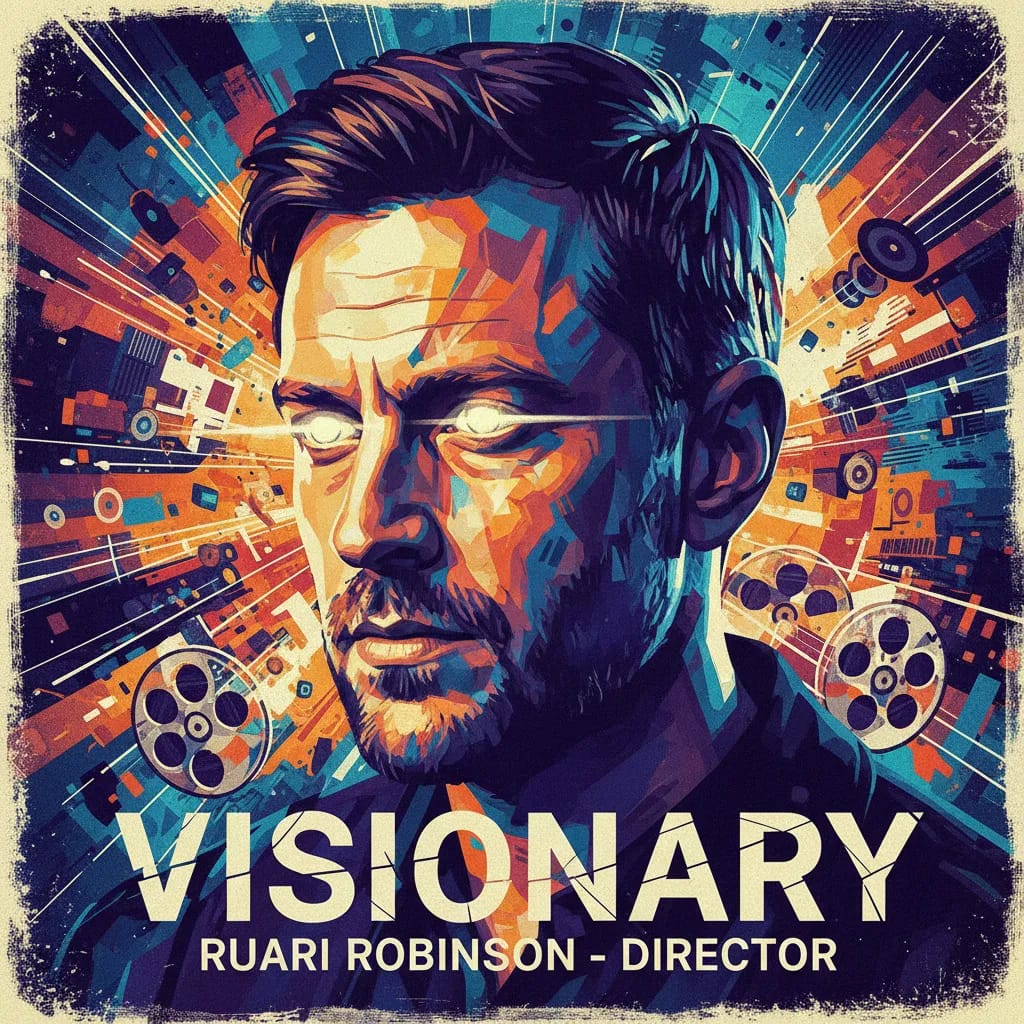
Ruairi Robinson
Ruairi Robinson is an Irish film director known for his unique vision and distinct style in the genres of adventure, horror, and sci-fi. His notable work includes "The Last Days on Mars" (2013), a gripping and visually stunning film that showcases his talent for creating intense and atmospheric storytelling. Robinson's directorial style is marked by a meticulous attention to detail, immersive world-building, and a penchant for exploring the darker aspects of human nature within the context of otherworldly settings. "The Last Days on Mars" stands as a testament to Robinson's ability to blend heart-pounding suspense with thought-provoking themes, offering audiences a truly immersive cinematic experience. His directorial approach often delves into the exploration of human psychology when faced with extraordinary circumstances, creating a sense of unease that resonates long after the credits roll. Robinson's impact on cinema lies in his ability to push the boundaries of storytelling within the sci-fi and horror genres, offering a fresh perspective and redefining the visual language of these cinematic realms. His films often feature stunning visual effects, evocative cinematography, and a compelling narrative that keeps audiences on the edge of their seats. Robinson's work continues to inspire and influence aspiring filmmakers, showcasing the power of storytelling through the lens of the extraordinary. With his distinct directorial style and a knack for crafting immersive and thought-provoking narratives, Ruairi Robinson has solidified his place as a visionary director in the world of adventure, horror, and sci-fi cinema.
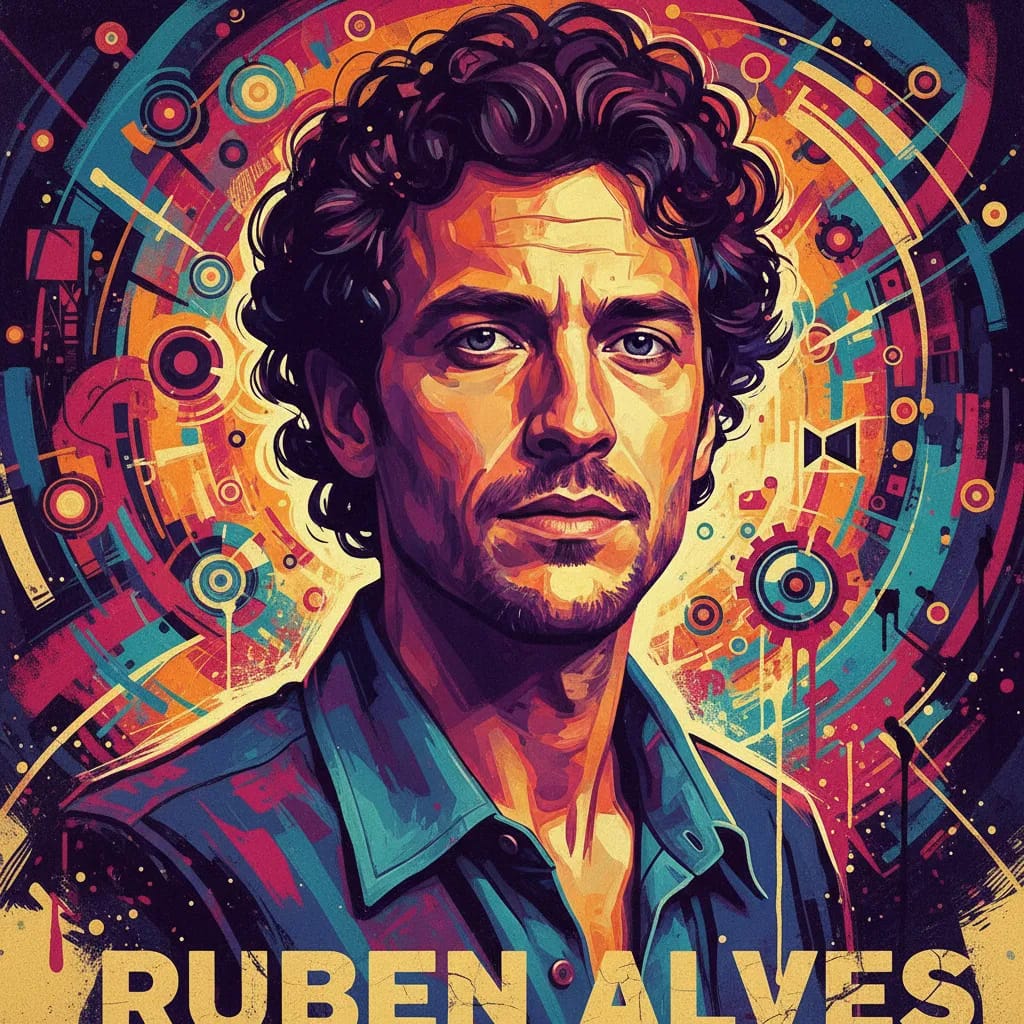
Ruben Alves
Ruben Alves is a Portuguese-French director known for his exceptional talent in blending comedy and drama, creating heartfelt and resonant stories. His standout film, "The Gilded Cage" (2013), showcases his adeptness in weaving together humor and emotional depth to explore themes of immigration, cultural identity, and family dynamics. Alves, with his unique directorial style, has made a significant impact on the cinema landscape with his ability to infuse his films with warmth, authenticity, and relatable human experiences. His storytelling often revolves around characters navigating the complexities of belonging to different cultures, offering a poignant and humorous insight into the immigrant experience. "The Gilded Cage" stands as a testament to Alves' directorial prowess, as he masterfully captures the comedic and poignant moments within the narrative, creating a rich tapestry of emotions that resonates with audiences. The film's success not only solidified Alves as a director to watch but also brought attention to the immigrant narrative in cinema, showcasing the universal themes that transcend borders and cultures. Alves' directorial career reflects a refreshing and insightful approach to storytelling, as he consistently delves into themes of cultural integration, identity, and the universal pursuit of happiness. Through his films, Alves has demonstrated a keen understanding of human emotions and relationships, offering audiences a window into the lives of characters navigating the complexities of cultural diversity. As a director, Ruben Alves has left an indelible mark on cinema through his ability to craft narratives that seamlessly blend humor and heartfelt drama, creating a cinematic experience that is both entertaining and emotionally resonant. With "The Gilded Cage," Alves has not only established himself as a directorial talent to be reckoned with but has also made a significant contribution to the portrayal of immigrant experiences on the silver screen.
Ruben Fleischer
Ruben Fleischer is a talented film director known for his distinctive blend of action, comedy, and fantasy elements that have left an indelible mark on the cinematic landscape. Fleischer's directorial style is characterized by his ability to infuse high-octane action sequences with sharp wit and humor, creating a unique and engaging viewing experience for audiences. His filmography boasts a diverse array of successful projects, including "Zombieland" (2009), "Venom" (2018), "Gangster Squad" (2013), and the highly anticipated "Uncharted" (2022). Fleischer burst onto the scene with the cult classic "Zombieland," a genre-defying adventure that seamlessly blended comedy, fantasy, and horror elements. The film's success catapulted Fleischer into the spotlight and established him as a filmmaker with a keen eye for crafting dynamic and entertaining narratives. His deft handling of the action genre was further exemplified in "Venom," a superhero film that showcased Fleischer's ability to deliver exhilarating thrills while infusing the story with his trademark humor. One of Fleischer's recurring themes is the exploration of larger-than-life characters and scenarios, often with a comedic twist. Whether navigating the zombie apocalypse in "Zombieland" or delving into the criminal underworld in "Gangster Squad," Fleischer's films consistently feature larger-than-life characters embroiled in high-stakes situations. His ability to inject levity into even the most intense moments sets his work apart and has resonated with audiences worldwide. Fleischer's impact on cinema is undeniable, as he continues to push the boundaries of genre filmmaking and captivate audiences with his distinct directorial vision. With "Uncharted" on the horizon, Fleischer's foray into the action-adventure genre promises to further solidify his status as a visionary director capable of delivering blockbuster entertainment with a unique and refreshing perspective. As Fleischer's career continues to evolve, audiences can eagerly anticipate his future endeavors and the innovative storytelling that has become his hallmark.
Ruben Östlund
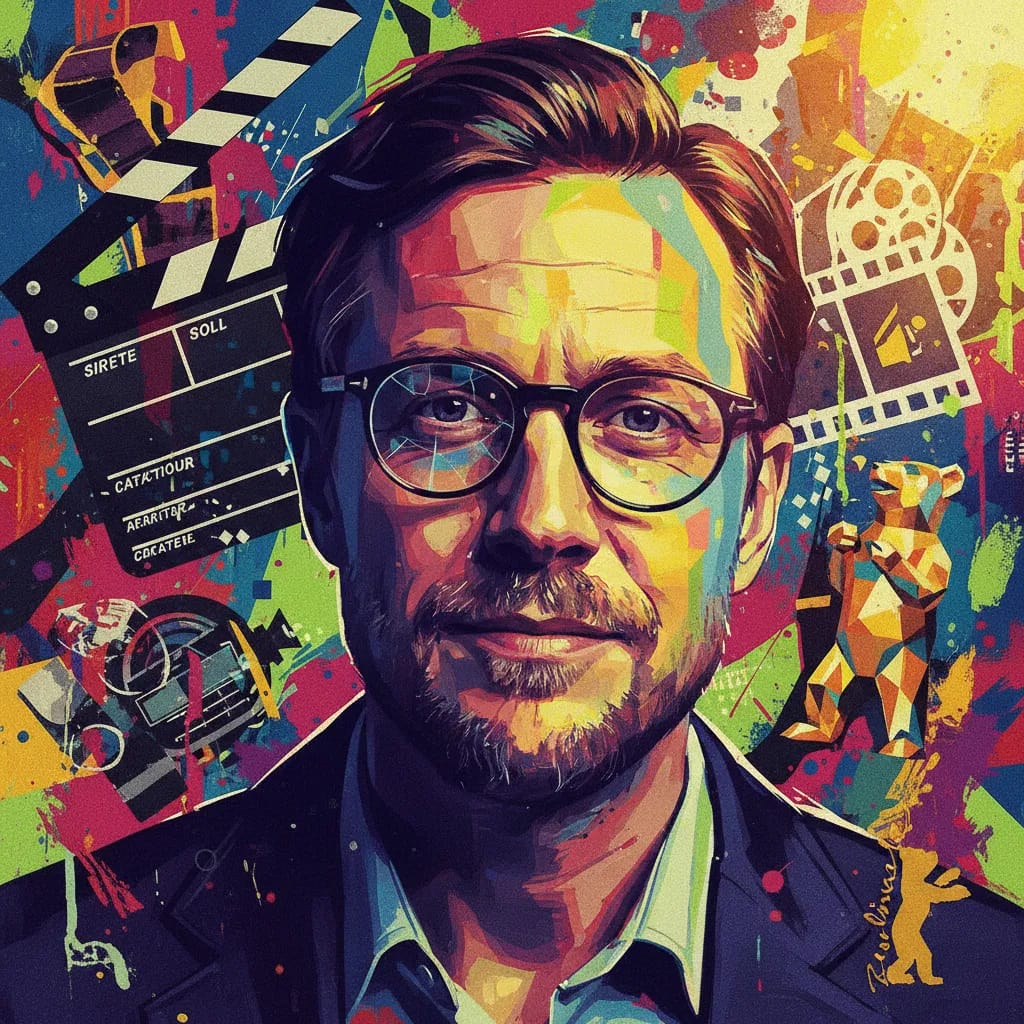
Ruben Östlund is a visionary Swedish director known for his thought-provoking and visually stunning films. With a career spanning over two decades, Östlund has garnered critical acclaim and a dedicated following for his unique directorial style. His films often blend elements of comedy and drama, tackling complex human emotions and societal issues with a sharp and satirical eye. One of Östlund's most notable works is "Force Majeure" (2014), a dark comedy-drama that explores the dynamics of a family's relationships following a near-death experience during a ski vacation. The film received widespread praise for its incisive examination of masculinity, family dynamics, and the consequences of split-second decisions. Östlund's ability to infuse humor into weighty subject matter while maintaining a keen focus on human behavior sets him apart as a director with a distinct and compelling voice. In 2017, Östlund's film "The Square" further solidified his reputation as a masterful storyteller. The satirical drama, set in the world of contemporary art, delves into themes of moral dilemmas, social hierarchy, and the concept of trust. "The Square" earned Östlund the prestigious Palme d'Or at the Cannes Film Festival, cementing his status as a leading figure in international cinema. Östlund's latest film, "Triangle of Sadness" (2022), continues his exploration of societal commentary and human behavior, this time within the context of the fashion industry. With his signature blend of comedy and drama, Östlund delves into the superficiality and excesses of the fashion world, offering a scathing critique while maintaining a darkly humorous tone. Known for his meticulous attention to detail, striking visual compositions, and unflinching exploration of human nature, Ruben Östlund stands as a director whose films challenge and engage audiences on a profound level. His ability to seamlessly weave together thought-provoking narratives with dark humor has left an indelible mark on contemporary cinema, establishing him as a true auteur with a distinctive and influential body of work.
Rudolph Maté
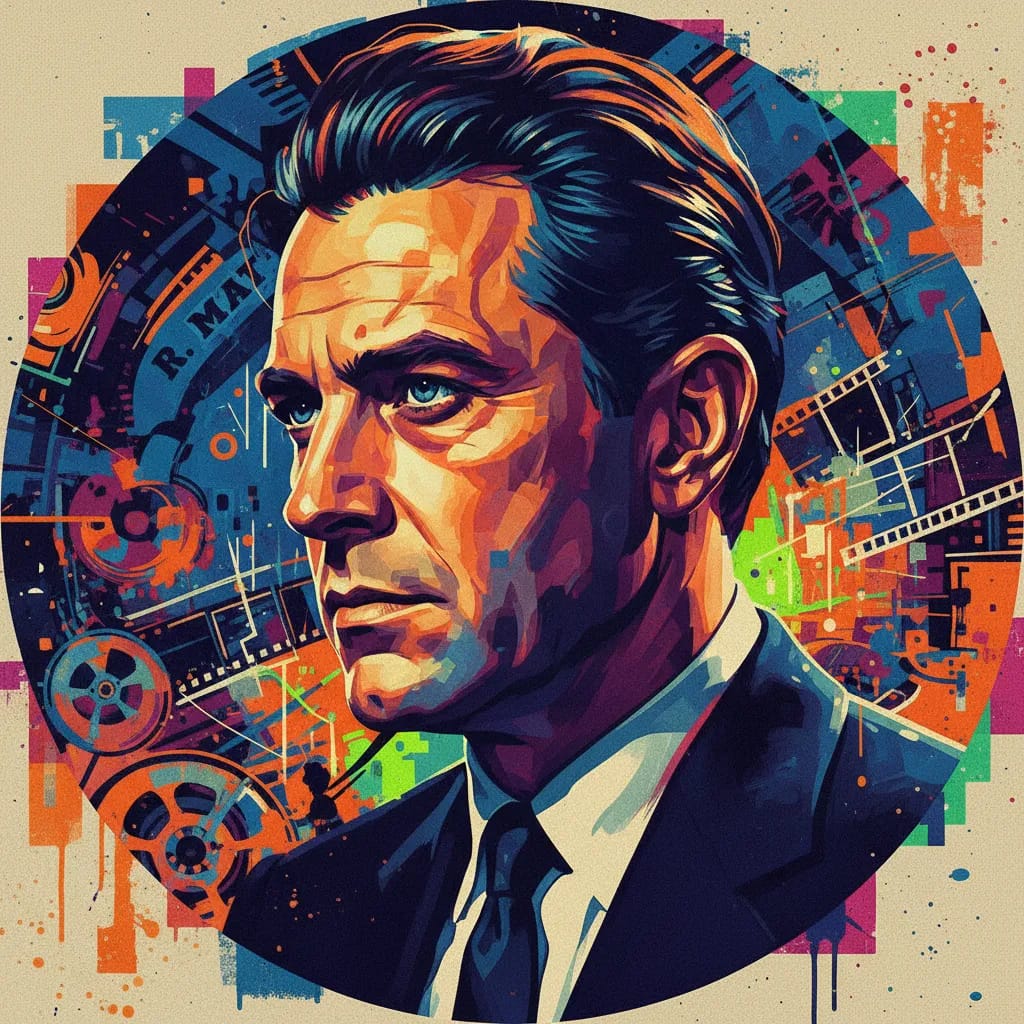
Rudolph Maté was a Hungarian-born cinematographer turned director, known for his adept handling of light and shadows, and his skillful direction of crime and film-noir movies. With a career spanning over three decades, Maté made a mark in Hollywood with his distinctive visual style and ability to bring out the grit and tension in his films. One of Maté's most notable directorial works is the gripping 1949 film "D.O.A.," a classic in the film-noir genre. The movie follows the story of a man who, after being fatally poisoned, races against time to unravel the mystery of his impending death. Maté's keen eye for dramatic lighting and mood-enhancing cinematography played a pivotal role in creating the tense, shadowy atmosphere that is characteristic of film-noir. Throughout his career, Maté's directorial style was defined by his emphasis on visual storytelling, utilizing evocative lighting and dynamic camera work to convey the emotional depth of his characters and the tension of his narratives. His films often delved into the darker aspects of human nature, exploring themes of crime, morality, and existential dread, all underscored by his visually striking compositions. Maté's impact on cinema lies in his contribution to the evolution of film-noir and crime dramas, as well as his influence on subsequent generations of filmmakers. His adeptness in blending technical prowess with storytelling sensibility solidified his status as a director whose work continues to inspire and resonate with audiences and cinephiles alike. Rudolph Maté's legacy endures as a testament to his ability to craft visually arresting and thematically rich films that transcend the boundaries of time and genre.
Rufus Norris
Rufus Norris is a highly acclaimed British film director known for his thought-provoking storytelling and visually striking cinematography. With a background in theater and a keen eye for human emotions, Norris made his feature film directorial debut with "Broken" in 2012. This drama-romance film, based on Daniel Clay's novel, garnered critical praise for Norris's sensitive portrayal of complex characters and his ability to capture the rawness of human experiences. Norris's directorial style is marked by a profound understanding of human psychology and emotions, which he skillfully translates onto the screen. His films often delve into the intricacies of human relationships, societal issues, and the impact of trauma on individuals. Norris's meticulous attention to detail and his ability to create authentic, multi-dimensional characters have earned him a reputation as a director with a unique and compelling vision. "Broken" stands as a testament to Norris's ability to create an immersive and emotionally resonant cinematic experience. The film's exploration of love, loss, and the complexities of adolescence showcases Norris's skill in portraying the human condition with depth and authenticity. His ability to infuse his films with a sense of empathy and understanding has resonated with audiences and critics alike. Norris's impact on cinema lies in his ability to bring stories to life with a rare blend of sensitivity and intensity. Through his films, he has tackled challenging subject matters with a profound sense of empathy, shedding light on the complexities of human existence. Norris continues to be a prominent figure in the film industry, and his directorial work serves as a testament to his unwavering commitment to storytelling that is both thought-provoking and emotionally compelling. In summary, Rufus Norris's directorial career is characterized by his ability to craft poignant and visually captivating narratives that resonate deeply with audiences. His unique directorial style, coupled with his exploration of human emotions and societal issues, has solidified his status as a director with a distinct and impactful voice in cinema. As Norris continues to create thought-provoking and emotionally resonant films, his influence on the industry is sure to endure.
Ruggero Deodato
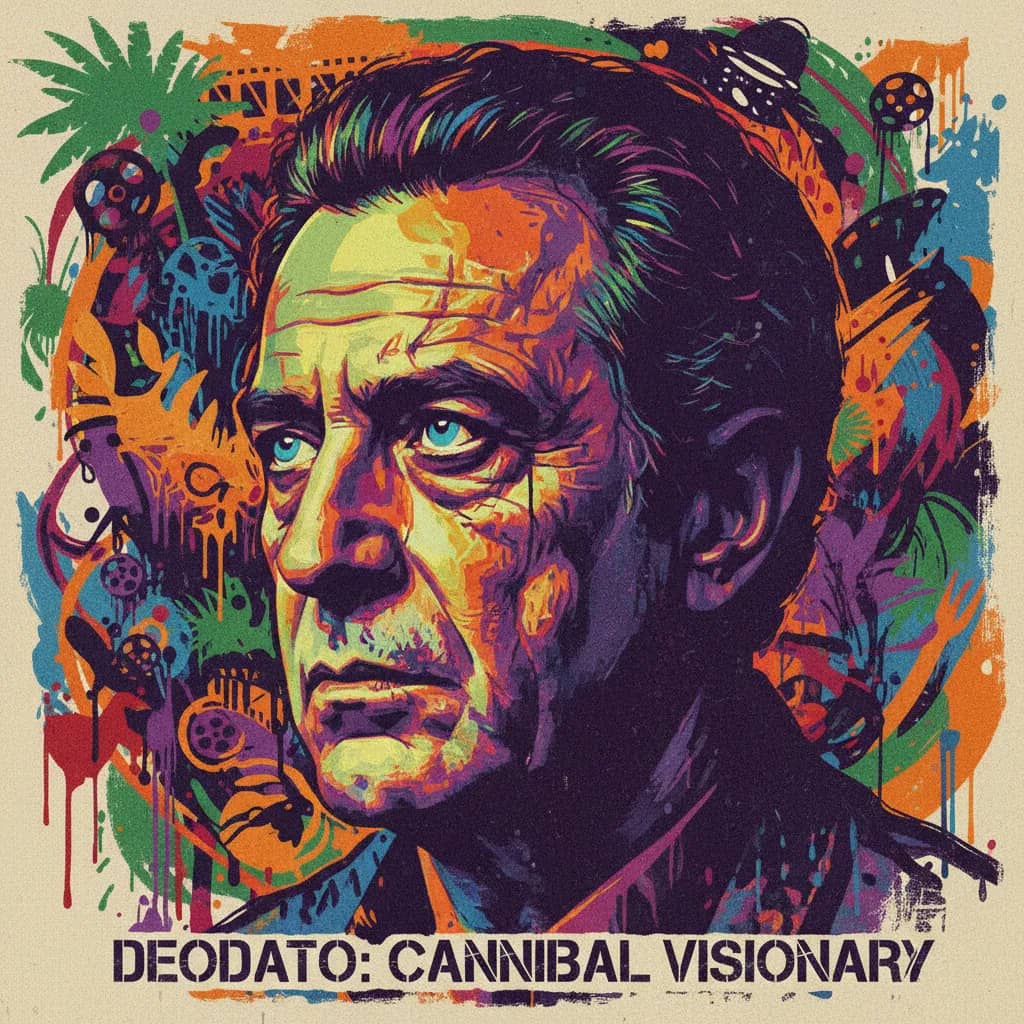
Ruggero Deodato is an Italian film director known for his provocative and controversial work in the horror and exploitation genres. His most infamous film, "Cannibal Holocaust" (1980), is a landmark in the horror genre, characterized by its graphic violence and realistic portrayal of cannibalism. Deodato's directorial style is often characterized by a raw and unflinching approach to storytelling, pushing the boundaries of what is acceptable on screen. His films often explore themes of violence, morality, and the dark side of human nature. Deodato's career began in the 1960s, and he gained recognition for his work in the "Mondo" documentary genre, which showcased sensationalistic and often taboo subject matter. However, it was "Cannibal Holocaust" that solidified his reputation as a controversial and influential filmmaker. The film's found-footage format and uncompromising depiction of brutality sparked widespread debate about the ethics of violence in cinema, leading to its banning in several countries. Despite its notoriety, "Cannibal Holocaust" has also been praised for its social commentary and critique of media sensationalism. Beyond "Cannibal Holocaust," Deodato's filmography includes other notable works such as "The House on the Edge of the Park" (1980) and "Cut and Run" (1985), which further solidified his status as a director unafraid to push boundaries and challenge audiences. His impact on cinema can be seen in the enduring controversy and influence of "Cannibal Holocaust," which has inspired numerous filmmakers and remains a touchstone for extreme horror cinema. In summary, Ruggero Deodato is a filmmaker who has left an indelible mark on the horror genre, known for his uncompromising vision and willingness to tackle taboo subjects. While his work has courted controversy, it has also sparked important conversations about the depiction of violence in cinema and the responsibilities of filmmakers. Deodato's legacy in the industry is one of provocation and boundary-pushing, making him a director whose impact continues to be felt in the world of extreme cinema.
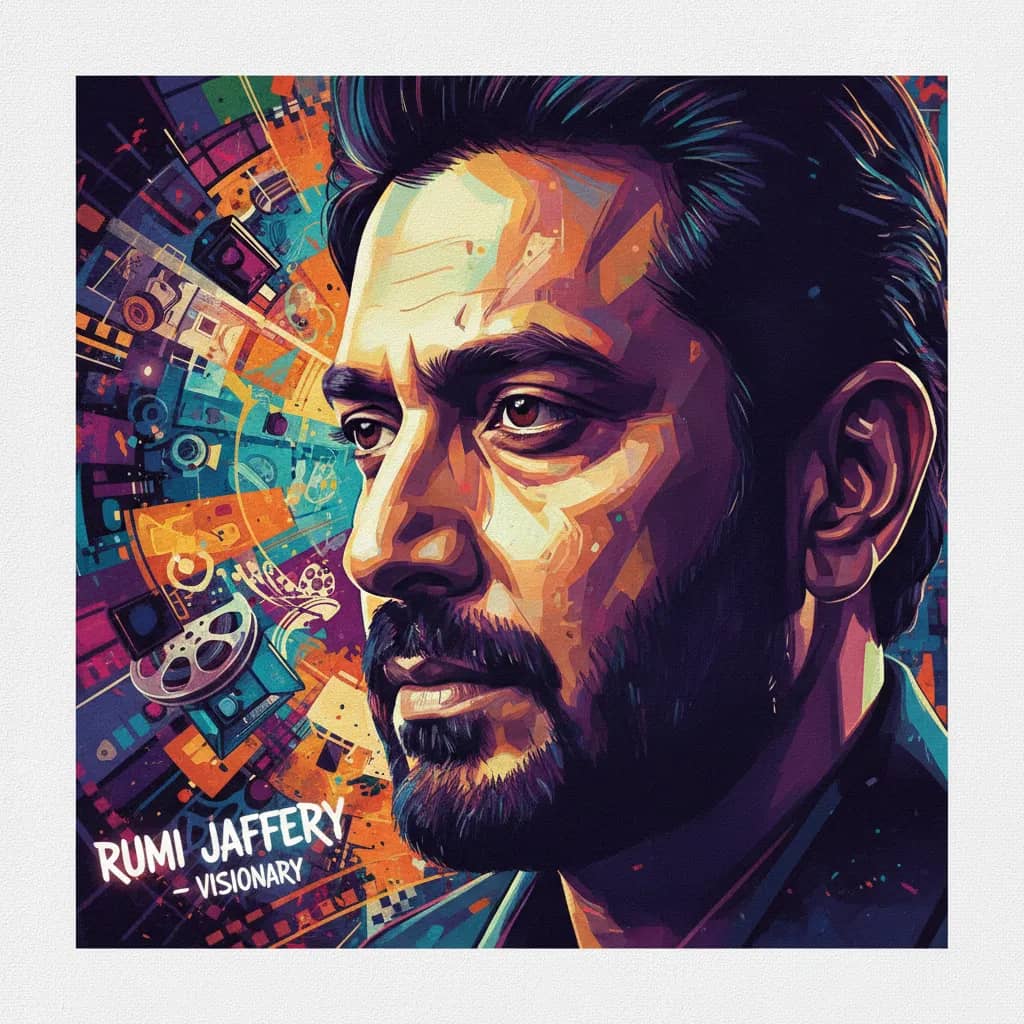
Rumi Jaffery
Rumi Jaffery is a talented Indian film director known for his work in the Bollywood industry. With a career spanning several decades, Jaffery has made a significant impact on Indian cinema through his unique directorial style and compelling storytelling. His notable film "Chehre" (2021) is a captivating drama, mystery, and thriller that showcases his ability to craft engaging narratives with a touch of suspense and intrigue. Jaffery's directorial style is characterized by his skillful blend of gripping storytelling, strong character development, and a keen eye for detail. He has a knack for creating compelling narratives that keep audiences on the edge of their seats, making them emotionally invested in the characters and their journeys. "Chehre" exemplifies his ability to masterfully weave together elements of drama, mystery, and thriller, creating a cinematic experience that leaves a lasting impression on viewers. Throughout his career, Jaffery has explored recurring themes such as human emotions, morality, and the complexities of interpersonal relationships. His films often delve into the depths of human psychology, presenting thought-provoking narratives that resonate with audiences on a profound level. Jaffery's ability to infuse his storytelling with such depth and complexity sets him apart as a director with a unique vision and a deep understanding of the human experience. Jaffery's impact on Indian cinema is undeniable, as he continues to push boundaries and challenge traditional storytelling conventions. His directorial prowess and dedication to crafting compelling narratives have earned him a dedicated following and solidified his reputation as a visionary director in the Bollywood industry. With "Chehre" and his other notable works, Jaffery has left an indelible mark on Indian cinema, cementing his status as a director to watch in the ever-evolving landscape of filmmaking.
Rupert Goold
Rupert Goold is a highly acclaimed British film and theatre director known for his visually arresting storytelling and unique directorial style. With a background in both stage and screen, Goold has made a significant impact on the entertainment industry through his thought-provoking narratives and visually striking compositions. His notable films include "True Story" (2015) and "Judy" (2019), both of which showcase his ability to delve into the lives of complex characters and bring their stories to life on the big screen. In "True Story," Goold masterfully blends elements of biography, crime, and drama to create a captivating narrative that keeps audiences on the edge of their seats. His meticulous attention to detail and ability to draw out powerful performances from his cast make this film a standout in his directorial career. In "Judy," Goold's directorial prowess shines through as he brings the tumultuous life of legendary actress and singer Judy Garland to the forefront, capturing the essence of her struggles and triumphs with a poignant and emotive touch. A recurring theme in Goold's work is his exploration of the human psyche and the complexities of the human experience. He has a keen eye for portraying the emotional depth of his characters, often delving into their inner turmoil and vulnerabilities. This intimate approach to storytelling has resonated with audiences and critics alike, solidifying Goold's reputation as a director with a profound understanding of the human condition. Goold's impact on cinema is evident through his ability to seamlessly transition between stage and screen, bringing a fresh perspective to each medium. His visually stunning compositions and nuanced storytelling have left an indelible mark on the film industry, inspiring a new generation of filmmakers to push the boundaries of traditional storytelling. As Rupert Goold continues to push the boundaries of cinematic storytelling, audiences can eagerly anticipate his future projects, knowing that each new film will offer a thought-provoking and visually captivating journey into the human experience. With his unique vision and directorial prowess, Goold is undoubtedly a force to be reckoned with in the world of film.
Rupert Sanders
Rupert Sanders is a visionary film director known for his visually stunning and thought-provoking works. He made his directorial debut with the epic fantasy film "Snow White and the Huntsman" in 2012, a reimagining of the classic fairy tale that showcased his knack for creating breathtaking, otherworldly visuals. The film's success catapulted Sanders into the spotlight and established him as a director to watch in the industry. His ability to blend action, adventure, and drama seamlessly was evident in this film, showcasing his directorial style of creating immersive and visually captivating cinematic experiences. In 2017, Sanders ventured into the realm of science fiction with "Ghost in the Shell," a live-action adaptation of the iconic Japanese manga. The film delved into themes of identity, technology, and the nature of humanity, marking a departure from his previous work while retaining his signature visual flair. Sanders' keen eye for striking visuals and his skillful direction of action sequences were on full display in this ambitious project, cementing his reputation as a versatile director capable of tackling diverse genres with finesse. Sanders' directorial style is characterized by his ability to infuse fantastical worlds with a sense of gritty realism and emotional depth, allowing audiences to immerse themselves in his meticulously crafted universes. His films often explore themes of empowerment, resilience, and the human spirit, resonating with audiences on a profound level. Sanders' impact on cinema lies in his ability to push the boundaries of visual storytelling, creating cinematic experiences that linger in the minds of viewers long after the credits roll. With a keen understanding of cinematic storytelling and a penchant for pushing visual boundaries, Rupert Sanders continues to captivate audiences with his unique directorial vision. His ability to breathe fresh life into familiar narratives and his dedication to crafting visually arresting spectacles have solidified his status as a director who leaves an indelible mark on the world of film. As he continues to evolve and expand his creative horizons, audiences eagerly anticipate the next cinematic marvel that will emerge from the visionary mind of Rupert Sanders. In conclusion, Rupert Sanders' filmography, including "Snow White and the Huntsman" and "Ghost in the Shell," showcases his remarkable directorial talent and his ability to create visually captivating and thematically rich cinematic experiences. His distinct visual style, coupled with his adept handling of diverse genres, has established him as a director with a unique vision and a lasting impact on the world of cinema.
Rupert Wainwright
Rupert Wainwright is a versatile film director known for his ability to seamlessly navigate across different genres with a distinct directorial style. His career in the film industry spans over several decades, and he has left an indelible mark with his unique vision and storytelling prowess. Wainwright has demonstrated a keen eye for blending genres and captivating audiences with his compelling narratives and visually striking compositions. One of Wainwright's notable works is the 1994 film "Blank Check," a comedy-crime-family film that showcased his ability to infuse humor with heartwarming storytelling. The film resonated with audiences and showcased Wainwright's knack for creating engaging and entertaining content for a wide range of viewers. His directorial style in "Blank Check" highlighted his adeptness at balancing comedic elements with genuine emotional depth, setting the stage for his future directorial endeavors. In 1999, Wainwright ventured into the horror-mystery genre with "Stigmata," a film that further solidified his reputation as a versatile director. "Stigmata" captivated audiences with its intense and atmospheric storytelling, showcasing Wainwright's ability to evoke a sense of dread and intrigue through his directorial choices. The film's success further underscored Wainwright's ability to leave a lasting impact across diverse genres, earning him recognition for his directorial versatility. Wainwright's directorial style often incorporates a sense of visual flair, immersing viewers in rich and evocative cinematic experiences. His films often explore themes of identity, spirituality, and the human experience, delving into the depths of human emotion and psyche. Wainwright's impactful contributions to cinema have cemented his legacy as a director capable of crafting compelling narratives that resonate with audiences on a profound level. With a career marked by an eclectic range of directorial achievements, Rupert Wainwright continues to be celebrated for his ability to traverse genres and deliver captivating storytelling experiences. His unique vision and directorial prowess have left an enduring impression on the film industry, solidifying his status as a director whose work transcends boundaries and resonates with audiences across the globe.
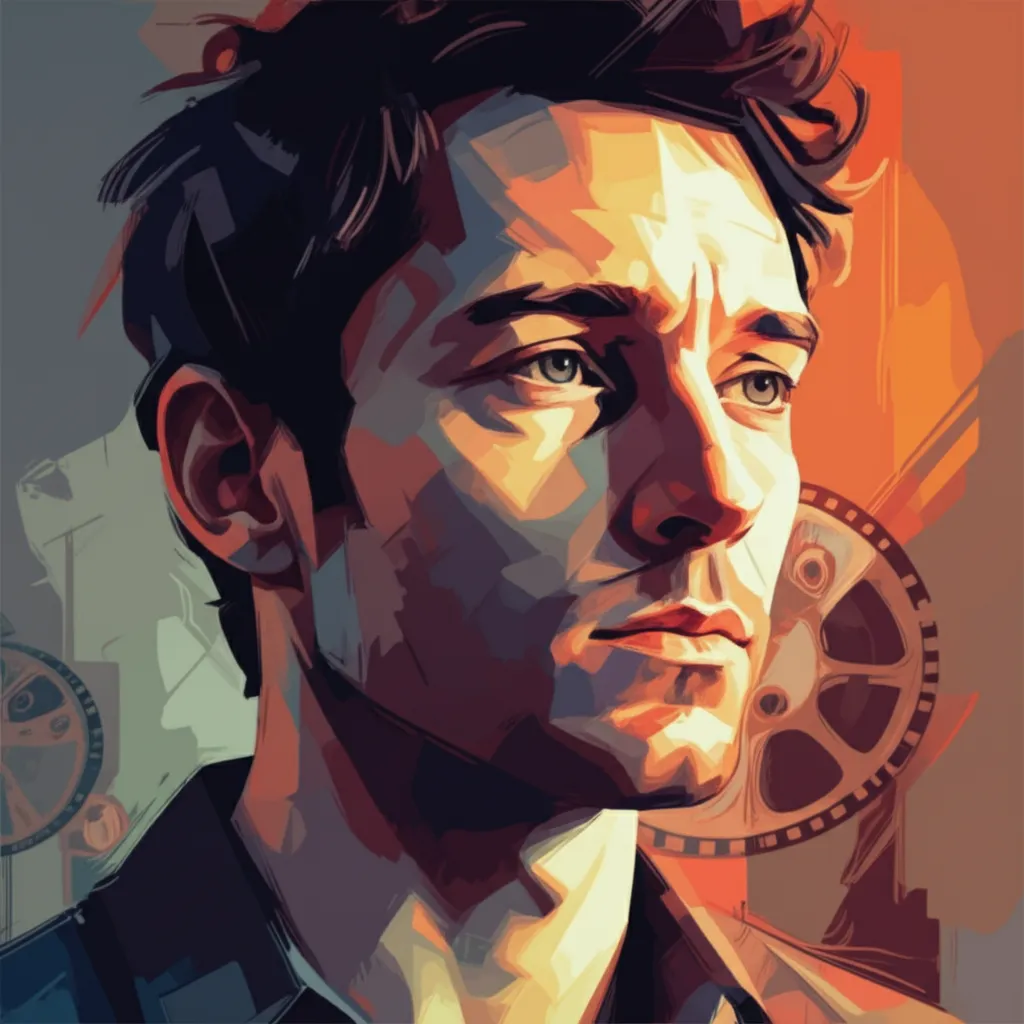
Rupert Wyatt
Rupert Wyatt is a visionary film director known for his captivating storytelling, visually stunning cinematography, and thought-provoking narratives. With a diverse range of films under his belt, Wyatt has established himself as a versatile director with a keen eye for creating immersive cinematic experiences. One of Wyatt's most notable works is "Rise of the Planet of the Apes" (2011), a groundbreaking action-packed sci-fi drama that reinvigorated the iconic franchise. His adept direction brought a fresh perspective to the beloved series, seamlessly blending heart-pounding action with compelling character development. The film's success solidified Wyatt's reputation as a director capable of delivering both critical acclaim and box office success. In "Captive State" (2019), Wyatt delved into the realm of action and horror, once again showcasing his knack for crafting gripping narratives within the sci-fi genre. The film's intense atmosphere and striking visuals underscored Wyatt's ability to transport audiences into dystopian worlds while exploring complex themes of resistance and survival. Wyatt's directorial prowess extends beyond the realm of sci-fi, as evidenced in "The Gambler" (2014) and "The Escapist" (2008). In these crime and drama-driven films, Wyatt demonstrated his versatility by delving into the psychology of characters and creating tension-filled narratives that kept audiences on the edge of their seats. Throughout his career, Wyatt has exhibited a penchant for exploring themes of societal upheaval, the resilience of the human spirit, and the consequences of power. His unique vision and ability to infuse his films with emotional depth have left an indelible mark on cinema, earning him a dedicated following of fans and critical acclaim from industry peers. Rupert Wyatt's directorial style is characterized by his ability to seamlessly blend genres, create immersive worlds, and elicit powerful performances from his cast. His contributions to film have not only entertained audiences but also sparked meaningful conversations about the human experience, making him a director to watch for captivating storytelling and visionary filmmaking.