Director Names Starting with P
Showing 37-48 out of 198
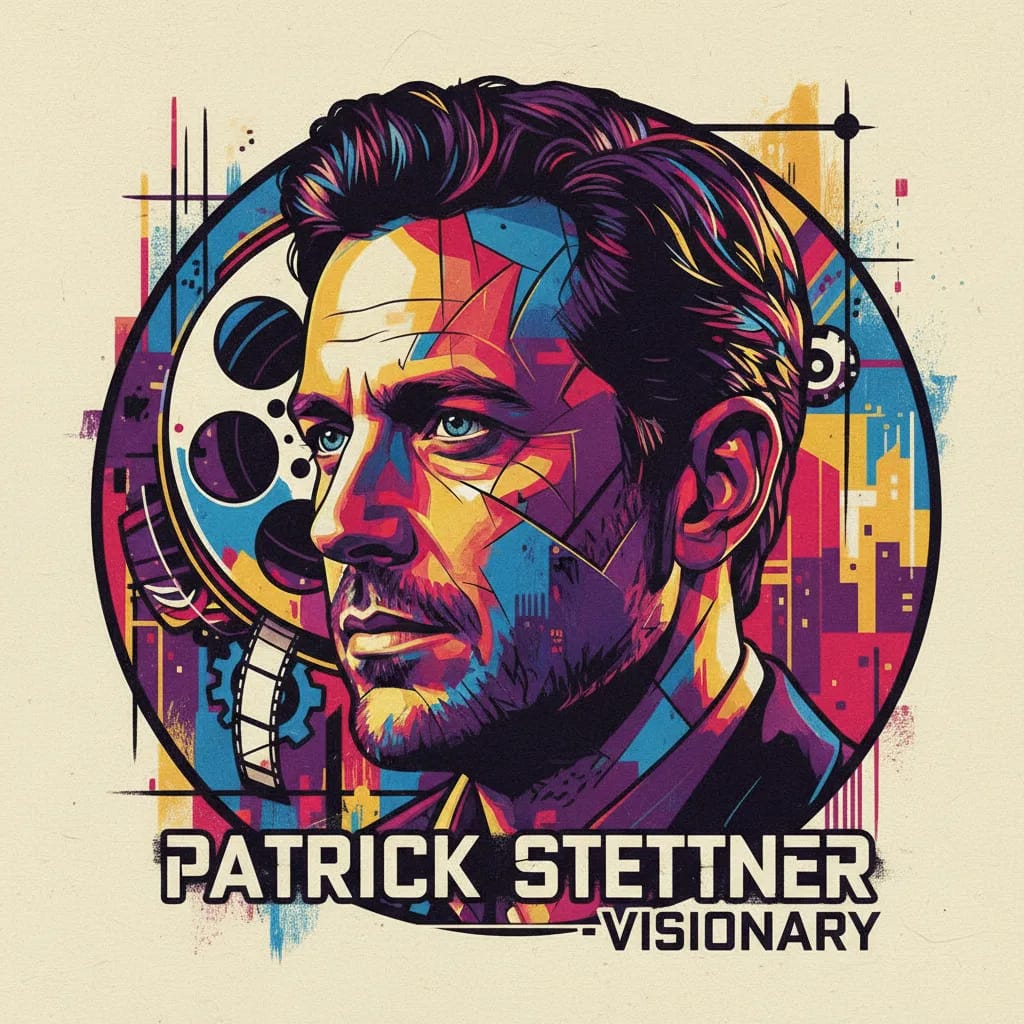
Patrick Stettner
Patrick Stettner is an American film director known for his unique vision and ability to delve into the psychological depths of his characters. His notable filmography includes the 2006 crime-drama-horror film "The Night Listener," which showcased his talent for blending suspense and psychological tension to create a haunting and thought-provoking cinematic experience. Stettner's directorial style is characterized by his meticulous attention to detail and his ability to create an atmosphere of unease and suspense. His films often explore the darker aspects of human nature, delving into themes of identity, obsession, and the blurred lines between reality and fiction. In "The Night Listener," Stettner masterfully crafted a gripping narrative that kept audiences on the edge of their seats while delving into the complexities of trust and deception. "The Night Listener" stands as a testament to Stettner's impact on cinema, as he fearlessly explores the human psyche and challenges audiences to confront uncomfortable truths. His ability to create an atmosphere of psychological unease and his skillful handling of complex characters have solidified his reputation as a director who is unafraid to push the boundaries of storytelling. Stettner's contribution to the film industry lies in his ability to craft compelling narratives that transcend traditional genre boundaries. His films resonate with audiences on a deeply emotional level, leaving a lasting impression and sparking introspective conversations long after the credits roll. With a keen eye for detail and a talent for building tension, Patrick Stettner continues to captivate audiences with his unique directorial vision and thought-provoking storytelling.

Patrick Tatopoulos
Patrick Tatopoulos is a visionary filmmaker known for his work in the action, fantasy, and thriller genres. With a career spanning over three decades, Tatopoulos has made a significant impact on cinema through his distinct directorial style and innovative storytelling techniques. One of his most noteworthy directorial credits is "Underworld: Rise of the Lycans" (2009), a gripping installment in the popular Underworld franchise. Tatopoulos' directorial style is characterized by his ability to seamlessly blend intense action sequences with elements of fantasy and suspense, captivating audiences with his visually stunning storytelling. His keen eye for intricate world-building and attention to detail has set him apart as a director with a unique vision that resonates with viewers. In "Underworld: Rise of the Lycans," Tatopoulos expertly crafts a dark and immersive world, bringing to life the epic battle between vampires and werewolves with a fresh and exhilarating approach. Throughout his career, Tatopoulos has demonstrated a penchant for exploring themes of power struggles, loyalty, and the supernatural, often delving into the complexities of the human psyche within the context of otherworldly environments. His films are known for their bold and imaginative storytelling, as well as their ability to transport audiences into fantastical realms that push the boundaries of traditional genre conventions. Tatopoulos' impact on cinema extends beyond his directorial prowess, as he has also made significant contributions as a renowned production designer and visual effects artist. His multidisciplinary expertise has allowed him to create immersive cinematic experiences that resonate with audiences on a profound level. With a reputation for pushing creative boundaries and delivering exhilarating narratives, Tatopoulos continues to be a driving force in the world of action, fantasy, and thriller filmmaking, leaving an indelible mark on the industry with each new project.

Patton Oswalt
Patton Oswalt is a multi-talented artist renowned for his work as a stand-up comedian, actor, and voice artist, but his directorial debut with "The Secret Life of Pets 2" in 2019 established him as a formidable force in the animation genre. Oswalt's directorial style is characterized by his keen sense of humor and ability to infuse heartwarming narratives with a touch of irreverence. His comedic sensibilities shine through in his directorial work, as he expertly balances laugh-out-loud moments with poignant storytelling. "The Secret Life of Pets 2" is a prime example of Oswalt's directorial prowess, as he skillfully brought to life the beloved characters from the original film while introducing new and endearing additions to the ensemble. The film is a delightful blend of animation, adventure, and comedy, showcasing Oswalt's ability to appeal to audiences of all ages. His directorial debut was met with critical acclaim, solidifying his status as a director to watch in the animation industry. Oswalt's directorial contributions extend beyond his individual projects, as he has made a significant impact on the animation landscape by infusing it with fresh perspectives and a distinct comedic voice. His work reflects a deep understanding of the nuances of storytelling and character development, resonating with audiences on a profound level. With "The Secret Life of Pets 2," Oswalt has proven himself to be a versatile director capable of delivering captivating and entertaining narratives that leave a lasting impression. In the realm of animation, Patton Oswalt stands out as a visionary director whose unique vision and comedic flair have left an indelible mark on the genre. His directorial debut with "The Secret Life of Pets 2" showcased his ability to craft compelling stories that resonate with audiences worldwide. As he continues to expand his directorial portfolio, Oswalt's influence on cinema is sure to endure, shaping the future of animated storytelling with his unparalleled creativity and comedic genius.

Patty Jenkins
Patty Jenkins is a visionary director renowned for her impactful storytelling and visually stunning films. Her directorial style is characterized by a compelling blend of action, adventure, and fantasy, which is evident in her notable works such as "Wonder Woman" (2017) and its sequel "Wonder Woman 1984" (2020). Jenkins' ability to infuse her films with strong, empowering female characters and captivating narratives has solidified her reputation as a trailblazer in the male-dominated superhero genre. Jenkins' directorial journey gained momentum with the release of "Monster" (2003), a gripping biographical crime drama that garnered widespread acclaim. The film not only showcased Jenkins' proficiency in delving into complex human stories but also marked her as a filmmaker unafraid to explore the darker aspects of the human psyche. Her ability to humanize characters and depict their struggles with empathy has been a recurring theme throughout her filmography, earning her praise for her emotionally resonant storytelling. Jenkins' impact on cinema extends beyond her directorial prowess, as she has played a pivotal role in reshaping the landscape of superhero films. With "Wonder Woman," she shattered box office records and shattered stereotypes, delivering a groundbreaking, female-led superhero narrative that resonated with audiences worldwide. Her commitment to crafting narratives that transcend gender barriers has not only elevated the representation of women in film but has also set a new standard for inclusivity and diversity in the genre. In conclusion, Patty Jenkins' unique vision and contributions to film have solidified her status as an influential director in the industry. Her ability to blend captivating storytelling with visually stunning spectacles has left an indelible mark on cinema. With her empowering portrayals of female protagonists and her unflinching exploration of human experiences, Jenkins continues to inspire audiences and fellow filmmakers alike, leaving an enduring legacy in the world of cinema.

Paul Abascal
Paul Abascal is an accomplished film director known for his work in the action, crime, and drama genres. His most notable film is "Paparazzi" (2004), which showcases his distinctive directorial style and storytelling prowess. Abascal's directorial approach often incorporates intense action sequences, compelling crime narratives, and intricate character dynamics, capturing the audience's attention with his visually arresting scenes and emotionally resonant storytelling. In "Paparazzi," Abascal demonstrates his ability to craft a gripping and suspenseful narrative, delving into the darker side of celebrity culture and the consequences of invasive paparazzi behavior. The film's intense action sequences and dynamic camerawork underscore Abascal's keen eye for visual storytelling, creating a riveting cinematic experience for audiences. Throughout his career, Abascal has explored recurring themes such as the pursuit of justice, the complexities of human morality, and the repercussions of unchecked power. His films often delve into the psychological and emotional depths of his characters, offering audiences a compelling and thought-provoking exploration of the human experience. Abascal's impact on cinema lies in his ability to infuse his films with a distinct visual style and an engaging narrative that resonates with audiences. His directorial vision has left a lasting impression on the action and crime genres, showcasing his talent for crafting compelling stories that captivate and entertain viewers. Overall, Paul Abascal's directorial career is defined by his ability to create emotionally charged and visually stunning films that leave a lasting impact on audiences. With "Paparazzi" as a standout example of his directorial prowess, Abascal has solidified his place as a respected filmmaker in the industry, and his contributions continue to shape the landscape of cinema. SEO Keywords: Paul Abascal, film director, Paparazzi, action, crime, drama, directorial style, storytelling, visual storytelling, cinematic experience, recurring themes, impact on cinema.

Paul Andrew Williams
Paul Andrew Williams is a British filmmaker known for his distinct blend of comedy, crime, and horror elements in his works. His standout film, "The Cottage" (2008), exemplifies his directorial style, seamlessly merging genres to create a gripping and entertaining experience for audiences. Throughout his career, Williams has consistently demonstrated a knack for crafting darkly humorous narratives that delve into the complexities of human nature, often punctuated with moments of intense suspense and terror. "The Cottage" represents a pivotal moment in Williams' career, showcasing his ability to infuse horror with comedic elements while maintaining a taut and thrilling storyline. The film's success solidified Williams' reputation as a director with a unique vision, capable of delivering genre-bending narratives that resonate with diverse audiences. His directorial approach often incorporates a keen understanding of character dynamics and interpersonal relationships, adding depth to the thrilling scenarios he constructs on screen. Williams' filmography reflects a recurring theme of exploring the darker facets of human behavior within the framework of genre storytelling. His films often confront audiences with morally ambiguous characters and situations, challenging traditional genre conventions and offering a fresh perspective on familiar themes. Through his work, Williams has made a lasting impact on cinema by pushing boundaries and redefining genre expectations, earning recognition for his ability to infuse depth and substance into genre films. In the realm of horror, comedy, and crime cinema, Paul Andrew Williams stands as a directorial force, consistently delivering films that captivate and surprise audiences. His unique blend of genres, coupled with a keen understanding of human nature, has established him as a filmmaker with a distinct voice in the industry. As he continues to push the boundaries of genre storytelling, Williams' contributions to film serve as a testament to his ability to create immersive and compelling narratives that leave a lasting impression on viewers.

Paul Bartel
Paul Bartel was an American director known for his unique blend of dark humor and social commentary in his films. His career took off with the cult classic "Death Race 2000" (1975), a satirical action-comedy set in a dystopian future where drivers compete in a deadly cross-country race. Bartel's directorial style in this film showcased his knack for mixing over-the-top violence with biting satire, making it a standout in the exploitation genre. Bartel's directorial career was marked by a subversive and satirical approach to filmmaking. He often explored themes of consumerism, societal taboos, and the absurdity of human nature. His films were characterized by their dark humor and unconventional narratives, often challenging traditional storytelling conventions. "Death Race 2000" remains Bartel's most influential work, leaving a lasting impact on the action and sci-fi genres. The film's biting social commentary and unapologetic approach to violence set it apart and solidified Bartel's reputation as a filmmaker unafraid to push boundaries. His distinct directorial style and willingness to tackle controversial subject matter made him a trailblazer in the exploitation film movement of the 1970s. Bartel's legacy continues to influence filmmakers and audiences, with "Death Race 2000" standing as a testament to his visionary approach to storytelling. His willingness to challenge societal norms and explore the darker aspects of human behavior cemented his status as a director unafraid to provoke and entertain simultaneously. Despite his relatively small directorial output, Bartel's impact on cinema is undeniable, and his work continues to be celebrated by fans of cult cinema and exploitation films.

Paul Brickman
Paul Brickman is an American film director best known for his work on the iconic 1983 film "Risky Business." Brickman's directorial style is characterized by his ability to blend comedy, crime, and drama seamlessly, creating a unique and compelling cinematic experience. His attention to detail, sharp wit, and knack for capturing the nuances of human behavior have solidified his reputation as a visionary director. "Risky Business" marked Brickman's directorial debut and immediately established him as a talent to watch in the industry. The film, starring Tom Cruise, became a cultural phenomenon and remains a classic in the coming-of-age genre. Brickman's ability to infuse humor and depth into his storytelling, combined with his keen understanding of character dynamics, made "Risky Business" a standout in 1980s cinema. Throughout his career, Brickman has demonstrated a penchant for exploring themes of ambition, youth, and the complexities of modern life. His films often delve into the inner workings of society, offering incisive commentary on human nature and the pursuit of success. "Risky Business" exemplifies this, as Brickman artfully navigates the protagonist's journey from innocence to maturity against the backdrop of a morally ambiguous world. Brickman's impact on cinema extends beyond his directorial achievements, as his work continues to inspire filmmakers and audiences alike. His ability to craft narratives that resonate with universal truths while maintaining a distinct directorial voice sets him apart as a true auteur. As the director behind one of the most influential films of the 1980s, Brickman's contributions to the industry are indelible, and his legacy as a visionary filmmaker endures. In conclusion, Paul Brickman's career as a film director has been defined by his ability to create compelling narratives that transcend genre boundaries and resonate with audiences on a profound level. With "Risky Business," Brickman cemented his status as a director with a unique vision and a keen understanding of storytelling. His impact on cinema is undeniable, and his work continues to be celebrated for its timeless relevance and enduring influence.

Paul Briggs
Paul Briggs is a highly esteemed film director best known for his exceptional work in animation, particularly for his directorial role in the critically acclaimed film "Raya and the Last Dragon" (2021). With a career deeply rooted in the animation industry, Briggs has made significant contributions to the genre, demonstrating his unique directorial style and vision. Briggs' directorial style is characterized by his ability to infuse captivating storytelling with visually stunning animation. His keen attention to detail and a deep understanding of character development are evident in his work, as he brings to life compelling narratives that resonate with audiences of all ages. "Raya and the Last Dragon" serves as a testament to Briggs' directorial prowess, as the film seamlessly blends action, adventure, and heartfelt storytelling, showcasing his ability to create a visually immersive cinematic experience. Notable for his commitment to portraying strong, resilient protagonists and exploring themes of unity, friendship, and bravery, Briggs' films often resonate on a deeply emotional level. His directorial contributions have left an indelible mark on the animation landscape, inspiring and influencing a new generation of filmmakers and animators. Briggs' impact on cinema extends beyond his directorial achievements, as he has played a pivotal role in shaping the creative direction of several iconic animated films. His collaborative approach and dedication to storytelling have garnered widespread acclaim, solidifying his position as a visionary director in the animation industry. Overall, Paul Briggs' directorial career is marked by his exceptional talent, innovative storytelling, and unwavering commitment to pushing the boundaries of animation. As he continues to make his mark on the industry, Briggs' influence will undoubtedly continue to shape the landscape of animated cinema for years to come.

Paul Brizzi
Paul Brizzi is a renowned French film director known for his exceptional contributions to the world of animation. With a career spanning several decades, Brizzi has left an indelible mark on the industry, captivating audiences with his distinctive directorial style and visionary storytelling. His filmography boasts an impressive array of works, including the beloved animated classic "Fantasia 2000" (1999) and the delightful "Asterix Versus Caesar" (1985), showcasing his versatility in bringing enchanting tales to life on the silver screen. Brizzi's directorial style is characterized by a seamless blend of artistry, imagination, and technical prowess, elevating the medium of animation to new heights. His keen eye for detail and mastery of visual storytelling have set him apart as a trailblazer in the field, earning him accolades from both critics and audiences alike. Through his meticulous attention to animation, Brizzi has crafted immersive worlds that transport viewers to fantastical realms, evoking a sense of wonder and enchantment with each frame. Notable for his ability to infuse his films with timeless themes and universal appeal, Brizzi's work resonates with audiences of all ages. His storytelling prowess and penchant for creating rich, multi-layered narratives have cemented his status as a visionary director whose impact extends far beyond the confines of the animation genre. Whether exploring the boundless realms of fantasy or interweaving elements of adventure and comedy, Brizzi's films exude a sense of magic and charm that endears them to viewers across generations. Brizzi's enduring legacy lies in his ability to push the boundaries of animation, pioneering new techniques and pushing the medium to unprecedented levels of artistry. His influence on cinema is undeniable, as he continues to inspire a new generation of filmmakers and animation enthusiasts. With a career marked by unparalleled creativity and a commitment to storytelling excellence, Paul Brizzi stands as a luminary in the world of animation, leaving an indelible imprint on the cinematic landscape for years to come.

Paul Dano
Paul Dano made a remarkable directorial debut with the 2018 film "Wildlife," establishing himself as a talent to watch behind the camera. Dano's directorial style is marked by a keen attention to detail, nuanced character exploration, and evocative storytelling. His ability to capture the complexities of human emotions and relationships is a testament to his directorial prowess. "Wildlife" garnered critical acclaim for its poignant narrative, striking visuals, and compelling performances, showcasing Dano's adeptness at crafting immersive cinematic experiences. Dano's foray into directing adds another dimension to his already illustrious career as an actor, demonstrating his multifaceted talents within the film industry. His transition from in front of the camera to behind it has been seamless, and his directorial debut solidifies his status as a creative force in contemporary cinema. With "Wildlife," Dano has proven his ability to artfully depict the intricacies of human behavior and familial dynamics, earning recognition for his distinct directorial voice. Notable for its introspective narrative and atmospheric storytelling, "Wildlife" exemplifies Dano's penchant for delving into the emotional depths of his characters and the human experience. His directorial approach emphasizes authenticity and raw vulnerability, resonating with audiences on a profound level. Dano's directorial debut stands as a testament to his storytelling acumen and his capability to elicit powerful performances from his cast, firmly establishing him as a directorial talent to watch. Paul Dano's impact on cinema is underscored by his ability to infuse his directorial projects with thought-provoking themes and compelling storytelling. With "Wildlife," Dano has proven himself to be a visionary director with a distinct perspective, offering audiences a captivating exploration of human relationships and the intricacies of coming-of-age experiences. His directorial debut has left an indelible mark on the film landscape, setting the stage for a promising future behind the camera for this esteemed actor-turned-director.

Paul Demeyer
Paul Demeyer is a highly accomplished film director renowned for his exceptional work in the animation genre. With a career spanning several decades, Demeyer has left an indelible mark on the industry, with his unique directorial style and creative vision. He is best known for his directorial role in "Rugrats in Paris" (2000), a beloved animated film that seamlessly blends elements of adventure, comedy, and heartwarming storytelling. Demeyer's directorial style is characterized by his ability to infuse animated narratives with both humor and profound emotional depth, making his films appealing to audiences of all ages. His keen understanding of character development and storytelling has helped him create immersive cinematic experiences that resonate with viewers on a deeply personal level. "Rugrats in Paris" stands as a testament to Demeyer's directorial prowess, as he skillfully brought to life the beloved characters and their whimsical adventures, while also addressing universal themes of friendship, family, and the power of imagination. Throughout his career, Demeyer has demonstrated a remarkable knack for exploring recurring themes such as the resilience of the human spirit, the importance of camaraderie, and the transformative power of love. His films often showcase rich, vibrant visuals and meticulously crafted animation, cementing his reputation as a visionary director with an unwavering commitment to artistic excellence. In the realm of animation, Paul Demeyer's contributions to cinema have been nothing short of transformative. His ability to craft compelling narratives and breathe life into animated worlds has left an enduring impact on the industry, inspiring a new generation of filmmakers and captivating audiences worldwide. As a director, Demeyer's legacy is defined by his ability to transport viewers to enchanting realms and weave captivating stories that continue to stand the test of time. His work reflects a deep passion for storytelling and an unwavering dedication to pushing the boundaries of what animated cinema can achieve.