Director Names Starting with P
Showing 13-24 out of 198
Paolo Strippoli
Paolo Strippoli is an Italian film director known for his distinctive vision and impactful contributions to the horror and mystery genres. His notable work includes the 2021 film "A Classic Horror Story," which garnered widespread acclaim for its gripping narrative and visually striking storytelling. Strippoli's directorial style is characterized by a masterful blend of atmospheric tension, evocative visuals, and thought-provoking storytelling, establishing him as a formidable talent in the world of cinema. "A Classic Horror Story" stands as a testament to Strippoli's ability to seamlessly blend drama, horror, and mystery, captivating audiences with its spine-chilling narrative and immersive visual aesthetics. His directorial prowess shines through in the film's meticulous attention to detail and expertly crafted suspense, cementing his status as a director with a keen eye for eliciting visceral reactions from viewers. Throughout his career, Strippoli has demonstrated a penchant for exploring themes of fear, the supernatural, and the human psyche, infusing his films with a sense of unease and intrigue that resonates with audiences on a profound level. His unique approach to storytelling has made a lasting impact on the horror genre, inspiring a new wave of filmmakers to push the boundaries of conventional narrative and visual expression. Paolo Strippoli's directorial career continues to evolve, with his distinctive vision and innovative storytelling garnering widespread recognition and acclaim. As a visionary filmmaker, he remains dedicated to pushing the boundaries of cinematic storytelling, captivating audiences with his compelling narratives and unparalleled directorial flair. With each new project, Strippoli solidifies his standing as a director whose work transcends genre boundaries and leaves an indelible mark on the world of cinema.
Paolo Virzì
Paolo Virzì is an Italian film director known for his distinctive storytelling and insightful exploration of human nature. With a career spanning several decades, Virzì has established himself as a prominent figure in the world of cinema, earning critical acclaim and a dedicated audience. His filmography boasts a diverse range of works, with "Human Capital" (2013) standing out as a compelling crime drama that exemplifies his directorial prowess. Virzì's directorial style is characterized by a keen attention to detail and a nuanced approach to character development. His films often delve into the complexities of human relationships and societal issues, offering a poignant commentary on the human experience. "Human Capital" showcases Virzì's ability to craft a gripping narrative, weaving together multiple perspectives to create a compelling and thought-provoking storyline. The film's exploration of class dynamics and moral dilemmas underscores Virzì's skill in tackling weighty themes with finesse. Throughout his career, Virzì has demonstrated a penchant for delving into the darker aspects of human behavior, often portraying flawed and multi-dimensional characters with empathy and depth. His films frequently grapple with themes of ambition, morality, and the pursuit of success, offering a perceptive examination of the human psyche. "Human Capital" exemplifies Virzì's ability to confront challenging subject matter with a deft touch, drawing audiences into the intricacies of the human condition. Virzì's impact on cinema extends beyond his directorial achievements, as he has contributed to the enrichment of Italian cinema through his compelling storytelling and distinctive voice. His ability to infuse depth and authenticity into his characters has earned him widespread acclaim, solidifying his status as a visionary director with a unique perspective. As a masterful storyteller, Virzì continues to captivate audiences with his thought-provoking narratives and insightful exploration of the human experience, leaving an indelible mark on the world of cinema. In conclusion, Paolo Virzì's career as a film director has been defined by his ability to craft emotionally resonant narratives that offer profound insights into the human condition. With "Human Capital" serving as a standout example of his directorial prowess, Virzì has established himself as a formidable talent in the realm of cinema. His ability to tackle weighty themes with nuance and sensitivity has cemented his legacy as a director with a distinctive vision and a profound impact on the world of film.

Pa. Ranjith
Pa. Ranjith is a renowned Indian film director known for his unique storytelling and portrayal of social and political issues through the medium of cinema. With a distinct directorial style that combines gritty realism with compelling narratives, Ranjith has made a significant impact on the Indian film industry. His notable films include "Kabali" (2016) and "Sarpatta Parambarai" (2021), both of which have garnered critical acclaim and commercial success. Ranjith's directorial style is characterized by his ability to seamlessly blend action, drama, and social commentary. His films often delve into the lives of marginalized communities and shed light on their struggles, aspirations, and resilience. Ranjith's storytelling is marked by its raw and unapologetic portrayal of societal issues, challenging the status quo and advocating for social justice. "Kabali" (2016) marked a turning point in Ranjith's career, as he collaborated with superstar Rajinikanth to create a riveting action-crime drama that resonated with audiences across the globe. The film's exploration of themes such as identity, oppression, and redemption showcased Ranjith's ability to infuse commercial cinema with thought-provoking content. In "Sarpatta Parambarai" (2021), Ranjith delved into the world of sports and portrayed the intense and gritty subculture of boxing in 1970s North Chennai. The film received widespread praise for its authentic portrayal of the sport, powerful performances, and compelling storytelling. Ranjith's ability to bring to life the rich cultural tapestry of Chennai while addressing complex social issues further solidified his position as a visionary director. Pa. Ranjith's impact on Indian cinema extends beyond his directorial achievements. He has become a leading voice for social change within the industry, advocating for diversity, representation, and inclusivity in storytelling. His commitment to amplifying the voices of the underrepresented and addressing systemic inequalities has made him a trailblazer in the Indian film industry. Ranjith's work continues to inspire and provoke meaningful conversations, cementing his legacy as a director with a powerful and distinctive vision.
Parasuram
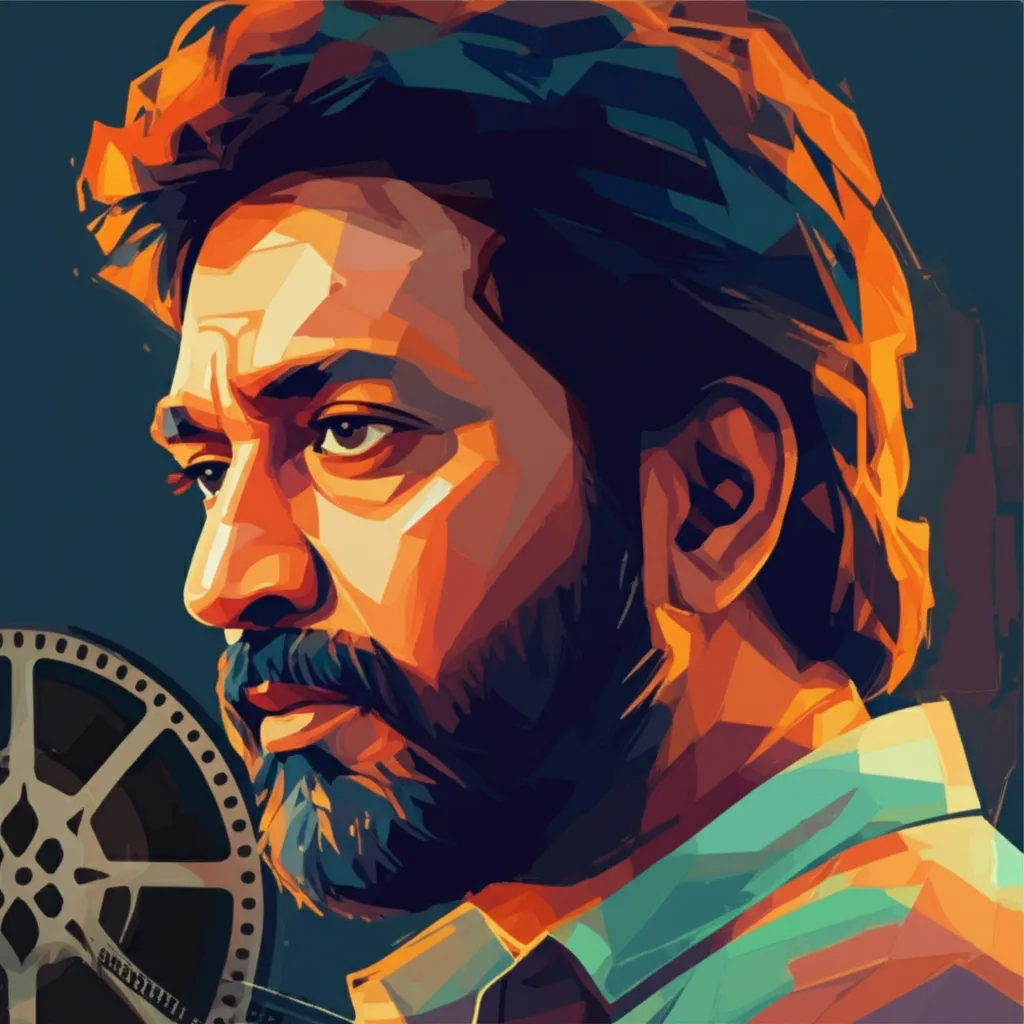
Parasuram is a talented Indian film director known for his exceptional storytelling and ability to seamlessly blend various genres in his work. With a career spanning several successful films, Parasuram has made a significant impact on Indian cinema. He is best known for his directorial ventures, including "Sarkaru Vaari Paata" (2022) and "Geetha Govindam" (2018), which have cemented his reputation as a versatile and innovative filmmaker. Parasuram's directorial style is characterized by his adeptness at infusing drama, romance, and comedy into his narratives, creating a captivating and entertaining viewing experience. His unique ability to balance multiple genres has garnered him a dedicated fan base and critical acclaim. Notably, "Geetha Govindam" stands out as a romantic comedy-drama that struck a chord with audiences, showcasing Parasuram's prowess in capturing the complexities of human relationships with humor and sensitivity. One of the recurring themes in Parasuram's work is his exploration of interpersonal relationships, often delving into the nuances of love, friendship, and familial bonds. His films are known for their relatable characters and heartfelt storytelling, making them resonate with a wide audience. Parasuram's distinct directorial vision has contributed to the evolution of Indian cinema, infusing it with fresh perspectives and engaging narratives. Parasuram's impact on the film industry extends beyond his individual projects, as he has influenced a new wave of filmmakers and inspired a shift towards more nuanced and multi-dimensional storytelling. His ability to craft compelling narratives that transcend traditional genre boundaries has solidified his status as a trailblazer in the industry. As he continues to push creative boundaries and captivate audiences with his visionary storytelling, Parasuram remains a prominent figure in contemporary Indian cinema.

Paris Barclay
Paris Barclay is a highly esteemed film and television director, renowned for his distinct creative vision and impactful contributions to the entertainment industry. With a career spanning over three decades, Barclay has showcased his versatility and directorial prowess across a wide array of genres, cementing his status as a multifaceted filmmaker. Barclay's directorial style is characterized by his ability to seamlessly blend elements of comedy, drama, and social commentary, resulting in thought-provoking and entertaining cinematic experiences. One of Barclay's most notable directorial achievements is the 1996 comedy-crime film "Don't Be a Menace to South Central While Drinking Your Juice in the Hood." This cult classic, which marked Barclay's feature film directorial debut, resonated with audiences for its sharp wit, satirical take on urban life, and memorable characters. Barclay's adept handling of comedic timing and nuanced storytelling in this film established him as a director with a keen understanding of human dynamics and societal issues. Throughout his career, Barclay has demonstrated a consistent commitment to exploring themes of identity, community, and the human experience. His keen ability to infuse his projects with emotional depth and authenticity has earned him widespread acclaim and a dedicated following. Whether navigating the complexities of race relations or delving into the intricacies of interpersonal relationships, Barclay's films resonate with audiences on a profound level, transcending mere entertainment to provoke introspection and meaningful discourse. Barclay's impact on cinema extends beyond his directorial achievements, as he has also been a trailblazer in championing diversity and inclusion in the industry. As an openly gay African American director, Barclay has been an influential advocate for underrepresented voices in film and television, using his platform to amplify marginalized perspectives and push for greater representation both in front of and behind the camera. His unwavering dedication to promoting inclusivity and authentic storytelling has left an indelible mark on the cinematic landscape, inspiring future generations of filmmakers to embrace diversity as a cornerstone of their artistic endeavors. In conclusion, Paris Barclay's directorial career is a testament to his exceptional talent, unwavering commitment to storytelling, and impactful advocacy for diversity in the entertainment industry. With a diverse body of work that continues to captivate and resonate with audiences, Barclay's influence as a director and cultural catalyst remains a vital force in shaping the cinematic landscape. Whether through his insightful social commentary, compelling narratives, or groundbreaking advocacy, Paris Barclay stands as a visionary director whose
Park Chan-wook
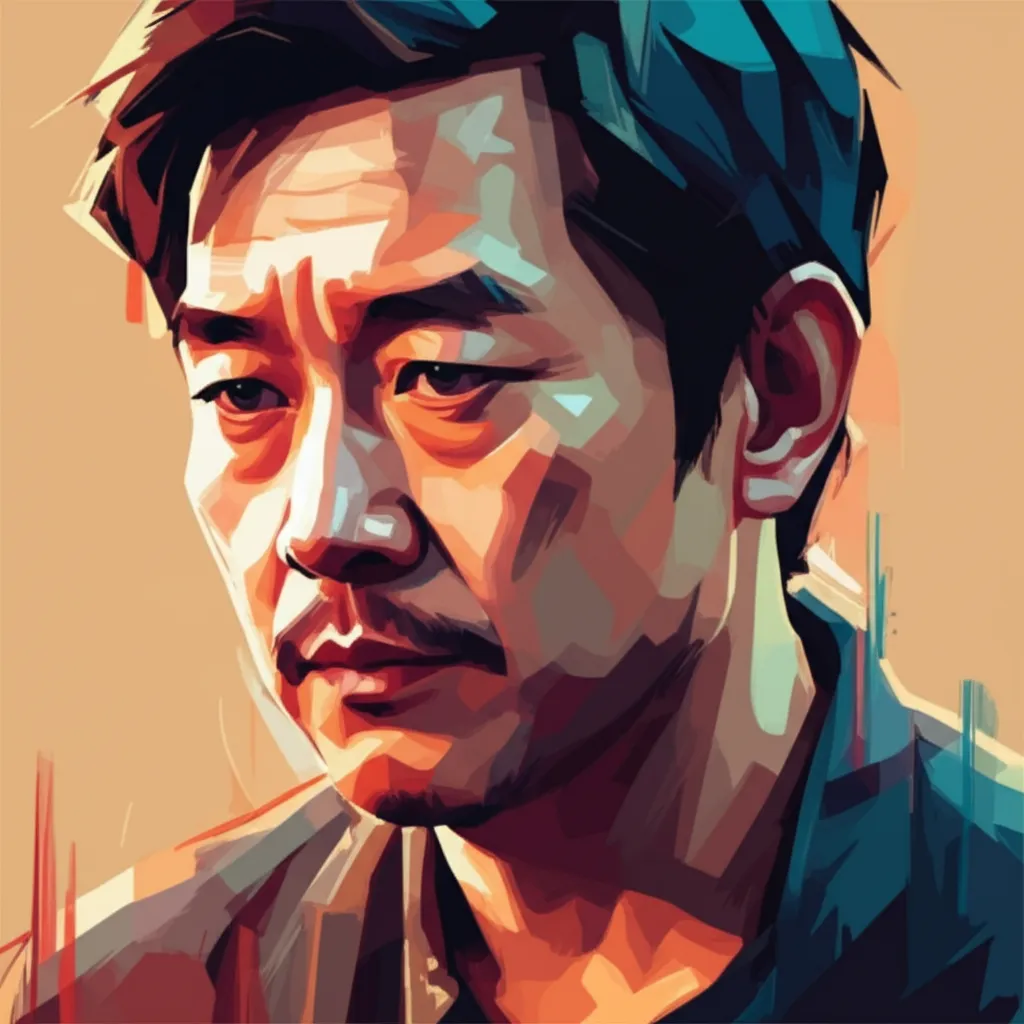
Park Chan-wook is a renowned South Korean film director known for his visually striking and emotionally intense storytelling. His directorial style is characterized by a meticulous attention to detail, bold visual compositions, and a penchant for exploring dark and morally complex themes. With a career spanning several decades, Park has left an indelible mark on the global film industry, influencing countless directors and captivating audiences with his unique cinematic vision. Park's filmography is a testament to his versatility and ability to seamlessly navigate various genres. Notable films in his repertoire include "Oldboy" (2003), a visceral and psychologically gripping thriller that garnered international acclaim and solidified Park's status as a master storyteller. "The Handmaiden" (2016) further showcased his prowess, with its sumptuous visuals and intricate narrative weaving a mesmerizing tale of love, betrayal, and empowerment in 1930s Korea. Recurring themes in Park's work center around the human condition, vengeance, and the complexities of morality. His films often delve into the darker aspects of human nature, presenting morally ambiguous characters and thought-provoking moral dilemmas. This thematic richness, combined with his meticulous visual style, has established Park as a director with a distinct and powerful voice in cinema. Park's impact on the film industry extends beyond his individual films. His influence has played a pivotal role in bringing South Korean cinema to the global stage, garnering widespread recognition and acclaim for the country's cinematic output. Additionally, his bold and uncompromising approach to storytelling has inspired a new generation of filmmakers to push the boundaries of conventional narrative and visual storytelling. In summary, Park Chan-wook's career is a testament to his unparalleled creativity, artistry, and ability to captivate audiences with his compelling storytelling. His films continue to resonate with viewers worldwide, and his legacy as a visionary director is firmly cemented in the annals of cinematic history.
Parker Finn
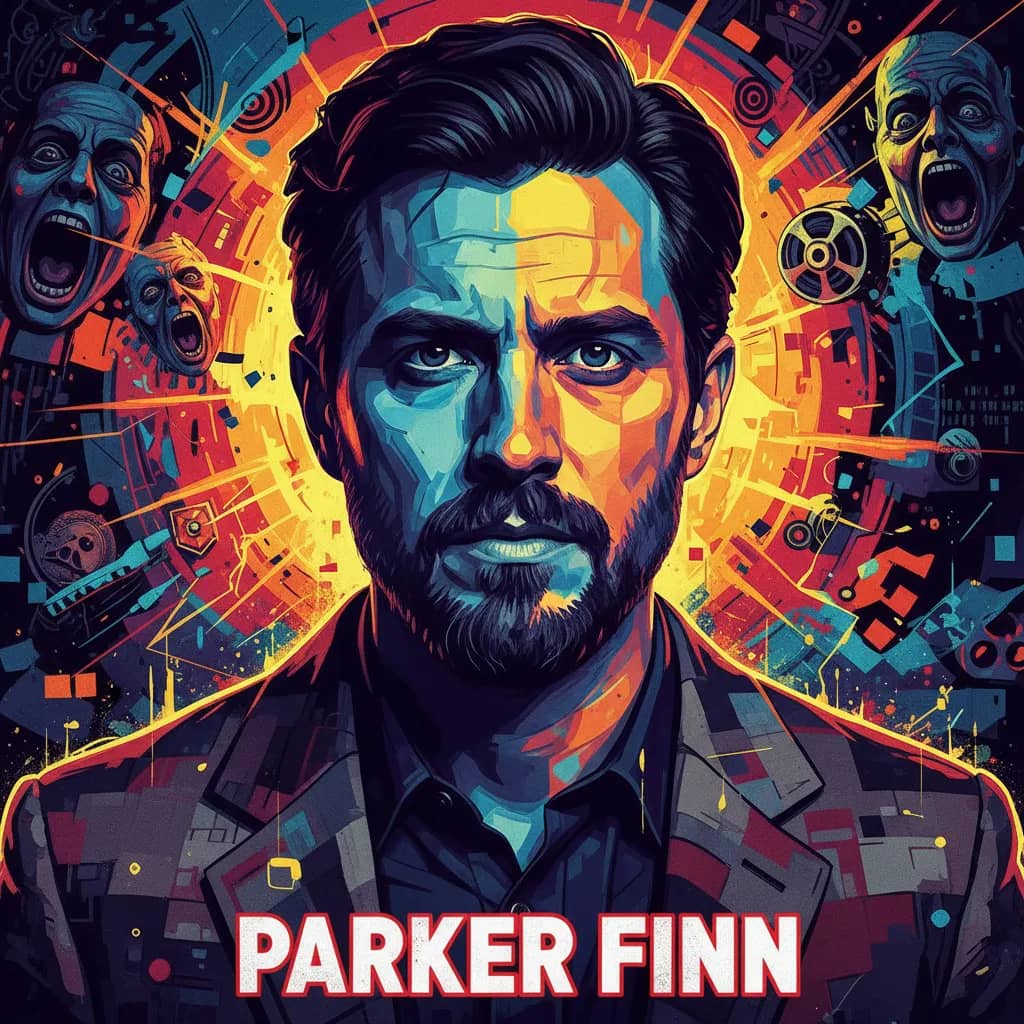
Parker Finn is a visionary film director known for his distinctive style and thought-provoking storytelling. With a career spanning several decades, Finn has made a lasting impact on the world of cinema. His directorial debut, "Smile" (2022), a gripping horror, mystery, and thriller, showcases his ability to create tension, evoke visceral reactions, and leave audiences on the edge of their seats. Finn's directorial style is characterized by his meticulous attention to detail, masterful use of suspense, and ability to delve into the darkest corners of the human psyche. He is renowned for his skill in crafting atmospheric and haunting visuals that linger long after the credits roll. "Smile" exemplifies Finn's penchant for creating immersive and spine-chilling cinematic experiences that defy genre conventions and resonate with viewers on a profound level. Throughout his career, Finn has explored recurring themes such as the complexities of human nature, the blurred lines between reality and illusion, and the unpredictable nature of fear. His films often delve into the psychological and emotional depths of his characters, inviting audiences to confront their deepest fears and anxieties. Finn's storytelling prowess and ability to create compelling narratives have solidified his reputation as a master of suspense and intrigue. "Parker Finn's directorial vision has left an indelible mark on the film industry, inspiring a new generation of filmmakers to push the boundaries of storytelling and visual storytelling. His ability to infuse his work with a palpable sense of unease and anticipation has cemented his status as a trailblazer in the realm of horror and thriller cinema. As audiences eagerly await Finn's next directorial endeavor, his legacy as a visionary filmmaker continues to captivate and enthrall cinephiles worldwide.
Park Hoon-jung
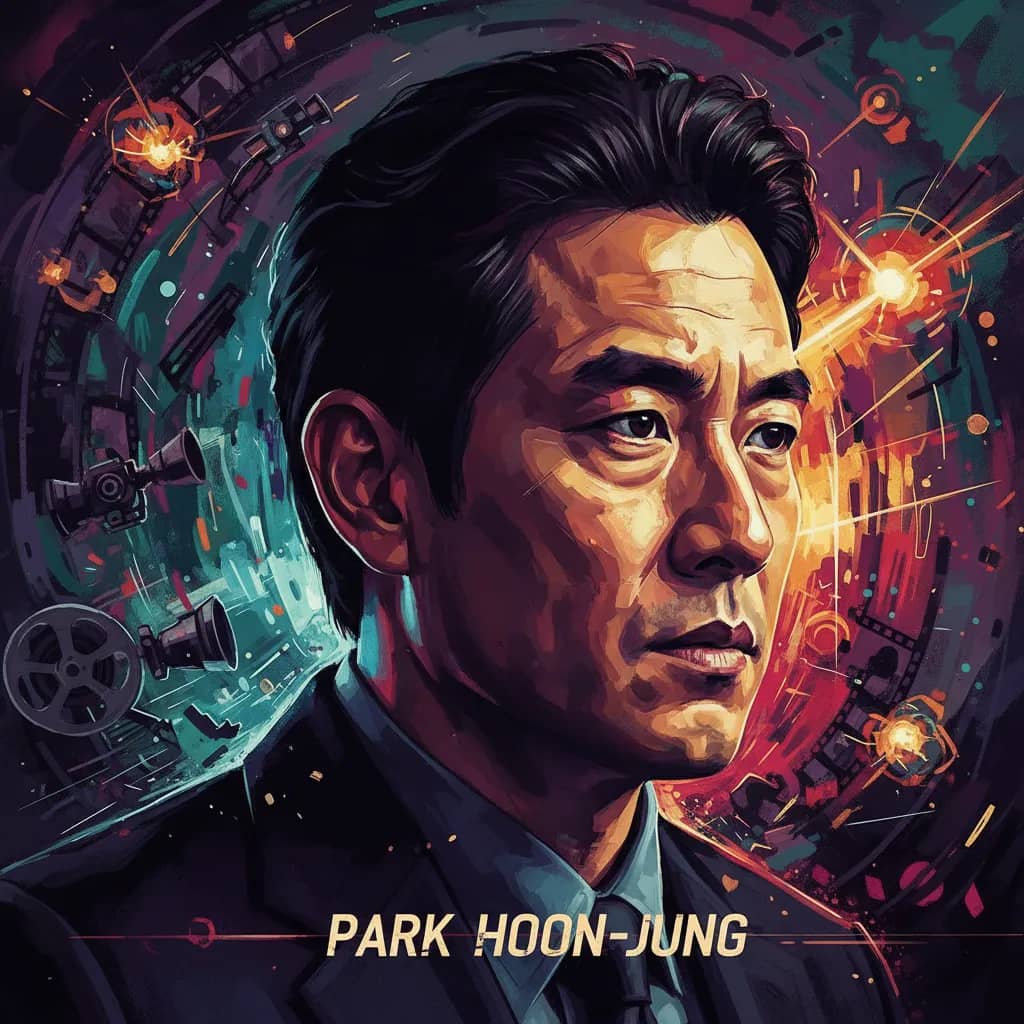
Park Hoon-jung is a South Korean film director known for his distinct blend of action, crime, and drama in his storytelling. With a keen eye for gripping narratives and intense character dynamics, Park has carved a niche for himself in the world of cinema. His notable works include "New World" (2013) and "The Witch: Part 1 - The Subversion" (2018), both of which have garnered critical acclaim for their compelling storytelling and masterful direction. Park's directorial style is characterized by its gritty realism and unflinching portrayal of the human condition. His films often delve into the complex dynamics of power, loyalty, and morality, immersing audiences in the seedy underbelly of society while exploring the emotional and psychological depths of his characters. This distinctive approach has cemented Park's reputation as a director who fearlessly pushes the boundaries of conventional storytelling, captivating audiences with his raw and unapologetic narratives. "New World" stands as a testament to Park's prowess as a director, offering a gripping portrayal of the power struggles within the Korean underworld. The film's taut pacing, intense action sequences, and morally ambiguous characters showcase Park's ability to craft a compelling crime drama that resonates with audiences on a visceral level. Meanwhile, "The Witch: Part 1 - The Subversion" demonstrates Park's versatility, as he seamlessly blends action, mystery, and sci-fi elements to deliver a thought-provoking and exhilarating cinematic experience. Throughout his career, Park Hoon-jung has consistently explored themes of identity, betrayal, and the consequences of one's choices, infusing his films with a sense of moral ambiguity and emotional depth. His impact on cinema extends beyond mere entertainment, as his thought-provoking narratives and visually stunning compositions have left an indelible mark on the industry, inspiring a new generation of filmmakers and captivating audiences worldwide. In conclusion, Park Hoon-jung's directorial vision is a force to be reckoned with, as he continues to push the boundaries of storytelling and captivate audiences with his bold and unapologetic approach to filmmaking. With each new project, Park reaffirms his status as a visionary director whose work transcends cultural boundaries and leaves a lasting impression on all who experience it.

Park Kyung-Jin
Park Kyung-Jin is a highly acclaimed South Korean film director known for his emotionally resonant storytelling and visually captivating style. With a career spanning several decades, Park has made a significant impact on the global cinematic landscape, particularly with his directorial debut, "A Moment to Remember" (2004). This heart-wrenching drama and romance film quickly garnered widespread acclaim and solidified Park's reputation as a master storyteller. Park Kyung-Jin's directorial style is characterized by his ability to delve deep into the complexities of human emotions and relationships, often portraying them with raw authenticity and sensitivity. His keen eye for capturing intimate moments on screen has earned him a dedicated following of fans who appreciate his ability to evoke profound emotional responses from his audience. "A Moment to Remember" exemplifies Park's directorial finesse, as he skillfully weaves a poignant narrative that explores love, loss, and the enduring power of memories. In addition to his directorial debut, Park Kyung-Jin has continued to leave an indelible mark on cinema with his exploration of recurring themes such as love, fate, and the human condition. His films are characterized by their ability to resonate with audiences on a deeply personal level, transcending cultural boundaries and speaking to universal experiences. Park's influence on the film industry extends beyond his directorial achievements, as he has played an instrumental role in shaping the international perception of South Korean cinema. His dedication to authentic storytelling and his commitment to portraying the human experience in all its complexities have contributed to the global recognition of Korean filmmakers. Park Kyung-Jin's career stands as a testament to his unwavering commitment to cinematic excellence and his ability to create deeply moving, thought-provoking works of art. As he continues to captivate audiences with his evocative storytelling and visual prowess, Park remains a revered figure in the world of cinema, leaving an enduring legacy that will continue to inspire and resonate with audiences for years to come.

Parkpoom Wongpoom
Parkpoom Wongpoom is a renowned Thai film director known for his exceptional talent in the horror genre. Wongpoom's breakout film, "Shutter" (2004), cemented his status as a visionary director with a penchant for crafting spine-chilling narratives that resonate with audiences worldwide. His distinctive directorial style combines atmospheric tension, psychological depth, and masterful storytelling, making him a standout figure in the realm of horror cinema. "Shutter" stands as Wongpoom's most notable work, receiving critical acclaim and commercial success. The film's compelling storyline, coupled with Wongpoom's adept direction, captivated audiences and solidified his position as a director to watch. Wongpoom's ability to evoke fear through subtle and nuanced techniques sets him apart in the horror genre, as he skillfully builds suspense and delivers impactful scares without relying on typical horror tropes. Wongpoom's directorial approach often delves into themes of guilt, karma, and the supernatural, adding layers of complexity to his narratives. His films offer a fresh perspective on horror, exploring the depths of human emotion and the consequences of past actions. This thematic richness, combined with his meticulous attention to detail and evocative visual style, distinguishes Wongpoom as a director with a profound understanding of the genre. Wongpoom's impact on cinema extends beyond his native Thailand, as his work has garnered international recognition and influenced a new generation of horror filmmakers. His ability to infuse cultural elements into his storytelling adds depth and authenticity to his films, earning him a dedicated following among horror enthusiasts worldwide. As Wongpoom continues to shape the landscape of horror cinema, his unique vision and unwavering commitment to crafting compelling narratives ensure that his legacy as a masterful director remains firmly entrenched in the annals of film history.

Pascal Chaumeil
Pascal Chaumeil was a French film director known for his unique blend of comedy and romance in his works. His directorial career took off with the 2010 hit "Heartbreaker," which showcased his knack for crafting charming and heartfelt romantic comedies. The film, starring Romain Duris and Vanessa Paradis, garnered critical acclaim and commercial success, establishing Chaumeil as a director to watch in the romantic comedy genre. In 2014, Chaumeil continued to showcase his directorial prowess with "A Long Way Down," a dark comedy-drama based on the novel by Nick Hornby. The film delved into themes of redemption and human connection as a group of individuals form an unlikely bond while contemplating suicide on New Year's Eve. Chaumeil's ability to infuse humor and warmth into a storyline with such weighty subject matter solidified his reputation as a versatile director who could navigate complex emotions with finesse. Throughout his career, Chaumeil displayed a keen understanding of human relationships, infusing his films with genuine emotion and witty humor. His directorial style often featured visually appealing aesthetics and a strong focus on character development, evoking a sense of authenticity that resonated with audiences. Chaumeil's films often explored the intricacies of love, personal growth, and the underlying humor in life's challenges, making them relatable to a wide range of viewers. Pascal Chaumeil made a lasting impact on the romantic comedy and comedy-drama genres, leaving behind a legacy of heartwarming, thought-provoking films that continue to captivate audiences. His ability to navigate the complexities of human emotions and relationships through his distinct directorial lens cemented his status as a visionary filmmaker. Chaumeil's untimely passing in 2015 left a void in the film industry, but his contributions endure through the timeless appeal of his directorial works.

Pascal Laugier
Pascal Laugier is a French director known for his impactful and intense contributions to the horror and thriller genres. With a career spanning over two decades, Laugier has established himself as a visionary filmmaker with a penchant for pushing boundaries and challenging audiences. His directorial style is characterized by a meticulous attention to detail, unflinching storytelling, and a knack for creating atmospheres that linger long after the credits roll. One of Laugier's most notable works is "Martyrs" (2008), a film that garnered international attention for its unapologetic exploration of extreme horror and psychological torment. The movie's unrelenting brutality and thought-provoking narrative solidified Laugier's reputation as a director unafraid to delve into the darkest corners of human experience. "Martyrs" remains a cult classic and a testament to Laugier's ability to provoke visceral reactions while delving into profound themes. In "Incident in a Ghostland" (2018), Laugier once again demonstrated his mastery of the horror genre, weaving a gripping tale of trauma, survival, and the blurred lines between reality and nightmare. The film showcased Laugier's ability to craft a multi-layered narrative that leaves audiences unsettled and introspective long after the final scene. With its haunting visuals and thematic complexity, "Incident in a Ghostland" further solidified Laugier's status as a director unafraid to challenge and captivate viewers. "The Tall Man" (2012) showcased Laugier's versatility as a director, as he ventured into the realms of crime and mystery while still retaining the signature atmospheric tension that defines his work. The film's enigmatic storyline and haunting imagery further exemplified Laugier's ability to craft thought-provoking narratives that transcend traditional genre boundaries. Throughout his career, Pascal Laugier has consistently explored themes of trauma, survival, and the human psyche, leaving an indelible mark on the horror and thriller genres. His uncompromising vision and commitment to storytelling have cemented his status as a director whose films linger in the minds of audiences long after the credits roll. Pascal Laugier's contributions to cinema continue to resonate with viewers and fellow filmmakers, solidifying his place as a daring and influential voice in the world of cinema.