Director Names Starting with P
Showing 1-12 out of 198

Pablo Berger
Pablo Berger is a Spanish film director known for his unique and visually stunning storytelling. His most notable work to date is "Blancanieves" (2012), a silent black-and-white film that reimagines the classic tale of Snow White set in 1920s Seville. Berger's directorial style is marked by a blend of classic storytelling, visually striking cinematography, and a penchant for imbuing well-known tales with a fresh perspective. "Blancanieves" garnered critical acclaim for its inventive approach to storytelling, as well as its visually arresting cinematography. Berger's decision to create a silent film in the modern age was a bold and unconventional choice that paid off, earning the film numerous accolades and nominations, including a nomination for Best Foreign Language Film at the 2013 Academy Awards. Throughout his career, Berger has demonstrated a penchant for infusing his films with rich visual symbolism and exploring themes of identity, destiny, and the human condition. His films often feature strong, complex female characters and explore the complexities of their inner worlds. Berger's work is also characterized by a seamless blending of genres, seamlessly weaving elements of drama, fantasy, and fairy tales into his storytelling. In the realm of Spanish cinema, Pablo Berger has made a significant impact with his distinct directorial vision. His ability to breathe new life into timeless stories and his commitment to pushing the boundaries of cinematic storytelling have established him as a visionary director with a unique voice in the industry. As he continues to explore new storytelling techniques and narrative styles, audiences and critics alike eagerly anticipate what innovative and captivating cinematic experiences Berger will bring to the screen in the future.

Pablo Larraín
Pablo Larraín, the acclaimed Chilean director, has made a lasting impact on world cinema with his unique vision and storytelling prowess. Known for his ability to blend historical events with captivating drama, Larraín has carved a niche for himself as a director with a distinct and thought-provoking style. With a filmography that includes "No" (2012), "The Club" (2015), "Jackie" (2016), "Neruda" (2016), and "Spencer" (2021), Larraín has consistently delivered compelling narratives that resonate with audiences and critics alike. Larraín's directorial style is characterized by his masterful use of visual storytelling and his ability to delve into the complexities of human emotions. His films often feature unconventional narrative structures and a keen eye for detail, creating an immersive experience for viewers. Larraín's exploration of historical and political themes, as seen in "No" and "Neruda," showcases his penchant for addressing societal issues within the framework of compelling storytelling. Notable for his ability to bring out powerful performances from his actors, Larraín's films have garnered critical acclaim and numerous awards. "Jackie," a biographical drama that delves into the life of Jacqueline Kennedy following the assassination of her husband, received widespread praise for Larraín's sensitive portrayal and Natalie Portman's mesmerizing lead performance. Additionally, "The Club," a gripping exploration of guilt and redemption within the confines of a secluded house, further solidified Larraín's reputation as a director unafraid to tackle challenging subject matter. Larraín's impact on cinema extends beyond his individual films, as he continues to push boundaries and challenge conventions within the industry. His distinct directorial voice, coupled with his ability to infuse historical events with emotional depth, has cemented his status as a visionary filmmaker. Whether exploring the complexities of power and fame in "Jackie" or delving into the personal lives of public figures in "Neruda" and "Spencer," Larraín's contributions to cinema have left an indelible mark on the world of filmmaking. In conclusion, Pablo Larraín's directorial career is a testament to his unwavering commitment to storytelling that is both thought-provoking and emotionally resonant. With a filmography that spans diverse genres and themes, Larraín has proven himself to be a director with a keen understanding of human nature and a fearless approach

Pablo Trapero
Pablo Trapero is an Argentine film director known for his impactful and gritty storytelling style. He has made a significant mark in the world of cinema with his compelling narratives and insightful character portrayals. Trapero's directorial style is characterized by his raw and realistic approach to storytelling, often delving into the complexities of human behavior and societal issues. His films are known for their unflinching portrayal of the human condition, often blurring the lines between right and wrong, and delving into the darker aspects of human nature. One of Trapero's most notable films is "The Clan" (2015), a gripping biographical crime drama that garnered critical acclaim and international recognition. The film is based on the true story of the Puccio family, who were involved in a series of kidnappings and murders in 1980s Argentina. "The Clan" showcases Trapero's adeptness at creating tension and suspense while delving into the psychological complexities of the characters. The film received widespread praise for its compelling storytelling, intense performances, and unflinching portrayal of the family's criminal activities. Throughout his career, Trapero has explored recurring themes such as family dynamics, crime, and the impact of social and political turmoil on individuals. His films often serve as a mirror to society, reflecting the harsh realities and moral dilemmas faced by his characters. Trapero's unique vision and directorial prowess have made a significant impact on cinema, earning him a reputation as a masterful storyteller with an unapologetic approach to depicting the human experience. Pablo Trapero's contributions to film have solidified his position as a visionary director with a keen eye for storytelling and a commitment to portraying the complexities of human nature. His films continue to resonate with audiences and critics alike, earning him a well-deserved place in the pantheon of influential contemporary filmmakers. With his uncompromising directorial style and thought-provoking narratives, Trapero remains a formidable force in the world of cinema, and his work continues to inspire and captivate audiences globally.
Paco Cabezas
Paco Cabezas is a talented film director known for his distinct blend of action, comedy, and romance. With a career that has spanned over a decade, Cabezas has made a name for himself with his unique directorial style and compelling storytelling. His notable films include "Mr. Right" (2015) and "Rage" (2014), both of which showcase his ability to seamlessly blend action-packed sequences with elements of romance and suspense. Cabezas' directorial style is characterized by his keen ability to infuse high-energy action with witty humor and heartfelt romance. His films often feature fast-paced, dynamic storytelling that keeps audiences on the edge of their seats while delivering moments of genuine emotion and connection. Cabezas has a knack for creating memorable characters and engaging relationships, adding depth and complexity to his action-driven narratives. In "Mr. Right," Cabezas demonstrates his skill in crafting a unique romantic comedy with a twist, as the film follows a quirky romance between a hitman and a woman who believes she has finally found her perfect match. This film showcases Cabezas' ability to subvert genre expectations and inject fresh, inventive ideas into his storytelling. Similarly, "Rage" delves into the intense world of crime and revenge, highlighting Cabezas' knack for building tension and delivering thrilling action sequences. Throughout his career, Cabezas has explored themes of love, redemption, and the human capacity for change, often using the backdrop of high-stakes action to underscore these themes. His films resonate with audiences for their compelling characters, unexpected plot twists, and memorable dialogue. Cabezas' impact on cinema lies in his ability to push the boundaries of traditional genre conventions, offering audiences a fresh and exhilarating take on action, comedy, and romance. Overall, Paco Cabezas has carved a niche for himself in the film industry as a director with a distinctive vision and an innovative approach to storytelling. His ability to seamlessly blend action, comedy, and romance has made him a standout figure in contemporary cinema, and his work continues to captivate audiences with its unique blend of heart-pounding excitement and emotional depth. As Cabezas continues to evolve as a filmmaker, his contributions to the world of cinema are sure to leave a lasting impression on audiences and fellow filmmakers alike.
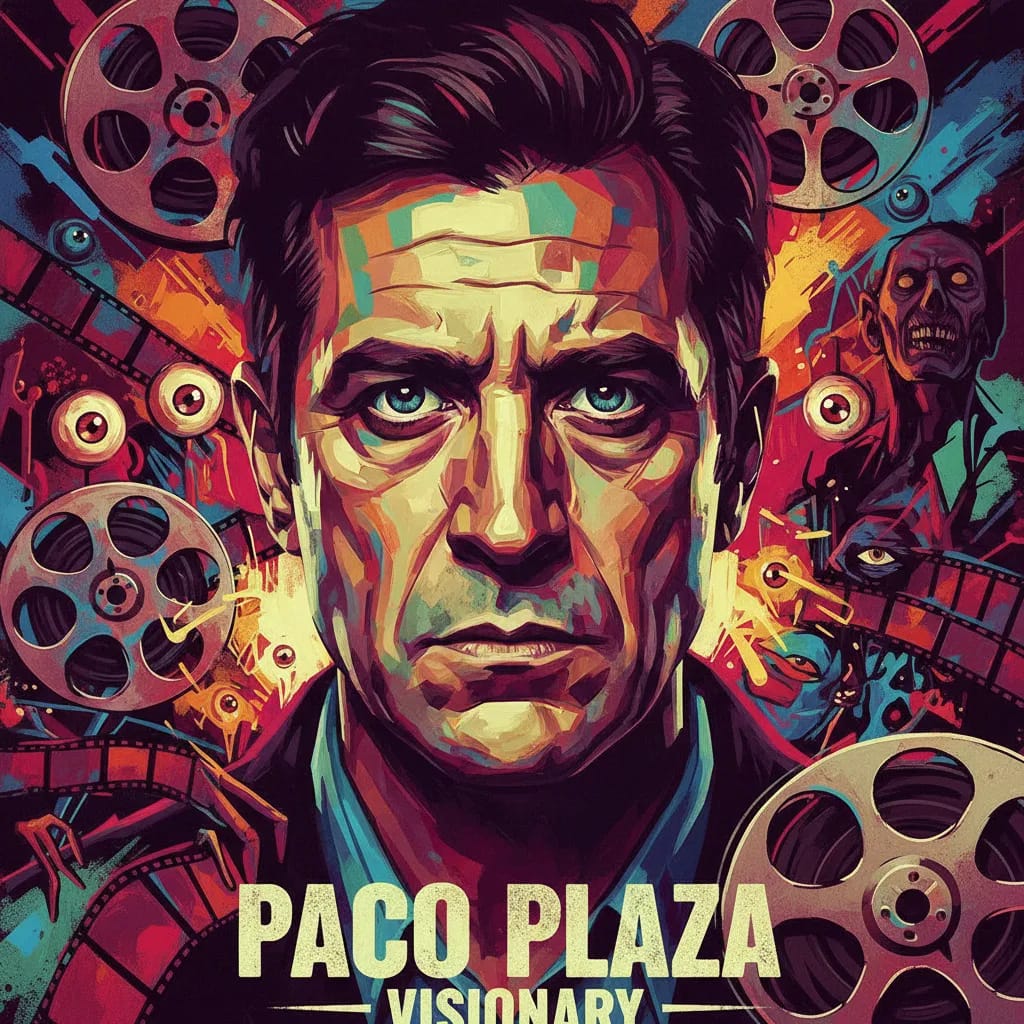
Paco Plaza
Paco Plaza is a Spanish film director best known for his work in the horror genre. Plaza gained international recognition with his directorial debut, "REC" (2007), a found-footage horror film that captivated audiences and critics alike. Known for his distinctive directorial style, Plaza's films often blend elements of horror, mystery, and thriller, creating an immersive and chilling cinematic experience for viewers. Plaza's standout film, "REC," is a gripping and intense horror masterpiece that follows a television reporter and her cameraman as they document the nightmarish events unfolding in an apartment building. The film's raw, handheld cinematography and claustrophobic setting contributed to its immersive and terrifying atmosphere, setting a new standard for found-footage horror films. Plaza's expert direction and ability to build tension throughout the film cemented his reputation as a master of suspense and horror storytelling. Throughout his career, Plaza has demonstrated a penchant for exploring themes of fear, isolation, and the unknown, often delving into the psychological depths of his characters. His films are characterized by their relentless pacing, visceral scares, and unflinching portrayal of terror, resonating with horror enthusiasts and casual viewers alike. Plaza's unique vision and ability to create spine-tingling narratives have solidified his status as a prominent figure in the horror genre, influencing a new wave of filmmakers and leaving an indelible mark on the cinematic landscape. Paco Plaza's impact on cinema extends beyond his directorial prowess, as he continues to push boundaries and redefine the horror genre. His contributions to the film industry have earned him a dedicated following and critical acclaim, positioning him as a trailblazer in the realm of horror filmmaking. With an impressive body of work and an unwavering commitment to delivering chilling and unforgettable stories, Plaza remains a formidable force in the world of cinematic terror, leaving audiences eagerly anticipating his next spine-chilling offering.
Paddy Considine
Paddy Considine is a British film director renowned for his distinctive directorial style and emotionally charged storytelling. With a relatively small but impactful filmography, Considine has firmly established himself as a director with a keen eye for human emotions and raw, unflinching narratives. His debut feature film, "Tyrannosaur" (2011), immediately garnered critical acclaim for its unapologetically honest portrayal of human suffering and redemption. The film's uncompromising exploration of domestic abuse and its aftermath showcased Considine's ability to delve into the darkest corners of the human experience with sensitivity and authenticity. In "Now Is Good" (2012), Considine further demonstrated his directorial prowess by tackling the poignant story of a young woman coming to terms with her terminal illness while finding love. The film's delicate balance of heart-wrenching moments and heartfelt romance highlighted Considine's ability to infuse his work with emotional depth and authenticity. Considine's directorial style is characterized by a profound understanding of the human psyche, allowing him to craft narratives that resonate deeply with audiences. Notably, Considine's films often revolve around themes of trauma, resilience, and the complexities of human relationships. His directorial approach is marked by a commitment to portraying the unvarnished realities of life, refusing to shy away from the inherent struggles and triumphs that define the human experience. This unflinching honesty has set Considine apart as a director unafraid to confront the darker aspects of humanity while also illuminating the inherent beauty and resilience within. Considine's impact on cinema lies in his ability to create films that leave a lasting emotional imprint on viewers. His unique vision and unwavering dedication to authentic storytelling have solidified his status as a director whose work transcends the screen, resonating with audiences on a deeply personal level. With a career defined by powerful storytelling and intimate character studies, Paddy Considine continues to be a director whose films provoke introspection and empathy, leaving an indelible mark on the cinematic landscape.

Pål Sletaune
Pål Sletaune is a Norwegian filmmaker known for his distinct contributions to the horror, mystery, and thriller genres. His notable film "Next Door" (2005) stands as a testament to his directorial prowess and unique storytelling style. Sletaune's directorial approach is characterized by a keen eye for psychological depth and a penchant for delving into the darker aspects of human nature, often creating atmospheres of palpable tension and unease. "Next Door" showcases Sletaune's ability to craft chilling narratives that delve into the complexities of the human psyche. The film presents a compelling blend of horror and psychological thriller elements, skillfully executed through Sletaune's meticulous direction. His keen understanding of suspense and the ability to create an atmosphere of palpable unease have cemented him as a standout director in the genre. Sletaune's filmography reflects a recurring theme of exploring the intricacies of human behavior and the darker aspects of interpersonal relationships. His films often delve into the psychological complexities of his characters, creating an immersive experience for audiences. Sletaune's directorial style is marked by a commitment to delving into the depths of human emotion, often pushing the boundaries of conventional storytelling to deliver thought-provoking and unsettling narratives. In the realm of Scandinavian cinema, Sletaune has made a significant impact with his directorial contributions. His ability to craft compelling narratives that captivate and unsettle audiences has solidified his position as a notable figure in the horror and thriller genres. With "Next Door," Pål Sletaune has left an indelible mark on the cinematic landscape, showcasing his distinctive vision and directorial prowess. In conclusion, Pål Sletaune's directorial career is marked by a commitment to exploring the darker facets of human nature through the lens of horror, mystery, and thriller genres. His unique vision and ability to craft narratives that delve into the complexities of the human psyche have established him as a noteworthy director in the Scandinavian film industry. Sletaune's impact on cinema is reflected in his ability to create immersive and thought-provoking experiences for audiences, solidifying his status as a director to watch in the realm of psychological horror and suspenseful storytelling.

Pandiraj
Pandiraj is a highly acclaimed Indian film director known for his ability to capture the essence of real-life emotions and experiences on screen. Throughout his career, Pandiraj has showcased a remarkable versatility, seamlessly moving between various genres to deliver compelling narratives that resonate with audiences. His recent directorial venture, "Etharkkum Thunindhavan" (2022), is a testament to his mastery of storytelling, as he deftly combines elements of action, crime, and drama to create a riveting cinematic experience. With a keen eye for human dynamics and relationships, Pandiraj's directorial style is characterized by its authentic portrayal of characters and their intersecting lives. He has a remarkable skill for delving into the depths of human emotions, effectively eliciting empathy and connection from viewers. His films often explore the complexities of societal issues, family dynamics, and personal struggles, drawing from real-life inspirations to infuse his narratives with genuine depth and resonance. Notable films in Pandiraj's repertoire include "Pasanga" (2009), a heartwarming tale centered on the lives of school children, and "Kedi Billa Killadi Ranga" (2013), a lighthearted comedy-drama that garnered widespread acclaim. These films exemplify Pandiraj's ability to encapsulate the essence of relatable experiences while infusing his storytelling with a distinct blend of sincerity and entertainment. Throughout his career, Pandiraj has consistently woven recurring themes of camaraderie, youthful exuberance, and the intricacies of human relationships into his works, creating a signature narrative tapestry that resonates with audiences across diverse demographics. His impact on Indian cinema is undeniable, as he continues to push the boundaries of storytelling, infusing his films with emotional depth and thought-provoking storytelling. Pandiraj's unique vision and contributions to the world of cinema have solidified his status as a director who skillfully navigates the complexities of human experiences, crafting narratives that leave a lasting impression on viewers. As he continues to evolve and expand his directorial horizons, Pandiraj remains a formidable force in the realm of Indian filmmaking, consistently delivering captivating stories that leave an indelible mark on the cinematic landscape.

Panna Rittikrai
Panna Rittikrai was a visionary Thai film director and action choreographer best known for revolutionizing the martial arts genre with his unique directorial style and unparalleled expertise in action sequences. Rittikrai's career in the film industry began in the 1970s, during which he dedicated himself to perfecting the art of action choreography. His relentless pursuit of authenticity and precision in combat scenes earned him widespread recognition and respect within the industry. Rittikrai's directorial debut came with the highly acclaimed "Ong Bak 2" in 2008, a film that solidified his status as a trailblazer in the world of action cinema. Rittikrai's directorial style is characterized by his commitment to showcasing raw, visceral fight sequences that eschew the use of CGI and wirework in favor of authentic, bone-crunching action. His films often feature a central theme of honor, resilience, and the triumph of the underdog, resonating with audiences on a universal level. Rittikrai's influence on the martial arts genre cannot be overstated, as his innovative approach to action choreography has set a new standard for the industry. "Ong Bak 2" stands as a testament to Rittikrai's directorial prowess, with its breathtaking fight scenes and compelling narrative. The film's impact on cinema extends beyond mere entertainment, as it has inspired a new generation of filmmakers to prioritize authenticity and physicality in action filmmaking. Rittikrai's legacy as a director and action choreographer continues to reverberate throughout the film industry, leaving an indelible mark on the martial arts genre and shaping the future of action cinema. In conclusion, Panna Rittikrai's unparalleled contributions to action cinema have left an enduring legacy that transcends geographical and cultural boundaries. His directorial style, characterized by raw, unbridled action and universal themes, has earned him a place among the most influential figures in the history of martial arts filmmaking. With his groundbreaking work on "Ong Bak 2" and beyond, Rittikrai has cemented his status as a visionary director whose impact on cinema will continue to be felt for generations to come.

Panos Cosmatos
Panos Cosmatos is a visionary director known for his distinct and immersive style, which blends elements of horror, fantasy, and science fiction. His career took off with the release of "Beyond the Black Rainbow" in 2010, a mesmerizing and enigmatic film that quickly established him as a filmmaker with a unique vision. The film, set in a futuristic dystopian world, showcased Cosmatos' penchant for surreal visuals, atmospheric storytelling, and a haunting score, setting the stage for his future work. In 2018, Cosmatos solidified his status as a cult director with the release of "Mandy," a psychedelic action-horror film that garnered widespread acclaim for its striking visuals and intense, otherworldly atmosphere. Starring Nicolas Cage in a memorable performance, "Mandy" further showcased Cosmatos' ability to create a distinct cinematic experience that defies traditional genre boundaries. The film's dreamlike sequences, vibrant color palette, and haunting soundtrack have cemented its status as a modern cult classic. Cosmatos' directorial style is characterized by its hypnotic and surreal quality, often drawing on themes of existential dread, mysticism, and the human psyche. His films are known for their meticulous attention to visual detail, creating an immersive and dreamlike atmosphere that transports audiences to otherworldly realms. With a penchant for pushing the boundaries of genre conventions, Cosmatos has carved out a niche for himself as a director unafraid to explore the darkest corners of the human experience. In the realm of contemporary cinema, Panos Cosmatos has left an indelible mark with his uncompromising directorial style and unique storytelling approach. His films have garnered a dedicated following and have earned him a reputation as a boundary-pushing auteur with an eye for the surreal and the macabre. As he continues to expand his body of work, Cosmatos remains a director to watch, with each new project promising to offer audiences an unforgettable journey into the depths of his singular imagination.
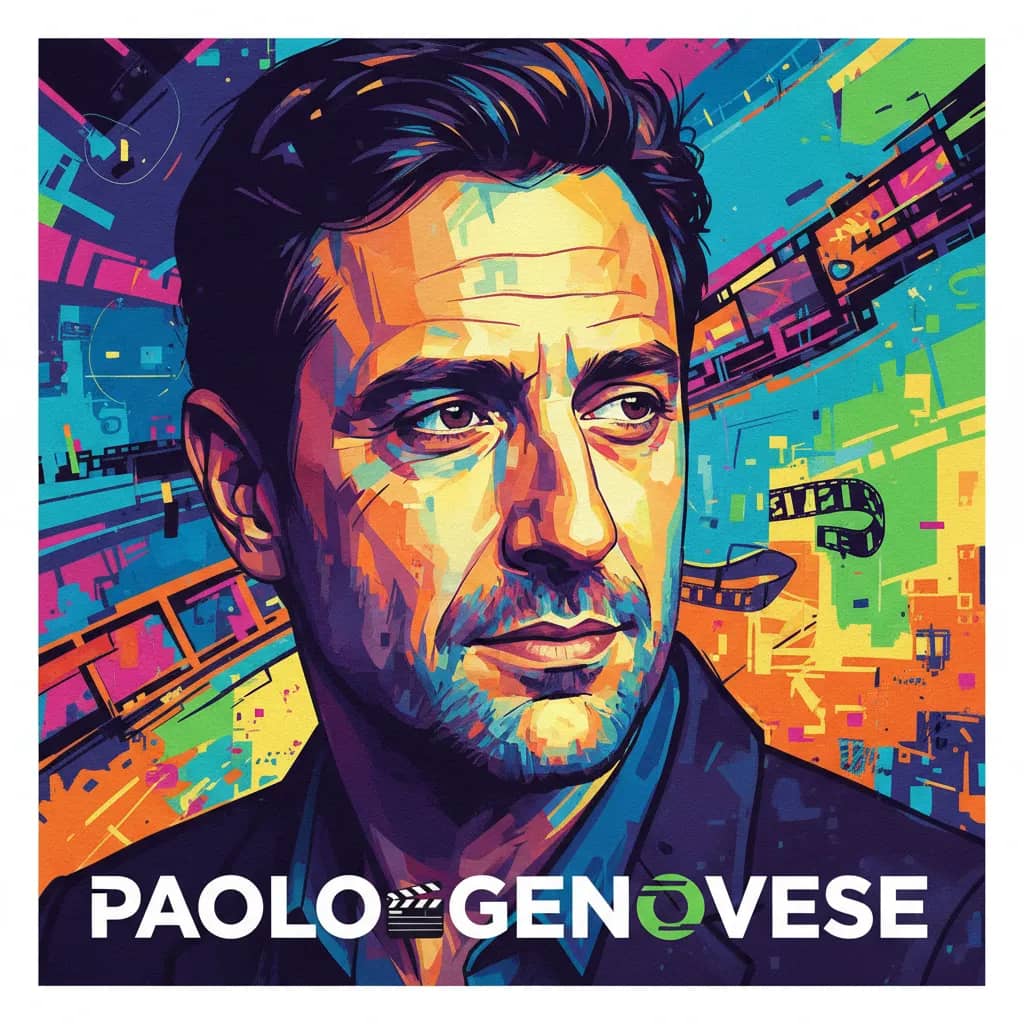
Paolo Genovese
Paolo Genovese is an Italian film director known for his compelling storytelling and keen insight into human relationships. With a career spanning over two decades, Genovese has made a significant mark on world cinema, particularly in the genres of comedy, drama, and mystery. His films often delve into the complexities of modern society, exploring the intricacies of human behavior and the consequences of our actions. One of Genovese's most renowned works is "Perfect Strangers" (2016), a thought-provoking comedy-drama that garnered widespread acclaim for its exploration of the secrets and lies concealed within seemingly close-knit relationships. The film's innovative narrative structure and sharp dialogue cemented Genovese's reputation as a director with a unique ability to captivate audiences while delving into the nuances of interpersonal dynamics. In "The Place" (2017), Genovese demonstrated his versatility by delving into the realms of drama and mystery. The film presents a compelling exploration of human desires and moral dilemmas, showcasing Genovese's adeptness at crafting suspenseful and emotionally resonant narratives. His directorial prowess shines through in the film's atmospheric tension and multidimensional characters, earning him further accolades in the international film community. "Perfetti sconosciuti" (2016) is another standout work in Genovese's filmography, blending comedy and drama to dissect the complexities of human relationships in the digital age. The film's incisive commentary on the impact of technology on our personal interactions underscores Genovese's astute observations of contemporary societal issues, solidifying his status as a director with a keen eye for cultural relevance. Genovese's directorial style is characterized by his ability to seamlessly blend genres while delving into the intricacies of human nature. His films often feature ensemble casts, allowing him to intricately weave together multiple storylines and perspectives, creating a rich tapestry of emotions and experiences. Through his thought-provoking narratives and compelling character studies, Genovese has left an indelible mark on cinema, offering audiences a profound reflection of the human condition and the complexities of modern life. In summary, Paolo Genovese's directorial career is defined by his ability to craft compelling, multi-layered narratives that resonate with audiences on a profound level. His exploration of interpersonal dynamics, moral quandaries, and societal issues showcases his versatility and astute observations of the human experience. With a filmography that spans genres and themes, Gen

Paolo Sorrentino
Paolo Sorrentino is an Italian director known for his visually stunning and emotionally immersive films that have captivated audiences and critics alike. His directorial style is characterized by a keen eye for striking visuals, vibrant storytelling, and an unflinching exploration of the human condition. Sorrentino's films often delve into the complexities of life, love, and mortality, blending elements of drama, comedy, and music to create deeply resonant cinematic experiences. One of Sorrentino's most acclaimed works is "La grande bellezza" (2013), a mesmerizing drama that earned widespread praise for its sumptuous cinematography and profound exploration of existential themes. The film's lush visuals and evocative storytelling cemented Sorrentino's reputation as a masterful director with a distinct vision. Another notable entry in Sorrentino's filmography is "Il Divo" (2008), a gripping biographical drama that offers a compelling portrayal of Italian politician Giulio Andreotti. The film showcases Sorrentino's ability to infuse historical events with cinematic flair, resulting in a thought-provoking and visually arresting narrative. Sorrentino's films often grapple with themes of aging, art, and the passage of time, with a keen focus on the complexities of human relationships and the pursuit of meaning in life. "Youth" (2015) is a prime example of Sorrentino's ability to blend humor, drama, and music to create a poignant meditation on the nature of creativity and the inevitability of change. His latest work, "The Hand of God" (2021), further demonstrates Sorrentino's prowess in crafting emotionally resonant narratives, as the film poignantly explores the impact of personal tragedy on the human spirit. Paolo Sorrentino's impact on cinema is undeniable, as his films have garnered international acclaim and numerous accolades, including Academy Award nominations and prestigious festival awards. His unique blend of visual artistry, compelling storytelling, and profound thematic exploration has solidified his status as a visionary director whose work continues to leave a lasting impression on audiences and fellow filmmakers alike. With a career marked by artistic excellence and a commitment to pushing the boundaries of cinematic storytelling, Paolo Sorrentino stands as a singular voice in contemporary cinema, leaving an indelible mark on the medium.