Director Names Starting with P
Showing 145-156 out of 198

Petter Næss
Petter Næss is a Norwegian film director known for his distinct blend of action, biography, and drama, as showcased in his notable works such as "Into the White" (2012) and "Elling" (2001). Næss's directorial style is characterized by a keen focus on character-driven narratives, often delving into the human psyche and exploring the complexities of interpersonal relationships. His films are marked by a blend of intense emotional depth and gripping storytelling, drawing audiences into immersive cinematic experiences. In "Into the White," Næss masterfully weaves a gripping tale of survival and camaraderie set against the backdrop of World War II. The film's seamless fusion of action, biography, and drama showcases Næss's ability to deftly navigate multiple genres while maintaining a poignant and emotionally resonant narrative. Næss's directorial prowess shines through in his adept handling of the film's intense wartime sequences, effectively capturing the harrowing realities of combat while underscoring the enduring bonds that form amid adversity. "Elling," one of Næss's earlier works, exemplifies his proficiency in crafting compelling character-driven comedies infused with poignant drama. The film follows the endearing and eccentric duo of Elling and Kjell Bjarne as they navigate the challenges of independent living, offering a heartwarming and humorous exploration of friendship, mental health, and the human experience. Næss's deft direction imbues the film with a nuanced blend of warmth, humor, and emotional depth, earning critical acclaim and solidifying his reputation as a director with a unique storytelling sensibility. Næss's recurring themes often revolve around the resilience of the human spirit, the complexities of interpersonal relationships, and the transformative power of shared experiences. His films reflect a deep understanding of human emotions and behavior, inviting audiences to empathize with his characters and contemplate the universal truths that underpin their journeys. Næss's impact on cinema lies in his ability to craft evocative narratives that resonate on a deeply human level, earning him a place among the vanguard of directors whose work transcends cultural boundaries and speaks to the universal aspects of the human condition. With a body of work that encompasses a diverse array of genres and themes, Petter Næss continues to leave an indelible mark on the cinematic landscape, captivating audiences with his compelling storytelling and artful direction.
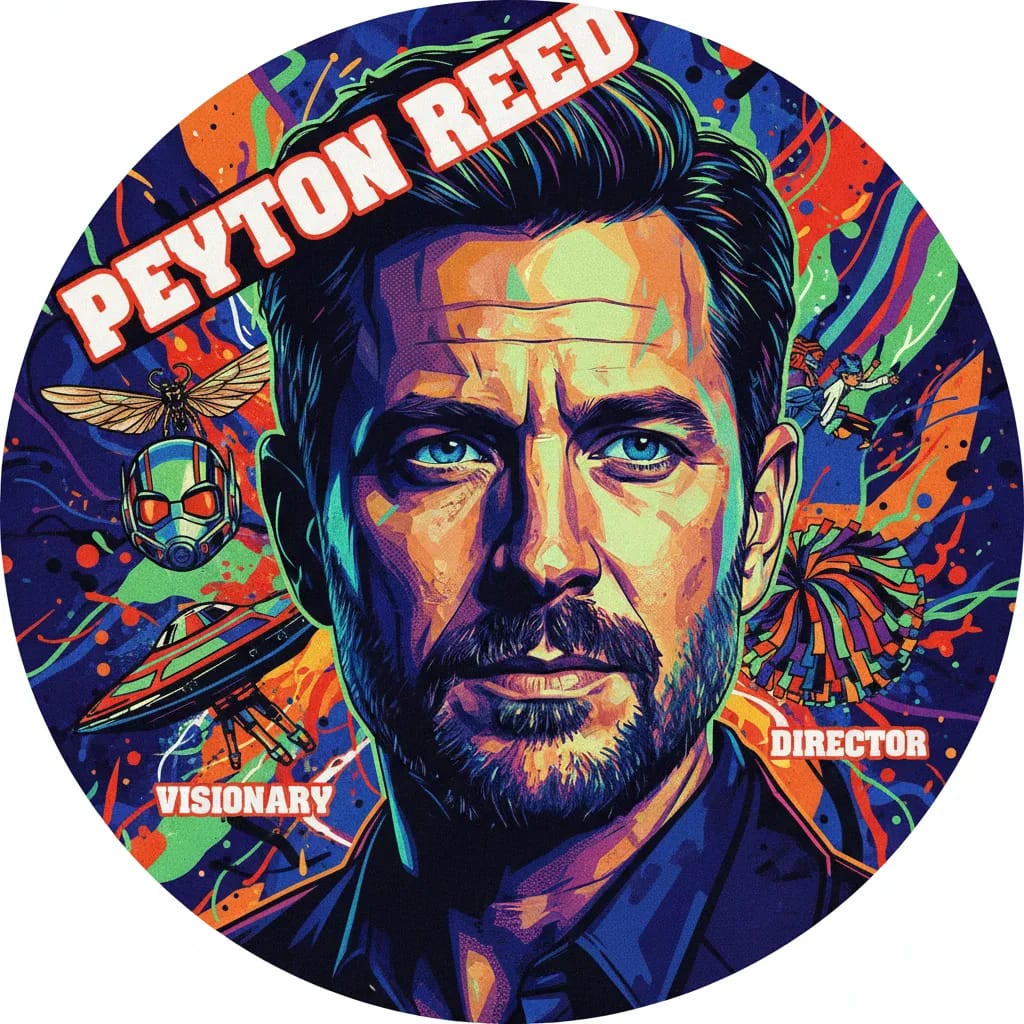
Peyton Reed
Peyton Reed is a highly acclaimed director known for his exceptional ability to blend action, comedy, and romance in his films. With a career spanning over two decades, Reed has made a significant impact on cinema through his directorial style, which often features a perfect balance of humor, heart, and thrilling action sequences. His notable films showcase his versatility and knack for storytelling across various genres. Reed's breakthrough came in 2000 with "Bring It On," a comedy sports film that gained widespread popularity and established him as a director with a keen eye for capturing the spirit of competition and camaraderie. He then delved into the romantic comedy genre with "Down with Love" in 2003, demonstrating his ability to infuse classic romance with a modern and comedic twist. In 2006, Reed directed "The Break-Up," a romantic comedy-drama that showcased his talent for portraying the complexities of relationships with authenticity and humor. His ability to blend comedy with poignant emotional moments further solidified his reputation as a director capable of delivering multi-dimensional storytelling. Reed's foray into the superhero genre came with "Ant-Man" in 2015, where he masterfully combined action, comedy, and science fiction elements, earning critical acclaim and commercial success. The film's success led to its sequel, "Ant-Man and the Wasp," in 2018, further establishing Reed as a director capable of delivering engaging and entertaining superhero narratives. Recurring themes in Reed's work include the exploration of underdog characters, witty humor, and heartfelt relationships. His unique vision and ability to infuse his films with relatable emotions have made him a sought-after director in the industry. With the highly anticipated "Ant-Man and the Wasp: Quantumania" slated for release in 2023, Peyton Reed continues to leave an indelible mark on cinema, showcasing his talent for crafting captivating and entertaining stories that resonate with audiences worldwide. In summary, Peyton Reed's directorial career is defined by his ability to seamlessly blend genres, infuse humor with heart, and deliver compelling narratives that resonate with audiences. His impact on cinema is marked by his unique vision and storytelling prowess, making him a director whose work continues to captivate and entertain audiences across the globe.

Phil Alden Robinson
Phil Alden Robinson is a visionary film director known for his compelling storytelling and diverse range of genres. Born on March 1, 1950, in Long Beach, New York, Robinson began his career as a writer, penning scripts for television before transitioning to directing. He made his directorial debut with the critically acclaimed "In the Mood" (1987), which set the stage for his subsequent success in the industry. Robinson's directorial style is characterized by his ability to seamlessly blend elements of comedy, drama, and suspense, creating films that resonate with audiences on an emotional level. One of Robinson's most iconic works is "Field of Dreams" (1989), a poignant drama that combines themes of family, fantasy, and the power of belief. The film's enduring legacy lies in its ability to transcend genres and touch the hearts of viewers across generations. Robinson's talent for infusing fantasy elements with heartfelt storytelling is further exemplified in "Sneakers" (1992), a captivating blend of comedy, crime, and drama that showcases his ability to craft narratives with depth and intrigue. In "The Sum of All Fears" (2002), Robinson ventured into the action thriller genre, demonstrating his versatility as a director. The film's intense plot and compelling character dynamics underscore Robinson's adeptness at navigating diverse cinematic landscapes. Additionally, "The Angriest Man in Brooklyn" (2014) further highlights Robinson's directorial prowess, as he masterfully balances comedic elements with poignant drama to deliver a thought-provoking and entertaining narrative. Robinson's films often explore themes of human connection, resilience, and the power of belief, resonating with audiences on a profound level. His ability to craft narratives that transcend traditional genre boundaries and evoke genuine emotional responses has solidified his position as a revered director in the industry. Robinson's impact on cinema is undeniable, as his unique vision and storytelling prowess continue to inspire filmmakers and captivate audiences worldwide.

Phil Claydon
Phil Claydon is a British film director known for his unique blend of action, comedy, and fantasy elements in his works. His most notable film to date is "Vampire Killers" (2009), a horror-comedy that showcases his distinct directorial style. Claydon's films are characterized by their energetic pacing, sharp wit, and visually striking compositions, making him stand out in the realm of genre filmmaking. "Vampire Killers" exemplifies Claydon's knack for blending multiple genres seamlessly. The film offers a fresh take on the vampire sub-genre, infusing it with comedic elements and action-packed sequences. Claydon's directorial prowess is evident in his ability to balance the film's various tones while delivering a visually captivating experience. His sharp eye for framing and dynamic camera work contributes to the film's overall impact, creating a memorable viewing experience for audiences. In his directorial endeavors, Claydon often explores themes of the supernatural, humor, and unconventional storytelling. His films resonate with audiences who appreciate a mix of adrenaline-pumping action and laugh-out-loud comedy. Claydon's work has left a mark on the cinematic landscape, as he continues to push boundaries and infuse his projects with his distinct creative vision. Overall, Phil Claydon's directorial career has made a significant impact on the film industry, particularly within the action, comedy, and fantasy genres. His ability to craft engaging narratives while incorporating visual flair has solidified his status as a director to watch. As he continues to evolve as a filmmaker, audiences can anticipate more boundary-pushing works that showcase his unique storytelling sensibilities and further contribute to the rich tapestry of cinema. Keywords: Phil Claydon, film director, Vampire Killers, action, comedy, fantasy, directorial style, genre filmmaking, supernatural, humor, creative vision, cinematic landscape
Philip Barantini
Philip Barantini is a British director known for his compelling storytelling and visually arresting filmmaking style. His notable film, "Boiling Point" (2021), is a gripping drama-thriller that takes place in a high-pressure professional kitchen and showcases Barantini's ability to create tension and emotional depth within a confined setting. With a career that spans across film, television, and theater, Barantini has established himself as a versatile and innovative director with a keen eye for human drama and intense storytelling. In "Boiling Point," Barantini's directorial prowess shines through in his ability to capture the intensity and pressure of the kitchen environment, while also delving into the personal struggles and relationships of the characters. His use of close-ups and immersive cinematography draws the audience into the heart of the story, creating a palpable sense of urgency and emotion. Barantini's directorial style is characterized by his meticulous attention to detail, dynamic camera work, and a talent for eliciting raw, authentic performances from his actors. Throughout his career, Barantini has demonstrated a penchant for exploring themes of human resilience, sacrifice, and the complexities of interpersonal relationships. His films often delve into the psychological and emotional depths of his characters, offering a raw and unflinching portrayal of human experiences. With "Boiling Point," Barantini continues to establish himself as a director who fearlessly tackles challenging narratives and brings a fresh perspective to the screen. In the realm of cinema, Philip Barantini's impact is felt through his commitment to pushing artistic boundaries and capturing the raw essence of the human experience. His ability to create immersive and emotionally charged narratives has garnered critical acclaim and cemented his status as a director to watch. With a promising career ahead, Barantini's unique vision and storytelling prowess are sure to leave a lasting impression on the world of film. As he continues to evolve and expand his repertoire, audiences can eagerly anticipate the next captivating tale that will unfold under his masterful direction.
Philip Einstein Lipski
Philip Einstein Lipski is a visionary director renowned for his distinct animation style and captivating storytelling. With a career spanning over two decades, Lipski has left an indelible mark on the film industry, particularly within the realm of animation. His notable film, "Ronal the Barbarian" (2011), stands as a testament to his unparalleled directorial prowess and imaginative narrative approach. Lipski's directorial style is marked by his ability to seamlessly blend humor, action, and adventure within the animated landscape. His keen eye for detail and penchant for creating visually stunning worlds has garnered him a dedicated following among animation enthusiasts. "Ronal the Barbarian" exemplifies Lipski's talent for crafting immersive and dynamic storytelling, combining intricate character development with adrenaline-pumping action sequences. Throughout his career, Lipski has consistently explored themes of heroism, friendship, and self-discovery, infusing his films with a sense of wonder and excitement that resonates with audiences of all ages. His commitment to pushing the boundaries of animation as a storytelling medium has solidified his status as a trailblazer in the industry. Lipski's impact on cinema extends beyond his directorial achievements; he has inspired a new generation of animators and filmmakers to embrace innovation and creativity. His dedication to pushing the limits of storytelling through animation has paved the way for a renaissance in the genre, cementing his legacy as a visionary director whose influence will continue to shape the future of animated filmmaking. In summary, Philip Einstein Lipski's directorial career is defined by his unparalleled ability to transport audiences to captivating worlds filled with heart, humor, and adventure. With "Ronal the Barbarian" as a crowning achievement, Lipski has established himself as a trailblazing director whose visionary approach to animation has left an indelible mark on the film industry. His contributions have not only redefined the possibilities of animated storytelling but have also inspired a new generation of filmmakers to embrace innovation and imagination.
Philip G. Atwell
Philip G. Atwell is a director known for his work in action-packed films, with his most notable project being the 2007 action thriller "War." Atwell's directorial style is characterized by high-intensity action sequences, immersive visuals, and a focus on the dynamics between characters. His films often explore themes of vengeance, betrayal, and redemption, using adrenaline-pumping action as a backdrop for compelling storytelling. "War" stands as a testament to Atwell's ability to create visually stunning and emotionally gripping cinema. Starring martial arts legends Jet Li and Jason Statham, the film weaves a tale of revenge and honor within the criminal underworld, showcasing Atwell's adeptness at capturing intense fight choreography and pulse-pounding suspense. The film's stylized action sequences and atmospheric cinematography are a testament to Atwell's unique directorial vision. Throughout his career, Atwell has demonstrated a penchant for crafting narratives that delve into the complexities of human relationships amidst the backdrop of high-stakes conflicts. His films often feature morally ambiguous characters navigating treacherous landscapes, which adds depth and dimension to his storytelling. Atwell's impact on cinema lies in his ability to infuse the action genre with a sense of depth and emotional resonance, elevating the genre beyond mere spectacle. In the realm of action cinema, Atwell's contributions have left an indelible mark, showcasing his ability to create gripping, visually arresting films that resonate with audiences. With "War," Atwell solidified his status as a director capable of delivering adrenaline-fueled entertainment while infusing his work with compelling storytelling and memorable characters. As a director, Atwell continues to captivate audiences with his signature blend of intense action and nuanced character dynamics, cementing his place in the pantheon of action cinema auteurs.

Philip Kaufman
Philip Kaufman is a visionary film director known for his diverse body of work that spans multiple genres and themes. From the intense psychological thriller "Twisted" to the sensuous and thought-provoking "The Unbearable Lightness of Being," Kaufman has continually impressed audiences with his ability to immerse them in rich, complex narratives. His directorial style is characterized by a keen attention to detail, a deep understanding of human psychology, and an unflinching exploration of controversial and taboo subjects. One of Kaufman's most notable films is "The Right Stuff," a gripping adventure that chronicles the early days of the space race and the lives of the courageous test pilots who became America's first astronauts. The film received critical acclaim for its epic scope, powerful storytelling, and stunning visual effects. Another standout in Kaufman's filmography is "Quills," a compelling biographical drama that delves into the life of the infamous Marquis de Sade. Kaufman's fearless approach to portraying the complexities of human desire and creativity is evident in this provocative and thought-provoking film. Throughout his career, Kaufman has demonstrated a penchant for exploring the intricacies of human relationships, the fragility of the human psyche, and the impact of societal norms on individual freedom. His films often tackle controversial subjects with sensitivity and insight, challenging audiences to confront uncomfortable truths and question established norms. Kaufman's contributions to cinema have left an indelible mark, inspiring and influencing countless filmmakers and shaping the landscape of contemporary cinema. In an industry often defined by formulaic storytelling, Kaufman stands out as a director unafraid to push boundaries, challenge conventions, and provoke thought. His unique vision and unwavering commitment to storytelling have cemented his status as a trailblazer in the world of filmmaking. As audiences continue to be captivated by his diverse and compelling body of work, it is clear that Philip Kaufman's impact on cinema will endure for generations to come.

Philip Martin
Philip Martin is a British director known for his meticulous attention to detail and ability to infuse gripping tension into his films. His notable work includes "The Forger" (2014), a crime drama thriller that showcases his skill in creating atmospheric, character-driven narratives. Martin's directorial style is marked by his ability to delve into the psychological complexities of his characters while maintaining a strong sense of visual storytelling. "The Forger" stands as a testament to Martin's ability to blend crime, drama, and thriller genres seamlessly. His keen eye for capturing the nuances of human emotion and moral ambiguity sets him apart as a director with a penchant for delving into the darker aspects of the human experience. The film's tense and suspenseful atmosphere reflects Martin's signature directorial style, which often explores the complexity of human motivations and the consequences of our actions. Throughout his career, Martin has demonstrated a knack for delving into the moral and ethical dilemmas faced by his characters, often blurring the lines between right and wrong. His films are characterized by their thought-provoking narratives, which challenge audiences to confront the complexities of human nature. This thematic depth, coupled with Martin's skillful execution, has cemented his reputation as a director who pushes the boundaries of traditional storytelling. Martin's impact on cinema lies in his ability to craft compelling narratives that resonate with audiences on a profound level. His unique vision and commitment to exploring the depths of human psychology have earned him a place among the most compelling storytellers in the industry. As a director, Martin continues to leave an indelible mark on the world of cinema, captivating audiences with his distinctive directorial style and thought-provoking narratives.

Philippe Claudel
Philippe Claudel is a French director and author known for his emotionally resonant storytelling and keen exploration of human relationships and inner struggles. His breakthrough film, "I've Loved You So Long" (2008), garnered critical acclaim and showcased his skill in crafting rich, character-driven dramas. With a background in literature, Claudel brings a poetic sensibility to his filmmaking, infusing his work with profound depth and introspection. "I've Loved You So Long" stands as a testament to Claudel's directorial prowess, as he deftly navigates the complexities of familial bonds and personal redemption. The film's poignant portrayal of a woman attempting to rebuild her life after serving a 15-year prison sentence exhibits Claudel's ability to delve into the human psyche with nuance and sensitivity. His directorial style often emphasizes quiet, contemplative moments, allowing the emotional weight of his narratives to unfold organically. Claudel's filmography showcases a consistent exploration of themes such as forgiveness, resilience, and the intricacies of human connection. His work is characterized by an unwavering commitment to authenticity and a profound understanding of the human experience. Through his storytelling, Claudel has left an indelible mark on cinema, offering audiences profound meditations on the complexities of life and the enduring power of compassion. In the realm of European cinema, Philippe Claudel's contributions have not gone unnoticed. His ability to craft deeply affecting narratives has earned him a place among the most respected contemporary directors. With his distinct blend of literary depth and visual storytelling, Claudel continues to leave an indelible mark on the cinematic landscape, captivating audiences with his poignant explorations of the human condition. In conclusion, Philippe Claudel's directorial career has been defined by a commitment to crafting emotionally resonant narratives that delve into the depths of the human soul. Through his notable film "I've Loved You So Long" and subsequent works, Claudel has established himself as a masterful storyteller with a unique ability to capture the intricacies of human emotion. His impact on cinema is undeniable, and his legacy as a director continues to inspire and move audiences around the world.

Philippe de Chauveron
Philippe de Chauveron is a French film director known for his comedic works that often explore social dynamics and cultural clashes. With a career spanning several decades, de Chauveron has made a significant impact on the comedy genre in French cinema. His notable work includes the highly successful "Serial Bad Weddings" (2014), which garnered widespread acclaim and solidified his reputation as a talented director with a keen understanding of humor and human relationships. De Chauveron's directorial style is characterized by his skillful blend of satire, wit, and sharp observational humor. He has a knack for creating lighthearted yet thought-provoking narratives that resonate with audiences. "Serial Bad Weddings" exemplifies his ability to infuse comedy with social commentary, as the film humorously navigates the complexities of cultural diversity and family dynamics. This distinctive approach has set de Chauveron apart as a director with a unique vision and storytelling prowess. One of the recurring themes in de Chauveron's work is the exploration of multiculturalism and the clash of traditions, often depicted through the lens of family interactions. His films delve into the humorous misunderstandings and conflicts that arise when diverse backgrounds converge, offering insightful commentary on the complexities of modern society. This thematic focus has contributed to de Chauveron's reputation as a director who skillfully addresses relevant and universal themes through the lens of comedy. De Chauveron's impact on cinema lies in his ability to deliver entertaining and thought-provoking films that resonate with a wide audience. His works have not only achieved commercial success but have also sparked meaningful conversations about contemporary social issues. By infusing his comedies with intelligence and wit, de Chauveron has carved out a niche for himself in the world of French cinema, earning recognition for his contributions to the genre. Overall, Philippe de Chauveron's career is defined by his adeptness at crafting comedies that are both entertaining and socially relevant. Through his distinct directorial style and thematic exploration, he has left an indelible mark on the comedy genre, solidifying his status as a visionary director with a penchant for incisive storytelling and humor.
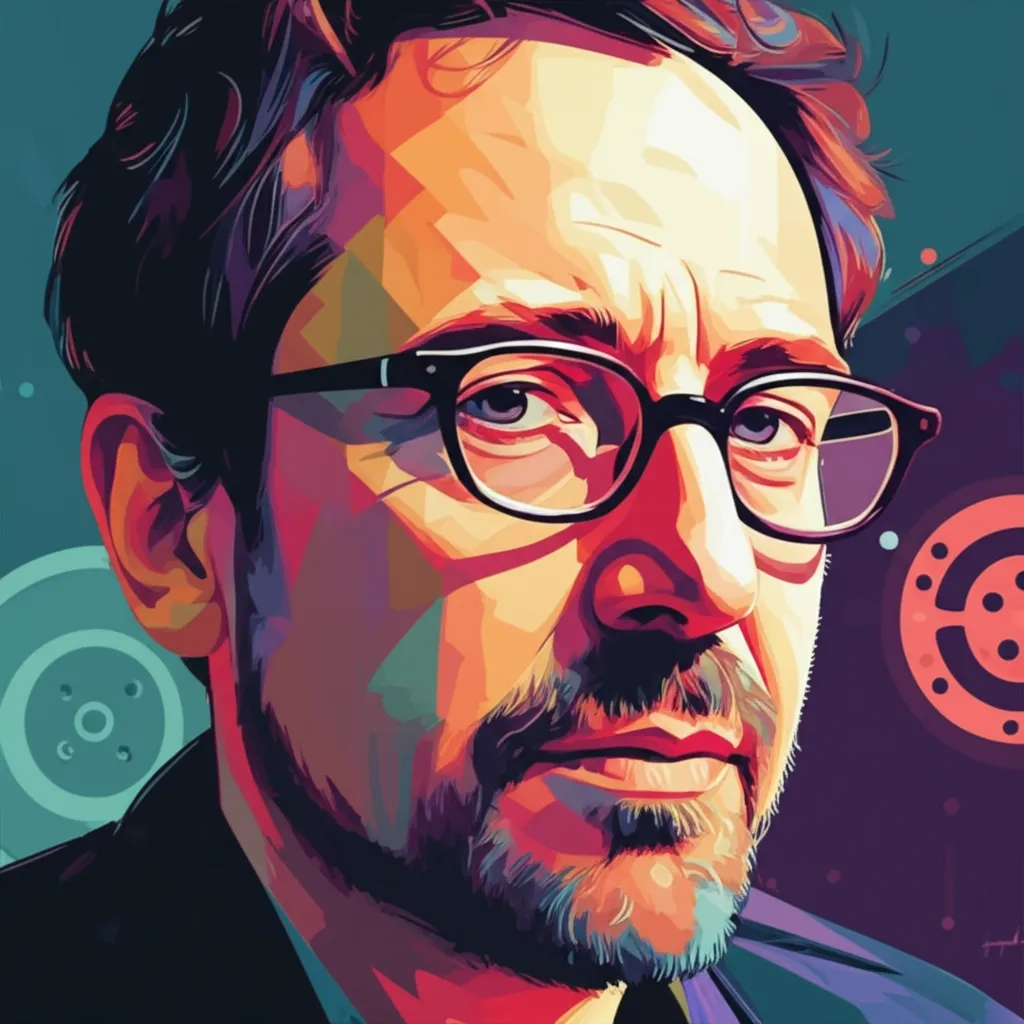
Philippe Falardeau
Philippe Falardeau is a highly acclaimed Canadian film director known for his poignant storytelling and exceptional ability to bring thought-provoking narratives to the screen. With a diverse filmography that spans across various genres, Falardeau has left an indelible mark on the world of cinema. His directorial style is characterized by a deep empathy for his characters and a keen eye for capturing humanity in its rawest form. One of Falardeau's most notable films is "Monsieur Lazhar" (2011), a touching comedy-drama that garnered widespread critical acclaim and earned an Academy Award nomination for Best Foreign Language Film. The film encapsulates Falardeau's adeptness at exploring complex emotions and interpersonal dynamics, while also delving into themes of grief, healing, and the resilience of the human spirit. "The Good Lie" (2014) further solidified Falardeau's reputation as a director capable of navigating weighty subject matter with sensitivity and grace. The film, based on a true story, masterfully weaves together the experiences of Sudanese refugees with moments of humor and hope, showcasing Falardeau's ability to balance heart-wrenching narratives with moments of levity. Throughout his career, Falardeau has demonstrated a penchant for delving into the human condition and shedding light on the universal struggles and triumphs that unite us all. His films often explore themes of displacement, identity, and the resilience of the human spirit, resonating with audiences on a deeply emotional level. Falardeau's unique vision and storytelling prowess have cemented his status as a director capable of provoking introspection and empathy through his work. Philippe Falardeau's impact on cinema extends beyond his compelling narratives and resonant themes. His directorial contributions have enriched the film landscape by showcasing the depth and diversity of human experiences, while also amplifying the voices of marginalized communities. Falardeau's ability to infuse his films with authenticity and compassion has earned him a well-deserved place among the most revered directors in contemporary cinema, and his work continues to inspire and captivate audiences worldwide.