Director Names Starting with P
Showing 169-180 out of 198
Phil Tippett
Phil Tippett is a visionary director and renowned visual effects artist best known for his groundbreaking work in stop-motion animation and creature design. With a career spanning over four decades, Tippett has left an indelible mark on cinema with his unique directorial style and innovative approach to storytelling. His directorial debut, "Mad God" (2021), is a testament to his unparalleled creativity and mastery of the craft, combining elements of animation, fantasy, and horror to create a visually stunning and immersive experience for audiences. Tippett's directorial style is characterized by an unwavering commitment to pushing the boundaries of visual effects and animation. His meticulous attention to detail and ability to seamlessly blend practical effects with cutting-edge technology have solidified his status as a pioneer in the industry. Tippett's passion for creature design and otherworldly landscapes is evident in his work, as he infuses each project with a sense of otherworldly wonder and imagination. "Mad God" serves as a culmination of Tippett's lifelong dedication to his craft, showcasing his ability to weave compelling narratives through mesmerizing visuals and haunting atmospheres. The film's dark and surreal imagery, coupled with Tippett's signature use of practical effects, further cements his status as a master of his art. With "Mad God," Tippett continues to push the boundaries of what is possible in the realm of animation, leaving an indelible mark on the genre and inspiring future generations of filmmakers. Tippett's impact on cinema extends far beyond his directorial work, as his contributions to iconic films such as "Star Wars," "Jurassic Park," and "RoboCop" have helped shape the visual language of modern blockbusters. His innovative use of stop-motion animation and creature design has influenced countless filmmakers and continues to be celebrated by audiences and industry professionals alike. Tippett's legacy as a director and visual effects artist is a testament to his unparalleled creativity and unwavering dedication to his craft, solidifying his place as a true pioneer in the world of cinema.
Phil Traill
Phil Traill is a British film director known for his work in the comedy and romance genres. With a keen eye for crafting heartwarming and entertaining stories, Traill has left an indelible mark on the world of cinema. His notable films include "Chalet Girl" (2011) and "All About Steve" (2009), both of which showcase his talent for blending humor, romance, and relatable characters. Traill's directorial style is characterized by his ability to infuse lightheartedness into his storytelling while delving into the complexities of human relationships. In "Chalet Girl", Traill masterfully intertwines themes of self-discovery, love, and perseverance within the backdrop of a snowboarding competition, creating a delightful and uplifting narrative. His adeptness at capturing the nuances of human emotions and interactions is evident in "All About Steve", where he brings to life a quirky romantic comedy that explores the unpredictability of love. Traill's films exude warmth, wit, and a genuine affection for his characters, resonating with audiences and leaving a lasting impression. Traill's contribution to cinema lies in his ability to create films that not only entertain but also convey profound messages about the human experience. Through his storytelling, he explores themes of ambition, love, and personal growth, offering audiences a refreshing and relatable perspective. His unique vision and knack for infusing humor into heartfelt narratives have made him a distinctive voice in the industry. With an impressive body of work that spans across comedy, romance, and sport genres, Phil Traill has solidified his position as a director who seamlessly blends humor and heart. His films continue to charm audiences with their endearing characters, captivating stories, and timeless themes, cementing his legacy as a director with an enduring impact on cinema.

Phyllida Lloyd
Phyllida Lloyd is a renowned British film director known for her distinctive style and impactful contributions to cinema. With a career spanning across theatre, film, and television, Lloyd has left an indelible mark on the industry. Her directorial style is characterized by a keen emphasis on storytelling, strong character development, and a nuanced approach to addressing social and political themes. Lloyd's most notable film, "Mamma Mia!" (2008), showcased her ability to seamlessly blend comedy, music, and romance, captivating audiences worldwide. The film's commercial success and enduring popularity solidified Lloyd as a masterful director capable of delivering heartwarming and entertaining narratives. Her adeptness at infusing joy and emotion into her work has resonated with audiences, making her a highly sought-after director for feel-good, crowd-pleasing films. In 2011, Lloyd's directorial prowess reached new heights with "The Iron Lady," a biographical drama that delved into the life of former British Prime Minister Margaret Thatcher. The film garnered critical acclaim, earning Meryl Streep an Academy Award for her portrayal of Thatcher. Lloyd's ability to navigate complex political landscapes and humanize historical figures through her direction solidified her reputation as a director with a deft touch for poignant storytelling. Throughout her career, Lloyd has demonstrated a consistent commitment to empowering female voices and exploring the complexities of womanhood. Her films often feature strong, multidimensional female characters, reflecting her dedication to championing gender equality and representation in cinema. Lloyd's impact on the industry extends beyond her filmography, as she has paved the way for aspiring female directors and continues to inspire a new generation of filmmakers. Phyllida Lloyd's unique vision and unwavering dedication to storytelling have cemented her status as a trailblazing director. Her ability to craft compelling narratives, tackle diverse genres, and elevate the representation of women in film has left an indelible imprint on cinema. As she continues to push boundaries and inspire audiences, Lloyd's legacy remains a testament to the transformative power of storytelling and the enduring impact of visionary filmmakers.
Pier Paolo Pasolini
Pier Paolo Pasolini was an Italian film director, poet, writer, and intellectual whose impact on cinema is still felt today. His directorial style was marked by a unique blend of political, social, and religious themes, often depicted in a raw and uncompromising manner. Pasolini's films often provoked controversy and challenged societal norms, earning him a reputation as a bold and provocative filmmaker. One of Pasolini's most notorious works is "Salò, or the 120 Days of Sodom" (1975), a harrowing and graphic depiction of fascism and abuse of power. The film's unflinching portrayal of violence and depravity sparked intense debate and censorship, cementing Pasolini's reputation as a fearless provocateur. "The Decameron" (1971) and "Teorema" (1968) showcased Pasolini's versatility, blending elements of comedy, drama, and mystery while exploring themes of sexuality, religion, and class struggle. "The Gospel According to St. Matthew" (1964) remains one of Pasolini's most celebrated films, revered for its stark portrayal of the life of Jesus Christ. Pasolini's unorthodox approach to the biblical narrative, coupled with his use of non-professional actors and naturalistic settings, resulted in a film that defied traditional religious interpretations and resonated with audiences and critics alike. Pasolini's films often revolved around recurring themes such as the struggle for individual freedom, the hypocrisy of authority, and the intersection of sexuality and spirituality. His uncompromising vision and willingness to tackle controversial subject matter left an indelible mark on cinema, inspiring future generations of filmmakers to push boundaries and challenge societal conventions. Despite his tragic and untimely death in 1975, Pasolini's legacy continues to influence and provoke audiences, solidifying his status as an iconic and influential figure in the history of cinema.
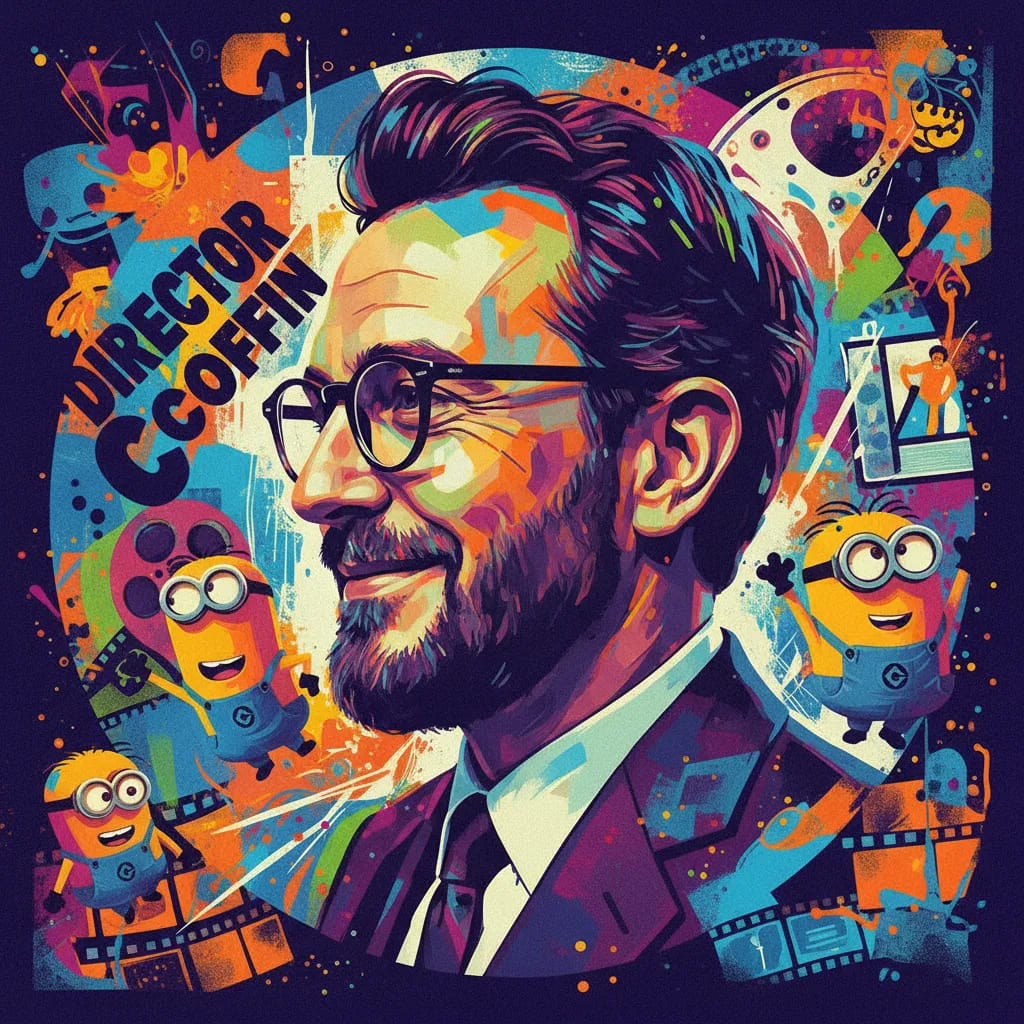
Pierre Coffin
Pierre Coffin is a talented French animator and filmmaker best known for his work on the beloved Despicable Me franchise. Coffin's directorial debut came with the first installment of the series, Despicable Me (2010), a heartwarming and humorous animated film that captivated audiences worldwide. His distinct directorial style, characterized by vibrant animation, clever storytelling, and endearing characters, has solidified his status as a leading figure in the animation industry. Coffin's career reached new heights with the release of Despicable Me 2 (2013), a sequel that further showcased his ability to blend comedy, adventure, and crime elements seamlessly in an animated setting. The film's commercial success and positive reception from both critics and audiences reinforced Coffin's position as a visionary director with a keen understanding of how to engage and entertain viewers of all ages. In 2015, Coffin directed the standalone spinoff, Minions, which delved into the origins of the lovable yellow creatures from the Despicable Me series. The film's whimsical charm, coupled with Coffin's adept direction, propelled it to become a box office sensation and further cemented his reputation as a director capable of creating universally appealing and entertaining content. Coffin's films are characterized by their endearing characters, whimsical storytelling, and visually stunning animation. His ability to infuse humor and heart into his projects has resonated with audiences globally, making his films beloved by viewers of all ages. Coffin's impact on cinema extends beyond the box office, as his work has influenced a new generation of animators and filmmakers, inspiring them to push the boundaries of storytelling and animation. Pierre Coffin's contributions to the film industry have left an indelible mark, showcasing his unparalleled talent as a director and animator. His unique vision and dedication to crafting memorable cinematic experiences have solidified his legacy as a trailblazer in the world of animation, and his influence will continue to be felt for years to come.

Pierre Leduc
Pierre Leduc is a visionary director known for his innovative approach to storytelling and his ability to bring beloved characters to life on the big screen. With a career spanning over two decades, Leduc has made a significant impact on the world of cinema, captivating audiences with his unique directorial style and imaginative storytelling. His most recent directorial venture, "The Super Mario Bros. Movie" (2023), is a testament to his creative prowess and his ability to breathe new life into iconic franchises. Leduc's directorial style is characterized by his seamless blend of animation, adventure, and comedy, creating an immersive and entertaining cinematic experience for audiences of all ages. His keen eye for visual storytelling and his mastery of animation techniques have set him apart as a director with a distinct artistic vision. "The Super Mario Bros. Movie" showcases Leduc's ability to infuse classic characters with modern sensibilities, appealing to both longtime fans and new audiences alike. Throughout his career, Leduc has demonstrated a knack for infusing his films with recurring themes of friendship, adventure, and the triumph of the human spirit. His films often explore the transformative power of teamwork and the resilience of the human heart, resonating with audiences on a deeply emotional level. Leduc's ability to imbue his work with universal themes has earned him a devoted following and cemented his status as a director with a profound understanding of the human experience. With "The Super Mario Bros. Movie," Leduc continues to push the boundaries of animation and storytelling, solidifying his reputation as a director who fearlessly tackles beloved properties while staying true to their essence. His contributions to cinema have not only entertained and inspired audiences worldwide but have also paved the way for future generations of filmmakers to explore the limitless possibilities of storytelling through animation. In conclusion, Pierre Leduc's directorial career is defined by his unwavering commitment to crafting visually stunning and emotionally resonant films that leave a lasting impression on audiences. His ability to breathe new life into iconic characters and franchises, coupled with his unique directorial style and thematic depth, cements his legacy as a visionary filmmaker. As the film industry continues to evolve, Leduc's influence will undoubtedly endure, shaping the future of animation and storytelling for years to come.

Pierre Morel
Pierre Morel is a French director known for his captivating and high-octane action films. With a keen eye for adrenaline-pumping sequences and gripping storytelling, Morel has made a significant impact on the action genre in cinema. His directorial style is characterized by dynamic camerawork, intense fight choreography, and a knack for creating suspenseful narratives that keep audiences on the edge of their seats. One of Morel's most notable films, "Taken" (2008), propelled him into the international spotlight. Starring Liam Neeson, the film became a massive hit and solidified Morel's reputation as a master of action thrillers. "Taken" showcased his ability to blend heart-stopping action with compelling character development, setting a new standard for the genre. The film's success also led to a franchise, further cementing Morel's influence in the action film landscape. In "District B13" (2004), Morel demonstrated his affinity for blending action with elements of crime and sci-fi. The film, set in a dystopian future, showcased his innovative approach to choreographing parkour stunts, earning praise for its groundbreaking action sequences. Morel's unique vision and ability to push boundaries have made him a trailblazer in the action genre, inspiring filmmakers and captivating audiences worldwide. Morel's filmography also includes "From Paris with Love" (2010), "The Gunman" (2015), and "Peppermint" (2018), each contributing to his legacy as a director with a penchant for crafting intense and visually stunning action films. His recurring themes of justice, redemption, and the resilience of the human spirit infuse his work with depth and resonance, elevating his films beyond typical action fare. Pierre Morel's impact on cinema is undeniable, as he continues to leave an indelible mark on the action genre. His ability to infuse heart-pounding action with compelling storytelling has earned him a dedicated following and solidified his status as a visionary director. With a career defined by groundbreaking films and a commitment to pushing the boundaries of action cinema, Morel remains an influential figure in the industry.
Pierre Perifel
Pierre Perifel is a visionary director known for his outstanding contributions to the world of animation. With a career spanning several decades, Perifel has made a significant impact on the industry through his distinctive directorial style and unparalleled storytelling abilities. He is best known for his work on the highly anticipated animated feature film "The Bad Guys" (2022), which showcases his talent for bringing compelling characters to life in a visually stunning and emotionally resonant manner. As a director, Perifel has consistently demonstrated a keen eye for detail and a remarkable ability to infuse his projects with a sense of whimsy and charm. His films often feature rich, vibrant visuals and dynamic storytelling that captivate audiences of all ages. "The Bad Guys" is a testament to Perifel's directorial prowess, as he effortlessly combines humor, adventure, and heart to create a truly memorable cinematic experience. Throughout his career, Perifel has explored a wide range of themes in his films, including the power of friendship, the importance of perseverance, and the triumph of the underdog. His unique storytelling approach and commitment to creating immersive worlds have made him a beloved figure in the animation community, and his influence on the genre is undeniable. Perifel's dedication to pushing the boundaries of animation and his ability to connect with audiences on a profound level have solidified his status as a trailblazer in the industry. His work on "The Bad Guys" is a testament to his unwavering passion for storytelling and his commitment to delivering high-quality entertainment to audiences worldwide. With an impressive body of work and a reputation for excellence, Pierre Perifel continues to be a driving force in the world of animation, leaving an indelible mark on cinema that will be celebrated for years to come.

Pierre Salvadori
Pierre Salvadori is a prominent French director known for his unique blend of comedy and romance in his films. With a distinct directorial style, Salvadori's work often revolves around quirky characters, clever humor, and heartfelt storytelling. His notable film "Priceless" (2006) perfectly encapsulates his ability to craft delightful narratives with a touch of sophistication. Salvadori's directorial style is characterized by his adeptness at infusing light-hearted comedy with genuine emotional depth. His films often feature complex characters navigating through unconventional situations, creating a cinematic experience that is both entertaining and thought-provoking. "Priceless" exemplifies his knack for crafting visually stunning and emotionally resonant stories that captivate audiences worldwide. Throughout his career, Salvadori has consistently explored themes of love, human connection, and the complexities of relationships. His films often delve into the whimsical nature of romance, while also delving into the intricacies of human emotions. Salvadori's ability to seamlessly blend humor with poignant storytelling has cemented his reputation as a director with a keen insight into the human experience. Salvadori's impact on cinema lies in his ability to create films that transcend cultural boundaries, resonating with audiences globally. His work has garnered critical acclaim and has left an indelible mark on the romantic comedy genre. With his distinctive directorial vision, Salvadori has contributed to the evolution of storytelling in cinema, inspiring aspiring filmmakers and captivating audiences with his charming narratives. In conclusion, Pierre Salvadori's career as a director is defined by his exceptional ability to infuse comedy and romance with depth and sincerity. With "Priceless" standing as a testament to his prowess, Salvadori continues to be a celebrated figure in the world of filmmaking, leaving an enduring legacy as a director with a unique and captivating cinematic vision.

Pieter Jan Brugge
Pieter Jan Brugge, a Dutch-born director, made a significant impact on cinema with his remarkable directorial style and thought-provoking storytelling. His notable film, "The Clearing" (2004), is a gripping drama that delves into the complexities of human behavior, mystery, and suspense. Brugge's directorial approach is characterized by a meticulous attention to detail and a knack for creating an immersive and tension-filled atmosphere. His films often explore the depths of the human psyche and the intricacies of interpersonal relationships, making them a compelling watch for audiences seeking thought-provoking narratives. "The Clearing" stands as a testament to Brugge's ability to craft a compelling and suspenseful narrative that keeps audiences on the edge of their seats. The film masterfully weaves together the lives of its characters, drawing viewers into a web of mystery and intrigue. Brugge's directorial style shines through in his adept use of visual storytelling and his ability to build tension through skillful pacing and character development. His keen eye for capturing the nuances of human emotion and behavior adds depth and authenticity to his films, making them resonate with audiences on a profound level. Throughout his career, Brugge has demonstrated a penchant for exploring themes of moral ambiguity, psychological complexity, and the consequences of human actions. His films often delve into the darker aspects of human nature, offering a compelling and unflinching portrayal of the human experience. Brugge's directorial vision has left an indelible mark on cinema, earning him recognition as a master storyteller with a unique ability to captivate and provoke audiences. Pieter Jan Brugge's impact on cinema extends beyond his individual films, as his directorial contributions have enriched the cinematic landscape with their thought-provoking narratives and immersive storytelling. With a keen focus on human psychology and moral dilemmas, Brugge's films continue to resonate with audiences and serve as a testament to his enduring influence on the art of filmmaking. As a director, Brugge's work stands as a testament to the power of storytelling and the enduring impact of thought-provoking narratives in cinema.

Pietro Germi
Pietro Germi is renowned for his influential contributions to Italian cinema, particularly in the realms of comedy, drama, and romance. Born in Genoa in 1914, Germi's directorial career was marked by a distinct blend of social satire and astute storytelling. His most iconic work, "Divorce Italian Style" (1961), stands as a testament to his masterful command of dark humor and incisive commentary on societal norms and conventions. Germi's directorial style is characterized by its sharp wit, bold satire, and meticulous attention to detail. His films often delve into the complexities of human relationships, societal taboos, and the dichotomy between public facades and private desires. "Divorce Italian Style" encapsulates Germi's penchant for exploring the absurdities of traditional values, as the protagonist hatches a comically devious plan to rid himself of an unwanted spouse in a society where divorce is frowned upon. Throughout his career, Germi frequently returned to themes of morality, hypocrisy, and the clash between personal freedom and societal constraints. His films not only entertained but also challenged audiences to confront uncomfortable truths about the human condition. "Divorce Italian Style" in particular, earned Germi international acclaim, winning the Academy Award for Best Writing, Story and Screenplay. Pietro Germi's impact on cinema is indelible, as his innovative storytelling and incisive social commentary have left an enduring legacy. His ability to infuse humor with poignant social critique paved the way for a new wave of filmmakers who sought to explore the absurdities of human behavior and societal norms. Germi's films continue to influence contemporary directors and resonate with audiences worldwide, making him a luminary in the annals of Italian cinema. In conclusion, Pietro Germi's directorial career is a testament to his unparalleled ability to blend comedy, drama, and romance with searing social commentary. His films, particularly "Divorce Italian Style," remain timeless classics, showcasing his unique vision and profound impact on the cinematic landscape. Germi's legacy endures as a trailblazer who fearlessly confronted societal taboos and challenged audiences to confront the complexities of human nature.

Pino Van Lamsweerde
Pino Van Lamsweerde is a highly acclaimed and versatile film director with a diverse body of work that spans across animation, adventure, and comedy genres. His notable film "Asterix in Britain" (1986) stands as a testament to his directorial skill and creative vision. Lamsweerde's directorial style is characterized by a keen attention to detail, a whimsical approach to storytelling, and a mastery of visual storytelling techniques. Throughout his career, Lamsweerde has demonstrated a remarkable ability to infuse his films with a unique blend of humor, adventure, and heart, resonating with audiences of all ages. "Asterix in Britain" is a prime example of his ability to bring beloved characters to life on the big screen while staying true to the essence of the source material. His directorial touch is evident in the film's seamless blend of animation and live-action elements, creating a captivating and immersive viewing experience. Lamsweerde's work is marked by recurring themes of friendship, resilience, and the triumph of the underdog, which have resonated with audiences worldwide. His impact on cinema extends beyond his directorial achievements, as he has influenced a generation of filmmakers with his innovative approach to storytelling and his ability to transport audiences to fantastical worlds. Pino Van Lamsweerde's contributions to the film industry have left an indelible mark on cinema, earning him a well-deserved place among the most respected and influential directors in the industry. With a career defined by creativity, passion, and an unwavering commitment to his craft, Lamsweerde's legacy continues to inspire and entertain audiences, solidifying his status as a visionary filmmaker.