Director Names Starting with L
Showing 133-143 out of 143
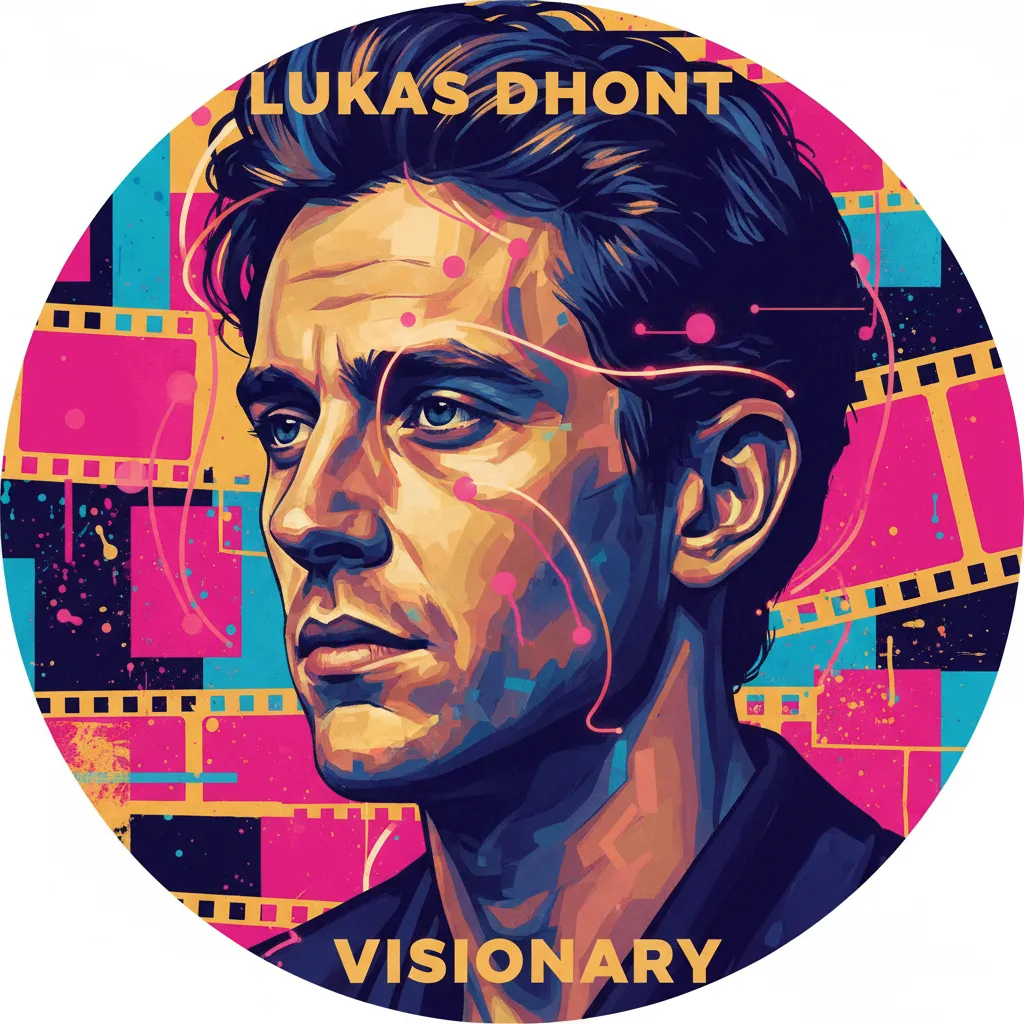
Lukas Dhont
Lukas Dhont is a Belgian director whose unique vision and storytelling approach have made a significant impact on contemporary cinema. Dhont garnered widespread acclaim with his debut feature, "Girl," which premiered at the 2018 Cannes Film Festival. The film garnered numerous accolades and awards, including the Caméra d'Or for best first feature and the Queer Palm, solidifying Dhont's status as a rising star in the film industry. Dhont's directorial style is characterized by its intimate and empathetic portrayal of complex human emotions, particularly those of marginalized individuals. His films often explore themes of identity, gender, and societal expectations, shedding light on the struggles and triumphs of his characters in a deeply moving manner. "Girl," in particular, received praise for its sensitive and authentic portrayal of a transgender teenager's journey, showcasing Dhont's ability to tackle difficult subject matter with grace and compassion. In 2022, Dhont returned to the director's chair with "Close," a gripping drama that further showcases his skill at delving into the depths of human experiences. The film, much like his previous work, is expected to resonate with audiences and critics alike, cementing Dhont's reputation as a director with a profound understanding of the human condition. Throughout his career, Dhont has demonstrated a commitment to pushing boundaries and challenging societal norms through his thought-provoking storytelling. His body of work stands as a testament to the power of cinema to provoke meaningful conversations and foster empathy. As Dhont continues to evolve as a filmmaker, his contributions to the art form are sure to leave a lasting impression on the world of cinema, inspiring future generations of storytellers to embrace authenticity and empathy in their craft.

Lukas Moodysson
Lukas Moodysson is a Swedish director known for his emotionally resonant and socially conscious films that have captivated audiences worldwide. With a career spanning over two decades, Moodysson has established himself as a distinctive voice in contemporary cinema, blending compelling narratives with raw, authentic performances. His directorial style is characterized by intimate storytelling, empathetic character exploration, and an unflinching portrayal of societal issues. Moodysson made his mark with his debut feature, "Show Me Love" (1998), a poignant coming-of-age drama that garnered critical acclaim for its sensitive portrayal of teenage angst and sexual identity. The film showcased Moodysson's ability to infuse everyday moments with profound emotional depth, laying the groundwork for his subsequent works. "Together" (2000) further solidified his reputation for crafting compelling dramas, as he delved into the complexities of communal living and interpersonal relationships. One of Moodysson's most notable films, "Lilya 4-Ever" (2002), demonstrated his willingness to tackle harrowing subject matter with unflinching honesty. The film, based on a true story, follows the tragic plight of a young girl ensnared in human trafficking, showcasing Moodysson's commitment to shedding light on pressing social issues. "We Are the Best!" (2013) exemplifies his versatility as a director, offering a spirited and heartwarming exploration of teenage girlhood and punk rock rebellion. Throughout his career, Moodysson has consistently addressed themes of adolescent turmoil, societal marginalization, and the resilience of the human spirit. His films confront uncomfortable truths and challenge audiences to confront the harsh realities faced by marginalized individuals. Moodysson's impact on cinema lies in his ability to craft profoundly human stories that resonate on a universal level, transcending cultural boundaries and leaving a lasting impression on viewers. In conclusion, Lukas Moodysson's directorial prowess is defined by his unwavering commitment to authenticity and emotional resonance. His films stand as poignant testaments to the human experience, offering profound insights into the complexities of life and the enduring power of compassion. Moodysson's unique vision and unwavering dedication to storytelling have cemented his status as a revered figure in contemporary cinema, leaving an indelible mark on the art of filmmaking.
Lukasz Kosmicki
Lukasz Kosmicki is a talented Polish film director known for his unique blend of history, sport, and thriller genres. His notable work includes "The Coldest Game" (2019), a gripping tale set against the backdrop of the Cold War. Kosmicki's directorial style is characterized by his adept ability to seamlessly intertwine historical events with high-stakes drama, resulting in compelling and thought-provoking narratives. "The Coldest Game" showcases Kosmicki's prowess in crafting intense and suspenseful storytelling, as he skillfully navigates the complexities of the historical era while infusing the film with thrilling sports elements. His meticulous attention to detail and immersive storytelling captivate audiences, establishing him as a director with a keen eye for historical accuracy and a talent for building palpable tension on screen. Kosmicki's filmography reflects his penchant for exploring multifaceted characters navigating high-stakes situations, often set against a historical backdrop. His films frequently delve into themes of espionage, political intrigue, and the human psyche under extreme circumstances, offering audiences a captivating and immersive cinematic experience. As a director, Kosmicki has made a significant impact on cinema by infusing his works with gripping narratives and compelling visuals, effectively engaging audiences and leaving a lasting impression. His ability to seamlessly blend historical context with thrilling storytelling sets him apart as a director with a distinct and captivating vision. With each new project, Kosmicki continues to cement his reputation as a filmmaker capable of delivering riveting and thought-provoking cinema that resonates with audiences worldwide.

Luke Greenfield
Luke Greenfield is an American film director known for his distinctive blend of comedy, romance, and action, which has captivated audiences and left an indelible mark on the film industry. His career kicked off with the uproarious comedy "The Animal" (2001), which showcased his penchant for blending humor with unexpected twists and turns. Greenfield's directorial style is characterized by his ability to infuse his films with genuine emotion, relatable characters, and unexpected depth, making him a standout in the world of mainstream entertainment. One of Greenfield's most notable works is "The Girl Next Door" (2004), a coming-of-age romantic comedy that delves into the complexities of young love and self-discovery. This film solidified his reputation as a director capable of crafting stories that resonate with audiences on a profound level. With "Something Borrowed" (2011), Greenfield once again displayed his adeptness at navigating the nuances of relationships, this time within the framework of a romantic comedy-drama. The film's success further underscored Greenfield's ability to breathe life into multifaceted characters and explore the intricacies of human connections with authenticity and humor. In "Let's Be Cops" (2014), Greenfield ventured into the action-comedy genre, demonstrating his versatility as a director. The film's seamless blend of humor and exhilarating action sequences showcased Greenfield's ability to transcend genre boundaries while maintaining his signature directorial flair. Throughout his career, Greenfield has consistently explored themes of friendship, love, and self-discovery, crafting narratives that resonate with audiences on a universal level. Luke Greenfield's impact on cinema lies in his adeptness at infusing mainstream entertainment with depth and sincerity. His ability to navigate the complexities of human relationships and emotions, coupled with his knack for seamlessly blending genres, sets him apart as a director with a unique and compelling vision. Greenfield's films continue to captivate audiences, cementing his status as a director whose work transcends the confines of traditional genre categorizations. With a keen eye for storytelling and an innate understanding of human nature, Luke Greenfield remains a force to be reckoned with in the world of mainstream cinema.
Luke Scott
Luke Scott is a British film director known for his work in the genres of action, horror, and sci-fi. His notable filmography includes the 2016 psychological thriller "Morgan," which marked his directorial debut. As the son of renowned filmmaker Ridley Scott, Luke Scott has carved out his own unique style, bringing a fresh perspective to the world of genre filmmaking. Scott's directorial style is marked by a keen eye for visual storytelling and a knack for building tension and suspense. He expertly weaves together elements of action, horror, and science fiction to create immersive and thought-provoking cinematic experiences. "Morgan" showcases his ability to blend these genres seamlessly, delivering a gripping narrative that keeps audiences on the edge of their seats. In "Morgan," Scott explores themes of artificial intelligence, ethical dilemmas, and the blurred lines between humanity and technology. His film delves into the moral implications of creating sentient beings and the consequences of playing god. Through his work, Scott demonstrates a fascination with the intersection of human nature and cutting-edge technology, often challenging audiences to confront the ethical and existential questions raised by scientific advancements. While Luke Scott's directorial career is still in its early stages, his impact on cinema is undeniable. He has shown a penchant for pushing boundaries and defying genre conventions, earning recognition for his innovative approach to storytelling. With his pedigree and talent, Scott is poised to leave a lasting imprint on the world of genre filmmaking, and audiences eagerly anticipate his future projects. In conclusion, Luke Scott's directorial debut with "Morgan" firmly established him as a filmmaker with a distinct vision and a penchant for crafting compelling narratives within the realms of action, horror, and sci-fi. As he continues to evolve and refine his directorial style, audiences can expect to be captivated by his unique storytelling and thought-provoking exploration of complex themes. Luke Scott is a director to watch, and his contributions to the world of cinema are sure to leave a lasting impact on both audiences and the industry as a whole.
Luke Snellin
Luke Snellin is a talented British director known for his work in film and television. His notable filmography includes the 2019 Netflix original movie "Let It Snow," a heartwarming comedy and romance that garnered attention for its charming storytelling and memorable characters. Snellin's directorial style is marked by a keen understanding of human emotions and relationships, as well as a knack for infusing warmth and humor into his narratives. In "Let It Snow," Snellin adeptly captures the essence of young love and friendship amidst a snowstorm, creating a visually captivating and emotionally resonant story. His ability to bring out authentic performances from his actors and craft compelling, relatable characters has solidified his reputation as a director with a keen eye for human connections. Snellin's work often delves into themes of love, friendship, and self-discovery, presenting them in a way that feels both genuine and heartwarming. With "Let It Snow," Luke Snellin has made a significant impact on the romantic comedy genre, showcasing his talent for blending humor and romance with a touch of whimsy. His ability to capture the nuances of human interaction and emotion has resonated with audiences, earning him a dedicated following. As a director, Snellin continues to make strides in the industry, leaving a lasting impression with his distinct storytelling style and ability to create emotionally captivating narratives. In conclusion, Luke Snellin's directorial career is marked by his unique ability to infuse warmth and authenticity into his storytelling. With "Let It Snow," he has proven himself as a director capable of delivering heartfelt and entertaining narratives that leave a lasting impact. His contributions to the romantic comedy genre and his commitment to portraying genuine human experiences have cemented his status as a director to watch in the industry.
Luke Sparke
Luke Sparke is an Australian director known for his work in the action and sci-fi genres. His most notable film to date is "Occupation: Rainfall" (2020), which has garnered attention for its visually stunning action sequences and compelling sci-fi narrative. Sparke's directorial style is characterized by his ability to seamlessly blend intense action with thought-provoking science fiction elements, creating a captivating cinematic experience for audiences. "Occupation: Rainfall" stands as a testament to Sparke's prowess as a director, showcasing his skill in crafting visually stunning sequences and his ability to bring complex sci-fi concepts to life on the big screen. The film's success has solidified Sparke's reputation as a visionary director with a keen eye for creating immersive and entertaining cinema. Sparke's films often explore themes of resilience, survival, and the human spirit in the face of adversity, resonating with audiences on a deeply emotional level. His ability to infuse his work with these recurring themes has earned him a dedicated fan base and critical acclaim in the industry. Throughout his career, Luke Sparke has made a significant impact on the world of cinema, pushing boundaries and expanding the possibilities of what action and sci-fi films can achieve. His unique vision and innovative storytelling have cemented his status as a director to watch, and his contributions to the film industry continue to inspire and influence filmmakers and audiences alike. In conclusion, Luke Sparke's directorial career has been marked by a commitment to pushing the boundaries of action and sci-fi cinema. With "Occupation: Rainfall" as a standout example of his directorial prowess, Sparke has proven himself to be a visionary filmmaker with a unique ability to create visually stunning and thematically rich cinematic experiences. As he continues to make his mark on the industry, audiences can look forward to more captivating and thought-provoking films from this talented director.

Lulu Wang
Lulu Wang is a visionary Chinese-American filmmaker whose work has made a significant impact on contemporary cinema. With a focus on heartfelt storytelling and authentic character development, Wang has captivated audiences with her unique directorial style. Her most notable film, "The Farewell" (2019), garnered critical acclaim and showcased her ability to blend comedy and drama in a poignant and thought-provoking narrative. Wang's directorial approach often delves into the complexities of cultural identity, family dynamics, and the immigrant experience, resonating deeply with viewers across diverse backgrounds. "The Farewell" stands as a testament to Wang's ability to infuse her films with emotional depth and nuance, eliciting powerful performances from her cast and delivering a deeply affecting cinematic experience. Wang's directorial style is characterized by its intimate exploration of human connections and the universal themes that bind us all. Her keen insight into the human condition and her adeptness at weaving intricate narratives have firmly established her as a director to watch in the industry. Wang's impact on cinema extends beyond her directorial prowess, as she has also been a vocal advocate for greater inclusion and representation in the film industry. Through her work, she has brought underrepresented stories to the forefront, shedding light on the rich tapestry of human experiences. As a trailblazing filmmaker, Wang continues to push boundaries and challenge cinematic conventions, paving the way for a new generation of storytellers. In conclusion, Lulu Wang's directorial career is defined by her commitment to authentic storytelling and her ability to craft narratives that resonate on a profound emotional level. With "The Farewell," she has solidified her position as a director with a distinct and impactful voice, and her contributions to cinema have left an indelible mark on the industry. As she continues to evolve her craft and champion diverse perspectives, Lulu Wang's influence on the cinematic landscape is sure to endure for years to come.

Luv Ranjan
Luv Ranjan is a prominent Indian film director known for his unique blend of comedy, drama, and romance in his films. He made his directorial debut with the widely acclaimed "Pyaar Ka Punchnama" in 2011, which immediately established his signature style. Known for his witty and relatable storytelling, Ranjan gained a loyal fan base with his honest portrayal of modern relationships and the dynamics between the sexes. His ability to infuse humor into everyday situations and delve into the complexities of love and friendship has set him apart in the Indian film industry. Following the success of "Pyaar Ka Punchnama," Ranjan continued to captivate audiences with its sequel, "Pyaar Ka Punchnama 2," in 2015. The film further solidified his reputation as a director who understands the pulse of today's youth. Ranjan's keen observation of interpersonal relationships and his knack for delivering sharp dialogues have become his trademark, resonating with a generation grappling with similar issues. In 2018, Ranjan achieved unprecedented success with "Sonu Ke Titu Ki Sweety," a film that not only entertained but also challenged societal norms. The movie was a commercial blockbuster and further established Ranjan as a director with a keen understanding of the audience's sensibilities. His ability to infuse light-hearted comedy with emotional depth has made his films a favorite among viewers of all ages. Ranjan's upcoming project, "Tu Jhoothi Main Makkaar," slated for release in 2023, has already generated significant anticipation. With his distinct storytelling style and an impressive track record, audiences and critics alike eagerly await his next cinematic offering. Luv Ranjan's impact on Indian cinema lies in his ability to create films that not only entertain but also resonate with the audience on a profound level, making him a director to watch in the ever-evolving landscape of Indian cinema.

Lynne Ramsay
Lynne Ramsay is a visionary film director known for her distinct and impactful storytelling. With a career spanning over two decades, Ramsay has crafted a remarkable body of work that has left an indelible mark on cinema. Her directorial style is characterized by its raw and unflinching portrayal of human emotions, often delving into the darker aspects of the human psyche. Ramsay's films are renowned for their visual poetry and hauntingly beautiful imagery, captivating audiences with their visceral and evocative storytelling. One of Ramsay's most notable films is "We Need to Talk About Kevin" (2011), a gripping psychological drama that delves into the complexities of motherhood and the nature vs. nurture debate. The film garnered widespread critical acclaim and showcased Ramsay's adeptness at exploring the depths of human relationships with a keen eye for detail. "You Were Never Really Here" (2017) further solidified Ramsay's reputation as a master of atmospheric storytelling, blending elements of crime and drama to create a haunting and immersive cinematic experience. Throughout her career, Ramsay has been lauded for her exploration of recurring themes such as trauma, alienation, and the human capacity for both darkness and redemption. Her ability to seamlessly weave these complex themes into her narratives has earned her a reputation as a director unafraid to confront the complexities of the human experience. Ramsay's impact on cinema extends beyond her storytelling prowess, as she has inspired a new generation of filmmakers to push the boundaries of visual storytelling and challenge conventional norms. Ramsay's directorial vision has left an indelible mark on the film industry, with her films serving as a testament to the power of uncompromising storytelling. Her unique ability to evoke deep emotional resonance through her work has solidified her as a true auteur, with each film bearing her distinct signature. As she continues to push the boundaries of cinematic storytelling, Ramsay remains a trailblazer in the world of film, leaving an enduring legacy that will continue to inspire and captivate audiences for years to come.

Lynn Shelton
Lynn Shelton was a highly influential and beloved film director known for her authentic and emotionally resonant storytelling. Tragically passing away in 2020, Shelton's impact on cinema is undeniable, as she left behind a rich body of work that continues to resonate with audiences. Her directorial style was characterized by its naturalistic approach, often exploring the complexities of human relationships with a keen eye for emotional nuance and humor. One of Shelton's notable films is "Laggies" (2014), a charming and insightful comedy-drama that follows the story of a 28-year-old woman who finds herself at a crossroads in life and decides to take a break from adulthood by spending a week with a group of high schoolers. Shelton's deft touch with character-driven narratives shines through in this film, as she skillfully navigates the themes of self-discovery and the uncertainty of adulthood with warmth and authenticity. Another standout in Shelton's filmography is "Your Sister's Sister" (2011), a heartfelt and intimate comedy-drama that revolves around a love triangle involving two sisters and a close friend. The film showcases Shelton's ability to capture the complexities of human emotions and relationships with honesty and sensitivity, making it a standout in her body of work. Shelton's films often revolve around themes of self-discovery, interpersonal relationships, and the messiness of life, all approached with a refreshing and relatable authenticity. Her impact on cinema lies in her ability to create deeply human stories that resonate with audiences on a profound level, and her legacy continues to inspire filmmakers to explore the emotional depths of human experiences with honesty and empathy. In the wake of her passing, Lynn Shelton's contributions to the world of cinema continue to be celebrated, and her work remains a testament to her unique vision and unwavering commitment to authentic storytelling. As audiences revisit her films, they are reminded of the profound impact of a director whose work transcends the screen, leaving an indelible mark on the art of storytelling.