Director Names Starting with L
Showing 121-132 out of 143

Lucky McKee
Lucky McKee is a talented and versatile film director known for his unique blend of horror, drama, and dark comedy. With a career spanning over two decades, McKee has established himself as a distinctive voice in the world of cinema. His directorial style is characterized by his ability to seamlessly blend different genres, creating thought-provoking and visually striking films that leave a lasting impact on audiences. One of McKee's most notable films is "May" (2002), a dark comedy horror that showcases his ability to delve into the complexities of human nature and the macabre. The film received critical acclaim for its originality and marked McKee as a director to watch. "The Woods" (2006) further solidified his reputation in the horror genre, demonstrating his adeptness at creating tension and suspense on screen. In 2011, McKee directed "The Woman," a provocative and unsettling drama that further showcased his penchant for pushing boundaries and challenging societal norms. The film delves into themes of power dynamics, gender roles, and the dark side of human nature, cementing McKee's status as a director unafraid to tackle controversial subject matter. McKee's films often explore the darker aspects of human psychology, often featuring complex and flawed characters that resonate with audiences on a deep level. His ability to infuse horror with emotional depth and social commentary sets him apart as a visionary director who is unafraid to confront uncomfortable truths. Lucky McKee's impact on cinema lies in his ability to subvert genre conventions and deliver thought-provoking narratives that linger in the minds of viewers long after the credits roll. His unique vision and uncompromising approach to storytelling have earned him a dedicated following and a well-deserved place in the pantheon of influential contemporary directors.

Ludwig Berger
Ludwig Berger was a German film director whose impact on cinema continues to be felt through his visionary approach to storytelling and direction. Born in 1892, Berger's career spanned several decades and included a wide range of films that showcased his unique directorial style and imagination. One of his most notable works is "The Thief of Bagdad" (1940), an adventure-fantasy film that has endured as a classic in the genre. Berger's directorial prowess in this film is evident through his ability to seamlessly blend adventure, family themes, and fantasy elements, creating an immersive and captivating cinematic experience that resonates with audiences to this day. Throughout his career, Ludwig Berger demonstrated a keen eye for visual storytelling and a penchant for creating fantastical worlds on screen. His directorial style often featured sweeping cinematography, elaborate set designs, and imaginative storytelling that transported viewers to enchanting realms. "The Thief of Bagdad" stands as a testament to Berger's ability to bring larger-than-life stories to the silver screen with a sense of grandeur and spectacle that continues to inspire filmmakers and enchant audiences. In addition to his directorial flair, Ludwig Berger's films often explored recurring themes of heroism, adventure, and the triumph of the human spirit. His ability to infuse fantastical narratives with relatable and timeless themes contributed to the enduring appeal of his work. "The Thief of Bagdad" exemplifies Berger's skill in crafting narratives that resonate with audiences on an emotional level while also captivating them with dazzling visuals and thrilling action sequences. Ludwig Berger's impact on cinema extends beyond his individual films, as his visionary approach to storytelling and direction has left an indelible mark on the film industry. His contributions to the adventure, family, and fantasy genres have influenced generations of filmmakers, and his legacy continues to inspire contemporary directors seeking to imbue their work with a sense of wonder and imagination. As audiences continue to be captivated by the magic of "The Thief of Bagdad" and Berger's other timeless works, his directorial legacy remains an integral part of cinematic history.

Luis Buñuel
Luis Buñuel, a pioneering Spanish filmmaker, is renowned for his surrealist and subversive approach to cinema. Born in 1900, Buñuel's career spanned several decades and his filmography boasts a diverse array of groundbreaking works. His directorial style is characterized by a penchant for challenging societal norms, blending dreamlike sequences with sharp social commentary, and often incorporating controversial and provocative themes. Buñuel's influence on cinema is immeasurable, and his distinct vision continues to inspire filmmakers around the world. One of Buñuel's most iconic films is "Belle de Jour" (1967), a mesmerizing exploration of desire and repression. Starring Catherine Deneuve, the film delves into the complex inner world of a young housewife who seeks fulfillment through a double life as a daytime prostitute. This film encapsulates Buñuel's ability to unravel the human psyche in a visually captivating manner, while unearthing the underbelly of societal conventions. In "The Discreet Charm of the Bourgeoisie" (1972), Buñuel masterfully weaves together a comedic yet scathing critique of the bourgeoisie. The film follows a group of affluent friends as they attempt to attend a dinner party, only to be repeatedly thwarted by absurd and surreal circumstances. Buñuel's satirical take on class dynamics and societal facades is both thought-provoking and darkly humorous, showcasing his knack for subverting expectations and challenging the status quo. Buñuel's exploration of existential themes and societal taboos is further exemplified in "The Exterminating Angel" (1962). This enigmatic and unsettling film follows a group of aristocrats who find themselves inexplicably unable to leave a dinner party, descending into chaos and primal behavior. The film's surreal and allegorical nature underscores Buñuel's ability to craft narratives that transcend traditional storytelling, leaving a lasting impact on audiences and fellow filmmakers alike. Luis Buñuel's bold and unapologetic approach to filmmaking has cemented his status as a true auteur. His ability to meld the subconscious with societal critique, all while challenging cinematic conventions, has left an indelible mark on the medium. Buñuel's films continue to resonate with audiences and aspiring filmmakers, solidifying his legacy as a visionary director whose work remains as relevant and influential as ever.
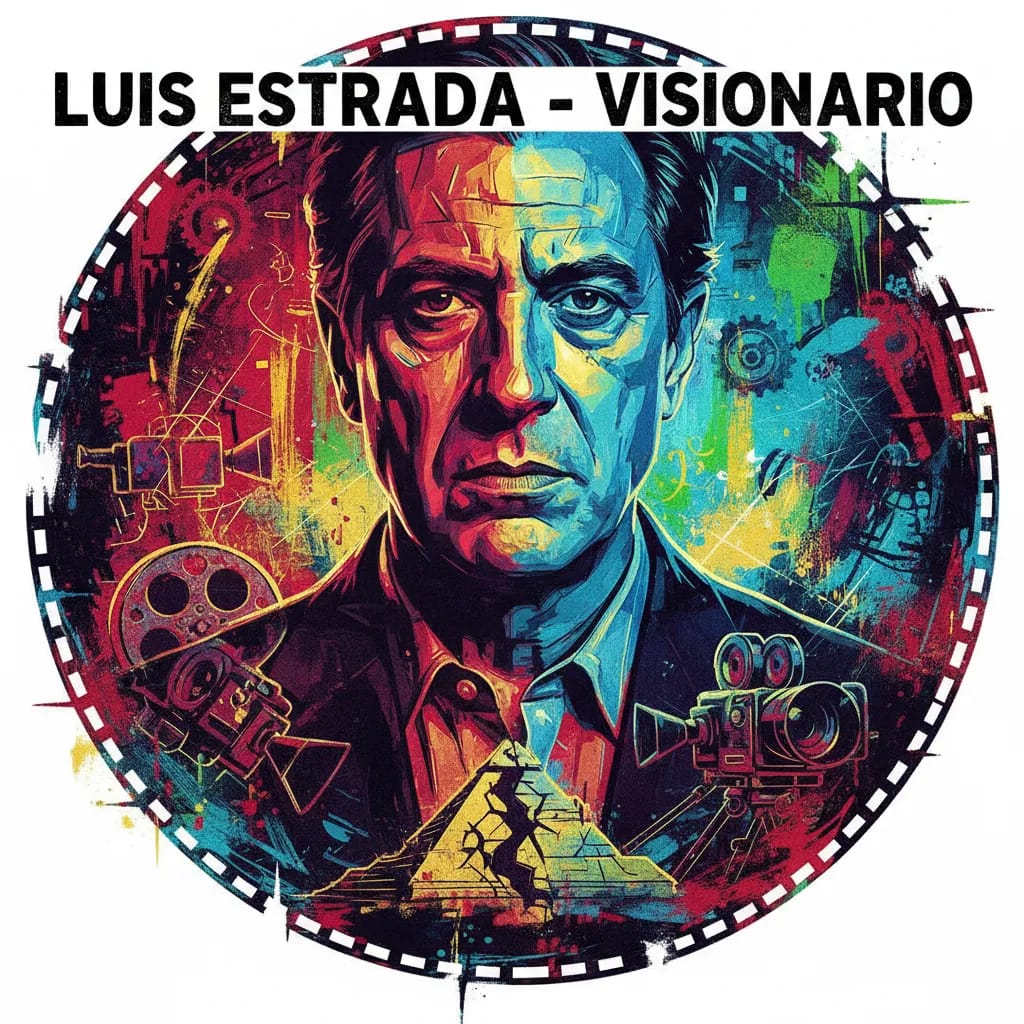
Luis Estrada
Luis Estrada, a renowned Mexican film director, has made significant contributions to the world of cinema with his distinct directorial style and thought-provoking storytelling. With a career spanning over three decades, Estrada has cemented his reputation as a master of blending sharp political satire with dark humor, making him a prominent figure in the realm of social commentary through film. Estrada's filmography boasts a diverse range of works, but one of his most celebrated films is "Hell" (2010). This action-packed comedy crime film, set against the backdrop of Mexico's corrupt political landscape, showcases Estrada's ability to merge gripping narratives with biting satire. His directorial prowess shines through in "Hell," as he fearlessly exposes societal injustices and political corruption while infusing the story with a touch of dark comedy, ultimately provoking introspection and critical thinking among audiences. Notably, Estrada's directorial style often revolves around unapologetically addressing socio-political issues, shedding light on the harsh realities of contemporary Mexican society. His films often feature flawed yet relatable characters navigating through the complexities of corruption, inequality, and societal decay, effectively resonating with audiences on a profound level. Estrada's impact on cinema extends beyond mere entertainment, as his work serves as a powerful vehicle for inciting meaningful discourse and challenging the status quo. By fearlessly tackling controversial subjects and pushing the boundaries of conventional storytelling, he has carved a niche for himself as a visionary director unafraid to confront uncomfortable truths and spark vital conversations through his art. In conclusion, Luis Estrada's directorial career stands as a testament to his unwavering commitment to using film as a tool for societal reflection and transformation. Through his distinctive directorial style, notable films like "Hell," and uncompromising exploration of socio-political themes, Estrada has left an indelible mark on cinema, earning him a well-deserved place among the most influential and revered directors of our time.

Luis Llosa
Luis Llosa is a Peruvian film director known for his action-packed, adrenaline-pumping movies that have left an indelible mark on the action genre. With a career spanning over three decades, Llosa has made a name for himself with his distinctive directorial style, characterized by intense, high-stakes storytelling and visually stunning action sequences. His filmography boasts several notable works, including "Sniper" (1993), "The Specialist" (1994), and "Anaconda" (1997), each showcasing his prowess in delivering gripping narratives with a focus on thrills and suspense. Llosa's directorial style is marked by a keen eye for crafting heart-pounding action sequences and taut, suspenseful storytelling. His films often feature protagonists thrust into high-stakes situations, navigating through perilous obstacles while facing formidable adversaries. Llosa's ability to build tension and create immersive, pulse-pounding experiences has cemented his reputation as a master of the action genre. Notable for his emphasis on adrenaline-fueled storytelling, Llosa has consistently delivered films that captivate audiences with their high-octane action and riveting plotlines. "Sniper," which follows a veteran sniper and his apprentice navigating through the dangerous terrain of the Panamanian jungle, exemplifies Llosa's skill in crafting intense, war-themed narratives. "The Specialist," starring Sylvester Stallone and Sharon Stone, showcases Llosa's ability to infuse drama and suspense into an action-packed storyline, while "Anaconda" demonstrates his adeptness in creating chilling horror-tinged adventures set in the Amazon rainforest. Llosa's impact on cinema lies in his ability to transport audiences into heart-racing, adrenaline-charged worlds, where the stakes are high, and the action is relentless. His films have left an indelible mark on the action genre, influencing subsequent filmmakers and shaping audience expectations for exhilarating, edge-of-your-seat entertainment. With a career defined by a commitment to delivering electrifying cinematic experiences, Luis Llosa has solidified his status as a visionary director whose distinctive style continues to resonate with action enthusiasts and thrill-seekers alike.

Luis Mandoki
Luis Mandoki is a Mexican film director known for his emotionally charged dramas and romantic films. His directorial style often delves into the complexities of human relationships, portraying raw and authentic emotions on screen. Mandoki's notable films include "Trapped" (2002), a gripping thriller that explores the harrowing ordeal of a family held captive, and "Angel Eyes" (2001), a poignant romance featuring Jennifer Lopez and Jim Caviezel. His work also includes "Message in a Bottle" (1999) and "When a Man Loves a Woman" (1994), both of which delve into the intricacies of love and loss. Mandoki's films often revolve around themes of love, redemption, and the human spirit's resilience in the face of adversity. His storytelling is characterized by its ability to evoke deep-seated emotions in audiences, creating a profound connection with the characters and their experiences. Mandoki's directorial prowess lies in his ability to capture intimate moments with authenticity, drawing viewers into the emotional core of his narratives. Having made a significant impact on cinema, Luis Mandoki's films have resonated with audiences worldwide, earning critical acclaim and touching the hearts of viewers. His unique vision and storytelling sensibility have cemented his status as a director who fearlessly explores the depths of human emotion and relationships on screen. Mandoki's contributions to the film industry have left an indelible mark, showcasing his ability to craft compelling narratives that leave a lasting impression. In summary, Luis Mandoki's directorial career is distinguished by his adeptness at capturing the essence of human emotion and relationships through his films. His work reflects a deep understanding of the human experience, making him a formidable presence in the realm of emotionally charged cinema. Mandoki's films continue to resonate with audiences, solidifying his reputation as a director with a unique vision and a profound impact on the world of cinema.
Luiso Berdejo
Luiso Berdejo is a Spanish film director best known for his work in the horror and thriller genres. Berdejo made his directorial debut with the 2009 film "The New Daughter," a gripping and atmospheric horror-thriller that showcased his ability to build tension and create a sense of unease. His directorial style is characterized by a meticulous attention to detail, a knack for generating suspense, and a talent for crafting visually striking and immersive storytelling. "The New Daughter" marked Berdejo's emergence as a director with a flair for delving into the darker realms of human experiences and the supernatural. The film's success solidified Berdejo's reputation as a filmmaker capable of delivering chilling and thought-provoking narratives that resonate with audiences. His ability to blend psychological horror with compelling character dynamics has set him apart as a director with a unique vision for the genre. Throughout his career, Berdejo has demonstrated a penchant for exploring themes of isolation, fear of the unknown, and the complexities of human relationships. His films often delve into the psychological and emotional landscapes of his characters, adding depth and complexity to the horror genre. Berdejo's work has left an indelible mark on the horror and thriller genres, contributing to the evolution of storytelling and visual aesthetics within these genres. With "The New Daughter," Berdejo showcased his ability to create a haunting and immersive cinematic experience that lingers with viewers long after the credits roll. His directorial prowess and distinctive approach to storytelling have solidified his status as a filmmaker to watch in the realm of horror and thriller cinema. As he continues to carve out his place in the industry, audiences can anticipate more captivating and spine-tingling narratives from this visionary director.

Luis Ortega
Luis Ortega is a talented Argentine director known for his unique vision and impactful storytelling. With a career that spans over two decades, Ortega has solidified his reputation as a masterful filmmaker, particularly in the genres of biography, crime, and drama. His most notable film to date is "El Angel" (2018), which garnered widespread critical acclaim and showcased Ortega's prowess in capturing the complexities of real-life characters and their entanglement with crime. Ortega's directorial style is characterized by its raw and unflinching portrayal of human nature, delving into the depths of the human psyche and exploring the motivations behind criminal behavior. His films often feature morally ambiguous protagonists, allowing audiences to empathize with characters who exist in the grey areas of society. Ortega's ability to humanize his subjects while navigating the gritty realities of their lives sets him apart as a director with a keen understanding of the human condition. "El Angel" serves as a prime example of Ortega's directorial finesse, as he skillfully navigates the true story of Argentine serial killer Carlos Robledo Puch. The film's seamless blend of biography, crime, and drama showcases Ortega's versatility as a storyteller, adeptly balancing the narrative's emotional depth with its thrilling criminal elements. Through his meticulous attention to detail and evocative visual style, Ortega brings a fresh perspective to the true crime genre, captivating audiences with his immersive storytelling. Throughout his career, Ortega has consistently explored themes of identity, morality, and the darker aspects of society, creating a body of work that resonates with audiences on a profound level. His impact on cinema extends beyond the borders of Argentina, as his compelling narratives and dynamic direction have garnered international acclaim. As a director, Ortega continues to push the boundaries of storytelling, cementing his status as a visionary filmmaker with a distinct and compelling voice in the world of cinema.

Luis Piedrahita
Luis Piedrahita, the acclaimed Spanish film director, is renowned for his compelling storytelling and captivating directorial style. With a career marked by a distinct blend of mystery and thriller genres, Piedrahita has left an indelible mark on the world of cinema. His most notable film, "Fermat's Room" (2007), stands as a testament to his directorial prowess and narrative ingenuity. Piedrahita's directorial style is characterized by a meticulous attention to detail and an innate ability to create suspenseful, thought-provoking narratives. "Fermat's Room" exemplifies his penchant for crafting intricate and immersive storytelling, drawing audiences into a world of enigma and intrigue. The film's success solidified Piedrahita's reputation as a master of suspense, earning him widespread acclaim from both audiences and critics alike. Throughout his career, Piedrahita has explored recurring themes of intellectual challenge, psychological depth, and the unraveling of complex mysteries. His films often delve into the intricacies of the human mind, pushing the boundaries of conventional storytelling and captivating audiences with their enigmatic allure. Piedrahita's unique vision has distinguished him as a director with an unparalleled ability to engage and enthrall viewers, setting him apart as a true luminary in the realm of mystery and thriller cinema. Piedrahita's impact on cinema extends beyond his directorial prowess, as his work has inspired and influenced a new generation of filmmakers. His ability to seamlessly blend suspense and intellectual intrigue has left an indelible mark on the industry, shaping the landscape of mystery and thriller films for years to come. With a career defined by innovation and artistry, Luis Piedrahita continues to captivate audiences with his unparalleled storytelling and visionary directorial style.

Luis Prieto
Luis Prieto is a visionary film director known for his distinctive style and remarkable contributions to the world of cinema. His notable filmography includes the 2017 action-packed thriller "Kidnap," which showcases his ability to craft gripping narratives and intense, heart-pounding sequences. Prieto's directorial style is characterized by his keen ability to build tension and suspense, drawing audiences into the heart of his stories. His meticulous attention to detail and skillful command of pacing make his films a riveting experience for viewers. "Kidnap" exemplifies Prieto's talent for creating high-octane, adrenaline-fueled cinema that keeps audiences on the edge of their seats from start to finish. Throughout his career, Prieto has explored themes of perseverance, determination, and the unwavering strength of the human spirit. His films often center around protagonists who are faced with daunting challenges, and through their trials and tribulations, they exhibit an indomitable will to overcome adversity. This recurring theme underscores Prieto's commitment to portraying the resilience of the human condition, resonating with audiences on a deeply emotional level. "Luis Prieto's directorial prowess has left an indelible mark on the film industry, earning him a well-deserved reputation as a master storyteller. His ability to craft compelling narratives and bring them to life on the big screen has captivated audiences worldwide. With "Kidnap," Prieto has once again demonstrated his exceptional talent for creating gripping, pulse-pounding cinema that leaves a lasting impression on viewers. As a director, he continues to push the boundaries of storytelling, cementing his status as a visionary filmmaker." In conclusion, Luis Prieto's directorial career is a testament to his unwavering dedication to his craft and his ability to transport audiences into the heart of his meticulously crafted narratives. His impact on cinema is undeniable, and his work continues to inspire and captivate audiences around the globe. Prieto's unique vision and storytelling prowess have solidified his place as a trailblazing director in the world of cinema.

Luis Puenzo
Luis Puenzo is a renowned Argentine film director, screenwriter, and producer who has made a significant impact on world cinema. With a career spanning over four decades, Puenzo has garnered acclaim for his thought-provoking storytelling, meticulous attention to detail, and his ability to shed light on social and political issues. He first gained international recognition with his directorial debut, "The Official Story" (1985), which won the Academy Award for Best Foreign Language Film. This powerful drama, set against the backdrop of Argentina's Dirty War, showcased Puenzo's skill in crafting emotionally resonant narratives while addressing urgent historical and human rights themes. Puenzo's directorial style is characterized by his masterful use of visual storytelling and his commitment to depicting complex, morally challenging narratives. His films often delve into the psychological and emotional depths of his characters, offering audiences a nuanced exploration of human experiences in the face of adversity. Throughout his career, Puenzo has demonstrated a keen eye for capturing the socio-political landscapes of Latin America, infusing his works with a sense of urgency and authenticity. "The Official Story" stands as a testament to Puenzo's ability to tackle difficult subject matter with sensitivity and depth, earning him accolades for his unflinching portrayal of the human cost of political turmoil. The film's impact reverberated globally, sparking conversations about historical injustice and cementing Puenzo's reputation as a director with a profound understanding of the human condition. His commitment to shedding light on marginalized voices and contentious historical events has solidified his status as a trailblazer in the realm of socially conscious filmmaking. Puenzo's legacy extends beyond his directorial achievements, as he continues to inspire a new generation of filmmakers to use their craft as a means of inciting social change and fostering empathy. His body of work serves as a testament to the enduring power of cinema to provoke meaningful discourse and challenge prevailing narratives. As a pioneer in Argentine cinema and a force for global storytelling, Luis Puenzo's contributions continue to resonate with audiences and industry professionals alike, securing his place as a visionary director whose impact transcends borders and generations.

Luis Valdez
Luis Valdez is an acclaimed filmmaker and playwright known for his significant contributions to Chicano cinema and theater. Born in 1940 in Delano, California, Valdez rose to prominence as a leading figure in the Chicano arts movement during the 1960s and 1970s. His directorial style is characterized by a poignant blend of social commentary, cultural representation, and musicality, encapsulating the rich heritage and struggles of the Latinx community in America. Valdez made a significant impact with his directorial debut, "Zoot Suit" (1981), a film adaptation of his own hit stage play. The movie, set against the backdrop of the Zoot Suit Riots in 1940s Los Angeles, delves into issues of racial prejudice and injustice while showcasing Valdez's penchant for vibrant storytelling and visually striking imagery. His ability to infuse historical context with contemporary relevance established him as a pioneering voice in Chicano cinema. One of Valdez's most iconic works is "La Bamba" (1987), a biographical drama that chronicles the tragically short life of rock 'n' roll sensation Ritchie Valens. The film is celebrated for its authentic portrayal of Mexican-American culture and Valdez's adept direction, which skillfully captures the era's musical fervor and the protagonist's personal journey. "La Bamba" remains a beloved classic, revered for its emotional resonance and enduring impact on the music biopic genre. Throughout his career, Valdez has consistently explored themes of identity, resilience, and the pursuit of the American dream, reflecting his own experiences and the experiences of marginalized communities. His commitment to amplifying underrepresented voices and shedding light on the complexities of cultural assimilation has left an indelible mark on cinema. Valdez's visionary storytelling and dedication to authentic representation have cemented his status as a trailblazer in the realm of Latinx filmmaking, inspiring a new generation of filmmakers to embrace their heritage and tell stories that resonate with diverse audiences. In conclusion, Luis Valdez's directorial legacy is defined by a profound commitment to illuminating the richness of Chicano culture and history on the silver screen. His evocative storytelling, thematic depth, and directorial prowess have not only carved a space for Latinx narratives in mainstream cinema but have also contributed significantly to the cultural tapestry of American film. As a pioneer of Chicano cinema, Valdez's work continues to inspire, educate, and entertain, ensuring