Director Names Starting with L
Showing 109-120 out of 143

Louis Clichy
Louis Clichy is a highly acclaimed French animation director known for his exceptional work in the film industry. Clichy gained recognition for his directorial debut with the animated film "Asterix and Obelix: Mansion of the Gods" in 2014, which showcased his remarkable talent for bringing beloved comic book characters to life on the big screen. His keen eye for visual storytelling and attention to detail garnered widespread praise, marking the beginning of an illustrious career in animation direction. In 2018, Clichy further solidified his reputation with the release of "Asterix: The Secret of the Magic Potion," a delightful blend of animation, adventure, and comedy. With this film, Clichy continued to showcase his distinctive directorial style, characterized by vibrant visuals, lively storytelling, and a deep appreciation for the source material. His ability to infuse humor and heart into his animated creations has captivated audiences of all ages, cementing his status as a visionary director in the animation genre. Clichy's films often explore themes of friendship, bravery, and the triumph of good over evil, resonating with viewers on a profound level. His meticulous approach to animation and storytelling has left an indelible mark on the industry, inspiring aspiring animators and directors around the world. Clichy's dedication to preserving the spirit of classic comic book characters while infusing them with modern sensibilities has set him apart as a director with a distinctive and enduring impact on cinema. With a keen understanding of visual storytelling and a remarkable ability to breathe life into beloved characters, Louis Clichy continues to shape the landscape of animation and entertain audiences with his unparalleled directorial vision. As he continues to create captivating and timeless animated films, Clichy's contributions to the world of cinema are destined to leave a lasting legacy for generations to come.

Louis Leterrier
Louis Leterrier is a French director known for his dynamic and visually stunning action films. With a career spanning over two decades, Leterrier has made a significant impact on cinema with his distinct directorial style and penchant for high-octane storytelling. His filmography boasts a diverse range of genres, from action-packed blockbusters to gripping crime thrillers, showcasing his versatility as a filmmaker. Leterrier's breakout success came with "The Transporter" (2002), a pulse-pounding action thriller that established his reputation for delivering adrenaline-fueled spectacles. His collaboration with action star Jason Statham garnered critical acclaim and solidified his position in the industry. Leterrier continued to captivate audiences with "Transporter 2" (2005) and "Unleashed" (2005), further showcasing his mastery of kinetic choreography and intense storytelling. In 2008, Leterrier ventured into the realm of superhero films with "The Incredible Hulk," a reboot of the iconic Marvel character. His bold vision and innovative approach to the genre breathed new life into the franchise, earning praise for his ability to seamlessly blend action and character-driven narratives. This marked a significant milestone in his career, solidifying his status as a director capable of handling big-budget, effects-laden productions. Leterrier's directorial prowess reached new heights with "Clash of the Titans" (2010), a visually spectacular epic that underscored his flair for crafting immersive worlds and larger-than-life spectacle. His visionary storytelling and eye for breathtaking visuals cemented his reputation as a director with an unparalleled knack for creating cinematic experiences that leave a lasting impression. In 2013, Leterrier delved into the realm of crime thrillers with "Now You See Me," a captivating tale of illusionists and heists that showcased his ability to blend suspense and intrigue with mesmerizing visuals. The film's success further demonstrated Leterrier's ability to transcend genres while maintaining his signature style and captivating storytelling. With the upcoming release of "Fast X" (2023), Leterrier continues to push boundaries and redefine the action genre, solidifying his legacy as a visionary director who has left an indelible mark on cinema. His ability to infuse his films with heart-pounding action, compelling characters, and stunning visuals has firmly established him as a director whose work resonates with audiences worldwide. Louis Leterrier's impact on cinema is undeniable, and his unique vision continues to shape the

Louis Malle
Louis Malle was a prolific French film director known for his diverse range of films that delved into complex human emotions and societal issues. Born in 1932, Malle began his career as an assistant to renowned director Jacques Cousteau before making his directorial debut with the gripping crime thriller "Elevator to the Gallows" in 1958. This film showcased Malle's early penchant for suspenseful storytelling and innovative filmmaking techniques, establishing him as a director to watch in the French New Wave movement. Malle's directorial style was characterized by his ability to seamlessly transition between genres, showcasing his versatility and storytelling prowess. His filmography includes a wide array of genres, from the intimate and controversial drama "Pretty Baby" (1978) to the thought-provoking war drama "Au revoir les enfants" (1987). Malle's ability to navigate different genres with finesse cemented his status as a director capable of tackling diverse subject matter with depth and sensitivity. Notable for his exploration of taboo subjects, Malle fearlessly delved into controversial themes and societal issues, challenging audiences to confront uncomfortable truths. His film "Damage" (1992) exemplifies this fearlessness, as it explores the complexities of desire and infidelity with unflinching honesty. Malle's bold approach to storytelling and his willingness to tackle provocative subject matter set him apart as a director unafraid to push boundaries and provoke thoughtful discourse. Malle's impact on cinema is undeniable, as his films continue to resonate with audiences and inspire filmmakers to fearlessly explore the depths of human experience. His work has left an indelible mark on the cinematic landscape, earning him a reputation as a visionary director who fearlessly pushed the boundaries of storytelling. Louis Malle's legacy as a director is defined by his unwavering commitment to authenticity, his fearless exploration of taboo subjects, and his ability to captivate audiences with his thought-provoking narratives.

LP
LP is a talented film director known for his distinctive blend of comedy and romance, which he expertly weaves together to create engaging and entertaining narratives. His notable film "Desperados" (2020) is a prime example of his directorial prowess, showcasing his ability to infuse humor and heart into his work. LP's directorial style is characterized by his sharp wit, keen understanding of human relationships, and a knack for crafting relatable characters that resonate with audiences. Throughout his career, LP has consistently explored themes of love, friendship, and self-discovery, often using humor as a means to delve into the complexities of human emotions. His films are known for their lighthearted yet thought-provoking approach, which has earned him a devoted fan base and critical acclaim. LP's impact on cinema lies in his ability to create films that strike a balance between entertainment and emotional depth, offering audiences a delightful experience while also leaving them with meaningful takeaways. "Desperados" stands as a testament to LP's skill in capturing the nuances of modern relationships, infusing the story with comedic moments that are grounded in genuine human experiences. His adeptness at blending genres and eliciting genuine performances from his cast sets him apart as a director with a keen eye for storytelling. LP's unique vision and ability to connect with audiences on an emotional level have cemented his status as a director to watch in the world of comedy and romance films. LP's contributions to film have not only enriched the comedy and romance genres but have also solidified his position as a director who consistently delivers engaging, character-driven stories. His work demonstrates a deep understanding of human nature, and his ability to infuse humor and heart into his narratives has made him a standout figure in contemporary cinema. As LP continues to bring his distinctive directorial style to the screen, audiences can look forward to more captivating and entertaining films that showcase his unparalleled talent for storytelling.

L.Q. Jones
L.Q. Jones is a multi-talented figure in the world of entertainment, having made a significant impact as a director, writer, and actor. Born in Beaumont, Texas, in 1927, Jones initially gained recognition as a character actor in numerous Western films and television shows. However, it is his foray into directing that truly solidified his status as a pioneering filmmaker. With a distinctive directorial style characterized by a blend of dark humor, social commentary, and thought-provoking narratives, Jones has left an indelible mark on the world of cinema. One of L.Q. Jones' most notable directorial achievements is the cult classic "A Boy and His Dog" (1975). This post-apocalyptic black comedy, based on a novella by Harlan Ellison, showcases Jones' penchant for subversive storytelling and genre-bending creativity. The film, set in a dystopian future, follows the exploits of a young man and his telepathic dog as they navigate a harsh and desolate landscape. Through his direction, Jones expertly weaves together elements of comedy, drama, and science fiction, creating a film that remains a beloved and influential work in the realm of speculative fiction. Throughout his career, L.Q. Jones has exhibited a recurring fascination with themes of survival, companionship, and the human condition. His directorial efforts often explore the complexities of interpersonal relationships against the backdrop of extraordinary circumstances, offering audiences a poignant and thought-provoking viewing experience. Jones' ability to infuse his films with a blend of wit, insight, and emotional resonance has cemented his reputation as a director with a unique and compelling vision. L.Q. Jones' impact on cinema extends beyond his individual directorial endeavors, as he has contributed to the evolution of storytelling in film. His willingness to push the boundaries of traditional genres and his skillful navigation of complex themes have paved the way for a new generation of filmmakers to explore the intersection of humor, drama, and speculative fiction. As a director, writer, and actor, Jones has carved out a distinctive niche in the cinematic landscape, leaving an enduring legacy that continues to inspire and captivate audiences. In conclusion, L.Q. Jones' directorial career is characterized by a bold and innovative approach to storytelling, marked by a fusion of genres, incisive social commentary, and memorable characters. With "A Boy and His Dog" standing as a testament to his creative prowess, Jones has solidified his status

Luca Guadagnino
Luca Guadagnino is an Italian film director renowned for his visually sumptuous and emotionally resonant works that have captivated audiences and critics alike. With a career spanning over two decades, Guadagnino has carved a niche for himself in the world of cinema, known for his keen eye for aesthetics and compelling storytelling. His directorial style is characterized by a meticulous attention to detail, a focus on sensuality, and a penchant for exploring complex human emotions through stunning visuals and evocative narratives. One of Guadagnino's most notable films is "I Am Love" (2009), a visually stunning drama that delves into the intricacies of love, family, and personal liberation. The film garnered widespread acclaim for its lush cinematography, captivating performances, and immersive storytelling. Guadagnino continued to garner acclaim with the 2015 release of "A Bigger Splash," a mesmerizing blend of drama, music, and thriller elements that further showcased his directorial prowess. In 2017, Guadagnino achieved international acclaim with "Call Me by Your Name," a poignant coming-of-age romance set against the backdrop of the Italian countryside. The film received widespread critical acclaim and garnered numerous accolades, including an Academy Award nomination for Best Picture. Guadagnino's ability to authentically capture the nuances of human relationships and evoke a strong sense of time and place solidified his reputation as a director with a unique and compelling vision. Guadagnino's most recent project, "Bones and All" (2022), sees the director delving into the realms of horror and romance, further showcasing his versatility and willingness to explore diverse genres while maintaining his signature aesthetic sensibilities. Throughout his career, Guadagnino has consistently explored themes of desire, identity, and the human experience, establishing himself as a filmmaker with a distinct voice and a profound impact on contemporary cinema. With an impressive body of work and a reputation for crafting visually arresting and emotionally resonant films, Luca Guadagnino continues to leave an indelible mark on the world of filmmaking.
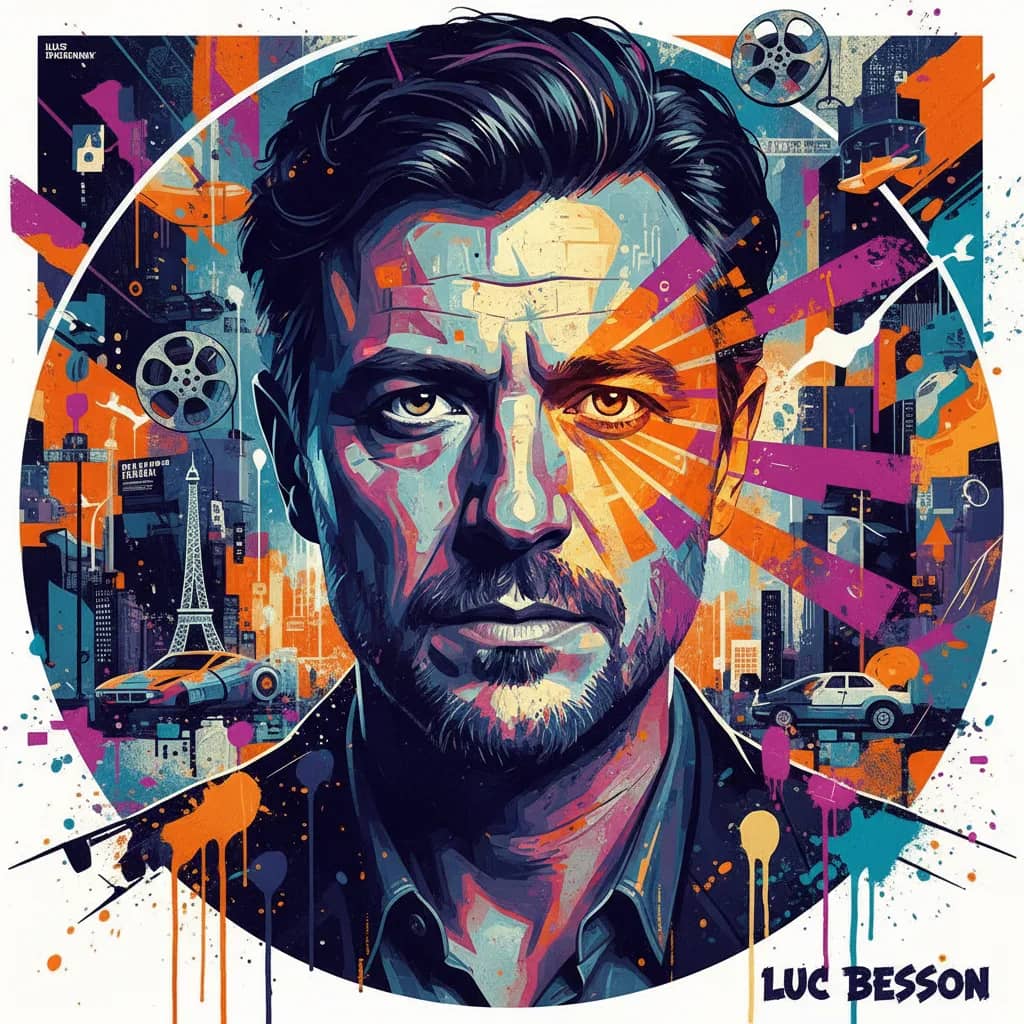
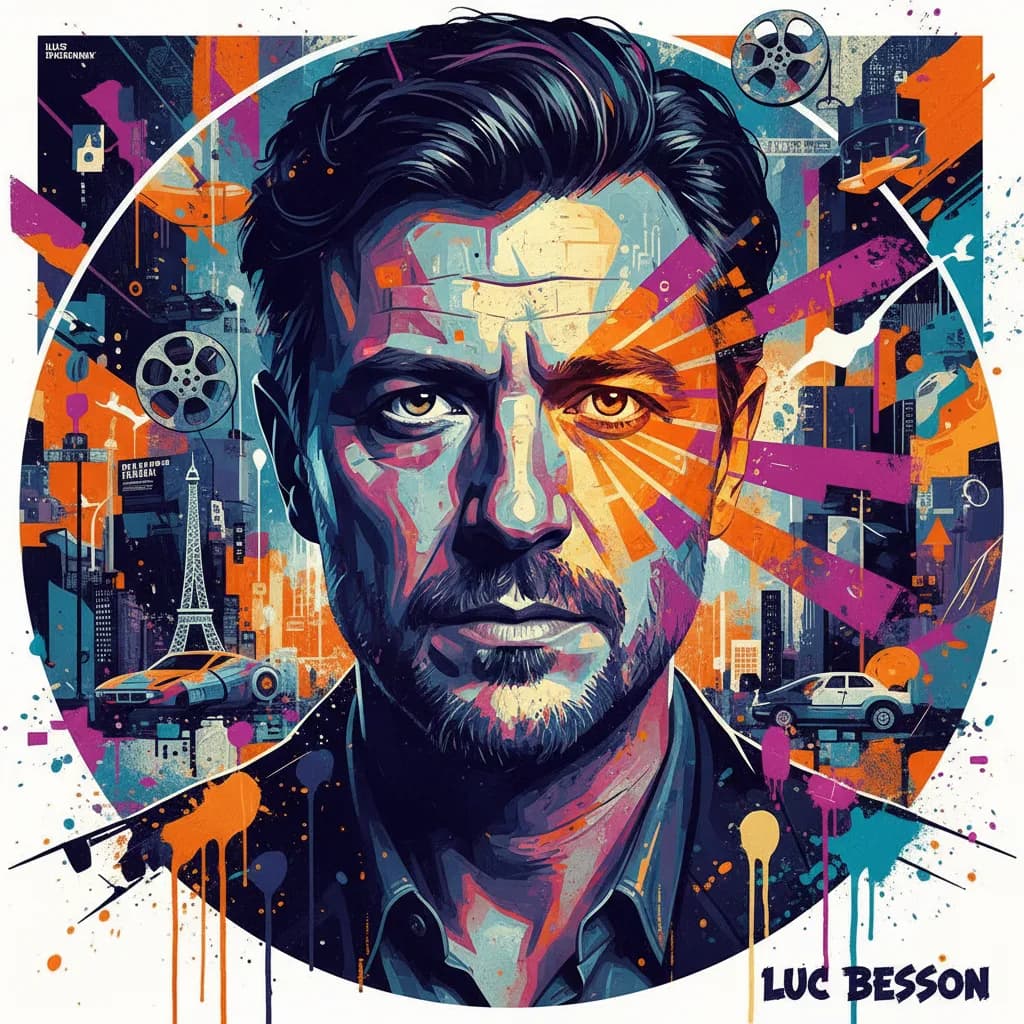
Luc Besson
Luc Besson is a visionary French director, producer, and screenwriter known for his distinct directorial style and groundbreaking contributions to the film industry. With a career spanning over three decades, Besson has left an indelible mark on cinema with his diverse and visually captivating filmography. His directorial repertoire includes a wide range of genres, from action-packed thrillers to thought-provoking biographical dramas and visually stunning sci-fi epics. Besson's directorial style is characterized by his ability to seamlessly blend exhilarating action sequences with compelling storytelling and visually striking cinematography. He has a penchant for creating immersive and dynamic worlds that capture the imagination of audiences worldwide. Notable films that exemplify his directorial prowess include "Léon: The Professional," a gripping action-crime drama that showcases Besson's ability to craft complex characters and intense, emotionally charged narratives. Additionally, "The Fifth Element" stands as a testament to his visionary approach to science fiction, with its innovative visual effects and immersive world-building. Throughout his career, Besson has explored recurring themes such as the resilience of the human spirit, the complexities of morality, and the juxtaposition of beauty and brutality. His films often feature strong, enigmatic female protagonists and delve into the complexities of their experiences and motivations. Besson's impact on cinema extends beyond his directorial work, as he has also produced and written numerous influential films, further solidifying his status as a cinematic trailblazer. With critically acclaimed works like "Lucy," "Valerian and the City of a Thousand Planets," and "The Messenger: The Story of Joan of Arc," Besson has continually pushed the boundaries of storytelling and visual effects, cementing his legacy as a visionary director with an unparalleled creative vision. His ability to craft compelling narratives across a spectrum of genres has earned him a devoted global fanbase and secured his place as a pioneering force in the world of filmmaking. Besson's impact on cinema has been profound, and his contributions continue to inspire and captivate audiences around the world. In summary, Luc Besson's illustrious career as a director, producer, and screenwriter has left an indelible mark on the film industry. His unique directorial style, exploration of recurring themes, and groundbreaking contributions have solidified his status as a visionary filmmaker. With a diverse and visually captivating filmography, Besson's impact on cinema is undeniable, and his ability to craft immersive and thought-provoking narratives has

Luc Dardenne
Luc Dardenne, the renowned Belgian filmmaker, has carved a distinct niche for himself in the world of cinema with his socially conscious and deeply humanistic storytelling. Alongside his brother Jean-Pierre, Dardenne has co-directed a series of critically acclaimed films that have garnered international acclaim and numerous awards. Dardenne's directorial style is characterized by his use of handheld camerawork, naturalistic performances, and a focus on the struggles of working-class individuals in contemporary society. Dardenne's filmography is marked by several notable works that have left an indelible mark on the cinematic landscape. "Rosetta" (1999), a raw and unflinching portrayal of a young woman's struggle for survival in the face of poverty, earned Dardenne the prestigious Palme d'Or at the Cannes Film Festival. "The Child" (2005) and "The Kid with a Bike" (2011) further solidified his reputation as a masterful storyteller, delving into themes of redemption, responsibility, and the complexities of human relationships. "Two Days, One Night" (2014) starring Marion Cotillard, showcased Dardenne's ability to extract powerful performances while exploring the ethical dilemmas faced by the working class. Dardenne's films often revolve around marginalized characters navigating the challenges of contemporary society, addressing pressing social issues with empathy and insight. His work is characterized by a commitment to realism and an unwavering focus on the human experience, depicting the struggles and triumphs of ordinary people with authenticity and compassion. Dardenne's impact on cinema extends beyond his directorial achievements, as his films have influenced a generation of filmmakers and inspired meaningful discussions around social justice and the human condition. In conclusion, Luc Dardenne's directorial vision has left an indelible mark on the world of cinema, earning him a place among the most influential and revered auteurs of contemporary filmmaking. With a keen eye for human drama and a commitment to portraying the complexities of everyday life, Dardenne has crafted a body of work that continues to resonate with audiences and critics alike. His films stand as a testament to the power of cinema to provoke introspection and spark conversations about the pressing issues of our time.
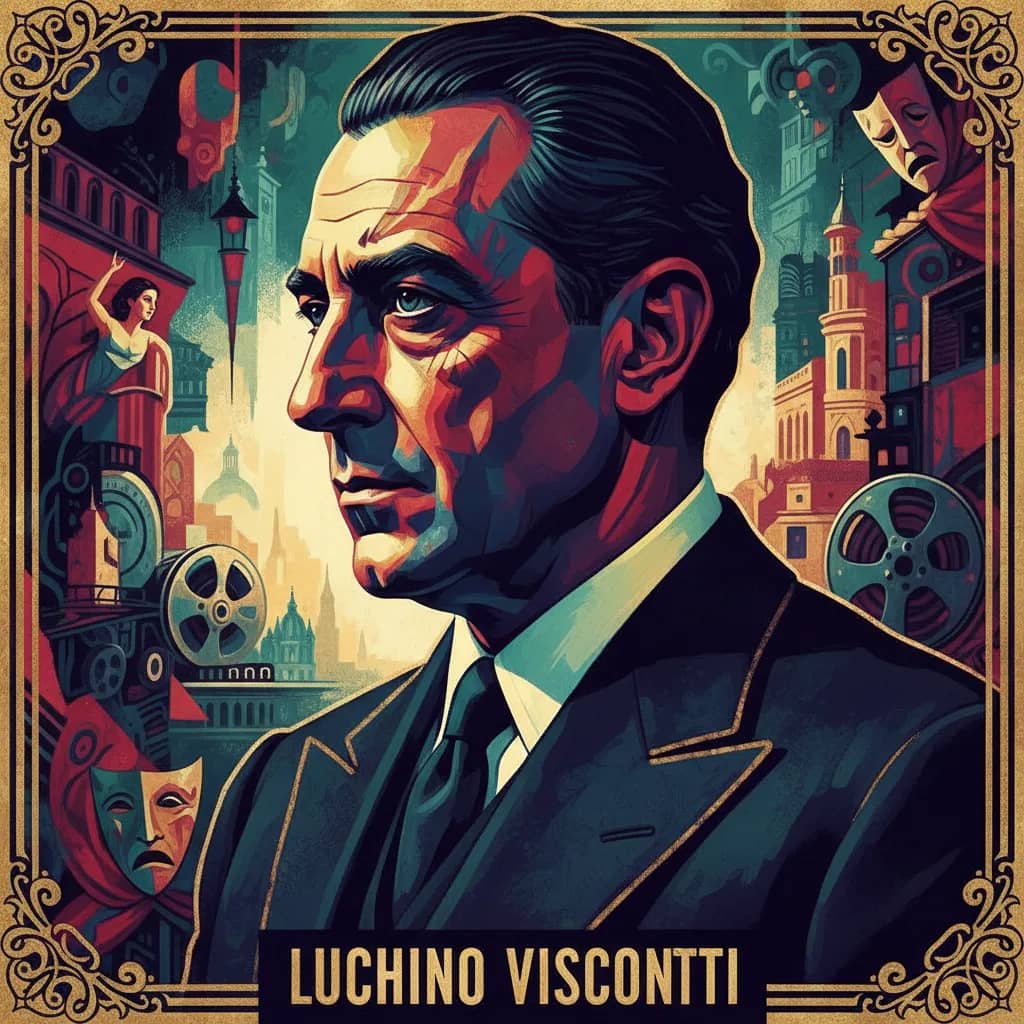
Luchino Visconti
Luchino Visconti was a prominent Italian film director whose career spanned over five decades, leaving an indelible mark on the world of cinema. Known for his meticulous attention to detail and sumptuous visual style, Visconti's films often revolved around themes of decadence, class struggle, and the fading aristocracy, providing a deep insight into Italian society and culture. His directorial style was characterized by a profound appreciation for classical literature, which he skillfully adapted to the screen, infusing his films with a sense of grandeur and emotional depth. One of Visconti's most celebrated works is "Rocco and His Brothers" (1960), a gripping tale of a southern Italian family's struggle to survive in the brutal urban landscape of Milan. This film exemplifies Visconti's ability to capture the raw emotions and complexities of human relationships, earning him international acclaim and establishing him as a leading figure in the Italian neorealism movement. Another milestone in Visconti's career is "The Leopard" (1963), an epic historical drama set against the backdrop of the Risorgimento, which showcased his mastery in creating visually stunning period pieces while delving into the intricacies of power and change. In "Death in Venice" (1971), Visconti took on Thomas Mann's classic novella, delivering a haunting and visually mesmerizing exploration of repressed desires and the fragility of beauty. The film's evocative imagery and haunting score solidified Visconti's reputation as a master of sensual storytelling, leaving an enduring impact on the cinematic landscape. Throughout his career, Visconti's films were marked by their lavish production design, exquisite cinematography, and deeply introspective narratives, cementing his status as a visionary auteur whose influence continues to resonate in contemporary filmmaking. Luchino Visconti's oeuvre remains a testament to his unparalleled ability to infuse his films with striking visual poetry and profound social commentary, shaping the course of Italian and world cinema. His unparalleled impact on the art of filmmaking has inspired generations of directors and continues to captivate audiences with its timeless beauty and emotional resonance. Visconti's legacy endures as a testament to the transformative power of cinema and the enduring brilliance of a visionary director whose work transcends the boundaries of time and culture.

Lucia Aniello
Lucia Aniello is a talented film director known for her work in the comedy genre. Her notable filmography includes the 2017 hit "Rough Night," which showcased her skill in crafting hilarious and engaging narratives. Aniello's directorial style is marked by a sharp wit, clever storytelling, and a keen eye for comedic timing. Her work often features strong ensemble casts and dynamic female characters, contributing to her reputation as a director with a fresh and modern perspective. "Rough Night" stands as a prime example of Aniello's ability to blend humor with compelling storytelling. The film follows a group of friends who find themselves entangled in a wild and chaotic bachelorette party gone awry. Aniello's direction infuses the movie with a vibrant energy and a unique blend of humor and heart, resonating with audiences and critics alike. Aniello's work often explores themes of friendship, identity, and the complexities of modern relationships, all while maintaining a sharp comedic edge. Her contributions to cinema have helped pave the way for more diverse and inclusive storytelling, particularly in the realm of female-led comedies. Aniello's unique vision and directorial prowess have left an indelible mark on the comedy genre, earning her a well-deserved place among the industry's most promising talents. As a director, Lucia Aniello continues to push boundaries and challenge conventions, consistently delivering films that are both entertaining and thought-provoking. Her impact on cinema is undeniable, and her future projects are highly anticipated as she continues to carve out her place as a trailblazer in the world of comedy filmmaking. With her distinct directorial style and keen storytelling abilities, Aniello is undoubtedly a director to watch, with her work leaving a lasting impression on audiences and industry professionals alike.

Lucía Puenzo
Lucía Puenzo is an Argentine director, screenwriter, and novelist known for her unique and thought-provoking storytelling. With a keen eye for human emotion and complex characters, Puenzo has made a significant impact on cinema, particularly in the realm of drama and romance. Her directorial style is marked by a delicate balance of introspection and societal commentary, often delving into themes of identity, sexuality, and the human condition. Puenzo's most notable film to date is "XXY" (2007), a poignant drama that explores the struggles of an intersex teenager coming to terms with their gender identity in a small coastal town. The film garnered critical acclaim and won the Critics' Week Grand Prize at the Cannes Film Festival, solidifying Puenzo's reputation as a director with a distinct and powerful voice. Her ability to tackle sensitive subject matter with empathy and nuance has set her apart in the industry. Throughout her career, Puenzo has demonstrated a consistent commitment to portraying marginalized voices and challenging societal norms. Her films often confront issues of prejudice and discrimination, offering audiences a fresh perspective on the human experience. Puenzo's exploration of unconventional relationships and the complexities of human connection has resonated with audiences worldwide, earning her a dedicated following and critical acclaim. Puenzo's work stands as a testament to the power of cinema to provoke introspection and inspire empathy. Her ability to craft compelling narratives with depth and sensitivity has cemented her status as a leading voice in contemporary cinema. As she continues to push boundaries and elevate underrepresented stories, Puenzo remains a director to watch, with each new project promising to captivate and provoke audiences in equal measure.

Lucio Fulci
Lucio Fulci, the Italian film director, made an indelible mark on the horror genre with his unique directorial style and a string of influential films that have left an enduring impact on cinema. Known for his visceral and unapologetically graphic approach to horror, Fulci's filmography boasts an impressive array of cult classics that continue to captivate audiences to this day. Fulci's directorial style is characterized by his unflinching portrayal of violence and gore, often pushing the boundaries of the genre. His films are marked by their atmospheric tension, surreal imagery, and a relentless sense of dread that permeates every frame. With an emphasis on visceral, often shocking imagery, Fulci's work has earned him a reputation as a master of Italian horror cinema. Notable films in Fulci's oeuvre include the chilling and atmospheric "City of the Living Dead" (1980), the nightmarish and hallucinatory "The Beyond" (1981), and the haunting and macabre "The House by the Cemetery" (1981). These films showcase Fulci's penchant for blending supernatural horror with elements of mystery and suspense, creating an immersive and terrifying experience for audiences. Throughout his career, Fulci explored recurring themes such as the blurring of the boundaries between the living and the dead, the fragility of sanity, and the primal fear of the unknown. His films often delve into the darkest recesses of the human psyche, confronting audiences with their deepest fears and anxieties. Fulci's impact on cinema is undeniable, as his work continues to inspire and influence contemporary filmmakers and genre enthusiasts. His uncompromising vision and boundary-pushing approach to horror have solidified his legacy as a pioneer of the genre and a revered figure in the annals of cult cinema. With a body of work that remains as viscerally potent and thematically resonant as ever, Lucio Fulci's contributions to the world of horror cinema are nothing short of legendary.