Director Names Starting with G
Showing 73-84 out of 187

George Marshall
George Marshall was a prolific American film director known for his versatile directorial style and his significant contributions to the Western and comedy genres. With a career spanning over four decades, Marshall's filmography boasts an impressive array of notable films, including the epic Western "How the West Was Won" (1962) and the classic comedy Western "Destry Rides Again" (1939). His unique vision and directorial prowess have left an indelible mark on cinema, cementing his status as a highly influential filmmaker. Marshall's directorial style was marked by a deft blend of action, humor, and compelling storytelling. His films often captured the essence of the American West, portraying rugged landscapes and the complexities of frontier life with an authentic and immersive quality. This thematic focus on the Western genre allowed Marshall to showcase his adeptness at portraying the adventurous spirit of the Wild West, as evidenced by his masterful direction in "How the West Was Won," a sprawling epic that remains a testament to his directorial prowess. In addition to his Western epics, Marshall also made a significant impact on the comedy genre, demonstrating an exceptional ability to infuse his films with wit, charm, and timeless humor. "Destry Rides Again" stands as a quintessential example of Marshall's comedic genius, blending lighthearted moments with gripping action and memorable characters, thus solidifying his reputation as a director capable of delivering rich and entertaining narratives. Marshall's enduring legacy lies in his ability to seamlessly transition between genres, demonstrating a remarkable range that allowed him to leave an indelible mark on both Western and comedy films. His films continue to captivate audiences, and his influence on cinema remains palpable, as his directorial contributions have paved the way for future filmmakers to explore and expand upon the themes and styles that he adeptly brought to the silver screen. George Marshall's legacy as a visionary director and storyteller continues to resonate in the annals of cinematic history, ensuring his lasting impact on the art of filmmaking.
George Miller
George Miller stands as a seminal figure in modern cinema, boasting an illustrious career that has spanned over four decades, characterized by his visionary approach and unparalleled versatility. From the post-apocalyptic wastelands of the "Mad Max" series to the heartwarming tunes of "Happy Feet," Miller's directorial journey reflects not just a remarkable ability to transcend genre constraints but also a deep, resonant understanding of the human condition and narrative. Miller's directorial style is marked by its dynamic storytelling, innovative visual effects, and a profound thematic exploration of survival, rebellion, and the quest for justice. His films often delve into the complex interplay between civilization and savagery, imbuing them with a distinctive aesthetic that has significantly influenced the visual language of modern cinema. Through a career that began with the raw, visceral energy of "Mad Max" (1979), Miller demonstrated early on his capacity for crafting compelling narratives that resonate with audiences worldwide. Among his most notable and critically acclaimed films, "Mad Max: Fury Road" (2015) stands out, not only as a revitalization of the franchise he started but as a monumental achievement in action filmmaking. The film received universal acclaim for its direction, innovative action sequences, and environmental commentary, earning Miller an Academy Award nomination for Best Director and winning six Oscars in technical categories. Miller's influence on cinema extends beyond his individual contributions to specific films. Through his work, Miller has significantly impacted the action and animation genres, demonstrating an exceptional ability to engage with and inspire both audiences and fellow filmmakers alike. His directorial achievements have earned him a revered place within the industry, underscored by numerous awards and recognitions that celebrate his pioneering vision and artistic audacity. George Miller's career not only highlights his exceptional talent and creativity but also his enduring impact on the landscape of global cinema.
George Nolfi
George Nolfi is a talented film director known for his unique blend of captivating storytelling and thought-provoking themes. His notable directorial works include "The Banker" (2020) and "The Adjustment Bureau" (2011), both of which showcase his prowess in weaving together compelling narratives with a touch of drama, romance, and thought-provoking concepts. Nolfi's directorial style is characterized by a meticulous attention to detail and a knack for delving into the complexities of human relationships and societal dynamics. In "The Banker," Nolfi masterfully brings to life the true story of two African American entrepreneurs who overcome racial barriers to achieve success in the banking industry during the 1950s. The film not only showcases Nolfi's ability to tackle powerful real-life narratives but also highlights his commitment to shedding light on important social issues through the medium of cinema. His adept direction in "The Banker" captures the essence of the era while delivering a compelling and impactful storytelling experience. "The Adjustment Bureau" stands as another testament to Nolfi's directorial prowess, offering a unique blend of romance, science fiction, and thriller elements. The film delves into the concept of fate and free will, captivating audiences with its mesmerizing visuals and thought-provoking narrative. Nolfi's ability to seamlessly fuse different genres while maintaining a strong focus on character development and emotional depth solidifies his position as a versatile and innovative director. Throughout his career, George Nolfi has consistently explored themes of ambition, resilience, and the human spirit, enriching the cinematic landscape with his distinct directorial vision. His impactful contributions to cinema extend beyond mere entertainment, as he continually seeks to provoke meaningful conversations and inspire introspection through his thoughtfully crafted films. Nolfi's dedication to storytelling and his ability to infuse his work with depth and relevance make him a director to watch, with each new project promising a captivating and enriching experience for audiences worldwide.
George Ogilvie
George Ogilvie is an Australian film director best known for his work on the iconic action-adventure film "Mad Max Beyond Thunderdome" (1985). Collaborating with the legendary George Miller, Ogilvie co-directed this post-apocalyptic masterpiece, contributing his distinctive vision to the film's cinematic success. His directorial style is marked by a keen eye for visual storytelling, a flair for creating intense action sequences, and a knack for infusing his films with thought-provoking themes. "Mad Max Beyond Thunderdome" stands as the pinnacle of Ogilvie's directorial career, showcasing his ability to bring a dystopian world to life with gritty realism and captivating visuals. The film's success is a testament to Ogilvie's impact on the action and sci-fi genres, as he skillfully balanced thrilling action with deeper explorations of human nature, survival, and societal collapse. His collaboration with George Miller resulted in a film that continues to inspire and influence filmmakers and audiences alike. Ogilvie's work is characterized by recurring themes of resilience, survival, and the human spirit in the face of adversity. His ability to create immersive worlds and compelling characters has left an indelible mark on the action-adventure genre. His contributions to cinema extend beyond his directorial work, as his influence has helped shape the visual language and storytelling techniques of modern action films. In summary, George Ogilvie's directorial career has left an enduring impact on cinema, particularly within the action and sci-fi genres. His visionary approach to storytelling, coupled with his ability to craft visually stunning and thematically rich films, has solidified his status as a director of immense talent and influence. "Mad Max Beyond Thunderdome" stands as a testament to his directorial prowess, and his legacy continues to resonate with audiences and filmmakers around the world.
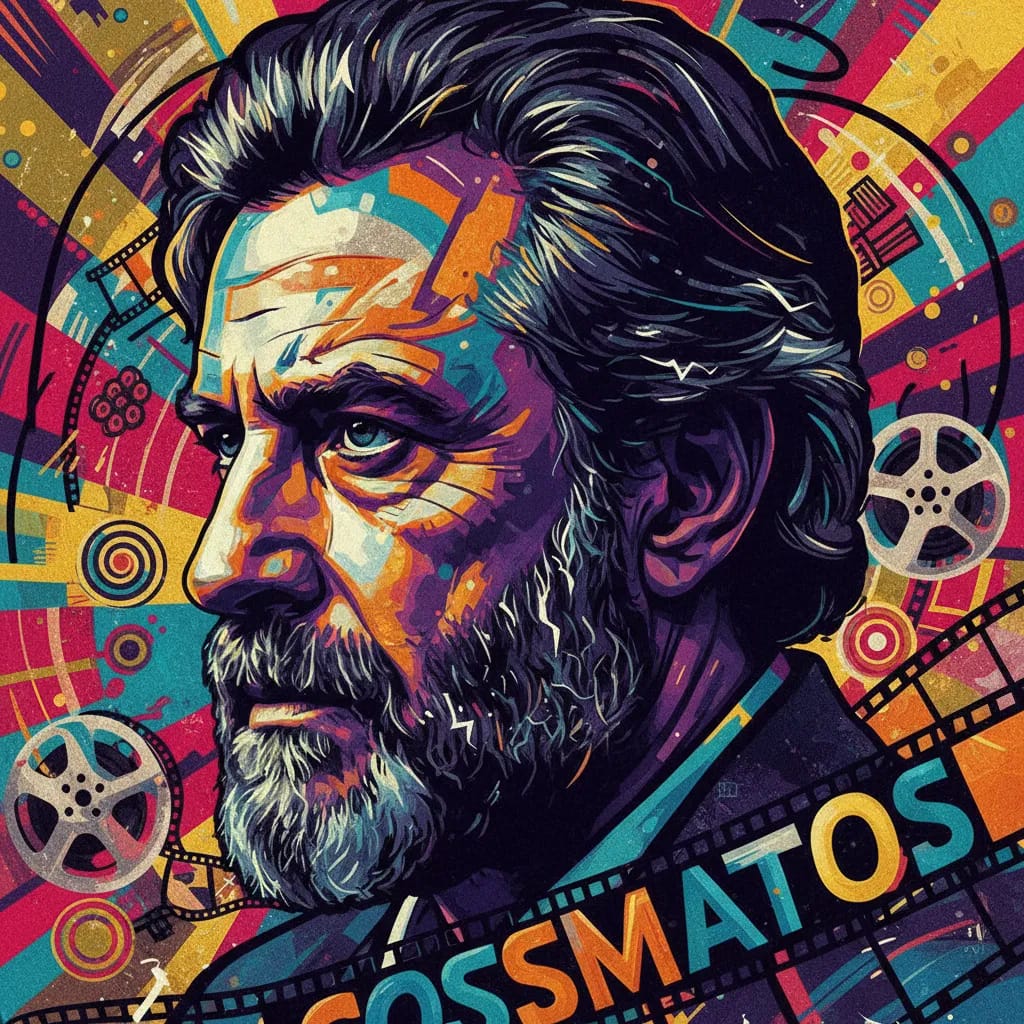
George P. Cosmatos
George P. Cosmatos, a Greek-Italian film director, left an indelible mark on the action and thriller genres with a career spanning three decades. His directorial style was characterized by high-octane action sequences, gripping storytelling, and an innate ability to elevate adrenaline-pumping narratives. Cosmatos' notable films include "Rambo: First Blood Part II" (1985), "Cobra" (1986), and "Tombstone" (1993), each contributing to his reputation as a maestro of action, adventure, and drama. In "Rambo: First Blood Part II," Cosmatos showcased his adeptness at crafting intense, pulse-pounding sequences, propelling the film to become a quintessential action classic. The collaboration with Sylvester Stallone resulted in a box office sensation, solidifying Cosmatos' status as a sought-after director in the realm of action cinema. Following this success, "Cobra" further exemplified his penchant for gritty, urban thrillers, establishing a trademark style that resonated with audiences and critics alike. Cosmatos' directorial prowess reached its zenith with "Tombstone," a gripping portrayal of the legendary gunfight at the O.K. Corral. This biographical drama underscored his versatility as a director, seamlessly transitioning from high-octane action to nuanced character-driven storytelling. The film's enduring impact on the Western genre solidified Cosmatos' reputation as a versatile director capable of commanding diverse narratives with finesse. Throughout his career, Cosmatos exhibited a penchant for exploring themes of heroism, resilience, and the human spirit against formidable odds. His films often delved into the complexities of morality and the triumph of the underdog, resonating with audiences on a profound level. Cosmatos' legacy endures as a visionary director who redefined the action and thriller genres, leaving an indelible imprint on cinema with his distinctive visual flair and storytelling acumen.

George Ratliff
George Ratliff is an American film director best known for his work in the drama, horror, and thriller genres. Ratliff made his feature film directorial debut with "Joshua" in 2007. The film garnered critical acclaim and showcased Ratliff's unique directorial style, characterized by a blend of psychological tension, atmospheric storytelling, and compelling character development. "Joshua" revolves around a young boy named Joshua, whose behavior becomes increasingly disturbing, leading to a series of unsettling events within his family. Ratliff's meticulous attention to detail and his ability to create a palpable sense of dread made the film a standout in the psychological horror genre. His directorial prowess was evident in his adept handling of the film's eerie atmosphere and the gradual unraveling of the protagonist's psyche. Ratliff's directorial style often delves into the psychological complexities of his characters, effectively building tension and suspense through nuanced storytelling and visual composition. His films often explore themes of family dynamics, psychological trauma, and the darker aspects of human nature, resonating with audiences who appreciate thought-provoking narratives and atmospheric storytelling. While Ratliff's directorial career has been relatively focused, "Joshua" firmly established him as a director with a knack for crafting compelling and unsettling narratives within the horror and thriller genres. His impact on cinema lies in his ability to create immersive and psychologically intense experiences for audiences, cementing his status as a director with a distinctive vision and a penchant for evocative storytelling. In conclusion, George Ratliff's directorial career is marked by his ability to infuse psychological depth and atmospheric tension into his films, particularly evident in the acclaimed "Joshua." With a unique directorial style that delves into the darker recesses of the human psyche, Ratliff has left an indelible mark on the psychological horror and thriller genres, captivating audiences with his thought-provoking narratives and immersive storytelling.
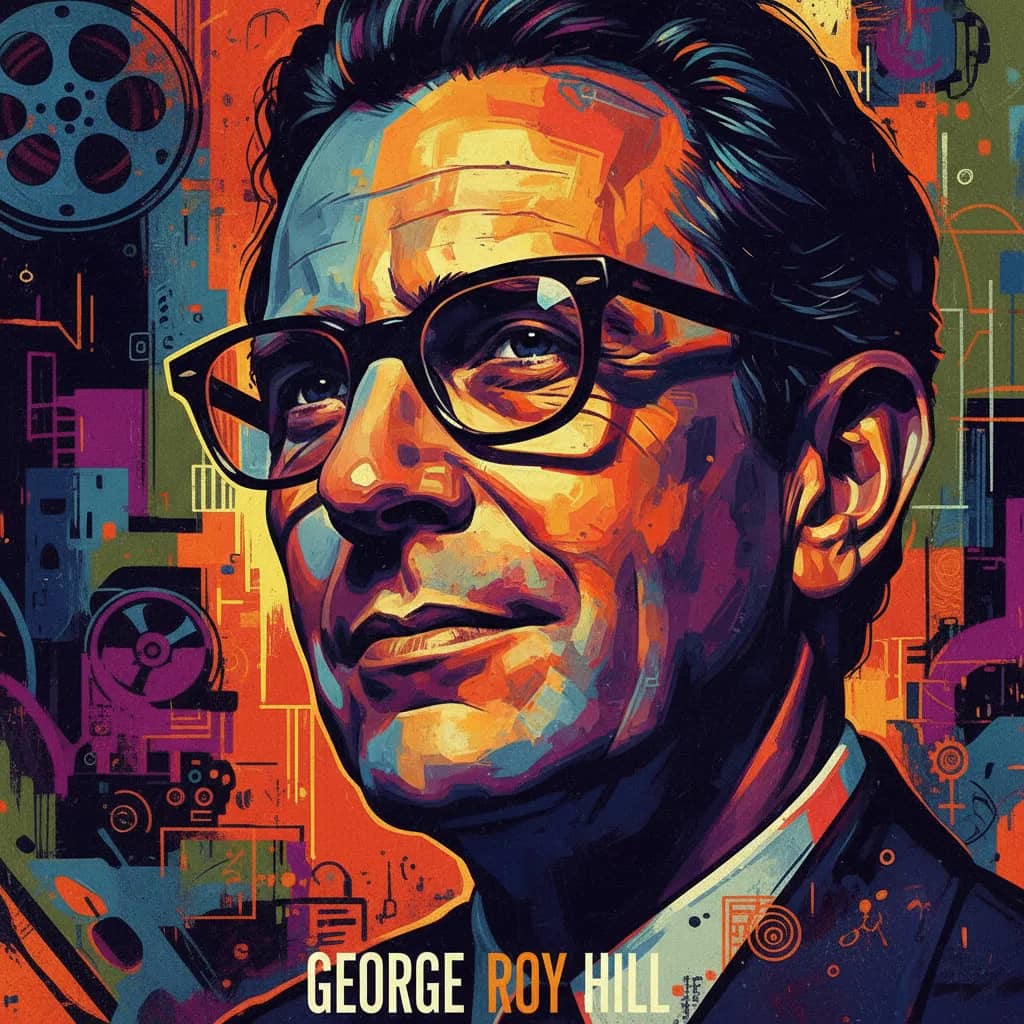
George Roy Hill
George Roy Hill was an American film director who left an indelible mark on the world of cinema with his distinctive directorial style and a diverse filmography that spanned multiple genres. Hill's career was defined by his ability to seamlessly transition between different film genres, showcasing his versatility and storytelling prowess. His notable films include "The Sting" (1973), "Butch Cassidy and the Sundance Kid" (1969), "Slaughterhouse-Five" (1972), "Slap Shot" (1977), "The World According to Garp" (1982), and "Funny Farm" (1988). Hill's directorial style was characterized by a keen attention to detail, a strong emphasis on character development, and a talent for infusing both humor and drama into his narratives. He had a remarkable ability to bring out the best in his actors, resulting in compelling performances that resonated with audiences. Hill's films often featured a blend of wit, charm, and a touch of irreverence, reflecting his unique perspective on storytelling. Notably, "The Sting" and "Butch Cassidy and the Sundance Kid" stand as timeless classics that solidified Hill's reputation as a master storyteller. His collaboration with actors such as Paul Newman and Robert Redford in these films resulted in iconic performances and elevated the heist and western genres to new heights. Hill's ability to seamlessly navigate between genres, from crime and drama to comedy and sports, showcased his versatility and established him as a director capable of delivering compelling narratives across various themes and subject matters. Hill's impact on cinema is enduring, as his films continue to be celebrated for their timeless quality and enduring appeal. His ability to infuse humor, drama, and humanity into his narratives set a standard for storytelling in film that continues to influence filmmakers today. George Roy Hill's legacy as a director is defined by his unique vision, storytelling prowess, and his ability to connect with audiences across generations through his diverse body of work.

George Scribner
George Scribner is a talented film director known for his work in the animated film industry. His most notable work includes the 1988 Disney classic "Oliver & Company." Scribner's directorial style is characterized by his ability to infuse animated storytelling with heart, humor, and visually captivating aesthetics. He has a keen eye for detail and a gift for bringing animated characters to life in a way that resonates with audiences of all ages. "Oliver & Company" stands as a testament to Scribner's directorial prowess, combining stunning animation with a heartwarming story that has endured the test of time. The film follows the adventures of a young orphaned kitten named Oliver as he navigates the streets of New York City and forms an unlikely bond with a group of street-smart dogs. Scribner's direction brought this charming tale to life, captivating audiences with its memorable characters, catchy musical numbers, and vibrant animation. Throughout his career, Scribner has exhibited a penchant for exploring themes of friendship, belonging, and the triumph of the underdog, which are evident in "Oliver & Company." His ability to craft compelling narratives within the realm of animation has left a lasting impact on the genre, inspiring future generations of filmmakers and animators. George Scribner's contributions to the world of animated filmmaking have solidified his status as a visionary director. His unique vision and storytelling sensibilities have enriched the cinematic landscape, making him a revered figure in the industry. With "Oliver & Company," Scribner established himself as a director capable of delivering timeless stories that continue to resonate with audiences, cementing his legacy as a master of animated storytelling.
George Seaton
George Seaton was an American film director, screenwriter, and producer known for his versatile range across genres. With a career spanning several decades, Seaton left an indelible mark on the film industry through his unique directorial style and storytelling prowess. He was particularly adept at crafting heartwarming and poignant narratives, often infusing them with a blend of humor and drama. His notable directorial works include "Miracle on 34th Street" (1947), a beloved Christmas classic that continues to resonate with audiences for its timeless themes of faith and kindness. The film's enduring popularity solidified Seaton's reputation as a masterful director capable of capturing the human spirit on screen. In "Miracle on 34th Street," Seaton's directorial flair shines through in his ability to balance lighthearted moments with profound emotional depth, a hallmark of his filmmaking approach. His keen eye for eliciting authentic performances from actors and creating a richly immersive atmosphere contributed to the film's lasting impact on cinema. Additionally, Seaton's directorial finesse was evident in his handling of complex family dynamics and the exploration of the holiday spirit, cementing his position as a maestro of heartfelt storytelling. Seaton's directorial repertoire also included the gripping drama "Airport" (1970), a departure from his earlier works that underscored his versatility as a filmmaker. With its high-stakes narrative and intense thrills, the film showcased Seaton's adeptness at navigating diverse genres while maintaining his signature attention to character development and narrative depth. His directorial vision in "Airport" underscored his ability to captivate audiences with riveting storytelling and deftly crafted tension, further solidifying his stature as a director with a multifaceted approach to filmmaking. Throughout his career, George Seaton's directorial legacy was defined by his ability to infuse his films with humanity, resonant themes, and enduring emotional resonance. His contributions to cinema continue to inspire and entertain audiences, leaving an indelible imprint on the art of storytelling through film. George Seaton's directorial oeuvre remains a testament to his enduring impact on the cinematic landscape, with each of his films serving as a testament to his artistry and storytelling prowess.

Georges Franju
Georges Franju was a visionary French film director whose work left an indelible mark on the horror genre and the broader cinema landscape. Born in Fougères, France in 1912, Franju's career spanned several decades, during which he crafted a distinct directorial style characterized by his unique blend of poetic lyricism and macabre imagery. His most renowned film, "Eyes Without a Face" (1960) (Les yeux sans visage), remains a landmark in horror cinema, known for its haunting atmosphere, evocative visuals, and exploration of ethical dilemmas. Franju's directorial style was marked by a meticulous attention to visual detail and a penchant for creating an atmosphere of eerie beauty. His films often featured striking black-and-white cinematography, enhancing the haunting and surreal aspects of his narratives. Franju's thematic preoccupations included the intersection of science and morality, the fragility of human identity, and the existential dread that permeates modern society. "Eyes Without a Face," in particular, delves into these themes with a chilling poignancy, as it tells the story of a disfigured young woman whose father becomes obsessed with restoring her beauty through gruesome means. In addition to "Eyes Without a Face," Franju's filmography includes other notable works such as "Judex" (1963) and "Thomas l'imposteur" (1965), which further showcased his penchant for blending elements of horror, mystery, and psychological introspection. His influence on subsequent filmmakers, particularly in the horror genre, cannot be overstated. Franju's ability to imbue his films with a sense of ethereal dread and visual artistry has inspired generations of directors, leaving an enduring legacy in the realm of cinematic storytelling. Georges Franju's directorial career stands as a testament to the power of evocative storytelling and the enduring impact of a singular artistic vision. His exploration of the darker facets of human existence, coupled with his unparalleled ability to create visually arresting narratives, has solidified his status as a true auteur. Franju's films continue to captivate audiences and inspire filmmakers, cementing his legacy as a master of cinematic horror and a visionary director whose work transcends the boundaries of time and genre.

George Sherman
George Sherman was an American film director known for his prolific work in the Western genre. With a career spanning over five decades, Sherman left an indelible mark on the world of cinema, particularly in the realm of classic Westerns. His directorial style often emphasized strong character development, compelling storytelling, and breathtaking cinematography, which made his films a staple of the genre. Sherman's most notable film, "Big Jake" (1971), is a testament to his ability to capture the essence of the American frontier. Starring John Wayne, the film is a gripping tale of a father's relentless pursuit to rescue his kidnapped grandson. With its stunning landscapes, intense action sequences, and nuanced portrayal of familial bonds, "Big Jake" stands as a testament to Sherman's directorial prowess and his ability to bring out the best in his actors. Throughout his career, Sherman demonstrated a keen eye for portraying the rugged beauty of the Wild West, often delving into themes of justice, honor, and the human spirit. His films were characterized by their authentic portrayal of the era, attention to detail, and a deep respect for the traditions of the Western genre. Sherman's impact on cinema can be seen in the lasting influence of his work, which continues to inspire filmmakers and audiences alike. George Sherman's legacy as a director lies in his ability to transport viewers to a bygone era, where the frontier was untamed and the human spirit was tested against the backdrop of rugged landscapes. His films remain timeless classics, showcasing the enduring appeal of the Western genre and cementing his status as a revered figure in the annals of cinematic history.
Georges Lautner
Georges Lautner was a prominent French film director known for his contributions to the action, crime, and drama genres. Born in 1926, Lautner began his career as an assistant director before making his directorial debut with "La Môme aux boutons" in 1958. Throughout his career, he became renowned for his unique directorial style, characterized by fast-paced action, dynamic storytelling, and a keen eye for suspense. Lautner's filmography boasts a diverse array of notable films, with "The Professional" (1981) standing out as one of his most iconic works. This action-packed crime drama, starring Jean-Paul Belmondo, showcases Lautner's adeptness at creating intense, thrilling narratives that captivate audiences. His films often feature complex characters, intricate plot twists, and a gripping sense of tension, cementing his reputation as a master of the crime genre. One of Lautner's recurring themes is the exploration of the criminal underworld, often delving into the psyche of antiheroes and the moral ambiguity of their actions. His films are marked by a distinct blend of suspense, wit, and action, offering audiences a compelling cinematic experience that has left a lasting impact on the crime genre. Georges Lautner's influence on cinema extends beyond his directorial prowess, as he played a significant role in shaping the landscape of French action and crime films. His innovative approach to storytelling and his ability to craft gripping narratives have left an indelible mark on the film industry, inspiring future generations of filmmakers to push the boundaries of the genre. In conclusion, Georges Lautner's career as a film director is defined by his distinctive vision, unparalleled storytelling abilities, and his enduring impact on the action, crime, and drama genres. His legacy continues to resonate in the world of cinema, solidifying his status as a trailblazing director whose contributions have left an indelible mark on the art of filmmaking.