Director Names Starting with G
Showing 85-96 out of 187

George Sluizer
George Sluizer was a Dutch film director known for his compelling storytelling and masterful command of suspense. With a career spanning several decades, Sluizer made a significant impact on cinema with his distinct directorial style and memorable films. His most notable works include "The Vanishing" (1988) and its Dutch counterpart "Spoorloos" (1988), both of which fall into the mystery and thriller genres. Sluizer's directorial style is characterized by his ability to create an atmosphere of unease and tension, drawing audiences into the intricate web of his narratives. He had a keen eye for detail and a talent for building suspense, making his films gripping and unforgettable. "The Vanishing" and "Spoorloos" are prime examples of his ability to captivate viewers with their haunting and thought-provoking storytelling. Throughout his career, Sluizer explored recurring themes such as obsession, morality, and the darker aspects of human nature. His films often delved into the psychological complexities of his characters, adding layers of depth to his narratives. This thematic richness, coupled with his meticulous direction, solidified Sluizer's reputation as a visionary filmmaker. Sluizer's impact on cinema extends beyond his directorial prowess, as his films left an indelible mark on audiences and influenced subsequent filmmakers. His unique vision and dedication to crafting immersive cinematic experiences have earned him a lasting place in the annals of film history. In conclusion, George Sluizer's career as a film director was marked by his exceptional storytelling abilities, mastery of suspense, and exploration of profound themes. His films "The Vanishing" and "Spoorloos" stand as enduring testaments to his talent and have cemented his legacy as a director with an unparalleled ability to captivate and unsettle audiences.
George Stevens
George Stevens was a pioneering American film director whose career spanned several decades, leaving an indelible mark on the world of cinema. Known for his versatility and ability to effortlessly transition between genres, Stevens directed a diverse array of films that showcased his mastery of storytelling, visual composition, and character development. His filmography includes timeless classics such as "Shane" (1953), "Giant" (1956), "A Place in the Sun" (1951), "The Greatest Story Ever Told" (1965), "Gunga Din" (1939), "The Diary of Anne Frank" (1959), "Woman of the Year" (1942), and "Swing Time" (1936). Stevens' directorial style was characterized by his keen attention to detail, meticulous framing, and a deep understanding of human emotions. He had a remarkable ability to evoke powerful performances from his actors, capturing raw, authentic moments on screen. His films often delved into complex interpersonal relationships, societal issues, and moral dilemmas, resonating with audiences on a profound level. Stevens' adeptness at blending drama, romance, and historical narratives showcased his versatility as a storyteller, cementing his status as a visionary director. Notable for his exploration of themes such as love, honor, and the human condition, Stevens' films were marked by their emotional depth and nuanced character portrayals. He had a gift for crafting narratives that transcended time and space, leaving a lasting impact on viewers. His meticulous attention to historical accuracy and cultural nuances in films like "The Diary of Anne Frank" and "The Greatest Story Ever Told" further underscored his commitment to authenticity and integrity in storytelling. George Stevens' contributions to cinema have been monumental, influencing generations of filmmakers and leaving an indelible imprint on the art of filmmaking. His ability to seamlessly navigate between genres and his profound understanding of human nature set him apart as a director of unparalleled skill and vision. Stevens' legacy continues to endure, with his films standing as timeless testaments to his unparalleled artistry and storytelling prowess. In conclusion, George Stevens' illustrious career as a film director is a testament to his unparalleled talent, versatility, and profound impact on cinema. His ability to traverse diverse genres and his mastery of storytelling and character development have solidified his legacy as a visionary director. Stevens' films continue to captivate audiences, standing as timeless classics that showcase his remarkable directorial prowess and enduring influence

George Tillman Jr.
George Tillman Jr. is a highly acclaimed film director known for his compelling storytelling and diverse range of directorial projects. With a career spanning over two decades, Tillman has made a significant impact on the film industry with his thought-provoking narratives and visually striking direction. His directorial style is characterized by an innate ability to delve deep into the human experience, effectively capturing raw emotions and interpersonal dynamics on screen. Tillman first gained widespread recognition for his directorial debut with "Soul Food" (1997), a poignant family drama that garnered critical acclaim and resonated with audiences. Throughout his career, Tillman has consistently showcased his versatility, seamlessly transitioning between genres. From the action-packed thriller "Faster" (2010) to the romantic drama "The Longest Ride" (2015) and the powerful social commentary of "The Hate U Give" (2018), Tillman has demonstrated a remarkable ability to bring diverse stories to life with authenticity and depth. One of Tillman's most notable films is "Men of Honor" (2000), a biographical drama that exemplifies his commitment to portraying real-life stories with integrity and respect. Through his films, Tillman often explores themes of resilience, social justice, and the complexities of human relationships. His compelling narratives and nuanced character development have cemented his reputation as a director with a distinct and impactful voice in cinema. Tillman's contributions to film extend beyond his directorial prowess, as he has also been a champion for diverse storytelling and representation in the industry. His commitment to amplifying marginalized voices and shedding light on important social issues has had a lasting influence on the cinematic landscape. As a result, Tillman's body of work continues to inspire and resonate with audiences, solidifying his legacy as a visionary director with a profound impact on the art of filmmaking.

George Waggner
George Waggner was an influential film director known for his significant contributions to the horror genre. His most notable work, "The Wolf Man" (1941), remains a classic in the horror, mystery, and romance genres. Waggner had a distinctive directorial style that combined atmospheric storytelling with compelling character development, creating a sense of dread and suspense that resonated with audiences. Throughout his career, Waggner demonstrated a unique ability to infuse his films with a sense of unease and impending doom, often utilizing shadowy cinematography and haunting musical scores to create a palpable sense of terror. His attention to detail and understanding of the human psyche allowed him to craft characters that were both relatable and deeply unsettling, adding layers of complexity to his narratives. "The Wolf Man" stands as a testament to Waggner's directorial prowess, as he masterfully blended elements of horror, mystery, and romance to create a timeless classic that continues to captivate audiences to this day. The film's enduring impact on popular culture and its influence on subsequent horror films solidify Waggner's status as a visionary director whose work has left an indelible mark on cinema. Waggner's recurring themes often revolved around the duality of human nature, exploring the darker aspects of the human psyche and the consequences of unleashing primal instincts. His ability to tap into universal fears and desires resonated with audiences, cementing his reputation as a director who understood the intricacies of human emotion and the power of storytelling. In conclusion, George Waggner's directorial legacy is defined by his exceptional talent for crafting immersive and chilling narratives that continue to inspire and terrify audiences. His impact on the horror genre and his ability to create enduring cinematic experiences solidify his place as a visionary director whose work will continue to be celebrated for generations to come.

Georgi Banks-Davies
Georgi Banks-Davies is a visionary director known for her unique and captivating storytelling in the world of animation. With a career that spans over two decades, Banks-Davies has made a significant impact on the film industry through her exceptional directorial style and innovative approach to storytelling. Her directorial debut came in 2017 with the animated feature "Garfield," which showcased her ability to bring beloved characters to life on the big screen in a fresh and entertaining way. Banks-Davies' directorial style is characterized by her keen attention to detail and her ability to infuse humor and heart into her films. Her work in "Garfield" exemplifies her talent for creating a visually stunning and emotionally resonant cinematic experience that appeals to audiences of all ages. Through her masterful use of animation, Banks-Davies brings her unique vision to life, creating a world that is both whimsical and relatable. Notable for her ability to infuse her films with a sense of adventure and comedy, Banks-Davies has carved out a niche for herself in the animation genre. Her films often explore themes of friendship, loyalty, and the importance of staying true to oneself, resonating with audiences on a deep and personal level. Through her storytelling, Banks-Davies has demonstrated a commitment to creating films that are not only entertaining but also thought-provoking and emotionally impactful. Banks-Davies' impact on cinema is undeniable, as she continues to push the boundaries of animated storytelling and captivate audiences with her innovative approach to filmmaking. Her work in "Garfield" has solidified her status as a director to watch, and her contributions to the animation genre have left an indelible mark on the industry. As she continues to hone her craft and bring her unique vision to the screen, audiences can look forward to more captivating and memorable cinematic experiences from this talented director.
Georgiy Daneliya
Georgiy Daneliya was a prominent Soviet and Russian film director, celebrated for his unique blend of comedy, drama, and science fiction. With a career spanning several decades, Daneliya left an indelible mark on the world of cinema. His most notable work, "Kin-dza-dza!" (1986), exemplifies his directorial style and showcases his penchant for blending social commentary with a whimsical, otherworldly narrative. Daneliya's directorial style is characterized by his ability to infuse poignant social commentary into his films while maintaining a lighthearted and fantastical atmosphere. "Kin-dza-dza!" is a prime example of this, as it cleverly explores themes of societal inequality and human resilience within the framework of a comedic and visually striking science fiction setting. Daneliya's unique vision and storytelling prowess have cemented his status as a pioneering director in the realm of genre-bending cinema. "Kin-dza-dza!" stands as the pinnacle of Daneliya's career, earning widespread acclaim for its innovative approach to blending genres and addressing pertinent social issues. The film's enduring popularity has solidified Daneliya's reputation as a visionary director with an unparalleled ability to captivate audiences while delivering thought-provoking narratives. Daneliya's impact on cinema extends beyond his individual works, as he has inspired a generation of filmmakers to push the boundaries of traditional storytelling and explore new frontiers within the medium. Daneliya's legacy as a director is defined by his unwavering commitment to creating films that are both entertaining and intellectually stimulating. His ability to seamlessly weave together comedy, drama, and science fiction has set him apart as a trailblazer in the world of cinema. As a director, Daneliya's contributions have left an indelible mark on the film industry, and his influence continues to resonate with audiences and filmmakers alike.
Georg Wilhelm Pabst
Georg Wilhelm Pabst was a pioneering Austrian film director whose career spanned the silent and early sound eras of cinema. Known for his innovative storytelling techniques and a keen eye for social commentary, Pabst made a significant impact on the development of European cinema. His directorial style was marked by a penchant for exploring complex characters and societal issues, often delving into themes of sexuality, gender dynamics, and class struggle. One of Pabst's most notable films is "Pandora's Box" (1929), a groundbreaking work that pushed the boundaries of cinematic expression. Starring the iconic Louise Brooks, the film is a provocative exploration of desire, power, and fate, with a fearless portrayal of female sexuality that was ahead of its time. Pabst's deft direction and meticulous attention to detail elevated the film to a timeless masterpiece, earning him international acclaim and solidifying his reputation as a visionary filmmaker. Throughout his career, Pabst demonstrated a remarkable ability to tackle a diverse range of genres, including crime, drama, and romance, infusing each with his distinct directorial sensibilities. His films often confronted societal taboos and exposed the hypocrisies of the human condition, resonating with audiences and critics alike. Pabst's fearless approach to storytelling and his commitment to authenticity made him a trailblazer in the world of cinema, influencing generations of filmmakers to come. Georg Wilhelm Pabst's legacy continues to endure, with his contributions to film history celebrated for their artistic boldness and thematic richness. His directorial vision and unwavering dedication to pushing artistic boundaries have left an indelible mark on the medium, inspiring filmmakers to explore the complexities of the human experience with honesty and fearlessness. Pabst's body of work stands as a testament to the enduring power of cinema as a vehicle for social commentary and introspection, solidifying his status as a true auteur and a pivotal figure in the evolution of film.
Gerald Kargl
Gerald Kargl is an Austrian film director known for his singular and unflinching vision in the world of cinema. His most notable work, "Angst" (1983), has left an indelible mark on the horror genre and continues to captivate audiences with its raw intensity and unrelenting portrayal of human depravity. Kargl's directorial style is characterized by its unapologetic exploration of the darkest recesses of the human psyche, often delving into themes of violence, alienation, and psychological torment. "Angst" stands as Kargl's magnum opus, a visceral and uncompromising exploration of a deranged killer's murderous impulses. The film's unorthodox cinematography and haunting score create an atmosphere of palpable dread, immersing the audience in the mind of a remorseless sociopath. Kargl's unflinching approach to depicting violence and his refusal to provide easy answers or moral reassurances have cemented "Angst" as a cult classic and a benchmark in the annals of horror cinema. Throughout his career, Kargl has remained committed to pushing the boundaries of cinematic storytelling, eschewing conventional narrative structures in favor of a more experiential and evocative approach. His films often confront audiences with uncomfortable truths and challenge them to confront the darker aspects of human nature. While Kargl's filmography may be small, his impact on cinema is undeniable, as his uncompromising vision has inspired and influenced a new generation of filmmakers. Gerald Kargl's legacy as a filmmaker lies in his ability to provoke and unsettle audiences, forcing them to confront the inherent darkness within humanity. His dedication to crafting immersive, unapologetically intense cinematic experiences has solidified his reputation as a visionary director whose work continues to resonate with audiences and fellow filmmakers alike. As the horror genre continues to evolve, Kargl's uncompromising approach to storytelling ensures that his influence will endure for generations to come.
Gerald McMorrow
Gerald McMorrow is a visionary British director known for his unique blend of drama, fantasy, and science fiction elements in his films. His notable work includes the 2008 film "Franklyn," which showcases his distinct directorial style and imaginative storytelling. McMorrow's directorial approach is characterized by his ability to seamlessly interweave complex narratives and genres, creating thought-provoking and visually stunning cinematic experiences. In "Franklyn," McMorrow crafts a multi-layered narrative that intertwines the lives of four individuals across parallel worlds, blending elements of dystopian science fiction with the emotional depth of human drama. The film's visually arresting cinematography and evocative storytelling reflect McMorrow's penchant for creating immersive and otherworldly atmospheres. His directorial style is marked by a meticulous attention to detail, as he intricately constructs captivating and visually rich settings that serve as a backdrop for his characters' profound journeys. McMorrow's films often explore existential themes, the nature of reality, and the complexities of human relationships. His work delves into the intricacies of the human psyche while simultaneously pushing the boundaries of traditional genre conventions. By infusing his narratives with philosophical undertones and intricate world-building, McMorrow has established himself as a director with a distinctive and thought-provoking creative vision. As a director, Gerald McMorrow has made a significant impact on cinema by challenging audiences to engage with intellectually stimulating and visually arresting storytelling. His ability to seamlessly blend genres and infuse his films with profound philosophical themes has solidified his reputation as a director with a unique and compelling vision. McMorrow's contributions to the film industry have left an indelible mark, inspiring audiences and fellow filmmakers alike to explore the boundless possibilities of storytelling within the realms of fantasy, science fiction, and drama.

Gerald Potterton
Gerald Potterton is a Canadian director best known for his work in animation and his cult classic film, "Heavy Metal" (1981). With a career spanning over several decades, Potterton has made significant contributions to the world of animation and filmmaking, leaving a lasting impact on cinema. Potterton's directorial style is characterized by a bold and imaginative approach to storytelling, often exploring themes of science fiction, fantasy, and adventure. His keen eye for detail and innovative use of animation techniques have set him apart as a visionary director in the industry. "Heavy Metal," a groundbreaking animated anthology film, showcases Potterton's ability to seamlessly blend stunning visuals with captivating narratives, cementing his reputation as a pioneer in the realm of animated cinema. "Heavy Metal" remains Potterton's most celebrated work, garnering a dedicated fan base and achieving cult status for its unique blend of science fiction, fantasy, and adult-oriented content. The film's impact on popular culture and subsequent influence on the sci-fi and animation genres cannot be overstated, solidifying Potterton's legacy as a trailblazer in animation filmmaking. Throughout his career, Potterton has consistently pushed the boundaries of traditional animation, demonstrating a penchant for creating visually striking and thought-provoking cinema. His commitment to originality and storytelling has earned him a revered place in the annals of animation history, inspiring future generations of filmmakers to push creative boundaries and explore new artistic frontiers. In conclusion, Gerald Potterton's directorial career has been defined by his innovative vision, pioneering spirit, and unparalleled contributions to the world of animation. With "Heavy Metal," he has left an indelible mark on cinema, showcasing his ability to captivate audiences with his unique storytelling and groundbreaking animation techniques. Potterton's influence on the industry continues to resonate, solidifying his status as a true master of the craft.
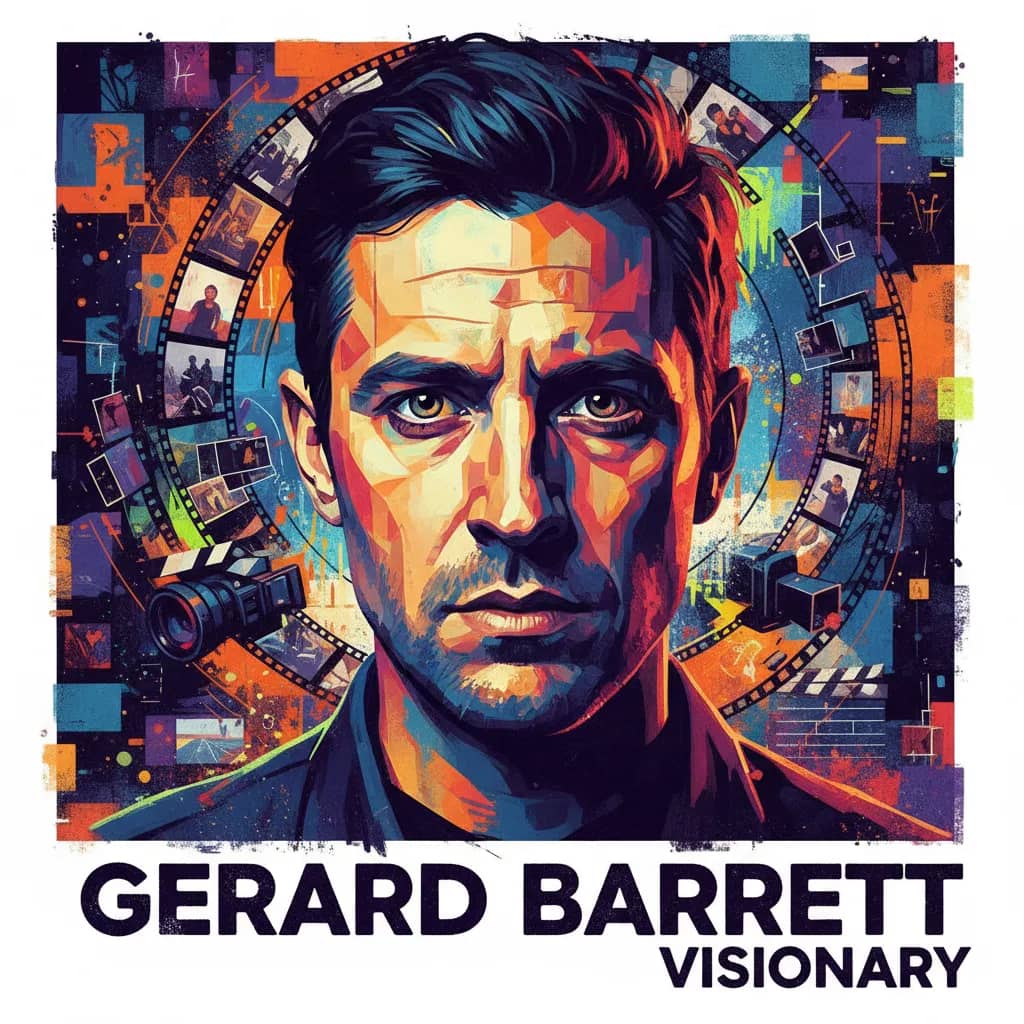
Gerard Barrett
Gerard Barrett is an Irish director known for his emotionally gripping and visually captivating storytelling. His directorial style is characterized by a keen focus on character-driven narratives and an ability to authentically capture the human experience. Barrett burst onto the film scene with his debut feature, "Pilgrim Hill" (2013), which garnered critical acclaim for its raw and unflinching portrayal of rural Irish life. The film showcased Barrett's ability to delve deep into the complexities of his characters, establishing him as a director with a unique and powerful voice. In 2016, Barrett directed "Brain on Fire," a biographical drama that further solidified his reputation as a director with a gift for bringing compelling true stories to the screen. The film, based on the memoir by Susannah Cahalan, explores the harrowing journey of a young woman who is diagnosed with a rare autoimmune disease. With "Brain on Fire," Barrett demonstrated his ability to sensitively handle delicate subject matter while infusing the narrative with a palpable sense of urgency and emotional depth. One of Barrett's notable strengths as a director is his commitment to shining a light on the human condition and the resilience of the human spirit. His films often explore themes of isolation, perseverance, and the impact of external forces on individuals, all presented with a striking blend of authenticity and empathy. Barrett's work has left a lasting impact on cinema, offering audiences a window into the lives of characters grappling with profound challenges and illuminating the universal aspects of their experiences. Gerard Barrett's directorial career continues to evolve, and his ability to craft thought-provoking and emotionally resonant stories ensures that he remains a noteworthy figure in the world of filmmaking. With a talent for capturing the raw essence of human emotion and experience, Barrett's films stand as a testament to his unique vision and his dedication to presenting stories that leave a lasting impression on audiences worldwide.

Gerard Bush
Gerard Bush is a visionary director known for his distinctive blend of drama, horror, and mystery in his films. His notable work includes the 2020 psychological thriller "Antebellum," which showcases his ability to craft gripping narratives that challenge and captivate audiences. Bush's directorial style is characterized by his deft handling of tension, atmosphere, and thought-provoking storytelling, making him a rising talent in the entertainment industry. "Antebellum" stands as a testament to Bush's ability to tackle complex and timely themes, as the film delves into the horrors of systemic racism and the enduring legacy of slavery in America. Bush's directorial approach in the film is marked by a keen attention to detail, evocative visuals, and a willingness to push boundaries to deliver a truly immersive and unsettling experience for viewers. His work on "Antebellum" showcases his commitment to crafting thought-provoking narratives that resonate long after the credits roll. Throughout his career, Bush has demonstrated a penchant for exploring societal issues and psychological depths, infusing his films with a sense of urgency and emotional resonance. His directorial vision is rooted in a desire to challenge conventional storytelling norms and push the boundaries of genre filmmaking, resulting in works that are both captivating and socially relevant. With "Antebellum," Bush has solidified his status as a director unafraid to tackle provocative subject matter and deliver compelling, visually stunning cinema. Gerard Bush's impact on cinema lies in his ability to create immersive, thought-provoking experiences that resonate with audiences on a profound level. His unique blend of drama, horror, and mystery has positioned him as a filmmaker to watch, with a promising future ahead in the industry. As he continues to push the boundaries of storytelling and explore the complexities of the human experience, Gerard Bush is poised to leave an indelible mark on the world of filmmaking, solidifying his status as a director with a bold and distinctive vision.