Director Names Starting with G
Showing 61-72 out of 187
Geoffrey Sax
Geoffrey Sax is a British film and television director known for his versatile approach to storytelling and visual style. With a career spanning over three decades, Sax has left an indelible mark on the entertainment industry through his diverse body of work. He has a penchant for blending genres and infusing his projects with suspense, drama, and a touch of the supernatural. Sax's directorial style is characterized by his ability to create immersive and visually striking narratives that captivate audiences across various genres. One of Sax's most notable films is "White Noise" (2005), a chilling blend of comedy, drama, and horror that explores the unsettling world of EVP (Electronic Voice Phenomenon). The film showcases Sax's skill at building tension and creating an eerie atmosphere, marking him as a director with a keen understanding of the horror genre. "White Noise" demonstrates Sax's ability to balance psychological thrills with emotional depth, a hallmark of his directorial approach. In "Stormbreaker" (2006), Sax ventured into the realm of action, adventure, and family-oriented storytelling. This adaptation of Anthony Horowitz's popular young adult novel showcases Sax's ability to bring larger-than-life characters and high-stakes scenarios to the screen with energy and excitement. "Stormbreaker" highlights Sax's talent for infusing youthful spirit and adrenaline into his work, making it accessible to a wide audience while maintaining his distinct directorial flair. Sax's recurring themes often involve exploring the supernatural, the unknown, and the complexities of human emotion. His films often delve into the intersection of the ordinary and the extraordinary, as well as the impact of unexplained phenomena on the human experience. This thematic exploration has contributed to Sax's reputation as a director who pushes the boundaries of storytelling and visual storytelling. Geoffrey Sax's impact on cinema lies in his ability to seamlessly transition between genres while maintaining a signature style that captivates audiences. His unique vision and storytelling prowess have solidified his status as a director capable of delivering compelling narratives across a wide spectrum of genres, leaving an enduring legacy in the world of film and television.

Geoffrey Wright
Geoffrey Wright is an Australian film director known for his bold and provocative storytelling. His career took off with the release of his groundbreaking film "Romper Stomper" in 1992, a gritty and unflinching portrayal of neo-Nazi skinheads in Melbourne. The film garnered critical acclaim for its raw intensity, uncompromising narrative, and powerful performances, establishing Wright as a director unafraid to tackle controversial subject matter. "Romper Stomper" remains a seminal work in Australian cinema, showcasing Wright's ability to craft visceral and thought-provoking narratives. In 1999, Wright ventured into the horror genre with "Cherry Falls," a film that subverted slasher tropes by featuring a killer targeting virgins in a small American town. This departure showcased Wright's versatility as a director and his willingness to challenge genre conventions. Despite facing challenges with the film's release, "Cherry Falls" has since developed a cult following and demonstrated Wright's ability to inject a fresh perspective into established genres. Wright's directorial style is marked by a fearless exploration of societal tensions, subversive themes, and complex characters. His films often delve into the darker aspects of human nature, shedding light on marginalized communities and confronting uncomfortable truths. Throughout his career, Wright has exhibited a commitment to pushing boundaries and sparking dialogue through his work, cementing his reputation as a director unafraid to confront taboo subjects. Notable themes in Wright's films include the exploration of extremism, social alienation, and the impact of violence on individuals and communities. His unflinching approach to storytelling and his skill in crafting compelling narratives have left an indelible mark on cinema. Wright's contributions to Australian and international filmmaking have influenced a generation of directors and continue to resonate with audiences seeking thought-provoking and daring cinema. In conclusion, Geoffrey Wright's directorial career has been defined by his fearless and uncompromising approach to storytelling. From the groundbreaking "Romper Stomper" to the genre-bending "Cherry Falls," Wright has consistently challenged conventions and pushed the boundaries of cinematic expression. His legacy as a director is characterized by his willingness to confront taboo subjects, explore complex themes, and ignite meaningful discourse. Wright's impact on cinema is undeniable, and his work continues to inspire and provoke audiences worldwide.
George Armitage
George Armitage is an American film director known for his distinctive blend of comedy and crime in his works. With a career spanning several decades, Armitage has made a mark in the industry with his unique directorial style and storytelling prowess. His notable films include "The Big Bounce" (2004) and "Grosse Pointe Blank" (1997), both of which showcase his penchant for blending humor with elements of crime and action. Armitage's directorial style is characterized by a sharp wit, fast-paced storytelling, and a keen eye for creating memorable characters. His films often feature complex, morally ambiguous protagonists navigating through intricate plots, all while maintaining a darkly comedic undertone. This distinct blend of genres sets Armitage apart as a director who is unafraid to challenge traditional storytelling conventions and push the boundaries of genre fusion. In "The Big Bounce" (2004), Armitage demonstrates his ability to infuse a crime narrative with lighthearted humor, creating a film that is as entertaining as it is unpredictable. Similarly, "Grosse Pointe Blank" (1997) showcases Armitage's skill in crafting a darkly comedic action film, with a focus on character-driven storytelling and offbeat dialogue. These films not only highlight Armitage's directorial range but also solidify his reputation as a filmmaker who can seamlessly blend genres to create compelling narratives. Throughout his career, Armitage has explored recurring themes such as moral ambiguity, the absurdity of human behavior, and the unpredictable nature of life. His films often delve into the complexities of human relationships and the consequences of one's actions, all while maintaining a darkly comedic edge. Armitage's impact on cinema lies in his ability to subvert expectations and deliver films that are both entertaining and thought-provoking, earning him a dedicated following of cinephiles who appreciate his distinct directorial voice. In summary, George Armitage's directorial career is defined by his unique vision and ability to seamlessly blend comedy and crime, resulting in films that are as captivating as they are unconventional. His contributions to film have left an indelible mark on the industry, solidifying his status as a director with a penchant for defying genre conventions and crafting memorable, character-driven narratives. As a filmmaker unafraid to explore the darker and more absurd aspects of human nature, Armitage continues to inspire and entertain audiences with his distinct directorial style.
George A. Romero
George A. Romero, often hailed as the "Father of the Zombie Film," carved a distinctive niche in the horror genre with his revolutionary vision and directorial prowess. His impact on cinema was profound, as he introduced a new level of social commentary and psychological depth to the horror genre. Romero's iconic filmography is punctuated by groundbreaking works that have left an indelible mark on the industry. Romero's directorial style is characterized by its unflinching exploration of societal issues within the framework of horror and fantasy. His films often delve into the human condition, reflecting on themes of consumerism, the breakdown of social order, and the fragility of human morality. Romero's seminal work, "Night of the Living Dead" (1968), stands as a cornerstone of the zombie genre, redefining the horror landscape and inspiring countless filmmakers in its wake. Notable films such as "Dawn of the Dead" (1978) and "Day of the Dead" (1985) further solidified Romero's status as a visionary director. His ability to infuse horror with socio-political commentary elevated his films beyond mere scares, resonating with audiences and critics alike. Romero's impact on cinema extends to his later works, including "Diary of the Dead" (2007) and "Survival of the Dead" (2009), where he continued to push the boundaries of the horror genre while maintaining his signature thematic depth. Romero's legacy as a director is defined by his unparalleled ability to blend horror with thought-provoking narratives, imbuing his films with a timeless relevance. His enduring influence on the horror genre and beyond cements his status as a cinematic trailblazer. George A. Romero's directorial legacy remains an essential part of film history, with his visionary approach continuing to inspire and captivate audiences to this day.

George Clooney
George Clooney is a multifaceted talent in the entertainment industry, known for his acting prowess, and in recent years, he has also made a significant impact as a director. Clooney's directorial style is marked by his ability to seamlessly blend genres and deliver compelling narratives with a strong emphasis on character development and social commentary. His filmography includes diverse works such as "The Midnight Sky" (2020), a gripping adventure, drama, and sci-fi, "The Tender Bar" (2021), a poignant drama, and "Good Night, and Good Luck." (2005), a riveting biography, drama, and history. A recurring theme in Clooney's directorial work is his exploration of the human condition in the face of adversity, whether it be in the context of historical events or personal struggles. "The Ides of March" (2011) delves into the world of politics and power, while "Confessions of a Dangerous Mind" (2002) presents a biographical account of the enigmatic game show host Chuck Barris. Additionally, Clooney's "Suburbicon" (2017) and "The Monuments Men" (2014) showcase his talent for infusing dark humor and historical significance into his storytelling. Clooney's impact on cinema lies in his ability to craft thought-provoking narratives that resonate with audiences and critics alike. His directorial ventures have garnered critical acclaim and accolades, demonstrating his prowess behind the camera. Through his unique vision and storytelling, Clooney has carved a niche for himself in the industry, earning a reputation as a director with a keen eye for engaging storytelling and compelling visuals. In conclusion, George Clooney's directorial career exemplifies his versatility and commitment to delivering captivating cinema. His ability to navigate diverse genres and infuse his projects with depth and authenticity has solidified his position as a formidable director in the film industry. Clooney's contributions to film as a director continue to leave a lasting impression, and his future endeavors are eagerly anticipated by audiences and cinephiles alike.

George Cukor
George Cukor, an iconic film director, was known for his elegant and sophisticated style, with a keen focus on compelling storytelling and character-driven narratives. With a career spanning over five decades, Cukor left an indelible mark on the film industry, helming some of the most memorable and influential films in cinema history. His directorial prowess was evident in a diverse range of genres, including crime, drama, comedy, romance, biography, and musicals. Cukor's impressive filmography includes the timeless classic "The Philadelphia Story" (1940), a sparkling romantic comedy that showcased his adeptness at bringing out the best in his actors and creating a delightful, witty atmosphere. This film showcased Cukor's talent for capturing the nuances of human relationships and emotions. Additionally, his directorial masterpiece "My Fair Lady" (1964) remains a landmark achievement in the musical genre, with its lavish production design and captivating storytelling. Throughout his career, Cukor's films often delved into themes of identity, class, and the complexities of human nature. His ability to infuse depth and nuance into his characters set him apart as a director with a profound understanding of human psychology, making his films resonate with audiences on a deeply emotional level. Furthermore, Cukor's collaborations with legendary stars such as Katharine Hepburn, Spencer Tracy, and Audrey Hepburn elevated his films to timeless classics, solidifying his status as a master director capable of extracting remarkable performances from his cast. Cukor's impact on cinema cannot be overstated, as his work continues to inspire and influence filmmakers to this day. His meticulous attention to detail, coupled with his ability to seamlessly navigate various genres, has cemented his legacy as a visionary director. George Cukor's films remain essential viewing for cinephiles and aspiring filmmakers alike, serving as a testament to his enduring influence on the art of storytelling through the lens of cinema.
George C. Wolfe
George C. Wolfe is a renowned director who has made a significant impact on the film industry with his distinctive directorial style and powerful storytelling. Known for his ability to bring emotional depth and authenticity to his films, Wolfe has crafted a diverse range of works that have left a lasting impression on audiences and critics alike. Wolfe's directorial debut came with the 2008 drama and romance film "Nights in Rodanthe," starring Richard Gere and Diane Lane. This poignant tale showcased Wolfe's skill in capturing the complexities of human relationships and emotions, setting the stage for his future directorial endeavors. In 2014, Wolfe directed "You're Not You," a moving drama that delved into the themes of friendship, illness, and self-discovery. With a keen eye for evocative storytelling, Wolfe brought a fresh perspective to the narrative, earning accolades for his nuanced direction. One of Wolfe's most notable directorial achievements came with the 2020 film "Ma Rainey's Black Bottom," a gripping drama infused with the power of music and searing social commentary. Starring Viola Davis and the late Chadwick Boseman, the film resonated with audiences for its raw portrayal of the music industry and the African American experience in the 1920s. Wolfe's masterful direction imbued the film with a sense of urgency and authenticity, cementing his status as a visionary filmmaker. Throughout his career, Wolfe has demonstrated a commitment to exploring themes of identity, resilience, and the human spirit, infusing his films with a profound sense of empathy and insight. His directorial style is marked by an unwavering dedication to capturing the emotional essence of his characters and their journeys, creating a deeply immersive experience for viewers. With a keen understanding of the power of storytelling, Wolfe continues to shape the cinematic landscape with his thought-provoking narratives and compelling directorial vision. George C. Wolfe's contributions to cinema have not only enriched the art of storytelling but have also opened doors for underrepresented voices in the industry. His ability to craft narratives that resonate on a universal level while celebrating diverse perspectives has solidified his reputation as a trailblazing director. As audiences eagerly anticipate his future projects, Wolfe's impact on the film industry remains an enduring testament to the transformative power of storytelling.

George Dunning
George Dunning was a visionary director who made a lasting impact on the world of animation with his groundbreaking work in "Yellow Submarine" (1968). Born in Toronto, Canada, Dunning initially honed his skills as an animator and became known for his innovative techniques and unique directorial style. His directorial debut, "Yellow Submarine," propelled him to international acclaim and solidified his reputation as a pioneer in the world of animated filmmaking. Dunning's directorial style was marked by a blend of whimsy, surrealism, and vibrant visual storytelling. "Yellow Submarine" is a testament to his imaginative and boundary-pushing approach, with its kaleidoscopic animation, psychedelic visuals, and innovative use of music. The film's fusion of animation and music not only resonated with audiences but also influenced a generation of filmmakers and artists. "Yellow Submarine" remains an enduring classic, celebrated for its imaginative storytelling and groundbreaking animation. Dunning's directorial vision brought the iconic music of The Beatles to life in a way that transcended traditional animation, making the film a cultural touchstone that continues to captivate audiences across generations. His ability to seamlessly blend music, storytelling, and animation solidified his status as a visionary director whose impact on cinema endures to this day. Dunning's contributions to animation and his innovative directorial approach have left an indelible mark on the industry, inspiring countless animators and filmmakers to push the boundaries of storytelling and visual expression. His legacy as a director continues to be celebrated, and "Yellow Submarine" remains a testament to his unparalleled creativity and lasting influence on the world of cinema. George Dunning's directorial career serves as a testament to the power of visionary storytelling and the enduring impact of bold, innovative filmmaking.

George Gallo
George Gallo is a versatile director known for his diverse filmography spanning various genres, including crime, comedy, drama, and mystery. With a career that has seen him successfully navigate multiple storytelling landscapes, Gallo has left an indelible mark on the film industry. Notable films in his repertoire include "Columbus Circle" (2012), a gripping crime drama, "The Comeback Trail" (2020), a comedic crime caper, and "Trapped in Paradise" (1994), an adventurous comedy crime film. Gallo's directorial style is characterized by his ability to seamlessly blend genres, creating captivating narratives that captivate audiences across different demographics. His films often feature compelling storytelling, intricate plots, and well-developed characters, showcasing his talent for crafting engaging and immersive cinematic experiences. Gallo's unique vision and storytelling prowess have established him as a director capable of delivering both commercial success and critical acclaim. Recurring themes in Gallo's work include the exploration of human nature, the complexities of relationships, and the allure of the criminal underworld. His films often delve into the intricacies of morality, the consequences of choice, and the grey areas of right and wrong. Gallo's ability to infuse his narratives with depth and nuance has earned him recognition as a director with a keen understanding of the human condition, elevating his work beyond mere entertainment. Gallo's impact on cinema lies in his ability to transcend traditional genre boundaries and deliver compelling stories that resonate with audiences on a profound level. His contributions have enriched the cinematic landscape, offering a diverse array of narratives that cater to a wide spectrum of moviegoers. As a director, George Gallo continues to push the boundaries of storytelling, leaving an enduring legacy in the world of film. In summary, George Gallo's career as a director is defined by his ability to craft compelling narratives that transcend genre constraints, his exploration of complex human themes, and his lasting impact on the cinematic landscape. With an impressive filmography and a unique directorial style, Gallo's contributions to film have solidified his status as a visionary filmmaker whose work will continue to resonate with audiences for years to come.
George Hickenlooper
George Hickenlooper was an American film director known for his unique blend of biography, drama, and comedy in his films. With a career tragically cut short by his untimely passing in 2010, Hickenlooper left behind a legacy of thought-provoking and visually captivating work. His directorial style often delved into the lives of real-life individuals, exploring the complexities of their characters and the impact of their actions on the world. One of Hickenlooper's most notable films is "Factory Girl" (2006), a biographical drama centered around the life of Edie Sedgwick, the enigmatic muse of artist Andy Warhol. The film showcases Hickenlooper's ability to capture the essence of a bygone era while delving deep into the psyche of its central character. With meticulous attention to detail and a keen eye for period aesthetics, Hickenlooper brought Sedgwick's story to life with a raw and unflinching portrayal. In "Casino Jack" (2010), Hickenlooper took on a different challenge, infusing his directorial touch into a biographical comedy-crime film. The movie follows the real-life exploits of lobbyist Jack Abramoff, played by Kevin Spacey, and his involvement in a massive corruption scandal. Hickenlooper's skillful direction allowed the film to balance humor and tension, creating a compelling narrative that shed light on the darker side of political power and ambition. Throughout his career, Hickenlooper displayed a recurring theme of exploring the human condition within the context of true stories, often delving into the moral and ethical dilemmas faced by his characters. His impact on cinema lies in his ability to humanize larger-than-life figures, presenting them as complex and flawed individuals rather than mere historical caricatures. Hickenlooper's unique vision and storytelling prowess continue to inspire filmmakers, leaving an indelible mark on the industry despite his premature departure.
George Huang
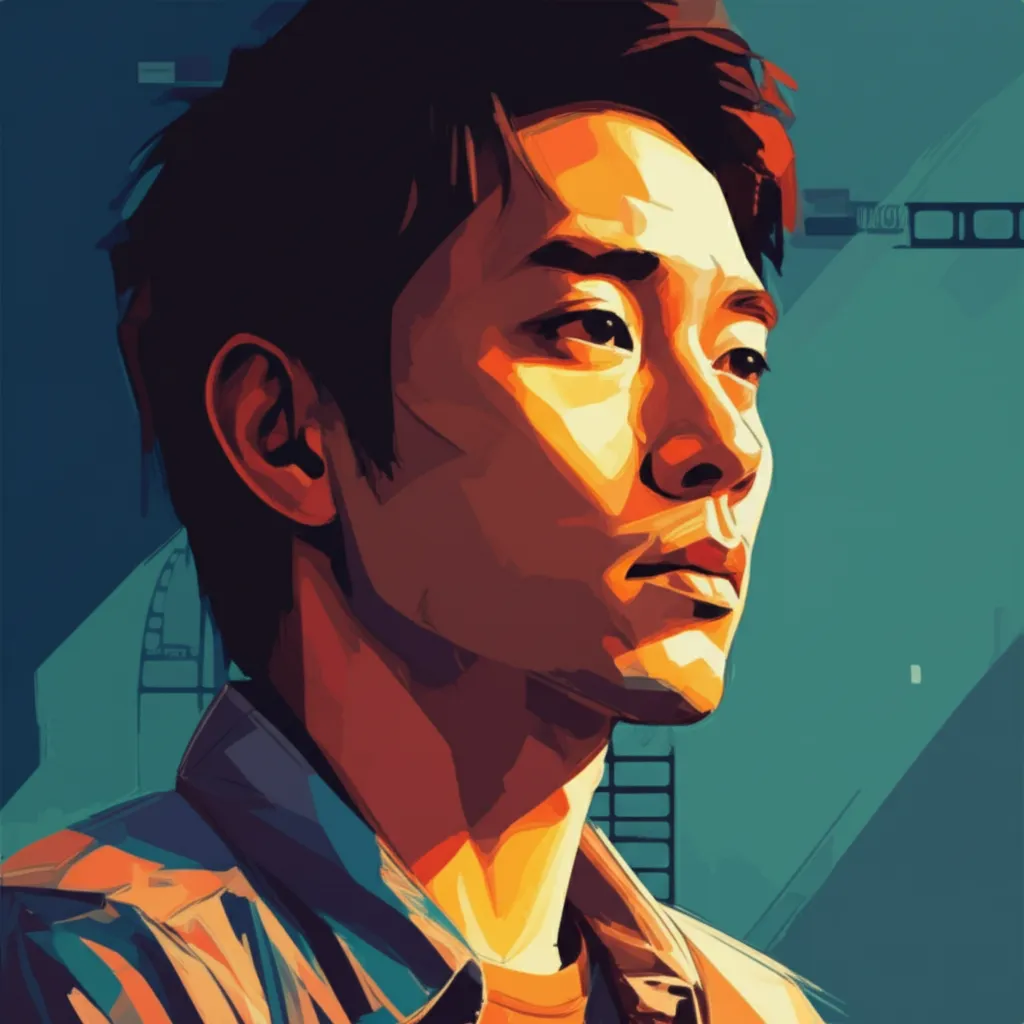
George Huang is a prominent film director known for his unique blend of comedy and crime in his works. He made a striking debut with his cult classic "Swimming with Sharks" in 1994, which showcased his distinct directorial style and storytelling prowess. Huang's approach to filmmaking often involves a dark humor and a sharp exploration of power dynamics, making his work both entertaining and thought-provoking. "Swimming with Sharks" remains one of Huang's most notable films, featuring a compelling narrative that delves into the cutthroat world of Hollywood and the abuse of power within the entertainment industry. This film exemplifies Huang's recurring themes of ambition, manipulation, and the complexities of human relationships. His ability to infuse wit and satire into his storytelling has earned him a dedicated following and critical acclaim. Huang's impact on cinema lies in his ability to subvert genre expectations, creating films that defy categorization and challenge audiences' preconceptions. His directorial style often incorporates a blend of tension, wit, and social commentary, resulting in films that resonate with viewers on multiple levels. This distinct approach has solidified his reputation as a visionary director with a keen understanding of the human psyche and societal constructs. With a career marked by a commitment to pushing creative boundaries, George Huang continues to be a trailblazer in the film industry. His films have left an indelible mark on cinema, inspiring a new generation of storytellers and captivating audiences with their compelling narratives and thought-provoking themes. As a director, Huang's distinct vision and contributions have undoubtedly enriched the cinematic landscape, cementing his legacy as a formidable force in the world of filmmaking.
George Lucas
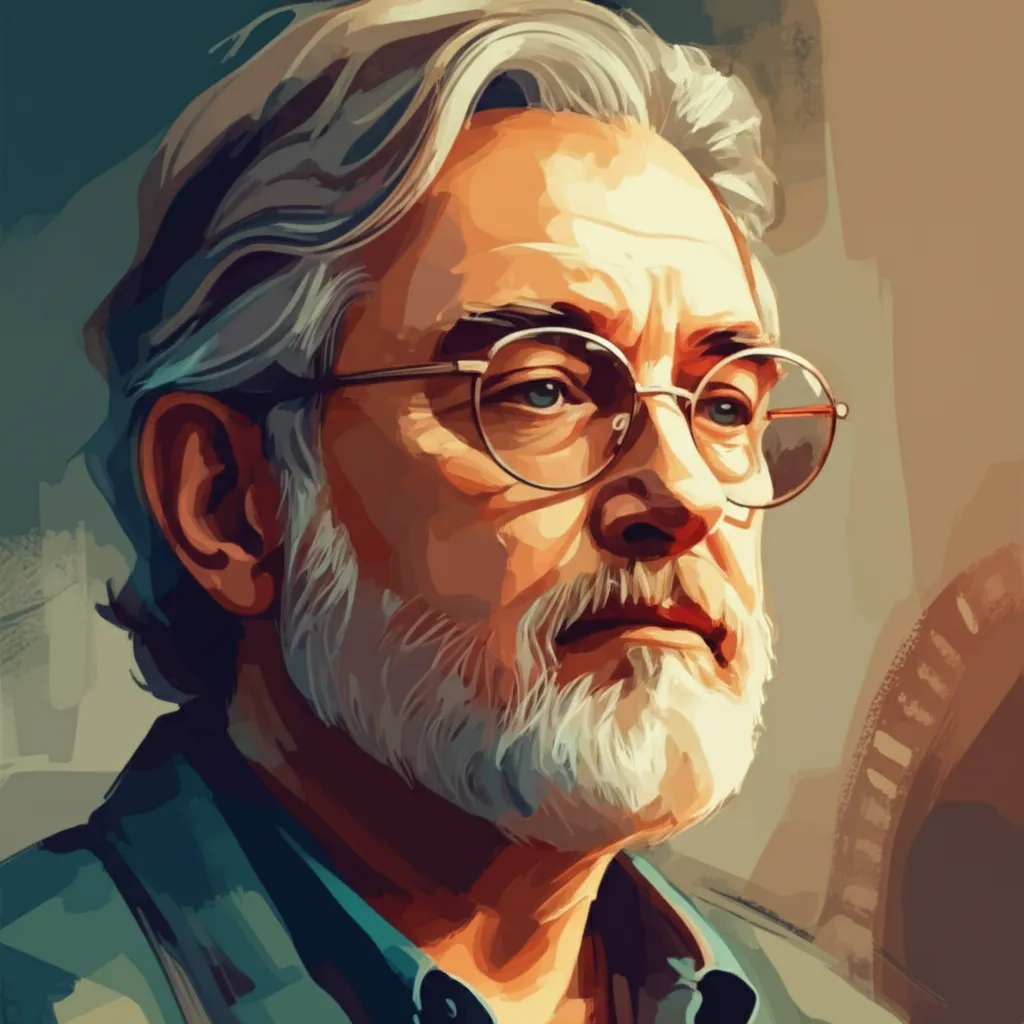
George Lucas is a renowned film director and producer who revolutionized the world of cinema with his visionary storytelling and groundbreaking special effects. A pioneer in the science fiction genre, Lucas is best known for creating the iconic Star Wars franchise, which has left an indelible mark on popular culture. His directorial debut came with the dystopian sci-fi film "THX 1138" in 1971, where he showcased his penchant for blending thought-provoking themes with visually stunning imagery. This film established Lucas as a director with an unparalleled ability to transport audiences to otherworldly realms while exploring the complexities of the human condition. Lucas solidified his status as a cinematic trailblazer with the release of "American Graffiti" in 1973, a coming-of-age comedy-drama that resonated with audiences and critics alike. This film showcased his versatility as a director, demonstrating his ability to seamlessly transition between genres while maintaining a distinct directorial style marked by immersive storytelling and compelling character development. However, it was the release of "Star Wars" in 1977 that catapulted Lucas to legendary status. The film's groundbreaking special effects and captivating narrative captivated audiences worldwide, forever changing the landscape of filmmaking and popularizing the space opera genre. Lucas continued to expand the Star Wars universe with the prequel trilogy, which commenced with "Star Wars: Episode I - The Phantom Menace" in 1999. Despite mixed critical reception, these films showcased Lucas's unwavering commitment to pushing the boundaries of visual effects and world-building, cementing his legacy as a master of cinematic spectacle. Throughout his career, Lucas has consistently explored timeless themes of heroism, redemption, and the battle between good and evil, resonating with audiences across generations and solidifying his status as a cinematic luminary. George Lucas's enduring impact on cinema cannot be overstated, as his innovative techniques and imaginative storytelling have inspired countless filmmakers and shaped the way audiences engage with film. His ability to create immersive, otherworldly experiences while infusing his works with profound universal themes has left an indelible mark on the art of storytelling, ensuring that his influence will continue to reverberate throughout the cinematic landscape for years to come.