Director Names Starting with D
Showing 253-264 out of 283

Don Taylor
Don Taylor was a prolific American film and television director known for his work in the genres of horror, action, adventure, and science fiction. With a career spanning several decades, Taylor left a significant mark on the industry with his unique directorial style and contributions to cinema. His notable films include "Damien: Omen II" (1978), a chilling horror sequel, "The Final Countdown" (1980), an action-packed adventure set in a time-traveling aircraft carrier, and "Escape from the Planet of the Apes" (1971), a compelling science fiction entry in the iconic franchise. Taylor's directorial style was marked by a keen sense of pacing and tension-building, which he expertly utilized to immerse audiences in the worlds of his films. His ability to craft suspenseful and thrilling narratives made him a standout director in the genres of horror and science fiction. Taylor's films often delved into themes of morality, survival, and the consequences of human actions, adding depth and substance to his gripping storytelling. Throughout his career, Don Taylor made a lasting impact on cinema by creating memorable and enduring films that continue to captivate audiences. His adeptness at blending elements of horror, action, and science fiction showcased his versatility as a director, earning him a dedicated following among fans of genre cinema. Taylor's films are characterized by their innovative visual effects, compelling character dynamics, and thought-provoking narratives, all of which contributed to his enduring legacy in the film industry. In conclusion, Don Taylor's directorial career stands as a testament to his profound influence on the world of genre filmmaking. His ability to craft immersive, suspenseful, and thought-provoking narratives set him apart as a director with a unique vision and a lasting impact on cinema. Whether exploring the realms of horror, action, or science fiction, Taylor's films continue to resonate with audiences, cementing his status as a director whose contributions to the art of filmmaking are truly timeless.

Doron Paz
Doron Paz is an Israeli film director known for his work in the horror, sci-fi, and thriller genres. His most notable film, "Jeruzalem" (2015), garnered attention for its unique approach to found footage filmmaking and its chilling portrayal of an ancient evil unleashed in the city of Jerusalem. Paz's directorial style is characterized by a meticulous attention to detail, a flair for creating suspenseful atmospheres, and an ability to seamlessly blend horror with other genres to deliver a truly immersive cinematic experience. "Jeruzalem" stands as a testament to Paz's directorial prowess, showcasing his ability to craft a compelling narrative within the constraints of the found footage subgenre while infusing it with elements of science fiction and supernatural horror. The film's innovative use of real-life locations in Jerusalem and its incorporation of ancient folklore added a layer of authenticity that resonated with audiences and critics alike. Paz's keen eye for capturing the eerie beauty of his settings and his skillful manipulation of tension and fear solidified his position as a director to watch in the horror and thriller genres. Throughout his career, Paz has demonstrated a penchant for exploring themes of ancient mythology, religious folklore, and the intersection of the supernatural with the modern world. His ability to infuse these elements into his storytelling has set him apart as a director with a distinct vision and a commitment to pushing the boundaries of genre filmmaking. Paz's impact on cinema lies in his ability to captivate audiences with his unique blend of horror, science fiction, and thriller elements, offering a fresh perspective on familiar tropes while delving into uncharted territory with his storytelling. As Paz continues to make his mark on the film industry, audiences can anticipate further boundary-pushing works that showcase his directorial ingenuity and his dedication to delivering captivating and chilling cinematic experiences. With "Jeruzalem" serving as a standout example of his directorial prowess, Paz has firmly established himself as a director with a bold and unmistakable vision, poised to leave an indelible mark on the world of genre filmmaking. In summary, Doron Paz's directorial career is characterized by a commitment to pushing the boundaries of genre filmmaking, with a focus on creating immersive and chilling narratives that blend horror, science fiction, and thriller elements. His standout film, "Jeruzalem," exemplifies his ability to craft a compelling and authentic cinematic experience while exploring themes of ancient mythology and supernatural horror. Paz's impact on cinema lies in his distinct directorial

Dorota Kobiela
Dorota Kobiela is a visionary Polish filmmaker renowned for her groundbreaking work in animation and her unique directorial style. Her most notable film, "Loving Vincent" (2017), made history as the world's first fully painted feature film. This biographical crime drama, co-directed with Hugh Welchman, beautifully captures the life and mysterious death of renowned artist Vincent van Gogh through a breathtaking array of oil paintings brought to life. Kobiela's directorial prowess shines through in her ability to seamlessly blend art and storytelling, creating a visually stunning and emotionally resonant cinematic experience. Kobiela's directorial style is characterized by a profound commitment to pushing the boundaries of traditional filmmaking techniques. Her innovative use of hand-painted animation sets her apart as a trailblazer in the industry, showcasing her dedication to crafting visually arresting narratives that captivate audiences. "Loving Vincent" not only stands as a testament to Kobiela's technical expertise but also underscores her passion for celebrating the art of storytelling in unconventional and immersive ways. Throughout her career, Kobiela has demonstrated a penchant for exploring themes of creativity, passion, and the complexity of the human experience. Her films often delve into the lives of iconic figures, offering intimate portrayals that shed light on their inner turmoil and artistic brilliance. Kobiela's ability to infuse her work with profound emotional depth while maintaining a visually stunning aesthetic has solidified her reputation as a director with a distinct and impactful voice. Dorota Kobiela's contributions to cinema have left an indelible mark, inspiring a new generation of filmmakers to embrace innovative storytelling techniques and push the boundaries of animation. Her dedication to bringing art to life on the silver screen has earned her widespread acclaim and cemented her status as a pioneering force in the world of animation and biographical cinema. As the first woman to helm a fully painted feature film, Kobiela continues to be a trailblazer, inspiring audiences and fellow filmmakers alike with her unparalleled vision and directorial artistry.

Doug Atchison
Doug Atchison is an American film director best known for his critically acclaimed work on the 2006 drama and family film, "Akeelah and the Bee." Atchison's directorial style is marked by his ability to craft emotionally resonant stories and capture the human experience with authenticity and depth. His attention to detail and nuanced character development have set him apart in the industry, earning him recognition as a director with a unique vision and storytelling prowess. "Akeelah and the Bee" stands out as Atchison's most notable film, receiving widespread acclaim for its heartfelt portrayal of a young girl's journey to compete in a national spelling bee. The film captured audiences with its inspiring narrative, emphasizing the importance of perseverance, mentorship, and the power of education. Atchison's directorial finesse was instrumental in bringing the film's empowering message to life, making it a beloved classic in the family and drama genre. Throughout his career, Atchison has demonstrated a commitment to exploring themes of personal growth, resilience, and the triumph of the human spirit, which are recurrent motifs in his work. His films often delve into the complexities of individual experiences, offering poignant insights into the challenges and triumphs of his characters. Atchison's ability to infuse his storytelling with empathy and authenticity has resonated with audiences, cementing his reputation as a director with a keen understanding of the human condition. Atchison's impact on cinema extends beyond his directorial achievements, as he has contributed to diversifying the narratives and perspectives represented in film. Through "Akeelah and the Bee," Atchison not only crafted a compelling story but also provided a platform for underrepresented voices, showcasing the richness of diverse storytelling. His commitment to inclusive storytelling has left a lasting impression on the film industry, inspiring future generations of filmmakers to embrace diverse perspectives and narratives. In conclusion, Doug Atchison's directorial career has been defined by his ability to craft emotionally resonant stories, his commitment to inclusive storytelling, and his exploration of themes centered on personal growth and resilience. With "Akeelah and the Bee" as a standout achievement, Atchison has left an indelible mark on cinema, earning recognition as a director with a unique vision and a profound understanding of the human experience. His contributions to film have enriched the industry and paved the way for inclusive storytelling, solidifying his legacy as a trailblazing director.

Douglas Aarniokoski
Douglas Aarniokoski is an American film director known for his bold and visceral approach to storytelling. With a career spanning over two decades, Aarniokoski has made a notable impact on the film industry, particularly within the action, drama, and horror genres. His directorial style is characterized by intense and gripping narratives, coupled with visually striking cinematography that immerses audiences in the emotional and psychological depths of his characters. Aarniokoski's notable film, "The Day" (2011), exemplifies his distinct directorial voice. The post-apocalyptic action-horror film delves into the harrowing struggle for survival amidst a desolate and dangerous world. Aarniokoski's masterful orchestration of tension and unflinching portrayal of human resilience is evident throughout the film, creating an immersive cinematic experience that resonates with audiences long after the credits roll. Throughout his career, Aarniokoski has exhibited a penchant for exploring themes of survival, morality, and the human condition. His films often delve into the darker aspects of humanity, challenging audiences to confront their deepest fears and vulnerabilities. Aarniokoski's storytelling prowess lies in his ability to infuse depth and complexity into his characters, creating a compelling and thought-provoking narrative tapestry that transcends the confines of traditional genre conventions. Aarniokoski's impact on cinema extends beyond his individual films, as he has contributed to the evolution of the action, drama, and horror genres. His fearless approach to storytelling and visual storytelling has influenced a new generation of filmmakers, inspiring them to push boundaries and explore the untapped potential of genre filmmaking. Aarniokoski's legacy as a director is defined by his unwavering commitment to crafting captivating narratives that leave a lasting impression on audiences, solidifying his status as a visionary filmmaker in the industry. In conclusion, Douglas Aarniokoski's directorial career is marked by a relentless pursuit of storytelling excellence and a dedication to pushing the boundaries of genre filmmaking. His distinct directorial style, coupled with his evocative exploration of human resilience and the human condition, has cemented his status as a pioneering force in the world of action, drama, and horror cinema. As audiences continue to be captivated by his compelling narratives and visually arresting storytelling, Aarniokoski's contributions to film are sure to endure as a testament to his enduring

Douglas Cheek
Douglas Cheek is a renowned film director acclaimed for his impactful contributions to the horror and sci-fi genres. His most notable work includes the cult classic "C.H.U.D." (1984), which has left an indelible mark on the horror genre. Cheek's directorial style is characterized by a keen eye for atmospheric storytelling and a knack for creating tension that resonates with audiences long after the credits roll. In "C.H.U.D.," Cheek masterfully blends elements of horror and science fiction to deliver a gripping narrative that explores themes of environmental degradation and its monstrous consequences. The film's success lies in Cheek's ability to infuse the story with a sense of impending doom, amplified by his deft handling of suspense and dread. His directorial prowess is evident in the way he crafts a foreboding atmosphere and elicits genuine fear from the audience. Cheek's impact on cinema is undeniable, as "C.H.U.D." has garnered a dedicated following and influenced subsequent generations of filmmakers and storytellers. His ability to bring a fresh perspective to the horror genre has cemented his status as a visionary director with an enduring legacy. Cheek's unique vision and directorial acumen have left an indelible mark on the world of cinema, solidifying his reputation as a pioneering force in the realm of horror and sci-fi filmmaking. As a trailblazer in the horror genre, Douglas Cheek's directorial career has left an indelible imprint on the cinematic landscape. His distinct approach to storytelling, characterized by a fusion of horror and science fiction, has set him apart as a visionary director with an unparalleled ability to captivate and unsettle audiences. Cheek's directorial legacy is defined by his masterful command of atmosphere, tension, and thematic depth, which continue to resonate with cinephiles and aspiring filmmakers alike. With "C.H.U.D." as his magnum opus, Cheek's influence on the horror genre remains enduring and profound, firmly establishing him as a seminal figure in the realm of cinematic storytelling.

Douglas Hickox
Douglas Hickox was a British film director known for his distinctive style and contributions to the horror genre. One of his most notable works is "Theater of Blood" (1973), a unique blend of comedy, drama, and horror that has since become a cult classic. Hickox's directorial style was characterized by a keen eye for visual storytelling and a knack for creating tension and suspense on-screen. "Theater of Blood" stands as a testament to Hickox's ability to seamlessly blend genres, showcasing his versatility as a director. The film, which stars Vincent Price as a deranged Shakespearean actor seeking revenge on his critics, highlights Hickox's penchant for crafting dark, macabre narratives with a touch of humor. This ability to infuse horror with elements of comedy and drama set Hickox apart from his contemporaries and left an indelible mark on the genre. Throughout his career, Hickox demonstrated a knack for exploring themes of revenge, madness, and the human psyche, often using elaborate set designs and atmospheric lighting to create a sense of unease and foreboding. His impact on cinema can be seen in the lasting influence of "Theater of Blood," which continues to inspire filmmakers and entertain audiences to this day. Hickox's legacy as a director is defined by his ability to push the boundaries of traditional genre filmmaking, elevating horror to a level of sophistication and artistry. His unique vision and contributions to the genre have solidified his status as a pioneering figure in the world of cinema, and his films continue to captivate and inspire new generations of filmmakers and audiences alike.
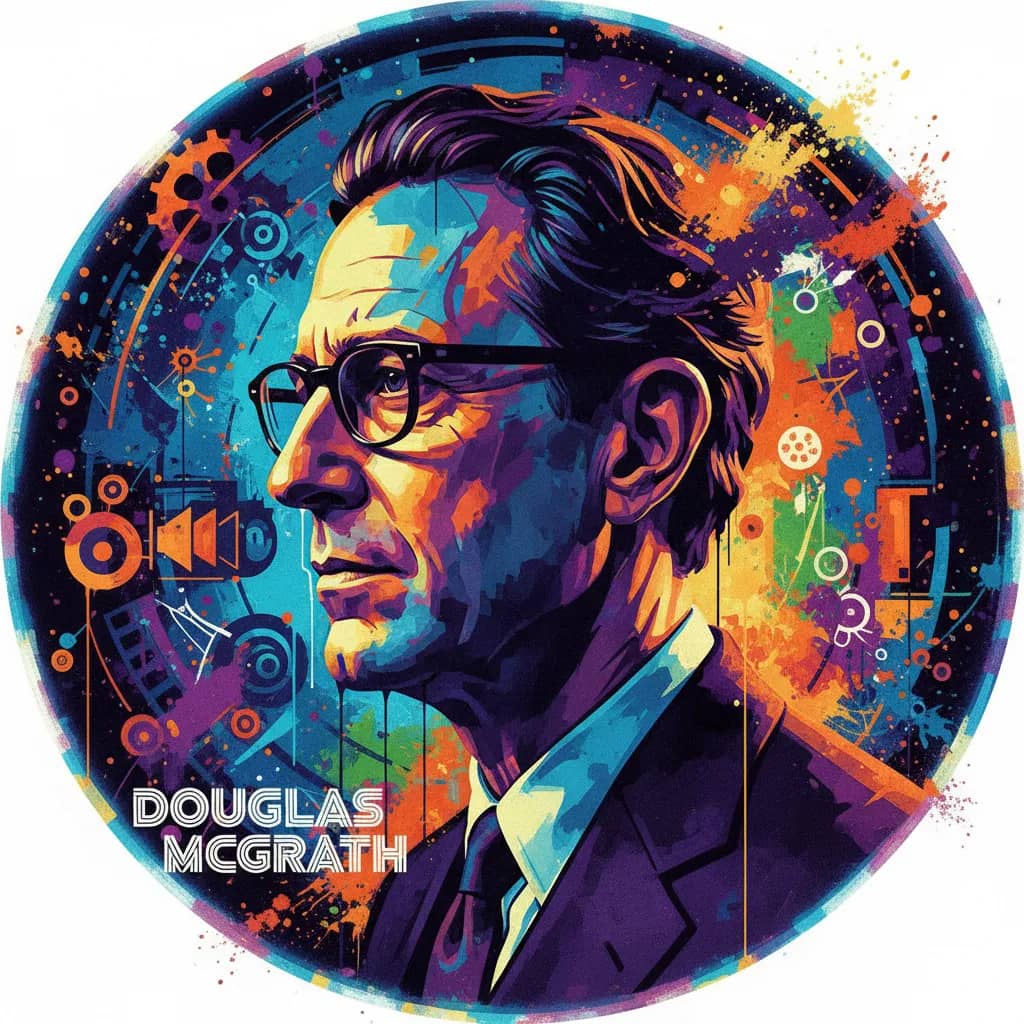
Douglas McGrath
Douglas McGrath is a versatile film director known for his ability to bring classic literature to life on the big screen. With a career spanning over two decades, McGrath has left an indelible mark on the film industry with his unique directorial style and storytelling prowess. His notable films include "Infamous" (2006), a gripping biographical crime drama, "Nicholas Nickleby" (2002), a captivating adventure drama romance, and "I Don't Know How She Does It" (2011), a delightful comedy romance. McGrath's directorial style is characterized by his keen attention to detail, nuanced character development, and the ability to transport audiences into the worlds he creates. His adaptations of classic literature demonstrate his deep understanding of the source material and his talent for bringing timeless stories to contemporary audiences. McGrath's films often explore themes of love, ambition, societal norms, and the complexities of human relationships, resonating with audiences on a profound level. "Infamous" stands as a testament to McGrath's directorial prowess, as he delves into the life of Truman Capote and the writing of his groundbreaking true crime novel, "In Cold Blood." The film showcases McGrath's ability to blend historical accuracy with compelling storytelling, resulting in a thought-provoking and visually stunning cinematic experience. "Nicholas Nickleby" further solidifies McGrath's reputation as a masterful director, as he skillfully brings Charles Dickens' beloved novel to life with a perfect balance of adventure, drama, and romance. McGrath's impact on cinema is undeniable, as he continues to captivate audiences with his unique vision and ability to breathe new life into timeless stories. His films have garnered critical acclaim and have left an indelible mark on the landscape of contemporary cinema. With a keen eye for detail and a deep understanding of human emotions, McGrath's directorial contributions continue to inspire and resonate with audiences worldwide. Whether he's exploring the depths of crime and passion or capturing the essence of classic literature, McGrath's films stand as a testament to his enduring legacy in the world of cinema.

Douglas Sirk
Douglas Sirk, born Detlef Sierck in Hamburg, Germany, was a visionary film director known for his lush, melodramatic visual style and incisive social commentary. His career in Hollywood during the 1950s produced some of the most enduring and influential works in the melodrama genre. Sirk's films often explored the tension between personal desires and societal expectations, delving into themes of class divisions, gender roles, and the facade of suburban bliss. With a filmography that includes classics such as "All That Heaven Allows" (1955), "Imitation of Life" (1959), and "Written on the Wind" (1956), Sirk's impact on cinema is undeniable. Sirk's directorial style was characterized by his use of vibrant Technicolor cinematography, striking visual compositions, and heightened emotional drama. He was a master at utilizing the visual language of cinema to convey the inner turmoil and conflicts of his characters. Sirk's films often featured opulent sets and costumes, which provided a stark contrast to the underlying emotional turmoil experienced by his characters. His ability to infuse seemingly idyllic settings with a sense of unease and discontent set him apart as a director with a keen understanding of human emotions and societal pressures. "All That Heaven Allows" is perhaps Sirk's most iconic work, as it epitomizes his signature style and thematic preoccupations. The film explores the forbidden romance between a middle-aged widow and a younger man, delving into the complexities of love, social expectations, and the constraints of traditional values. "Imitation of Life" further showcased Sirk's skill in tackling issues of race, identity, and motherhood within the framework of a melodramatic narrative. His films often featured strong female protagonists who defied societal conventions, and his empathetic portrayal of their struggles resonated with audiences and critics alike. Sirk's influence on cinema extended beyond his own era, as his subversive approach to melodrama and his critique of societal norms laid the groundwork for future generations of filmmakers. His works have been revisited and reevaluated, with contemporary audiences recognizing the timeless relevance of his themes and the artistry of his directorial vision. Sirk's legacy as a director who elevated the melodrama genre to profound artistic heights continues to be celebrated, cementing his status as a master of visual storytelling and social commentary in cinema history.

Douglas Trumbull
Douglas Trumbull, a visionary film director and special effects wizard, has made enduring contributions to the world of cinema through his innovative techniques and imaginative storytelling. Trumbull's directorial style is characterized by a seamless blend of cutting-edge visual effects and thought-provoking narratives, captivating audiences with his ability to transport them to otherworldly realms. His notable films, including "Brainstorm" (1983) and "Silent Running" (1972), exemplify his mastery of the science fiction genre and his unique ability to infuse his works with philosophical depth and emotional resonance. Trumbull's directorial debut, "Silent Running," remains a seminal work in the realm of environmentalist science fiction. The film's poignant exploration of humanity's relationship with nature and technology continues to resonate with audiences, showcasing Trumbull's recurring theme of the intersection between humanity and the natural world. His visionary approach to storytelling, combined with his pioneering visual effects work, has left an indelible mark on the science fiction genre, inspiring future generations of filmmakers and setting new benchmarks for cinematic innovation. With "Brainstorm," Trumbull further solidified his status as a trailblazing director, pushing the boundaries of visual storytelling with his groundbreaking use of technology. The film's immersive exploration of the human mind and the ethical implications of manipulating consciousness underscore Trumbull's penchant for thought-provoking narratives that challenge conventional storytelling norms. His seamless integration of special effects and storytelling in "Brainstorm" showcases Trumbull's ability to craft visually stunning spectacles while delving into profound philosophical inquiries. Trumbull's impact on cinema extends far beyond his directorial efforts, as his pioneering work in visual effects has revolutionized the industry. His innovative contributions to films such as "2001: A Space Odyssey" and "Close Encounters of the Third Kind" have cemented his legacy as a visionary artist and technical trailblazer. Trumbull's relentless pursuit of cinematic excellence and his ability to infuse his works with both spectacle and substance have established him as a luminary in the realm of science fiction filmmaking, leaving an indelible imprint on the cinematic landscape.

Doug Lefler
Doug Lefler is a talented director known for his work in action, adventure, and historical films. His most notable film, "The Last Legion" (2007), showcases his directorial prowess and ability to bring epic stories to life on the big screen. Lefler's directorial style is characterized by his keen attention to detail, compelling storytelling, and ability to create visually stunning and immersive cinematic experiences. "The Last Legion" stands as a testament to Lefler's skill in crafting sweeping historical epics, as the film masterfully blends action and adventure with a rich historical backdrop. Lefler's ability to transport audiences to different time periods and cultures is a testament to his dedication to meticulous research and his commitment to authenticity in his storytelling. Throughout his career, Lefler has demonstrated a penchant for exploring themes of heroism, resilience, and the human spirit in the face of adversity. His films often feature strong and complex characters who undergo transformative journeys, resonating with audiences on a deep emotional level. Lefler's impact on cinema lies in his ability to breathe new life into classic genres, infusing them with his unique vision and storytelling sensibilities. His work serves as a testament to the enduring power of historical and adventure films, captivating audiences with their timeless appeal. Overall, Doug Lefler's directorial career is marked by a commitment to crafting visually stunning and emotionally resonant films that transport audiences to different worlds and eras. His contributions to cinema have solidified his status as a director with a distinct and captivating vision, and his work continues to inspire and entertain audiences around the world.

Doug Liman
Doug Liman is a versatile and innovative film director known for his ability to seamlessly blend genres, creating compelling and entertaining films that resonate with audiences. With a career spanning over two decades, Liman has made a significant impact on the film industry with his distinct directorial style and unique storytelling approach. His filmography includes a diverse range of genres, from action-packed thrillers to thought-provoking dramas and witty comedies, showcasing his versatility as a filmmaker. One of Liman's most notable films is "The Bourne Identity" (2002), which propelled him into the spotlight as a director with a keen eye for creating gripping and adrenaline-fueled action thrillers. The film's success solidified Liman's reputation as a master storyteller with a knack for crafting high-octane, edge-of-your-seat narratives. Additionally, "Mr. & Mrs. Smith" (2005) showcased his ability to infuse action with comedy, creating a dynamic and entertaining blend that resonated with audiences worldwide. Liman's directorial style is characterized by his innovative visual storytelling, immersive action sequences, and compelling character development. He has a knack for exploring complex themes and relationships while maintaining a strong emphasis on entertainment and audience engagement. His films often feature morally ambiguous protagonists, high-stakes scenarios, and unexpected plot twists, keeping viewers on the edge of their seats throughout the cinematic experience. In addition to his action-packed blockbusters, Liman has also delved into more introspective and politically charged narratives, such as "Fair Game" (2010), which demonstrated his ability to tackle real-world events with sensitivity and nuance. Furthermore, "Swingers" (1996) showcased his talent for crafting relatable and authentic stories that resonate with audiences on a personal level. Liman's impact on cinema is undeniable, as he continues to push boundaries and defy genre conventions with each new project. His ability to seamlessly navigate between different genres while maintaining a consistent level of quality and innovation has solidified his status as a visionary director in the industry. With an impressive body of work that spans various genres and themes, Doug Liman's contributions to film have left an indelible mark on the cinematic landscape, cementing his legacy as a director who continues to captivate and inspire audiences worldwide.