Director Names Starting with D
Showing 277-283 out of 283

Dusan Kovacevic
Dusan Kovacevic is a prolific Serbian director, best known for his remarkable work in the comedy-drama genre. With an illustrious career spanning several decades, Kovacevic has made a significant impact on the world of cinema through his unique directorial style and compelling storytelling. His notable film "Balkan Spy" (1984) stands as a testament to his exceptional talent and has solidified his reputation as a masterful filmmaker. Kovacevic's directorial style is characterized by his ability to seamlessly blend humor with poignant drama, creating deeply engaging narratives that resonate with audiences. His keen understanding of human emotions and societal dynamics is evident in his work, as he skillfully navigates complex themes with humor and sensitivity. Kovacevic's films often explore the intricacies of human relationships, societal norms, and the absurdities of everyday life, making them both entertaining and thought-provoking. "Balkan Spy" (1984) is a standout film in Kovacevic's portfolio, showcasing his adeptness at infusing humor into a politically charged narrative. The movie revolves around the life of an ordinary man who becomes entangled in a web of espionage, offering a satirical take on the socio-political landscape of the Balkans. Through this film, Kovacevic demonstrates his ability to tackle weighty subjects with a lighthearted touch, creating a compelling cinematic experience that captivates audiences. Kovacevic's impact on cinema extends beyond his directorial prowess, as he has contributed significantly to the Serbian film industry, inspiring a new generation of filmmakers. His ability to craft stories that resonate on a universal level while staying rooted in his cultural heritage has earned him recognition and admiration both locally and internationally. Kovacevic's legacy as a director is marked by his commitment to pushing artistic boundaries and his unwavering dedication to storytelling, cementing his status as a trailblazer in the world of cinema. In conclusion, Dusan Kovacevic's directorial career is a testament to his unparalleled storytelling abilities and his enduring impact on the cinematic landscape. Through his unique vision and masterful storytelling, he has left an indelible mark on the film industry, solidifying his reputation as a visionary director. With a diverse filmography that continues to captivate audiences, Kovacevic's contributions to cinema are a testament to his lasting influence and legacy as a celebrated filmmaker.
Dustin Hoffman
Dustin Hoffman is not only a celebrated actor but also an accomplished director who made his directorial debut with the heartwarming and musically infused comedy-drama "Quartet" in 2012. Hoffman's directorial style is characterized by his ability to capture the nuances of human relationships and emotions, often delving into the complexities of interpersonal dynamics. This is evident in "Quartet," a film that follows the lives of retired opera singers residing in a home for retired musicians. Hoffman's keen understanding of character dynamics and his ability to draw out authentic and poignant performances from his actors are trademarks of his directorial approach. "Quartet" stands as a testament to Hoffman's directorial prowess, showcasing his adeptness at navigating the intricacies of both comedy and drama while seamlessly integrating music as a central theme. The film's lighthearted humor is juxtaposed with moments of profound emotional depth, reflecting Hoffman's ability to craft a narrative that resonates with audiences on multiple levels. The film's exploration of aging, love, and the enduring passion for music underscores Hoffman's penchant for delving into universal themes that resonate with a wide audience. Hoffman's impact on cinema as a director lies in his ability to infuse his films with a sense of humanity and warmth, creating narratives that are both relatable and emotionally impactful. His directorial debut with "Quartet" solidified his position as a filmmaker capable of crafting stories that are rich in depth and authenticity. While Hoffman's directorial career may be relatively nascent, his contributions to the cinematic landscape are marked by a keen insight into the human experience and a commitment to storytelling that is both compelling and resonant. In conclusion, Dustin Hoffman's directorial debut with "Quartet" firmly established him as a filmmaker with a unique vision and a deft touch for capturing the complexities of human relationships on screen. His ability to seamlessly blend comedy, drama, and music while exploring universal themes has positioned him as a director to watch in the industry. As he continues to shape his directorial career, audiences can anticipate more thought-provoking and emotionally resonant storytelling from this multifaceted talent.

Duwayne Dunham
Duwayne Dunham is a versatile and accomplished film director known for his work in family-friendly entertainment. His directorial career took off with the heartwarming adventure film "Homeward Bound: The Incredible Journey" in 1993. The film resonated with audiences of all ages and showcased Dunham's ability to infuse warmth, humor, and emotion into his storytelling. This success was followed by "Little Giants" in 1994, a delightful sports comedy that further solidified Dunham's reputation as a director adept at capturing the essence of childhood and family dynamics on screen. Dunham's directorial style is characterized by his ability to blend lighthearted humor with poignant moments, creating films that appeal to both children and adults. His keen understanding of human emotions and relationships is evident in his work, as he effortlessly weaves themes of friendship, courage, and perseverance into his narratives. With an emphasis on wholesome storytelling and relatable characters, Dunham's films have left a lasting impact on the genre of family-oriented cinema. Notable for his collaborations with animals on screen, Dunham has a knack for capturing the endearing and often humorous interactions between humans and their furry counterparts. His films often feature heartwarming animal performances that tug at the heartstrings of viewers, adding an extra layer of charm to his storytelling. Additionally, Dunham's knack for infusing sports elements into his films, as seen in "Little Giants," demonstrates his ability to diversify his directorial portfolio while maintaining his signature touch of warmth and humor. Dunham's contributions to cinema have enriched the landscape of family entertainment, offering audiences timeless tales that celebrate the bonds of friendship, the triumph of the underdog, and the enduring spirit of adventure. His ability to craft compelling narratives that resonate across generations has solidified his status as a director with a unique vision for heartwarming, feel-good cinema. As audiences continue to seek out films that uplift and inspire, Duwayne Dunham's directorial legacy remains an integral part of the cinematic tapestry, leaving an indelible mark on the world of family-oriented storytelling.

D.W. Griffith
D.W. Griffith is a pivotal figure in the history of cinema, known for revolutionizing filmmaking techniques and pioneering storytelling methods that continue to influence directors today. With a career spanning the silent film era, Griffith's directorial style was characterized by his innovative use of close-ups, cross-cutting, and epic scale storytelling. His groundbreaking work laid the foundation for modern film grammar and narrative structure. Griffith's most infamous film, "The Birth of a Nation" (1915), is a controversial yet significant milestone in cinematic history. The epic drama, set against the backdrop of the American Civil War and Reconstruction era, introduced techniques such as parallel editing and dynamic camera movement, raising the bar for the art of storytelling on screen. Despite its problematic racial portrayal, the film's technical achievements cannot be overlooked, cementing Griffith's status as a visionary director. In "Intolerance" (1916), Griffith showcased his prowess for weaving multiple narratives across different time periods, exploring the universal theme of intolerance throughout history. This ambitious project solidified his reputation as a master storyteller capable of tackling complex, socially relevant themes. Furthermore, "Broken Blossoms" (1919) exemplified Griffith's ability to elicit deep emotional resonance through intimate and tender storytelling, showcasing his versatility as a director. Griffith's impact on cinema cannot be overstated. His directorial innovations, including the use of close-ups to convey emotion and suspense, and the utilization of cinematic space to create immersive worlds, continue to shape the language of film. His exploration of themes such as love, intolerance, and societal upheaval resonates across generations, with contemporary filmmakers drawing inspiration from his work. D.W. Griffith's contributions to film have left an indelible mark on the medium, solidifying his legacy as a true pioneer of cinematic storytelling.
Dwight H. Little
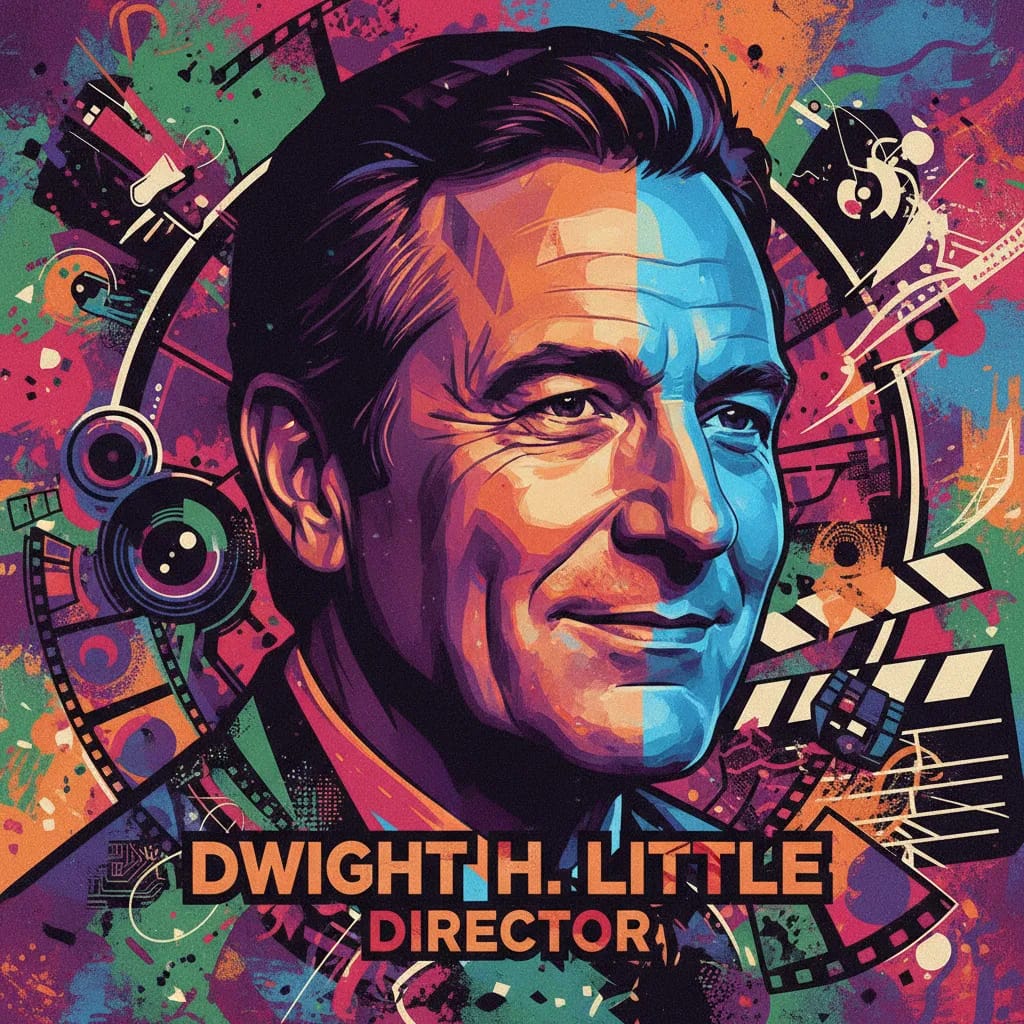
Dwight H. Little is a prolific film director known for his diverse range of work across multiple genres. With a career spanning several decades, Little has made a significant impact on the world of cinema through his distinct directorial style and his ability to infuse each project with his unique vision. One of Little's most notable films is "Halloween 4: The Return of Michael Myers" (1988), a horror thriller that revitalized the iconic franchise. Little's adept handling of suspense and tension in this film showcased his skill in the horror genre, setting the stage for his future successes in the realm of action, crime, and drama. His ability to create a foreboding atmosphere and elicit genuine scares has cemented his reputation as a formidable force in the horror genre. In "Marked for Death" (1990), Little delved into the action and crime genres, demonstrating his versatility as a director. The film's intense and gritty storytelling, coupled with adrenaline-pumping action sequences, underscored Little's proficiency in capturing the raw energy and emotion of these genres. Little's keen eye for dynamic visuals and his knack for choreographing thrilling set pieces have made him a sought-after director in the action and crime film spheres. Furthermore, Little's foray into the adventure and horror genres with "Anacondas: The Hunt for the Blood Orchid" (2004) and "Free Willy 2: The Adventure Home" (1995) showcased his ability to evoke wonder and excitement while maintaining a firm grip on suspense and thrills. His skillful direction in these films contributed to their commercial success and solidified his standing as a director capable of delivering captivating and entertaining experiences across various genres. Throughout his career, Little has exhibited a penchant for storytelling that resonates with audiences while pushing the boundaries of genre conventions. His films are characterized by their gripping narratives, compelling characters, and expertly crafted cinematic moments. With a diverse body of work that continues to captivate audiences, Dwight H. Little remains a director whose impact on cinema is both enduring and multifaceted.

Dylan Brown
Dylan Brown is a visionary director known for his extraordinary talent in bringing animated worlds to life with heart, humor, and imagination. His notable work includes the animated film "Wonder Park" (2019), a delightful adventure that captured the hearts of audiences with its vibrant visuals and endearing storytelling. Brown's directorial style is characterized by his ability to infuse his films with a sense of wonder and enchantment, creating immersive experiences that appeal to audiences of all ages. With "Wonder Park," Brown demonstrated his expertise in crafting visually stunning landscapes and endearing characters, showcasing his ability to weave together compelling narratives with a touch of whimsy. His unique directorial vision shines through in the film's seamless blend of animation and storytelling, creating a world that feels both magical and relatable. Brown's dedication to creating films that resonate with audiences on an emotional level has cemented his reputation as a director with a keen understanding of the power of storytelling. Throughout his career, Brown has consistently explored themes of imagination, creativity, and the power of belief, infusing his films with a sense of optimism and joy. His ability to create immersive and emotionally resonant worlds has had a significant impact on the animation genre, inspiring audiences and fellow filmmakers alike. Brown's contributions to cinema extend beyond his directorial work, as he continues to push the boundaries of animation and storytelling, leaving an indelible mark on the industry. In "Wonder Park" and beyond, Dylan Brown's directorial prowess has solidified his status as a trailblazing filmmaker with a remarkable ability to transport audiences to enchanting worlds filled with laughter, adventure, and heartwarming moments. With a keen eye for detail and a passion for storytelling, Brown's impact on cinema is undeniable, and his future projects are eagerly anticipated by audiences and industry insiders alike.

Dylan Kidd
Dylan Kidd is a talented American film director known for his unique blend of comedy and drama, as well as his insightful exploration of complex human relationships. His directorial debut came with the critically acclaimed film "Roger Dodger" in 2002, a witty and thought-provoking comedy-drama that garnered widespread praise for its sharp dialogue and compelling character dynamics. The film showcased Kidd's distinctive directorial style, which often combines humor with introspective storytelling, and established him as a promising new voice in independent cinema. "Roger Dodger" earned Kidd the Independent Spirit Award for Best First Feature, as well as the Best First Screenplay award at the Venice Film Festival, solidifying his reputation as an emerging talent to watch. The film's success also demonstrated Kidd's ability to delve into the complexities of modern masculinity and interpersonal dynamics with depth and nuance, setting the stage for his subsequent work. In 2016, Kidd returned to the director's chair with "Get a Job," a comedy that provided a fresh take on the challenges of entering the workforce in the contemporary world. With this film, Kidd showcased his versatility by infusing lighthearted humor with astute observations about the struggles and aspirations of young adults navigating the professional landscape. While "Get a Job" received a more mixed reception compared to his debut, it further exemplified Kidd's ability to capture the intricacies of human experience with authenticity and wit. Kidd's filmography may be modest in size, but his impact on cinema lies in his ability to craft compelling narratives that resonate with audiences on a profound level. His films often center on themes of self-discovery, interpersonal dynamics, and the quest for authenticity in a complex world, reflecting his keen insight into the human condition. As a director, Kidd has consistently demonstrated a penchant for blending humor with emotional depth, creating works that entertain, provoke thought, and leave a lasting impression. In conclusion, Dylan Kidd's directorial career is characterized by an unwavering commitment to storytelling that challenges conventions and offers a fresh perspective on the human experience. With a discerning eye for the complexities of human relationships and a knack for infusing humor into thought-provoking narratives, Kidd has carved out a niche for himself in the world of independent cinema. As he continues to evolve as a filmmaker, audiences can anticipate further captivating and resonant works that bear the distinct stamp of his visionary approach to storytelling.