Douglas Sirk
Film Director3 films

AI-generated for entertainment purposes only
Own & Stream
Career Summary
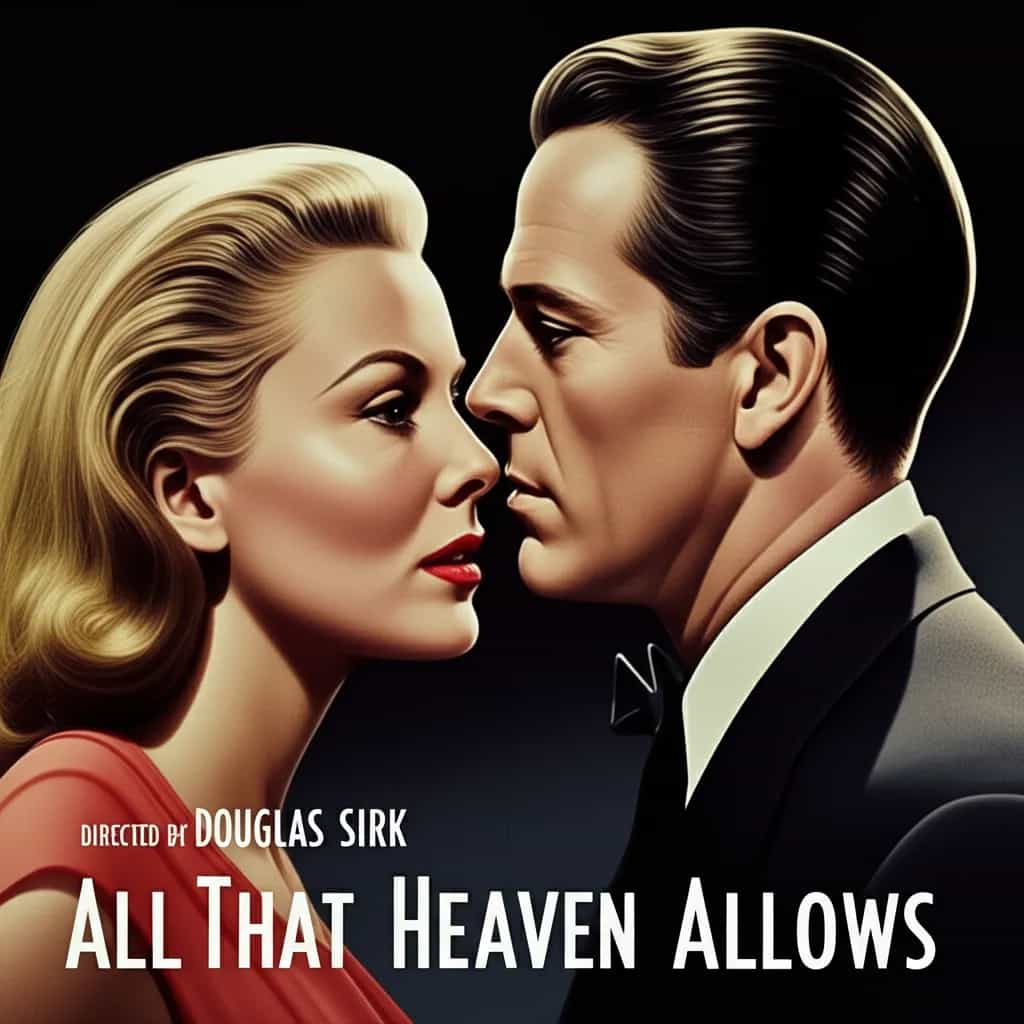
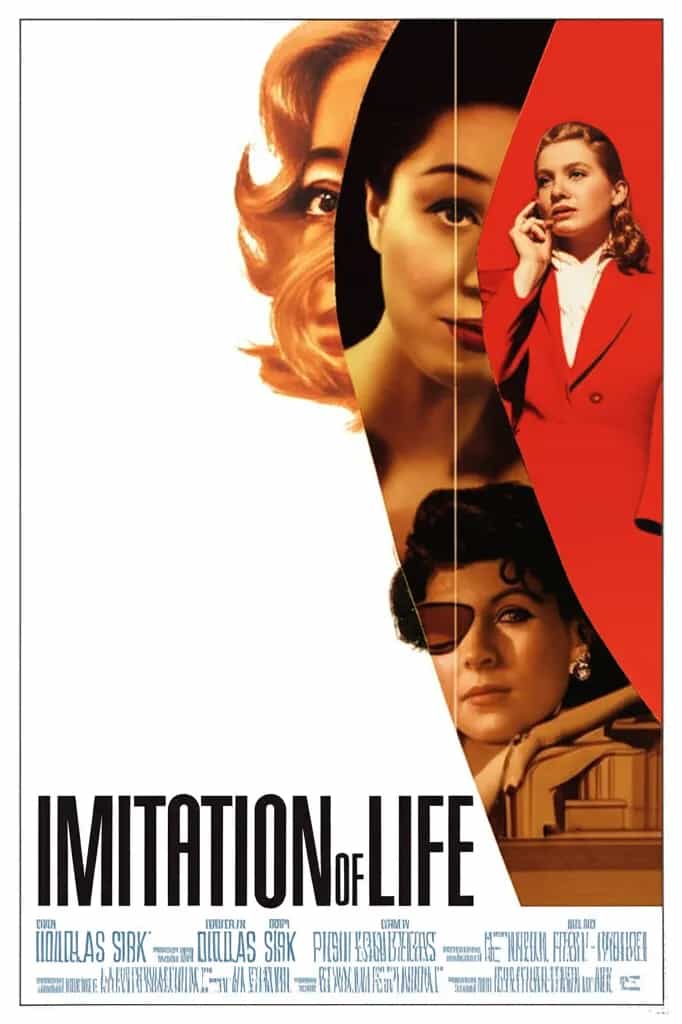
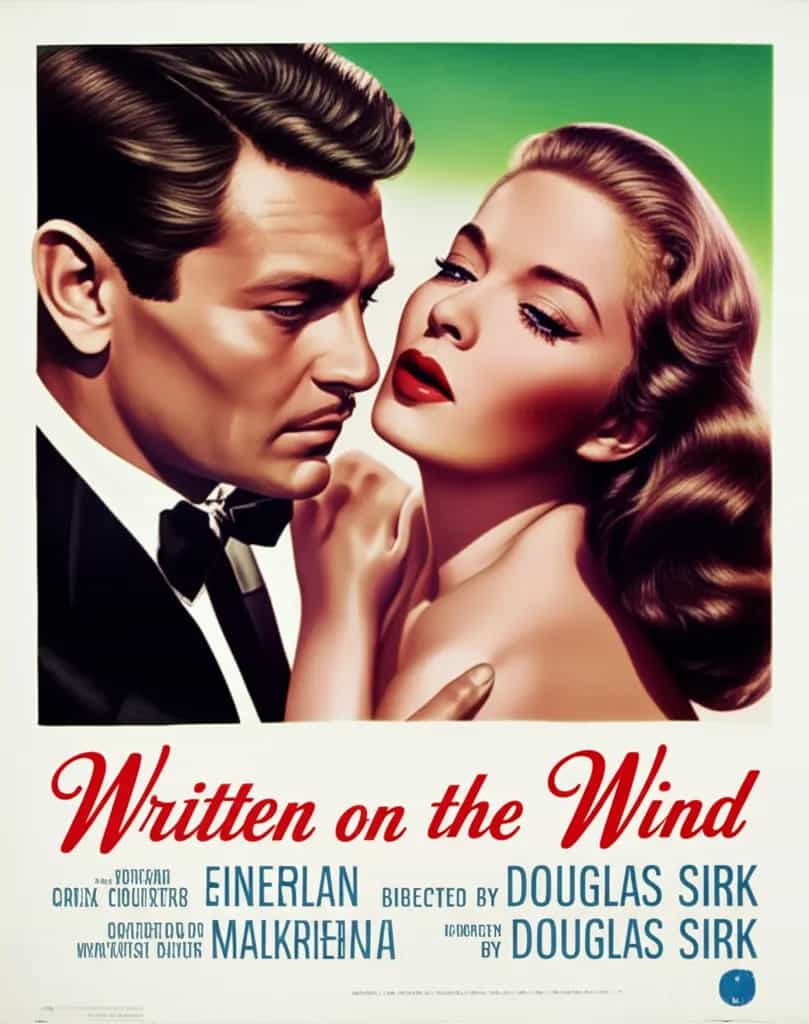
Douglas Sirk, born Detlef Sierck in Hamburg, Germany, was a visionary film director known for his lush, melodramatic visual style and incisive social commentary. His career in Hollywood during the 1950s produced some of the most enduring and influential works in the melodrama genre. Sirk's films often explored the tension between personal desires and societal expectations, delving into themes of class divisions, gender roles, and the facade of suburban bliss. With a filmography that includes classics such as "All That Heaven Allows" (1955), "Imitation of Life" (1959), and "Written on the Wind" (1956), Sirk's impact on cinema is undeniable. Sirk's directorial style was characterized by his use of vibrant Technicolor cinematography, striking visual compositions, and heightened emotional drama. He was a master at utilizing the visual language of cinema to convey the inner turmoil and conflicts of his characters. Sirk's films often featured opulent sets and costumes, which provided a stark contrast to the underlying emotional turmoil experienced by his characters. His ability to infuse seemingly idyllic settings with a sense of unease and discontent set him apart as a director with a keen understanding of human emotions and societal pressures. "All That Heaven Allows" is perhaps Sirk's most iconic work, as it epitomizes his signature style and thematic preoccupations. The film explores the forbidden romance between a middle-aged widow and a younger man, delving into the complexities of love, social expectations, and the constraints of traditional values. "Imitation of Life" further showcased Sirk's skill in tackling issues of race, identity, and motherhood within the framework of a melodramatic narrative. His films often featured strong female protagonists who defied societal conventions, and his empathetic portrayal of their struggles resonated with audiences and critics alike. Sirk's influence on cinema extended beyond his own era, as his subversive approach to melodrama and his critique of societal norms laid the groundwork for future generations of filmmakers. His works have been revisited and reevaluated, with contemporary audiences recognizing the timeless relevance of his themes and the artistry of his directorial vision. Sirk's legacy as a director who elevated the melodrama genre to profound artistic heights continues to be celebrated, cementing his status as a master of visual storytelling and social commentary in cinema history.
This career summary is generated with AI assistance for entertainment purposes only. For official information, please refer to the director's official sources or representatives.
Find Books Inspired by Douglas Sirk
We've pre-filled the search so you can instantly explore Douglas Sirk related biographies — just hit Find Books!
Explore & Collect
Filmography
3 films total