Director Names Starting with D
Showing 229-240 out of 283

Dominic Sena
Dominic Sena is a visionary film director known for his distinctive style and knack for crafting thrilling, action-packed narratives. With a career spanning over three decades, Sena has left an indelible mark on the world of cinema with his visually stunning and high-octane films. His filmography boasts a diverse range of genres, including action, crime, thriller, and fantasy, showcasing his versatility as a director. One of Sena's most notable works is "Gone in 60 Seconds" (2000), a high-energy action thriller that solidified his reputation as a master of adrenaline-fueled storytelling. The film's sleek visuals and pulse-pounding car chase sequences exemplify Sena's signature directorial flair, captivating audiences with his dynamic and immersive storytelling. "Swordfish" (2001) further showcased Sena's prowess in the action genre, blending suspense and intrigue with his trademark visual panache. In "Kalifornia" (1993), Sena delved into the crime and thriller genre, demonstrating his ability to craft gripping narratives with a dark and gritty edge. The film's haunting atmosphere and intense character dynamics underscore Sena's talent for infusing depth and complexity into his storytelling. "Whiteout" (2009) further showcased Sena's directorial prowess, with its taut and suspenseful narrative set against the unforgiving backdrop of Antarctica. Sena's directorial style is characterized by his ability to seamlessly blend captivating visuals with compelling storytelling, creating immersive cinematic experiences for audiences. His films often explore themes of adrenaline, danger, and human resilience, weaving together gripping narratives that resonate with viewers on a visceral level. Sena's impact on cinema lies in his ability to push the boundaries of visual storytelling, captivating audiences with his unique vision and leaving an indelible mark on the action and thriller genres. In conclusion, Dominic Sena stands as a visionary director whose dynamic and visually arresting films have cemented his status as a trailblazer in the world of cinema. With a diverse filmography that spans multiple genres, Sena continues to captivate audiences with his electrifying storytelling and distinctive directorial style. His contributions to film have left an enduring legacy, solidifying his position as a director of unparalleled creativity and innovation.

Dominik Moll
Dominik Moll is a French film director known for his unique blend of dark humor, psychological depth, and striking visuals. Since his directorial debut in 2000 with "With a Friend Like Harry...," Moll has been celebrated for his ability to create gripping narratives that delve into the complexities of human nature. His works often blur the lines between comedy, drama, and mystery, captivating audiences with their unpredictable twists and thought-provoking themes. Moll's directorial style is characterized by meticulous attention to detail, atmospheric cinematography, and an astute understanding of character dynamics. "With a Friend Like Harry..." exemplifies his ability to seamlessly intertwine lighthearted moments with a pervasive sense of unease, showcasing his adeptness at crafting multi-layered narratives that keep viewers on the edge of their seats. The film garnered critical acclaim and solidified Moll's reputation as a director with a distinct, compelling vision. In his subsequent projects, Moll continued to explore the darker facets of human behavior, often delving into themes of obsession, moral ambiguity, and the fragility of the human psyche. His films possess a brooding intensity, underscored by an undercurrent of suspense that permeates each frame. While Moll's filmography may be relatively compact, each of his works stands as a testament to his ability to craft immersive, psychologically rich storytelling experiences. Dominik Moll's impact on cinema lies in his unwavering commitment to pushing the boundaries of genre conventions and offering audiences narratives that challenge their perceptions. His films serve as a testament to the power of storytelling in its ability to captivate, unsettle, and provoke introspection. As Moll continues to shape his directorial legacy, his contributions to the world of cinema remain an intriguing and essential exploration of the human condition.
Dominique Othenin-Girard
Dominique Othenin-Girard, a Swiss film director, made a significant impact on the horror genre, particularly with his notable work on "Halloween 5: The Revenge of Michael Myers" (1989). Othenin-Girard's directorial style is characterized by his ability to create tension and suspense, as well as his skill in crafting visually striking scenes that leave a lasting impression on audiences. His approach to storytelling often involves delving into the psychological aspects of fear, adding depth to the horror narratives he brings to the screen. "Halloween 5: The Revenge of Michael Myers" stands as one of Othenin-Girard's most memorable works, as it contributed to the enduring legacy of the iconic horror franchise. The film showcases his penchant for building a sense of dread through meticulous attention to detail and a keen understanding of the genre's conventions. Othenin-Girard's directorial finesse is evident in the way he masterfully constructs the film's chilling atmosphere, keeping audiences on the edge of their seats throughout the narrative. Throughout his career, Othenin-Girard has demonstrated a recurring fascination with exploring the complexities of evil and the human psyche within the horror genre. His films often revolve around the theme of confronting primal fears and the consequences of unleashing malevolent forces. This thematic consistency has solidified his reputation as a director with a distinct creative vision, offering audiences thought-provoking and chilling cinematic experiences. Othenin-Girard's contributions to cinema have left an indelible mark on the horror genre, earning him recognition for his ability to craft compelling narratives that resonate with audiences. His meticulous approach to storytelling and his skill in building suspense have cemented his status as a director whose work continues to captivate and terrify viewers. With his unique vision and impactful contributions to the horror genre, Dominique Othenin-Girard's directorial legacy remains an essential part of the cinematic landscape.

Dominique Rocher
Dominique Rocher is a French film director known for his unique vision and distinct directorial style. His notable film, "The Night Eats the World" (2018), is a captivating drama, horror, and thriller that has garnered critical acclaim for its innovative approach to the zombie genre. Rocher's directorial debut showcases his ability to create a compelling narrative within the confines of a post-apocalyptic setting, cementing his reputation as a talented filmmaker with a keen eye for storytelling and visual aesthetics. Rocher's directorial style is characterized by his penchant for exploring complex human emotions and relationships against the backdrop of extraordinary circumstances. In "The Night Eats the World," he skillfully intertwines elements of horror and drama to deliver a thought-provoking and haunting cinematic experience. His ability to blend genres and craft a compelling narrative has set him apart as a director with a distinct and innovative approach to storytelling. Throughout his career, Rocher has demonstrated a consistent exploration of themes such as isolation, survival, and the human psyche, often using the lens of genre cinema to delve into the depths of the human experience. His films are marked by their atmospheric tension, striking visual compositions, and nuanced character development, all of which contribute to the immersive and impactful nature of his storytelling. Rocher's impact on cinema lies in his ability to push the boundaries of genre filmmaking, offering audiences a fresh perspective on familiar themes and motifs. His directorial debut, "The Night Eats the World," has been celebrated for its inventive take on the zombie genre, earning accolades for its innovative storytelling and compelling characters. As a director, Rocher continues to captivate audiences with his distinct vision and unwavering commitment to crafting immersive and thought-provoking cinematic experiences. In conclusion, Dominique Rocher's directorial career has been defined by his unique approach to storytelling, his innovative blending of genres, and his ability to create compelling narratives that resonate with audiences on a profound level. With "The Night Eats the World," Rocher has firmly established himself as a filmmaker to watch, and his contributions to cinema continue to shape the landscape of genre filmmaking, solidifying his status as a visionary director with a lasting impact on the industry.
Donald Cammell
Donald Cammell was a British film director and screenwriter known for pushing the boundaries of filmmaking with his innovative and thought-provoking style. His most notable film, "Performance" (1970), co-directed with Nicolas Roeg, remains a landmark in cinema. The crime drama, starring Mick Jagger and James Fox, delves into the underworld of London and explores themes of identity, sexuality, and existentialism. The film's non-linear narrative, avant-garde visuals, and boundary-pushing content challenged traditional filmmaking conventions, cementing Cammell's reputation as a trailblazer in the industry. Cammell's directorial style was characterized by his daring and experimental approach to storytelling, often blending elements of psychological thriller, crime, and drama. He had a penchant for delving into the darker aspects of human nature, often portraying complex characters grappling with their inner demons. His films often featured unconventional narrative structures, surreal imagery, and a deep exploration of the human psyche, creating an immersive and thought-provoking experience for the audience. Despite a relatively small filmography, Cammell's impact on cinema is undeniable. His work continues to inspire filmmakers and cinephiles alike, influencing a new generation of storytellers to push the boundaries of visual storytelling. "Performance" remains a cult classic and a testament to Cammell's visionary approach to filmmaking. His exploration of taboo subjects and his willingness to challenge societal norms set him apart as a director ahead of his time. While Cammell's career was tragically cut short by his untimely death, his legacy lives on through his groundbreaking contributions to cinema. His unique vision and uncompromising approach to storytelling continue to captivate audiences and solidify his status as a visionary filmmaker. Donald Cammell's body of work serves as a testament to the enduring power of cinema to provoke, challenge, and inspire.
Donald Crisp
Donald Crisp was a multifaceted talent in the early days of Hollywood, making his mark as an accomplished director and actor. Born in 1882, Crisp's directorial career spanned the silent film era, and one of his most notable directorial efforts was "The Navigator" in 1924. This action-packed comedy-romance starred the iconic comedic duo of Buster Keaton and Kathryn McGuire, and it showcased Crisp's ability to infuse humor with thrilling action sequences, a hallmark of his directorial style. Crisp's directorial approach was characterized by a keen eye for visual storytelling and a knack for eliciting genuine, emotive performances from his actors. His work often featured sweeping, grandiose cinematography that captured the scale and spectacle of the stories he told. "The Navigator" is a prime example of Crisp's directorial prowess, as he expertly navigated the physical comedy and romantic entanglements within the film, creating a timeless piece of cinematic entertainment. Throughout his career, Crisp's films often delved into themes of adventure, romance, and human resilience. His directorial efforts reflected a deep understanding of human emotions and the complexities of relationships, which resonated with audiences of his time and continue to captivate modern viewers. Crisp's impact on cinema is evident in his ability to seamlessly blend genres, captivating audiences with his innovative storytelling and compelling characters. As a director, Donald Crisp left an indelible mark on the film industry, showcasing a versatile range that encompassed action, comedy, and romance. His directorial legacy continues to influence filmmakers, inspiring them to push the boundaries of storytelling and visual artistry. "The Navigator" remains a testament to Crisp's directorial vision and his enduring contribution to the golden age of cinema.
Donald Petrie
Donald Petrie is a versatile and accomplished film director known for his ability to seamlessly blend comedy, romance, and drama in his works. With a career spanning several decades, Petrie has left an indelible mark on the entertainment industry through his engaging storytelling and keen directorial prowess. One of Petrie's early directorial successes came with the 1988 hit "Mystic Pizza," a coming-of-age comedy-drama that showcased his knack for capturing the complexities of human relationships with warmth and humor. He further demonstrated his versatility with family favorite "Richie Rich" in 1994, displaying his adeptness at crafting entertaining and lighthearted films that resonate across generations. In 2000, Petrie directed the action-comedy "Miss Congeniality," starring Sandra Bullock, which became a commercial and critical success. This film further solidified Petrie's reputation as a director adept at balancing action and humor while also portraying strong, independent female characters. His directorial prowess in the romantic comedy genre was evident in "How to Lose a Guy in 10 Days" (2003), which showcased his ability to infuse humor and heart into a love story. Petrie's body of work also includes the endearing and charming "Little Italy" (2018), the comedy "Welcome to Mooseport" (2004), and the fantasy romance "Just My Luck" (2006). Throughout his career, Petrie has consistently delivered films that entertain and uplift audiences, often exploring themes of love, friendship, and personal growth with a touch of whimsy and humor. Donald Petrie's impact on cinema lies in his ability to craft relatable and heartwarming stories that resonate with audiences of all ages. His unique directorial style, marked by a blend of comedy, romance, and drama, has earned him a dedicated following and established him as a sought-after filmmaker in the industry. Petrie's contributions to the film landscape continue to enchant and captivate viewers, leaving a lasting impression on the world of entertainment.
Donato Carrisi
Donato Carrisi is an Italian director renowned for his captivating storytelling and meticulous attention to detail. His directorial debut came with the 2017 film "The Girl in the Fog," a gripping crime drama that showcased his flair for creating suspenseful narratives with complex characters. The film, based on Carrisi's own novel, garnered critical acclaim for its masterful direction, atmospheric cinematography, and compelling performances. Carrisi's directorial style is marked by a keen understanding of the intricacies of human psychology and a penchant for crafting intricate, multi-layered narratives. His films often delve into the darker aspects of the human experience, exploring themes of mystery, crime, and the enigmatic nature of human behavior. The meticulous attention to detail in his work is evident in his ability to create a palpable sense of tension and intrigue, keeping audiences on the edge of their seats throughout his films. "The Girl in the Fog" stands as a testament to Carrisi's ability to seamlessly blend elements of crime, drama, and mystery into a cohesive and enthralling cinematic experience. The film's success solidified Carrisi's reputation as a director with a unique vision, capable of delivering compelling and thought-provoking narratives that resonate with audiences on a profound level. Carrisi's impact on cinema lies in his ability to infuse his films with a distinct sense of atmosphere and tension, drawing viewers into the intricate web of his storytelling. His directorial debut signaled the arrival of a visionary filmmaker with a penchant for crafting compelling narratives that transcend genre conventions. As he continues to make his mark on the film industry, Donato Carrisi's work is sure to leave a lasting impression on audiences and fellow filmmakers alike.
Don Bluth
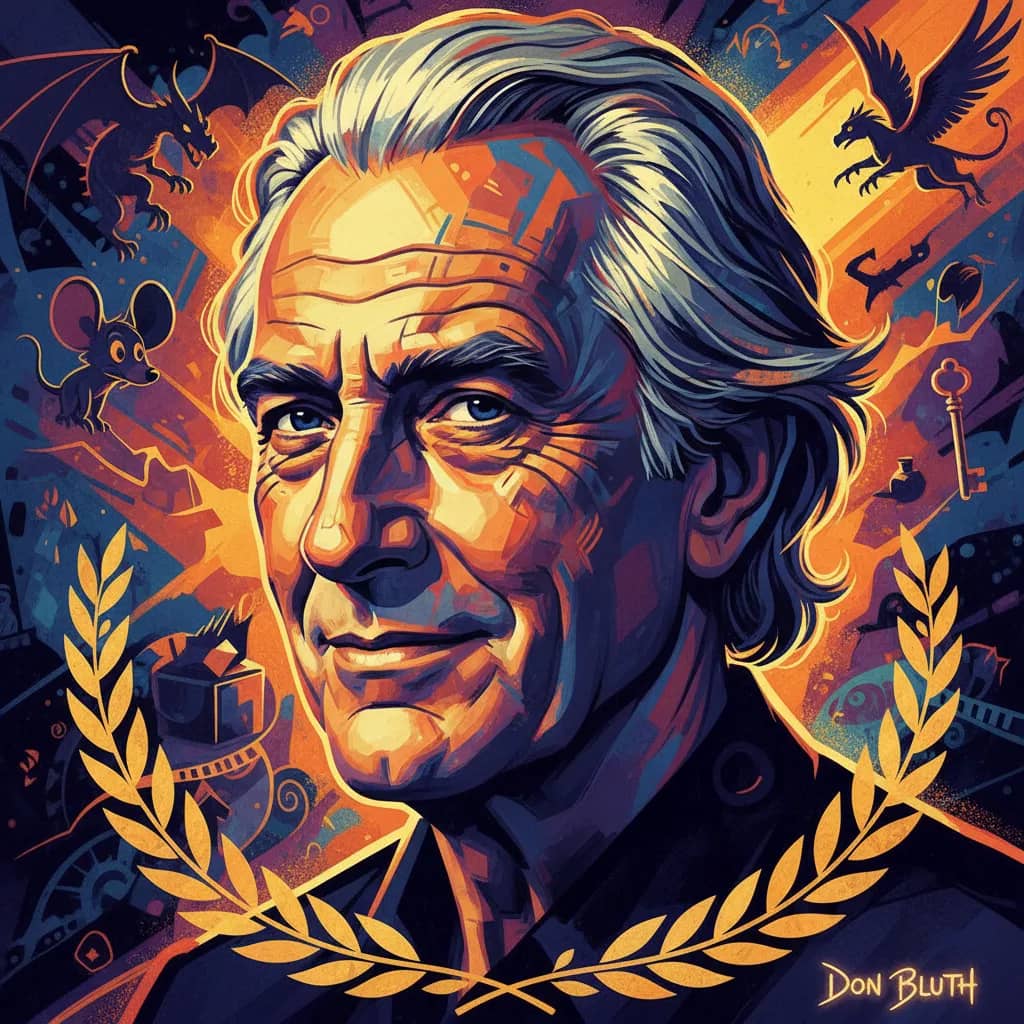
Don Bluth is a renowned American director and animator best known for his impactful contributions to the animation industry. His career began in the 1950s at The Walt Disney Company, where he worked on classics such as Sleeping Beauty (1959) and The Sword in the Stone (1963). Bluth's directorial style is characterized by his commitment to hand-drawn animation and storytelling that resonates with audiences of all ages. He is celebrated for infusing his films with a sense of wonder and emotional depth, making them timeless classics. One of Bluth's most notable works is "The Secret of NIMH" (1982), which marked his directorial debut. The film received critical acclaim for its richly detailed animation and mature storytelling, setting a new standard for animated films. Bluth's next directorial venture, "An American Tail" (1986), further solidified his reputation as a master storyteller, earning widespread praise for its heartwarming narrative and memorable characters. Bluth's impact on cinema is also evident in his collaborations with Steven Spielberg, resulting in beloved classics such as "The Land Before Time" (1988) and "All Dogs Go to Heaven" (1989). These films showcase Bluth's ability to tackle complex themes while captivating audiences with visually stunning animation. His dedication to creating emotionally resonant stories has left an indelible mark on the animation genre, inspiring future generations of filmmakers. Bluth's later works, including "Thumbelina" (1994), "Anastasia" (1997), and "Titan A.E." (2000), continued to showcase his visionary storytelling and commitment to pushing the boundaries of traditional animation. His ability to blend fantastical elements with genuine human emotion has solidified his status as a director who has redefined the possibilities of animated storytelling. Don Bluth's enduring legacy continues to inspire filmmakers and enchant audiences, cementing his reputation as a visionary director whose impact on cinema remains unparalleled.
Don Chaffey
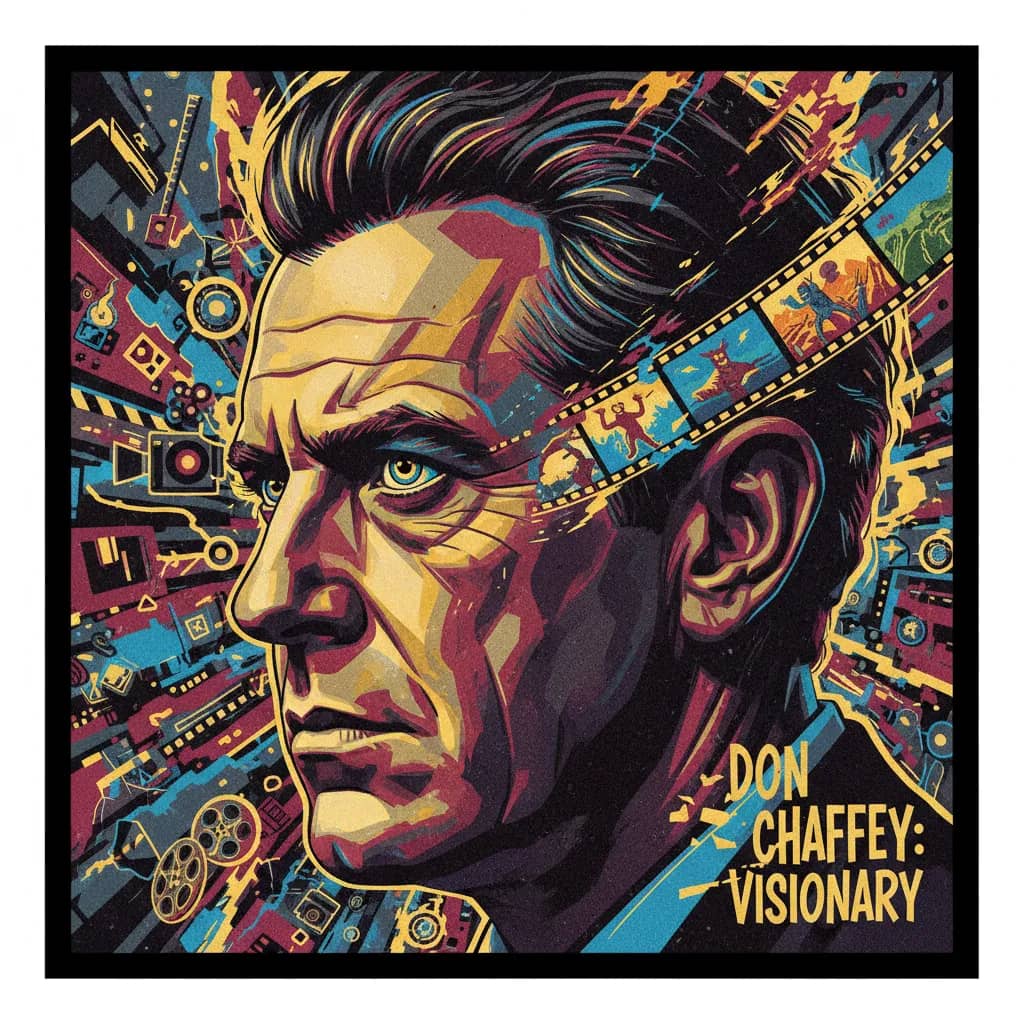
Don Chaffey was a British film director known for his contributions to action, adventure, and family films. His most notable work includes the 1963 classic "Jason and the Argonauts." Chaffey's directorial style was marked by a keen sense of visual storytelling and a knack for bringing mythic tales to life on the silver screen. He had a remarkable ability to infuse his films with a sense of wonder and adventure, captivating audiences of all ages. "Jason and the Argonauts" remains a timeless masterpiece, renowned for its groundbreaking special effects and imaginative storytelling. Chaffey's adept direction brought to life the epic journey of Jason and his crew as they embarked on a perilous quest for the Golden Fleece. The film's enduring impact on cinema is evident in its influence on subsequent fantasy and adventure films, with its iconic stop-motion animation sequences crafted by the legendary Ray Harryhausen. Throughout his career, Chaffey demonstrated a penchant for portraying heroes on epic quests, often delving into themes of bravery, friendship, and the triumph of good over evil. His films resonated with audiences for their timeless themes and captivating narratives, leaving a lasting impression on the world of cinema. Chaffey's legacy as a director is defined by his ability to transport audiences to fantastical worlds and immerse them in larger-than-life adventures. His visionary approach to storytelling and his pioneering use of special effects continue to inspire filmmakers and enchant audiences to this day. Don Chaffey's contributions to the genre of action, adventure, and family films have solidified his status as a revered director whose work continues to captivate and inspire generations of moviegoers.
Don Cheadle
Don Cheadle is known for his illustrious acting career, but he has also made a significant impact as a director. His directorial debut came with the highly acclaimed film "Miles Ahead" (2015), a biographical drama that delves into the life and music of jazz legend Miles Davis. Cheadle's directorial style in this film is characterized by a bold and innovative approach, seamlessly blending genres to create a captivating cinematic experience. His keen understanding of character dynamics and storytelling is evident throughout the film, as he masterfully captures the essence of Davis' music and tumultuous life. In "Miles Ahead," Cheadle's directorial prowess shines through his ability to infuse the narrative with raw emotion and dynamic visual storytelling. The film showcases his talent for crafting compelling character-driven narratives, as well as his skill in portraying the complexities of human relationships. Cheadle's directorial style is marked by a keen attention to detail and a willingness to push boundaries, resulting in a film that resonates with audiences on multiple levels. Cheadle's second directorial venture was the action-packed disaster film "Volcano" (1997). While this film differs significantly from "Miles Ahead" in terms of genre and tone, it further demonstrates Cheadle's versatility as a director. "Volcano" showcases his ability to helm large-scale, high-stakes productions while maintaining a focus on character development and emotional resonance. Cheadle's directorial contributions have left an indelible mark on the film industry, earning him recognition as a multifaceted talent with a unique vision. Throughout his career as a director, Cheadle has tackled a diverse range of subjects and genres, showcasing his versatility and creative acumen. His films often explore themes of resilience, identity, and the human experience, resonating with audiences on a profound level. Cheadle's directorial work continues to inspire and captivate, cementing his legacy as a visionary filmmaker with a powerful impact on cinema.
Don Coscarelli
Don Coscarelli is a visionary filmmaker known for his unique blend of comedy, fantasy, and horror. With a career spanning several decades, Coscarelli has left an indelible mark on the world of cinema with his distinct directorial style and innovative storytelling techniques. His notable films include "Bubba Ho-Tep" (2002), "Phantasm" (1979), "Phantasm III: Lord of the Dead" (1994), "Phantasm II" (1988), "John Dies at the End" (2012), and "The Beastmaster" (1982). Coscarelli's directorial style is characterized by a seamless fusion of genres, incorporating elements of horror, fantasy, and comedy to create captivating and immersive cinematic experiences. He is renowned for his ability to craft narratives that defy traditional genre conventions, offering audiences a fresh and exhilarating perspective on storytelling. His films often feature surreal and otherworldly visuals, coupled with a keen sense of humor that adds depth and complexity to the overall viewing experience. Throughout his career, Coscarelli has explored recurring themes such as the supernatural, existential dread, and the human condition, delving into the realms of the unknown to unravel the mysteries of the human psyche. His films often challenge audiences to confront their deepest fears while simultaneously inviting them to embrace the fantastical and absurd. This thematic duality is a hallmark of Coscarelli's directorial approach, showcasing his ability to navigate the complexities of the human experience with both depth and levity. Coscarelli's impact on cinema is far-reaching, as his innovative storytelling techniques and boundary-pushing narratives have inspired a new generation of filmmakers to push the boundaries of traditional genre filmmaking. His influence can be seen in the work of contemporary directors who continue to explore the intersection of horror, fantasy, and comedy, drawing inspiration from Coscarelli's pioneering approach to storytelling. With a rich and diverse filmography, Don Coscarelli has solidified his status as a trailblazing director whose visionary work continues to captivate and inspire audiences around the world.