Director Names Starting with C
Showing 61-72 out of 218

Charles Herman-Wurmfeld
Charles Herman-Wurmfeld is an accomplished film director known for his work in the comedy genre, with a keen eye for blending humor and heart. His notable films include "Legally Blonde 2: Red, White & Blonde" (2003) and "Kissing Jessica Stein" (2001), both of which showcase his ability to infuse wit and charm into his storytelling. Herman-Wurmfeld's directorial style is characterized by a deft balance of lighthearted comedy and genuine emotion. In "Legally Blonde 2: Red, White & Blonde," he brought a fresh perspective to the beloved franchise, maintaining the original film's comedic flair while exploring themes of empowerment and social justice. "Kissing Jessica Stein" exemplifies his ability to navigate complex relationships with humor and sensitivity, earning critical acclaim for its portrayal of a woman's romantic exploration. Throughout his career, Herman-Wurmfeld has demonstrated a knack for crafting narratives that resonate with audiences on a personal level. His films often revolve around themes of self-discovery, empowerment, and the pursuit of authenticity, resonating with viewers through their relatable characters and heartfelt moments. Whether navigating the world of Elle Woods in "Legally Blonde 2" or exploring the complexities of love and identity in "Kissing Jessica Stein," Herman-Wurmfeld's work reflects a deep understanding of human emotions and experiences. Herman-Wurmfeld's impact on cinema lies in his ability to infuse comedy with substance, delivering films that entertain and inspire in equal measure. His distinctive directorial voice has left an indelible mark on the comedy genre, showcasing the power of humor to convey meaningful messages and connect with audiences on a profound level. With a keen understanding of storytelling and a penchant for crafting endearing characters, Charles Herman-Wurmfeld continues to enrich the cinematic landscape with his unique vision and heartfelt narratives. In summary, Charles Herman-Wurmfeld has made significant contributions to cinema through his directorial prowess, shaping the comedy genre with his heartfelt and humorous storytelling. His films, including "Legally Blonde 2: Red, White & Blonde" and "Kissing Jessica Stein," stand as testaments to his ability to blend wit with genuine emotion, leaving a lasting impact on audiences and the film industry as a whole.

Charles Kinnane
Charles Kinnane is a talented film director known for his unique blend of comedy and sport in his movies. With a career spanning several years, Kinnane has made a significant impact on the film industry with his distinct directorial style and ability to bring out the best in his actors. His most recent film "Home Team" (2022) exemplifies his knack for combining humor and sports, making it an entertaining watch for audiences of all ages. Kinnane's directorial style is characterized by his ability to seamlessly blend comedic elements with the excitement and drama of sports. His films often feature heartwarming stories that resonate with viewers, while also delivering plenty of laughs and thrilling sports action. Through his work, Kinnane has showcased his talent for creating feel-good films that leave a lasting impression on audiences. "Home Team" stands as a testament to Kinnane's directorial prowess, as it combines his signature style with a compelling narrative that revolves around the world of sports. The film is a prime example of Kinnane's ability to capture the essence of teamwork, perseverance, and the human spirit, all while infusing the story with humor and lighthearted moments. Kinnane's impact on cinema is evident through his ability to consistently deliver engaging and memorable films that resonate with audiences. His unique vision and storytelling skills have set him apart as a director who is able to bring out the best in his actors and create captivating cinematic experiences. As a result, Kinnane has garnered a dedicated fan base and earned a reputation as a director who can skillfully bring together comedy and sports in a way that is both entertaining and uplifting. In conclusion, Charles Kinnane's directorial career has been marked by his ability to craft compelling and entertaining films that seamlessly blend comedy and sports. With "Home Team" (2022) as his latest achievement, Kinnane continues to leave a lasting impression on audiences with his unique vision and directorial talent. His contributions to the film industry have solidified his status as a director to watch, and his future projects are eagerly anticipated by fans and critics alike.

Charles Laughton
Charles Laughton was a renowned English actor and director who made a lasting impact on cinema with his distinctive directorial style and unique vision. Laughton's directorial career is most notably defined by his sole directorial effort, "The Night of the Hunter" (1955). This film, a mesmerizing blend of crime, drama, and film-noir, stands as a testament to Laughton's exceptional talent behind the camera. Laughton's directorial style in "The Night of the Hunter" is characterized by its haunting visuals, striking use of light and shadow, and evocative storytelling. The film's narrative is driven by its atmospheric tension and psychological depth, showcasing Laughton's ability to create a sense of unease and suspense that lingers long after the credits roll. His meticulous attention to visual composition and storytelling craft elevates "The Night of the Hunter" to a timeless classic that continues to inspire filmmakers and captivate audiences. "The Night of the Hunter" remains a standout in Laughton's filmography, cementing his legacy as a director with a keen eye for capturing the complexities of human nature and the darker aspects of society. The film explores themes of good versus evil, innocence and corruption, and the power of storytelling, all of which are masterfully woven into the fabric of the narrative. Laughton's directorial debut is a testament to his ability to bring a sense of artistry and depth to the medium of film, leaving an indelible mark on the cinematic landscape. Laughton's impact on cinema extends beyond "The Night of the Hunter," as his directorial legacy continues to be celebrated and studied by cinephiles and scholars alike. His influence can be seen in the work of subsequent filmmakers who have been inspired by his storytelling prowess and visual inventiveness. Laughton's singular contribution to the art of filmmaking ensures that his name will always be synonymous with visionary direction and a profound understanding of the human condition.

Charles Martin Smith
Charles Martin Smith is a multifaceted director known for his heartwarming and family-friendly films. He first gained recognition as a director with the release of "Air Bud" in 1997, a beloved comedy-drama that captivated audiences with its endearing story of a young boy and his talented canine companion. Smith's directorial style shines through in his ability to blend humor, emotion, and uplifting narratives, making his films accessible to audiences of all ages. In 2011, Smith further solidified his reputation as a director with a knack for heartwarming storytelling with "Dolphin Tale." This touching family drama showcased his ability to bring out the best in his actors and deliver compelling narratives that resonate with viewers. The film's success further established Smith as a director capable of crafting emotionally resonant tales that leave a lasting impact. One of the recurring themes in Smith's work is the celebration of the human-animal bond and the triumph of the human spirit over adversity. His films often explore the deep connections between humans and animals, portraying the transformative power of these relationships. Smith's directorial vision encompasses an unwavering commitment to portraying genuine and heartfelt stories that inspire and uplift audiences. Smith's impact on cinema lies in his dedication to creating films that prioritize heart, sincerity, and universal appeal. His ability to infuse his work with genuine emotion and relatable characters has garnered a dedicated following and solidified his place as a director with a unique and impactful vision. With notable films like "A Dog's Way Home" and "The Snow Walker," Smith continues to enrich the cinematic landscape with his signature blend of warmth, humor, and poignant storytelling. Charles Martin Smith's directorial legacy is defined by his ability to touch the hearts of audiences worldwide with his timeless and uplifting tales.

Charles Matthau
Charles Matthau is an accomplished film director known for his unique blend of comedy, drama, and crime genres. With a career spanning several decades, Matthau has made a lasting impact on cinema through his distinctive directorial style and memorable films. His notable works include "The Grass Harp" (1995) and "Freaky Deaky" (2012), both of which showcase his ability to infuse humor and depth into diverse storytelling. Matthau's directorial style is characterized by his adeptness at navigating complex human emotions within the framework of intriguing narratives. "The Grass Harp" is a poignant adaptation of Truman Capote's novella, featuring a stellar ensemble cast and a heartfelt exploration of friendship and individuality. In contrast, "Freaky Deaky" delves into the world of crime with a comedic twist, displaying Matthau's versatility in seamlessly blending genres. Throughout his career, Matthau has exhibited a penchant for themes of eccentricity, resilience, and the human experience, which resonate deeply with audiences. His films often present rich character development and thought-provoking storytelling, reflecting his commitment to crafting compelling and relatable cinematic experiences. Matthau's directorial contributions have left an indelible mark on the film industry, earning him a reputation as a director with a keen eye for nuanced storytelling and impactful visual narratives. Matthau's ability to infuse his films with genuine emotion and captivating storytelling has solidified his status as a director whose work transcends genre boundaries. His dedication to bringing multidimensional characters to life and exploring the complexities of human nature has set him apart as a visionary filmmaker. As a director, Matthau continues to inspire and entertain audiences with his distinctive directorial voice, leaving an enduring legacy in the world of cinema. In conclusion, Charles Matthau's career as a film director has been defined by his ability to craft compelling narratives that resonate with audiences on a profound level. With a diverse filmography encompassing comedy, drama, and crime genres, Matthau has showcased his versatility and storytelling prowess. His impact on cinema is unmistakable, as he continues to leave an indelible mark through his unique vision and directorial contributions.
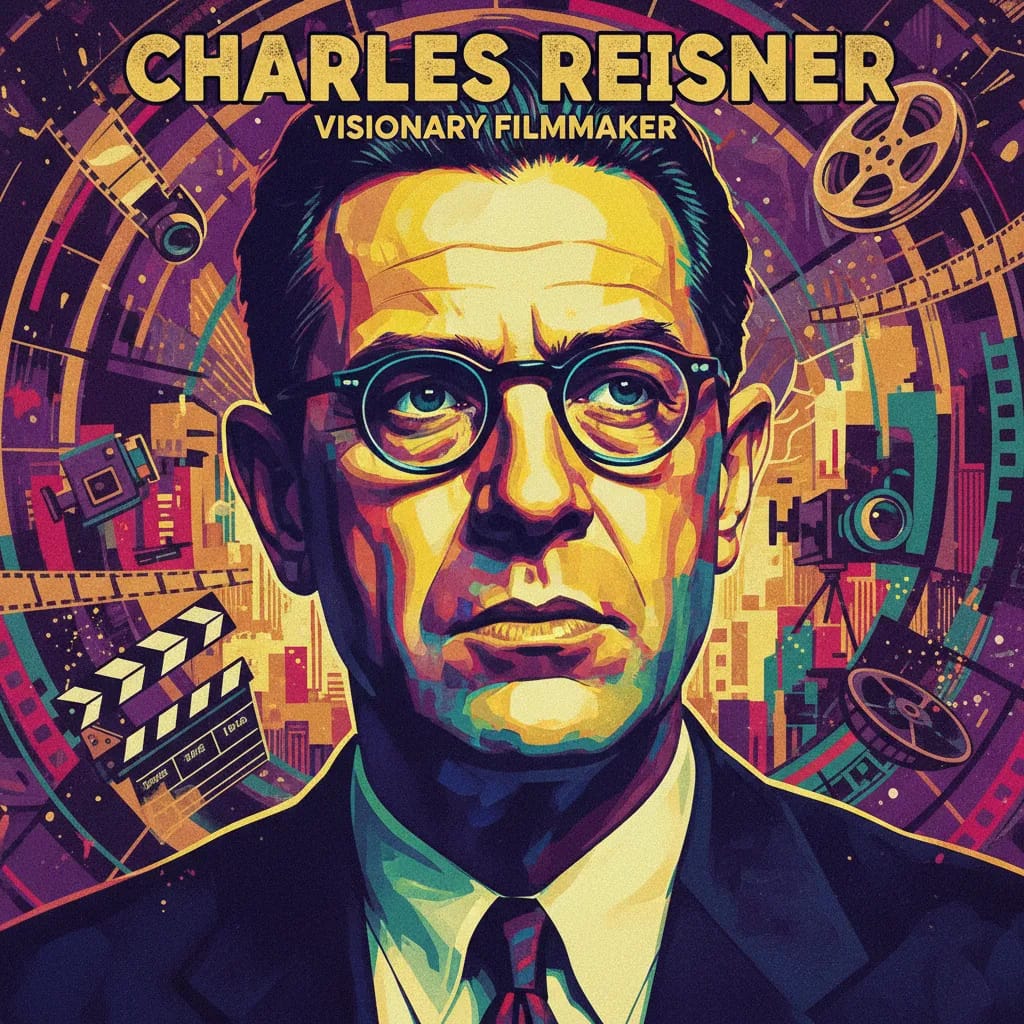
Charles Reisner
Charles Reisner, a prominent figure in the silent film era, left an indelible mark on the history of cinema with his directorial ventures. Born in 1887, Reisner started his career as a performer in vaudeville before transitioning into the film industry. He initially worked as an actor and gag writer for silent comedy legend Buster Keaton, eventually collaborating on several acclaimed films. Reisner's directorial style was characterized by a deft blend of action, comedy, and drama, showcasing his versatility and storytelling prowess. One of Reisner's most notable directorial works is the 1928 film "Steamboat Bill, Jr.," which has since been hailed as a classic of the silent film era. This action-packed comedy-drama exemplifies Reisner's keen eye for visual storytelling and his ability to choreograph intricate and captivating sequences. The film's enduring popularity is a testament to Reisner's directorial acumen and his contribution to shaping the comedic genre in cinema. Reisner's films often revolved around themes of resilience, determination, and the triumph of the underdog, resonating with audiences on a profound level. His collaboration with Buster Keaton resulted in a series of iconic films that showcased their shared comedic sensibilities and commitment to pushing the boundaries of visual storytelling. Reisner's impact on cinema extends beyond his directorial efforts, as his influence can be seen in the work of subsequent filmmakers who have drawn inspiration from his innovative approach to filmmaking. Charles Reisner's legacy as a director is defined by his ability to infuse his films with a unique blend of humor, heart, and spectacle, captivating audiences and leaving an enduring impact on the history of cinema. His contributions to the art of filmmaking continue to be celebrated, and his films remain essential viewing for cinephiles and aspiring filmmakers alike, serving as a testament to his enduring influence on the medium.

Charles Shyer
Charles Shyer is a prolific film director known for his ability to seamlessly blend romance, comedy, and drama in his works. Throughout his career, Shyer has delivered a string of hits that have resonated with audiences and critics alike. His directorial style is characterized by a keen eye for capturing the complexities of human relationships, often infused with humor and warmth. Shyer's films are known for their endearing characters, witty dialogue, and heartfelt storytelling, making him a beloved figure in the world of romantic comedies and family dramas. One of Shyer's most notable films is "Father of the Bride" (1991), a heartwarming comedy-drama that follows the trials and tribulations of a father as he navigates the complexities of planning his daughter's wedding. The film's success solidified Shyer's reputation as a master of blending humor and sentiment, and it remains a beloved classic in the genre. Shyer revisited the story with "Father of the Bride Part II" (1995), further showcasing his ability to capture the nuances of family dynamics with warmth and humor. In "Baby Boom" (1987), Shyer delved into themes of motherhood, career, and personal fulfillment, offering a poignant portrayal of a woman's journey to balance her professional ambitions with the joys of parenthood. The film's relatable storytelling and Shyer's ability to infuse humor into everyday struggles struck a chord with audiences, cementing his status as a filmmaker who understands the intricacies of human emotions. Shyer's directorial prowess extends beyond romantic comedies, as evidenced by "I Love Trouble" (1994), a delightful action-comedy-romance that showcased his versatility in seamlessly blending genres. In "Alfie" (2004), Shyer offered a fresh take on the classic character, infusing the film with his trademark wit and charm. With a career spanning decades, Charles Shyer has left an indelible mark on cinema with his unique vision and ability to craft heartfelt stories that resonate with audiences across generations. His films continue to be cherished for their timeless themes, memorable characters, and seamless blend of humor and heart. Charles Shyer's contributions to the world of film have solidified his place as a master storyteller with an enduring legacy in the realm of romantic comedies and family dramas. Keywords: Charles Shyer, film director, romantic comedy, family drama, directorial style, Father of the Bride, Baby Boom, I Love

Charles Stone III
Charles Stone III is a prolific film director known for his diverse range of work across various genres. With a career spanning several decades, Stone has made his mark in the film industry with a distinct directorial style and a keen eye for storytelling. He is celebrated for his ability to infuse his films with a blend of comedy, drama, and romance, creating compelling narratives that resonate with audiences. Stone's filmography includes notable works such as "Drumline" (2002), "Paid in Full" (2002), "Mr. 3000" (2004), and "Uncle Drew" (2018), each showcasing his versatility as a director. One of Stone's most iconic films, "Drumline," received widespread acclaim for its vibrant portrayal of the competitive world of college marching bands. The film combined elements of comedy and drama, showcasing Stone's ability to balance lighthearted moments with heartfelt storytelling. "Paid in Full" further demonstrated his directorial prowess, delving into the gritty realm of crime and drama with a raw and authentic approach. With "Mr. 3000," Stone ventured into the realm of sports comedy, seamlessly blending humor and emotion to deliver a captivating cinematic experience. Throughout his career, Stone has exhibited a knack for exploring themes of determination, camaraderie, and the pursuit of excellence. His films often center around underdog protagonists striving to overcome challenges and achieve their goals, resonating with audiences on a deeply human level. Stone's unique vision and storytelling sensibilities have left an indelible impact on cinema, inspiring audiences and aspiring filmmakers alike. In conclusion, Charles Stone III stands as a visionary director whose diverse filmography reflects his ability to navigate across genres while maintaining a distinctive directorial voice. His contributions to the world of cinema have solidified his status as a revered filmmaker, and his work continues to captivate audiences with its compelling narratives and emotional depth. Stone's legacy as a director is marked by his ability to infuse his films with authenticity, humor, and a genuine understanding of the human experience, making him a standout figure in the world of filmmaking.

Charles Vidor
Charles Vidor was a Hungarian-born American film director best known for his work in the film-noir and romance genres. With a career spanning over two decades, Vidor made a significant impact on cinema with his distinctive directorial style and remarkable storytelling. His most notable film, "Gilda" (1946), remains a classic in the film-noir genre and solidified his reputation as a masterful director. Vidor's directorial style was characterized by his ability to create captivating and atmospheric narratives that delved deep into the complexities of human relationships. His keen eye for visually striking scenes and his skillful use of lighting and shadows added a sense of depth and intensity to his films, distinguishing him as a visionary director of his time. "Gilda" exemplifies Vidor's adeptness at capturing the dark and brooding essence of film-noir, while also infusing it with a compelling romantic storyline. Throughout his career, Vidor often explored themes of duplicity, betrayal, and moral ambiguity, which became recurring motifs in his films. His ability to intricately weave these themes into the fabric of his narratives added layers of complexity and depth to his storytelling, resonating with audiences and critics alike. Vidor's impact on cinema is evident in his ability to push the boundaries of traditional storytelling, paving the way for a new wave of filmmakers who sought to explore the darker and more enigmatic facets of human nature. With "Gilda" as his magnum opus, Vidor solidified his place in cinematic history, leaving an indelible mark on the film industry. His legacy as a director continues to inspire and influence contemporary filmmakers, as his unique vision and contributions to film remain timeless and enduring. Charles Vidor's artistry and mastery of the film-noir and romance genres have secured his place as a legendary figure in the pantheon of great directors, leaving an indelible imprint on the history of cinema.

Charles Walters
Charles Walters was a prolific and influential film director known for his contributions to the golden age of Hollywood musicals. Born in 1911, Walters began his career as a dancer and choreographer before transitioning to directing. His directorial style was characterized by a seamless blend of music, romance, and comedy, and his films often showcased elaborate dance sequences and lavish production numbers. Walters had an innate talent for capturing the glamour and sophistication of the era, which made him a go-to director for big-budget, star-studded musicals. One of Walters' most iconic films is "Easter Parade" (1948), starring Judy Garland and Fred Astaire. This beloved musical showcased Walters' ability to choreograph complex dance routines and his talent for capturing the on-screen chemistry between the lead actors. The film's enduring popularity solidified Walters' reputation as a director with an eye for creating timeless cinematic experiences. In 1956, Walters directed "High Society," a star-studded comedy-musical featuring icons such as Bing Crosby, Grace Kelly, and Frank Sinatra. The film exemplified Walters' ability to balance the demands of multiple A-list stars while maintaining a cohesive and visually stunning narrative. Walters' adeptness at blending music, romance, and comedy was on full display in this classic film. Walters' directorial pinnacle came with "Gigi" (1958), a sumptuous romantic comedy musical that won nine Academy Awards, including Best Director for Walters. This film not only showcased his mastery of the musical genre but also highlighted his ability to infuse romance and sophistication into his work. "Gigi" remains a testament to Walters' enduring impact on the cinematic landscape. Charles Walters' legacy as a director is intrinsically tied to his ability to elevate the musical genre, his knack for capturing the essence of romance and glamour on screen, and his talent for working with Hollywood legends. His films continue to be celebrated for their timeless appeal and have left an indelible mark on the history of cinema.

Charlie Bean
Charlie Bean is a visionary film director known for his distinct style and impressive contributions to the world of cinema. With a focus on animation and adventure, Bean has left an indelible mark on the industry through his notable work, including "The Lego Ninjago Movie" (2017). Bean's directorial style is characterized by a seamless blend of action, humor, and visually stunning animation, captivating audiences of all ages. His ability to infuse depth and emotion into animated characters has set him apart as a master storyteller in the realm of animation. "The Lego Ninjago Movie" stands as a testament to Bean's directorial prowess, showcasing his talent for crafting engaging narratives within the animated genre. With an emphasis on intricate world-building and dynamic action sequences, Bean's directorial vision brought the beloved Lego franchise to life in a fresh and exhilarating way. His ability to balance humor and heart in his storytelling has resonated with audiences and critics alike, cementing his status as a director to watch in the world of animation. Throughout his career, Bean has exhibited a penchant for exploring themes of friendship, heroism, and self-discovery, all of which are evident in his directorial work. His films often feature characters on transformative journeys, navigating challenges and embracing their inner strength, resonating with audiences on a deeply emotional level. Bean's impact on cinema extends beyond his technical skill, as he consistently delivers films that inspire, entertain, and leave a lasting impression on viewers. In conclusion, Charlie Bean's directorial career is defined by his innovative approach to animation and his ability to craft compelling narratives that transcend the boundaries of age and genre. With "The Lego Ninjago Movie" and other notable works, Bean has solidified his status as a director with a unique vision and a profound impact on the world of cinema. His ability to breathe life into animated worlds and characters has set him apart as a true trailblazer in the realm of animation, leaving an indelible mark on the industry.

Charlie Kaufman
Charlie Kaufman is a visionary film director known for his unique and thought-provoking approach to storytelling. With a career spanning several decades, Kaufman has left an indelible mark on cinema with his distinct directorial style and compelling narratives. His directorial debut, "Synecdoche, New York" (2008), showcased his penchant for weaving complex, introspective tales that blur the lines between reality and fantasy. The film garnered critical acclaim for its bold exploration of existential themes and solidified Kaufman's reputation as a boundary-pushing auteur. In 2015, Kaufman ventured into the realm of animation with "Anomalisa," a stop-motion film that delved into the intricacies of human connection and the struggle for meaningful relationships. The film's meticulous craftsmanship and emotional depth earned Kaufman widespread acclaim and further established his reputation as a director unafraid to tackle profound and often enigmatic subject matter. Kaufman's most recent directorial offering, "I'm Thinking of Ending Things" (2020), once again showcased his ability to captivate audiences with enigmatic storytelling and haunting visuals. Blending elements of drama and thriller, the film delves into the complexities of human consciousness and the elusive nature of identity, further solidifying Kaufman's status as a master of cerebral cinema. Throughout his career, Kaufman has consistently explored themes of existentialism, identity, and the human condition, often challenging audiences to confront the complexities of their own inner worlds. His directorial style is characterized by intricate narratives, rich symbolism, and a willingness to push the boundaries of conventional storytelling, earning him a dedicated following among cinephiles and critics alike. In conclusion, Charlie Kaufman's directorial contributions have left an indelible impact on cinema, redefining the boundaries of storytelling and captivating audiences with his singular vision. His films continue to resonate with viewers, inviting them to contemplate the intricacies of the human experience and the enigmatic nature of existence. As a director, Kaufman's body of work stands as a testament to the power of cinema to provoke introspection and challenge the status quo, solidifying his legacy as a true visionary in the world of filmmaking.