Director Names Starting with C
Showing 73-84 out of 218
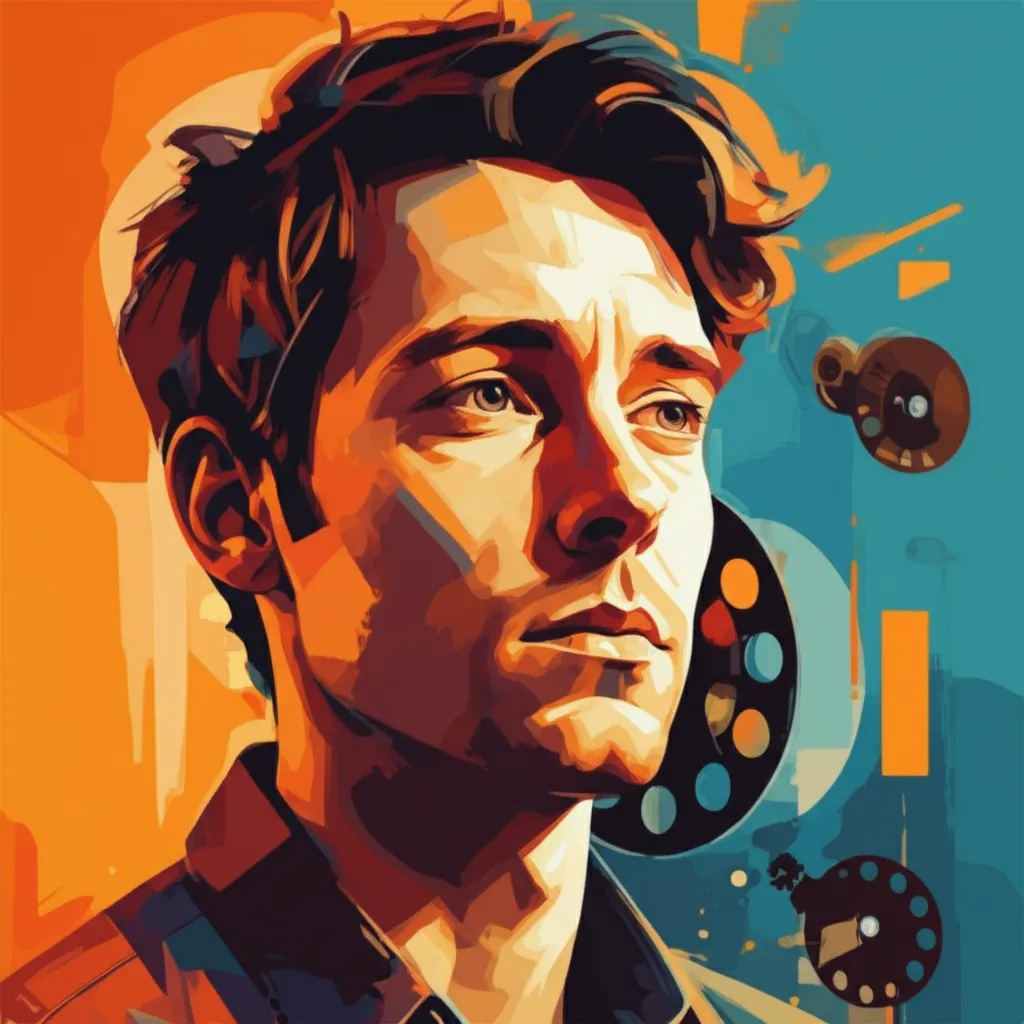
Charlie McDowell
Charlie McDowell is a talented film director known for his thought-provoking and genre-bending works. His directorial style is characterized by a keen eye for storytelling, emotional depth, and a knack for blending various genres seamlessly. McDowell made his directorial debut with "The One I Love" in 2014, a captivating blend of comedy, drama, and fantasy that showcased his ability to craft compelling narratives with unexpected twists. In 2017, McDowell's second feature film, "The Discovery," further solidified his reputation as a director with a unique vision. This science fiction drama, starring Rooney Mara and Jason Segel, delves into the enigmatic premise of the afterlife and the consequences of a world-altering discovery. McDowell's skillful direction brought out the emotional complexities of the characters while exploring existential themes, leaving a lasting impact on audiences and critics alike. McDowell's upcoming film "Windfall" is highly anticipated, promising to continue his streak of compelling storytelling. Set in the crime thriller genre, "Windfall" is expected to showcase McDowell's versatility as a director, further solidifying his reputation for crafting engaging narratives across various genres. With each film, McDowell demonstrates his ability to infuse depth and intrigue into his storytelling, captivating audiences and leaving a lasting impression. Throughout his career, McDowell has displayed a penchant for exploring existential and philosophical themes, often delving into the complexities of human relationships and the unknown. His films stand out for their thought-provoking narratives, nuanced character development, and unexpected plot twists, showcasing a directorial style that challenges conventions and captivates audiences. McDowell's unique vision and contributions to cinema have established him as a director to watch, with each new project eagerly anticipated by film enthusiasts and critics alike.

Charlotte Wells
Charlotte Wells is a rising director known for her distinct visual style and thought-provoking storytelling. With a burgeoning career, she has already made a mark in the film industry through her directorial debut, "Aftersun" (2022). This drama film showcases Wells' ability to capture raw emotions and interpersonal dynamics with a keen eye for detail. Her directorial style is characterized by immersive visuals, intimate character exploration, and a nuanced approach to storytelling. "Aftersun" serves as a testament to Wells' directorial prowess, as she deftly navigates complex relationships and human experiences, delving into the intricacies of love, loss, and personal growth. Through her work, Wells demonstrates a commitment to portraying authentic and relatable narratives, resonating with audiences on a profound level. Her ability to evoke empathy and introspection from viewers has solidified her as a filmmaker to watch in the industry. Wells' filmography may still be in its early stages, but her impact on cinema is undeniable. She has already established herself as a director with a unique vision, unafraid to tackle poignant and relevant themes. Her emphasis on human connection and emotional depth sets her apart, garnering attention for her potential to shape the future of storytelling in film. As she continues to hone her craft, Wells is poised to make significant contributions to the cinematic landscape, captivating audiences with her distinctive directorial voice. In a time when audiences crave authentic storytelling and genuine human experiences, Charlotte Wells emerges as a director who fearlessly confronts the complexities of life through her work. With "Aftersun," she has set the stage for a promising career, leaving an indelible impression on the film industry and paving the way for future projects that are sure to captivate and resonate with audiences worldwide. Keep an eye on Charlotte Wells as she continues to redefine the cinematic experience and leaves an enduring mark on the world of film.

Chazz Palminteri
Chazz Palminteri is a multifaceted talent in the entertainment industry. While he may be best known for his work as an actor and screenwriter, Palminteri has also made an impact as a director. His directorial debut, "Noel," released in 2004, is a poignant drama that showcases his ability to craft emotionally resonant narratives. Palminteri's directorial style is characterized by a deft touch in handling complex human emotions and relationships. In "Noel," he adeptly weaves together multiple storylines, delving into themes of love, loss, and redemption during the holiday season. His storytelling is marked by a keen understanding of the human condition, allowing audiences to connect with the characters on a deeply personal level. While "Noel" stands as Palminteri's notable directorial work, his impact on cinema extends beyond his directing credits. As a seasoned actor and screenwriter, he brings a unique perspective to his directorial endeavors, infusing his films with rich character development and authentic dialogue. His work reflects a commitment to exploring the intricacies of human connections and the profound moments that define our lives. Palminteri's contribution to film is underscored by his ability to create immersive cinematic experiences that resonate with audiences. Through "Noel" and his other creative ventures, he has left an indelible mark on the film industry, showcasing his talent for crafting compelling narratives that leave a lasting impression. As a director, Palminteri continues to captivate audiences with his distinct vision and storytelling prowess, cementing his legacy as a versatile and accomplished filmmaker.
Cheol-soo Jang
Cheol-soo Jang is a South Korean film director known for his groundbreaking work in the realm of horror and thriller cinema. With his keen eye for storytelling and visual aesthetics, Jang has carved a niche for himself in the industry, earning critical acclaim and a dedicated fan base. His notable filmography includes the 2010 cult classic "Bedevilled," a gripping and chilling drama that showcases Jang's prowess in creating atmospheric and haunting narratives. Jang's directorial style is characterized by his ability to seamlessly blend elements of horror, drama, and thriller genres, crafting films that leave a lasting impression on audiences. His meticulous attention to detail and innovative approach to storytelling have set him apart as a visionary director with a unique perspective on the human experience. "Bedevilled" stands as a testament to Jang's ability to create an immersive and emotionally charged cinematic experience, solidifying his position as a master of the genre. In his work, Jang often explores themes of psychological trauma, human resilience, and the darker aspects of human nature. His films delve into the complexities of the human psyche, inviting viewers to confront their deepest fears and anxieties. Through his storytelling, Jang challenges conventional narrative structures and pushes the boundaries of cinematic expression, earning him a reputation as a bold and uncompromising filmmaker. Jang's impact on cinema extends beyond his individual films, as he has contributed to the evolution of the horror and thriller genres, inspiring a new generation of filmmakers to explore the uncharted territories of storytelling. His influence can be felt in the way contemporary directors approach narrative tension, visual composition, and character development within the genre. Jang's commitment to pushing the envelope and creating thought-provoking narratives has cemented his legacy as a trailblazer in the world of cinema. Cheol-soo Jang's directorial career is a testament to his unwavering dedication to crafting immersive and resonant cinematic experiences. With "Bedevilled" and his other works, he has left an indelible mark on the horror and thriller genres, setting a new standard for storytelling and visual storytelling. As audiences eagerly anticipate his future projects, Jang continues to inspire and captivate with his innovative approach to filmmaking, solidifying his status as a visionary director with a lasting impact on cinema.

Chia-Hsiang Wu
Chia-Hsiang Wu is a Taiwanese film director known for his influential contributions to the action, crime, and drama genres. His notable work includes the 1971 film "The Big Boss," which has left an indelible mark on the cinematic landscape. Wu's directorial style is characterized by a keen eye for dynamic action sequences, gripping storytelling, and a deep understanding of human emotion. His work often delves into the complexities of power dynamics, morality, and the human condition, drawing audiences into thought-provoking narratives that resonate long after the credits roll. "The Big Boss" stands as a testament to Wu's directorial prowess and impact on cinema. The film showcases his ability to masterfully choreograph intense action scenes while infusing the narrative with underlying themes of justice, retribution, and the struggle for survival. Wu's adept handling of the film's dramatic elements, coupled with his skillful direction of the cast, solidified his reputation as a visionary director with a distinct voice in the industry. Wu's filmography reflects his commitment to pushing cinematic boundaries and exploring the depths of human experience. His works often feature recurring themes of resilience, honor, and the pursuit of justice, captivating audiences with their raw authenticity and emotional depth. Through his storytelling, Wu has carved out a legacy as a director who fearlessly tackles societal issues and human complexities, leaving an indelible imprint on the film landscape. Chia-Hsiang Wu's directorial contributions have undoubtedly left an enduring impact on the film industry. His ability to craft immersive, multi-layered narratives and his distinctive directorial style have cemented his status as a visionary filmmaker. With "The Big Boss" and other impactful works, Wu has elevated the action, crime, and drama genres, and his influence continues to resonate with filmmakers and audiences alike, solidifying his place as an esteemed figure in cinematic history.
Chia-Liang Liu
Chia-Liang Liu, also known as Lau Kar-leung, was a prolific and influential film director in the Hong Kong martial arts cinema. With a career spanning over five decades, Liu made a significant impact on the genre, particularly through his exceptional choreography and direction of action sequences. His most renowned work, "The 36th Chamber of Shaolin" (1978), stands as a quintessential example of his directorial prowess. This action-packed, adventurous drama is lauded for its groundbreaking martial arts choreography and captivating storytelling. Liu's directorial style is characterized by his meticulous attention to detail in action sequences, showcasing the physical prowess of the performers while maintaining a strong narrative coherence. His films often feature themes of honor, discipline, and the pursuit of martial arts mastery, reflecting his deep-rooted respect for traditional Chinese martial arts and philosophy. Liu's meticulous approach to fight choreography and his emphasis on the spiritual and philosophical aspects of martial arts set him apart from his contemporaries and solidified his status as a visionary in the genre. "The 36th Chamber of Shaolin" remains a timeless classic and a testament to Liu's enduring influence on martial arts cinema. The film's impact reverberated globally, inspiring countless filmmakers and leaving an indelible mark on the action and adventure genres. Liu's contributions to cinema extend beyond individual films; his innovative approach to action direction has set a standard for martial arts choreography that continues to influence filmmakers to this day. In conclusion, Chia-Liang Liu's directorial legacy is unparalleled in the martial arts genre. His visionary approach to action direction, emphasis on traditional martial arts values, and enduring impact on global cinema cement his status as a titan in the industry. With "The 36th Chamber of Shaolin" as a cornerstone of his remarkable filmography, Liu's influence on action cinema remains as potent and enduring as ever.

Chinonye Chukwu
Chinonye Chukwu is a groundbreaking filmmaker known for her powerful and thought-provoking storytelling. With a directorial style that is both intimate and impactful, Chukwu has made a significant impact on cinema with her compelling narratives and visually stunning filmmaking. Her most recent film, "Till" (2022), further solidifies her position as a director with a distinct voice and a keen eye for storytelling. "Till" delves into the compelling biography of Emmett Louis Till, a young African American whose brutal murder in 1955 became a catalyst for the Civil Rights Movement. Chukwu's ability to infuse raw emotion and depth into her films is evident in "Till," as she skillfully navigates the complexities of the human experience, making it a must-see for audiences seeking a gripping and emotionally resonant cinematic experience. Chukwu's directorial style is characterized by her unflinching exploration of social and political themes, often challenging audiences to confront uncomfortable truths. Her films are marked by their authenticity and unapologetic approach, allowing viewers to engage with the narratives on a deeply personal level. Through her work, Chukwu consistently sheds light on the human condition, bringing marginalized voices to the forefront and amplifying their stories with empathy and compassion. With a filmography that reflects her commitment to authentic storytelling, Chukwu has emerged as a trailblazing director, earning accolades and recognition for her contributions to cinema. Her ability to intertwine historical context with contemporary relevance makes her work both timeless and timely, cementing her status as a director who is unafraid to tackle pressing societal issues with grace and artistry. As she continues to make waves in the film industry, Chukwu's impact on cinema is undeniable, and her films are essential viewing for those who appreciate bold, socially conscious storytelling.
Chiwetel Ejiofor
Chiwetel Ejiofor, known for his prolific acting career, made his directorial debut with the critically acclaimed film "The Boy Who Harnessed the Wind" in 2019. This biographical drama, based on the true story of William Kamkwamba, a young Malawian inventor, showcases Ejiofor's talent for storytelling and his ability to capture the resilience of the human spirit. As a director, Ejiofor's style is marked by a keen attention to detail, emotional depth, and a commitment to portraying authentic human experiences. Ejiofor's transition from acting to directing demonstrates his multifaceted talent and his passion for storytelling. His directorial debut was met with widespread praise for its powerful narrative, poignant performances, and compelling visual storytelling. "The Boy Who Harnessed the Wind" stands as a testament to Ejiofor's ability to bring important stories to the screen with sensitivity and insight. While "The Boy Who Harnessed the Wind" is currently Ejiofor's sole directorial credit, his impact on cinema as a director is already significant. The film's success has cemented Ejiofor's position as a filmmaker to watch, with audiences and critics eagerly anticipating his future directorial projects. His ability to blend historical context with personal narratives and his dedication to bringing underrepresented stories to the forefront positions him as a director with a unique and important voice in the industry. Ejiofor's directorial debut reflects his commitment to creating meaningful, impactful cinema that resonates with audiences on a profound level. With "The Boy Who Harnessed the Wind," he has proven himself to be a director with a distinct vision and a dedication to storytelling that captures the human experience in all its complexity. As he continues to expand his directorial portfolio, Ejiofor is poised to make an indelible mark on cinema with his unique perspective and storytelling prowess.

Chloe Okuno
Chloe Okuno is a rising star in the world of horror and thriller cinema, known for her distinct directorial style and penchant for crafting atmospheric, visually stunning narratives. With a relatively short but impactful filmography, Okuno has already made a significant mark on the industry. Her most notable works include "Watcher" (2022) and "V/H/S/94" (2021), both of which have solidified her reputation as a director with a keen eye for tension, suspense, and the macabre. Okuno's directorial style is characterized by her ability to seamlessly blend elements of horror, drama, and thriller genres, creating films that are as emotionally resonant as they are chilling. Her keen attention to detail and mastery of visual storytelling have earned her critical acclaim and a dedicated following among genre enthusiasts. In "Watcher," Okuno expertly weaves together a narrative that keeps audiences on the edge of their seats, while "V/H/S/94" showcases her talent for delivering pulse-pounding scares and unexpected twists. One of Okuno's recurring themes is the exploration of the inherent fear and unease that lurks beneath seemingly ordinary situations. She excels at creating an atmosphere of dread, using subtle yet impactful storytelling techniques to immerse viewers in a world where the line between reality and nightmare blurs. Her films often delve into the psychological and supernatural, inviting audiences to confront their deepest fears and anxieties. Okuno's impact on cinema lies in her ability to push boundaries and challenge conventions within the horror and thriller genres. Her work demonstrates a commitment to elevating the storytelling potential of genre filmmaking, proving that horror can be both thought-provoking and visually stunning. As she continues to carve out her place in the industry, Chloe Okuno is undoubtedly a director to watch, with her unique vision and innovative approach positioning her as a trailblazer in the world of genre cinema.
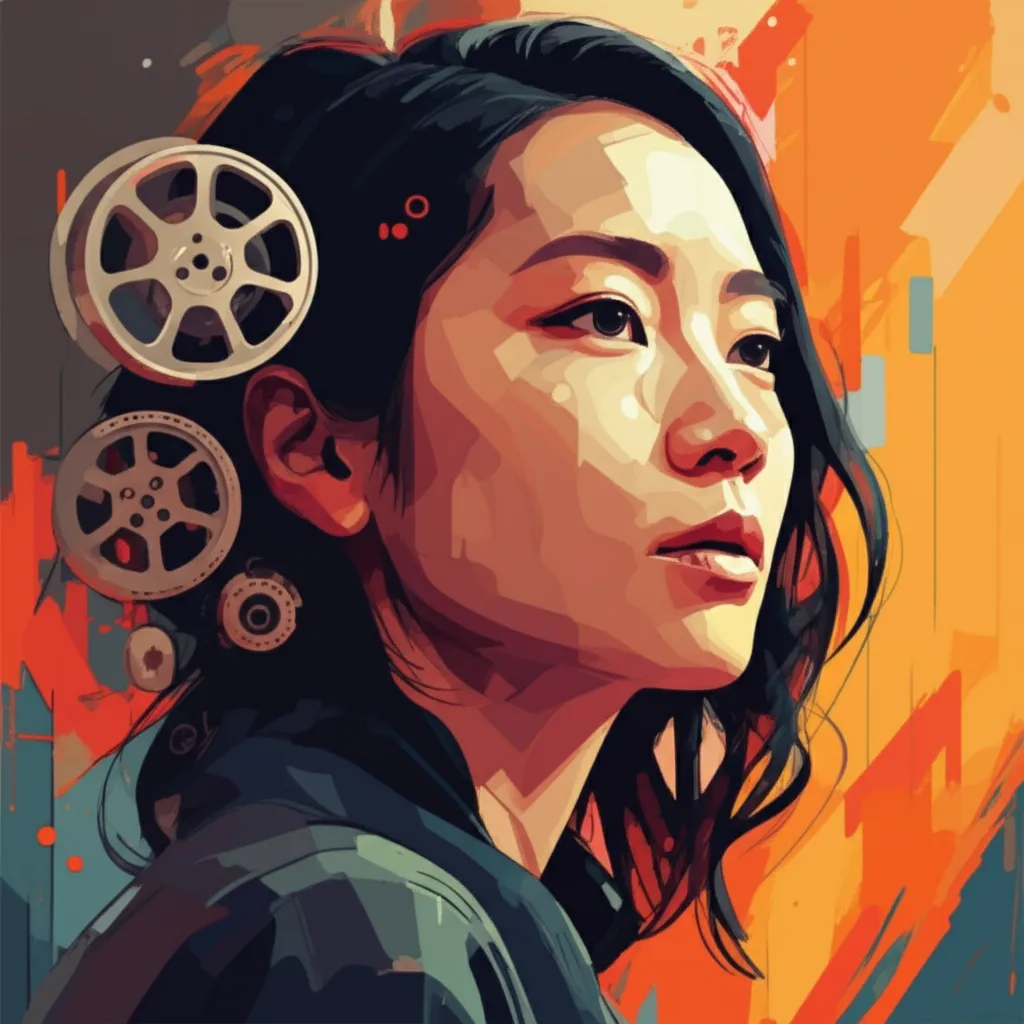
Chloé Zhao
Chloé Zhao is a visionary film director whose unique storytelling and directorial style have left an indelible mark on cinema. Born in China and educated in the United States, Zhao's ability to seamlessly blend her diverse cultural influences is evident in her acclaimed filmography. Her directorial debut, "Songs My Brothers Taught Me" (2015), garnered critical acclaim and set the stage for a career defined by poignant narratives and stunning visuals. Zhao's breakthrough film, "The Rider" (2017), captivated audiences and critics alike with its raw, intimate portrayal of life in the American heartland. The film not only showcased her ability to capture the human experience with unflinching honesty but also established her as a master of blending drama and western aesthetics. This success was followed by "Nomadland" (2020), a hauntingly beautiful drama that earned Zhao widespread recognition, including the Academy Award for Best Director. Her ability to immerse audiences in the lives of her characters while showcasing the breathtaking landscapes of the American West has solidified her reputation as a directorial powerhouse. In 2021, Zhao ventured into the realm of big-budget superhero films with "Eternals," a departure from her previous indie darlings. Despite the shift in scale, Zhao's signature directorial style shines through in the film's emotionally resonant storytelling and visually striking compositions. Her ability to infuse blockbuster action and adventure with profound human drama sets her apart in the realm of comic book adaptations. Zhao's recurring themes of resilience, human connection, and the beauty of the natural world have resonated deeply with audiences, cementing her status as a director with a distinct and powerful voice. Her impact on cinema extends beyond her individual films, as she has paved the way for greater diversity and inclusion in the industry. As the first woman of Asian descent to win the Academy Award for Best Director, Zhao's influence on future generations of filmmakers is immeasurable. In conclusion, Chloé Zhao's directorial career is a testament to the power of storytelling and the transformative potential of cinema. Her ability to craft visually stunning narratives that delve into the human experience has earned her a well-deserved place among the most influential directors of her generation. With a diverse filmography that spans genres and themes, Zhao continues to push the boundaries of cinematic storytelling, leaving an indelible mark on the medium for years to come.
Chris Addison
Chris Addison is a British director known for his work in the comedy and crime genres. He made his directorial debut with the 2019 film "The Hustle," a remake of the 1988 comedy "Dirty Rotten Scoundrels." The film stars Anne Hathaway and Rebel Wilson as two con artists who team up to take down the men who have wronged them. Addison's directorial style is characterized by sharp wit, fast-paced humor, and a keen eye for comedic timing. "The Hustle" showcases Addison's ability to blend physical comedy with clever wordplay, creating a film that appeals to audiences of all ages. His knack for crafting dynamic and engaging comedic performances from his actors is evident throughout the film. Addison's directorial approach emphasizes the importance of strong character development and chemistry between the leads, resulting in a delightful on-screen dynamic between Hathaway and Wilson. Addison's directorial debut with "The Hustle" demonstrates his talent for infusing familiar stories with fresh energy and modern sensibilities. His ability to balance lighthearted humor with elements of crime and deception speaks to his versatility as a director. Addison's work reflects a recurring theme of empowerment, as his female leads confidently navigate a world traditionally dominated by men, all while delivering laugh-out-loud moments. As a director, Chris Addison's impact on cinema lies in his ability to breathe new life into classic genres and narratives. His unique vision and storytelling prowess have solidified his status as a director to watch in the world of comedy and crime films. With "The Hustle," Addison has proven himself as a director capable of delivering crowd-pleasing entertainment while infusing his projects with his distinct directorial flair. As he continues to expand his body of work, audiences can anticipate more clever and captivating films from this talented director.
Chris Appelhans
Chris Appelhans is a visionary director known for his exceptional work in animation. With a career spanning multiple disciplines within the industry, Appelhans has left an indelible mark on the world of cinema. His most notable directorial achievement to date is "Wish Dragon" (2021), a captivating animated film that seamlessly blends adventure, comedy, and heartwarming storytelling. Appelhans' directorial style is characterized by his ability to infuse depth and emotion into his animated works. He has a keen eye for visual storytelling, and his films often feature stunning, vibrant visuals that transport audiences to fantastical worlds. "Wish Dragon" is a prime example of his directorial prowess, as he masterfully weaves together captivating animation with a touching narrative that resonates with viewers of all ages. Notable for his ability to explore universal themes within his films, Appelhans often incorporates elements of friendship, self-discovery, and the pursuit of dreams into his storytelling. His films are known for their uplifting and inspirational messages, making them both entertaining and thought-provoking for audiences. Appelhans' impact on cinema is undeniable, as he continues to push the boundaries of animated storytelling and captivate audiences with his unique vision. His work has contributed to the evolution of animation as a medium, showcasing the power of storytelling through immersive visuals and compelling narratives. Overall, Chris Appelhans' directorial career is a testament to his creative genius and his ability to leave a lasting impression on audiences through his exceptional storytelling and visual artistry. With "Wish Dragon," he has solidified his status as a director to watch in the animation world, and his contributions to film are sure to continue shaping the landscape of cinema for years to come.